
Nutrition comparison
Malabar Spinach vs Spinach: Which Leafy Green Is Healthier for You?
Compare Malabar Spinach and Spinach nutrition, oxalate content, iron absorption, and kidney stone risk. Find out which green is better for your specific health needs.
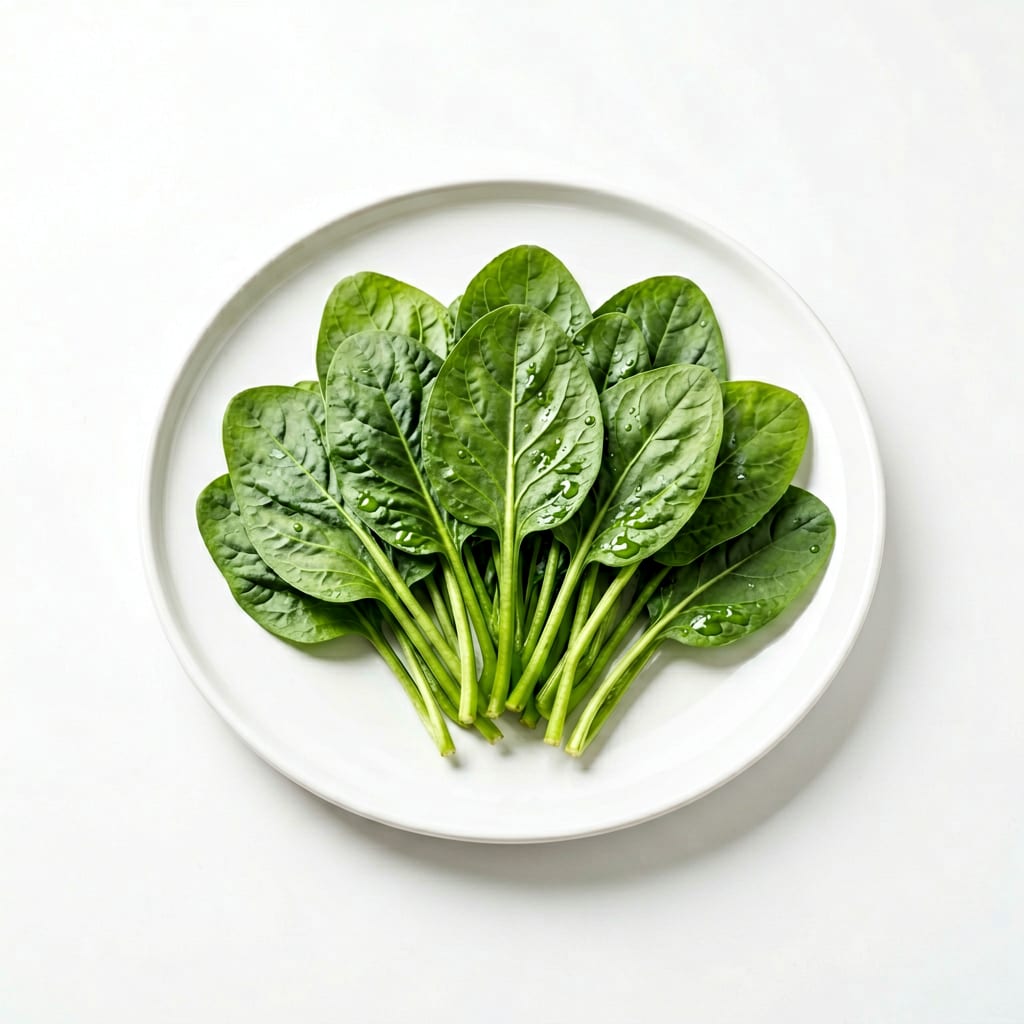
Malabar Spinach
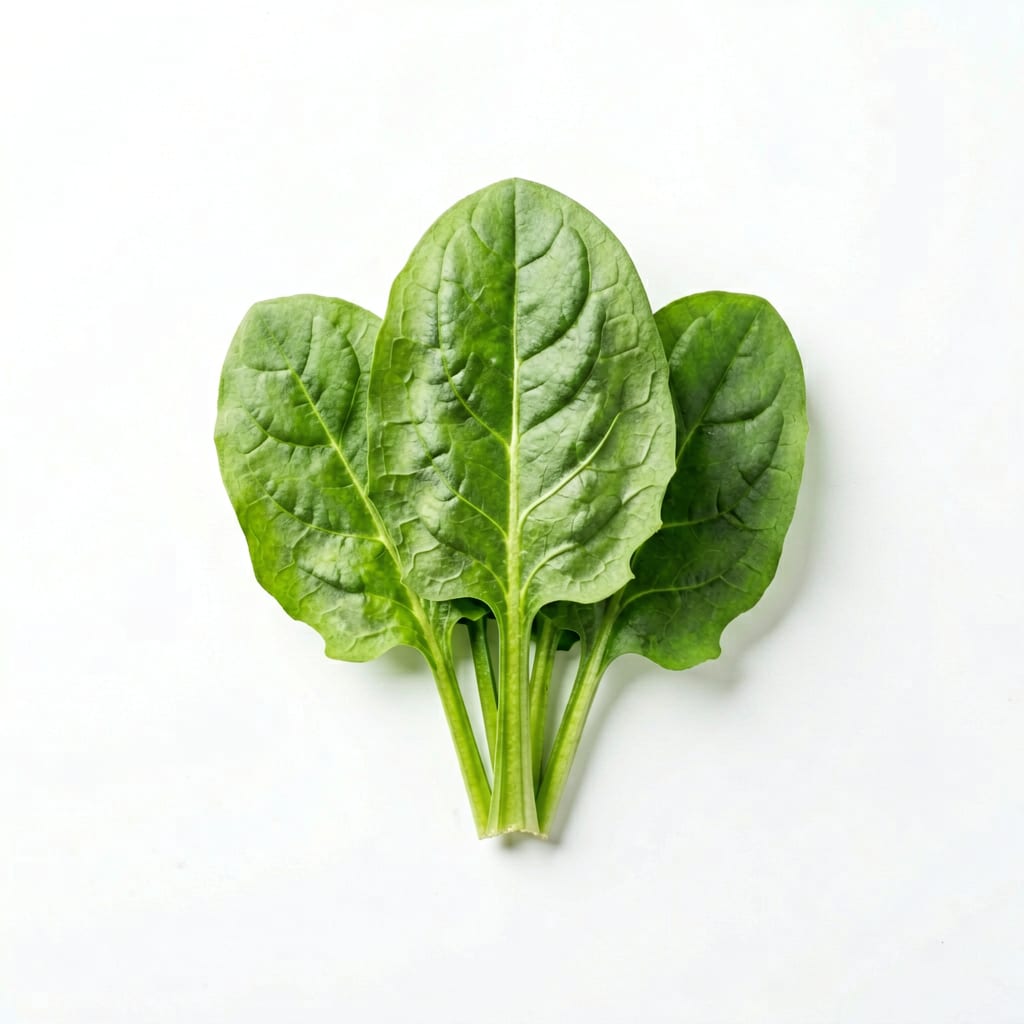
Spinach
Spinach wins on nutrient density and availability, but Malabar Spinach is the smarter pick if you worry about kidney stones, iron absorption, or oxalate sensitivity.
Spinach scores higher overall due to superior nutrient density, wider availability, and versatility. Malabar Spinach closes the gap significantly for anyone with oxalate concerns, where it becomes the clearly safer choice.
Spinach delivers more vitamins per leaf but locks minerals behind oxalates; Malabar Spinach gives you less total nutrition but lets your body actually absorb what's there.
At a glance
Executive summary
Overall
It depends
Healthier
It depends
More practical
Spinach
Daily use
Spinach
Key comparison lenses
oxalate sensitivity and kidney stone prevention
Spinach is notoriously high in oxalates while Malabar Spinach is significantly lower, making this the single most impactful difference for many people
nutrient density comparison between leafy greens
Both are nutrient powerhouses but with different strengths — users want to know which delivers more value per bite
iron absorption and mineral bioavailability
Spinach's iron is famous but poorly absorbed due to oxalates; Malabar Spinach offers better bioavailability
digestive comfort and gut tolerance
Malabar Spinach has mucilaginous properties that soothe the gut, while Spinach can irritate sensitive stomachs
availability and everyday practicality
Spinach is everywhere; Malabar Spinach requires specialty stores or home growing, which limits daily use
Best choice for
Malabar Spinach
- People prone to kidney stones or oxalate sensitivity
- Anyone needing better iron absorption from greens
- Those with digestive irritation from high-oxalate foods
- Gardeners in hot humid climates seeking a reliable summer green
- People following low-oxalate diets for autoimmune conditions
Spinach
- Most people seeking maximum nutrient density per calorie
- Anyone prioritizing eye health through lutein and zeaxanthin
- Budget-conscious shoppers needing affordable everyday greens
- Those who want easy access at any grocery store
- People focused on vitamin K for bone health
Least suitable for
Malabar Spinach
- People without access to specialty or Asian grocery stores
- Anyone who dislikes slippery or mucilaginous textures
- Those wanting a versatile green for salads and smoothies
- People unfamiliar with cooking tropical greens
Spinach
- Anyone with a history of calcium oxalate kidney stones
- People with oxalate sensitivity or interstitial cystitis
- Those taking blood thinners who need stable vitamin K intake
- Individuals with iron-deficiency anemia relying on greens for iron
Deep comparison
Dimension by dimension
Each lens scores both foods and breaks down who each option suits.
- Dimension 1 · Priority 95Malabar Spinach
Oxalate Load and Kidney Stone Risk
Malabar Spinach · 88Spinach · 32Malabar Spinach contains dramatically lower oxalates, making it far safer for anyone concerned about kidney stones.
Tradeoff
You sacrifice some vitamin K and lutein but gain a green you can eat freely without worrying about mineral absorption or stone formation.
Why it matters
High oxalate foods like Spinach can contribute to kidney stones and block calcium and iron absorption — a real problem for susceptible people.
Real-world impact
If you've ever passed a kidney stone, Malabar Spinach lets you keep eating leafy greens without anxiety. Spinach requires careful portion control.
Malabar Spinach
- Kidney stone formers
- Low-oxalate diet followers
- People with oxalate-sensitive autoimmune conditions
Better for
- No real downside here — this is Malabar Spinach's strongest advantage
Worse for
Spinach
- People with no oxalate concerns who want maximum nutrition
Better for
- Anyone with a kidney stone history should limit Spinach significantly
Worse for
- Dimension 2 · Priority 90Spinach
Nutrient Density
Malabar Spinach · 68Spinach · 92Spinach packs more vitamins and minerals per gram, especially vitamin K, folate, and lutein.
Tradeoff
Spinach has more nutrients on paper, but oxalates block absorption of key minerals like iron and calcium, so the usable nutrition gap is smaller than it appears.
Why it matters
Raw numbers mislead — what your body actually absorbs matters more than what's on the label.
Real-world impact
Eating Spinach for iron is surprisingly ineffective despite its iron content. Malabar Spinach delivers less iron but you absorb more of it.
Malabar Spinach
- People who care about absorbable nutrition over total nutrition
- Those eating iron-rich greens for actual iron intake
Better for
- Anyone needing high vitamin K intake for medical reasons
Worse for
Spinach
- Anyone wanting maximum vitamin K for bone health
- People seeking lutein and zeaxanthin for eye health
- Those who absorb nutrients well and have no oxalate issues
Better for
- People relying on Spinach for iron may be disappointed by actual absorption
Worse for
- Dimension 3 · Priority 85Malabar Spinach
Iron Bioavailability
Malabar Spinach · 78Spinach · 45Malabar Spinach provides iron that your body can actually absorb, while Spinach's oxalates bind most of its iron before you can use it.
Tradeoff
Spinach has more total iron, but Malabar Spinach delivers more usable iron despite having less on paper.
Why it matters
Iron-deficiency anemia is common, and choosing the wrong green can mean wasted nutritional effort.
Real-world impact
If you're eating greens to boost iron levels, Malabar Spinach gets more iron into your bloodstream than Spinach, even though Spinach contains more iron per serving.
Malabar Spinach
- Women with low iron levels
- Vegetarians relying on plant iron sources
- Anyone with diagnosed iron deficiency
Better for
- Still a plant-based non-heme iron source — not as effective as animal iron
Worse for
Spinach
- People with adequate iron status who want overall mineral intake
Better for
- Oxalates can block up to 90% of iron absorption from Spinach
Worse for
- Dimension 4 · Priority 80Malabar Spinach
Digestive Comfort and Gut Health
Malabar Spinach · 82Spinach · 58Malabar Spinach has soothing mucilaginous properties that coat and calm the digestive tract, while Spinach can irritate sensitive guts.
Tradeoff
Malabar Spinach's slippery texture bothers some people but benefits your gut lining; Spinach tastes cleaner but can trigger discomfort in sensitive individuals.
Why it matters
If you have IBS, leaky gut, or general digestive sensitivity, the wrong green can cause bloating or irritation.
Real-world impact
Malabar Spinach feels gentler after eating — less bloating, less stomach awareness. Spinach can leave sensitive people feeling uncomfortably full or irritated.
Malabar Spinach
- People with IBS or sensitive digestion
- Anyone recovering from gut issues
- Those who find raw greens irritating
Better for
- Texture aversion to mucilaginous foods may limit enjoyment
Worse for
Spinach
- People with robust digestion who notice no difference
Better for
- Oxalates can irritate the gut lining in sensitive individuals
Worse for
- Dimension 5 · Priority 78Spinach
Eye Health Nutrients
Malabar Spinach · 52Spinach · 90Spinach is one of the best sources of lutein and zeaxanthin, the two carotenoids most strongly linked to protecting vision.
Tradeoff
If preserving eyesight is a priority, Spinach delivers compounds that Malabar Spinach simply cannot match in quantity.
Why it matters
Age-related macular degeneration is a leading cause of vision loss, and dietary lutein is one of the few proven protective factors.
Real-world impact
Regular Spinach consumption is associated with measurably lower risk of macular degeneration. Malabar Spinach offers general antioxidants but lacks this specific protection.
Malabar Spinach
- General antioxidant support only
Better for
- Not a meaningful source of lutein or zeaxanthin
Worse for
Spinach
- Adults over 50 concerned about vision
- People with family history of macular degeneration
- Anyone wanting proactive eye health nutrition
Better for
- Lutein absorption requires fat — eating Spinach plain reduces benefit
Worse for
- Dimension 6 · Priority 72Spinach
Availability and Practicality
Malabar Spinach · 30Spinach · 95Spinach is available everywhere year-round; Malabar Spinach requires specialty stores, Asian markets, or home growing.
Tradeoff
The best green nutritionally means nothing if you cannot find or afford it consistently.
Why it matters
Dietary choices only work when you can sustain them. Accessibility determines long-term adherence.
Real-world impact
You can grab Spinach at any grocery store on any day. Malabar Spinach might require a trip across town or ordering seeds online.
Malabar Spinach
- Home gardeners in warm climates
- People near Asian or tropical grocery stores
- Anyone who enjoys growing their own food
Better for
- Most Western consumers will struggle to find it regularly
Worse for
Spinach
- Everyone else — Spinach is universally accessible
- Busy people who need grab-and-go produce
- Those living in areas without specialty markets
Better for
- No real downside — Spinach is among the most accessible greens
Worse for
- Dimension 7 · Priority 68Spinach
Culinary Versatility
Malabar Spinach · 48Spinach · 88Spinach works raw in salads, blended in smoothies, sautéed, or baked. Malabar Spinach's mucilaginous texture limits it mostly to cooked dishes.
Tradeoff
Spinach adapts to almost any recipe; Malabar Spinach excels in soups and stews but feels out of place in salads or smoothies.
Why it matters
If you cannot enjoy eating a food multiple ways, you will eat it less often and get less benefit.
Real-world impact
Spinach disappears into smoothies and salads effortlessly. Malabar Spinach works beautifully in curries and soups but would ruin a smoothie for most people.
Malabar Spinach
- Fans of Southeast Asian and Indian cooking
- Soup and stew enthusiasts
- People who enjoy thickening dishes naturally
Better for
- Slippery texture limits raw applications
- Not suitable for most Western salad recipes
Worse for
Spinach
- Smoothie drinkers
- Salad lovers
- Anyone wanting one green for all cooking methods
Better for
- Cooks down dramatically — you need large volumes for cooked dishes
Worse for
Timeline
Health impact over time
Short-term
Hours to days
Malabar Spinach
- Gentle on the digestive system with soothing mucilage
- Provides quick hydration due to high water content
- Unlikely to cause bloating or oxalate-related discomfort
Spinach
- Can cause bloating in oxalate-sensitive individuals
- Provides noticeable energy from B-vitamins and iron
- Raw consumption may trigger mouth tingling from oxalate crystals
Long-term
Months to years
Malabar Spinach
- Lower kidney stone risk with regular consumption
- Consistent absorbable iron intake supports healthy blood levels
- Gut-soothing properties may support long-term digestive health
Spinach
- Significant protection against macular degeneration from lutein
- High vitamin K supports bone density and cardiovascular health
- Oxalate accumulation increases kidney stone risk with heavy daily consumption
Risk profile
Safety & processing
Both greens are whole foods typically sold fresh and unprocessed. Neither carries meaningful additive concerns. The main difference is pesticide exposure — conventional Spinach consistently appears on the Dirty Dozen list for pesticide residues, while Malabar Spinach is less monitored but often grown with fewer chemicals due to its natural pest resistance.
Malabar Spinach
Misidentification with toxic lookalikes
mediumMalabar Spinach can be confused with other vining plants by foragers. Always purchase from reputable sources or grow from verified seeds.
Pesticide residue (less studied)
lowLess monitoring data exists compared to Spinach, but Malabar Spinach generally requires fewer pesticides due to natural resilience.
Spinach
High pesticide residue
highSpinach consistently ranks in the top three on the EWG Dirty Dozen list. Organic is strongly recommended to reduce exposure.
E. coli and foodborne illness
mediumLeafy greens are a common source of foodborne outbreaks. Wash thoroughly even if pre-washed packaging claims otherwise.
Oxalate-related kidney stones
highFor susceptible individuals, regular Spinach consumption significantly increases calcium oxalate stone formation risk.
Who wins for whom
Audience fit
Same foods, different winners depending on your goal.
children
SpinachSpinach is easier to hide in smoothies and familiar dishes. Malabar Spinach's slippery texture often puts kids off.
daily consumption
SpinachFor most people without oxalate issues, Spinach's accessibility and nutrient profile make it the more sustainable daily choice.
diabetes
SpinachSpinach's magnesium content and very low glycemic impact make it slightly more supportive for blood sugar regulation.
elderly
It dependsSpinach protects vision and bones, but Malabar Spinach is safer for elderly individuals with kidney stone history or digestive sensitivity.
muscle gain
SpinachNeither is a significant protein source, but Spinach's nitrate content may improve exercise performance slightly.
weight loss
SpinachBoth are extremely low calorie, but Spinach's availability and versatility make it easier to consistently include in a weight loss plan.
Your move
Decision guide
Choose Malabar Spinach
- You have a history of kidney stones or are at high risk
- You want absorbable iron from your greens rather than just high iron content
- You live in a hot climate and want a reliable summer green that thrives in heat
- You have digestive sensitivity and find regular Spinach irritating
- You enjoy cooking Southeast Asian, Indian, or African dishes
Choose Spinach
- You have no oxalate concerns and want maximum nutrient density
- Eye health and lutein intake are priorities for you
- You need a green that works in salads, smoothies, and cooked dishes alike
- Availability and affordability matter for your weekly meal planning
- You want the most researched and well-understood leafy green
Either works if
- You simply want more leafy greens in your diet and both are available
- You rotate greens regularly to diversify your nutrient intake
- You have no specific health conditions that favor one over the other
Avoid both if
- You are on blood thinners and cannot maintain consistent vitamin K intake
- You have severe oral allergy syndrome triggered by raw greens
Final recommendation
Eat Spinach as your everyday green unless you have oxalate concerns — its availability and nutrient density make it the practical winner. But if kidney stones, iron absorption, or gut sensitivity are on your radar, seek out Malabar Spinach. Better yet, rotate both to get the strengths of each while minimizing the weaknesses of either.
Practical
Consumer tips
- 1
Buy organic Spinach whenever possible — it consistently tests high for pesticide residues
- 2
Pair Spinach with a fat source like olive oil to absorb its fat-soluble vitamins and lutein
- 3
Boiling Spinach and discarding the water reduces oxalates by up to 87%, but also loses some water-soluble vitamins
- 4
If you grow Malabar Spinach, it thrives in summer heat when regular Spinach bolts — plant both for year-round greens
- 5
Malabar Spinach stems are edible and add pleasant crunch — do not discard them
- 6
Freeze Spinach before blending into smoothies to break cell walls and improve nutrient extraction
- 7
If transitioning to Malabar Spinach, start with soups and curries where the mucilaginous texture is an asset