
Nutrition comparison
Malabar Spinach vs Collard Greens: Which Leafy Green Is Better for You?
Compare Malabar Spinach and Collard Greens on vitamin K, calcium, digestion, taste, and availability. Find out which green fits your health goals and cooking style.
Overall winner · Collard Greens
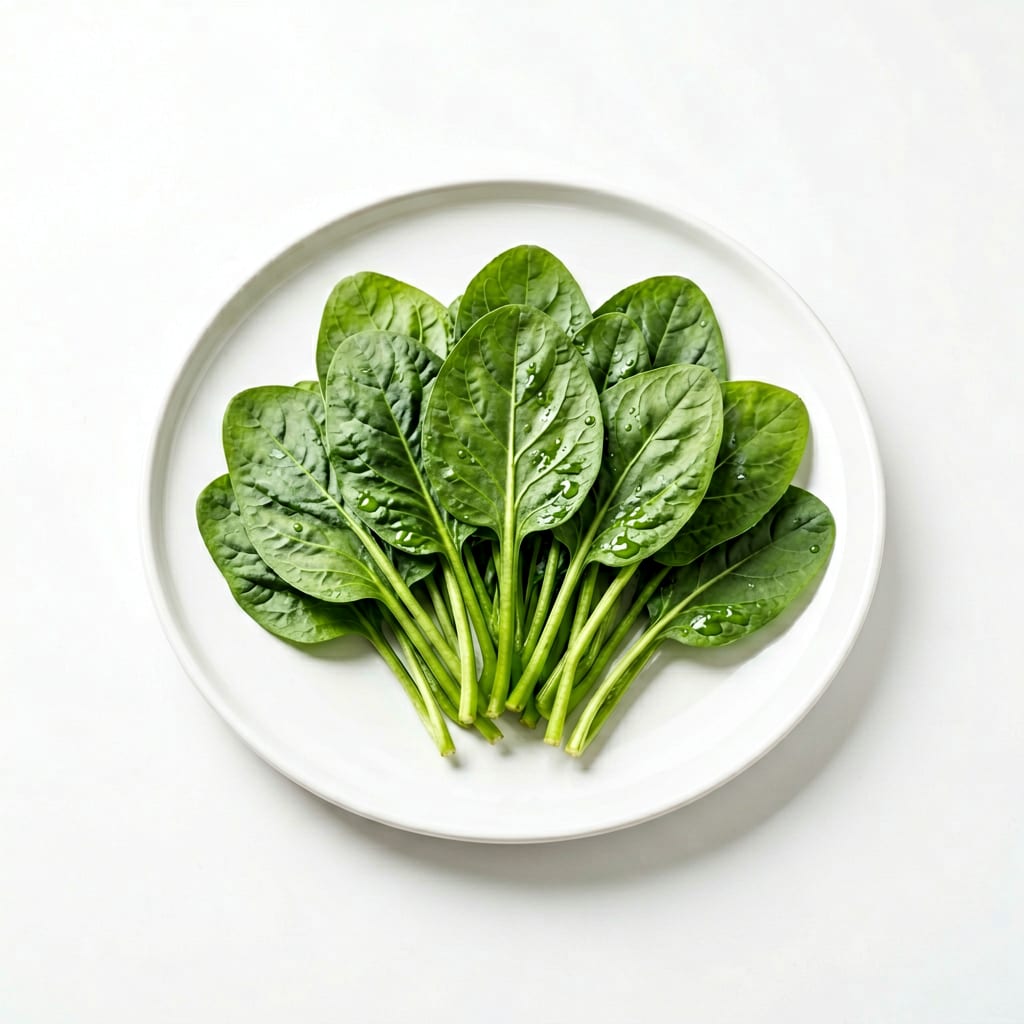
Malabar Spinach
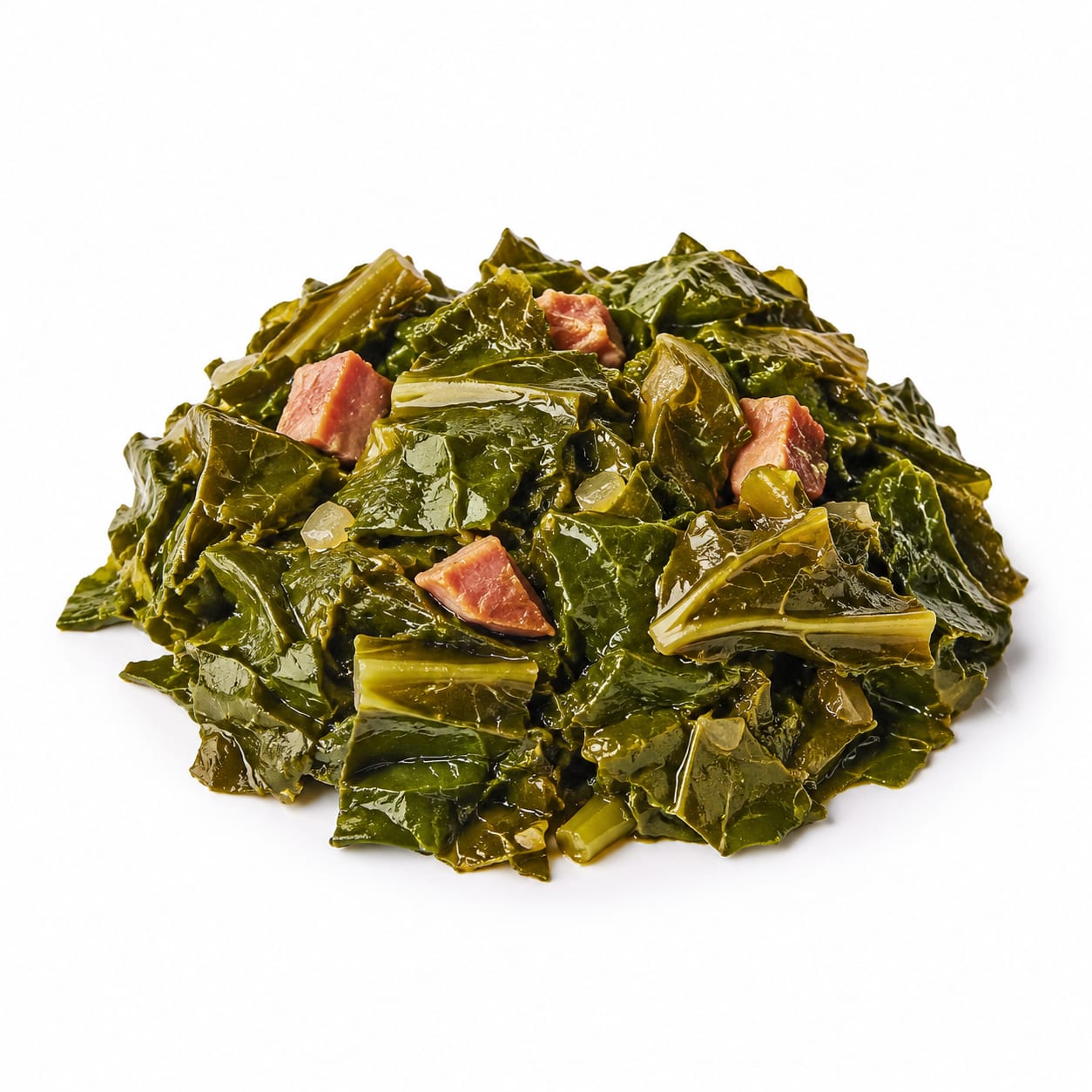
Collard Greens
Collard Greens edge ahead with dramatically more vitamin K, calcium, and wider availability, though Malabar Spinach offers unique soothing properties and heat tolerance that Collard Greens cannot match.
Collard Greens score higher due to superior vitamin K and calcium content, broader availability, and more established nutritional research. Malabar Spinach remains valuable for specific contexts like hot climates and digestive soothing but loses points on accessibility and texture acceptance.
Collard Greens deliver stronger bone-supporting nutrients and easier access, while Malabar Spinach thrives in hot climates, soothes the gut, and provides a cooling quality that Collard Greens lack.
At a glance
Executive summary
Overall
Collard Greens
Healthier
Collard Greens
More practical
Collard Greens
Daily use
Collard Greens
Key comparison lenses
nutrient density comparison
Both are leafy greens prized for micronutrients, so users want to know which packs more nutrition per bite
bone health and vitamin K
Collard Greens are legendary for vitamin K and calcium, making bone health a key differentiator
cooking versatility and taste
Malabar Spinach has a unique mucilaginous texture that divides opinion, while Collard Greens have a familiar hearty bite
accessibility and practicality
Malabar Spinach can be hard to find outside tropical or Asian markets, while Collard Greens are widely available
digestive tolerance
The mucilage in Malabar Spinach soothes digestion for some but feels slimy to others; Collard Greens can cause gas from cruciferous fiber
Best choice for
Malabar Spinach
- People in hot humid climates who want a reliable leafy green that will not bolt
- Those seeking gentle digestive soothing from mucilage
- Anyone looking for a heat-loving green for tropical gardens
- People wanting a cooling vegetable in Ayurvedic or traditional Asian cooking
Collard Greens
- Anyone prioritizing bone health through food-based vitamin K and calcium
- People who want a widely available affordable green at any grocery store
- Those following Southern American or Portuguese culinary traditions
- Anyone seeking maximum nutrient density per calorie in a leafy green
Least suitable for
Malabar Spinach
- People sensitive to slimy or mucilaginous textures
- Those without access to Asian or specialty markets
- Anyone on blood thinners who needs consistent vitamin K intake tracking
- People unfamiliar with cooking mucilaginous vegetables
Collard Greens
- People prone to bloating or gas from cruciferous vegetables
- Those on blood thinners who must strictly limit vitamin K
- Anyone who finds bitter greens unpalatable without heavy seasoning
- People in hot tropical climates where Collard Greens struggle to grow
Deep comparison
Dimension by dimension
Each lens scores both foods and breaks down who each option suits.
- Dimension 1 · Priority 95Collard Greens
vitamin_K_and_bone_support
Malabar Spinach · 35Collard Greens · 97Collard Greens are one of the richest vegetable sources of vitamin K, delivering over 770% of daily needs per cooked cup, while Malabar Spinach provides a modest amount.
Tradeoff
If you are on warfarin or another blood thinner, Collard Greens require careful portioning, whereas Malabar Spinach is easier to manage.
Why it matters
Vitamin K is essential for bone mineralization and blood clotting. Getting enough from food reduces fracture risk far more effectively than most people realize.
Real-world impact
Regular Collard Greens consumption can meaningfully improve bone density over years, especially for postmenopausal women. Malabar Spinach cannot match this benefit.
Malabar Spinach
- People on blood thinners who need moderate and predictable vitamin K
- Anyone wanting some vitamin K without dramatic intake spikes
Better for
- Those relying on leafy greens as their primary vitamin K source
- Anyone needing therapeutic vitamin K levels for bone healing
Worse for
Collard Greens
- Older adults focused on fracture prevention
- Postmenopausal women needing dietary calcium and vitamin K together
- Anyone who wants to hit vitamin K targets from food alone
Better for
- People on anticoagulants who must strictly limit vitamin K
- Anyone unprepared to manage large vitamin K fluctuations in their diet
Worse for
- Dimension 2 · Priority 88Collard Greens
calcium_content
Malabar Spinach · 40Collard Greens · 90Collard Greens provide roughly 260mg of calcium per cooked cup, making them one of the best dairy-free calcium sources. Malabar Spinach contains calcium but also oxalates that reduce absorption.
Tradeoff
Collard Greens deliver more bioavailable calcium overall, but Malabar Spinach still contributes to daily intake if you consume enough of it.
Why it matters
For people avoiding dairy, leafy greens are a primary calcium strategy. The difference between a good and mediocre calcium source compounds over decades.
Real-world impact
Someone eating Collard Greens regularly gets a meaningful dent in their daily calcium needs from one serving. Malabar Spinach helps but cannot carry the same load.
Malabar Spinach
- Those who get calcium from other sources and want variety
- Anyone already meeting calcium needs through other foods
Better for
- People counting on leafy greens as a primary calcium source
- Those with increased calcium needs who eat limited dairy
Worse for
Collard Greens
- Dairy-free individuals relying on greens for calcium
- Vegans who need concentrated plant calcium sources
- Teenagers and older adults with higher calcium requirements
Better for
- Those who already exceed calcium recommendations from other foods
- People concerned about calcium supplementation interactions
Worse for
- Dimension 3 · Priority 82Malabar Spinach
heat_tolerance_and_growing_practicality
Malabar Spinach · 95Collard Greens · 40Malabar Spinach thrives in intense heat and humidity where most greens bolt or wilt. Collard Greens prefer cool weather and struggle in tropical summer heat.
Tradeoff
If you live in a hot climate and want to grow your own greens, Malabar Spinach is far more reliable. In temperate zones, Collard Greens grow easily.
Why it matters
Home gardeners in hot regions often have no leafy green options in summer. Malabar Spinach fills that gap completely.
Real-world impact
A gardener in Florida or Southeast Asia can harvest Malabar Spinach all summer long. Collard Greens would bolt and turn bitter in the same conditions.
Malabar Spinach
- Home gardeners in USDA zones 9-11
- Anyone in tropical or subtropical climates
- People wanting fresh greens during peak summer heat
- Permaculture designers in hot humid regions
Better for
- Cool-climate gardeners who cannot sustain tropical vines
- Anyone without a long hot growing season
Worse for
Collard Greens
- Gardeners in temperate or cool climates
- Anyone growing greens in spring or fall seasons
- People in regions with mild summers
Better for
- Tropical gardeners who watch cool-weather greens bolt immediately
- Anyone trying to grow leafy greens through a hot humid summer
Worse for
- Dimension 4 · Priority 78Malabar Spinach
digestive_tolerance_and_gut_soothing
Malabar Spinach · 85Collard Greens · 55Malabar Spinach contains mucilage that coats and soothes the digestive tract, making it gentle on sensitive stomachs. Collard Greens contain cruciferous fiber that can cause bloating and gas.
Tradeoff
The same mucilage that soothes digestion also creates a slimy texture many people dislike. Collard Greens cause gas but have a more familiar mouthfeel.
Why it matters
For people with IBS, gastritis, or sensitive digestion, the soothing quality of Malabar Spinach can be a real benefit rather than just a texture issue.
Real-world impact
Someone with a sensitive gut might find Malabar Spinach comforting after a meal, while Collard Greens could leave them bloated and uncomfortable.
Malabar Spinach
- People with IBS or sensitive digestion who tolerate mucilage
- Anyone recovering from gastrointestinal irritation
- Those who find cruciferous vegetables cause discomfort
Better for
- People who gag on slimy textures regardless of health benefits
- Those who associate mucilage with unpleasant eating experiences
Worse for
Collard Greens
- People with robust digestion who do not notice cruciferous fiber
- Anyone who prefers fiber bulk for regular bowel movements
Better for
- Anyone prone to gas and bloating from cruciferous vegetables
- People with active digestive inflammation who need gentle foods
Worse for
- Dimension 5 · Priority 80Collard Greens
antioxidant_and_phytonutrient_profile
Malabar Spinach · 65Collard Greens · 85Collard Greens contain glucosinolates and sulforaphane precursors linked to cancer-fighting properties. Malabar Spinach has betalains and flavonoids but less clinical evidence behind its phytonutrients.
Tradeoff
Collard Greens offer better-researched anti-cancer compounds, while Malabar Spinach provides antioxidants that are less studied but potentially valuable.
Why it matters
The glucosinolate family in cruciferous vegetables has strong epidemiological evidence for reducing certain cancer risks. This is a meaningful long-term health difference.
Real-world impact
Regular Collard Greens consumption fits into a cancer-risk-reduction eating pattern with solid evidence. Malabar Spinach likely helps too but with less scientific backing.
Malabar Spinach
- Those wanting antioxidant variety beyond cruciferous vegetables
- Anyone already eating plenty of broccoli and kale who wants different phytonutrients
Better for
- People seeking the strongest evidence base for anti-cancer food choices
- Anyone wanting clinically validated phytonutrient intake
Worse for
Collard Greens
- People prioritizing cancer-risk reduction through diet
- Anyone following a cruciferous-vegetable-rich eating pattern
- Those who want well-studied phytonutrient benefits
Better for
- Those already maxing out cruciferous intake who need variety
- People sensitive to goitrogenic compounds in cruciferous vegetables
Worse for
- Dimension 6 · Priority 85Collard Greens
availability_and_affordability
Malabar Spinach · 30Collard Greens · 90Collard Greens are available in nearly every American grocery store year-round at low cost. Malabar Spinach is mostly found in Asian markets, specialty stores, or home gardens.
Tradeoff
You can buy Collard Greens anywhere cheaply. Malabar Spinach requires effort to source or must be grown at home.
Why it matters
The healthiest green is the one you actually eat regularly. Availability often determines whether a food becomes a habit or remains a novelty.
Real-world impact
Most people can walk into any supermarket and find Collard Greens. Finding Malabar Spinach requires a specialty trip or a garden, making consistent consumption harder.
Malabar Spinach
- People with access to Asian or tropical markets
- Home gardeners in hot climates who grow their own
- Anyone willing to seek out specialty produce
Better for
- Rural shoppers without specialty markets nearby
- Anyone unwilling to garden or make specialty shopping trips
- People who need to find greens at a standard supermarket
Worse for
Collard Greens
- Most American consumers who shop at conventional grocery stores
- People on tight budgets who need affordable greens
- Anyone who values convenience in food shopping
Better for
- People in regions where Collard Greens are not traditionally eaten
- Anyone who finds Collard Greens consistently wilted or poor quality at their local store
Worse for
- Dimension 7 · Priority 75Collard Greens
culinary_versatility
Malabar Spinach · 55Collard Greens · 80Collard Greens work in soups, stews, sautés, wraps, and braises across many cuisines. Malabar Spinach is best in soups, curries, and stir-fries where its mucilage thickens the broth.
Tradeoff
Collard Greens adapt to more dishes and cooking methods. Malabar Spinach excels in specific applications but its texture limits broader use.
Why it matters
A green you can cook many ways stays interesting longer. Limited cooking options can lead to monotony and abandonment.
Real-world impact
You can use Collard Greens as a wrap, braise them, add them to soup, or sauté them as a side. Malabar Spinach really shines in soups and curries but feels out of place in many Western recipes.
Malabar Spinach
- Cooks making Asian soups and curries who want natural thickening
- Anyone preparing Filipino or South Indian dishes that traditionally use Malabar Spinach
- People who enjoy mucilaginous textures in cooked dishes
Better for
- Anyone trying to make a crisp salad or fresh wrap
- Cooks unfamiliar with working around mucilaginous textures
- People wanting a green that works in Western-style side dishes
Worse for
Collard Greens
- Home cooks wanting a versatile green for many recipes
- Anyone making Southern-style braised greens
- People who want to use greens as a low-carb wrap substitute
- Cooks preparing Portuguese caldo verde or similar traditional dishes
Better for
- Cooks making traditional Asian dishes that specifically call for Malabar Spinach
- Anyone wanting a natural soup thickener in one ingredient
Worse for
Timeline
Health impact over time
Short-term
Hours to days
Malabar Spinach
- Gentle digestive soothing from mucilage coating the stomach lining
- Mild laxative effect from combined fiber and mucilage content
- Quick hydration from high water content in cooked preparations
- Possible texture aversion leading to reduced intake
Collard Greens
- Noticeable fullness and satiety from dense fiber content
- Potential bloating or gas within hours of eating, especially if unaccustomed to cruciferous vegetables
- Steady energy with no blood sugar impact
- Immediate contribution to daily vitamin K and calcium targets
Long-term
Months to years
Malabar Spinach
- Consistent gentle fiber intake supporting regular digestion
- Moderate antioxidant contribution from betalains and flavonoids
- Possible under-consumption of vitamin K if relied upon as the primary leafy green
- Valuable dietary variety for people in hot climates who otherwise lack fresh greens in summer
Collard Greens
- Substantial reduction in fracture risk from consistent high vitamin K and calcium intake
- Meaningful cancer risk reduction from regular glucosinolate consumption
- Improved cardiovascular markers from fiber and antioxidant content
- Potential thyroid interference if consumed in extreme quantities raw, though cooking largely resolves this
Risk profile
Safety & processing
Both greens are whole foods typically sold fresh and unprocessed. The main concern is that Collard Greens are sometimes sold pre-washed in plastic bags with potential chlorine wash residues, while Malabar Spinach is usually sold loose and fresh. Neither carries significant processing concerns when bought whole.
Malabar Spinach
Oxalate content reducing mineral absorption
lowMalabar Spinach contains moderate oxalates that can bind calcium and iron, reducing absorption. This is manageable with cooking and varied diet but worth noting for those prone to kidney stones.
Misidentification with toxic lookalikes
mediumIn regions where Malabar Spinach is less familiar, there is some risk of confusing it with other vining plants. Always purchase from reputable sources or grow from verified seeds.
Pesticide residue on imported bunches
lowWhen imported from tropical regions with less regulated pesticide use, residues may be present. Washing thoroughly or choosing organic mitigates this.
Collard Greens
High vitamin K interfering with blood thinners
highCollard Greens contain extremely high vitamin K levels that can counteract warfarin and other anticoagulants. This is the most clinically significant safety concern between the two greens.
Goitrogenic compounds affecting thyroid
lowRaw Collard Greens contain goitrogens that can interfere with thyroid function in susceptible individuals. Cooking deactivates most of these compounds.
Contamination in pre-washed packaged greens
mediumBagged pre-washed Collard Greens have been involved in recalls for E. coli and listeria. Whole unwashed bunches are safer when properly cleaned at home.
Who wins for whom
Audience fit
Same foods, different winners depending on your goal.
children
Collard GreensCollard Greens have a more familiar texture for kids, especially when braised or added to soups. The slimy texture of Malabar Spinach often triggers rejection from picky eaters.
daily consumption
Collard GreensCollard Greens are easier to find, more versatile in cooking, and deliver more consistent nutritional impact per serving. Daily habits require accessibility and reliability.
diabetes
Collard GreensCollard Greens have more fiber to slow glucose absorption and a lower glycemic impact in practical meals. Both are excellent choices for blood sugar management overall.
elderly
Collard GreensThe exceptional vitamin K and calcium in Collard Greens directly address bone health concerns that become critical with aging. The bone-protective benefit outweighs other considerations.
muscle gain
Collard GreensNeither green is a protein powerhouse, but Collard Greens have slightly more protein per serving and more magnesium to support muscle function and recovery.
weight loss
Collard GreensCollard Greens provide more fiber and protein per calorie, creating stronger satiety with minimal calories. Malabar Spinach is also low-calorie but less filling.
Your move
Decision guide
Choose Malabar Spinach
- You live in a hot humid climate and want a reliable summer green that will not bolt
- You have sensitive digestion and find cruciferous vegetables cause bloating
- You cook Asian soups or curries where a natural thickening green is traditional
- You are on blood thinners and need a leafy green with moderate vitamin K
- You enjoy growing unusual vegetables and want something productive in summer heat
Choose Collard Greens
- You want maximum bone-supporting nutrition from a leafy green
- You shop at regular grocery stores and want easy affordable access
- You are building a cancer-risk-reduction eating pattern with cruciferous vegetables
- You cook Southern, Portuguese, or Brazilian dishes that traditionally use Collard Greens
- You want a versatile green that works in wraps, soups, stews, and sautés
Either works if
- You simply want more leafy greens in your diet and both are available
- You are rotating greens for nutrient diversity and antioxidant variety
- You have no specific health condition that favors one over the other
- You enjoy both textures and want to alternate based on the meal
Avoid both if
- You are on strict vitamin K restriction and cannot manage either green in your diet plan
- You have severe oxalate sensitivity and kidney stone risk that limits all leafy greens
- You have a true allergy to either plant family, which is rare but possible
Final recommendation
Make Collard Greens your everyday leafy green for their unmatched vitamin K, calcium, and availability. Add Malabar Spinach when you find it fresh, when your garden produces it in summer, or when you are cooking Asian dishes that benefit from its unique thickening quality. The best approach is rotation: Collard Greens as the staple, Malabar Spinach as the specialty addition that brings digestive soothing and heat-loving reliability when you need it.
Practical
Consumer tips
- 1
If you find Malabar Spinach slimy, try adding it to a soup or curry where the mucilage acts as a natural thickener rather than standing out on its own.
- 2
Massage raw Collard Greens with olive oil and lemon juice for 2 minutes before using as a wrap to soften the leaves and reduce bitterness.
- 3
Blanching Malabar Spinach briefly before adding to stir-fries reduces the mucilaginous texture while preserving nutrients.
- 4
Buy whole Collard Greens bunches instead of pre-washed bags to reduce food safety risks and save money.
- 5
If growing Malabar Spinach, harvest young leaves for more tender texture and milder flavor. Older leaves become more mucilaginous.
- 6
Freeze extra Collard Greens after blanching for up to 6 months. They retain their nutritional value well and are ready for soups and stews.
- 7
If you are on warfarin, talk to your doctor before adding either green regularly. Collard Greens in particular can dramatically shift your vitamin K intake.
- 8
Cook Collard Greens with a splash of vinegar or lemon juice to improve calcium absorption and brighten the flavor without adding sodium.