
Nutrition comparison
Malabar Spinach vs Kale: Which Leafy Green Is Better for You?
Compare Malabar Spinach and Kale on nutrition, digestibility, thyroid safety, and taste. Find out which green fits your health goals and daily routine better.
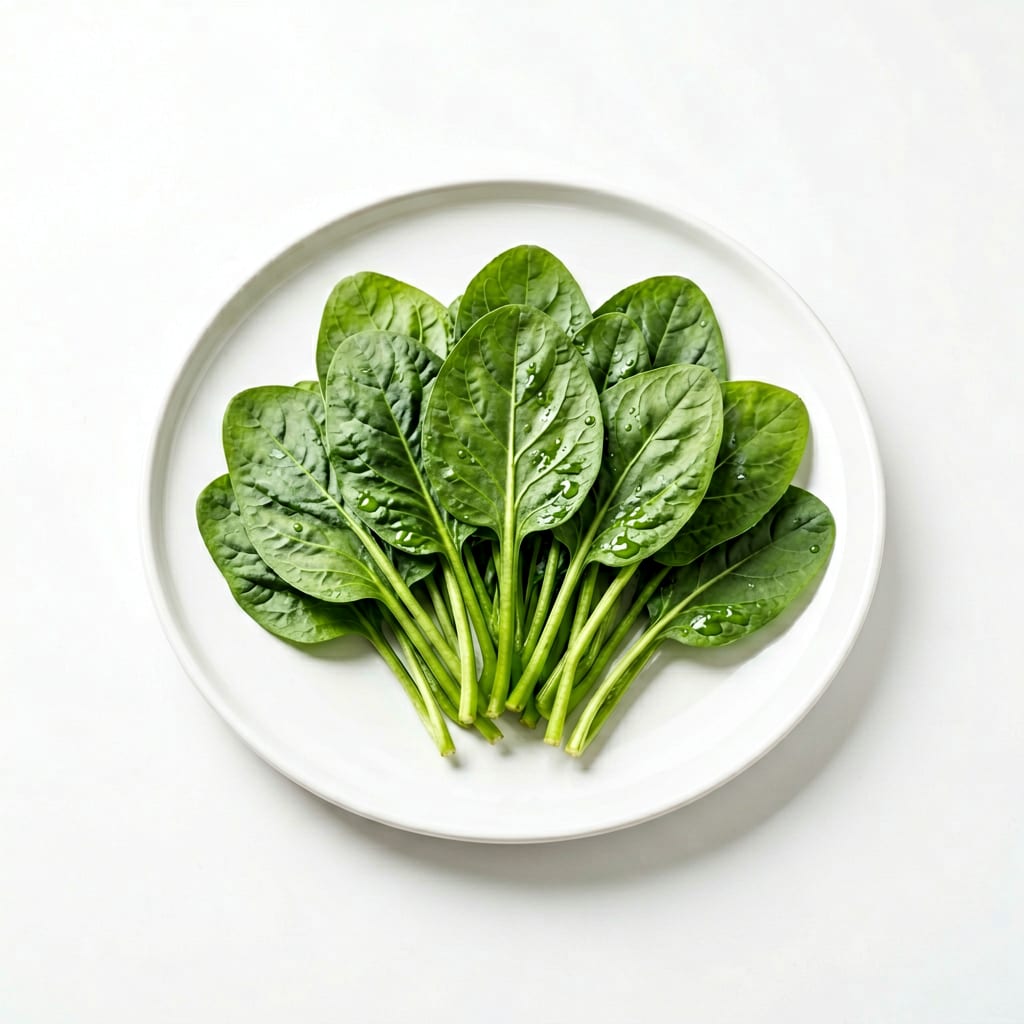
Malabar Spinach
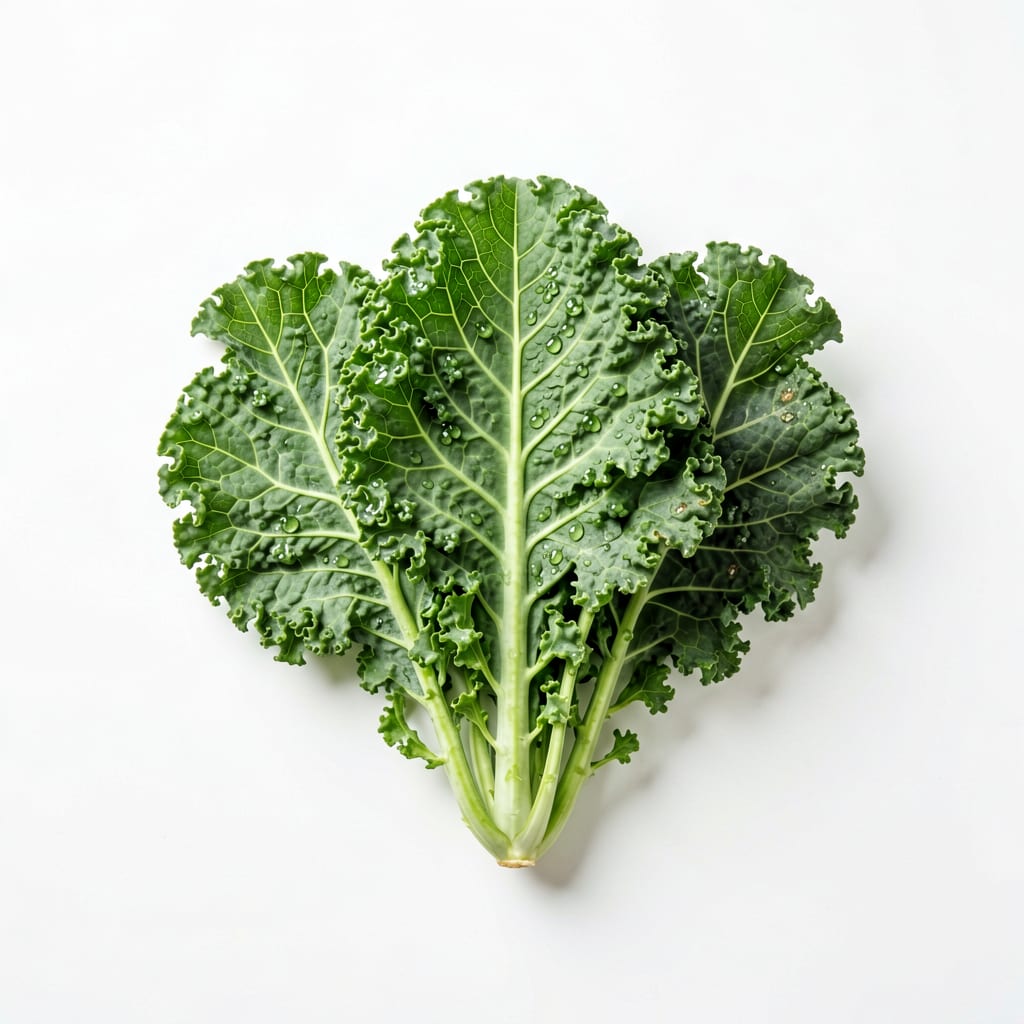
Kale
Kale wins on raw nutrient density and availability, but Malabar Spinach wins on digestibility and thyroid safety. Your best pick depends on your gut sensitivity and thyroid status.
Kale scores higher overall due to superior nutrient density, fiber content, and accessibility. Malabar Spinach stays competitive because of its digestive gentleness and thyroid safety, which matter enormously for affected individuals. The gap is modest because each green has a distinct and legitimate health niche.
Kale packs more vitamins and fiber per serving but can bloat you and stress your thyroid. Malabar Spinach is gentler on digestion and thyroid-safe but delivers fewer nutrients per calorie and is harder to find.
At a glance
Executive summary
Overall
It depends
Healthier
It depends
More practical
Kale
Daily use
It depends
Key comparison lenses
nutrient density comparison
Both are leafy greens famous for being nutrient powerhouses, so users want to know which delivers more nutrition per bite
digestive tolerance
Kale is notorious for bloating and digestive discomfort while Malabar Spinach is mucilaginous and soothing to the gut
thyroid safety
Kale contains goitrogens that can interfere with thyroid function; Malabar Spinach does not, making this a critical differentiator
everyday practicality
Kale is widely available in Western grocery stores while Malabar Spinach is harder to find, affecting daily usability
cooking versatility
Texture and taste differences significantly affect how each green fits into meals
Best choice for
Malabar Spinach
- People with thyroid issues who need to avoid goitrogens
- Those who experience bloating or gas from cruciferous vegetables
- Anyone seeking a cooling, gut-soothing green for hot climates
- People with sensitive digestion who find raw kale harsh
- Cooking traditions that benefit from its thickening, mucilaginous texture
Kale
- People maximizing vitamin K intake for bone and blood health
- Those who want the most nutrients per calorie consumed
- Anyone following a high-fiber diet for cholesterol management
- People with easy access to conventional grocery stores
- Those who enjoy raw salads and green smoothies
Least suitable for
Malabar Spinach
- People who need very high vitamin K intake
- Those without access to Asian or specialty grocery stores
- Anyone who dislikes slippery or mucilaginous food textures
- People seeking a high-fiber green for constipation relief
Kale
- People with hypothyroidism or on thyroid medication
- Those prone to bloating, gas, or IBS symptoms from cruciferous vegetables
- People taking blood thinners who must limit vitamin K
- Anyone who finds bitter greens unpalatable and avoids vegetables as a result
Deep comparison
Dimension by dimension
Each lens scores both foods and breaks down who each option suits.
- Dimension 1 · Priority 95Kale
nutrient_density
Malabar Spinach · 68Kale · 94Kale is one of the most nutrient-dense foods on the planet, delivering significantly more vitamin K, vitamin C, and fiber per serving than Malabar Spinach.
Tradeoff
Kale's nutrient superiority comes with compounds that can interfere with thyroid function and cause digestive distress in sensitive people.
Why it matters
If you eat leafy greens primarily to maximize your vitamin and mineral intake, Kale delivers substantially more per calorie.
Real-world impact
A single cup of raw Kale covers over 100% of your daily vitamin K needs. Malabar Spinach covers a much smaller fraction, meaning you need larger portions or additional sources.
Malabar Spinach
- People who cannot tolerate Kale's digestive effects and would otherwise skip greens entirely
Better for
- Those relying on a single green for comprehensive micronutrient coverage
Worse for
Kale
- Anyone trying to get maximum nutrition from limited calorie intake
- People who need to boost vitamin K for bone health or blood clotting
Better for
- People with thyroid conditions who cannot safely consume goitrogenic foods regularly
Worse for
- Dimension 2 · Priority 90Malabar Spinach
digestive_tolerance
Malabar Spinach · 91Kale · 52Malabar Spinach is soothing and mucilaginous, making it gentle on the digestive tract. Kale is fibrous and cruciferous, commonly causing bloating and gas.
Tradeoff
Kale's tough fiber is great for feeding gut bacteria and promoting regularity, but it can be genuinely uncomfortable for sensitive stomachs.
Why it matters
A green that causes bloating may get dropped from your diet entirely, negating all its nutritional advantages.
Real-world impact
Many people report gas, cramping, or stomach heaviness after eating Kale, especially raw. Malabar Spinach tends to feel light and comforting in the stomach by comparison.
Malabar Spinach
- People with IBS or sensitive digestion
- Anyone who experiences discomfort from raw cruciferous vegetables
- Those recovering from gastrointestinal illness who need gentle foods
Better for
- Those who want a high-fiber green to support bowel regularity
Worse for
Kale
- People with robust digestion who benefit from high insoluble fiber intake
- Anyone needing help with constipation through roughage
Better for
- Anyone with a history of bloating from cabbage-family vegetables
- People who avoid greens because Kale has made them uncomfortable in the past
Worse for
- Dimension 3 · Priority 88Malabar Spinach
thyroid_safety
Malabar Spinach · 95Kale · 45Malabar Spinach contains no goitrogens and is completely thyroid-safe. Kale contains glucosinolates that can interfere with iodine uptake and thyroid hormone production.
Tradeoff
Kale's glucosinolates also have cancer-fighting properties, so avoiding them means losing that protective benefit.
Why it matters
For the roughly 12% of the population with thyroid dysfunction, regular Kale consumption can worsen their condition or interfere with medication.
Real-world impact
If you have hypothyroidism, eating Kale daily could subtly undermine your thyroid medication. Malabar Spinach lets you eat greens freely without this concern.
Malabar Spinach
- Anyone diagnosed with hypothyroidism or Hashimoto's thyroiditis
- People taking thyroid hormone replacement medication
- Those with a family history of thyroid disorders wanting a precautionary approach
Better for
- No meaningful thyroid-related downside for Malabar Spinach
Worse for
Kale
- People with healthy thyroid function who want glucosinolate's cancer-protective benefits
Better for
- Anyone with compromised thyroid function should limit or cook Kale to reduce goitrogen content
Worse for
- Dimension 4 · Priority 82Kale
antioxidant_profile
Malabar Spinach · 72Kale · 88Kale offers a broader and more studied antioxidant profile including lutein, zeaxanthin, and sulforaphane precursors. Malabar Spinach has good antioxidants but less research backing.
Tradeoff
Kale's antioxidants are better documented, but Malabar Spinach contains unique betalain-like pigments and mucilage polysaccharides with emerging health benefits.
Why it matters
Antioxidant diversity matters more than total quantity. Eating both greens would give you the widest antioxidant coverage.
Real-world impact
Kale's lutein and zeaxanthin directly support eye health with strong clinical evidence. Malabar Spinach's antioxidants show promise but have less human data.
Malabar Spinach
- People seeking antioxidant variety beyond the typical cruciferous vegetable profile
- Those interested in traditional medicine-backed plant compounds
Better for
- Those who want the most evidence-backed antioxidant protection available
Worse for
Kale
- Anyone prioritizing eye health through lutein and zeaxanthin
- People who want well-studied, clinically validated antioxidant benefits
Better for
- People missing out on the unique phytonutrients found in non-cruciferous greens
Worse for
- Dimension 5 · Priority 80Kale
availability_and_convenience
Malabar Spinach · 35Kale · 90Kale is available in nearly every grocery store in North America and Europe. Malabar Spinach is primarily found in Asian markets and specialty stores.
Tradeoff
Kale's wide availability makes it the default choice for most people, but Malabar Spinach is easy to grow at home in warm climates and can produce abundantly.
Why it matters
The healthiest green is the one you can actually buy and eat regularly. Accessibility often trumps nutritional superiority in real-world outcomes.
Real-world impact
Most people cannot find Malabar Spinach at their local supermarket, making Kale the practical default. Growing Malabar Spinach at home is a viable workaround if you live in a warm or tropical climate.
Malabar Spinach
- Home gardeners in warm climates who can grow it prolifically
- People with access to Asian or international grocery stores
Better for
- Most suburban and rural shoppers in Western countries
- Anyone who wants to grab greens on a routine shopping trip without special effort
Worse for
Kale
- Anyone shopping at conventional grocery stores
- People who need a reliable green available year-round nationwide
Better for
- No meaningful availability downside for Kale in Western markets
Worse for
- Dimension 6 · Priority 70It depends
cooking_versatility
Malabar Spinach · 70Kale · 75Kale works raw in salads, blended in smoothies, baked as chips, or sautéed. Malabar Spinach excels in soups, stews, and stir-fries where its thickening texture is an asset.
Tradeoff
Kale is more versatile across preparation methods, but Malabar Spinach's mucilaginous quality makes it uniquely suited for dishes where you want body and silkiness without adding flour or cornstarch.
Why it matters
A green that fits into more of your meals gets eaten more often, which matters more than marginal nutritional differences.
Real-world impact
Kale can go into a smoothie, a salad, or a soup. Malabar Spinach shines in cooked dishes but feels slimy to many people when eaten raw, limiting its use.
Malabar Spinach
- Cooks making traditional Asian soups and stews who value natural thickening
- Anyone wanting a green that melts silkily into hot dishes
Better for
- Raw food preparation and cold salads
- Anyone put off by slippery textures in food
Worse for
Kale
- Smoothie enthusiasts who want to blend greens raw
- People who enjoy massaged raw kale salads
- Anyone who likes making baked vegetable chips
Better for
- Dishes where you want a soft, melt-in-your-mouth texture rather than chewy leaves
Worse for
- Dimension 7 · Priority 75It depends
iron_and_mineral_bioavailability
Malabar Spinach · 73Kale · 70Malabar Spinach has slightly more iron per serving, but both greens contain oxalates that can reduce mineral absorption. Cooking improves bioavailability for both.
Tradeoff
Neither green is a top-tier iron source due to oxalate interference, but Malabar Spinach's mucilage may slightly enhance mineral absorption in the gut by slowing transit time.
Why it matters
If you are eating greens partly for iron, you need to know that both require cooking and vitamin C pairing to unlock their mineral content effectively.
Real-world impact
Eating either green raw gives you less bioavailable iron than most people assume. Squeezing lemon on cooked greens makes a meaningful difference for absorption.
Malabar Spinach
- People seeking slightly more iron per serving from their greens
- Those who cook greens with vitamin C sources for better absorption
Better for
- Anyone eating it raw and expecting high iron absorption
Worse for
Kale
- People who get calcium benefits from Kale's higher calcium content when cooked
Better for
- Those who assume Kale's iron content is fully bioavailable without cooking
Worse for
Timeline
Health impact over time
Short-term
Hours to days
Malabar Spinach
- Light, comfortable feeling in the stomach after eating
- Mucilage can soothe minor digestive irritation
- Quick hydration due to high water content
- Minimal risk of bloating or gas
Kale
- Noticeable fullness and satiety from high fiber content
- Potential bloating, gas, or stomach discomfort especially when eaten raw
- Energy boost from concentrated B-vitamins and iron
- Possible bitter taste that may reduce enjoyment and intake
Long-term
Months to years
Malabar Spinach
- Consistent gentle fiber intake supporting regular digestion
- Thyroid-safe daily consumption without goitrogen concerns
- Sustained vitamin A and folate intake for skin and cell health
- Possible nutrient gaps if used as the sole leafy green due to lower overall density
Kale
- Significant reduction in oxidative stress from high antioxidant intake
- Stronger bone density support from exceptional vitamin K levels
- Potential thyroid suppression with excessive daily raw consumption
- Improved cholesterol profiles from high soluble fiber content
Risk profile
Safety & processing
Both Malabar Spinach and Kale are whole, minimally processed foods typically sold fresh and unmodified. Neither carries meaningful additive concerns. Kale is more commonly available in pre-washed bagged form, which may involve chlorine washes, but this is a minor concern compared to ultra-processed foods.
Malabar Spinach
Oxalate content
lowMalabar Spinach contains moderate oxalates that can bind calcium and iron. A concern mainly for people prone to kidney stones. Cooking reduces oxalate levels significantly.
Pesticide residue
mediumWhen conventionally grown, leafy greens can carry pesticide residue. Malabar Spinach is less commonly tested in standard pesticide monitoring programs, so data is limited. Washing thoroughly is recommended.
Misidentification with toxic lookalikes
lowRarely, Malabar Spinach can be confused with other vining plants. Purchase from reputable sources to avoid any risk.
Kale
Goitrogenic compounds
mediumKale contains glucosinolates that can interfere with thyroid iodine uptake. This is a real concern for people with hypothyroidism. Cooking reduces goitrogen content by roughly 30-60%.
Pesticide residue
highKale consistently appears on the EWG's Dirty Dozen list with frequent detection of multiple pesticide residues, including some banned in organic farming. Choosing organic Kale significantly reduces this risk.
Oxalate content
lowKale has lower oxalate levels than spinach but still contains enough to matter for kidney stone formers. Less concerning than its goitrogen and pesticide profile.
Who wins for whom
Audience fit
Same foods, different winners depending on your goal.
children
Malabar SpinachMalabar Spinach is milder, less bitter, and easier on small digestive systems. Its softer cooked texture is more appealing to kids than Kale's chewiness.
daily consumption
It dependsFor people with healthy thyroids and strong digestion, Kale offers more daily nutritional value. For anyone with thyroid concerns or sensitive stomachs, Malabar Spinach is the safer everyday choice.
diabetes
KaleKale's higher fiber content slows glucose absorption more effectively, and its glucosinolates may improve insulin sensitivity. Both greens are excellent low-glycemic choices.
elderly
It dependsKale provides crucial vitamin K for bone density in aging adults, but Malabar Spinach is gentler on aging digestive systems. The choice depends on whether thyroid or digestion is the bigger concern.
muscle gain
KaleNeither green is a significant protein source, but Kale has slightly more protein per calorie and more vitamin K which supports bone health during heavy training.
weight loss
KaleKale's higher fiber and lower calorie density per nutrient unit make it more filling per serving, helping control appetite more effectively.
Your move
Decision guide
Choose Malabar Spinach
- You have hypothyroidism or take thyroid medication
- Kale or other cruciferous vegetables cause you bloating or discomfort
- You live in a warm climate and can grow Malabar Spinach at home easily
- You cook a lot of Asian-style soups, stews, or stir-fries
- You want a cooling, gut-soothing green for hot weather meals
Choose Kale
- You want the most nutrient-dense green available for your calorie budget
- You have healthy thyroid function and no digestive sensitivity
- You need to dramatically increase your vitamin K intake
- You enjoy raw salads and green smoothies
- You shop at standard grocery stores and want easy availability
Either works if
- You simply want more leafy greens in your diet regardless of type
- You rotate your greens weekly for nutrient diversity
- You cook greens with vitamin C sources like lemon or tomato for better iron absorption
- You buy organic when possible to reduce pesticide exposure
Avoid both if
- You are on blood thinners like warfarin and must strictly limit vitamin K intake
- You have severe oxalate-related kidney stone issues and need to restrict all high-oxalate greens
- You have a true allergy to either plant family, which is rare but possible
Final recommendation
Eat both. Kale gives you unmatched nutrient density and vitamin K. Malabar Spinach gives you thyroid safety and digestive comfort. Rotating between them gives you the broadest nutrient coverage while minimizing each green's downsides. If you must pick one, choose Kale for raw nutritional power unless you have thyroid issues or sensitive digestion, in which case Malabar Spinach is your better daily companion.
Practical
Consumer tips
- 1
Always cook Kale if you have thyroid concerns — steaming or sautéing reduces goitrogens by up to 60%
- 2
Buy organic Kale whenever possible — it consistently ranks among the most pesticide-contaminated vegetables
- 3
Add lemon juice or vinegar to cooked Malabar Spinach or Kale to significantly boost iron absorption
- 4
Grow Malabar Spinach at home if you live in USDA zones 7-11 — it thrives in heat when Kale bolts and turns bitter
- 5
Massaging raw Kale with olive oil and salt for 2-3 minutes breaks down tough fibers and makes it far more palatable
- 6
If Malabar Spinach's slippery texture bothers you, add it to soups and stews where the texture disappears into the broth
- 7
Avoid eating large quantities of raw Kale daily — rotate with other greens to prevent potential thyroid strain over time
- 8
Both greens freeze well after blanching, so buy in bulk when available and preserve for off-season use