
Nutrition comparison
Malabar Spinach vs Beet Greens: Which Leafy Green Is Better for You?
Compare Malabar Spinach and Beet Greens on nutrition, oxalate risk, digestion, and blood pressure benefits. Find out which green fits your health goals best.
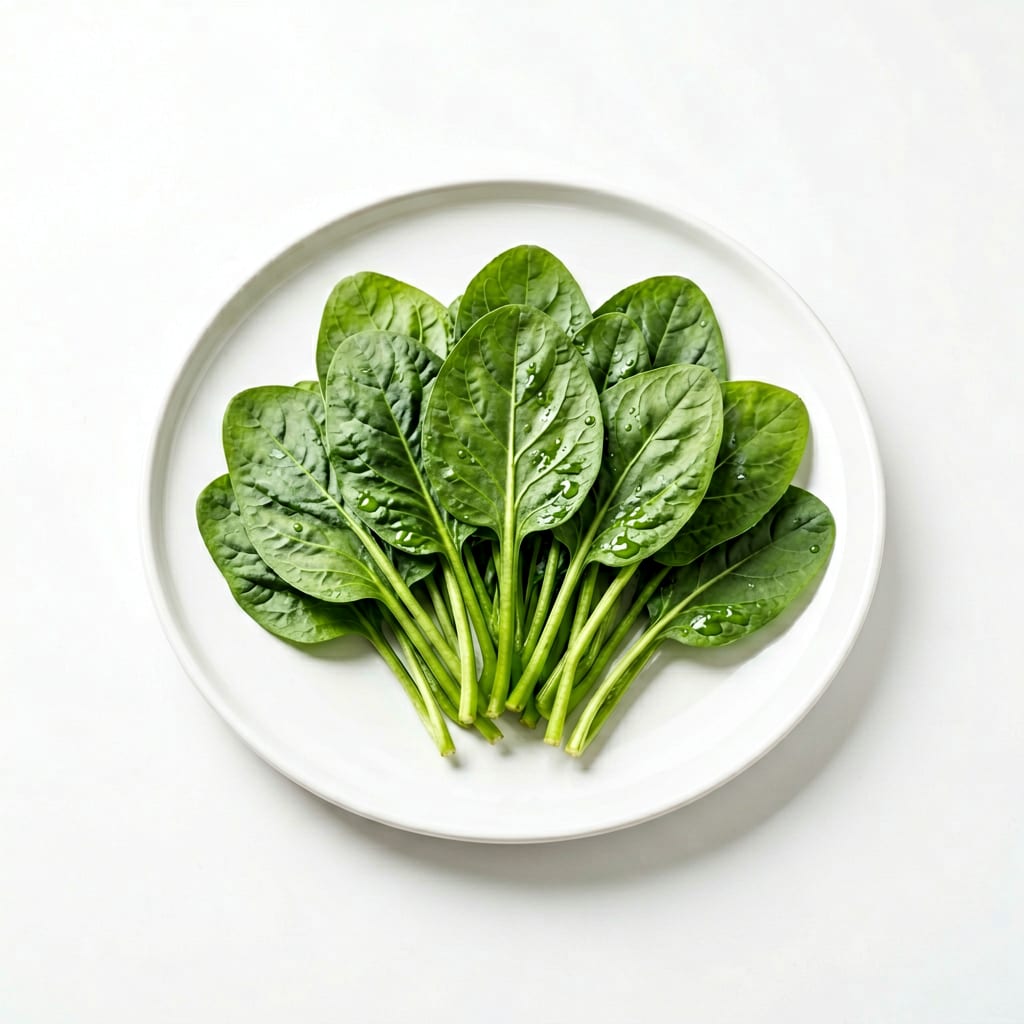
Malabar Spinach
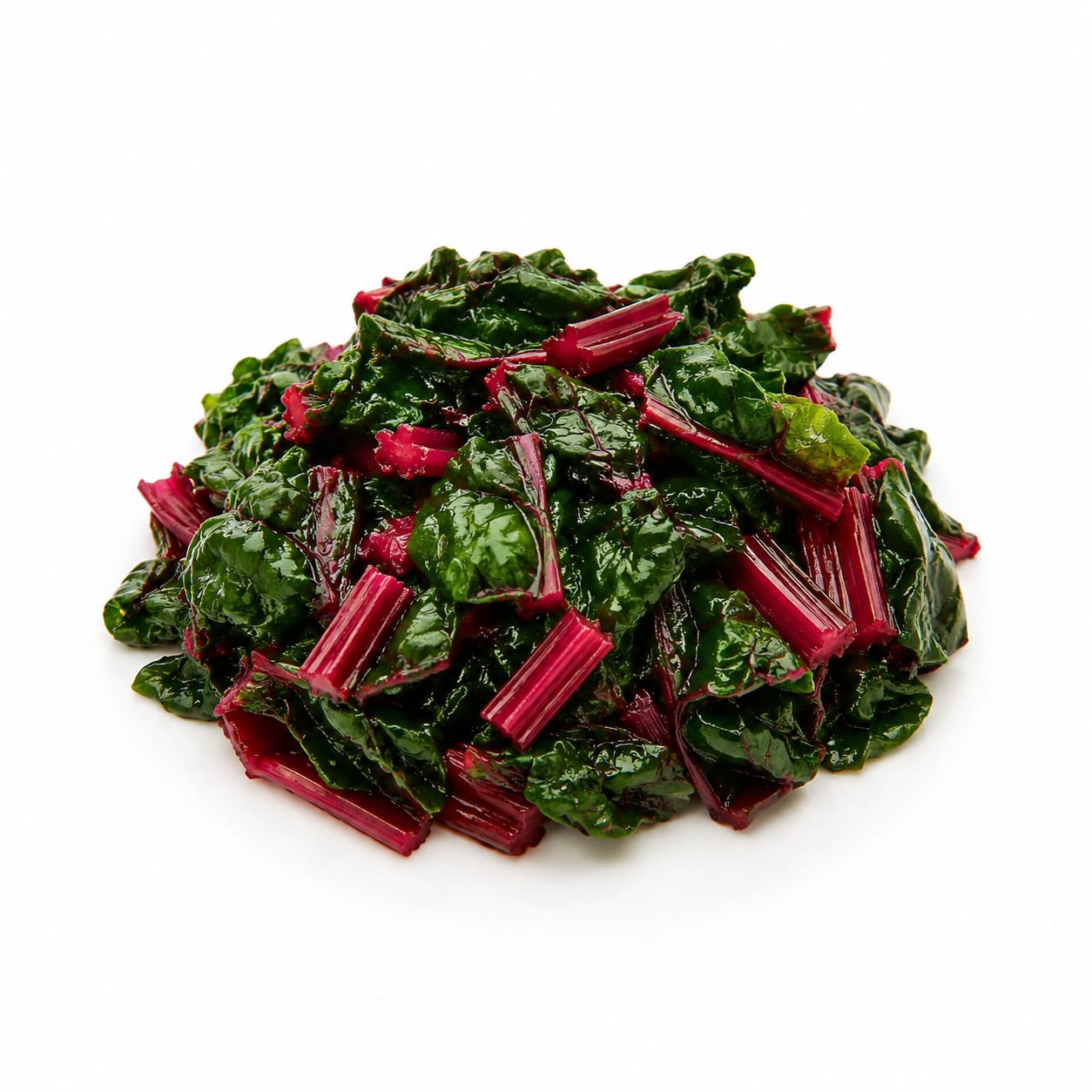
Beet Greens
Beet Greens edge ahead on vitamin K and blood pressure support, but Malabar Spinach wins for digestive comfort and lower oxalate risk.
Malabar Spinach scores slightly higher due to broader digestive tolerance and lower oxalate risk, but Beet Greens offer superior vitamin K and nitrates. The close scores reflect that both are excellent choices with different strengths.
Maximum vitamin K and nitrates versus easier digestion and fewer kidney stone concerns.
At a glance
Executive summary
Overall
It depends
Healthier
It depends
More practical
Beet Greens
Daily use
Malabar Spinach
Key comparison lenses
nutrient density comparison
Both are powerhouse leafy greens, so users want to know which delivers more nutrition per bite
oxalate and kidney stone risk
Beet Greens are notably high in oxalates, a critical concern for susceptible individuals
digestive tolerance
Malabar Spinach has mucilaginous properties that soothe digestion, while Beet Greens can irritate sensitive stomachs
blood pressure and cardiovascular benefit
Beet Greens contain dietary nitrates that support healthy blood pressure
availability and practicality
Malabar Spinach can be hard to find outside specialty markets, while Beet Greens are often discarded but widely available
Best choice for
Malabar Spinach
- People prone to kidney stones
- Those with sensitive digestion
- Anyone seeking a soothing, mucilaginous green
- Cooking Asian-style soups and stews
Beet Greens
- People focused on bone health and vitamin K
- Those managing blood pressure naturally
- Anyone wanting to reduce food waste by using the whole beet plant
- Iron-deficient individuals needing a boost
Least suitable for
Malabar Spinach
- People who dislike slippery or mucilaginous textures
- Those without access to specialty or Asian markets
- Anyone needing massive vitamin K intake for bone density
Beet Greens
- People with a history of calcium oxalate kidney stones
- Those on blood thinners like warfarin
- Anyone with oxalate sensitivity or interstitial cystitis
Deep comparison
Dimension by dimension
Each lens scores both foods and breaks down who each option suits.
- Dimension 1 · Priority 93Beet Greens
vitamin_and_mineral_density
Malabar Spinach · 78Beet Greens · 89Beet Greens deliver exceptional vitamin K, vitamin A, and potassium, outpacing Malabar Spinach on several key micronutrients.
Tradeoff
Beet Greens pack more vitamins but bind some minerals with oxalates, reducing absorption. Malabar Spinach offers slightly less but more bioavailable iron and calcium.
Why it matters
If you need to correct deficiencies, Beet Greens are a stronger ally. If absorption matters more than total content, Malabar Spinach has an advantage.
Real-world impact
A single serving of Beet Greens can cover over 300% of your daily vitamin K needs, while Malabar Spinach covers roughly 100%.
Malabar Spinach
- Iron absorption due to lower oxalate interference
- Calcium bioavailability
- Vitamin C content which aids mineral uptake
Better for
- Lower total vitamin K content
- Less potassium per serving
Worse for
Beet Greens
- Vitamin K for bone and blood health
- Potassium for fluid balance
- Vitamin A for vision and immunity
Better for
- Oxalates reduce mineral absorption
- Excessive vitamin K can conflict with certain medications
Worse for
- Dimension 2 · Priority 88Malabar Spinach
oxalate_and_kidney_health
Malabar Spinach · 82Beet Greens · 38Malabar Spinach has moderate oxalate levels, while Beet Greens are among the highest-oxalate leafy greens available.
Tradeoff
Choosing Beet Greens for nutrition means accepting significant oxalate exposure. Malabar Spinach is far gentler on the kidneys.
Why it matters
For the roughly 10% of people who form kidney stones, this difference is decisive. Even for others, high oxalate intake can contribute to mineral deficiencies over time.
Real-world impact
If you have had a calcium oxalate kidney stone, Beet Greens should be limited or avoided. Malabar Spinach is a safer everyday green.
Malabar Spinach
- Kidney stone prevention
- Better mineral absorption
- Safer for long-term daily consumption
Better for
- Still contains some oxalates, not oxalate-free
Worse for
Beet Greens
- No advantage in this dimension
Better for
- Very high oxalate content
- Significant kidney stone risk for susceptible people
- Reduces calcium and iron absorption from the meal
Worse for
- Dimension 3 · Priority 80Malabar Spinach
digestive_comfort
Malabar Spinach · 88Beet Greens · 62Malabar Spinach has a soothing, mucilaginous texture that coats the digestive tract. Beet Greens can be rougher on sensitive stomachs.
Tradeoff
The slime factor of Malabar Spinach is either a digestive blessing or a textural dealbreaker, depending on personal preference.
Why it matters
People with IBS, gastritis, or sensitive digestion often tolerate Malabar Spinach much better. The mucilage acts like a gentle balm.
Real-world impact
Malabar Spinach in a soup feels comforting and easy on the stomach. A large serving of Beet Greens can cause bloating or discomfort in sensitive individuals.
Malabar Spinach
- Soothing for irritated digestive tracts
- Mucilage supports gut lining health
- Gentle even in larger portions
Better for
- Slippery texture bothers some eaters
- Can feel slimy if overcooked
Worse for
Beet Greens
- Fiber supports healthy gut bacteria when well-tolerated
Better for
- Oxalates can irritate the gut lining
- Higher fiber can cause bloating in sensitive people
Worse for
- Dimension 4 · Priority 75Beet Greens
cardiovascular_and_blood_pressure_support
Malabar Spinach · 65Beet Greens · 84Beet Greens contain dietary nitrates that convert to nitric oxide, helping blood vessels relax and lowering blood pressure naturally.
Tradeoff
Beet Greens offer a pharmacologically meaningful blood pressure benefit, but the oxalate cost may not be worth it for kidney stone formers.
Why it matters
For the 45% of adults with elevated blood pressure, dietary nitrates are a legitimate therapeutic strategy.
Real-world impact
Regular consumption of Beet Greens can contribute measurably to lower blood pressure readings, similar to beetroot juice benefits.
Malabar Spinach
- Antioxidants support vascular health indirectly
- No oxalate-related cardiovascular concerns
Better for
- No significant nitrate content
- Less potassium for blood pressure regulation
Worse for
Beet Greens
- Dietary nitrates directly support vasodilation
- Potassium helps regulate blood pressure
- Evidence-based cardiovascular benefit
Better for
- Benefits may be offset if oxalates cause kidney problems
Worse for
- Dimension 5 · Priority 70Beet Greens
availability_and_culinary_versatility
Malabar Spinach · 48Beet Greens · 76Beet Greens are available wherever whole beets are sold. Malabar Spinach requires specialty markets or home growing.
Tradeoff
Beet Greens are easier to find but often discarded. Malabar Spinach is prized in specific cuisines but hard to source.
Why it matters
The healthiest green is the one you can actually buy and eat regularly. Availability often determines long-term adherence.
Real-world impact
You can find Beet Greens at any farmers market or grocery store that sells bunches of beets. Malabar Spinach may require an Asian grocery or online seed order.
Malabar Spinach
- Excellent thickening agent for soups and stews
- Holds up well in hot humid climates
- Unique culinary role in Filipino and Indian cooking
Better for
- Difficult to find outside specialty stores
- Unfamiliar texture for many Western eaters
- Seasonal availability in most regions
Worse for
Beet Greens
- Widely available at conventional grocery stores
- Familiar flavor profile for Western palates
- Reduces food waste when bought with beets
Better for
- Often thrown away by consumers who do not know they are edible
- Can taste bitter if not prepared well
Worse for
- Dimension 6 · Priority 68It depends
antioxidant_diversity
Malabar Spinach · 76Beet Greens · 78Both offer distinct antioxidant profiles. Malabar Spinach provides betalains and phenolics, while Beet Greens deliver betacyanins and lutein.
Tradeoff
Neither is clearly superior. Rotating both gives the broadest antioxidant coverage.
Why it matters
Different antioxidants protect different tissues. Variety matters more than quantity for long-term cellular defense.
Real-world impact
Eating Malabar Spinach supports your skin and mucous membranes. Eating Beet Greens supports your eyes and blood vessels. Both are valuable.
Malabar Spinach
- Phenolic compounds with anti-inflammatory potential
- Mucilage-associated antioxidants unique to this plant
Better for
- Less studied than Beet Greens
- Smaller evidence base for specific health claims
Worse for
Beet Greens
- Betalains with demonstrated anti-inflammatory effects
- Lutein and zeaxanthin for eye health
- Broader research backing for antioxidant benefits
Better for
- No significant disadvantage in this dimension
Worse for
Timeline
Health impact over time
Short-term
Hours to days
Malabar Spinach
- Provides gentle, soothing fiber that supports comfortable digestion
- Offers quick hydration due to high water content
- Mucilage can create a feeling of fullness without heaviness
Beet Greens
- Noticeable blood pressure reduction within hours of consumption due to nitrates
- Can cause stomach discomfort in oxalate-sensitive individuals
- High vitamin K content supports quick blood clotting function
Long-term
Months to years
Malabar Spinach
- Consistent consumption supports kidney health due to lower oxalate load
- Mucilage may contribute to gut lining integrity over time
- Sustained iron and calcium absorption without oxalate interference
Beet Greens
- Regular intake supports bone density through exceptional vitamin K content
- Dietary nitrates contribute to sustained cardiovascular protection
- Risk of kidney stone accumulation if consumed daily in large amounts by susceptible individuals
Risk profile
Safety & processing
Both Malabar Spinach and Beet Greens are whole, unprocessed foods typically sold fresh. Neither carries meaningful additive concerns. The main difference is that Beet Greens are sometimes sold attached to conventionally grown beets, which may carry pesticide residues, while Malabar Spinach is often grown in smaller-scale or home garden settings with lower pesticide use.
Malabar Spinach
Oxalate accumulation
mediumMalabar Spinach contains moderate oxalates. Less concerning than Beet Greens but still relevant for kidney stone formers with heavy daily consumption.
Pesticide residue
lowOften grown in home gardens or small farms with minimal chemical input. Washing is still recommended.
Misidentification with toxic lookalikes
lowMalabar Spinach can be confused with other vining plants. Purchase from reputable sources to avoid accidental consumption of inedible species.
Beet Greens
High oxalate content
highBeet Greens are among the top oxalate-containing vegetables. Regular large servings significantly increase kidney stone risk for predisposed individuals.
Vitamin K and medication interaction
mediumExtremely high vitamin K content can interfere with blood thinners like warfarin. Consistent intake is required rather than sporadic large servings.
Pesticide residue on conventionally grown beets
lowBeet Greens grown conventionally may carry pesticide residues. Choose organic when possible, especially since the leaves concentrate certain chemicals.
Who wins for whom
Audience fit
Same foods, different winners depending on your goal.
children
Malabar SpinachMalabar Spinach has a milder flavor when cooked and the soft texture is easier for children to accept. Lower oxalate content is also safer for developing kidneys.
daily consumption
Malabar SpinachLower oxalate content makes Malabar Spinach safer for daily use without accumulating kidney stone risk over time.
diabetes
Beet GreensBeet Greens have more fiber and nitrates, both of which support insulin sensitivity and blood sugar regulation.
elderly
It dependsBeet Greens support bone density with vitamin K, but Malabar Spinach is gentler on aging digestive systems. Choose based on individual health priorities.
muscle gain
It dependsNeither is a significant protein source. Beet Greens offer more potassium for muscle cramp prevention, while Malabar Spinach provides slightly more bioavailable iron for oxygen transport.
weight loss
Beet GreensBeet Greens are slightly more filling per calorie due to higher fiber and nutrient density, helping curb appetite more effectively.
Your move
Decision guide
Choose Malabar Spinach
- You have a history of kidney stones or want to prevent them
- You have sensitive digestion or IBS
- You enjoy or want to explore Asian and tropical cooking traditions
- You want a green you can eat daily without oxalate concerns
- You are looking for a soothing, comforting vegetable for soups
Choose Beet Greens
- You want to maximize vitamin K for bone health
- You are managing blood pressure through diet
- You already buy beets and want to stop wasting the greens
- You have no kidney stone risk and want the most nutrient-dense option
- You are on a budget and need accessible, affordable greens
Either works if
- You simply want more leafy greens in your diet and both are available
- You rotate greens regularly to diversify your nutrient intake
- You have no specific health conditions that favor one over the other
Avoid both if
- You are on a strict low-oxalate diet prescribed by a doctor
- You take blood thinners and have not consulted your doctor about vitamin K intake
- You have severe kidney disease requiring potassium restriction
Final recommendation
For most people, the best approach is to enjoy both Malabar Spinach and Beet Greens in rotation. Use Beet Greens a few times a week for their unmatched vitamin K and blood pressure benefits, and lean on Malabar Spinach for daily use when you want a gentler, kidney-friendly option. If kidney stones are a personal concern, make Malabar Spinach your default and treat Beet Greens as an occasional guest.
Practical
Consumer tips
- 1
Boil Beet Greens and discard the cooking water to reduce oxalate content by up to 40%
- 2
Pair either green with a source of vitamin C like lemon juice to boost iron absorption
- 3
If you buy beets with greens attached, use the greens within two days before they wilt
- 4
Malabar Spinach thickens soups naturally, making it a great substitute for cornstarch or flour
- 5
Freeze Beet Greens in portions if you cannot use them quickly, they work well in smoothies and soups
- 6
If the mucilaginous texture of Malabar Spinach bothers you, try it raw in salads where it is less noticeable
- 7
Choose organic Beet Greens when possible since the leaves can concentrate pesticides from the soil