
Nutrition comparison
Malabar Spinach vs Swiss Chard: Which Leafy Green Is Actually Better for You?
Malabar Spinach and Swiss Chard are both nutrient-dense greens, but their oxalate content, mineral absorption, and safety profiles differ dramatically. Find out which one fits your health needs.
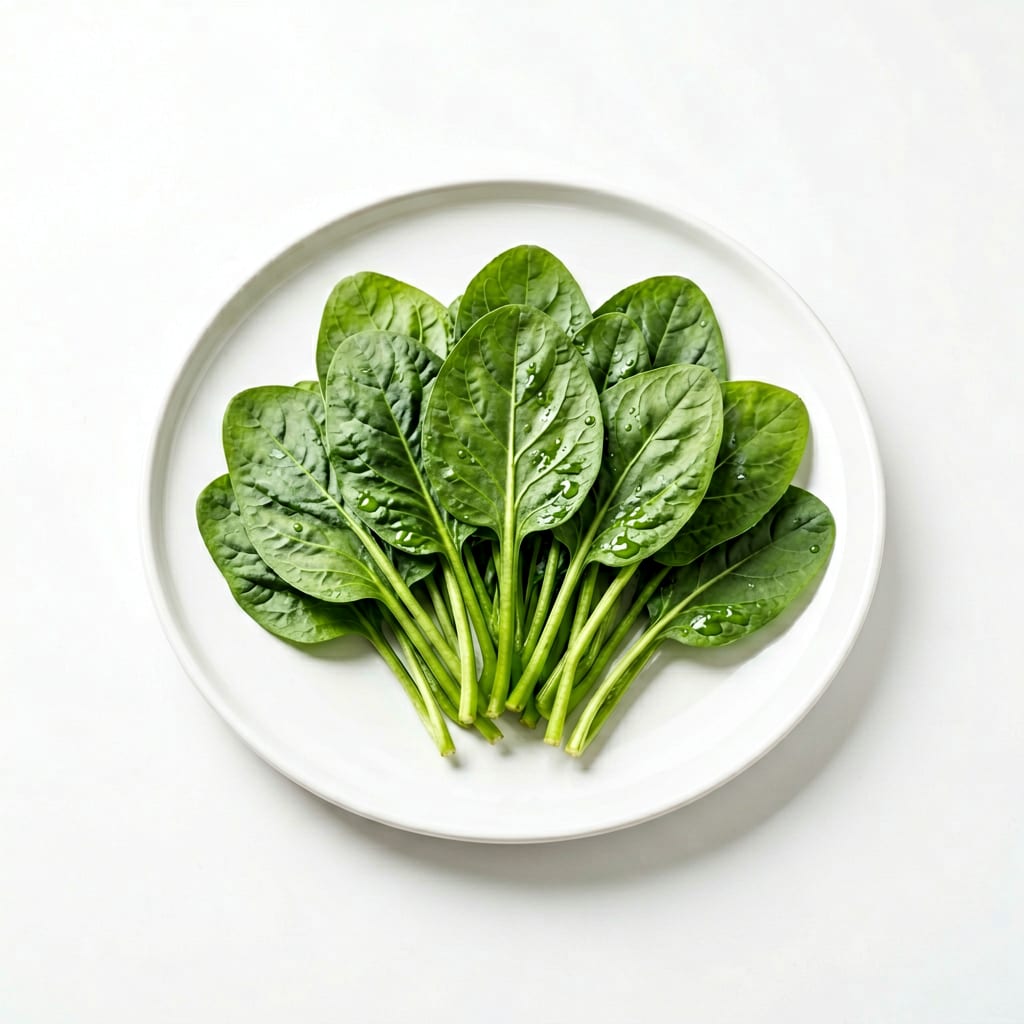
Malabar Spinach
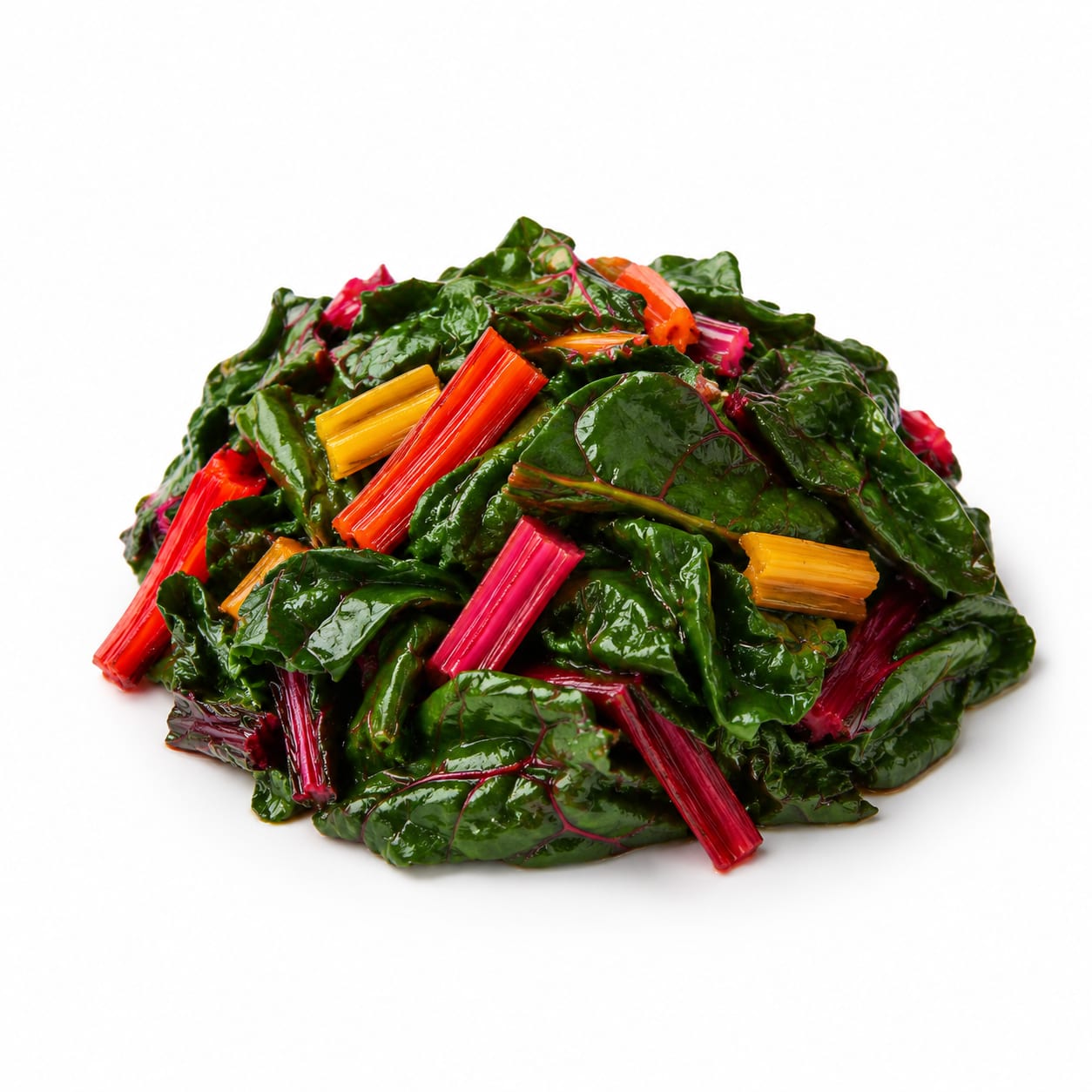
Swiss Chard
Swiss Chard wins on raw nutrient density and availability, but Malabar Spinach wins on mineral absorption and kidney safety. Your health context decides the winner.
Malabar Spinach edges ahead because its nutrients are more bioavailable and it carries fewer safety concerns for regular consumption. Swiss Chard scores high on paper but loses ground due to oxalate interference and kidney stone risk. The close scores reflect that both are genuinely healthy choices for most people.
Swiss Chard packs more vitamins on paper, but its extremely high oxalates block absorption and risk kidney stones. Malabar Spinach delivers less impressive numbers but your body actually absorbs more of what it offers.
At a glance
Executive summary
Overall
It depends
Healthier
It depends
More practical
Swiss Chard
Daily use
Malabar Spinach
Key comparison lenses
oxalate and kidney stone risk
Swiss Chard is one of the highest-oxalate leafy greens available, making this a critical differentiator for anyone concerned about kidney stones or mineral absorption
mineral bioavailability
High oxalates in Swiss Chard bind calcium and iron, meaning its impressive nutrient label doesn't fully translate to absorbed nutrition
nutrient density comparison
Both greens are nutritional powerhouses but excel in different vitamins and minerals, creating meaningful tradeoffs
availability and practicality
Swiss Chard is a standard grocery store staple while Malabar Spinach is specialty and harder to source, affecting real-world usability
digestive tolerance and gut benefits
Malabar Spinach's mucilaginous texture provides unique gut-soothing soluble fiber that Swiss Chard cannot match
Best choice for
Malabar Spinach
- People prone to kidney stones or urinary issues
- Anyone on blood thinners who must limit vitamin K
- Those wanting gentle digestive fiber and gut soothing
- Hot-climate gardeners seeking a reliable summer green
- People with iron-deficiency anemia needing absorbable iron
Swiss Chard
- People needing massive vitamin K for bone health
- Budget-conscious shoppers wanting affordable nutrient density
- Anyone who values easy grocery store access
- Home cooks wanting colorful stems for visual plate appeal
- Those with no oxalate sensitivity or kidney stone history
Least suitable for
Malabar Spinach
- People who dislike slippery or mucilaginous food textures
- Shoppers without access to Asian or specialty markets
- Anyone wanting a readily available weeknight staple
Swiss Chard
- People with a history of calcium oxalate kidney stones
- Those on warfarin or other blood-thinning medications
- Anyone with severe iron or calcium absorption issues
- People who need to watch sodium intake closely
Deep comparison
Dimension by dimension
Each lens scores both foods and breaks down who each option suits.
- Dimension 1 · Priority 95Malabar Spinach
oxalate_load_and_kidney_safety
Malabar Spinach · 88Swiss Chard · 25This is the single most important difference. Swiss Chard contains roughly 645mg oxalates per 100g raw, making it one of the highest-oxalate foods in existence. Malabar Spinach has moderate oxalates at roughly 50-80mg per 100g.
Tradeoff
Swiss Chard's extraordinary vitamin K and magnesium content comes bundled with a kidney stone liability that Malabar Spinach avoids entirely.
Why it matters
If you've ever had a kidney stone, Swiss Chard is genuinely risky. Even without a history, chronic high oxalate intake can reduce calcium and iron absorption over years.
Real-world impact
A person eating Swiss Chard daily could develop oxalate buildup issues over months. Malabar Spinach can be eaten daily without this concern.
Malabar Spinach
- Kidney stone formers
- People with urinary tract sensitivity
- Long-term daily consumption
- Children with developing renal systems
Better for
Swiss Chard
- People with no oxalate concerns who want maximum nutrient per bite
Better for
- Anyone with kidney stone history
- People prone to urinary crystals
- Those needing reliable calcium absorption
Worse for
- Dimension 2 · Priority 85Swiss Chard
vitamin_and_mineral_density
Malabar Spinach · 68Swiss Chard · 89Swiss Chard is a nutritional powerhouse on paper, with dramatically more vitamin K, magnesium, potassium, and iron per serving. Malabar Spinach has solid nutrition but lower absolute amounts.
Tradeoff
Swiss Chard's numbers look better on a nutrition label, but oxalates bind much of its calcium and iron, so the gap narrows significantly in terms of what your body actually absorbs.
Why it matters
For bone health and blood health, Swiss Chard delivers more total vitamin K and iron. But the absorbable fraction of its minerals is substantially lower than the label suggests.
Real-world impact
A serving of Swiss Chard gives you over 300% of daily vitamin K needs. Malabar Spinach gives you a more modest but still useful amount that your body can fully utilize.
Malabar Spinach
- People who prioritize absorbable nutrition over label numbers
Better for
- Situations requiring therapeutic doses of vitamin K
Worse for
Swiss Chard
- Bone health optimization
- Post-menopausal women needing vitamin K
- Anyone wanting maximum nutrient density per calorie
Better for
- Cases where mineral absorption matters more than total content
Worse for
- Dimension 3 · Priority 88Malabar Spinach
mineral_bioavailability
Malabar Spinach · 82Swiss Chard · 45Oxalates in Swiss Chard bind to calcium and iron in the digestive tract, forming insoluble compounds that pass through unabsorbed. Malabar Spinach's lower oxalate load means you actually absorb a much higher percentage of its minerals.
Tradeoff
Swiss Chard may list more iron and calcium per serving, but Malabar Spinach likely delivers more usable iron and calcium to your bloodstream.
Why it matters
This is the difference between eating well on paper and actually nourishing your body. Iron-deficiency anemia sufferers should particularly note this.
Real-world impact
Someone relying on Swiss Chard for iron might still need supplements. Someone eating Malabar Spinach may get more practical iron benefit despite lower total content.
Malabar Spinach
- Iron-deficient individuals
- Vegans relying on plant calcium
- Anyone tracking actual absorbed nutrition
Better for
Swiss Chard
- People counting on Swiss Chard as a primary iron or calcium source
Worse for
- Dimension 4 · Priority 75Malabar Spinach
digestive_health_and_gut_benefits
Malabar Spinach · 84Swiss Chard · 62Malabar Spinach has a natural mucilaginous quality when cooked, similar to okra. This soluble fiber coats and soothes the digestive tract, supports beneficial gut bacteria, and eases bowel movements. Swiss Chard offers standard insoluble fiber without the soothing mucilage.
Tradeoff
The slippery texture that makes Malabar Spinach great for digestion is the same quality many people find unappealing. Swiss Chard has a more conventional leaf texture but lacks the gut-coating benefit.
Why it matters
For anyone with IBS, sensitive digestion, or constipation tendencies, Malabar Spinach acts almost like a gentle medicine. Swiss Chard is just a healthy vegetable.
Real-world impact
A bowl of Malabar Spinach soup can actively soothe an irritated gut. Swiss Chard provides nutrition but no special digestive comfort.
Malabar Spinach
- IBS sufferers
- People with sensitive digestion
- Anyone recovering from gastrointestinal illness
- Older adults with sluggish digestion
Better for
- Texture-sensitive eaters who avoid okra or natto
Worse for
Swiss Chard
- People who find slimy textures intolerable
Better for
- Those needing gentle, soothing fiber
Worse for
- Dimension 5 · Priority 80Swiss Chard
availability_and_convenience
Malabar Spinach · 30Swiss Chard · 90Swiss Chard is available in virtually every supermarket year-round. Malabar Spinach is a specialty item found mainly in Asian markets, tropical regions, or home gardens during summer.
Tradeoff
You can act on a Swiss Chard decision tonight. Malabar Spinach may require specialty shopping, online ordering, or growing your own.
Why it matters
The healthiest food is the one you actually eat. Availability often trumps theoretical nutritional superiority in real-world outcomes.
Real-world impact
Most people reading this can buy Swiss Chard within 15 minutes. Finding Malabar Spinach could take days or require mail-order seeds.
Malabar Spinach
- Home gardeners in warm climates
- People with access to Asian grocery stores
Better for
- Impulse cooks who shop once weekly at standard stores
Worse for
Swiss Chard
- Busy weeknight cooks
- Anyone without specialty market access
- Meal planners who need reliable ingredient sourcing
Better for
- Dimension 6 · Priority 65Swiss Chard
cooking_versatility_and_taste
Malabar Spinach · 55Swiss Chard · 78Swiss Chard has a pleasant earthy flavor and crisp stems that work in salads, sautés, soups, and gratins. Malabar Spinach has a mild pepperiness but becomes slippery when cooked, limiting its culinary applications.
Tradeoff
Swiss Chard plays well in almost any recipe. Malabar Spinach works beautifully in soups and stews where its thickening quality is an asset, but struggles in dishes where texture matters.
Why it matters
If you don't enjoy eating it, you won't keep eating it. Swiss Chard's culinary flexibility makes it easier to sustain as a dietary habit.
Real-world impact
Swiss Chard can replace kale or spinach in most recipes seamlessly. Malabar Spinach really shines in Southeast Asian soups and stir-fries but feels out of place in Western salads.
Malabar Spinach
- Soups and stews where natural thickening is welcome
- Southeast Asian and Indian recipes
- Smoothies where texture is blended away
Better for
- Raw salads
- Dishes where a firm leaf is expected
Worse for
Swiss Chard
- Salads and raw preparations
- Sautéed side dishes
- Italian and Mediterranean cooking
- Any recipe requiring a firm leaf texture
Better for
- Dimension 7 · Priority 72Malabar Spinach
blood_thinner_compatibility
Malabar Spinach · 80Swiss Chard · 30Swiss Chard's extreme vitamin K content makes it genuinely dangerous for people on warfarin or similar blood thinners, as it can counteract the medication. Malabar Spinach has moderate vitamin K that is easier to manage.
Tradeoff
Swiss Chard's vitamin K superpower for bone health becomes a liability for the millions on anticoagulant therapy.
Why it matters
Vitamin K consistency is critical for blood thinner management. Swiss Chard's 300%+ daily value per serving makes consistent dosing nearly impossible.
Real-world impact
A cardiologist would likely tell a warfarin patient to avoid Swiss Chard entirely. Malabar Spinach could potentially be included with careful tracking.
Malabar Spinach
- Anyone on warfarin or similar anticoagulants
- People who need stable, moderate vitamin K intake
Better for
Swiss Chard
- Those wanting therapeutic vitamin K for bone density
Better for
- Anticoagulant users
- Anyone needing consistent vitamin K intake levels
Worse for
Timeline
Health impact over time
Short-term
Hours to days
Malabar Spinach
- Gentle digestive soothing from mucilaginous fiber
- Mild laxative effect supporting regular bowel movements
- Low risk of oxalate-related discomfort
Swiss Chard
- Rapid vitamin K boost supporting clotting function
- Potential for mouth or throat tingling in oxalate-sensitive individuals
- Noticeable magnesium intake supporting muscle relaxation
Long-term
Months to years
Malabar Spinach
- Sustained mineral absorption without oxalate interference
- Lower cumulative kidney stone risk over decades
- Consistent soluble fiber intake supporting gut microbiome diversity
- Safe for long-term daily consumption without accumulation concerns
Swiss Chard
- Significant bone density support from exceptional vitamin K intake
- Potential oxalate accumulation in susceptible individuals
- Cardiovascular benefit from magnesium and potassium, offset by oxalate risks for some
- Risk of reduced calcium absorption over years if consumed excessively
Risk profile
Safety & processing
Both greens are whole, minimally processed foods typically sold fresh. Neither carries meaningful additive concerns. The main safety difference is intrinsic: Swiss Chard's naturally high oxalates versus Malabar Spinach's naturally moderate levels.
Malabar Spinach
Pesticide residue on conventionally grown
mediumLeafy greens can carry pesticide residue. Washing thoroughly reduces risk. Organic availability is limited due to specialty status.
Misidentification with toxic lookalikes
lowMalabar Spinach has few dangerous lookalikes, but foragers should confirm identification as with any wild-harvested green.
Swiss Chard
Oxalate kidney stone formation
highSwiss Chard is among the top five highest-oxalate foods commonly consumed. Regular consumption significantly increases kidney stone risk in susceptible individuals.
Blood thinner interference
highExtremely high vitamin K content can destabilize anticoagulant therapy, potentially leading to dangerous clotting or bleeding events.
Nitrate accumulation
lowLike many leafy greens, Swiss Chard contains natural nitrates. Generally beneficial for blood pressure but can be problematic if stored improperly, converting to nitrites.
Who wins for whom
Audience fit
Same foods, different winners depending on your goal.
children
Malabar SpinachLower oxalate load is safer for developing kidneys. However, many children will reject Malabar Spinach's slippery texture, making Swiss Chard the practical winner if the child actually eats it.
daily consumption
Malabar SpinachDaily consumption amplifies both benefits and risks. Swiss Chard's oxalates accumulate with daily intake, while Malabar Spinach can be eaten daily without buildup concerns.
diabetes
Malabar SpinachMalabar Spinach's soluble fiber content provides steadier blood sugar support. Both are excellent low-glycemic choices, but the mucilaginous fiber offers an extra edge for glucose regulation.
elderly
Malabar SpinachOlder adults face higher kidney stone risk, more digestive sensitivity, and often take medications that interact with high vitamin K. Malabar Spinach's gentler profile fits elderly needs better.
muscle gain
It dependsNeither is a significant protein source. Swiss Chard offers more magnesium for muscle recovery, but Malabar Spinach provides more absorbable iron for oxygen delivery to working muscles.
weight loss
Swiss ChardBoth are extremely low calorie, but Swiss Chard's wider availability and culinary versatility make it easier to consistently include in a weight loss eating pattern.
Your move
Decision guide
Choose Malabar Spinach
- You have a personal or family history of kidney stones
- You take blood thinners and need stable vitamin K intake
- You want a green you can eat every single day without worry
- You have sensitive digestion or IBS and benefit from soothing fiber
- You live in a hot climate and want to grow your own summer greens
- You care more about what your body absorbs than what the label says
Choose Swiss Chard
- You have no oxalate concerns and want maximum nutrient density per bite
- You need therapeutic vitamin K for bone health after menopause or injury
- You want a green available at any grocery store any day of the year
- You enjoy cooking Mediterranean or European dishes where texture matters
- You find mucilaginous textures unappealing and would simply eat less greens
- You want beautiful colorful stems that make meals visually appealing
Either works if
- You just want more leafy greens in your diet and both are available
- You rotate your greens weekly anyway, making oxalate buildup less relevant
- You have no specific health conditions that favor one over the other
Avoid both if
- You are on a strict low-oxalate diet prescribed by a urologist, in which case limit Swiss Chard severely and moderate Malabar Spinach
- You have a severe leafy green allergy or salicylate sensitivity
Final recommendation
If you have no kidney stone history and want convenience, Swiss Chard is the practical daily choice. If you value long-term safety, better mineral absorption, or have any oxalate sensitivity, Malabar Spinach is the smarter investment. The best approach for most people is rotating both: enjoy Swiss Chard a few times a week and Malabar Spinach when you can find it, giving your body nutrient variety without oxalate overload.
Practical
Consumer tips
- 1
Boiling Swiss Chard and discarding the water can reduce oxalate content by 30-87%, making it significantly safer for stone-formers
- 2
Pairing Swiss Chard with calcium-rich foods like cheese or yogurt binds oxalates in the gut before they reach the kidneys
- 3
Malabar Spinach's slippery texture disappears in blended soups and smoothies, making it an easy entry point for texture skeptics
- 4
If growing Malabar Spinach at home, harvest young leaves for more tender texture and milder flavor
- 5
Freezing Swiss Chard does not reduce oxalates, but it does preserve the nutrients for off-season use
- 6
Malabar Spinach stems are edible and add pleasant crunch when young, unlike older stems which become fibrous
- 7
If you cannot find fresh Malabar Spinach, check frozen sections of Asian markets where it is sometimes stocked