
Nutrition comparison
Malabar Spinach vs Bok Choy: Which Leafy Green Is Better for You?
Compare Malabar Spinach and Bok Choy nutrition, health benefits, and practical uses. Learn which green wins for iron, calcium, digestion, and daily convenience.
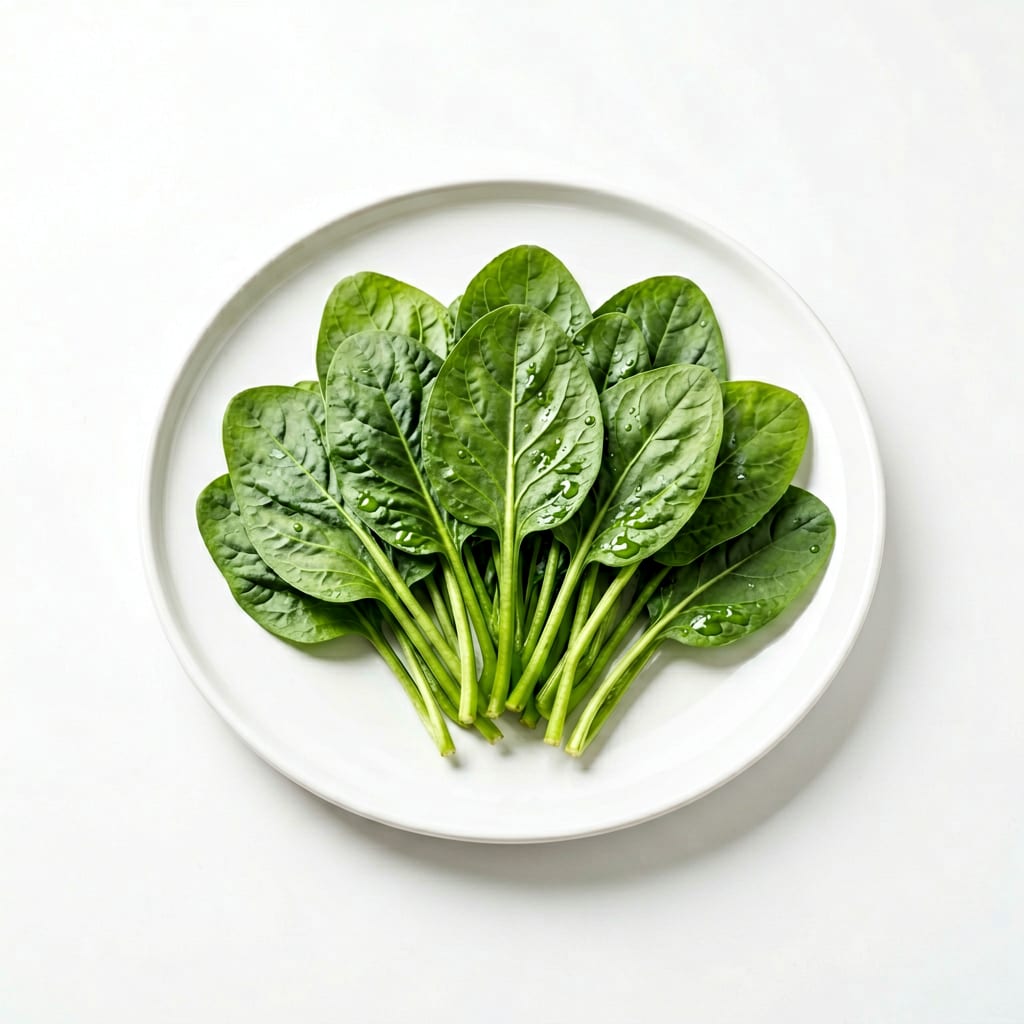
Malabar Spinach
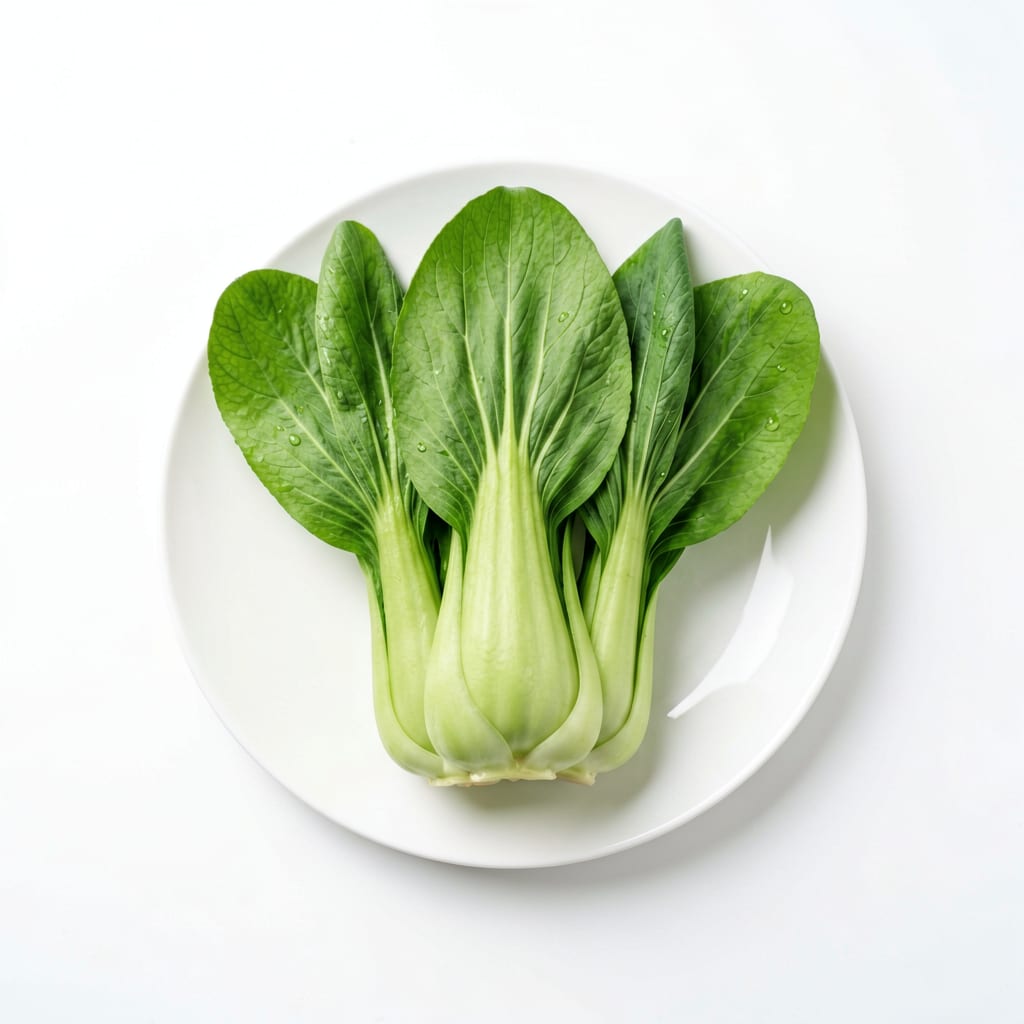
Bok Choy
Bok Choy wins on availability, vitamin K, and cruciferous cancer-fighting compounds. Malabar Spinach wins on iron, digestive soothing, and heat tolerance for cooking.
Bok Choy scores higher primarily due to wider availability, superior vitamin K content, and well-documented cruciferous health benefits. Malabar Spinach holds strong in iron content and digestive soothing but loses points for limited accessibility and oxalate concerns.
Widespread convenience and vitamin K density versus higher iron and unique mucilaginous digestive benefits
At a glance
Executive summary
Overall
It depends
Healthier
It depends
More practical
Bok Choy
Daily use
Bok Choy
Key comparison lenses
nutrient density comparison
Both are leafy greens with distinct micronutrient profiles, making vitamin and mineral density the core decision factor
digestive tolerance
Malabar Spinach has mucilaginous properties while Bok Choy contains goitrogens, creating meaningful digestive and thyroid considerations
cooking versatility
Texture differences significantly affect how each green is used in meals
availability and practicality
Bok Choy is widely available in most grocery stores while Malabar Spinach is harder to find
bone health support
Both greens are notable calcium sources but with different bioavailability due to oxalate content
Best choice for
Malabar Spinach
- People needing iron support, especially vegetarians
- Those with digestive irritation who benefit from soothing mucilaginous foods
- Hot-climate gardeners wanting a heat-tolerant green
- Anyone seeking a thickening agent for soups and stews
- People with vitamin K restriction who still want leafy greens
Bok Choy
- Anyone prioritizing bone health and vitamin K intake
- People wanting widely available, affordable leafy greens
- Those seeking cruciferous vegetable benefits like glucosinolates
- Meal preppers who want a crisp green that stores well
- Families needing a mild-flavored green for picky eaters
Least suitable for
Malabar Spinach
- People on blood thinners who need consistent vitamin K avoidance
- Those who dislike slippery or mucilaginous textures
- Anyone without access to specialty or Asian grocery stores
- People with severe oxalate sensitivity or kidney stone history
Bok Choy
- People with thyroid conditions who consume large amounts raw
- Those on strict low-vitamin-K diets
- Anyone with cruciferous vegetable sensitivities or FODMAP issues
Deep comparison
Dimension by dimension
Each lens scores both foods and breaks down who each option suits.
- Dimension 1 · Priority 95Bok Choy
Micronutrient Density
Malabar Spinach · 72Bok Choy · 85Bok Choy delivers more vitamin K, vitamin C, and folate per serving. Malabar Spinach counters with notably more iron and vitamin A.
Tradeoff
You get stronger bone-support nutrients from Bok Choy but better blood-building minerals from Malabar Spinach.
Why it matters
If you rarely eat leafy greens, each serving needs to count. Bok Choy covers more essential vitamins in one sitting.
Real-world impact
A single cup of cooked Bok Choy provides over half your daily vitamin K needs. Malabar Spinach gives you roughly 20% of your iron needs in the same serving.
Malabar Spinach
- Iron-deficient individuals
- Vegetarians needing plant-based iron sources
- Those wanting extra vitamin A for eye health
Better for
- People who need reliable vitamin K intake
- Those relying on one green for broad nutrient coverage
Worse for
Bok Choy
- Postmenopausal women concerned about bone density
- Anyone not meeting daily vitamin K requirements
- Pregnant women needing folate
Better for
- Vegans and vegetarians who struggle with iron intake
- People needing calorie-dense nutrition during recovery
Worse for
- Dimension 2 · Priority 88Malabar Spinach
Digestive Tolerance
Malabar Spinach · 84Bok Choy · 68Malabar Spinach has a soothing, mucilaginous quality that coats the digestive tract. Bok Choy contains goitrogens and FODMAPs that can bother sensitive systems when raw.
Tradeoff
Malabar Spinach actively soothes digestion but its oxalates can contribute to kidney stones. Bok Choy is gentler when cooked but problematic raw for some people.
Why it matters
If you have IBS, gastritis, or sensitive digestion, the texture and compounds in your greens directly affect comfort after eating.
Real-world impact
Malabar Spinach in a soup feels calming and coating. Raw Bok Choy in a salad might cause bloating in FODMAP-sensitive individuals.
Malabar Spinach
- People with gastritis or inflamed stomach lining
- Those experiencing digestive irritation from roughage
- Anyone recovering from gastrointestinal illness
Better for
- People prone to calcium oxalate kidney stones
- Anyone who finds slimy textures unappetizing
Worse for
Bok Choy
- People who prefer eating greens raw in salads
- Those without FODMAP or thyroid concerns
Better for
- People with underactive thyroid on raw diets
- Those with IBS triggered by cruciferous vegetables
Worse for
- Dimension 3 · Priority 82Bok Choy
Practical Availability
Malabar Spinach · 38Bok Choy · 88Bok Choy is stocked in nearly every supermarket. Malabar Spinach requires specialty stores, Asian markets, or home growing.
Tradeoff
Convenience and consistency with Bok Choy versus the unique nutritional rewards of seeking out Malabar Spinach.
Why it matters
The healthiest green is the one you actually eat regularly. Availability often determines long-term adherence.
Real-world impact
You can grab Bok Choy on any grocery run. Malabar Spinach might require a dedicated trip or mail order, making it a special-occasion ingredient for most people.
Malabar Spinach
- Home gardeners in warm climates
- Anyone near Asian or tropical grocery stores
- People who enjoy exploring unique ingredients
Better for
- Rural dwellers without specialty markets
- People who meal plan around standard grocery inventory
Worse for
Bok Choy
- Busy households needing reliable meal planning
- Anyone in areas with limited specialty shopping
- Budget-conscious shoppers
Better for
- Cooks seeking variety who get bored with standard greens
Worse for
- Dimension 4 · Priority 76It depends
Cooking Versatility
Malabar Spinach · 74Bok Choy · 78Bok Choy excels in stir-fries and quick sautés with its crisp stems. Malabar Spinach shines in soups and stews where its thickening quality is an asset.
Tradeoff
Crisp texture and quick cooking with Bok Choy versus natural thickening and heat resilience with Malabar Spinach.
Why it matters
How a green cooks determines which meals it fits into and whether you actually enjoy eating it.
Real-world impact
Bok Choy gives you that satisfying crunch in a 3-minute stir-fry. Malabar Spinach turns a watery soup into something rich and velvety without adding cream.
Malabar Spinach
- Soup and stew enthusiasts
- Anyone wanting a natural thickener for dishes
- Cooks in hot climates whose gardens bolt with other greens
Better for
- Those wanting a crisp, fresh salad green
- Cooks looking for quick-prep vegetables
Worse for
Bok Choy
- Stir-fry lovers wanting crisp texture
- Anyone doing quick weeknight cooking
- People who enjoy raw or lightly cooked preparations
Better for
- Anyone wanting a green that holds up in long-simmered dishes
Worse for
- Dimension 5 · Priority 80Bok Choy
Antioxidant and Cancer-Fighting Profile
Malabar Spinach · 70Bok Choy · 86Bok Choy contains glucosinolates, the well-studied compounds in cruciferous vegetables linked to cancer risk reduction. Malabar Spinach offers betalains and flavonoids but with less clinical evidence.
Tradeoff
Proven cancer-fighting compounds in Bok Choy versus less-studied but still valuable antioxidants in Malabar Spinach.
Why it matters
Long-term disease prevention is one of the main reasons to eat leafy greens regularly.
Real-world impact
Eating Bok Choy several times a week gives you the same class of protective compounds found in broccoli and kale. Malabar Spinach provides antioxidant variety but without the same depth of research backing.
Malabar Spinach
- Those already eating plenty of cruciferous vegetables who want diversity
- Anyone seeking less common antioxidant types
Better for
- People relying on one green for maximum cancer-fighting benefit
Worse for
Bok Choy
- People with family history of hormone-related cancers
- Anyone wanting well-researched protective compounds
- Those who do not regularly eat other cruciferous vegetables
Better for
- Those already consuming high amounts of cruciferous vegetables
Worse for
- Dimension 6 · Priority 74Bok Choy
Calcium Bioavailability
Malabar Spinach · 55Bok Choy · 82Both contain calcium, but Malabar Spinach has high oxalate levels that bind calcium and reduce absorption. Bok Choy has low oxalate, making its calcium far more usable by the body.
Tradeoff
Malabar Spinach has more total calcium on paper but you absorb less of it. Bok Choy has less calcium but you actually use most of it.
Why it matters
For dairy-free individuals, leafy greens are a key calcium source. Bioavailability matters more than total content.
Real-world impact
A cup of cooked Bok Choy gives you absorbable calcium comparable to half a glass of milk. The same amount of Malabar Spinach looks good on a label but your body retains significantly less.
Malabar Spinach
- Those who consume calcium from other reliable sources
- People whose diets are otherwise low in oxalates
Better for
- People prone to calcium oxalate kidney stones
- Those depending on leafy greens as a primary calcium source
Worse for
Bok Choy
- Dairy-free individuals relying on greens for calcium
- Postmenopausal women needing efficient calcium absorption
- Anyone with a history of kidney stones
Better for
- People who already meet calcium needs through other foods
Worse for
Timeline
Health impact over time
Short-term
Hours to days
Malabar Spinach
- Mucilaginous texture can soothe an irritated digestive tract within hours
- Iron content provides a mild energy lift for those with low iron
- Oxalate load may trigger discomfort in sensitive individuals after a large serving
Bok Choy
- Crisp texture and high water content feel refreshing and light immediately
- Vitamin K supports normal blood clotting within hours of consumption
- Raw consumption in large amounts may cause bloating in FODMAP-sensitive people
Long-term
Months to years
Malabar Spinach
- Consistent iron intake supports healthy blood and reduces fatigue risk over months
- Oxalate accumulation could contribute to kidney stone formation in susceptible individuals
- Antioxidant variety from betalains supports cellular protection with regular consumption
Bok Choy
- Glucosinolate intake is associated with reduced risk of certain cancers over years
- High bioavailable calcium supports bone density maintenance long-term
- Vitamin K consistency improves bone strength and cardiovascular health markers
Risk profile
Safety & processing
Both Malabar Spinach and Bok Choy are whole, unprocessed vegetables typically sold fresh. Neither carries meaningful additive concerns unless purchased pre-washed in bags with preservative washes.
Malabar Spinach
Oxalate accumulation
mediumMalabar Spinach contains moderate to high oxalates. Regular large servings may contribute to kidney stone formation in predisposed individuals.
Pesticide residue
lowAs a less commercially intensive crop, Malabar Spinach typically receives fewer pesticide applications. Still, wash thoroughly.
Misidentification
lowWhen foraging, Malabar Spinach could be confused with other vining plants. Purchase from reputable sources to avoid accidental consumption of lookalikes.
Bok Choy
Goitrogen exposure
mediumRaw Bok Choy contains goitrogens that can interfere with thyroid function if consumed in very large amounts. Cooking significantly reduces this risk.
Pesticide residue
mediumBok Choy frequently appears on the EWG's Dirty Dozen list for leafy greens. Organic or thoroughly washed conventional is advisable.
Foodborne illness
lowLike all leafy greens, raw Bok Choy can carry E. coli or Salmonella. Cooking eliminates this concern.
Who wins for whom
Audience fit
Same foods, different winners depending on your goal.
children
Bok ChoyBok Choy's mild flavor and crisp texture are more kid-friendly. Malabar Spinach's slippery texture often triggers rejection from young eaters.
daily consumption
Bok ChoyBok Choy's wide availability, lower oxalate load, and well-studied long-term benefits make it more sustainable as a daily staple.
diabetes
Bok ChoyBok Choy has an exceptionally low glycemic impact and its chromium content supports insulin sensitivity. Both are excellent choices for blood sugar management.
elderly
Bok ChoyBok Choy's superior calcium bioavailability and vitamin K content directly support bone health concerns common in aging. Its softer cooked texture is also easy to chew.
muscle gain
Malabar SpinachMalabar Spinach provides more iron per serving, which supports oxygen delivery to muscles during training. Neither is a significant protein source.
weight loss
Bok ChoyBoth are extremely low calorie, but Bok Choy's crisp texture and higher water content make it more satisfying in larger volumes, helping with fullness cues.
Your move
Decision guide
Choose Malabar Spinach
- You have access to Malabar Spinach and want to diversify beyond standard greens
- You are iron-deficient or vegetarian and need plant-based iron sources
- You experience digestive irritation and want a soothing, coating food
- You live in a hot climate and want a reliable green that will not bolt
- You make lots of soups and stews and want a natural thickener
Choose Bok Choy
- You want a readily available green you can find at any grocery store
- Bone health and calcium absorption are priorities for you
- You want the well-documented cancer-fighting benefits of cruciferous vegetables
- You cook quick meals like stir-fries and want a fast-cooking green
- You have kids or picky eaters who prefer mild flavors and crisp textures
Either works if
- You simply want more leafy greens in your diet and both are available
- You rotate vegetables regularly for nutrient diversity
- You are generally healthy without specific thyroid, kidney stone, or iron concerns
Avoid both if
- You are on warfarin or blood thinners and have not consulted your doctor about vitamin K intake
- You have severe oxalate restrictions and cannot tolerate any moderate-oxalate foods
Final recommendation
Make Bok Choy your everyday green for its accessibility, calcium bioavailability, and proven long-term benefits. Add Malabar Spinach when you find it, especially for its iron content and digestive soothing properties. The best approach is rotation — use Bok Choy as your reliable staple and Malabar Spinach as a nutritional bonus when available.
Practical
Consumer tips
- 1
If you have thyroid concerns, always cook Bok Choy before eating — heat deactivates most goitrogens
- 2
If you are prone to kidney stones, boil Malabar Spinach and discard the cooking water to reduce oxalate content
- 3
Pair Malabar Spinach with vitamin C-rich foods like tomatoes or lemon juice to boost iron absorption
- 4
Choose organic Bok Choy when possible — it frequently tests high for pesticide residue
- 5
Grow Malabar Spinach at home if you live in a warm climate — it thrives in heat when other greens bolt
- 6
Store Bok Choy upright in water in the refrigerator to extend freshness by several days
- 7
Use Malabar Spinach in gumbo-style dishes where its natural thickening replaces okra