
Nutrition comparison
Malabar Spinach vs Arugula: Which Leafy Green Is Better for You?
Compare Malabar Spinach and Arugula nutrition, health benefits, and culinary uses. Find out which green wins for iron, calcium, cancer-fighting compounds, and everyday practicality.
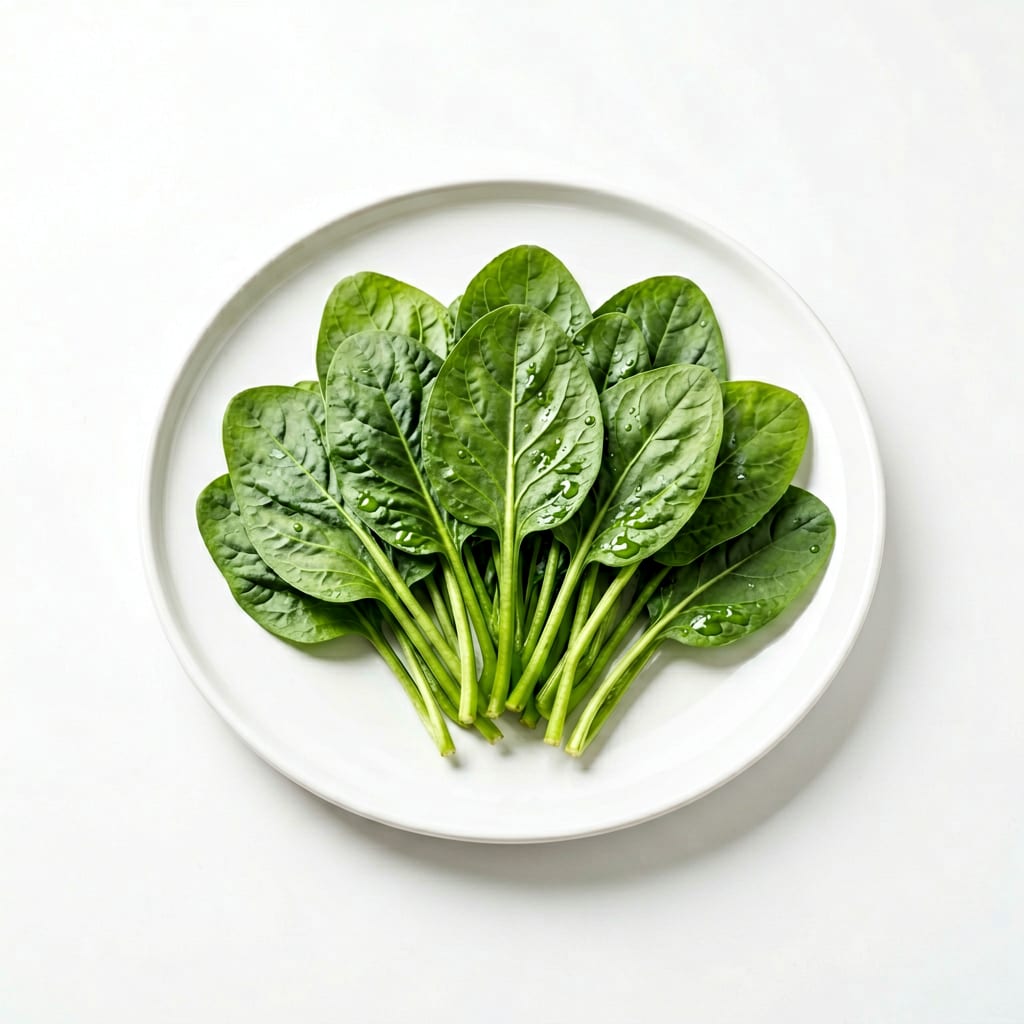
Malabar Spinach
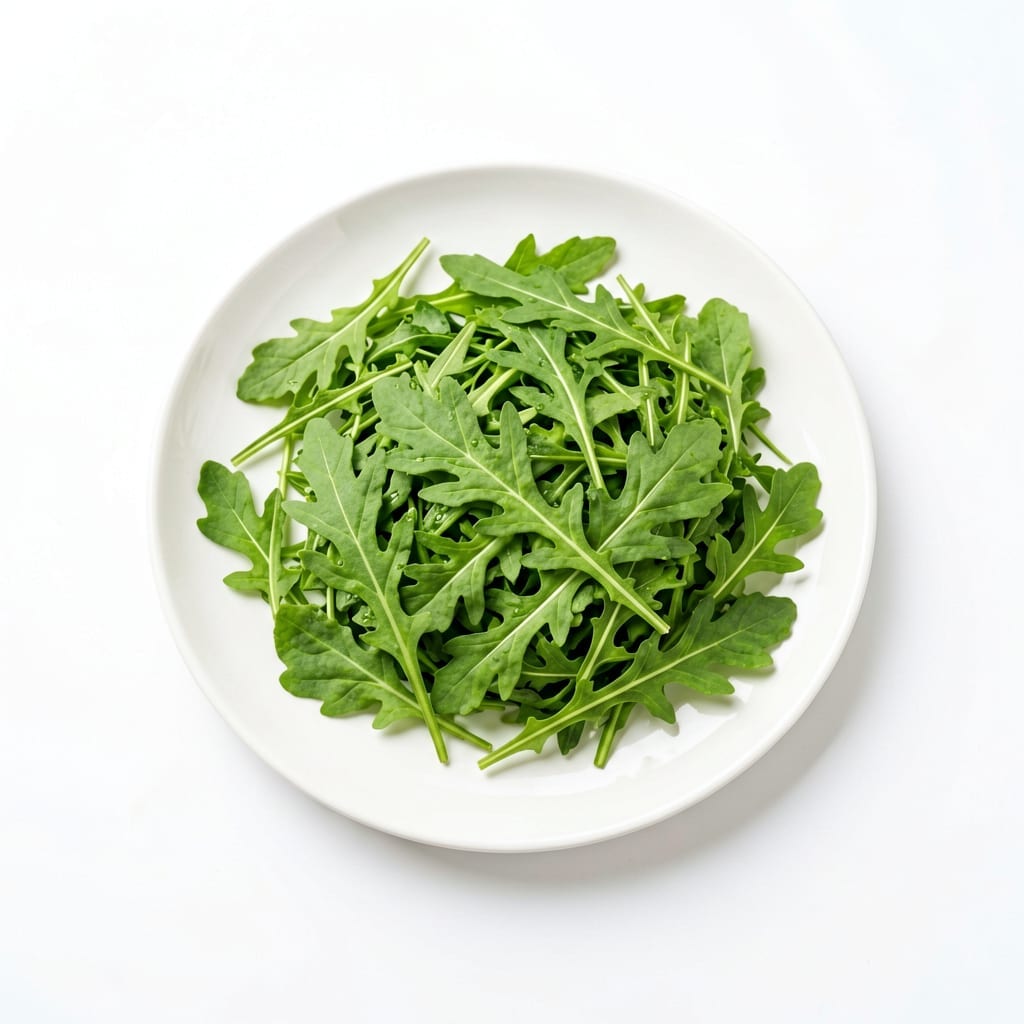
Arugula
Arugula wins for everyday salad use and convenience; Malabar Spinach wins for cooked dishes and mineral density.
Arugula scores higher mainly due to accessibility, culinary convenience, and unique glucosinolate benefits. Malabar Spinach matches or exceeds it in mineral content but loses ground on availability and texture preferences.
Arugula offers easy raw consumption with peppery flavor and cancer-fighting glucosinolates, while Malabar Spinach delivers more iron and calcium but requires cooking and is harder to find.
At a glance
Executive summary
Overall
It depends
Healthier
It depends
More practical
Arugula
Daily use
Arugula
Key comparison lenses
leafy green nutritional density comparison
Users choosing between these greens want to know which delivers more vitamins and minerals per bite
culinary versatility and flavor preference
These greens have dramatically different textures and flavors that affect how they can be used in meals
digestive tolerance and gut health
Malabar Spinach has mucilaginous properties that affect digestion differently than arugula's bitter compounds
antioxidant and phytonutrient profile
Each green offers distinct phytonutrients—glucosinolates in arugula vs. betalains in Malabar Spinach
accessibility and everyday practicality
Arugula is widely available in grocery stores while Malabar Spinach is harder to find outside specialty markets
Best choice for
Malabar Spinach
- Anyone needing extra iron or calcium in their diet
- Home cooks making soups, stews, or stir-fries
- People seeking mucilaginous foods for digestive soothing
- Gardeners in hot humid climates who want a heat-tolerant green
- Those looking for a spinach alternative that does not bolt in summer
Arugula
- Salad lovers who enjoy bold peppery flavor
- Anyone seeking convenient pre-washed greens at the store
- People wanting nitrate-rich foods for blood pressure support
- Those focused on cancer-fighting glucosinolate compounds
- Mediterranean diet followers
Least suitable for
Malabar Spinach
- People who dislike slimy or mucilaginous textures
- Those without access to specialty or Asian grocery stores
- Anyone wanting a quick no-cook salad green
- People sensitive to oxalates
Arugula
- People who find bitter or peppery flavors unpleasant
- Those on blood-thinning medications who need consistent vitamin K intake
- Anyone looking for a substantial cooked green with high mineral content
- People with kidney stones concerned about oxalates
Deep comparison
Dimension by dimension
Each lens scores both foods and breaks down who each option suits.
- Dimension 1 · Priority 95Malabar Spinach
Vitamin and Mineral Density
Malabar Spinach · 82Arugula · 74Malabar Spinach delivers more iron, calcium, and magnesium per serving than arugula, making it the stronger mineral source.
Tradeoff
Arugula provides more vitamin K and folate, so the vitamin advantage shifts depending on which nutrients you need most.
Why it matters
If you are borderline anemic or need bone-supporting minerals, Malabar Spinach is the better choice. For blood clotting and cell repair, arugula has the edge.
Real-world impact
Eating Malabar Spinach regularly can meaningfully boost iron intake, especially for plant-based eaters who struggle to get enough.
Malabar Spinach
- Iron-deficient individuals
- Those needing calcium from plant sources
- Plant-based eaters seeking magnesium
Better for
- Those who cannot absorb non-heme iron well without pairing with vitamin C
Worse for
Arugula
- People needing vitamin K for bone health
- Anyone focused on folate intake
- Pregnant women needing folate support
Better for
- People on warfarin who must monitor vitamin K carefully
Worse for
- Dimension 2 · Priority 88Arugula
Phytonutrient and Antioxidant Profile
Malabar Spinach · 70Arugula · 84Arugula contains glucosinolates that convert to cancer-fighting isothiocyanates, giving it a distinct antioxidant advantage.
Tradeoff
Malabar Spinach contains betalains and phenolic compounds, but the research on their benefits is less established than arugula's glucosinolates.
Why it matters
Glucosinolates are the same family of compounds that make broccoli and kale famous for cancer-fighting potential. Arugula delivers these in a lighter, salad-friendly package.
Real-world impact
Regular arugula consumption adds a meaningful layer of cellular protection that Malabar Spinach cannot replicate as effectively.
Malabar Spinach
- Those seeking variety in antioxidant sources beyond cruciferous vegetables
Better for
- People specifically seeking glucosinolate benefits
Worse for
Arugula
- Anyone prioritizing cancer-fighting dietary patterns
- People following cruciferous-vegetable-heavy protocols
- Those wanting detoxification-supporting compounds
Better for
- Those with thyroid concerns who need to limit cruciferous vegetables raw
Worse for
- Dimension 3 · Priority 85Arugula
Culinary Versatility and Flavor
Malabar Spinach · 62Arugula · 80Arugula works beautifully raw in salads, sandwiches, and as a garnish, while Malabar Spinach is best cooked and has limited raw applications.
Tradeoff
Malabar Spinach holds up remarkably well in soups and stews without disintegrating, which arugula cannot do. But arugula's raw versatility makes it a more frequent daily choice.
Why it matters
A green you actually enjoy eating multiple times a week beats one that sits in your fridge because you do not know what to do with it.
Real-world impact
Most people will find it easier to eat arugula 4-5 times a week in salads and sandwiches than to cook Malabar Spinach that often.
Malabar Spinach
- Home cooks making long-simmered soups or stews
- Anyone wanting a green that does not wilt into nothing when cooked
- Stir-fry enthusiasts
Better for
- People who want grab-and-go raw greens
- Anyone put off by mucilaginous texture
Worse for
Arugula
- Salad lovers
- Anyone wanting a quick no-cook green
- Sandwich and wrap makers
- Pizza topping enthusiasts
Better for
- Cooks needing a green that survives extended cooking
Worse for
- Dimension 4 · Priority 80Malabar Spinach
Digestive Tolerance and Gut Health
Malabar Spinach · 79Arugula · 72Malabar Spinach's mucilage coats and soothes the digestive tract, while arugula's bitterness stimulates bile and digestion differently.
Tradeoff
Arugula's bitter compounds can cause mild stomach upset in sensitive people, while Malabar Spinach's slime factor bothers some people texturally even if it is gut-soothing.
Why it matters
If you have a sensitive stomach or acid reflux, Malabar Spinach's soothing mucilage can feel more comfortable than arugula's peppery bite.
Real-world impact
People with IBS or sensitive digestion often tolerate cooked Malabar Spinach better than raw arugula.
Malabar Spinach
- People with sensitive stomachs or acid reflux
- Those who benefit from mucilaginous gut-soothing foods
- Anyone recovering from digestive illness
Better for
- Anyone who gags at slimy textures
Worse for
Arugula
- People who want bitter foods to stimulate digestion
- Those with sluggish bile flow
Better for
- People with heartburn triggered by bitter or peppery foods
Worse for
- Dimension 5 · Priority 82Arugula
Accessibility and Convenience
Malabar Spinach · 45Arugula · 90Arugula is available in nearly every grocery store, often pre-washed and ready to eat. Malabar Spinach is a specialty item requiring effort to find.
Tradeoff
If you grow your own greens in a hot climate, Malabar Spinach becomes the more convenient option since it thrives in heat when other greens bolt.
Why it matters
The healthiest green is the one you can actually buy and eat regularly. Availability is a major practical factor.
Real-world impact
Most Americans can get arugula within minutes. Finding Malabar Spinach might require a trip to an Asian market or growing it yourself.
Malabar Spinach
- Home gardeners in hot humid climates
- People with access to Asian or specialty markets
Better for
- Anyone without specialty market access
- People who do not garden
Worse for
Arugula
- Anyone shopping at conventional grocery stores
- People who want pre-washed ready-to-eat greens
- Those who value grab-and-go convenience
Better for
- Gardeners in hot climates where arugula bolts quickly
Worse for
- Dimension 6 · Priority 76Arugula
Blood Pressure and Cardiovascular Support
Malabar Spinach · 68Arugula · 80Arugula is notably rich in dietary nitrates, which convert to nitric oxide and help relax blood vessels, supporting healthy blood pressure.
Tradeoff
Malabar Spinach offers potassium and magnesium that also support cardiovascular health, but the nitrate pathway is more directly impactful for blood pressure.
Why it matters
If managing blood pressure is a priority, arugula's nitrate content puts it in the same conversation as beet greens and celery.
Real-world impact
A daily arugula salad can contribute meaningfully to blood pressure management alongside other lifestyle changes.
Malabar Spinach
- Those who get nitrates from other sources already
- People needing heart-supporting minerals
Better for
- Those specifically targeting the dietary nitrate pathway
Worse for
Arugula
- Anyone managing hypertension naturally
- People wanting dietary nitrate benefits
- Athletes seeking nitric oxide for performance
Better for
- People who already consume high-nitrate foods like beets regularly
Worse for
Timeline
Health impact over time
Short-term
Hours to days
Malabar Spinach
- Provides a soothing effect on the digestive tract due to mucilage content
- Delivers a noticeable iron boost when consumed with vitamin C sources
- Can feel heavy or slimy if you are unaccustomed to the texture
Arugula
- Stimulates digestion through bitter compounds within 15-30 minutes of eating
- Provides a quick peppery flavor hit that enhances meal satisfaction
- May cause mild stomach warmth in sensitive individuals when eaten raw in large amounts
Long-term
Months to years
Malabar Spinach
- Consistent iron and calcium intake supports bone density and energy levels over time
- Mucilage consumption may support gut lining integrity with regular intake
- Oxalate content warrants attention for those prone to kidney stones
Arugula
- Glucosinolate consumption is associated with reduced cancer risk in epidemiological studies
- Regular dietary nitrate intake supports sustained blood pressure management
- Vitamin K consistency matters for anyone on anticoagulant therapy
Risk profile
Safety & processing
Both greens are whole foods typically sold fresh and unprocessed. Pre-washed arugula in plastic tubs has minor packaging concerns but no additive issues. Malabar Spinach is almost always sold as fresh bunches with no processing.
Malabar Spinach
Oxalate content
mediumMalabar Spinach contains moderate oxalates that can contribute to kidney stone formation in susceptible individuals, especially when eaten raw in large quantities.
Pesticide residue on conventional bunches
lowLike most leafy greens, conventional Malabar Spinach may carry pesticide residue. Washing thoroughly reduces this risk significantly.
Arugula
Contamination in pre-washed packaging
mediumPre-washed arugula in sealed containers has been linked to occasional listeria and E. coli outbreaks. The moist environment enables bacterial growth if temperature control fails.
Oxalate content
lowArugula contains lower oxalate levels than Malabar Spinach, making it less concerning for kidney stone formers.
Goitrogenic compounds when raw
lowRaw arugula contains goitrogens that can interfere with thyroid function in very large amounts, but this is rarely a practical concern for normal consumption.
Who wins for whom
Audience fit
Same foods, different winners depending on your goal.
children
ArugulaArugula can be introduced in small amounts mixed with milder greens, while Malabar Spinach's mucilaginous texture is often rejected by kids.
daily consumption
ArugulaArugula's convenience, availability, and versatility make it far easier to eat every day without getting bored or frustrated.
diabetes
ArugulaArugula's dietary nitrates improve vascular function and insulin sensitivity, and its extremely low glycemic impact makes it a safe daily choice.
elderly
ArugulaArugula's vitamin K supports bone density and its nitrates help with age-related vascular stiffness, both key concerns for older adults.
muscle gain
Malabar SpinachMalabar Spinach provides more iron and magnesium per serving, both critical for oxygen delivery and muscle function during training.
weight loss
ArugulaArugula's strong flavor means a little goes a long way, and its near-zero calorie count with high satisfaction makes it ideal for volume eating in salads.
Your move
Decision guide
Choose Malabar Spinach
- You want a mineral-dense cooked green for soups, stews, or stir-fries
- You have access to Malabar Spinach through specialty markets or home gardening
- You need extra iron and calcium from plant sources
- You live in a hot climate and want a reliable summer green that will not bolt
- You have a sensitive digestive system and benefit from mucilaginous foods
Choose Arugula
- You want a versatile salad green with bold flavor
- You are focused on cancer-fighting glucosinolate compounds
- You want to support healthy blood pressure through dietary nitrates
- You value convenience and easy grocery store availability
- You enjoy Mediterranean-style eating patterns
Either works if
- You simply want more leafy greens in your diet and both are available
- You rotate greens to diversify your phytonutrient intake
- You are not dealing with specific health concerns that favor one over the other
Avoid both if
- You have severe oxalate restrictions due to active kidney stones
- You are on blood thinners and have not stabilized your vitamin K intake
- You have a true allergy to either plant family
Final recommendation
Keep arugula as your everyday green for salads and quick meals. Add Malabar Spinach when you find it and want a cooked green with superior mineral content. The best approach is rotating both to maximize phytonutrient diversity.
Practical
Consumer tips
- 1
Pair Malabar Spinach with a squeeze of lemon or tomato to boost iron absorption significantly
- 2
If Malabar Spinach's texture bothers you, blend it into smoothies where the mucilage is undetectable
- 3
Choose organic arugula when possible since leafy greens rank high for pesticide residue
- 4
Add arugula at the very end of cooking if using it warm—its delicate structure collapses quickly
- 5
Grow Malabar Spinach if you live in USDA zones 7-11; it thrives in heat when other greens fail
- 6
If on blood thinners, maintain consistent arugula intake rather than suddenly increasing or decreasing it
- 7
Wash all leafy greens thoroughly regardless of pre-washed labels on packaging