
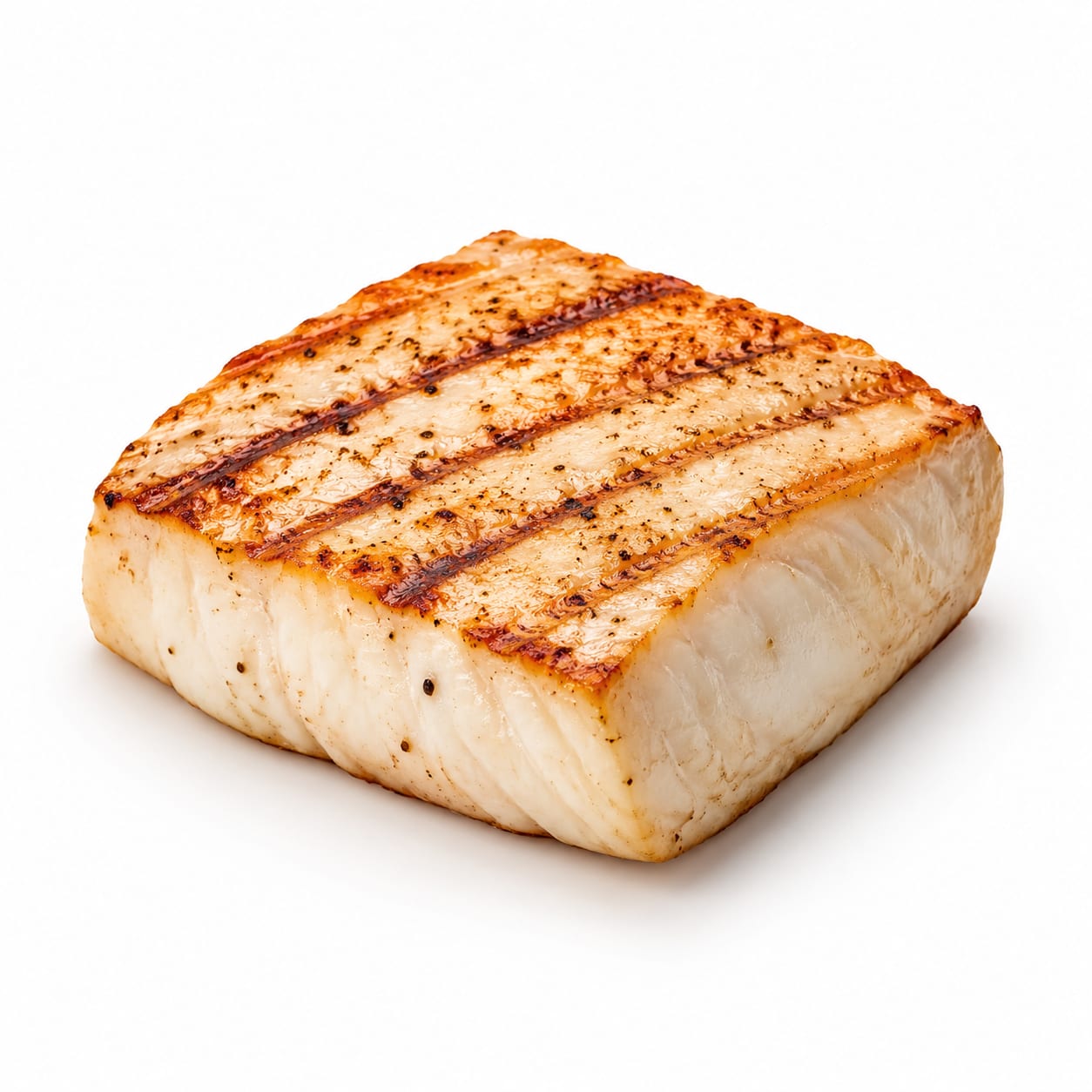
Seafood
Mahi Mahi
A lean, low-calorie saltwater fish high in protein and mild in flavor.
Mahi mahi, also known as dolphinfish, is a lean, firm-textured saltwater fish found in tropical and subtropical waters. It is prized for its mild, sweet flavor and versatility in cooking.
protein-dense lean animal food
Typical serving · 113g
Common varieties · wild-caught fillet, frozen fillet, fresh fillet
Overall context score across nutrition, safety, and diet fit
At a glance
Quick facts
Simple indicators based on nutrition, processing, and diet fit.
The story
What makes it unique
Mahi mahi is a fast-digesting, high-protein, low-fat food with zero carbohydrates. Its lean macronutrient profile promotes rapid amino acid availability for muscle synthesis. Satiety is driven primarily by protein content rather than fat or fiber. As a wild-caught whole food, it contains no added processing agents.
Varieties: wild-caught fillet · frozen fillet · fresh fillet
Per 100g
Nutrition breakdown
Macro balance and key metrics at a glance.
Energy
Density 0.85 kcal/g
Protein
Carbs
Fat
Fiber
Sugar
0 g
Sodium
80 mg
Potassium
490 mg
Glycemic index
0
Glycemic load
0
Water content
76%
Standout compounds
Nutrient highlights
Protein
highSupports muscle repair, growth, and satiety
Selenium
highProtects cells from damage and supports thyroid function
Vitamin B12
highEssential for nerve function and red blood cell formation
Niacin
moderateConverts food into energy and supports skin health
Potassium
moderateHelps regulate blood pressure and fluid balance
Wellness map
Health scores & processing
NOVA processing scale
minimally processed · Whole food
Sold as fresh or frozen fillets with no added ingredients, representing an unprocessed whole food.
Diet compatibility
- Weight loss
- Muscle gain
- Diabetes
- Gut health
- Low carb
- High protein
- Heart health
Relative standing
Food rankings
Qualitative ranks compared to similar whole foods.
- Satietygood
- Blood sugarexcellent
- Nutrient densitygood
- Fitness fuelexcellent
- Processing qualityexcellent
Eat with confidence
Food safety profile
Mahi mahi has moderate mercury levels, lower than tuna or swordfish but higher than cod or salmon. Scombroid poisoning (histamine toxicity) is a risk if the fish is not properly refrigerated after catch.
Evidence confidence 90%
- Pesticideslow
- Antibioticslow
- Heavy metalsmoderate
- Contaminationmoderate
Watch for
- mercury
- histamine
Safer choices
Salmon, cod, sardines
Prep tips
Keep consistently refrigerated or on ice to prevent histamine formation. Cook to an internal temperature of 145°F (63°C).
Classified as a 'Good Choice' by the FDA regarding mercury; recommended to limit to 2-3 servings per week.
Deep dive
Health analysis
How this food may fit different goals and preparation choices.
Weight loss
Extremely low energy density and high protein content increase satiety and preserve lean muscle mass during calorie deficits.
Blood sugar
Contains zero carbohydrates, causing no glycemic spike and helping stabilize blood glucose levels.
Fitness & energy
Fast-digesting lean protein makes it ideal for post-workout muscle repair without slowing digestion.
Gut health
Easily digestible due to low fat and lack of fiber, but does not provide prebiotics or probiotics for microbiome support.
Processing quality
Typically sold as a minimally processed whole food fillet with no additives or preservatives.
Food safety
Moderate mercury levels require mindful consumption frequency. Histamine buildup from improper chilling is a specific risk for mahi mahi.
Common mistakes
Overcooking the lean fillet, resulting in dry, tough meat. Substituting it for omega-3 rich fish expecting the same heart health benefits.
Best preparation
Grilling, pan-searing, or baking to an internal temperature of 137°F (58°C) to maintain moisture without overcooking.
Practical guide
Best use cases
When and how this food fits real eating patterns.
Post-workout recovery
Provides fast-digesting lean protein to support muscle protein synthesis without digestive sluggishness.
Lean weight loss meals
Delivers high volume and high protein for very few calories, aiding satiety in a calorie deficit.
Low-carb dinner base
A zero-carb anchor that pairs well with fibrous vegetables for balanced, blood-sugar-friendly meals.
Balance sheet
Pros & cons
Upsides
- Very high protein to calorie ratio
- Zero carbohydrates, ideal for keto and low-carb diets
- Mild flavor that absorbs marinades and seasonings well
- Lower mercury than large predatory fish like swordfish
Trade-offs
- Low in omega-3 fatty acids compared to fattier fish
- Moderate mercury levels limit daily consumption
- Risk of scombroid poisoning if improperly chilled
- Lean meat dries out quickly if overcooked
Fit check
Who is it for?
Great match
- lean muscle gain
- low-calorie dieting
- keto and low-carb diets
- post-workout meals
Consider alternatives
- omega-3 supplementation
- raw sushi preparations
- high-fat or ketogenic macro balancing without added fats
Side by side
How it compares
Open the full head-to-head analysis for nutrition, safety, and practical tradeoffs.
This food
Mahi Mahi
VS85% alike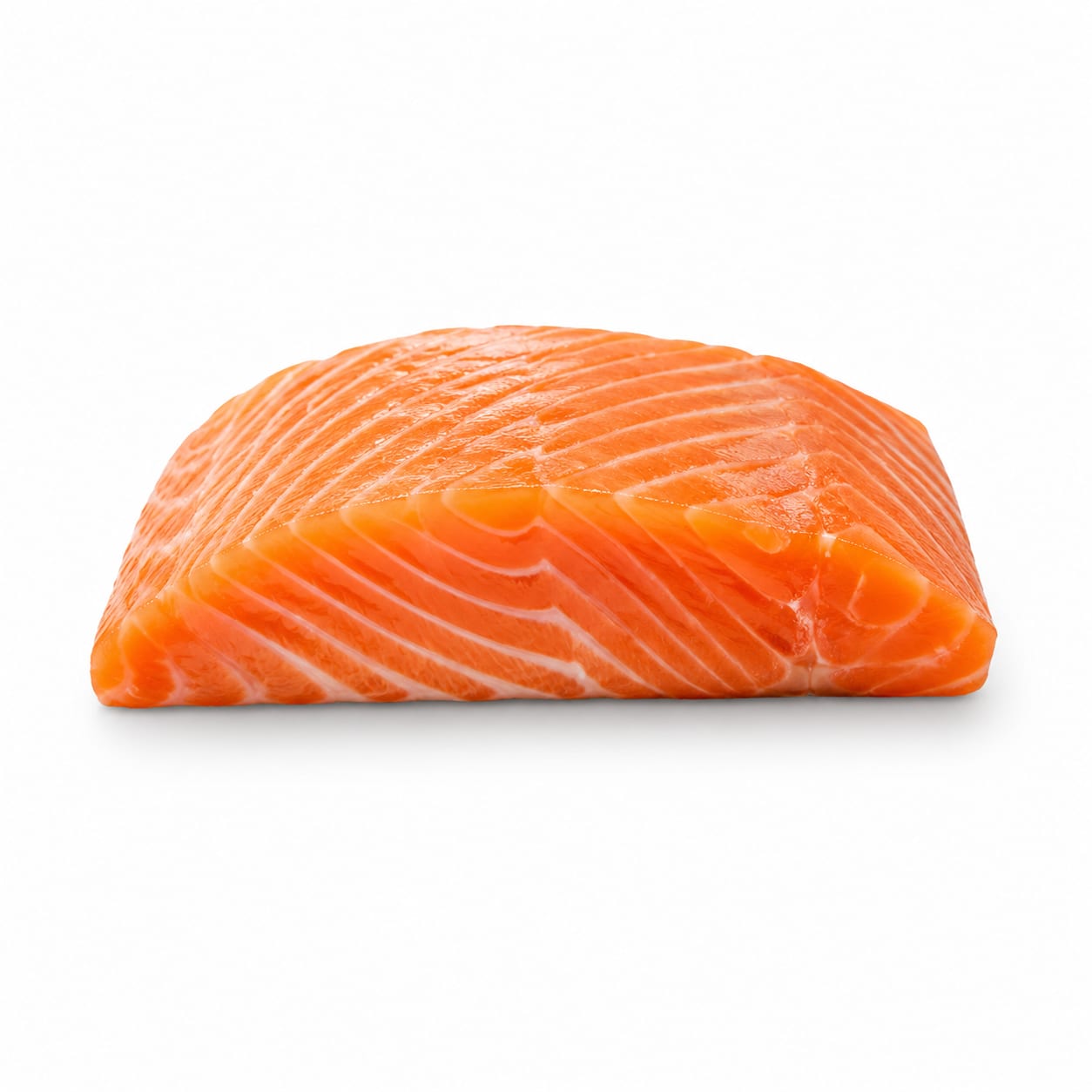
Compare with
Salmon
Salmon is a fatty fish high in omega-3s, while mahi mahi is a lean fish with minimal fat.
Mahi mahi is lower in calories and better for lean diets, while salmon provides more omega-3s and healthy fats for heart health.
This food
Mahi Mahi
VS90% alike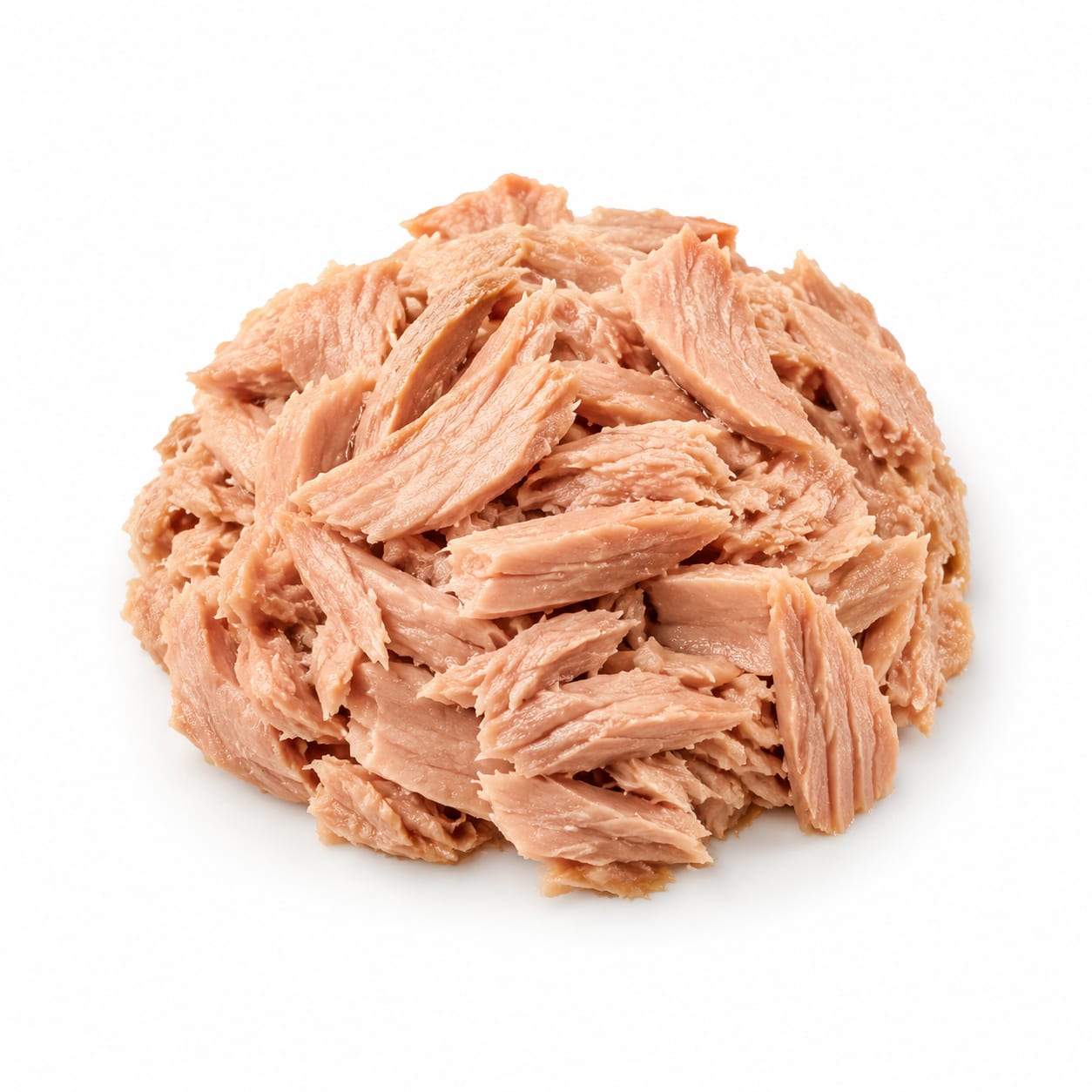
Compare with
Tuna
Tuna is slightly higher in protein and mercury, while mahi mahi is milder and lower in mercury.
Tuna offers slightly more protein per calorie, but mahi mahi has lower mercury levels and a milder, less dry texture.
This food
Mahi Mahi
VS95% alike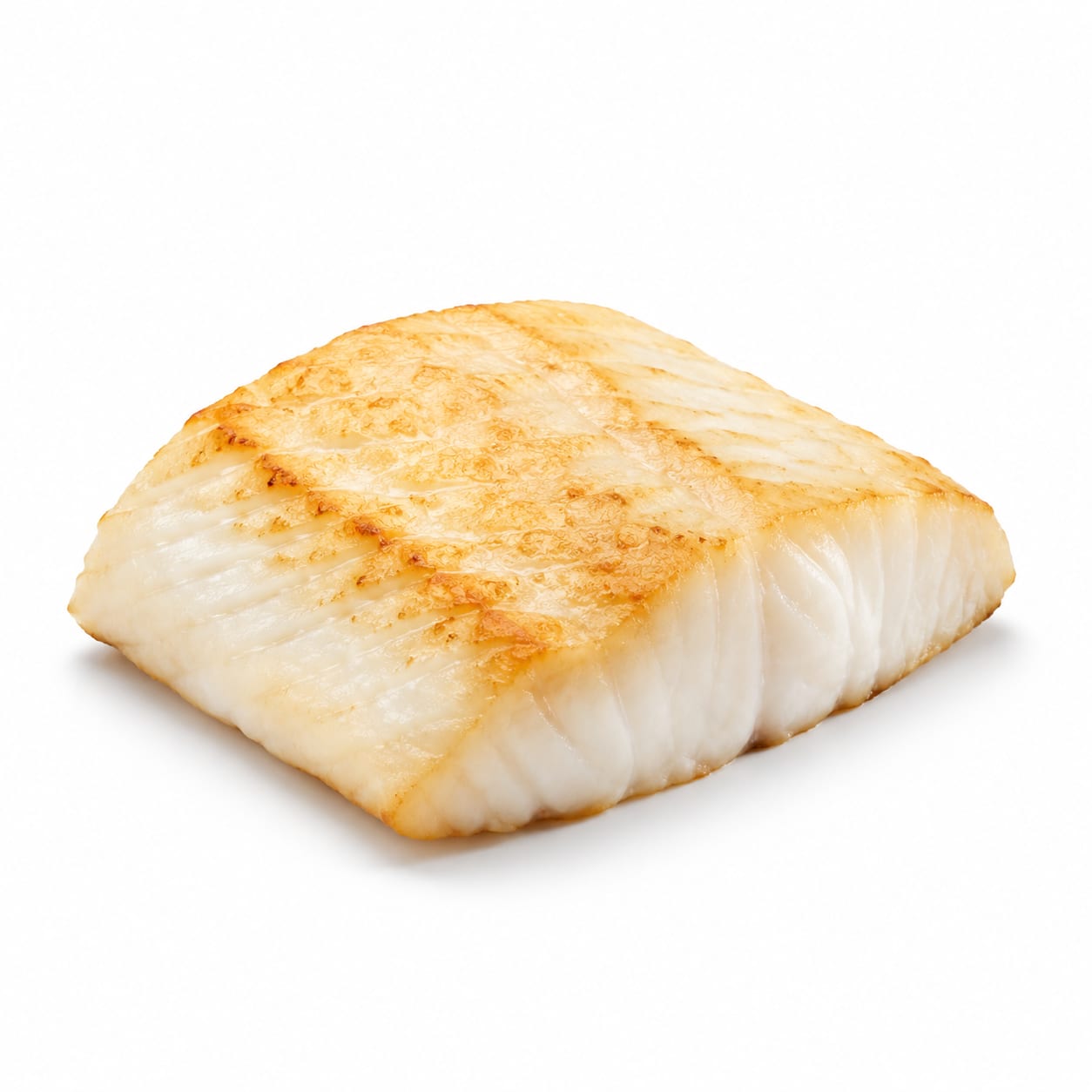
Compare with
Cod
Cod is slightly lower in calories and mercury, while mahi mahi has a firmer texture and slightly more protein.
Cod is slightly lower in calories and mercury, but mahi mahi provides more protein and a meatier texture for hearty meals.
This food
Mahi Mahi
VS88% alike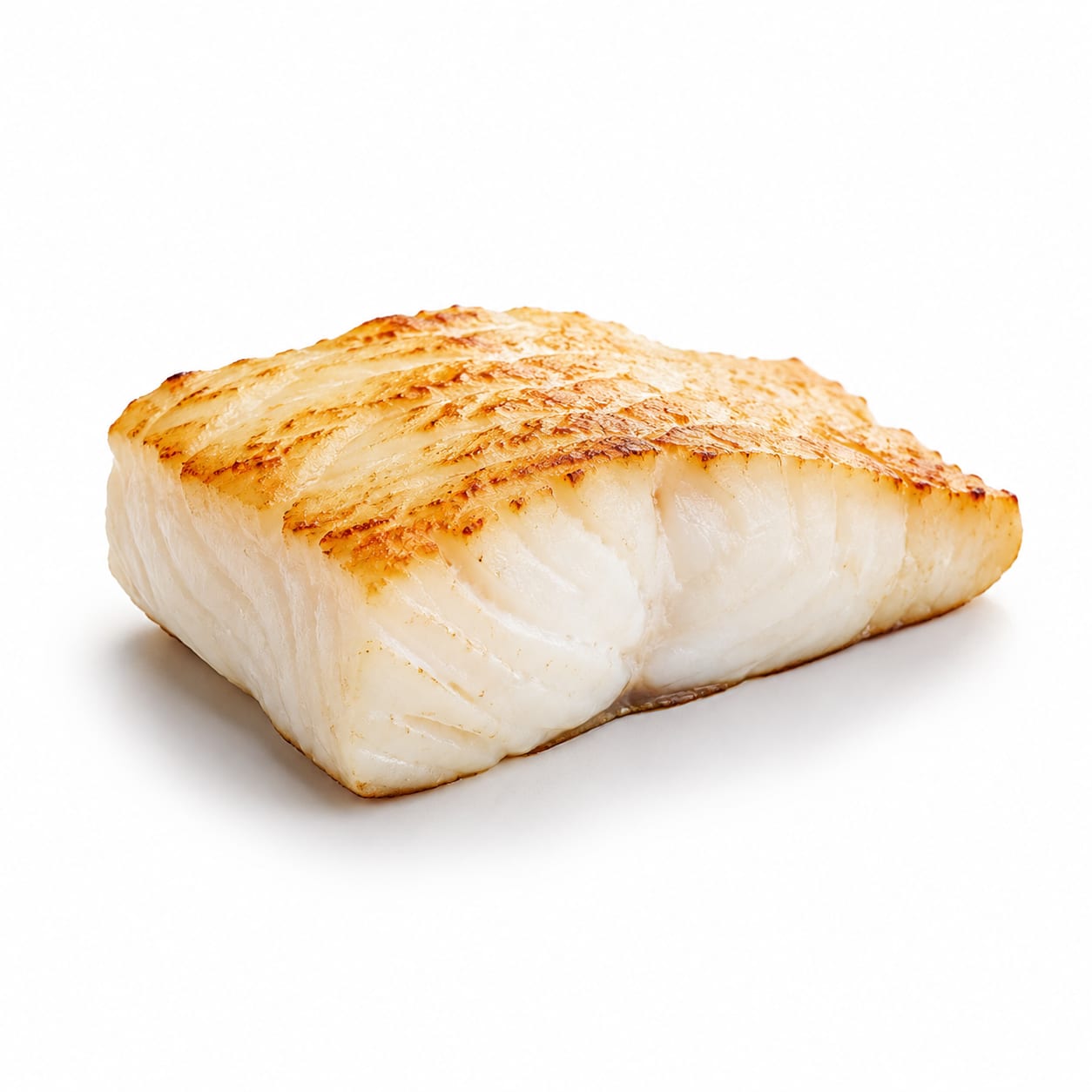
Compare with
Halibut
Halibut is denser and slightly higher in fat and calories, while mahi mahi is lighter.
Mahi mahi is lower in calories, while halibut offers a denser, steak-like texture and slightly more healthy fats.
This food
Mahi Mahi
VS80% alike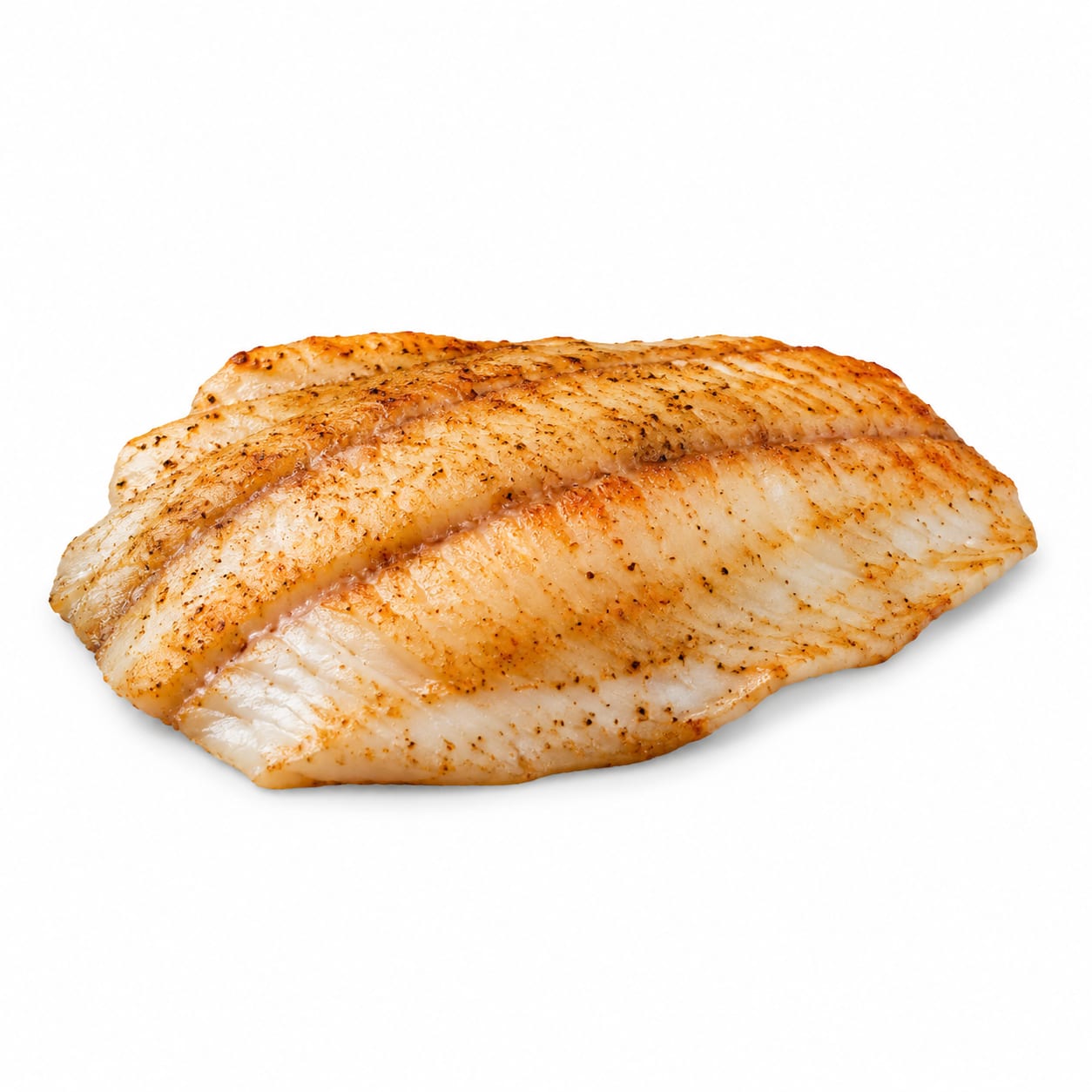
Compare with
Tilapia
Tilapia is cheaper and lower in mercury, but mahi mahi has a superior nutrient profile and is wild-caught.
Mahi mahi provides better omega-3 to omega-6 ratios and more micronutrients than tilapia, which is often farmed.
This food
Mahi Mahi
VS75% alike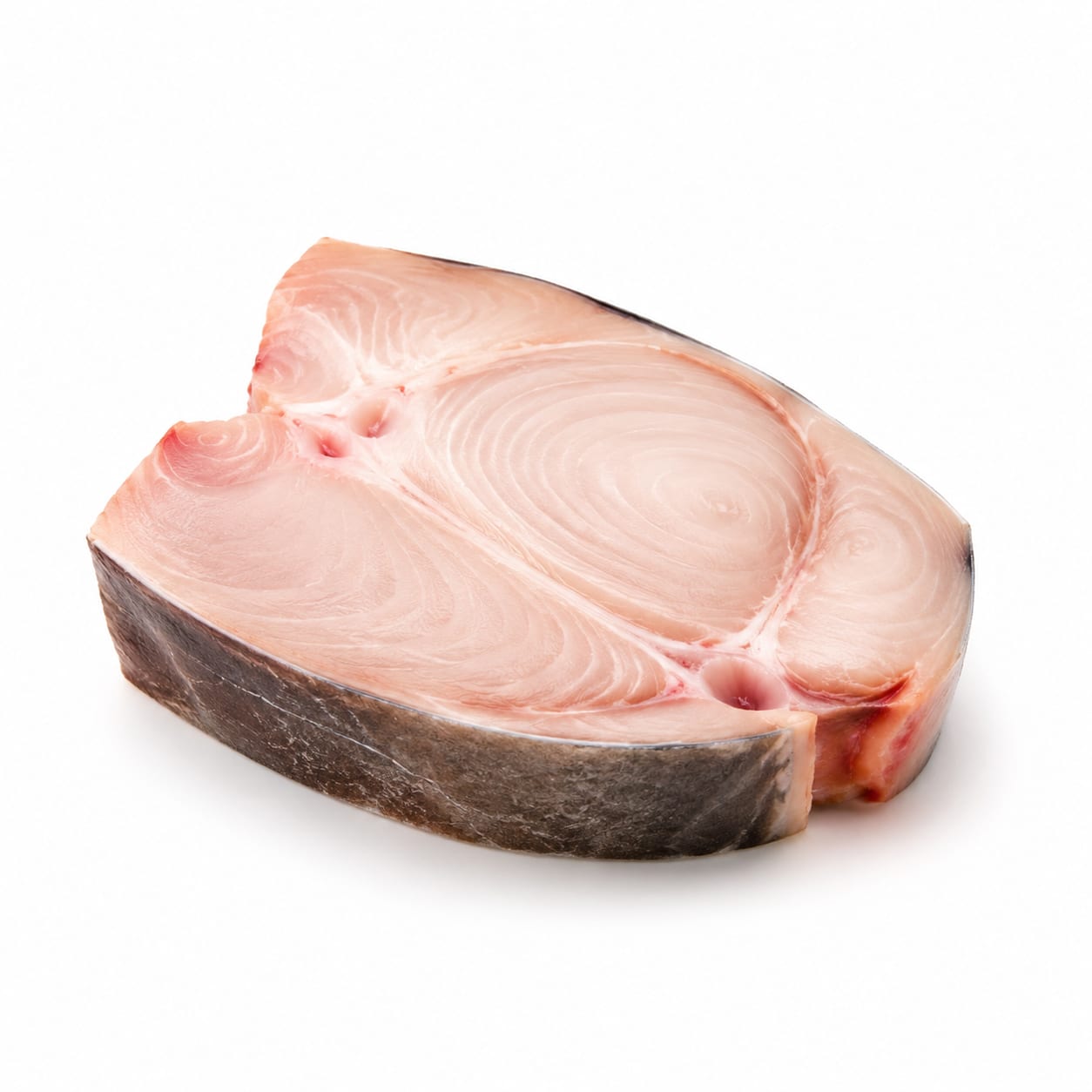
Compare with
Swordfish
Swordfish is higher in fat and mercury, while mahi mahi is leaner and safer for regular consumption.
Mahi mahi is much lower in mercury and calories, making it a safer and leaner choice than swordfish for regular meals.
This food
Mahi Mahi
VS70% alike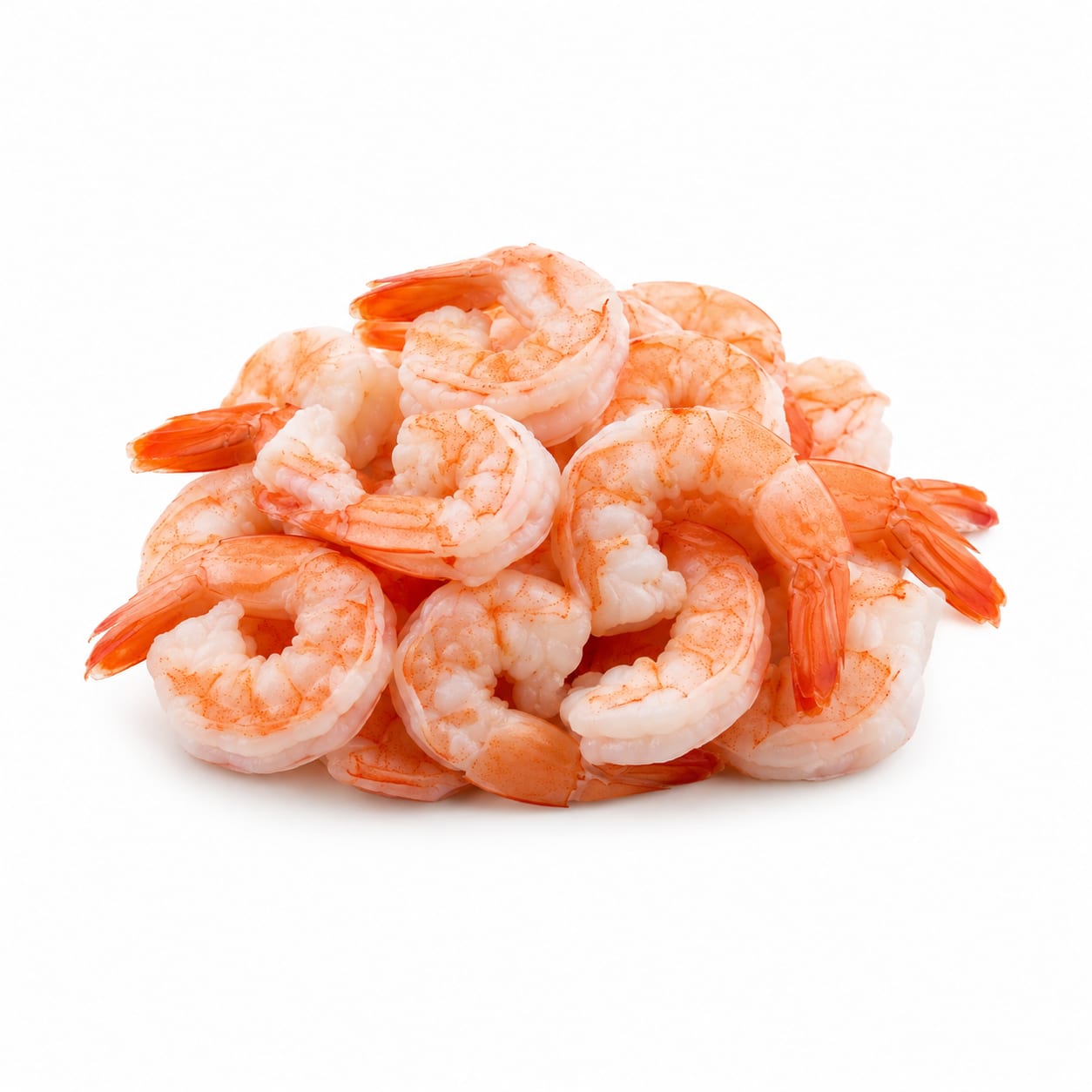
Compare with
Shrimp
Shrimp is lower in calories and mercury, but mahi mahi provides more protein per serving.
Shrimp is lower in calories, but mahi mahi offers substantially more protein per serving, making it better for muscle maintenance.
This food
Mahi Mahi
VS65% alike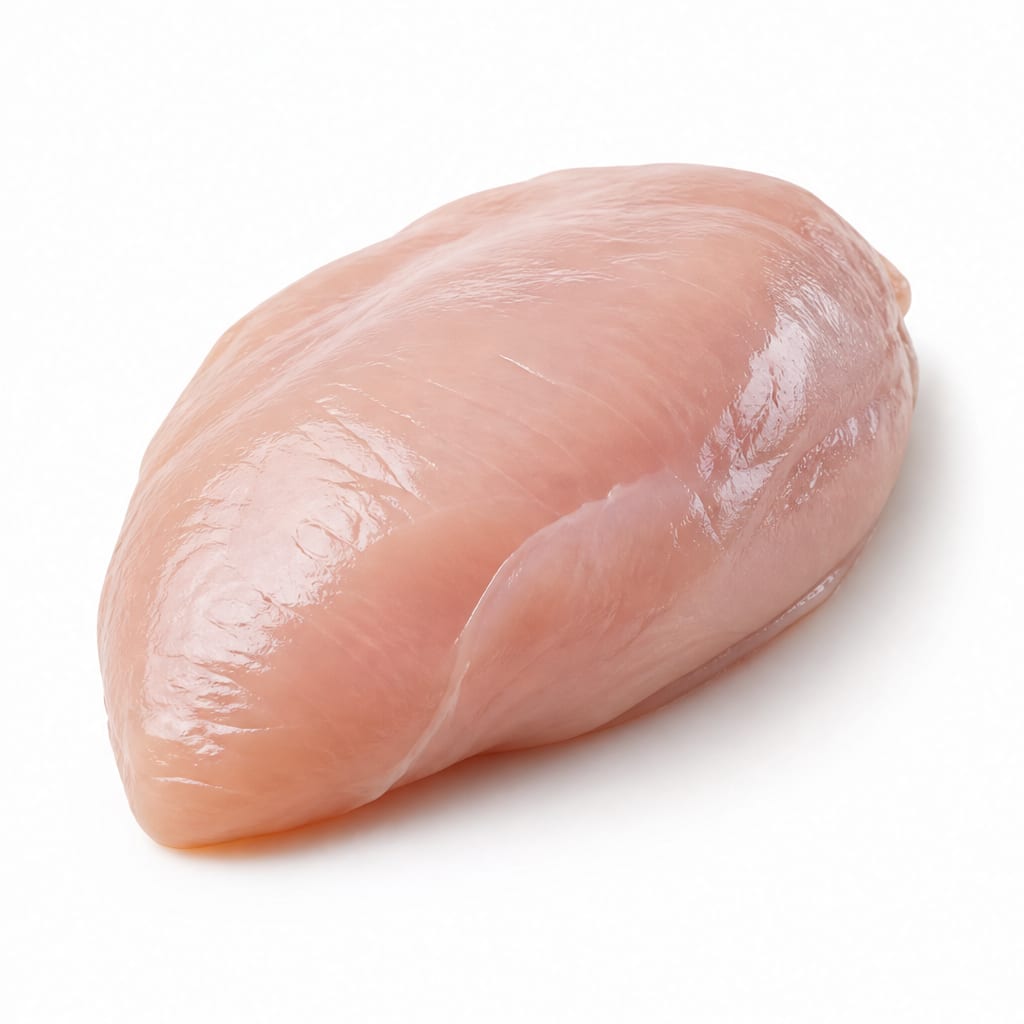
Compare with
Chicken Breast
Chicken breast is slightly higher in protein, while mahi mahi offers more micronutrients like selenium and B12.
Chicken breast provides slightly more protein per ounce, but mahi mahi delivers unique marine micronutrients and a seafood flavor profile.
This food
Mahi Mahi
VS85% alike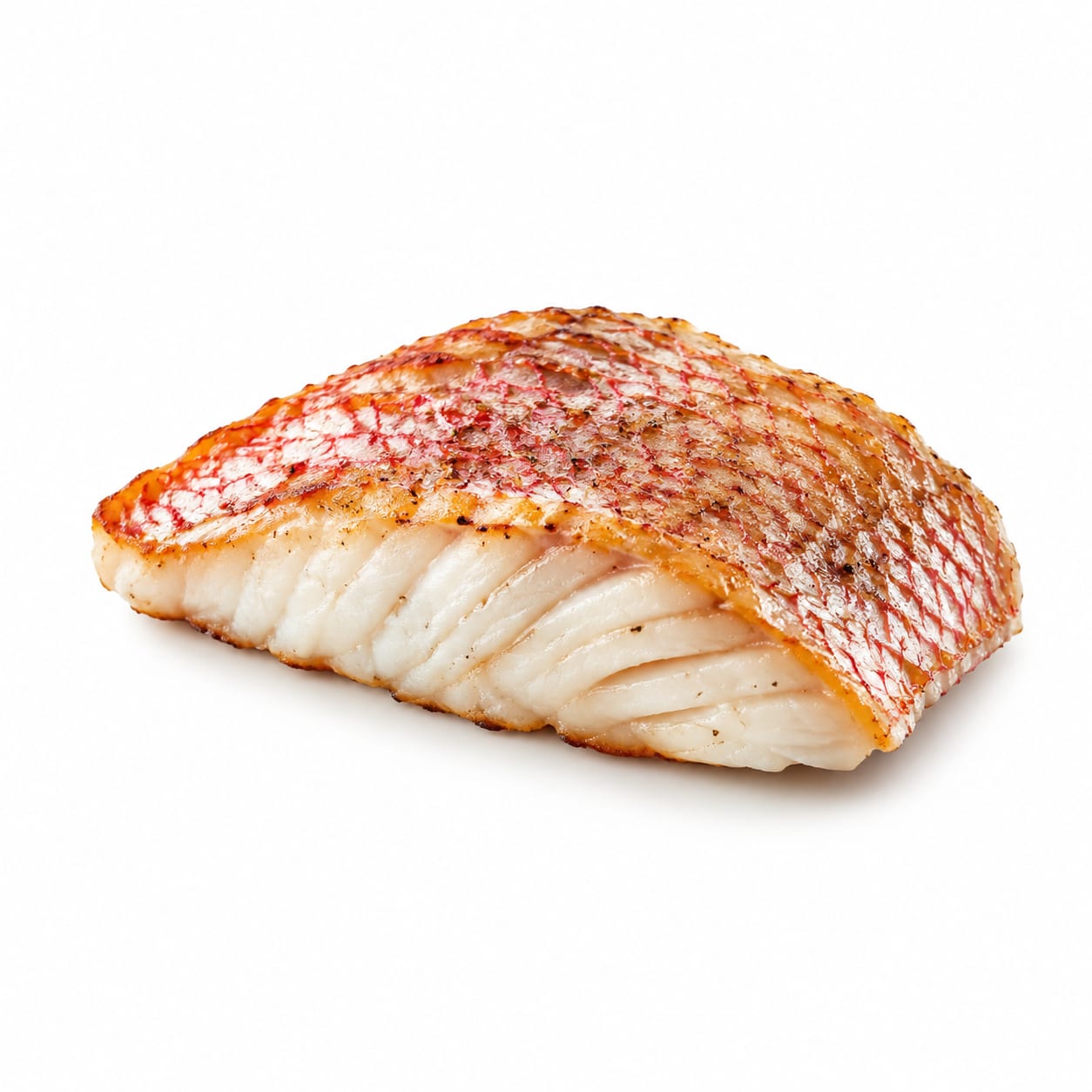
Compare with
Snapper
Snapper is slightly higher in calories and fat, while mahi mahi is leaner and firmer.
Mahi mahi is leaner and firmer than snapper, making it slightly better for strict calorie counting and grilling.
This food
Mahi Mahi
VS70% alike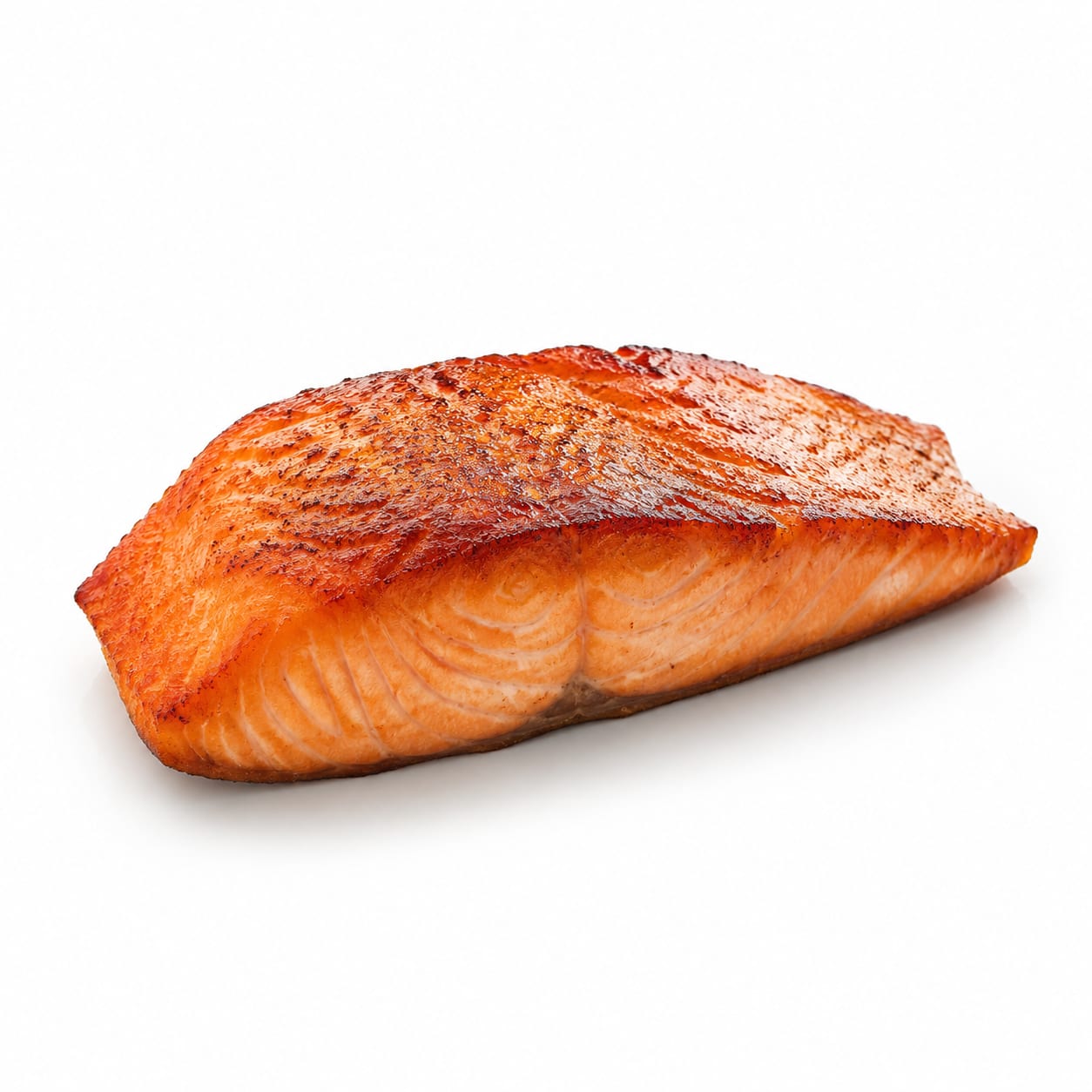
Compare with
Trout
Trout is a fattier fish with more omega-3s, while mahi mahi is a lean protein source.
Mahi mahi is lower in calories and fat, whereas trout provides more omega-3 fatty acids and a richer flavor.
Common questions
FAQ
Answers aligned with how people search for this food.
Is mahi mahi high in mercury?
Mahi mahi has moderate mercury levels. The FDA classifies it as a 'Good Choice,' recommending 2-3 servings per week, which is safer than high-mercury fish like swordfish but higher than low-mercury choices like salmon.
Is mahi mahi good for weight loss?
Yes, mahi mahi is excellent for weight loss. It is very low in calories and fat while being high in protein, which helps increase satiety and preserve muscle mass during a calorie deficit.
Does mahi mahi have a lot of omega-3?
No, mahi mahi is a lean fish and contains relatively low amounts of omega-3 fatty acids compared to fattier fish like salmon, mackerel, or sardines.
Can diabetics eat mahi mahi?
Yes, mahi mahi is a zero-carbohydrate food that will not spike blood sugar. Its high protein content also helps stabilize glucose levels and promote fullness.
Is mahi mahi safe during pregnancy?
Pregnant women can eat mahi mahi in moderation. Due to its moderate mercury content, it is generally recommended to limit consumption to 2-3 servings per week and avoid raw preparations.
What does mahi mahi taste like?
Mahi mahi has a mild, sweet flavor and a firm, lean texture. It is less 'fishy' than many other ocean fish, making it appealing to people who typically dislike strong seafood flavors.
How does mahi mahi compare to salmon?
Mahi mahi is much lower in calories and fat than salmon, making it better for strict weight loss. However, salmon provides significantly more heart-healthy omega-3 fatty acids.
Can you eat mahi mahi on a keto diet?
Yes, mahi mahi is completely carb-free and fits perfectly into a ketogenic diet, especially when paired with healthy fats like olive oil or butter during cooking.
Transparency
Data confidence
Estimated confidence for nutrition data, interpretation, safety notes, and comparisons.
Nutrition data
Health analysis
Food safety
Comparisons