
Nutrition comparison
Mahi Mahi vs Salmon: Nutrition, Mercury, and Health Benefits Compared
Comparing Mahi Mahi and Salmon? Discover which fish is better for omega-3s, weight loss, and mercury safety. Learn the nutritional tradeoffs between these popular seafoods.
Overall winner · Salmon
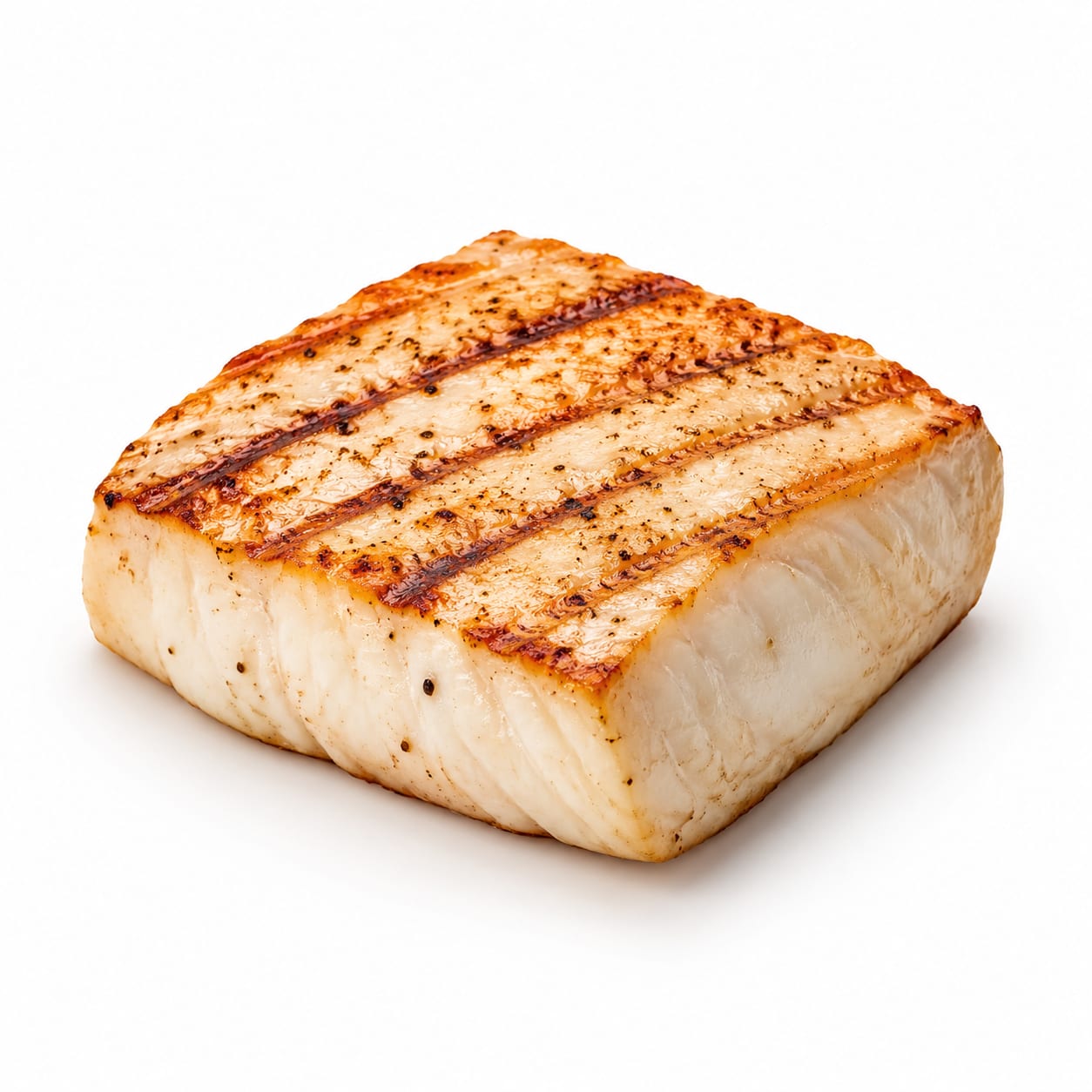
Mahi Mahi
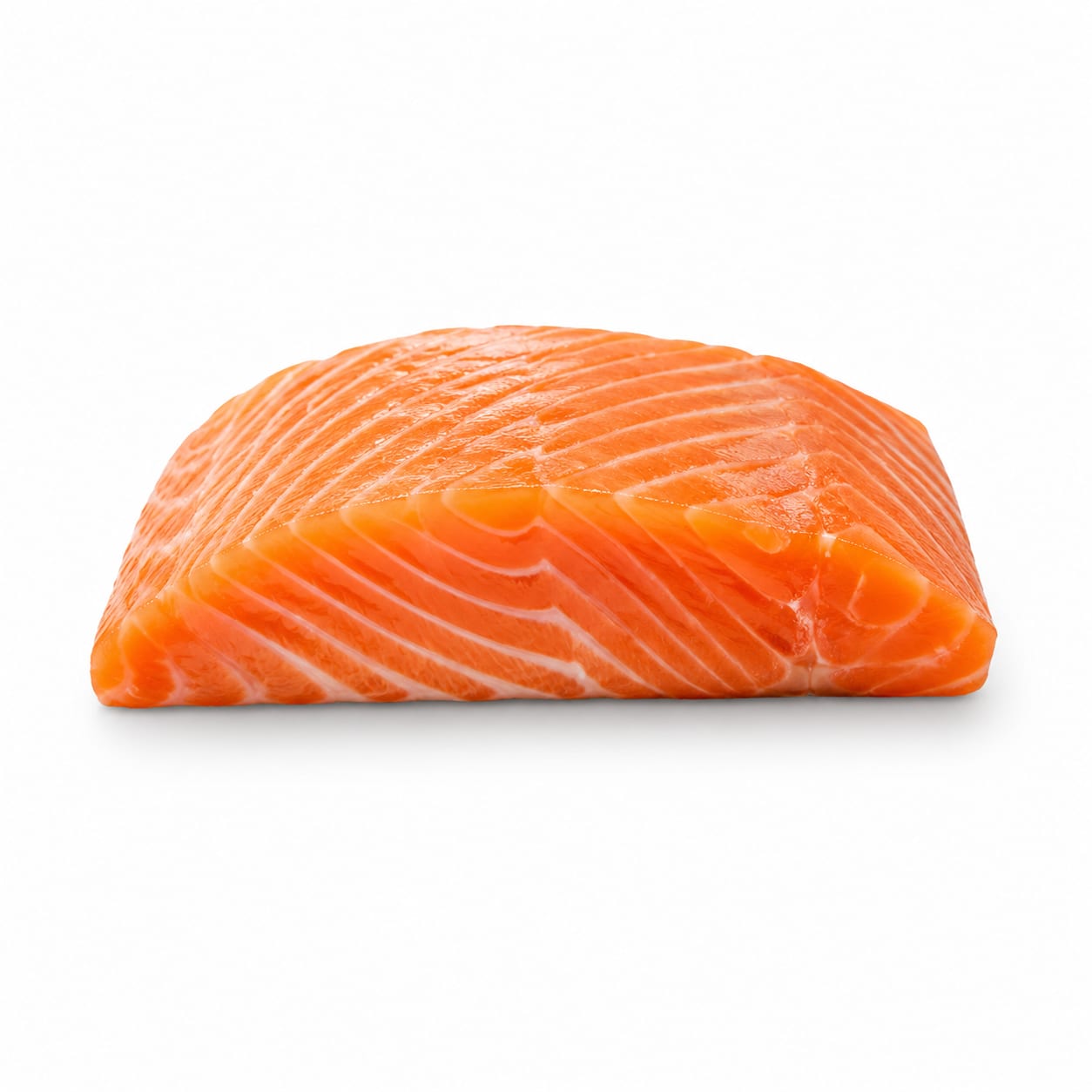
Salmon
Salmon dominates for omega-3s and heart health, while Mahi Mahi is the better choice if you want a lean, low-calorie protein.
Salmon scores higher due to its exceptional omega-3 density and broader long-term health benefits, though Mahi Mahi remains an excellent lean protein source.
You trade the rich omega-3 content and satiety of Salmon for the light, low-calorie leanness of Mahi Mahi.
At a glance
Executive summary
Overall
Salmon
Healthier
Salmon
More practical
It depends
Daily use
Salmon
Key comparison lenses
Omega-3 and anti-inflammatory benefits
Salmon is famous for its omega-3s, while Mahi Mahi is much leaner, making this the starkest nutritional difference.
Calorie and macronutrient profile
Mahi Mahi is a lean white fish, whereas Salmon is a fatty fish, which heavily impacts calorie counts and meal planning.
Mercury and contaminant exposure
Both are marine fish but have different contaminant profiles, which matters for frequent consumption and vulnerable populations.
Best choice for
Mahi Mahi
- Low-calorie diets
- Lean muscle building
- Lighter summer meals
Salmon
- Heart health focus
- Anti-inflammatory diets
- Keto or low-carb eating
Least suitable for
Mahi Mahi
- Those needing omega-3 boosts from food
- Very low-carb or high-fat diets
Salmon
- Strict low-fat diets
- Tight grocery budgets when buying wild-caught
Deep comparison
Dimension by dimension
Each lens scores both foods and breaks down who each option suits.
- Dimension 1 · Priority 95Salmon
Omega-3 & Anti-Inflammatory Fats
Mahi Mahi · 30Salmon · 98Salmon is one of the best food sources of omega-3s, while Mahi Mahi contains very little.
Tradeoff
Choosing Mahi Mahi means missing out on the powerful anti-inflammatory benefits that Salmon provides.
Why it matters
Omega-3s are critical for heart, brain, and joint health, and most people do not get enough.
Real-world impact
Eating Salmon a few times a week can noticeably reduce joint stiffness and improve mood stability compared to lean white fish.
Mahi Mahi
- Keeping total dietary fat low
Better for
- Relying on fish for omega-3s
Worse for
Salmon
- Reducing inflammation
- Supporting brain health
- Lowering triglycerides
Better for
- Strict fat-restricted diets
Worse for
- Dimension 2 · Priority 85Mahi Mahi
Calorie Density & Leanness
Mahi Mahi · 92Salmon · 65Mahi Mahi delivers high protein with very few calories and almost no fat, making it a dieter's dream.
Tradeoff
You get fewer calories with Mahi Mahi, but less staying power between meals.
Why it matters
If you are cutting calories, lean proteins help you stay within limits while preserving muscle.
Real-world impact
A Mahi Mahi fillet feels light and will not weigh you down, but you might find yourself hungry again sooner than if you ate Salmon.
Mahi Mahi
- Calorie deficit diets
- Pre-competition bodybuilding
- Light lunches
Better for
- Staying full on the go
- High-fat dietary needs
Worse for
Salmon
- Satiety between meals
- Low-carb or keto diets
- Sustained energy
Better for
- Aggressive calorie cutting
- Fat-sensitive digestion
Worse for
- Dimension 3 · Priority 80It depends
Contaminants & Heavy Metals
Mahi Mahi · 75Salmon · 80Salmon generally has lower mercury, but farmed Salmon can have higher PCBs. Mahi Mahi has moderate mercury but fewer fat-soluble pollutants.
Tradeoff
Choosing wild Salmon gives you low mercury and low pollutants, but it is pricey. Mahi Mahi is moderate mercury but usually wild-caught.
Why it matters
Frequent fish eaters need to balance the benefits of seafood with the risks of accumulated toxins.
Real-world impact
If you eat fish daily, rotating between wild Salmon and Mahi Mahi prevents overexposure to any single contaminant.
Mahi Mahi
- Avoiding fat-soluble pollutants found in farmed fish
Better for
- High mercury sensitivity
- Frequent consumption by young children
Worse for
Salmon
- Minimizing mercury exposure
- Pregnant women seeking safe omega-3s (if wild)
Better for
- Avoiding PCBs from farmed seafood
Worse for
- Dimension 4 · Priority 70It depends
Culinary Versatility & Taste
Mahi Mahi · 80Salmon · 85Salmon offers a rich, fatty mouthfeel that stands on its own, while Mahi Mahi has a mild, firm texture that absorbs marinades beautifully.
Tradeoff
Salmon is harder to overcook due to its fat content, but Mahi Mahi is more versatile for tacos and grilling.
Why it matters
Enjoying your food is key to a sustainable diet, and these two fish serve entirely different moods.
Real-world impact
Salmon feels like a hearty dinner, while Mahi Mahi feels like a refreshing coastal meal.
Mahi Mahi
- Fish tacos
- Grilled kebabs
- Citrus-based dishes
Better for
- Dry cooking methods
- Raw preparations for beginners
Worse for
Salmon
- Sashimi
- Pan-seared fillets
- Rich comfort meals
Better for
- Delicate flavor profiles
- Light summer salads
Worse for
Timeline
Health impact over time
Short-term
Hours to days
Mahi Mahi
- Light, non-bloated feeling after eating
- Quick digesting protein for post-workout recovery
Salmon
- High satiety and fullness
- Steadier blood sugar due to fat content
Long-term
Months to years
Mahi Mahi
- Excellent weight maintenance from low calorie intake
- Lower omega-3 intake unless supplemented elsewhere
Salmon
- Reduced cardiovascular disease risk
- Better cognitive aging from consistent omega-3 intake
Risk profile
Safety & processing
Both are typically sold as fresh or frozen whole fillets with no additives. Farmed Salmon may contain artificial colorants in its feed, but the fish itself is rarely processed.
Mahi Mahi
Mercury exposure
mediumMahi Mahi is a predatory fish with moderate mercury levels; safe in moderation but not ideal as a daily staple for pregnant women.
Scombroid poisoning
lowIf not properly chilled, Mahi Mahi can develop histamine, causing a temporary allergic-like reaction.
Salmon
PCBs and dioxins (if farmed)
mediumFarmed Salmon can accumulate fat-soluble industrial pollutants; choosing wild-caught significantly reduces this risk.
Artificial colorants
lowFarmed Salmon is often fed dyed food to achieve the pink color that wild Salmon get naturally from krill.
Who wins for whom
Audience fit
Same foods, different winners depending on your goal.
children
SalmonWild Salmon is lower in mercury and provides crucial omega-3s for brain development, making it a safer regular choice.
daily consumption
SalmonWild Salmon's low mercury and high omega-3 content make it more suitable for daily eating than the moderate-mercury Mahi Mahi.
diabetes
SalmonThe healthy fats in Salmon slow digestion and stabilize blood sugar more effectively than the lean profile of Mahi Mahi.
elderly
SalmonThe omega-3s in Salmon protect against cognitive decline and joint inflammation, which are major concerns with aging.
muscle gain
It dependsSalmon offers more calories and anti-inflammatory fats for recovery, while Mahi Mahi offers pure protein without extra calories.
weight loss
Mahi MahiMahi Mahi provides high protein with minimal calories, making it easier to maintain a calorie deficit.
Your move
Decision guide
Choose Mahi Mahi
- You are counting calories and want maximum protein per bite
- You prefer a light, flaky fish that takes on bold marinades
- You are eating fish multiple times a week and need variety to spread mercury risk
Choose Salmon
- Heart health and omega-3 intake are your top priorities
- You want a filling meal that keeps you satisfied for hours
- You follow a low-carb or keto lifestyle and need healthy fats
Either works if
- You just need a high-quality whole-food protein source for dinner
- You are rotating seafood to avoid overexposure to any single toxin
Avoid both if
- You have a severe fish or seafood allergy
- You are strictly vegan or plant-based
Final recommendation
Make Salmon your primary fish for health benefits, but keep Mahi Mahi in the rotation for lighter meals and calorie-conscious days. Prioritize wild-caught for both to maximize nutrition and minimize contaminants.
Practical
Consumer tips
- 1
Buy wild-caught Salmon when possible to avoid PCBs and artificial colorants found in farmed varieties.
- 2
Limit Mahi Mahi to 1-2 times a week if you are pregnant or feeding young children due to moderate mercury.
- 3
Marinate Mahi Mahi in citrus and herbs to keep it moist, as its low fat content makes it prone to drying out.
- 4
Do not overcook Salmon; it should be slightly translucent in the center to retain its healthy fats and tender texture.