
Nutrition comparison
Mahi Mahi vs Shrimp: Nutrition, Mercury, and Health Comparison
Comparing Mahi Mahi and Shrimp? Discover which seafood is lower in mercury, better for weight loss, and safer for your heart.
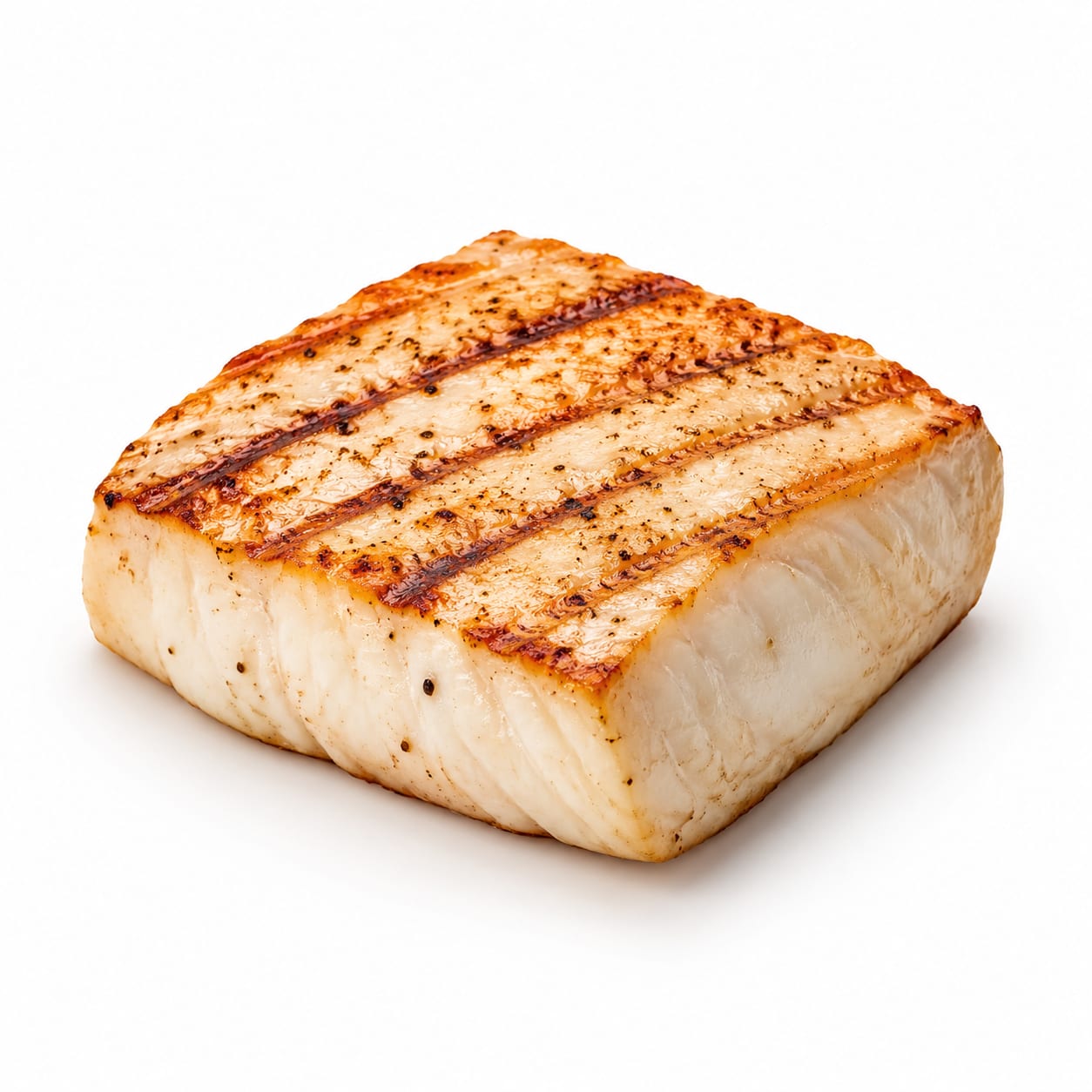
Mahi Mahi
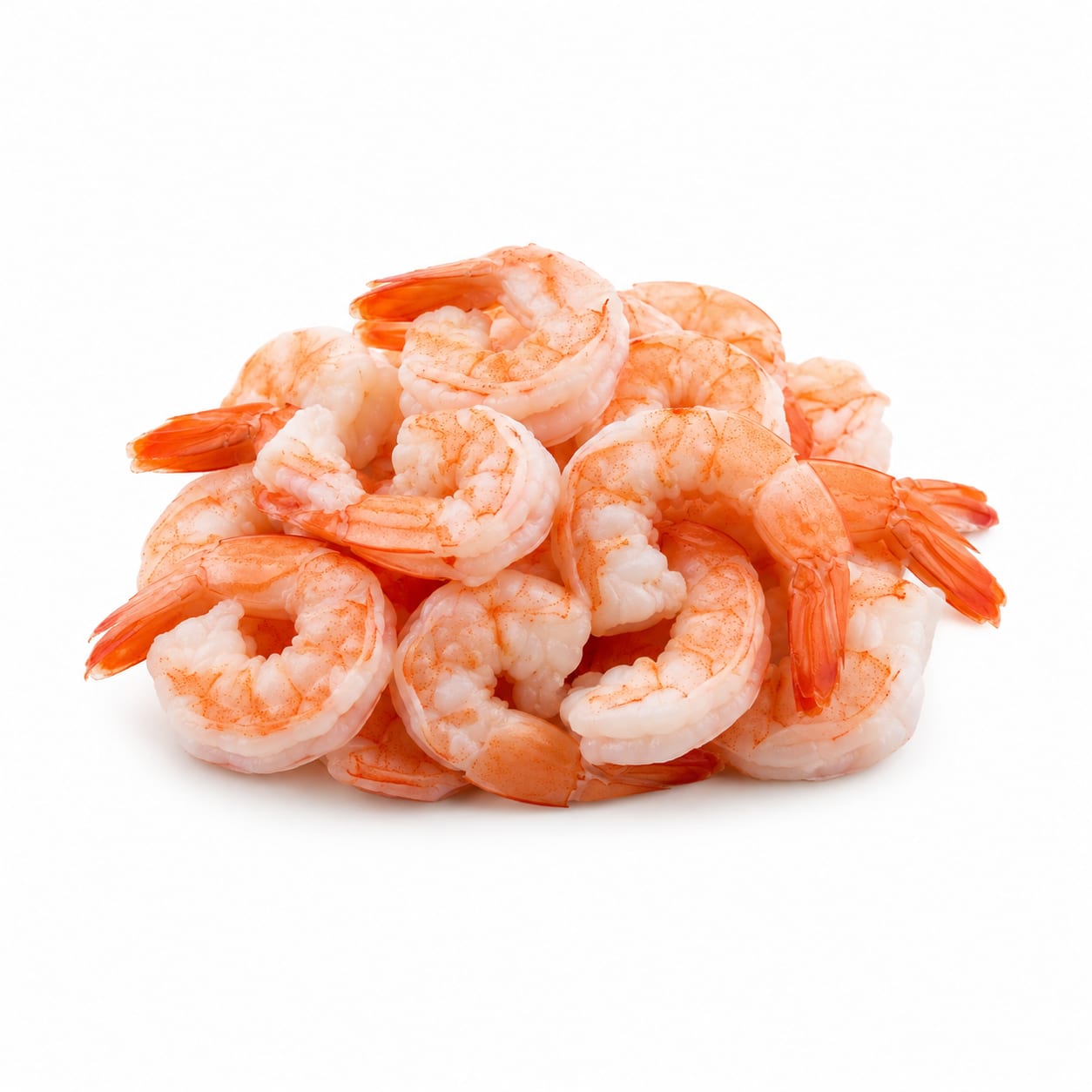
Shrimp
Mahi Mahi offers a hearty, filling fillet with zero cholesterol concerns, while Shrimp delivers ultra-lean protein with minimal mercury but higher dietary cholesterol.
Scores are very close. Shrimp edges out slightly for daily lean protein safety due to lower mercury, but Mahi Mahi wins on satiety and cholesterol neutrality.
Choosing between a moderate-mercury, low-cholesterol fish (Mahi Mahi) and a low-mercury, high-cholesterol shellfish (Shrimp).
At a glance
Executive summary
Overall
It depends
Healthier
It depends
More practical
Shrimp
Daily use
Shrimp
Key comparison lenses
Mercury and heavy metal exposure
Mahi Mahi is a moderate-mercury fish while Shrimp is very low, heavily impacting consumption frequency limits.
Dietary cholesterol concerns
Shrimp is notoriously high in dietary cholesterol, which matters for hyper-responders, whereas Mahi Mahi is cholesterol-free.
Lean protein source for weight management
Both are incredibly lean, but Shrimp offers more protein per calorie, making it a favorite for strict calorie counters.
Culinary convenience and cooking speed
Shrimp cooks in minutes making it a weeknight staple, while Mahi Mahi requires more careful preparation but offers a heartier fillet.
Best choice for
Mahi Mahi
- Hearty dinner entrees
- Grilling and searing
- People monitoring dietary cholesterol
Shrimp
- Quick weeknight meals
- Low-calorie diets
- Pregnant women seeking low-mercury protein
Least suitable for
Mahi Mahi
- Frequent daily consumption due to mercury
- Very low-calorie diets
Shrimp
- People with shellfish allergies
- Those highly sensitive to dietary cholesterol
Deep comparison
Dimension by dimension
Each lens scores both foods and breaks down who each option suits.
- Dimension 1 · Priority 90Mahi Mahi
Protein Quality & Satiety
Mahi Mahi · 85Shrimp · 82Mahi Mahi provides a denser, more filling portion of protein, while Shrimp offers slightly more protein per calorie but feels lighter.
Tradeoff
You trade the physical fullness of a thick fish fillet for the calorie efficiency of shrimp.
Why it matters
A Mahi Mahi fillet keeps you satisfied longer, whereas a shrimp dish might leave you hungry sooner unless paired with filling sides.
Real-world impact
After a Mahi Mahi dinner, you are less likely to snack later. After a shrimp salad, you might be looking for a snack in two hours.
Mahi Mahi
- Post-workout recovery
- Big appetites
Better for
- Very low-calorie diets
Worse for
Shrimp
- Calorie counting
- Light lunches
Better for
- Those needing long-lasting fullness
Worse for
- Dimension 2 · Priority 88Mahi Mahi
Heart Health & Cholesterol
Mahi Mahi · 85Shrimp · 70Mahi Mahi has virtually no cholesterol, whereas Shrimp is famously high in it, though low in saturated fat.
Tradeoff
Shrimp's high dietary cholesterol may concern some, but it lacks the saturated fat that typically makes cholesterol harmful.
Why it matters
For most people, shrimp's cholesterol does not spike blood cholesterol, but for hyper-responders, it can be an issue.
Real-world impact
If your doctor told you to watch dietary cholesterol, Mahi Mahi is the safer bet for your heart.
Mahi Mahi
- People with high blood cholesterol
- Heart-healthy diets
Better for
Shrimp
- Low-fat diets
Better for
- Hyper-responders to dietary cholesterol
Worse for
- Dimension 3 · Priority 92Shrimp
Contaminants & Heavy Metals
Mahi Mahi · 65Shrimp · 85Shrimp is very low in mercury, making it safer for frequent eating, while Mahi Mahi carries a moderate mercury load.
Tradeoff
Mahi Mahi's moderate mercury limits how often you should eat it, whereas shrimp's main risk is farming practices rather than mercury.
Why it matters
Frequent consumption of moderate-mercury fish can lead to accumulation, especially risky for pregnant women.
Real-world impact
You can safely eat shrimp multiple times a week, but Mahi Mahi should be limited to 1-2 servings per week.
Mahi Mahi
- Wild-caught purists
Better for
- Pregnant women
- Children
Worse for
Shrimp
- Pregnant women
- Frequent seafood eaters
- Children
Better for
- Those avoiding imported farmed seafood
Worse for
- Dimension 4 · Priority 80Shrimp
Culinary Convenience & Versatility
Mahi Mahi · 75Shrimp · 88Shrimp cooks in minutes and adapts to countless cuisines, while Mahi Mahi requires more careful cooking but excels on the grill.
Tradeoff
Shrimp is incredibly fast but easy to overcook into rubber; Mahi Mahi is more forgiving but takes longer to prepare.
Why it matters
On a busy Tuesday, shrimp can be on the table in 10 minutes. Mahi Mahi requires a bit more planning.
Real-world impact
Shrimp is the ultimate weeknight shortcut. Mahi Mahi feels more like a weekend dinner centerpiece.
Mahi Mahi
- Grilling
- Meal prep
- Fish tacos
Better for
- Rush cooking
Worse for
Shrimp
- Stir-fries
- Quick pastas
- Busy weeknights
Better for
- Slow-cooking stews
Worse for
Timeline
Health impact over time
Short-term
Hours to days
Mahi Mahi
- Sustained energy from a filling, protein-rich meal
- No blood sugar spikes
Shrimp
- Light, non-bloated feeling after eating
- Quick digestion
Long-term
Months to years
Mahi Mahi
- Moderate mercury exposure if eaten too frequently
- Good omega-3 intake for heart health
Shrimp
- Potential antibiotic exposure if eating imported farmed shrimp
- Very low mercury accumulation risk
Risk profile
Safety & processing
Both are whole, natural seafood. However, frozen Shrimp often contains added sodium tripolyphosphate (STPP) or sulfites to preserve texture and color, whereas Mahi Mahi is typically sold as a plain frozen fillet.
Mahi Mahi
Mercury exposure
mediumMahi Mahi is a moderate-mercury fish; limit to 1-2 servings per week, especially for pregnant women.
Shrimp
Shellfish allergy
highShrimp is a top allergen that can cause severe, life-threatening reactions in sensitive individuals.
Farming contaminants
mediumImported farmed shrimp may carry antibiotic residues; opt for wild-caught or US-farmed when possible.
Who wins for whom
Audience fit
Same foods, different winners depending on your goal.
children
ShrimpShrimp's extremely low mercury level makes it safer for kids, provided they do not have a shellfish allergy.
daily consumption
ShrimpLow mercury allows Shrimp to be eaten more frequently than Mahi Mahi, though rotating both is ideal.
diabetes
It dependsBoth have zero carbs and will not spike blood sugar, but Shrimp's high cholesterol may compound cardiovascular risks common in diabetes.
elderly
Mahi MahiMahi Mahi offers a heartier texture and more satiety without the cholesterol load, supporting heart health in older adults.
muscle gain
Mahi MahiMahi Mahi provides a larger, more substantial portion of protein per serving, which is more filling and supportive for muscle repair.
weight loss
ShrimpShrimp is exceptionally low in calories while being high in protein, making it easier to stay in a calorie deficit.
Your move
Decision guide
Choose Mahi Mahi
- You want a thick, satisfying fish fillet for grilling or searing
- You are monitoring your dietary cholesterol intake
- You are eating seafood 1-2 times a week and want a hearty meal
Choose Shrimp
- You need a fast-cooking protein for busy weeknights
- You are pregnant or feeding children and need low-mercury seafood
- You are counting calories and want maximum protein for minimal calories
Either works if
- You just need a lean, zero-carb protein source for a salad
- You are rotating seafood to avoid mercury buildup
Avoid both if
- You have a seafood allergy
- You are on a strict vegan or vegetarian diet
Final recommendation
Let your schedule and health priorities decide. Choose Mahi Mahi for a satisfying, cholesterol-free dinner, and Shrimp for quick, low-calorie, low-mercury meals. Rotate them to balance mercury exposure and nutritional benefits.
Practical
Consumer tips
- 1
Look for wild-caught Shrimp to avoid antibiotic residues common in some imported farmed shrimp.
- 2
Check frozen Shrimp labels for added sodium tripolyphosphate (STPP) or sulfites; buy those with just shrimp and salt.
- 3
Limit Mahi Mahi to 1-2 times a week to keep mercury exposure in check.
- 4
Do not overcook Shrimp—pull it off the heat as soon as it curls into a C shape to keep it tender.