
Nutrition comparison
Mahi Mahi vs Chicken Breast: Which Lean Protein is Better?
Comparing Mahi Mahi vs Chicken Breast? Explore the nutritional differences, omega-3 benefits, mercury risks, and find out which lean protein fits your health goals.
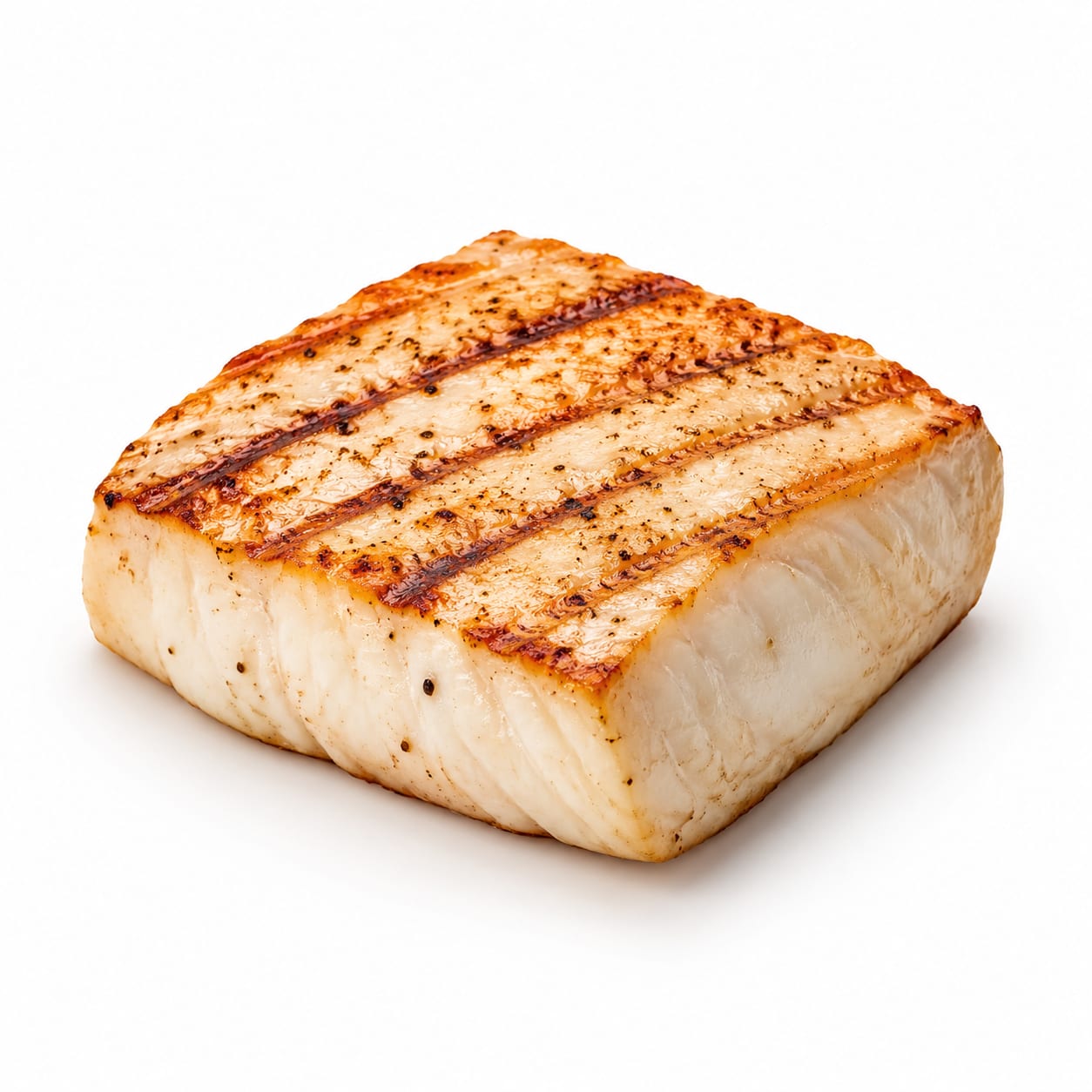
Mahi Mahi
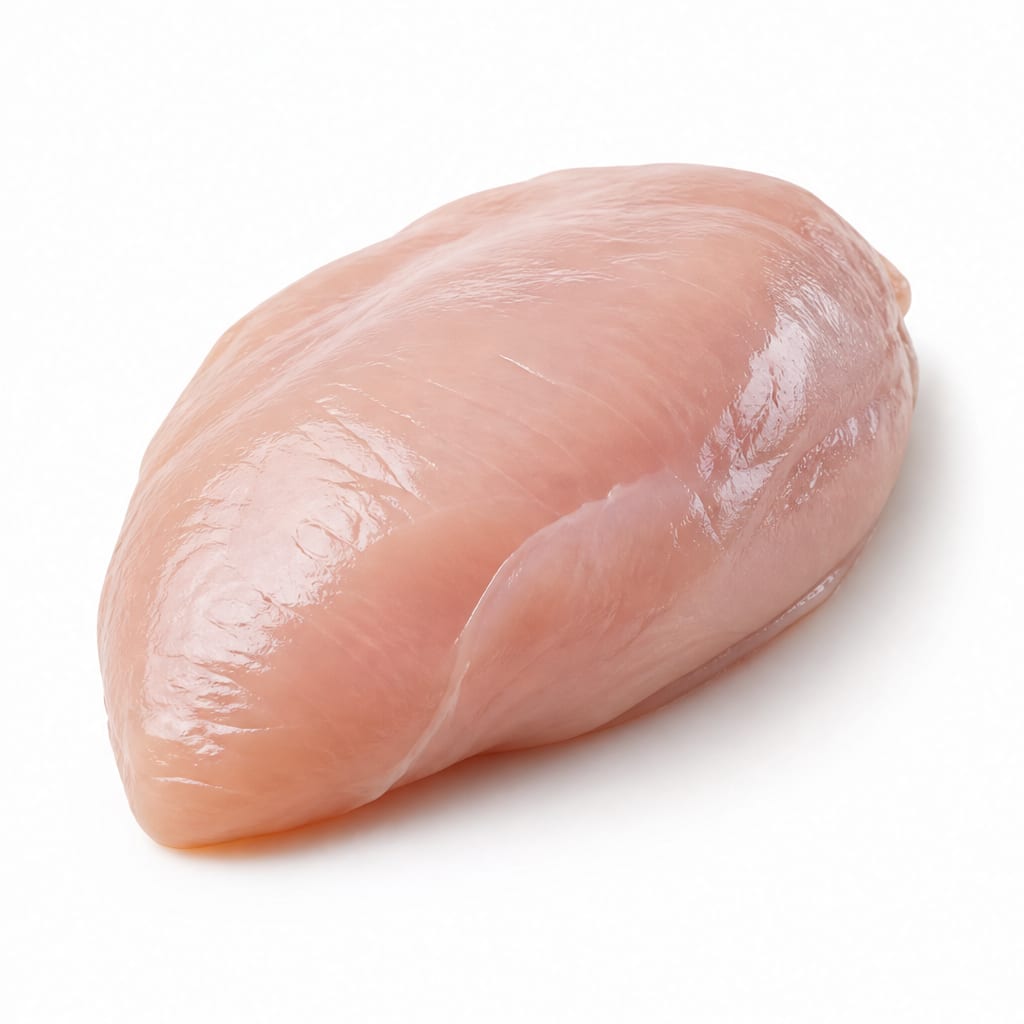
Chicken Breast
Chicken Breast is the more practical, everyday lean protein, while Mahi Mahi offers heart-healthy omega-3s and culinary variety but comes with seafood considerations.
Chicken Breast edges ahead slightly due to everyday practicality, affordability, and safety for daily consumption, but Mahi Mahi is nutritionally competitive with its omega-3 content.
The everyday convenience, lower cost, and higher protein density of Chicken Breast versus the anti-inflammatory omega-3s and unique micronutrients in Mahi Mahi.
At a glance
Executive summary
Overall
It depends
Healthier
It depends
More practical
Chicken Breast
Daily use
Chicken Breast
Key comparison lenses
Lean protein source selection
Both are premium lean proteins, and users are likely deciding which to prioritize for their meal prep or diet plan.
Heart health and omega-3 intake
Mahi Mahi provides marine omega-3s, a nutrient entirely absent in Chicken Breast, creating a clear nutritional tradeoff.
Heavy metal and contamination risk
Seafood carries mercury concerns while poultry carries bacterial and antibiotic risks, making safety a key decision factor.
Everyday practicality and budget
Chicken Breast is a staple budget protein, whereas Mahi Mahi is often pricier and less available, impacting daily sustainability.
Best choice for
Mahi Mahi
- Boosting omega-3 intake naturally
- Pescatarian meal plans
- Reducing dietary monotony with a light flaky texture
Chicken Breast
- Budget-friendly weekly meal prep
- Maximizing daily protein intake
- Families needing a versatile crowd-pleaser
Least suitable for
Mahi Mahi
- Frequent daily consumption due to mercury
- Tight grocery budgets
- People averse to seafood flavors
Chicken Breast
- Those seeking marine-source omega-3s
- Strict pescatarians
- Diners wanting a richer, fattier protein
Deep comparison
Dimension by dimension
Each lens scores both foods and breaks down who each option suits.
- Dimension 1 · Priority 95Chicken Breast
Protein Density & Satiety
Mahi Mahi · 85Chicken Breast · 93Chicken Breast delivers more protein per calorie, making it slightly superior for keeping you full and fueling muscle growth.
Tradeoff
You get slightly less protein per serving with Mahi Mahi, but you gain beneficial fats that Chicken Breast lacks.
Why it matters
Higher protein density means you can eat fewer calories while hitting your daily protein targets.
Real-world impact
A Chicken Breast dinner keeps you full well into the night, whereas Mahi Mahi might leave you looking for a snack sooner.
Mahi Mahi
- Getting protein with added omega-3s
- Lighter meals that won't weigh you down
Better for
- Bodybuilders needing maximum protein per gram
- Those who find fish less satiating
Worse for
Chicken Breast
- Hitting high protein targets on a cut
- Staying full longer on fewer calories
Better for
- People avoiding poultry
- Those needing anti-inflammatory fats
Worse for
- Dimension 2 · Priority 85Mahi Mahi
Heart Health & Inflammation
Mahi Mahi · 90Chicken Breast · 65Mahi Mahi contains heart-healthy omega-3 fatty acids, while Chicken Breast has virtually none.
Tradeoff
Choosing Chicken Breast means missing out on the anti-inflammatory benefits of marine fats.
Why it matters
Omega-3s support heart rhythm, joint health, and brain function over the long term.
Real-world impact
Eating Mahi Mahi a couple of times a week can help reduce joint stiffness and support cardiovascular health better than poultry.
Mahi Mahi
- Lowering systemic inflammation
- Supporting heart and brain health
Better for
- Those on a strict low-fat diet protocol
Worse for
Chicken Breast
- Maintaining low overall fat intake
- Controlling total calorie intake strictly
Better for
- Improving omega-3 to omega-6 ratio
- Reducing chronic inflammation
Worse for
- Dimension 3 · Priority 80Chicken Breast
Contamination & Safety
Mahi Mahi · 72Chicken Breast · 88Chicken Breast carries a risk of bacterial contamination but is easily managed with proper cooking, whereas Mahi Mahi carries a moderate mercury load and histamine risks.
Tradeoff
Mahi Mahi exposes you to ocean-borne heavy metals, while Chicken Breast exposes you to poultry farming concerns like antibiotic residues.
Why it matters
Mercury accumulates over time, making frequent seafood consumption a potential neurological risk.
Real-world impact
You can safely eat Chicken Breast every day, but Mahi Mahi should be limited to a couple of servings a week to keep mercury low.
Mahi Mahi
- Avoiding poultry farming antibiotics
- Those preferring wild-caught food sources
Better for
- Frequent eaters at risk of mercury buildup
- People sensitive to histamine
Worse for
Chicken Breast
- Daily consumption safety
- Pregnant women needing low-mercury protein
Better for
- Those concerned about conventional farming practices
Worse for
- Dimension 4 · Priority 75Chicken Breast
Everyday Practicality & Cost
Mahi Mahi · 55Chicken Breast · 95Chicken Breast is significantly cheaper, more widely available, and easier to meal prep than Mahi Mahi.
Tradeoff
Choosing Mahi Mahi means spending more money and dealing with the fragility of fresh fish, which spoils faster.
Why it matters
The best protein for you is the one you can consistently afford and easily prepare.
Real-world impact
Grilling a batch of Chicken Breast for the week is cheap and straightforward, whereas Mahi Mahi requires same-day cooking and a higher grocery budget.
Mahi Mahi
- Special occasion dinners
- Coastal areas with fresh affordable seafood
Better for
- Quick weeknight meals on a budget
- Long fridge-life meal prep
Worse for
Chicken Breast
- Student and family budgets
- Weekly batch cooking
Better for
- Gourmet dining experiences
- Those who simply hate cooking poultry
Worse for
- Dimension 5 · Priority 70Mahi Mahi
Micronutrient Diversity
Mahi Mahi · 88Chicken Breast · 75Mahi Mahi offers a wider array of trace minerals like selenium and potassium, plus B-vitamins that support energy.
Tradeoff
Chicken Breast is rich in niacin and B6 but lacks the diverse mineral profile of ocean fish.
Why it matters
Trace minerals play a huge role in energy metabolism, thyroid function, and immune resilience.
Real-world impact
A Mahi Mahi meal gives your thyroid and immune system a slight micronutrient edge over standard poultry.
Mahi Mahi
- Boosting selenium for thyroid health
- Getting potassium for muscle cramps
Better for
- Those who only need basic B-vitamins
Worse for
Chicken Breast
- Loading up on niacin for energy metabolism
- Simple B-vitamin sourcing
Better for
- People needing diverse trace minerals from food
Worse for
Timeline
Health impact over time
Short-term
Hours to days
Mahi Mahi
- Provides a light, easily digested meal
- Delivers steady energy without feeling heavy
- Offers satisfying, flaky texture
Chicken Breast
- Highly filling and satiating right after eating
- Excellent for post-workout muscle recovery
- Can feel dry if overcooked
Long-term
Months to years
Mahi Mahi
- Supports cardiovascular health through omega-3 intake
- Helps manage chronic inflammation
- Requires moderation to avoid mercury accumulation
Chicken Breast
- Reliable lean protein for maintaining healthy body composition
- Very low fat intake supports cholesterol management
- Farming practices may expose you to antibiotics if not careful
Risk profile
Safety & processing
Both Mahi Mahi and Chicken Breast are whole, minimally processed foods when purchased fresh or frozen without additives. Watch out for pre-brined or broth-injected Chicken Breast, which adds hidden sodium.
Mahi Mahi
Mercury exposure
mediumMahi Mahi is a moderate-mercury fish; eating it too frequently can lead to accumulation, especially concerning for pregnant women.
Scombroid poisoning
lowIf Mahi Mahi is not kept cold enough after catching, histamine levels can spike, causing an allergic-like reaction.
Chicken Breast
Bacterial contamination
mediumRaw Chicken Breast often carries Salmonella or Campylobacter, requiring strict kitchen hygiene and thorough cooking.
Antibiotic residues
lowConventional chicken farming may use antibiotics; choosing organic or air-chilled reduces this risk.
Who wins for whom
Audience fit
Same foods, different winners depending on your goal.
children
Chicken BreastChicken Breast is safer for frequent consumption in growing kids due to zero mercury concerns.
daily consumption
Chicken BreastChicken Breast can be safely eaten every day, whereas Mahi Mahi should be limited to a few times a week due to mercury.
diabetes
It dependsBoth have zero carbs and will not spike blood sugar; Mahi Mahi has a slight edge for reducing diabetes-related inflammation.
elderly
Mahi MahiThe omega-3s in Mahi Mahi support brain and heart health, which are critical concerns for aging adults.
muscle gain
Chicken BreastWith more protein per serving, Chicken Breast is the gold standard for muscle repair and growth.
weight loss
Chicken BreastChicken Breast has a slightly higher protein-to-calorie ratio, making it easier to stay full on a calorie deficit.
Your move
Decision guide
Choose Mahi Mahi
- You want to boost your omega-3 intake without supplements
- You are cooking a special dinner and want something flaky and elegant
- You follow a pescatarian diet
Choose Chicken Breast
- You are meal-prepping on a budget for the week
- You need maximum protein for muscle building or weight loss
- You want a versatile protein that takes on any seasoning
Either works if
- You just need a solid, lean, zero-carb protein source for dinner
- You are looking to avoid red meat for heart health
Avoid both if
- You have specific allergies to fish or poultry
- You are seeking plant-based protein sources
Final recommendation
Use Chicken Breast as your reliable daily protein staple, and rotate in Mahi Mahi once or twice a week to get the benefits of marine omega-3s without overdoing the mercury.
Practical
Consumer tips
- 1
Limit Mahi Mahi to 1-2 servings per week to keep mercury levels in check.
- 2
Buy air-chilled Chicken Breast to avoid the sodium and water weight of plumped poultry.
- 3
Cook Mahi Mahi quickly at high heat to keep it moist; it dries out faster than Chicken Breast.
- 4
Freeze Mahi Mahi immediately if you aren't cooking it the same day to prevent histamine buildup.