
Nutrition comparison
Cod vs Mahi Mahi: Nutrition, Mercury, and Taste Compared
Comparing Cod and Mahi Mahi? Discover which fish is lower in mercury, higher in omega-3s, and better for your health goals and dinner table.
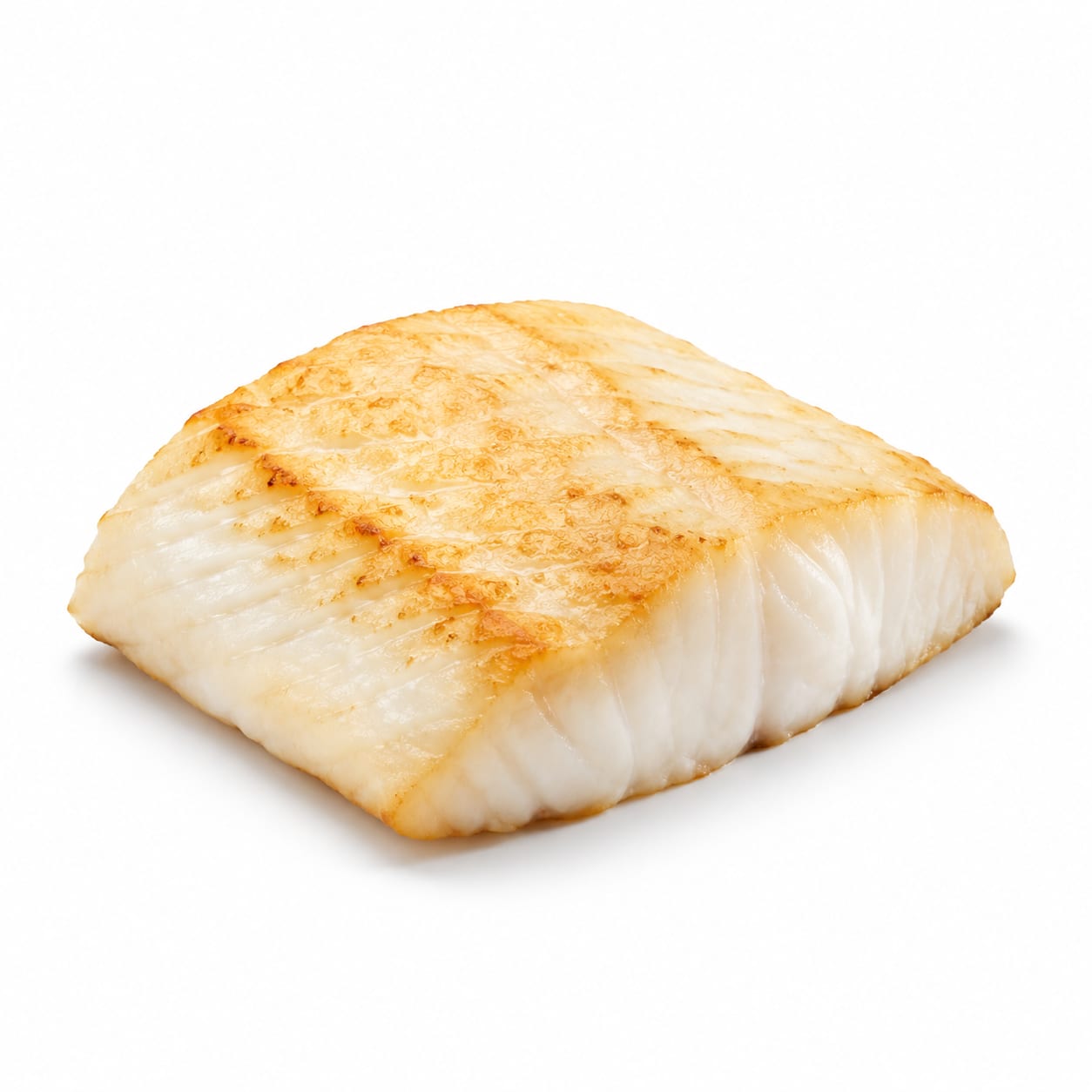
Cod
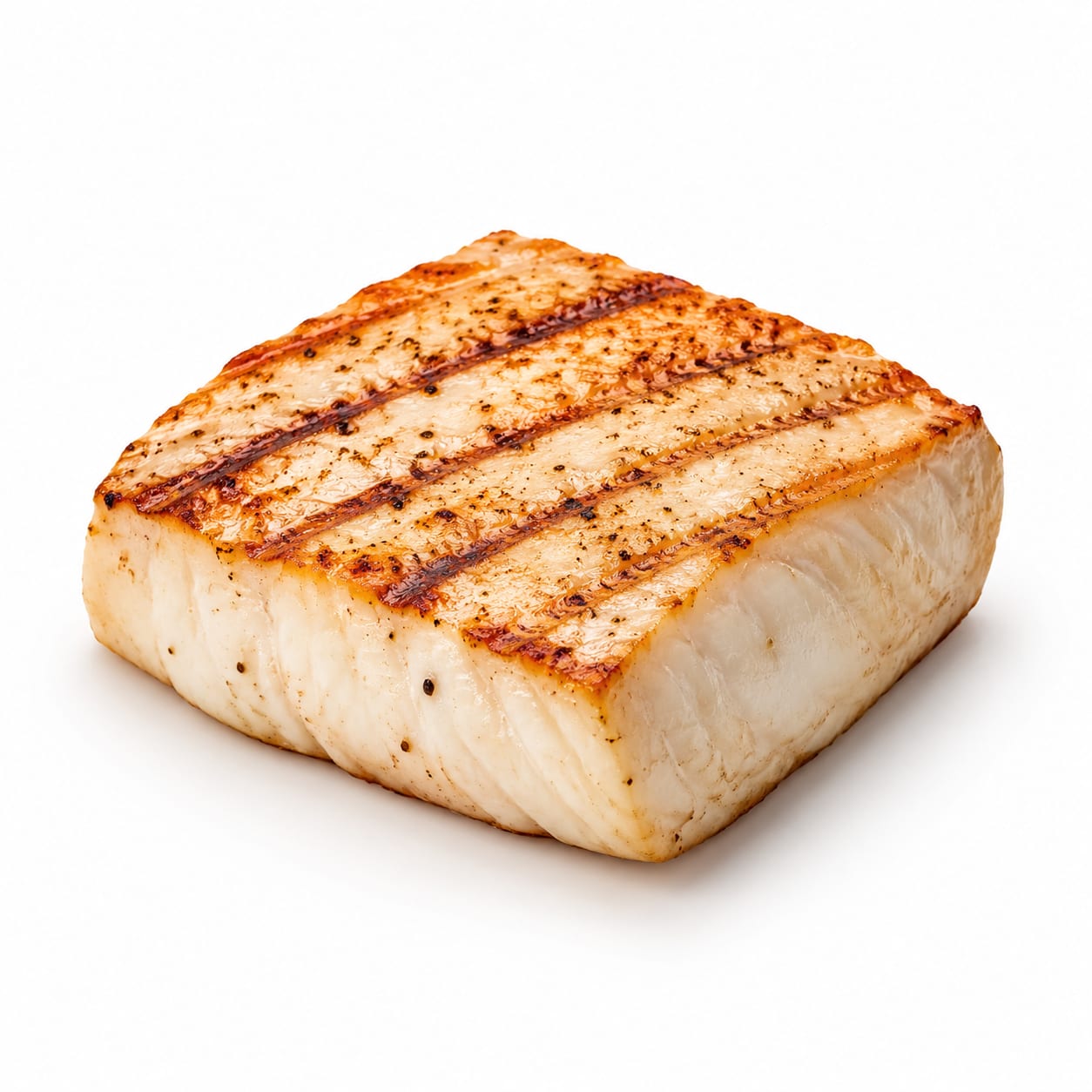
Mahi Mahi
Cod is your safe, everyday lean protein, while Mahi Mahi is the flavorful, omega-3-rich treat for occasional meals.
Cod scores slightly higher due to its exceptional safety profile for daily consumption and ultra-low calorie count. Mahi Mahi is nutritionally excellent but its moderate mercury level limits how often you should eat it.
Lower mercury and fewer calories in Cod versus richer omega-3s and a meatier bite in Mahi Mahi.
At a glance
Executive summary
Overall
It depends
Healthier
Cod
More practical
Cod
Daily use
Cod
Key comparison lenses
Mercury and toxin exposure for safe consumption frequency
Cod is very low in mercury making it safe for frequent eating, while Mahi Mahi is moderate, requiring more mindful intake.
Lean protein vs omega-3 fatty acid tradeoff
Cod offers ultra-lean protein with almost no fat, whereas Mahi Mahi provides a slightly fattier profile with more heart-healthy omega-3s.
Culinary texture and flavor preference
Cod is flaky and mild, ideal for breading and stews, while Mahi Mahi is firm and meaty, holding up well to grilling.
Best choice for
Cod
- Frequent fish eaters wanting low mercury
- Those counting calories strictly
- Families needing a kid-safe fish
- People preferring a mild, flaky texture
Mahi Mahi
- Those seeking more omega-3s from fish
- Grilling enthusiasts wanting a steak-like fillet
- People eating fish only occasionally
- Diners wanting a richer, more pronounced flavor
Least suitable for
Cod
- People wanting high omega-3 intake from their meal
- Those who find mild fish boring
Mahi Mahi
- Pregnant women or young children needing strict low-mercury options
- Those eating fish multiple times a week
Deep comparison
Dimension by dimension
Each lens scores both foods and breaks down who each option suits.
- Dimension 1 · Priority 95Cod
Mercury & Contaminant Safety
Cod · 95Mahi Mahi · 70Cod is one of the lowest mercury fish available, while Mahi Mahi carries a moderate mercury load.
Tradeoff
You get more omega-3s with Mahi Mahi, but you take on more heavy metal exposure compared to Cod.
Why it matters
Frequent consumption of moderate-mercury fish can lead to accumulation, affecting neurological health over time.
Real-world impact
Cod can be eaten 3-4 times a week safely, whereas Mahi Mahi is best limited to 1-2 times a week, especially for kids.
Cod
- Pregnant women
- Toddlers and children
- Daily fish eaters
Better for
Mahi Mahi
- Heavy fish consumers
- Pregnant women
Worse for
- Dimension 2 · Priority 90Mahi Mahi
Omega-3 & Healthy Fats
Cod · 55Mahi Mahi · 80Mahi Mahi contains significantly more healthy fats and omega-3s than the ultra-lean Cod.
Tradeoff
Mahi Mahi delivers better anti-inflammatory benefits, but Cod is lower in overall calories if you are cutting fat.
Why it matters
Omega-3s are crucial for heart and brain health, and many people do not get enough from their diet.
Real-world impact
Eating Mahi Mahi gives a more meaningful boost to your daily omega-3 intake, while Cod requires you to get your healthy fats from elsewhere.
Cod
- Strict low-fat dieters
Better for
- Relying on fish for omega-3s
Worse for
Mahi Mahi
- Heart health focus
- Anti-inflammatory diets
Better for
- Dimension 3 · Priority 85Mahi Mahi
Protein Quality & Satiety
Cod · 78Mahi Mahi · 85Both are excellent protein sources, but Mahi Mahi is slightly more protein-dense and filling due to its firmer texture.
Tradeoff
Mahi Mahi keeps you full a bit longer, but Cod is lighter if you prefer a less heavy meal.
Why it matters
Higher protein density helps with muscle maintenance and prevents overeating later in the day.
Real-world impact
A Mahi Mahi fillet feels more like a substantial steak, while Cod feels lighter and flakier on the plate.
Cod
- Light lunch eaters
Better for
Mahi Mahi
- Post-workout recovery
- Big appetites needing satisfaction
Better for
- Dimension 4 · Priority 80Mahi Mahi
Culinary Versatility & Flavor
Cod · 75Mahi Mahi · 88Cod is a blank canvas for breading and chowders, while Mahi Mahi shines on the grill with its firm, meaty texture.
Tradeoff
Cod absorbs flavors beautifully but can fall apart easily, whereas Mahi Mahi holds its shape but has a stronger fish taste.
Why it matters
The right texture makes or breaks a recipe, especially for grilling or frying.
Real-world impact
Use Cod for fish and chips or tacos, but choose Mahi Mahi when you want a hearty grilled fillet or steak-like experience.
Cod
- Breading and frying
- Creamy stews and chowders
Better for
- Grilling whole fillets
Worse for
Mahi Mahi
- High-heat grilling
- Blackening or searing
Better for
- Delicate recipes needing a mild flavor
Worse for
Timeline
Health impact over time
Short-term
Hours to days
Cod
- Very light on the stomach, easy to digest
- Keeps you lean without feeling heavy
Mahi Mahi
- More satisfying and filling per serving
- Provides a steadier energy release due to slightly higher fat content
Long-term
Months to years
Cod
- Safe for consistent, long-term consumption without mercury buildup
- Requires adding other omega-3 sources to your diet for heart health
Mahi Mahi
- Better cardiovascular support from higher omega-3 intake
- Must be moderated to prevent long-term heavy metal accumulation
Risk profile
Safety & processing
Both Cod and Mahi Mahi are whole, minimally processed fish. Watch out for added sodium or preservatives if buying frozen or breaded versions.
Cod
Parasites (Codworm)
mediumWild Cod can carry parasites, making thorough cooking essential. Sushi-grade Cod is rare for this reason.
Overfishing (Atlantic Cod)
mediumSome Atlantic Cod populations are depleted; choose Pacific Cod for a more sustainable, safer catch.
Mahi Mahi
Scombroid Poisoning
mediumIf Mahi Mahi is not kept cold enough after catching, it can develop histamines causing allergic-like reactions.
Mercury Exposure
mediumAs a larger pelagic fish, Mahi Mahi has moderate mercury levels, requiring portion control for vulnerable groups.
Who wins for whom
Audience fit
Same foods, different winners depending on your goal.
children
CodCod's extremely low mercury level makes it much safer for developing nervous systems.
daily consumption
CodYou can eat Cod several times a week without worrying about mercury, unlike Mahi Mahi.
diabetes
CodBoth have zero carbs, but Cod's lower calorie density helps with weight management, a key factor in diabetes control.
elderly
CodCod is flakier and easier to chew, plus its low mercury content is safer for long-term health in older adults.
muscle gain
Mahi MahiMahi Mahi offers slightly more protein per serving and a richer amino acid profile for recovery.
weight loss
CodCod is lower in calories and fat, making it easier to fit into a strict calorie deficit.
Your move
Decision guide
Choose Cod
- You eat fish more than twice a week
- You are pregnant, nursing, or feeding young children
- You want a low-calorie, mild-flavored base for a recipe
- You prefer a flaky, delicate texture
Choose Mahi Mahi
- You are grilling and need a firm, steak-like fish
- You want to boost your omega-3 intake
- You only eat fish occasionally and want maximum flavor
- You find mild white fish boring
Either works if
- You just need a solid, zero-carb protein source
- You are making fish tacos (both work beautifully)
Avoid both if
- You have a severe fish or seafood allergy
Final recommendation
Keep Cod as your reliable, everyday workhorse for lean protein, and save Mahi Mahi for when you want a heartier, omega-3-rich meal. Rotating both gives you the best of both worlds while managing mercury intake.
Practical
Consumer tips
- 1
Buy Pacific Cod over Atlantic Cod to support sustainable fisheries.
- 2
If buying frozen Mahi Mahi, ensure it was flash-frozen at sea to prevent scombroid poisoning and preserve texture.
- 3
For the best Cod texture, bake or pan-fry gently; overcooking makes it rubbery.
- 4
Marinate Mahi Mahi in citrus and herbs to enhance its natural firmness and flavor without adding heavy calories.