
Nutrition comparison
Halibut vs Mahi Mahi: Which Fish Is Healthier and Safer to Eat?
Compare Halibut and Mahi Mahi on protein, omega-3s, mercury levels, and taste. Find out which fish is better for weekly meals, weight loss, and family safety.
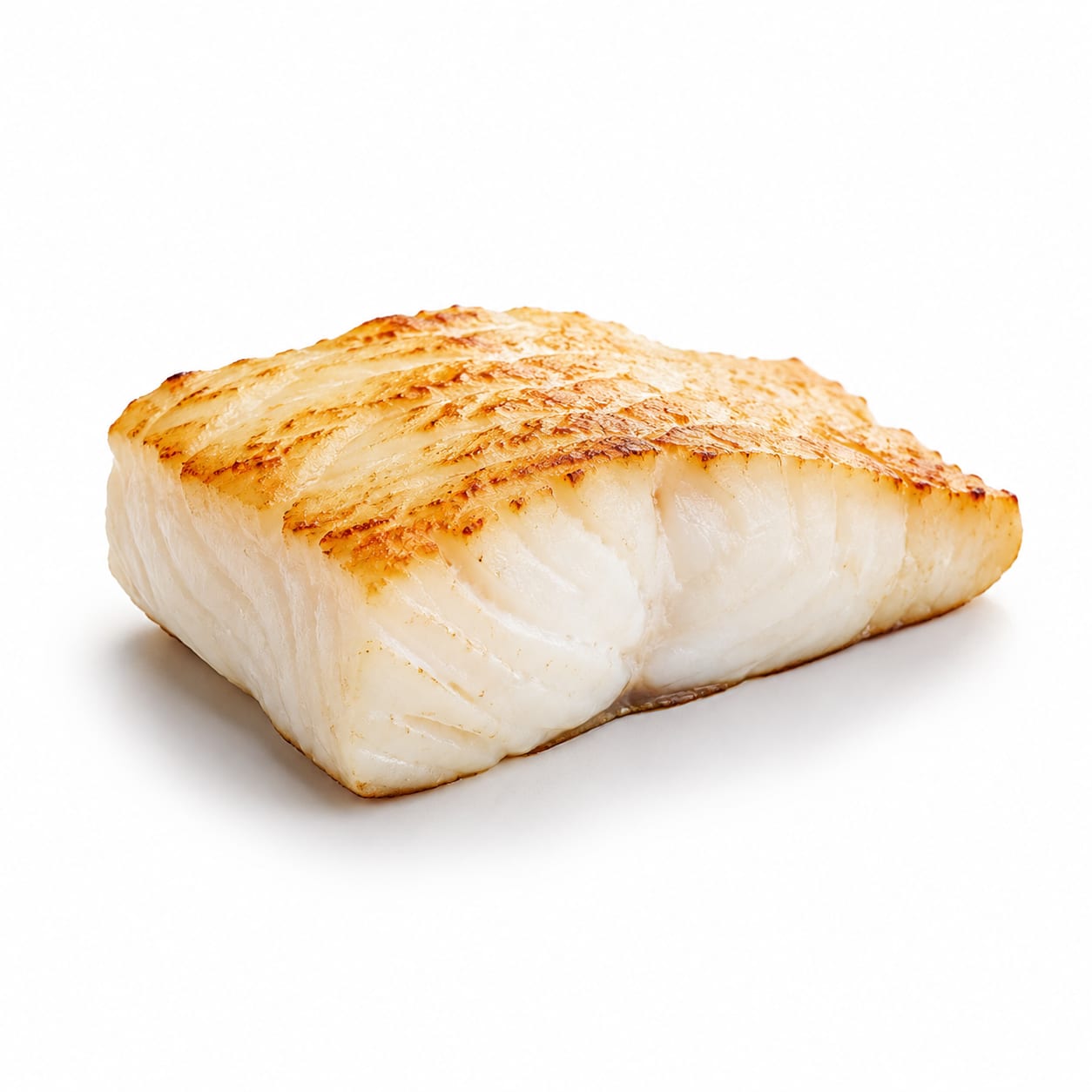
Halibut
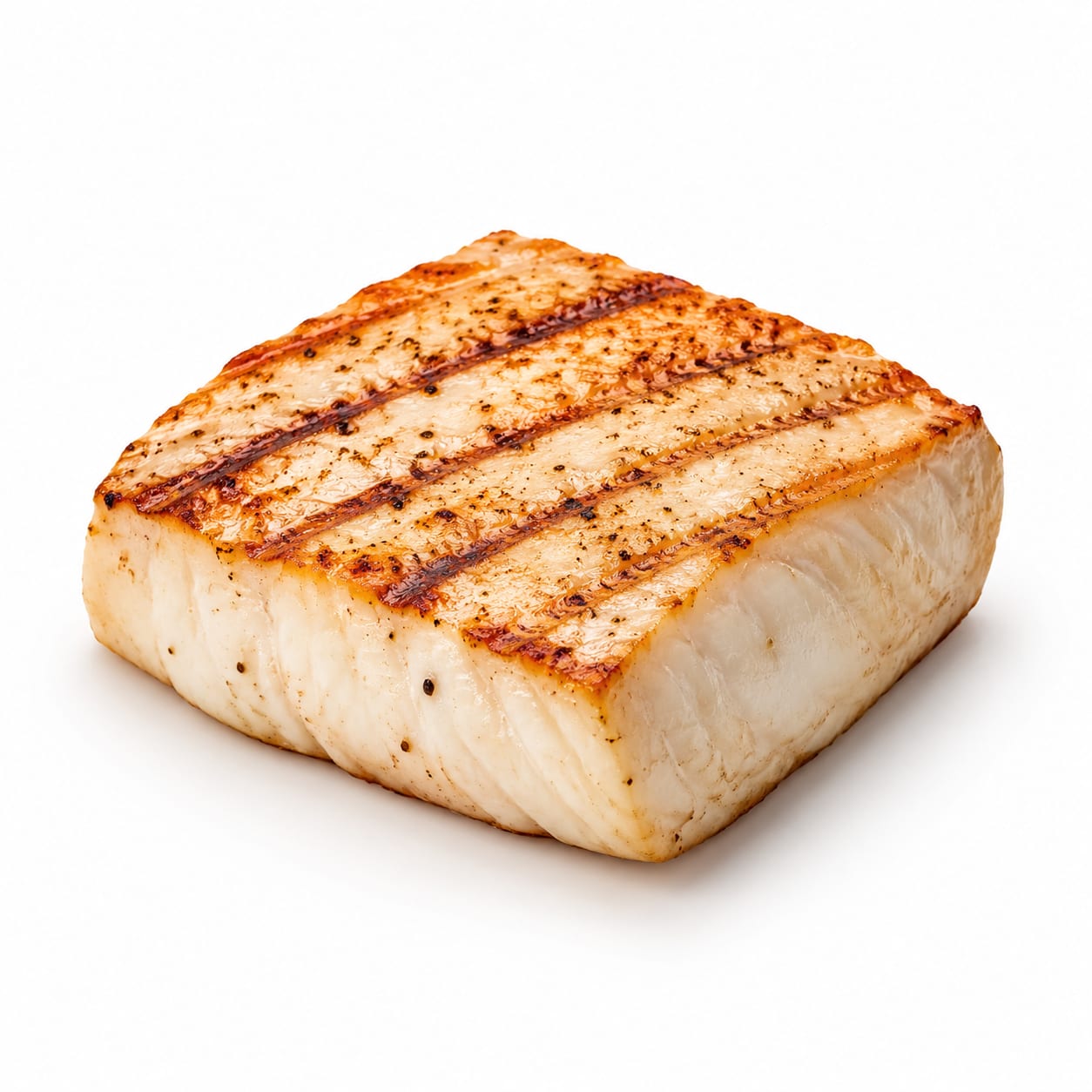
Mahi Mahi
Halibut wins on nutrition density and omega-3s, but Mahi Mahi wins on safety for frequent eating and affordability.
Mahi Mahi edges ahead slightly because its lower mercury makes it safer for the frequent consumption that health-conscious people actually practice. Halibut is nutritionally superior per bite but its mercury load limits how often you can realistically eat it.
More omega-3s and protein in Halibut versus lower mercury and easier weekly repetition with Mahi Mahi.
At a glance
Executive summary
Overall
It depends
Healthier
It depends
More practical
Mahi Mahi
Daily use
Mahi Mahi
Key comparison lenses
mercury safety for regular consumption
Both are predatory fish with meaningful mercury differences that affect how often you should eat them
lean protein quality for fitness
Both are popular among health-conscious eaters seeking clean, high-quality protein
omega3 and anti inflammatory benefits
Halibut delivers notably more omega-3s, which matters for heart and brain health
sustainability and sourcing
Halibut populations face more pressure, while Mahi Mahi is generally faster-growing and more resilient
meal versatility and flavor
Texture and taste differences affect how each fish fits into weekly meal planning
Best choice for
Halibut
- People eating fish 1-2 times per week who want maximum nutrient density per serving
- Those prioritizing omega-3 intake without supplements
- Anyone seeking a premium, satisfying firm fish for special meals
Mahi Mahi
- Families eating fish 3+ times weekly who need a safer repeat option
- Budget-conscious meal preppers wanting lean protein regularly
- Pregnant women or those planning pregnancy who need lower mercury fish
Least suitable for
Halibut
- Pregnant women or young children due to moderate mercury levels
- Anyone needing an affordable everyday protein staple
- Those eating fish multiple times per week already
Mahi Mahi
- People specifically targeting high omega-3 intake from food alone
- Those wanting the richest, most indulgent-tasting white fish
- Diners seeking a premium restaurant-quality experience at home
Deep comparison
Dimension by dimension
Each lens scores both foods and breaks down who each option suits.
- Dimension 1 · Priority 90Halibut
protein_density_and_quality
Halibut · 88Mahi Mahi · 80Halibut delivers more protein per serving with a slightly richer amino acid profile, making it more filling per bite.
Tradeoff
The protein gap is real but modest — roughly 4g per 3oz serving — so Mahi Mahi still pulls its weight as a lean protein source.
Why it matters
Higher protein density means you stay full longer and need less food to hit daily targets, which helps with weight management.
Real-world impact
After a Halibut dinner you are less likely to raid the pantry. With Mahi Mahi you might want a slightly larger portion or a side dish to match that fullness.
Halibut
- Athletes hitting high protein targets who want efficiency per meal
- Anyone trying to reduce portion sizes while staying satisfied
Better for
- People who assume all white fish is equal and overeat portions
Worse for
Mahi Mahi
- Lighter eaters who prefer smaller protein portions
- Those who pair fish with protein-rich sides anyway
Better for
- Those relying on a single fish serving as their main daily protein source
Worse for
- Dimension 2 · Priority 85Halibut
omega3_fatty_acids
Halibut · 82Mahi Mahi · 55Halibut contains roughly 3-4 times more omega-3s than Mahi Mahi, giving it a meaningful edge for heart and brain health.
Tradeoff
Neither fish is an omega-3 powerhouse like salmon or sardines. If omega-3s are your primary goal, both are outclassed by fattier fish.
Why it matters
Omega-3s reduce inflammation, support cardiovascular health, and improve cognitive function. Even modest amounts add up over time.
Real-world impact
Eating Halibut twice a week gives you a small but real omega-3 boost. With Mahi Mahi you would likely need another omega-3 source to move the needle.
Halibut
- People not taking fish oil supplements who rely on food-based omega-3s
- Those with family history of heart disease wanting every edge
Better for
- Those who assume Halibut replaces salmon for omega-3s — it does not
Worse for
Mahi Mahi
- Anyone already eating salmon, sardines, or taking fish oil regularly
Better for
- People eating Mahi Mahi as their only fish and wondering why their omega-3 intake feels low
Worse for
- Dimension 3 · Priority 95Mahi Mahi
mercury_and_contaminant_safety
Halibut · 55Mahi Mahi · 78Mahi Mahi has meaningfully lower mercury than Halibut, making it safer for frequent consumption and vulnerable populations.
Tradeoff
Halibut is not the highest-mercury fish — that title belongs to swordfish and tilefish — but it sits in the moderate category that warrants portion control.
Why it matters
Chronic mercury exposure harms neurological development in children and cognitive function in adults. Frequency of consumption matters more than most people realize.
Real-world impact
You can comfortably eat Mahi Mahi 2-3 times per week. With Halibut, health agencies recommend limiting to once per week, especially for pregnant women and kids.
Halibut
- Occasional diners eating fish once weekly or less
Better for
- People who treat Halibut as an everyday meal option
- Families serving it to young children regularly
Worse for
Mahi Mahi
- Pregnant or breastfeeding women
- Children under 12
- Anyone eating fish 3+ times per week
- People with known heavy metal sensitivity
Better for
- Those who assume all fish are equally safe and overconsume even lower-mercury options
Worse for
- Dimension 4 · Priority 78Halibut
micronutrient_density
Halibut · 85Mahi Mahi · 72Halibut packs more selenium, magnesium, niacin, and B12 per serving, giving it a broader micronutrient advantage.
Tradeoff
Mahi Mahi still delivers solid B12 and selenium — just not at the same concentrations. The gap matters most if fish is your primary nutrient source.
Why it matters
Selenium supports thyroid and immune function. B12 is critical for energy and nerve health. Magnesium helps with sleep and muscle recovery.
Real-world impact
A single Halibut serving covers over 100% of daily selenium needs and most of your B12. Mahi Mahi covers B12 well but leaves you wanting more selenium from other foods.
Halibut
- People with limited diets who depend on fish for multiple nutrients
- Those low in magnesium or selenium specifically
Better for
- Those who over-rely on Halibut and ignore mercury to chase micronutrients
Worse for
Mahi Mahi
- Anyone eating a varied diet with other nutrient-dense foods
Better for
- Pickier eaters with limited food variety who need each meal to deliver more
Worse for
- Dimension 5 · Priority 72Mahi Mahi
affordability_and_accessibility
Halibut · 45Mahi Mahi · 75Mahi Mahi is generally more affordable and widely available, especially frozen, making it far more practical for regular meals.
Tradeoff
Halibut commands a premium price — often double or more per pound — which limits it to occasional dining for most households.
Why it matters
The healthiest fish is the one you can actually afford to eat consistently. Price barriers reduce real-world nutritional benefit.
Real-world impact
A family of four can eat Mahi Mahi tacos on a Tuesday without budget stress. Halibut is more of a Saturday dinner investment.
Halibut
- Special occasions where quality matters more than cost
- Diners who eat fish rarely and want the best experience when they do
Better for
- Anyone trying to eat fish 3+ times weekly on a normal grocery budget
Worse for
Mahi Mahi
- Weekly meal preppers
- Families feeding multiple people
- Coastal residents with access to fresh local Mahi Mahi
Better for
- Those in areas where only frozen Mahi Mahi is available and freshness matters to them
Worse for
- Dimension 6 · Priority 70Mahi Mahi
sustainability
Halibut · 55Mahi Mahi · 78Mahi Mahi grows fast and reproduces quickly, making it more resilient to fishing pressure. Halibut populations recover more slowly.
Tradeoff
Sourcing matters enormously — well-managed Alaskan Halibut is responsible, while some imported Mahi Mahi has bycatch concerns.
Why it matters
Choosing sustainable seafood ensures future availability and reduces environmental damage from overfishing.
Real-world impact
Look for MSC certification or Seafood Watch recommendations for either fish. Where it comes from matters more than which species you pick.
Halibut
- Those buying certified Alaskan Halibut from well-managed fisheries
Better for
- Buyers who purchase Halibut without checking its origin
Worse for
Mahi Mahi
- Eco-conscious eaters wanting a default-safe choice without researching every purchase
- People who care about ocean health but lack time to verify sourcing
Better for
- Those who assume all Mahi Mahi is equally sustainable regardless of source
Worse for
Timeline
Health impact over time
Short-term
Hours to days
Halibut
- High protein content promotes strong satiety after meals
- Rich B12 levels support immediate energy metabolism
- Dense texture feels substantial and satisfying, reducing post-meal snacking
Mahi Mahi
- Lower calorie count per serving makes it feel lighter after eating
- Good B12 content still supports energy without heaviness
- Firmer, meatier texture holds up well in tacos and bowls, encouraging vegetable pairings
Long-term
Months to years
Halibut
- Better omega-3 intake contributes to cardiovascular protection over years
- Higher selenium supports thyroid function and immune resilience long-term
- Moderate mercury levels require mindful frequency to avoid accumulation risks
- Magnesium content helps with long-term sleep quality and muscle function
Mahi Mahi
- Lower mercury allows safer long-term regular consumption without accumulation worry
- Consistent lean protein intake supports healthy body composition over time
- Modest omega-3 levels mean you need other sources for full cardiovascular benefit
- Good B12 levels help maintain nerve health and energy with regular consumption
Risk profile
Safety & processing
Both Halibut and Mahi Mahi are typically sold as fresh or frozen whole fillets with minimal processing. Watch out for pre-marinated or pre-breaded versions, which add sodium, sugars, and preservatives. Frozen fillets are fine — just check that the ingredient list contains only the fish.
Halibut
Mercury accumulation
mediumHalibut averages around 0.24 ppm mercury, placing it in the moderate category. Limit to once per week, especially for pregnant women and children under 12.
Parasitic contamination in raw preparations
lowLike all wild fish, raw Halibut carries parasite risk. Freeze properly or cook thoroughly for sushi or ceviche preparations.
Overfishing of certain populations
mediumAtlantic Halibut populations have historically been overfished. Choose Pacific or Alaskan sources certified by MSC for better assurance.
Mahi Mahi
Mercury exposure
lowMahi Mahi averages around 0.18 ppm mercury — lower than Halibut but not negligible. Safe for 2-3 servings per week for most adults.
Ciguatera toxin in tropical regions
lowMahi Mahi caught in certain tropical reef areas can carry ciguatera toxin. Sourcing from reputable suppliers virtually eliminates this risk.
Histamine formation from poor handling
mediumMahi Mahi is a scombroid-forming fish. If not kept cold after catch, histamine builds up and can cause scombroid poisoning. Buy from trusted fishmongers and smell for freshness.
Who wins for whom
Audience fit
Same foods, different winners depending on your goal.
children
Mahi MahiLower mercury makes Mahi Mahi the safer choice for developing nervous systems. Its milder flavor and firmer texture also appeal more to young palates.
daily consumption
Mahi MahiMahi Mahi's lower mercury profile makes it the only one of the two safe enough to eat multiple times per week without concern.
diabetes
Mahi MahiBoth are excellent low-carb choices, but Mahi Mahi's lower mercury allows more frequent consumption, which supports consistent blood sugar management through regular lean protein intake.
elderly
HalibutHigher B12, selenium, and omega-3 content in Halibut supports cognitive health and immune function that older adults especially need, provided they limit frequency to once weekly.
muscle gain
HalibutHalibut provides more protein per serving along with higher magnesium and B vitamins that support muscle recovery and growth.
weight loss
Mahi MahiMahi Mahi has fewer calories per serving while still delivering solid protein, making it easier to maintain a calorie deficit without feeling deprived.
Your move
Decision guide
Choose Halibut
- You eat fish once or twice a week and want maximum nutritional payoff per meal
- Omega-3 intake from food matters to you and you do not take supplements
- You are cooking a special dinner and want a premium, impressive fish
- You need higher magnesium and selenium from dietary sources
Choose Mahi Mahi
- You want a lean fish you can eat 2-3 times per week without mercury worry
- Budget matters and you need affordable protein for family meals
- You are pregnant, breastfeeding, or feeding young children
- You meal-prep fish regularly and need something versatile and accessible
Either works if
- You already eat a variety of fish and rotate species weekly
- Both are available fresh and you just want a delicious white fish tonight
- You take fish oil supplements and omega-3 differences matter less
Avoid both if
- You have a confirmed fish allergy
- Your doctor has advised a low-purine diet for gout management
- You cannot verify the source and suspect poor handling or storage
- You are already eating high-mercury fish like swordfish or king mackerel regularly
Final recommendation
Make Mahi Mahi your everyday fish and save Halibut for once-weekly occasions. This gives you the safety of lower mercury with regular meals, plus the nutritional richness of Halibut when it counts. Rotate in even fattier fish like salmon or sardines occasionally, and you have a well-rounded seafood strategy that balances omega-3s, safety, and budget.
Practical
Consumer tips
- 1
Check for MSC certification on either fish to ensure sustainable sourcing
- 2
Buy frozen at sea when possible — it is often fresher than fish that sat on ice for days at the counter
- 3
Marinate Mahi Mahi in citrus and herbs for 20 minutes before cooking to enhance its naturally mild flavor
- 4
Pan-sear Halibut skin-side down for crispy texture — the skin holds nutrients and adds satisfying crunch
- 5
If pregnant, limit Halibut to once weekly and Mahi Mahi to twice weekly as a simple safety rule
- 6
Avoid pre-seasoned fillets from the grocery case — they hide sodium and preservatives while costing more
- 7
Thaw frozen fillets in the refrigerator overnight, not on the counter, to prevent bacterial growth and texture damage