
Nutrition comparison
Mahi Mahi vs Trout: Nutrition, Mercury, and Health Comparison
Compare Mahi Mahi vs Trout to see which fish is healthier. Learn about omega-3s, mercury levels, protein, and which is best for your diet.
Overall winner · Trout
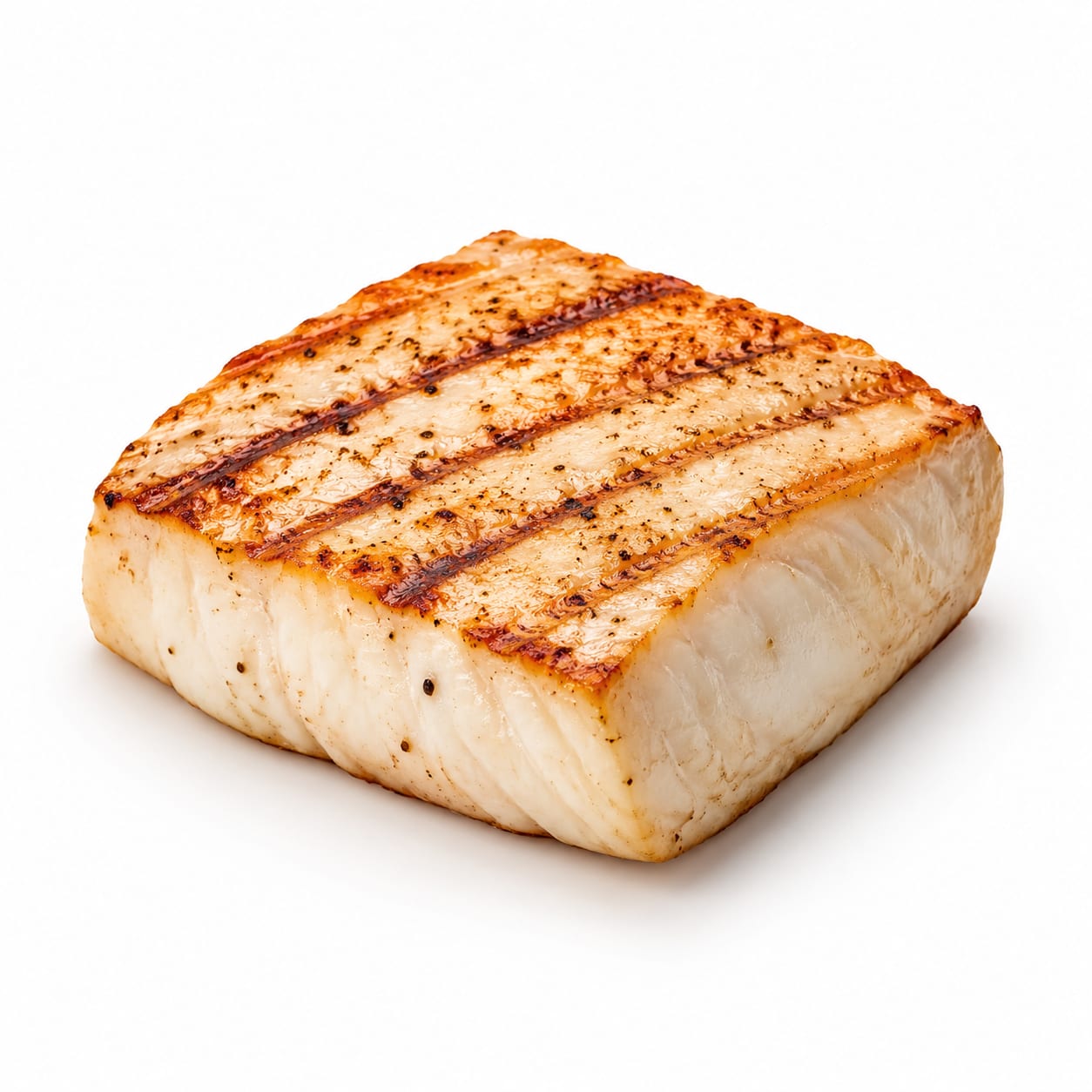
Mahi Mahi
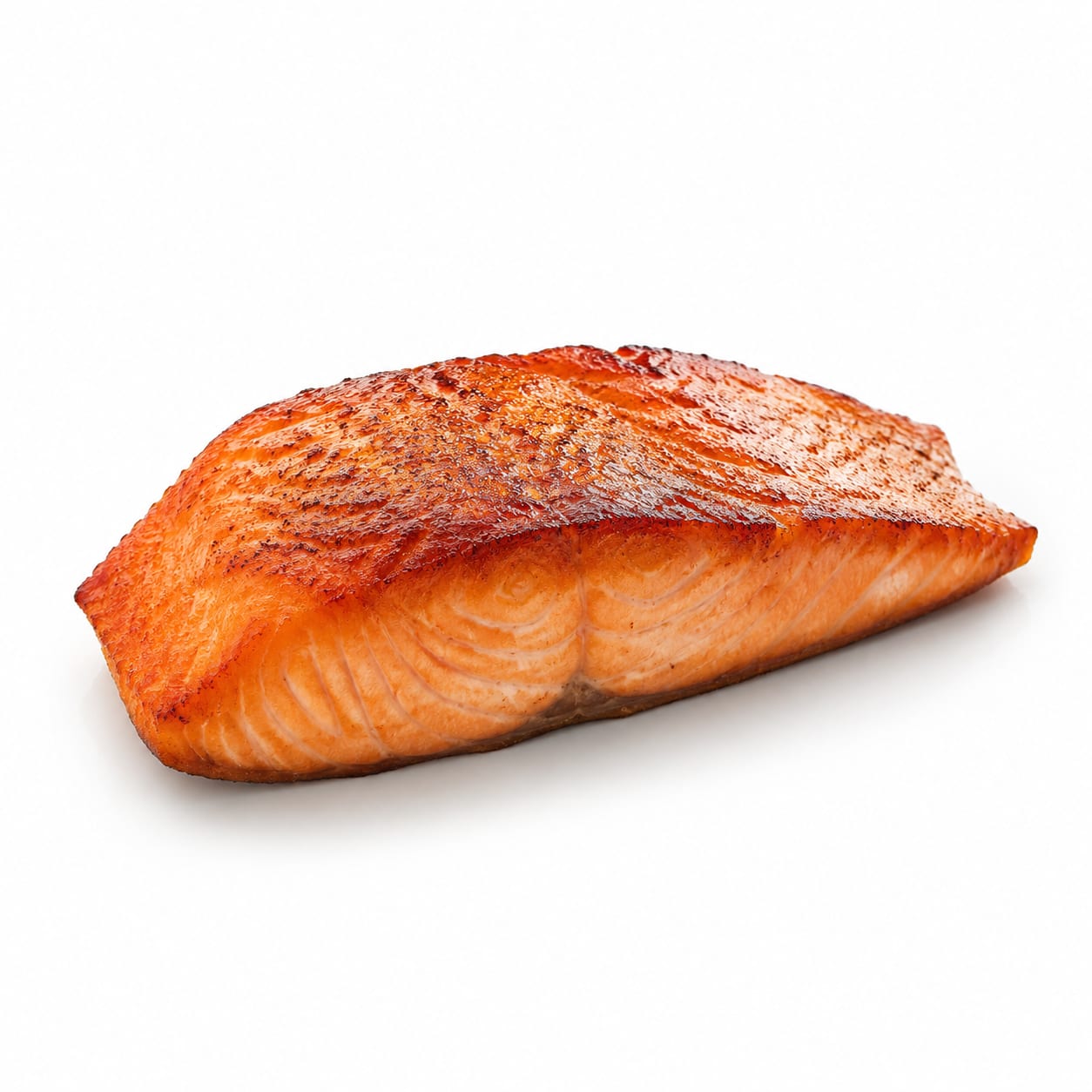
Trout
Trout edges out Mahi Mahi for everyday eating thanks to its superior omega-3 content and lower mercury levels, though Mahi Mahi is the better choice if you want a lean, firm protein.
Trout scores higher overall due to its stronger omega-3 profile and lower mercury, making it a more beneficial staple. Mahi Mahi remains an excellent lean protein but loses points on regular-use safety and healthy fat content.
Trout gives you more anti-inflammatory fats and safer regular consumption, while Mahi Mahi delivers a leaner protein punch with a meatier bite.
At a glance
Executive summary
Overall
Trout
Healthier
Trout
More practical
It depends
Daily use
Trout
Key comparison lenses
Omega-3 vs Lean Protein
Trout is notably higher in healthy fats, while Mahi Mahi is prized for being a lean, pure protein source.
Mercury and Safety
Mahi Mahi carries moderate mercury levels, whereas Trout is generally a low-mercury option safer for regular eating.
Culinary Application
The firm, meaty texture of Mahi Mahi suits grilling and tacos, while the flaky, rich nature of Trout fits pan-searing or smoking.
Best choice for
Mahi Mahi
- Lean muscle building
- Low-fat diets
- Grilling and fish tacos
Trout
- Heart and brain health
- Frequent weekly consumption
- Quick pan-searing
Least suitable for
Mahi Mahi
- Pregnant women eating fish daily
- Those seeking high omega-3s without supplements
Trout
- Strict low-fat diets
- People who dislike rich, oily fish
Deep comparison
Dimension by dimension
Each lens scores both foods and breaks down who each option suits.
- Dimension 1 · Priority 95Trout
Omega-3 & Heart Health
Mahi Mahi · 40Trout · 90Trout is significantly richer in omega-3 fats, making it a stronger choice for cardiovascular and cognitive support.
Tradeoff
You get more healthy fats with Trout, but this also means more calories per serving compared to the ultra-lean Mahi Mahi.
Why it matters
Omega-3s are essential for reducing inflammation and supporting long-term brain health.
Real-world impact
Eating Trout a couple of times a week can meaningfully improve your omega-3 intake without needing fish oil supplements.
Mahi Mahi
- Keeping calories low
- Controlling your own fat sources
Better for
- Meeting omega-3 needs through food alone
- Maximizing anti-inflammatory benefits
Worse for
Trout
- Reducing joint stiffness
- Supporting heart health naturally
Better for
- Strict low-fat or calorie-counting meal plans
Worse for
- Dimension 2 · Priority 88Mahi Mahi
Protein & Leanness
Mahi Mahi · 95Trout · 75Mahi Mahi is an exceptionally lean protein source, offering more protein per calorie than Trout.
Tradeoff
Mahi Mahi provides a leaner canvas for your meal, but you miss out on the beneficial fats found in Trout.
Why it matters
High-protein, low-fat foods help with satiety and muscle maintenance without pushing you over calorie limits.
Real-world impact
Choosing Mahi Mahi makes it easier to hit your protein targets while staying in a calorie deficit.
Mahi Mahi
- Weight loss diets
- Post-workout recovery meals
Better for
- Feeling satisfied for hours without adding healthy sides
Worse for
Trout
- Sustained energy without carb crashes
Better for
- Keeping total daily fat intake down
Worse for
- Dimension 3 · Priority 90Trout
Mercury & Contaminant Safety
Mahi Mahi · 65Trout · 90Trout generally carries a lower mercury burden than Mahi Mahi, making it safer for frequent consumption.
Tradeoff
While Mahi Mahi is safe in moderation, its moderate mercury level means you have to limit portions, whereas Trout can be eaten more freely.
Why it matters
Heavy metals accumulate over time and can impact neurological health, especially in vulnerable populations.
Real-world impact
You can comfortably eat Trout twice a week without worry, but Mahi Mahi should be rotated with lower-mercury seafood.
Mahi Mahi
- Occasional seafood indulgence
Better for
- Daily consumption
- Prenatal diets
Worse for
Trout
- Pregnant women
- Children
- Weekly meal prep
Better for
- Those strictly avoiding farmed fish varieties
Worse for
- Dimension 4 · Priority 75It depends
Culinary Texture & Versatility
Mahi Mahi · 88Trout · 85Mahi Mahi offers a firm, meaty steak experience, while Trout delivers a flaky, delicate, richer bite.
Tradeoff
Mahi Mahi holds up better to aggressive grilling and heavy sauces, whereas Trout shines with simpler, gentle cooking methods.
Why it matters
Texture dictates how you cook the fish and how satisfying the meal feels in your mouth.
Real-world impact
Choose Mahi Mahi for fish tacos or grilling, and Trout for a quick pan-sear with lemon and herbs.
Mahi Mahi
- Fish tacos
- Grilling
- Hearty marinades
Better for
- Delicate presentations
- Quick stovetop sears
Worse for
Trout
- Pan-frying
- Smoking
- Elegant weeknight dinners
Better for
- Hearty stews and chowders
- Strong spicy flavor pairings
Worse for
Timeline
Health impact over time
Short-term
Hours to days
Mahi Mahi
- Quick, clean protein energy
- Light feeling after eating
Trout
- Sustained fullness from fat content
- Steadier energy release
Long-term
Months to years
Mahi Mahi
- Muscle maintenance with low fat
- Moderate mercury accumulation if overconsumed
Trout
- Improved cardiovascular markers
- Better inflammatory response
Risk profile
Safety & processing
Both Mahi Mahi and Trout are whole-food proteins typically sold fresh or frozen without additives, offering equally clean eating experiences.
Mahi Mahi
Mercury exposure
mediumMahi Mahi is a moderate-mercury fish; limit to 2-3 servings per week, especially for pregnant women.
Scombroid poisoning
lowIf not properly chilled after catch, Mahi Mahi can develop histamines causing allergic-like reactions.
Trout
Farmed contaminant exposure
lowSome farmed Trout may have higher PCBs or antibiotic residues; look for responsibly farmed or wild-caught.
Parasites
lowFreshwater fish like Trout can carry parasites; ensure it is cooked thoroughly or previously frozen for raw preparations.
Who wins for whom
Audience fit
Same foods, different winners depending on your goal.
children
TroutLower mercury levels and brain-boosting omega-3s make Trout a safer and more beneficial choice for developing kids.
daily consumption
TroutLower mercury and higher omega-3s make Trout more suitable for regular, repeated weekly consumption.
diabetes
TroutThe healthy fats in Trout help stabilize blood sugar and improve insulin sensitivity.
elderly
TroutOmega-3s support heart and cognitive health, and the flaky texture is easier to chew.
muscle gain
Mahi MahiHigher protein density per serving supports muscle repair and growth without adding extra fat.
weight loss
Mahi MahiMahi Mahi's leanness provides high protein with fewer calories, making it easier to maintain a deficit.
Your move
Decision guide
Choose Mahi Mahi
- You want a lean, low-calorie protein
- You are meal-prepping fish tacos or grilling
- You need a break from oily fish
Choose Trout
- You want to boost your omega-3 intake naturally
- You are eating fish multiple times a week
- You prefer a richer, flakier fish
Either works if
- You need a high-quality dinner protein
- You are bored with chicken and want healthy variety
Avoid both if
- You have a severe fish allergy
Final recommendation
Let your health goals decide: pick Trout for heart health and regular eating, or Mahi Mahi for a lean, meaty protein hit.
Practical
Consumer tips
- 1
Look for US-caught Mahi Mahi for the most sustainable and well-managed option.
- 2
Choose wild-caught or responsibly farmed Trout to minimize exposure to contaminants.
- 3
If buying frozen Mahi Mahi, ensure it was properly flash-frozen to prevent scombroid poisoning.
- 4
Trout cooks very quickly; avoid overcooking to keep it moist and tender.