
Nutrition comparison
Snapper vs Mahi Mahi: Which Fish is Healthier?
Compare Snapper vs Mahi Mahi to discover which fish is better for protein, mercury levels, and sustainability. Make an informed choice for your health.
Overall winner · Mahi Mahi
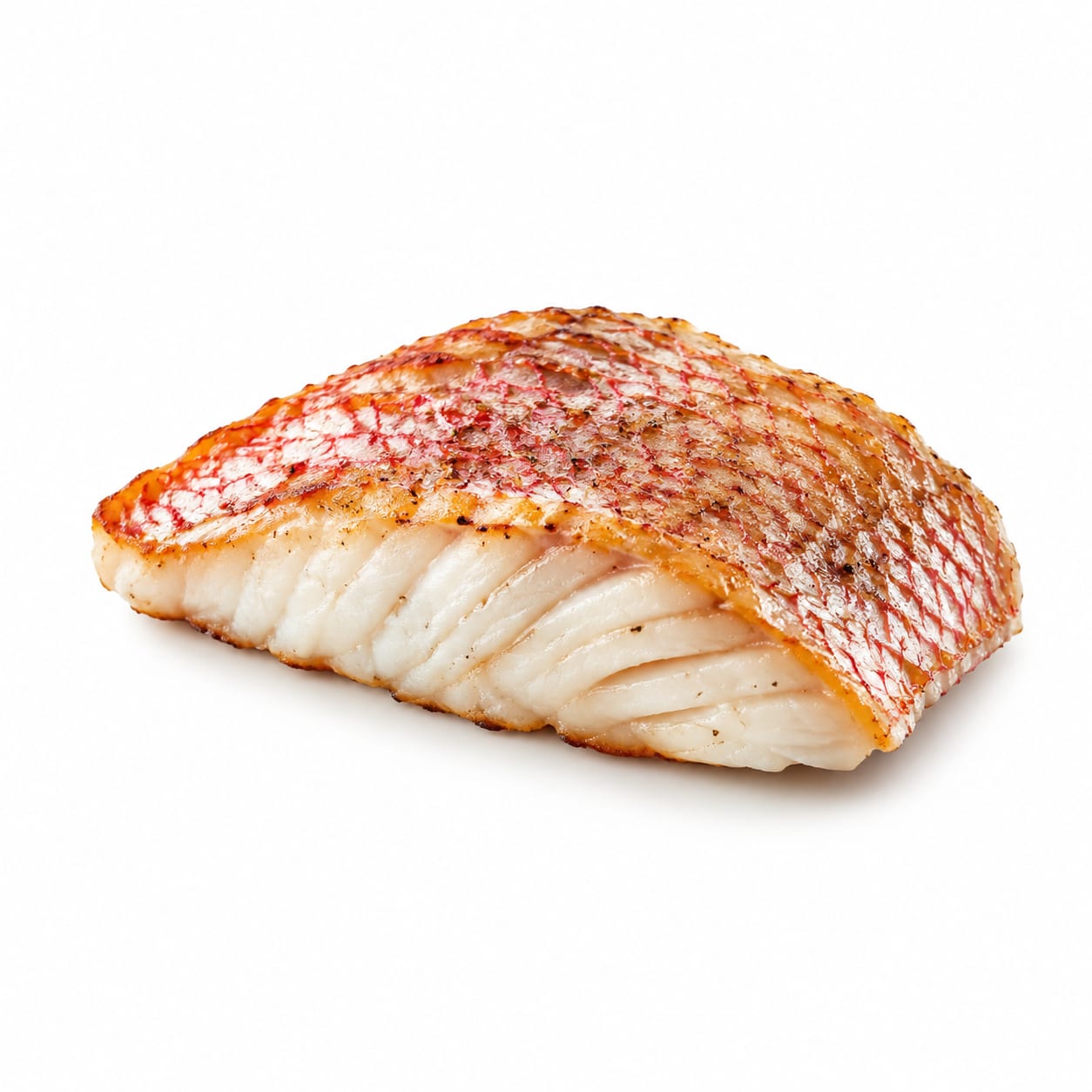
Snapper
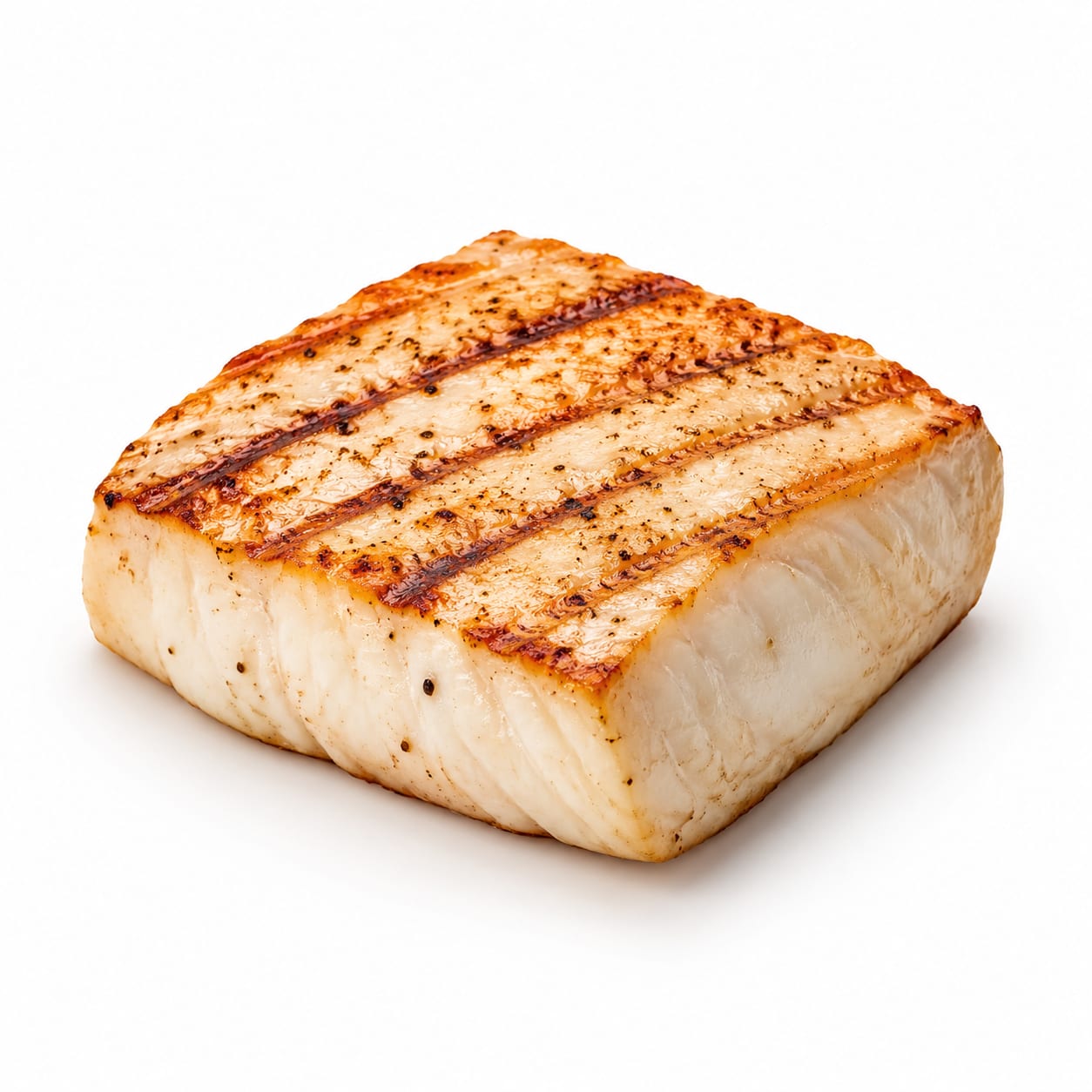
Mahi Mahi
Mahi Mahi edges out Snapper due to lower mercury levels and better sustainability, though both are excellent lean proteins.
Mahi Mahi scores higher primarily because of its safer mercury profile and stronger sustainability ratings, making it a smarter choice for regular consumption.
Snapper offers slightly richer omega-3s and a more forgiving texture, while Mahi Mahi provides a cleaner safety profile and faster growth rate for ocean sustainability.
At a glance
Executive summary
Overall
Mahi Mahi
Healthier
Mahi Mahi
More practical
Mahi Mahi
Daily use
Mahi Mahi
Key comparison lenses
Mercury and heavy metal exposure
Both are predatory fish where mercury content is a primary health concern for regular consumers.
Lean protein quality for fitness
Both are popular among those seeking high-protein, low-fat seafood options for muscle gain or weight loss.
Sustainability and ocean health
Snapper populations face more overfishing pressures compared to the fast-growing Mahi Mahi.
Best choice for
Snapper
- Those prioritizing omega-3 intake from whole foods
- Diners wanting a richer, more forgiving fish for cooking
- Occasional seafood eaters less concerned about cumulative mercury
Mahi Mahi
- Frequent seafood eaters watching their mercury load
- Fitness enthusiasts needing high protein with minimal fat
- Eco-conscious consumers prioritizing sustainable seafood
Least suitable for
Snapper
- Pregnant women or young children due to higher mercury risk
- Those eating fish multiple times a week
Mahi Mahi
- People who dislike lean, easily-dried-out fish
- Those seeking high omega-3 content from their meal
Deep comparison
Dimension by dimension
Each lens scores both foods and breaks down who each option suits.
- Dimension 1 · Priority 85Mahi Mahi
Protein & Satiety
Snapper · 82Mahi Mahi · 88Mahi Mahi packs slightly more protein per calorie, keeping you fuller for longer without the fat.
Tradeoff
Snapper has a bit more fat, which can add flavor, but Mahi Mahi delivers more pure protein per serving.
Why it matters
Higher protein density helps with muscle maintenance and keeps hunger at bay between meals.
Real-world impact
A Mahi Mahi fillet will keep you satisfied through a busy afternoon better than a same-sized Snapper fillet.
Snapper
- Meals where a little extra fat adds desired richness
Better for
- Maximizing protein-to-calorie ratio
Worse for
Mahi Mahi
- Post-workout recovery meals
- Strict macro-tracking for weight loss
Better for
- Those who prefer fattier, more forgiving fish
Worse for
- Dimension 2 · Priority 90Mahi Mahi
Mercury & Safety
Snapper · 55Mahi Mahi · 75Mahi Mahi generally has lower mercury levels than Snapper, making it safer for frequent eating.
Tradeoff
Snapper's position higher up the food chain means it accumulates more heavy metals over its lifespan.
Why it matters
Chronic mercury exposure affects brain function and energy levels, especially dangerous for developing brains.
Real-world impact
Eating Snapper several times a week could push your mercury intake into the warning zone, while Mahi Mahi is safer to eat weekly.
Snapper
- Occasional dining out where exposure is minimal
Better for
- Daily or multi-weekly consumption
Worse for
Mahi Mahi
- Pregnant women and children
- Regular weekly meal prep
Better for
- None specifically, though it still has moderate mercury compared to small fish like sardines
Worse for
- Dimension 3 · Priority 75Snapper
Heart Health & Omega-3s
Snapper · 70Mahi Mahi · 60Snapper contains slightly more healthy fats, giving it a small edge for cardiovascular benefits.
Tradeoff
Neither fish is an omega-3 powerhouse like salmon, but Snapper offers a bit more anti-inflammatory support.
Why it matters
Even small amounts of omega-3s contribute to better heart rhythm and lower inflammation.
Real-world impact
Choosing Snapper gives a slight boost to your daily healthy fat intake, though you will still need other sources for optimal omega-3s.
Snapper
- Supporting heart health through whole food fats
- Anti-inflammatory eating patterns
Better for
- Strict low-fat diets
Worse for
Mahi Mahi
- Low-fat dietary protocols
Better for
- Relying on it as a primary omega-3 source
Worse for
- Dimension 4 · Priority 80Mahi Mahi
Sustainability & Sourcing
Snapper · 50Mahi Mahi · 80Mahi Mahi grows fast and reproduces quickly, making it a more ocean-friendly choice overall.
Tradeoff
Many Snapper species are overfished or caught using damaging bottom-trawling methods.
Why it matters
Choosing sustainable seafood ensures fish populations remain healthy for future generations.
Real-world impact
Ordering Mahi Mahi for your fish tacos supports faster population replenishment than choosing slow-growing Snapper.
Snapper
- Sourcing from well-managed, hook-and-line fisheries like Gulf red snapper
Better for
- Buying imported Snapper with unknown catch methods
Worse for
Mahi Mahi
- Consistent eco-friendly meal planning
- Reducing environmental impact of your diet
Better for
- None significant, as it is generally considered a best choice
Worse for
Timeline
Health impact over time
Short-term
Hours to days
Snapper
- High-quality protein stabilizes blood sugar and prevents afternoon energy crashes
- Rich flavor promotes meal satisfaction without needing large portions
Mahi Mahi
- Lean protein supports steady energy without feeling heavy
- Light texture makes it easy to digest before or after activity
Long-term
Months to years
Snapper
- Potential mercury accumulation if eaten too frequently, impacting cognitive health
- Moderate omega-3 intake supports cardiovascular function over time
Mahi Mahi
- Lower mercury burden makes it safer for long-term regular consumption
- Consistent lean protein intake helps maintain muscle mass as you age
Risk profile
Safety & processing
Both Snapper and Mahi Mahi are whole-food proteins typically sold fresh or frozen without additives, offering clean eating profiles.
Snapper
Mercury exposure
mediumSnapper can have moderate to high mercury levels depending on the species and size, posing risks if consumed frequently.
Seafood fraud
mediumSnapper is one of the most commonly mislabeled fish, meaning you might get a completely different, potentially less safe species.
Mahi Mahi
Scombroid poisoning
lowIf not properly chilled, Mahi Mahi can develop histamines leading to scombroid poisoning, causing flushing and rash.
Mercury exposure
lowMahi Mahi has moderate mercury levels, lower than Snapper, but still requires mindful consumption if eaten daily.
Who wins for whom
Audience fit
Same foods, different winners depending on your goal.
children
Mahi MahiLower mercury levels make Mahi Mahi a safer choice for developing brains, though portion sizes should still be monitored.
daily consumption
Mahi MahiMahi Mahi's faster growth rate and lower mercury accumulation make it the safer fish for eating multiple times a week.
diabetes
It dependsBoth are zero-carb, high-protein options that stabilize blood sugar equally well; the choice comes down to personal mercury comfort.
elderly
Mahi MahiThe softer texture of Mahi Mahi when cooked properly and lower mercury burden make it better for aging digestive and nervous systems.
muscle gain
Mahi MahiThe higher protein density in Mahi Mahi supports muscle repair and growth more efficiently per serving.
weight loss
Mahi MahiMahi Mahi offers slightly more protein and less fat per calorie, making it an excellent lean option for calorie deficits.
Your move
Decision guide
Choose Snapper
- You want a richer, more forgiving fish for elegant dinner parties
- You eat seafood only occasionally and want maximum flavor
- You can source verified, sustainable Snapper from trusted fishmongers
Choose Mahi Mahi
- You meal-prep fish for the week and need a safer repeat option
- You are pregnant, nursing, or cooking for young kids
- You want a firm, lean fish that holds up well to grilling or tacos
Either works if
- You just need a solid lean protein for a salad tonight
- You are mixing up your seafood rotation for variety
Avoid both if
- You have a severe fish allergy
- You are looking for high omega-3 fish like salmon or mackerel
Final recommendation
Make Mahi Mahi your go-to for regular weeknight meals due to its safety and sustainability, but enjoy Snapper as an occasional treat when you want a richer, more indulgent seafood experience.
Practical
Consumer tips
- 1
Ask your fishmonger for pole-caught or troll-caught Mahi Mahi for the most sustainable option.
- 2
If buying Snapper, look for Gulf Red Snapper which is better managed than imported varieties.
- 3
Be wary of cheap Snapper; it is frequently substituted with tilapia or rockfish.
- 4
Marinate Mahi Mahi to keep it moist, as its low fat content makes it prone to drying out.
- 5
Limit Snapper to once a week to keep mercury levels in check.