
Nutrition comparison
Mahi Mahi vs Tuna: Mercury, Protein, and Which Fish Is Safer to Eat Regularly
Compare Mahi Mahi and Tuna on mercury safety, protein content, omega-3s, and taste. Find out which fish is better for weekly consumption, muscle gain, and family meals.
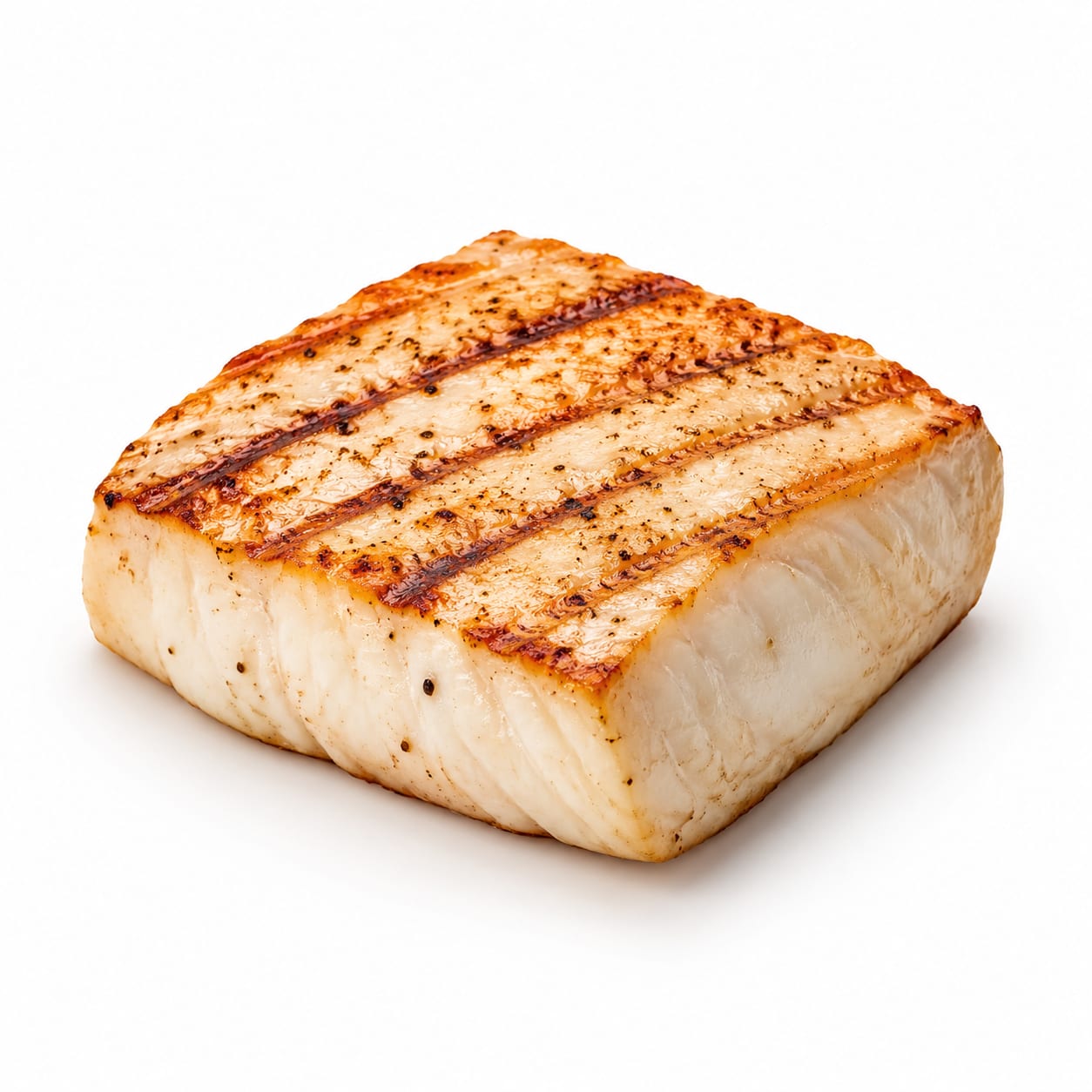
Mahi Mahi
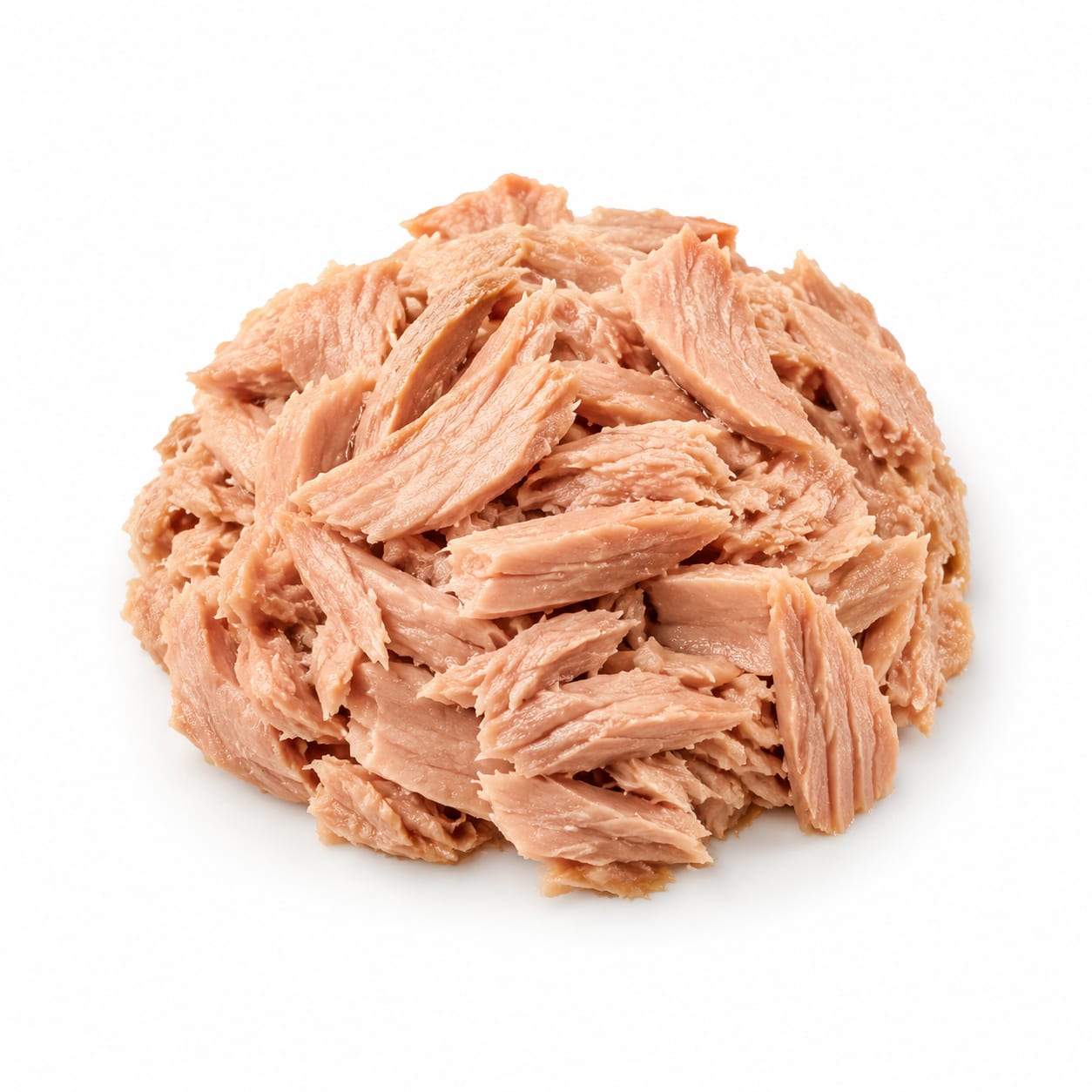
Tuna
Mahi Mahi is safer to eat more often thanks to lower mercury, while Tuna delivers more protein and omega-3s but comes with stricter consumption limits.
Mahi Mahi scores higher primarily on safety for regular consumption, while Tuna scores higher on protein and omega-3 density. The overall gap reflects that being able to eat a food more frequently often matters more than marginal nutritional advantages you can only access occasionally.
Nutritional density versus safety frequency — Tuna gives you more per bite but you can eat Mahi Mahi more often without worry.
At a glance
Executive summary
Overall
It depends
Healthier
Mahi Mahi
More practical
Tuna
Daily use
Mahi Mahi
Key comparison lenses
mercury safety and frequent consumption risk
Tuna's mercury levels are a major real-world concern that directly limits how often people can safely eat it, while Mahi Mahi offers more flexibility
protein density for athletic and fitness goals
Both are popular lean protein sources, but Tuna packs more protein per calorie, making it a staple for bodybuilders and athletes
omega-3 intake for heart and brain health
Tuna generally delivers more omega-3s, which matters for cardiovascular and cognitive health prioritization
meal versatility and culinary experience
Mahi Mahi's milder flavor and firmer texture make it more approachable for fish skeptics, while Tuna's meaty quality suits specific dishes like seared steaks or poke
sustainability and environmental impact
Both face overfishing concerns but through different mechanisms, influencing eco-conscious purchasing decisions
Best choice for
Mahi Mahi
- Families wanting fish 2-3 times per week
- Pregnant or breastfeeding women seeking safe seafood
- People new to cooking fish who want a forgiving, mild option
- Anyone monitoring heavy metal exposure
Tuna
- Athletes and bodybuilders maximizing protein intake
- Meal preppers who rely on canned fish for convenience
- Those prioritizing omega-3s on a budget
- Fans of raw preparations like sushi and poke bowls
Least suitable for
Mahi Mahi
- Bodybuilders needing the highest protein-per-calorie ratio
- Budget shoppers looking for the cheapest protein source
- People who want canned or shelf-stable options
Tuna
- Pregnant women and young children due to mercury risk
- Anyone planning to eat fish daily or near-daily
- People with heavy metal sensitivity concerns
Deep comparison
Dimension by dimension
Each lens scores both foods and breaks down who each option suits.
- Dimension 1 · Priority 95Mahi Mahi
Mercury & Heavy Metal Safety
Mahi Mahi · 82Tuna · 48Mahi Mahi has notably lower mercury than most Tuna varieties, making it far safer for regular consumption.
Tradeoff
Tuna's nutritional advantages come with a real ceiling on how often you should eat it, especially albacore and bigeye varieties.
Why it matters
Mercury accumulates in your body over time and can affect neurological function, fetal development, and cardiovascular health. This is not theoretical — it is the single most actionable safety difference between these fish.
Real-world impact
A pregnant woman can safely eat Mahi Mahi once a week but should limit albacore Tuna to once every two weeks. For adults, eating Tuna multiple times weekly can push mercury levels into concerning territory within months.
Mahi Mahi
- Weekly fish eaters
- Pregnant and breastfeeding women
- Children
- Anyone concerned about long-term heavy metal accumulation
Better for
- No significant safety downside relative to Tuna
Worse for
Tuna
- Occasional fish consumers who eat it less than twice monthly
Better for
- Pregnant women
- Young children
- Anyone eating fish more than twice per week
- People with known mercury sensitivity
Worse for
- Dimension 2 · Priority 85Tuna
Protein Density & Quality
Mahi Mahi · 72Tuna · 91Tuna delivers significantly more protein per serving and per calorie, making it the go-to for muscle-focused eaters.
Tradeoff
That protein advantage only counts if you are not limiting Tuna intake due to mercury — eating less Tuna means less total protein from it.
Why it matters
For anyone tracking macros — athletes, bodybuilders, or people on high-protein diets — protein density per bite and per calorie directly affects meal planning and satiety.
Real-world impact
A 4-ounce Tuna steak gives you roughly 28g of protein versus about 22g from the same amount of Mahi Mahi. Over a week, that gap compounds if you are eating fish daily — but you probably should not be eating Tuna daily.
Mahi Mahi
- People who eat fish frequently and get protein from multiple sources
Better for
- Competitive athletes needing the highest protein density available
Worse for
Tuna
- Athletes in a cutting phase needing maximum protein per calorie
- Bodybuilders hitting high protein targets
- Anyone replacing red meat with a leaner protein source
Better for
- People who cannot eat it often enough for the protein advantage to matter
Worse for
- Dimension 3 · Priority 80Tuna
Omega-3 Fatty Acid Content
Mahi Mahi · 55Tuna · 78Tuna generally contains more omega-3s, particularly DHA, though the amount varies dramatically by species and cut.
Tradeoff
Canned light Tuna loses much of its omega-3 content during processing, while fresh or frozen Tuna retains more. Mahi Mahi is more consistent but lower overall.
Why it matters
Omega-3s are the main reason health authorities recommend eating fish. They support heart health, brain function, and inflammation management. Getting more per serving matters if fish is your primary omega-3 source.
Real-world impact
If you are eating fish specifically for omega-3s and only eat it once or twice a week, Tuna gives you more per meal. But if you are eating fish four times a week, Mahi Mahi's lower omega-3s per serving still add up to a solid weekly total.
Mahi Mahi
- Frequent fish eaters who accumulate omega-3s across multiple meals
Better for
- Anyone relying on a single weekly fish meal for most of their omega-3 intake
Worse for
Tuna
- People eating fish only 1-2 times per week who need maximum omega-3 per serving
- Those not taking fish oil supplements
Better for
- People choosing canned light Tuna, which has significantly reduced omega-3 content
Worse for
- Dimension 4 · Priority 70It depends
Culinary Versatility & Enjoyment
Mahi Mahi · 80Tuna · 76Mahi Mahi is more universally approachable with its mild, sweet flavor, while Tuna excels in specific preparations like searing and raw dishes.
Tradeoff
Mahi Mahi is harder to mess up and works for fish skeptics, but Tuna offers a unique steak-like experience that nothing else really replicates.
Why it matters
The healthiest fish is the one you actually enjoy cooking and eating. Flavor and cooking confidence determine whether fish becomes a habit or a one-time experiment.
Real-world impact
Mahi Mahi holds up well to grilling, baking, and tacos without drying out easily — it is forgiving for home cooks. Tuna needs more precision: overcook it and it becomes dry and chalky, but seared properly it is restaurant-quality at home.
Mahi Mahi
- Home cooks wanting a forgiving fish that works in many recipes
- Families with kids or picky eaters
- Taco and burrito bowl enthusiasts
- People who dislike strong fishy flavors
Better for
- Raw preparation enthusiasts
- Anyone wanting a canned, shelf-stable option
Worse for
Tuna
- Experienced cooks comfortable with searing techniques
- Sushi and poke lovers
- Anyone wanting a red-meat-like eating experience from fish
- Canned fish users making tuna salads or sandwiches
Better for
- Inexperienced fish cooks likely to overcook it
- People who find meaty fish textures unappealing
Worse for
- Dimension 5 · Priority 65Tuna
Convenience & Accessibility
Mahi Mahi · 55Tuna · 82Canned Tuna is one of the most accessible and shelf-stable proteins available, while Mahi Mahi is almost always fresh or frozen and harder to find.
Tradeoff
The convenience of canned Tuna is undeniable for meal prep and budget, but canned versions have lower omega-3s and a different nutritional profile than fresh.
Why it matters
If you cannot easily buy, store, or prepare a food, its nutritional profile is irrelevant. Convenience often determines what actually ends up on your plate.
Real-world impact
Canned Tuna sits in your pantry for months, costs a few dollars, and requires zero cooking. Mahi Mahi requires a grocery trip to the seafood counter, refrigeration, and cooking within a day or two. For busy weeknights, this difference is enormous.
Mahi Mahi
- People who live near good seafood markets
- Those who prioritize fresh over canned regardless of convenience
Better for
- People in landlocked areas with limited seafood access
- Anyone needing pantry-stable options
Worse for
Tuna
- Busy professionals needing quick protein
- Budget-conscious shoppers
- Meal preppers building weekly menus from shelf-stable staples
- Anyone without reliable access to fresh seafood
Better for
- Those who dislike canned fish taste or texture
- People avoiding BPA exposure from can linings
Worse for
- Dimension 6 · Priority 60It depends
Sustainability & Environmental Impact
Mahi Mahi · 65Tuna · 58Both have sustainability concerns, but the specifics differ — Mahi Mahi is generally faster-growing and more resilient, while Tuna overfishing is more widely documented.
Tradeoff
Neither is a clear eco-winner. Your impact depends more on the specific fishery, catch method, and certification than on choosing one species over the other.
Why it matters
For environmentally conscious consumers, knowing that your fish choice contributes to healthy oceans matters beyond personal nutrition.
Real-world impact
US-caught Mahi Mahi and troll-caught Albacore are better choices. Imported longline-caught versions of both are worse. Look for MSC certification regardless of which fish you choose.
Mahi Mahi
- Eco-conscious consumers choosing US-caught or pole-caught options
- People who prefer faster-reproducing fish species
Better for
- Buyers of imported longline-caught Mahi Mahi without certification
Worse for
Tuna
- Those choosing troll- or pole-caught Tuna from well-managed fisheries
- Canned Tuna buyers who select sustainably certified brands
Better for
- Anyone buying untraceable or longline-caught Tuna
- Consumers of overfished Bluefin Tuna
Worse for
Timeline
Health impact over time
Short-term
Hours to days
Mahi Mahi
- High-quality lean protein that keeps you full without heaviness
- Easy to digest with minimal gastrointestinal discomfort
- Mild flavor makes it an easy addition to meals without disrupting your routine
Tuna
- Dense protein hit that satisfies hunger quickly, especially from canned Tuna
- More omega-3s per serving supporting post-meal satiety and steady energy
- Canned versions may cause bloating in sodium-sensitive individuals
Long-term
Months to years
Mahi Mahi
- Lower mercury accumulation supports safer long-term regular consumption
- Consistent lean protein intake supports muscle maintenance and healthy aging
- Moderate omega-3 intake contributes to cardiovascular health when eaten regularly
Tuna
- Higher omega-3 intake supports heart and brain health when consumed at safe frequencies
- Mercury accumulation risk requires conscious portion and frequency management
- Regular consumption of high-mercury Tuna varieties may negatively affect neurological health over decades
Risk profile
Safety & processing
Fresh or frozen Mahi Mahi and Tuna are both minimally processed whole foods. However, canned Tuna introduces sodium, potential BPA from can linings, and sometimes added broth or vegetable proteins. If you choose Tuna in a can, you are accepting a moderate step away from the whole-food ideal.
Mahi Mahi
Mercury exposure
mediumMahi Mahi contains moderate mercury levels, higher than salmon but significantly lower than most Tuna varieties. Safe for weekly consumption but not daily.
Scombroid poisoning
lowLike many tropical fish, improperly refrigerated Mahi Mahi can cause histamine reactions. Buy from reputable sources and keep cold.
Parasites in raw preparations
lowIf eating raw, previously frozen Mahi Mahi is safer. Fresh-caught raw consumption carries standard parasite risks.
Tuna
Mercury exposure
highAlbacore and bigeye Tuna contain significantly elevated mercury. Canned light Tuna (skipjack) is lower but still requires moderation. This is the dominant safety concern for regular Tuna consumers.
Scombroid poisoning
mediumTuna is one of the more common fish associated with histamine poisoning when improperly stored. Freshness and cold chain matter more than with many other fish.
BPA from can linings
mediumCanned Tuna may expose you to BPA from can linings, especially with frequent consumption. Look for BPA-free cans or choose pouch options.
Sodium in canned versions
mediumCanned Tuna often contains 200-300mg sodium per serving. If you eat it frequently, this adds up quickly and affects blood pressure management.
Who wins for whom
Audience fit
Same foods, different winners depending on your goal.
children
Mahi MahiChildren are more vulnerable to mercury's neurological effects. Mahi Mahi's lower mercury makes it the clearly safer choice for developing brains, and its milder flavor is more kid-friendly.
daily consumption
Mahi MahiNo fish should truly be eaten daily due to mercury, but Mahi Mahi's lower levels make 2-3 times per week realistic and safe. Most Tuna varieties should be limited to once weekly or less.
diabetes
Mahi MahiBoth are excellent zero-carb protein sources, but Mahi Mahi's lower mercury allows more frequent consumption, which supports consistent blood sugar management through regular lean protein intake.
elderly
Mahi MahiOlder adults benefit from regular fish consumption for cognitive and cardiovascular health. Mahi Mahi allows more frequent intake without mercury accumulation concerns.
muscle gain
TunaMore protein per ounce and per calorie makes Tuna the more efficient choice for hitting high protein targets, assuming you manage mercury exposure through portion control.
weight loss
TunaTuna's higher protein density keeps you fuller per calorie, and canned Tuna is an easy low-calorie staple. Just watch sodium in canned versions.
Your move
Decision guide
Choose Mahi Mahi
- You want to eat fish 2-3 times per week without tracking mercury limits
- You are pregnant, breastfeeding, or feeding young children
- You prefer a milder, sweeter fish that works in tacos, bowls, and baked dishes
- You are new to cooking fish and want something forgiving
- Heavy metal exposure is a personal health concern for you
Choose Tuna
- You eat fish only occasionally and want maximum nutrition per serving
- You are an athlete or bodybuilder prioritizing protein density
- Canned convenience and shelf stability matter for your lifestyle
- You love seared Tuna steaks, sushi, or poke and eat them in moderation
- Budget is a primary factor and canned Tuna fits your grocery plan
Either works if
- You are rotating through multiple protein sources and eating fish only once weekly
- You are choosing based on what looks freshest at the seafood counter
- You want variety and enjoy both flavors equally
Avoid both if
- You have a diagnosed seafood allergy
- You are strictly vegan or vegetarian
- Your doctor has advised against all fish consumption due to heavy metal concerns
- You live in an area where neither is available fresh and you dislike canned fish
Final recommendation
Make Mahi Mahi your regular fish and Tuna your occasional treat. This gives you the safety to eat fish multiple times per week while still enjoying Tuna's superior protein and omega-3s when you choose it. Think of Mahi Mahi as your weekday fish and Tuna as your Saturday night seared steak — and always choose skipjack or canned light Tuna over albacore when you go the canned route.
Practical
Consumer tips
- 1
When buying Tuna, choose skipjack or canned light Tuna over albacore to cut mercury exposure roughly in half
- 2
Look for MSC-certified options for both fish to support sustainable fisheries
- 3
If buying canned Tuna, seek out BPA-free cans or pouches to reduce endocrine disruptor exposure
- 4
Mahi Mahi should smell clean and ocean-fresh — any strong fishy odor means it is past prime
- 5
Freeze fresh Tuna within a day of purchase if not cooking immediately; it degrades faster than Mahi Mahi
- 6
Rinse canned Tuna to remove roughly 20-30% of the added sodium
- 7
Pregnant women should limit Mahi Mahi to once weekly and albacore Tuna to once monthly — skipjack canned Tuna can be eaten once weekly
- 8
Both fish benefit from simple preparations: olive oil, lemon, salt, and pepper let the quality speak for itself