
Nutrition comparison
Mahi Mahi vs Swordfish: Mercury, Nutrition, and Which Is Safer to Eat
Mahi Mahi and Swordfish compared on mercury levels, omega-3s, protein, and safety. Find out which fish is better for regular consumption and when Swordfish is worth the risk.
Overall winner · Mahi Mahi
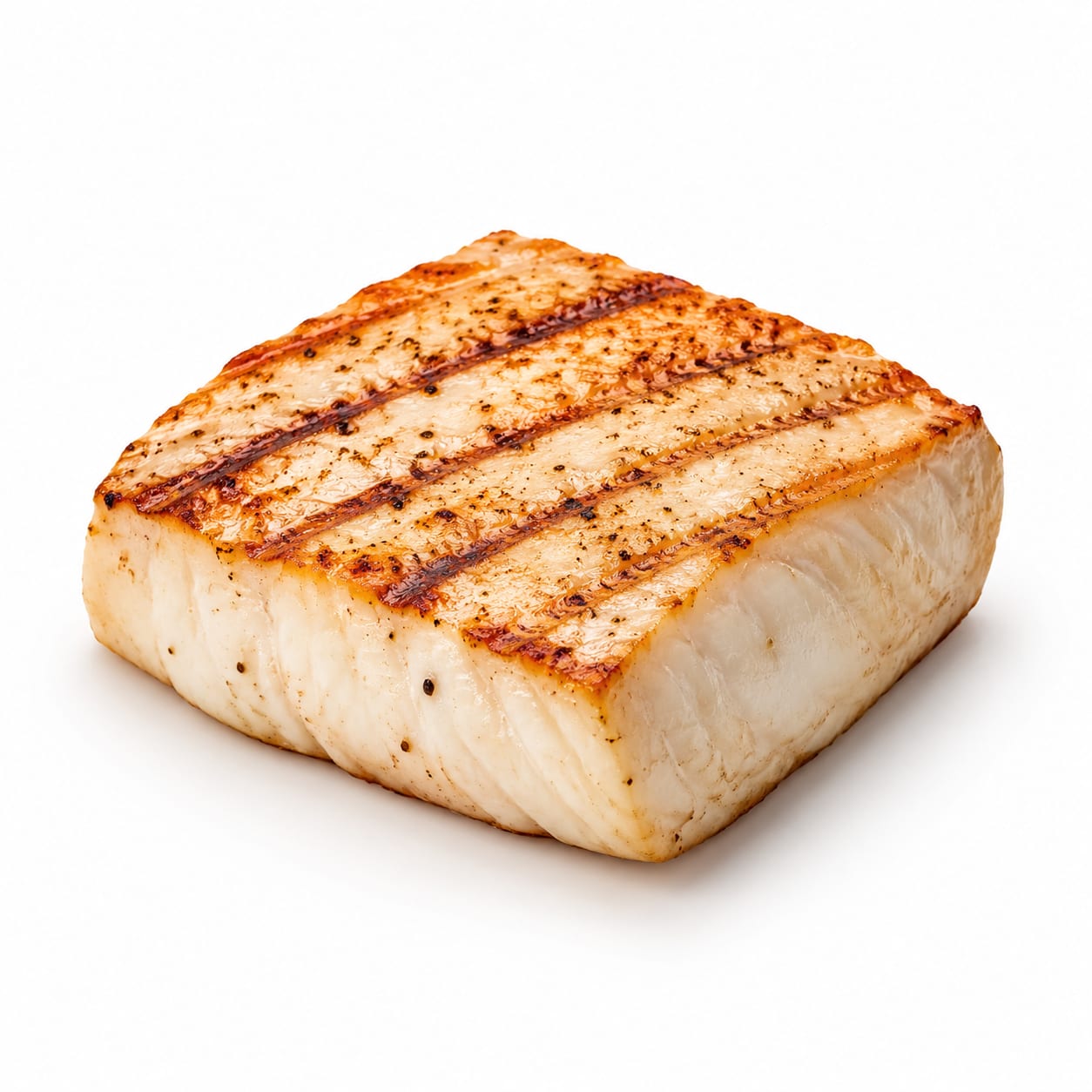
Mahi Mahi
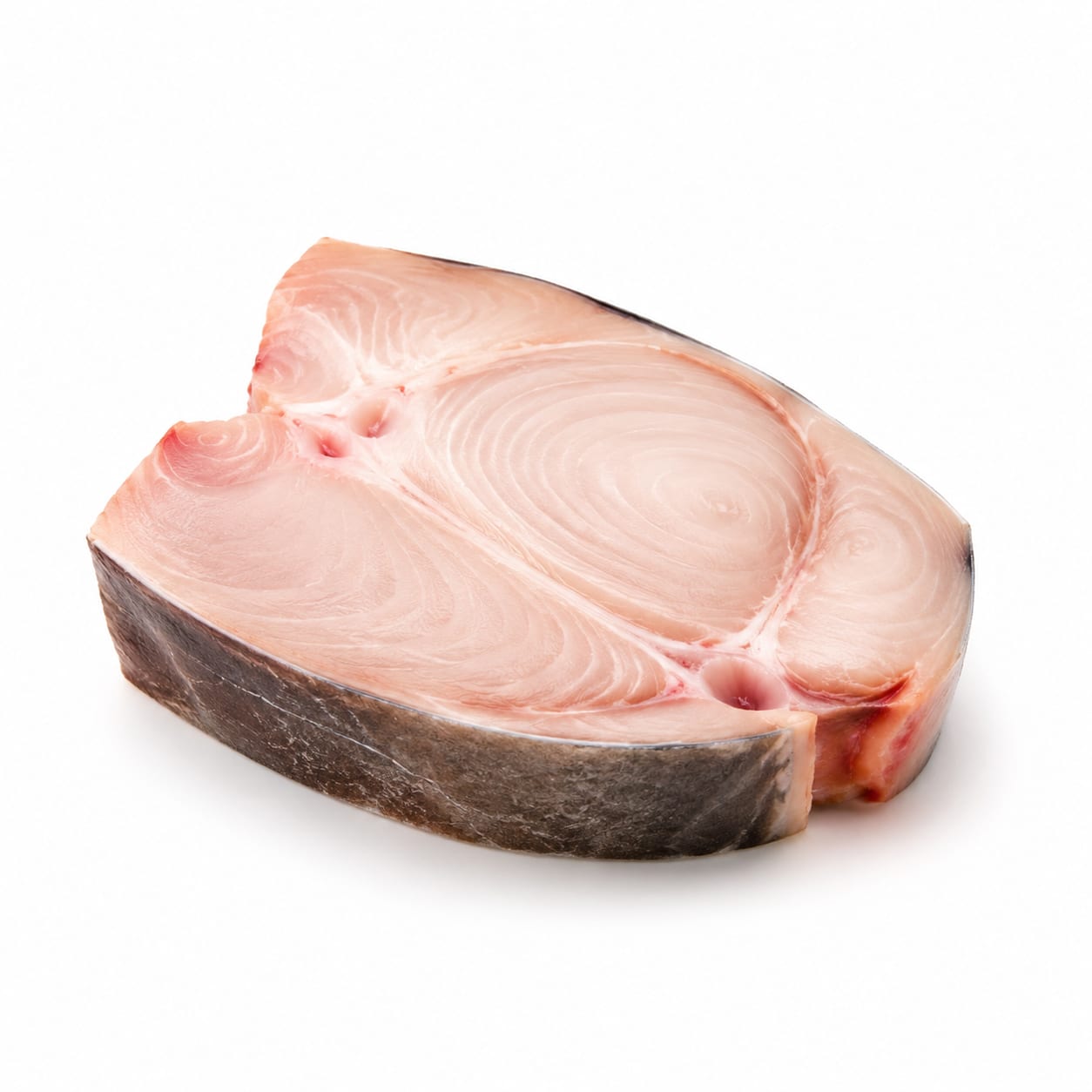
Swordfish
Mahi Mahi is the safer regular choice due to dramatically lower mercury, while Swordfish offers richer omega-3s and vitamin D at the cost of high mercury exposure.
Mahi Mahi scores notably higher because its moderate mercury level allows regular consumption, while Swordfish's high mercury restricts it to occasional use. Swordfish gains points for omega-3 and vitamin D density but loses substantially on safety for frequent eating.
Swordfish gives you more anti-inflammatory fats and vitamin D, but Mahi Mahi lets you eat fish frequently without worrying about mercury buildup.
At a glance
Executive summary
Overall
Mahi Mahi
Healthier
Mahi Mahi
More practical
Mahi Mahi
Daily use
Mahi Mahi
Key comparison lenses
mercury safety comparison
Swordfish is one of the highest-mercury fish available; Mahi Mahi has moderate but significantly lower mercury. This is the dominant health concern.
pregnancy and children safety
Swordfish is explicitly on the FDA avoid-list for pregnant women and children; Mahi Mahi is a safer moderate-mercury option.
lean protein selection
Both are popular protein sources for fitness-oriented eaters, but their fat and calorie profiles differ meaningfully.
omega3 nutrient density
Swordfish offers more omega-3s and vitamin D per serving, which matters for nutrient-seeking consumers.
sustainable seafood choice
Both have sustainability considerations but differ by fishing method and population status.
Best choice for
Mahi Mahi
- Pregnant women and nursing mothers
- Children and teens
- People who eat fish multiple times per week
- Anyone monitoring heavy metal exposure
- Lean protein seekers watching calories
Swordfish
- Occasional diners wanting a steak-like fish experience
- Those deficient in vitamin D who rarely eat fish
- People eating fish less than twice monthly
- Home cooks wanting a meaty, grilling-friendly texture
Least suitable for
Mahi Mahi
- Those seeking maximum omega-3 density per serving
- Vitamin D deficient individuals needing potent food sources
Swordfish
- Pregnant or trying-to-conceive women
- Children under 12
- Anyone eating fish more than twice weekly
- People with kidney or liver conditions affecting detoxification
Deep comparison
Dimension by dimension
Each lens scores both foods and breaks down who each option suits.
- Dimension 1 · Priority 95Mahi Mahi
mercury_and_heavy_metal_safety
Mahi Mahi · 75Swordfish · 25Swordfish averages 0.995 ppm mercury versus Mahi Mahi's 0.18 ppm — roughly 5 times higher. This is the single most important difference between these fish.
Tradeoff
Swordfish delivers more nutrients per bite, but those nutrients come packaged with significantly more methylmercury that accumulates in your body over time.
Why it matters
Chronic mercury exposure harms the brain, kidneys, and nervous system. It's especially dangerous during fetal development and childhood. Even adults can experience cognitive effects from regular high-mercury fish consumption.
Real-world impact
Eating Swordfish weekly could push your mercury levels into concerning territory within months. Mahi Mahi can be eaten 2-3 times weekly with far less risk.
Mahi Mahi
- Frequent fish eaters
- Pregnant or breastfeeding women
- Children and adolescents
- Anyone concerned about long-term cognitive health
Better for
- No significant downside regarding mercury — it's simply a moderate-mercury fish requiring reasonable portion control
Worse for
Swordfish
- Rare fish consumers who eat it once monthly or less
Better for
- Anyone who eats fish regularly
- Households with young children sharing meals
- People with cumulative mercury sensitivity
Worse for
- Dimension 2 · Priority 75Swordfish
omega3_fatty_acid_density
Mahi Mahi · 50Swordfish · 78Swordfish provides roughly 800-900mg omega-3s per serving compared to Mahi Mahi's 200-300mg. Swordfish is the stronger anti-inflammatory choice per bite.
Tradeoff
You get more inflammation-fighting fats from Swordfish, but you also get more mercury. The omega-3 benefit may not outweigh the mercury cost if eaten frequently.
Why it matters
Omega-3s support heart health, brain function, and mood. Getting enough from fish is a common goal, but the source matters as much as the amount.
Real-world impact
If you only eat fish occasionally, Swordfish delivers a meaningful omega-3 dose. But if you're eating fish for daily omega-3s, Mahi Mahi's lower dose with lower mercury is the smarter long-term play.
Mahi Mahi
- Daily omega-3 seekers who prefer food over supplements
- Those already taking fish oil who want a low-mercury protein source
Better for
- Those relying solely on food for omega-3 intake who need higher doses
Worse for
Swordfish
- Infrequent fish eaters wanting maximum nutrient density per meal
- People not taking omega-3 supplements who need a potent single serving
Better for
- Anyone who would need to eat it frequently to meet omega-3 goals
Worse for
- Dimension 3 · Priority 70Mahi Mahi
protein_and_calorie_efficiency
Mahi Mahi · 82Swordfish · 72Mahi Mahi delivers slightly more protein per calorie — roughly 20g protein in 93 calories versus Swordfish's 20g in 172 calories. Mahi Mahi is the leaner, more calorie-efficient protein.
Tradeoff
Swordfish's extra calories come from healthy fats, so it's more satiating per serving. But for calorie-conscious eaters, Mahi Mahi gives you the same protein with half the calories.
Why it matters
If you're managing weight or tracking macros, protein-per-calorie matters. Mahi Mahi fits more easily into a calorie budget.
Real-world impact
A Mahi Mahi dinner leaves room for sides and a sauce without blowing your calorie budget. Swordfish is more filling on its own but uses more of your daily calorie allowance.
Mahi Mahi
- Weight loss or calorie-tracking diets
- High-protein, low-calorie meal prep
- Post-workout meals where lean protein is preferred
Better for
- Very active people who need calorie density to meet energy needs
Worse for
Swordfish
- Keto or low-carb eaters wanting higher fat content
- Those needing more satiety from fewer servings
- Bulk or muscle-gain phases where calories are welcome
Better for
- Calorie-restricted diets
- People who find fatty fish too heavy in warm weather
Worse for
- Dimension 4 · Priority 65Swordfish
vitamin_and_mineral_profile
Mahi Mahi · 55Swordfish · 80Swordfish is notably rich in vitamin D (566 IU per serving vs Mahi Mahi's ~80 IU) and selenium. It's one of the best food sources of vitamin D available.
Tradeoff
That vitamin D comes with the mercury tradeoff. You can get vitamin D from supplements or sunlight without the heavy metal exposure.
Why it matters
Vitamin D deficiency is widespread. Swordfish is legitimately one of the few foods that provides a therapeutic dose in a single serving.
Real-world impact
One Swordfish meal covers most of your daily vitamin D needs. But a supplement does the same thing without mercury. Mahi Mahi still offers good selenium and B vitamins but won't move the needle on vitamin D.
Mahi Mahi
- Those already supplementing vitamin D
- People getting regular sun exposure
Better for
- Vitamin D deficient people relying only on food sources
Worse for
Swordfish
- Vitamin D deficient individuals who eat fish rarely
- People in northern climates with limited sun exposure who want food-based vitamin D
- Those avoiding supplements who prefer nutrient-dense whole foods
Better for
- Anyone who could get vitamin D from safer sources instead
Worse for
- Dimension 5 · Priority 60Mahi Mahi
sustainability_and_environmental_impact
Mahi Mahi · 68Swordfish · 48Mahi Mahi is generally considered a better sustainable choice, especially when pole-caught. Swordfish populations vary by region, and longline fishing creates bycatch concerns.
Tradeoff
Both can be sustainable or unsustainable depending on fishing method and source. But Mahi Mahi's faster growth rate and shorter lifespan make it more resilient to fishing pressure.
Why it matters
Choosing sustainable seafood protects ocean ecosystems and ensures future availability. Fast-growing species like Mahi Mahi recover more quickly from overfishing.
Real-world impact
Look for MSC certification or pole-caught labels for either fish. Mahi Mahi from the US or Ecuador is typically a good choice. Swordfish from the North Atlantic is better than Pacific or Mediterranean sources.
Mahi Mahi
- Environmentally conscious consumers
- Those who want to feel confident their fish choice is sustainable
Better for
- Imported Mahi Mahi from unverified sources with poor traceability
Worse for
Swordfish
- North Atlantic Swordfish from well-managed fisheries with MSC certification
Better for
- Longline-caught Swordfish with high bycatch rates
- Imported Swordfish from depleted stocks
Worse for
Timeline
Health impact over time
Short-term
Hours to days
Mahi Mahi
- Clean, light protein that digests easily
- Unlikely to cause any acute adverse reactions
- Low calorie load makes it easy to pair with any meal
Swordfish
- Rich, satisfying meal that keeps you full longer due to fat content
- Meaningful vitamin D dose that could help mood and energy same-day
- Potential digestive heaviness for those unaccustomed to fatty fish
Long-term
Months to years
Mahi Mahi
- Safe for regular consumption without mercury accumulation concerns
- Supports lean muscle maintenance with consistent protein intake
- Low cumulative toxin exposure supports brain and kidney health
Swordfish
- Mercury accumulation risk increases with regular consumption — potential cognitive and neurological effects
- Strong omega-3 and vitamin D intake supports cardiovascular and bone health if eaten occasionally
- FDA recommends limiting to once per week or less for adults, never for pregnant women and children
Risk profile
Safety & processing
Both Mahi Mahi and Swordfish are whole, minimally processed fish typically sold fresh or frozen without additives. The main concern isn't processing — it's environmental contamination. Both are wild-caught, which avoids antibiotic and hormone concerns present in farmed fish, but wild-caught status also means mercury exposure depends on the species' natural feeding patterns.
Mahi Mahi
Mercury exposure
mediumMahi Mahi contains moderate mercury (~0.18 ppm). Safe for 2-3 servings per week for most adults, but pregnant women should limit to once weekly.
Scombroid poisoning
lowLike many fish, improper refrigeration can cause histamine buildup. Buy from reputable sources and keep cold.
Parasites
lowWild fish may carry parasites. Cooking to 145°F eliminates this risk. Freeze properly for raw preparations.
Swordfish
Mercury exposure
highSwordfish averages ~0.995 ppm mercury — among the highest of any commonly eaten fish. The FDA classifies it in the 'do not eat' category for pregnant women, nursing mothers, and young children. Adults should limit to once weekly maximum.
PCB and dioxin contamination
mediumAs a large predatory fish, Swordfish accumulates not just mercury but also persistent organic pollutants like PCBs. These are endocrine disruptors with long half-lives in the body.
Scombroid poisoning
lowSame histamine risk as other fish when improperly stored. More commonly reported with Swordfish than some other species.
Who wins for whom
Audience fit
Same foods, different winners depending on your goal.
children
Mahi MahiThe FDA explicitly advises against serving Swordfish to children due to mercury content. Mahi Mahi is a moderate-mercury fish that can be served to children in limited portions once weekly.
daily consumption
Mahi MahiSwordfish cannot safely be eaten daily due to mercury. Mahi Mahi can be eaten 2-3 times per week, making it the only option appropriate for near-daily rotation.
diabetes
Mahi MahiBoth are zero-carb protein sources that won't spike blood sugar, but Mahi Mahi's lower mercury allows more frequent consumption, which supports consistent protein intake for blood sugar stability.
elderly
Mahi MahiOlder adults benefit from regular lean protein for muscle preservation and have reduced capacity to clear heavy metals. Mahi Mahi's lower mercury makes it safer for frequent consumption.
muscle gain
SwordfishSwordfish offers slightly more protein per serving along with extra calories and healthy fats that support a calorie surplus needed for muscle building — assuming you keep frequency to once weekly.
weight loss
Mahi MahiMahi Mahi provides the same protein with roughly half the calories of Swordfish, making it easier to stay within a calorie deficit while staying full.
Your move
Decision guide
Choose Mahi Mahi
- You eat fish more than once per week
- You're pregnant, nursing, or planning to conceive
- You're feeding children or teens
- You want a lean protein that fits easily into any calorie budget
- You're concerned about mercury and heavy metal accumulation
- You prefer a milder, more versatile fish flavor
Choose Swordfish
- You eat fish less than twice per month and want maximum nutrient density per meal
- You're specifically seeking vitamin D from food and don't take supplements
- You want a steak-like texture for grilling that holds up to bold marinades
- You're on a keto or low-carb diet and welcome the extra fat
- You're an adult with no pregnancy risk who understands the mercury tradeoff
Either works if
- You want high-quality complete protein from a whole food source
- You're avoiding farmed fish and prefer wild-caught options
- You need a zero-carb main dish for a dinner party
- You're looking for a special-occasion seafood centerpiece
Avoid both if
- You have a confirmed fish allergy
- You're strictly vegan or vegetarian
- You have severe kidney disease requiring protein restriction
- You're highly sensitive to histamine and lack access to very fresh fish
Final recommendation
Make Mahi Mahi your default choice for regular fish meals. It delivers clean protein with manageable mercury levels that allow you to eat it multiple times per week. Save Swordfish for an occasional treat — once a month at most — when you want that meaty texture and extra omega-3 hit. If you're pregnant, nursing, or feeding kids, skip Swordfish entirely. The mercury gap between these two fish is too large to ignore, and no amount of extra vitamin D or omega-3s justifies regular high-mercury exposure when a safer alternative exists.
Practical
Consumer tips
- 1
Check Seafood Watch or MSC labels when buying either fish — sustainability varies significantly by fishing method and source
- 2
Pair Mahi Mahi with a vitamin D source like fortified dairy or mushrooms if you're relying on it as your main fish
- 3
If you eat Swordfish, avoid other high-mercury fish (shark, tilefish, king mackerel) the same week
- 4
Grill or bake both fish rather than frying to preserve omega-3 content and avoid inflammatory cooking oils
- 5
Mahi Mahi cooks quickly — overcooking makes it dry. Aim for 137°F internal temperature and let it rest
- 6
Swordfish steaks can handle higher heat and longer cooking, making them more forgiving on the grill
- 7
Consider omega-3 supplements if you want the anti-inflammatory benefits without the mercury exposure from high-fat predatory fish
- 8
Ask your fish counter where the fish was caught — US-caught Mahi Mahi and North Atlantic Swordfish tend to have better sustainability profiles