
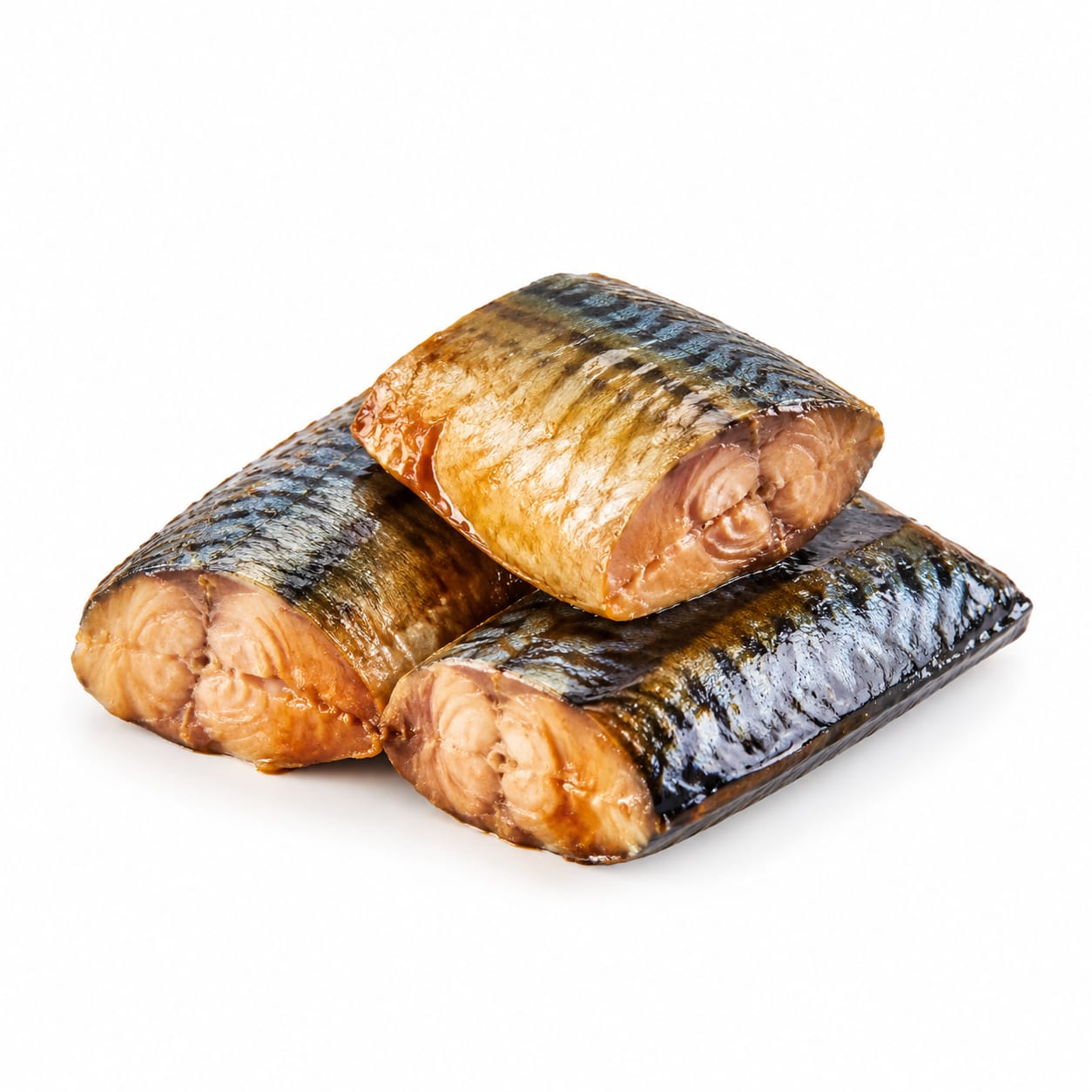
Seafood
Mackerel
Mackerel is a nutrient-dense, oily fish prized for its high omega-3 fatty acid and vitamin B12 content.
Mackerel is a fatty saltwater fish known for its rich flavor, high omega-3 fatty acid content, and impressive nutrient density, commonly consumed grilled, smoked, or canned.
omega-3 rich fatty fish
Typical serving · 85g
Common varieties · Atlantic mackerel, Pacific mackerel, King mackerel, Spanish mackerel, Chub mackerel
Overall context score across nutrition, safety, and diet fit
At a glance
Quick facts
Simple indicators based on nutrition, processing, and diet fit.
The story
What makes it unique
Mackerel is a fast-digesting, high-quality protein source with exceptionally high levels of long-chain omega-3 fatty acids (EPA and DHA). It contains zero carbohydrates, resulting in a glycemic index and load of zero. Its high fat content slows gastric emptying slightly compared to lean fish, promoting moderate satiety.
Varieties: Atlantic mackerel · Pacific mackerel · King mackerel · Spanish mackerel · Chub mackerel
Per 100g
Nutrition breakdown
Macro balance and key metrics at a glance.
Energy
Density 2.62 kcal/g
Protein
Carbs
Fat
Fiber
Sugar
0 g
Sodium
72 mg
Potassium
314 mg
Glycemic index
0
Glycemic load
0
Water content
63.5%
Standout compounds
Nutrient highlights
Omega-3 Fatty Acids (EPA/DHA)
highReduces inflammation and supports heart and brain health
Vitamin B12
highEssential for nerve function and red blood cell formation
Vitamin D
highSupports bone health and immune function
Selenium
moderateActs as an antioxidant and supports thyroid function
Wellness map
Health scores & processing
NOVA processing scale
Minimally processed · Whole food
Fresh or frozen mackerel is an unprocessed whole food. Canned or smoked versions may contain added sodium or smoke flavorings but generally remain processed culinary ingredients or processed foods (NOVA 3).
Diet compatibility
- Weight loss
- Muscle gain
- Diabetes
- Gut health
- Low carb
- High protein
- Heart health
Relative standing
Food rankings
Qualitative ranks compared to similar whole foods.
- Satietygood
- Blood sugarexcellent
- Nutrient densityexcellent
- Fitness fuelgood
- Processing qualityexcellent
Eat with confidence
Food safety profile
Atlantic and Pacific mackerel are low in mercury and safe for regular consumption. King mackerel should be avoided due to high mercury levels. Improperly stored mackerel can cause scombroid poisoning due to histamine buildup.
Evidence confidence 90%
- Pesticideslow
- Antibioticslow
- Heavy metalsmoderate
- Contaminationmoderate
Watch for
- Mercury
- Histamine
- PCBs
Safer choices
Atlantic mackerel or Pacific mackerel instead of King mackerel.
Prep tips
Keep strictly refrigerated or frozen to prevent histamine formation. Cook to an internal temperature of 63°C (145°F).
King mackerel is on the FDA's 'do not eat' list for pregnant women due to high mercury. Atlantic and Pacific mackerel are classified as 'best choices'.
Deep dive
Health analysis
How this food may fit different goals and preparation choices.
Weight loss
High protein and omega-3 fats increase satiety, though its caloric density requires portion awareness compared to lean white fish.
Blood sugar
Contains zero carbohydrates, causing no glycemic spike and making it ideal for blood sugar regulation.
Fitness & energy
Provides high-quality protein for muscle repair and omega-3s that reduce exercise-induced inflammation.
Gut health
Lacks dietary fiber, but omega-3 fatty acids help reduce gut inflammation and support microbiome diversity.
Processing quality
Fresh or frozen mackerel is entirely unprocessed. Canned versions are minimally processed but often high in sodium.
Food safety
Choose Atlantic or Pacific varieties to minimize mercury exposure. Ensure proper cold chain storage to avoid scombroid fish poisoning.
Common mistakes
Confusing King mackerel with Atlantic mackerel, leading to unintended high mercury intake, or overcooking the lean flesh if using Pacific varieties.
Best preparation
Grilling, baking, or poaching preserve the healthy fats without adding excessive calories from heavy breading or frying.
Practical guide
Best use cases
When and how this food fits real eating patterns.
Heart-healthy dinner
Provides over 100% of daily omega-3 needs in a single serving to support cardiovascular function.
Keto meal staple
Zero carbs and high natural fats make it ideal for strict ketogenic diets.
Post-workout recovery
Delivers complete protein for muscle repair alongside anti-inflammatory omega-3s.
Vitamin B12 boost
A single serving provides over 300% of the daily value for B12, supporting nerve function and energy.
Balance sheet
Pros & cons
Upsides
- Exceptionally high in anti-inflammatory omega-3 fatty acids
- Zero carbohydrates, causing no blood sugar spikes
- Rich source of vitamin B12 and vitamin D
- High-quality complete protein for muscle maintenance
- Atlantic and Pacific varieties are low in mercury
- Relatively affordable, especially when canned
Trade-offs
- Strong fishy flavor is off-putting to some palates
- High fat content makes it more calorie-dense than lean white fish
- King mackerel has dangerously high mercury levels
- Prone to histamine buildup (scombroid poisoning) if improperly refrigerated
- Canned versions can be very high in sodium
Fit check
Who is it for?
Great match
- heart health support
- ketogenic and low-carb diets
- omega-3 supplementation via whole foods
- vitamin B12 deficiency prevention
Consider alternatives
- those averse to strong fish flavors
- strict calorie counting without tracking fats
- pregnant women (if King mackerel is consumed)
- low-sodium diets (if eating canned varieties)
Side by side
How it compares
Open the full head-to-head analysis for nutrition, safety, and practical tradeoffs.
This food
Mackerel
VS90% alike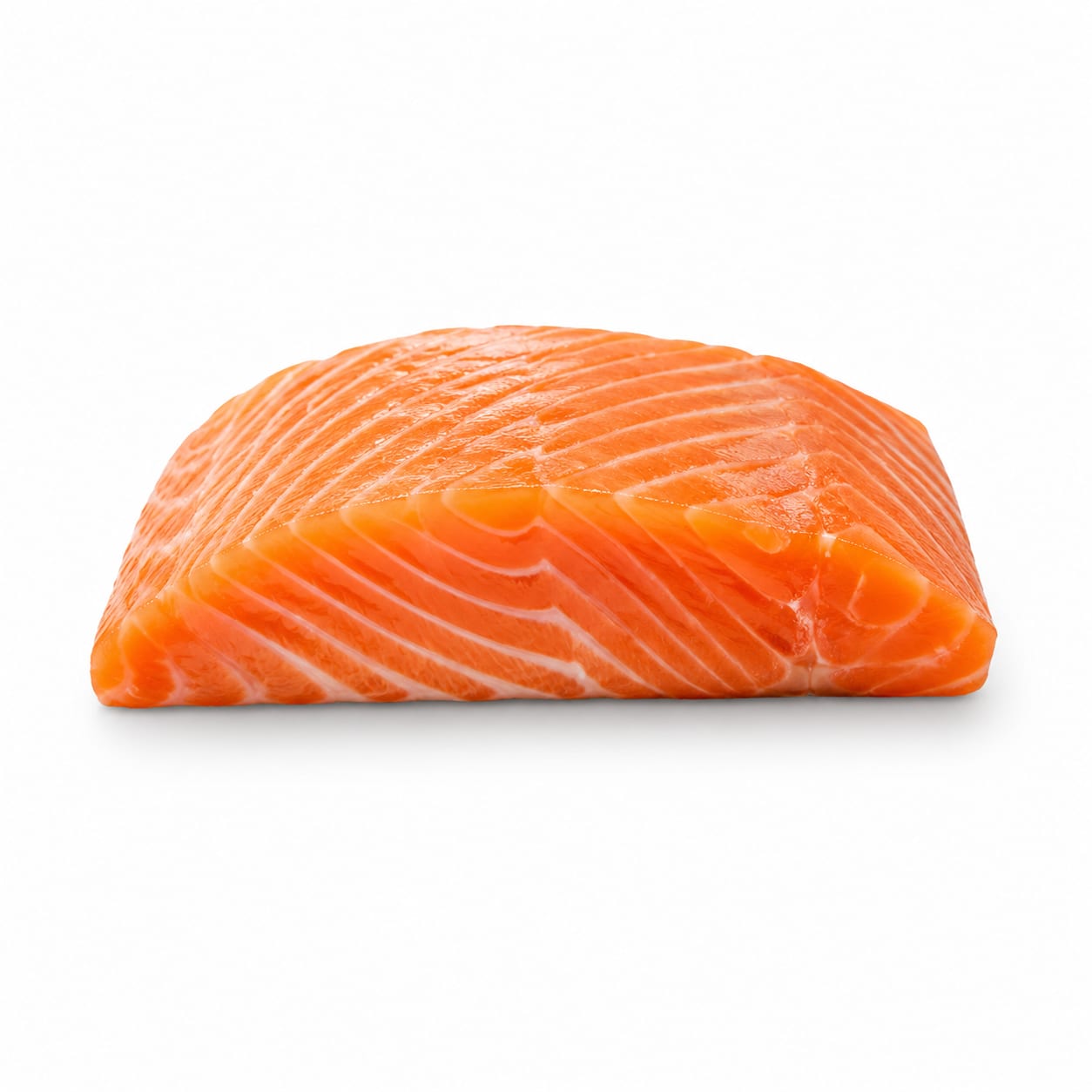
Compare with
Salmon
Salmon offers slightly more omega-3s and a milder flavor, while mackerel provides more vitamin B12 and is often cheaper.
Salmon has a milder flavor and slightly more omega-3s, while mackerel is richer in B12 and often more affordable.
This food
Mackerel
VS95% alike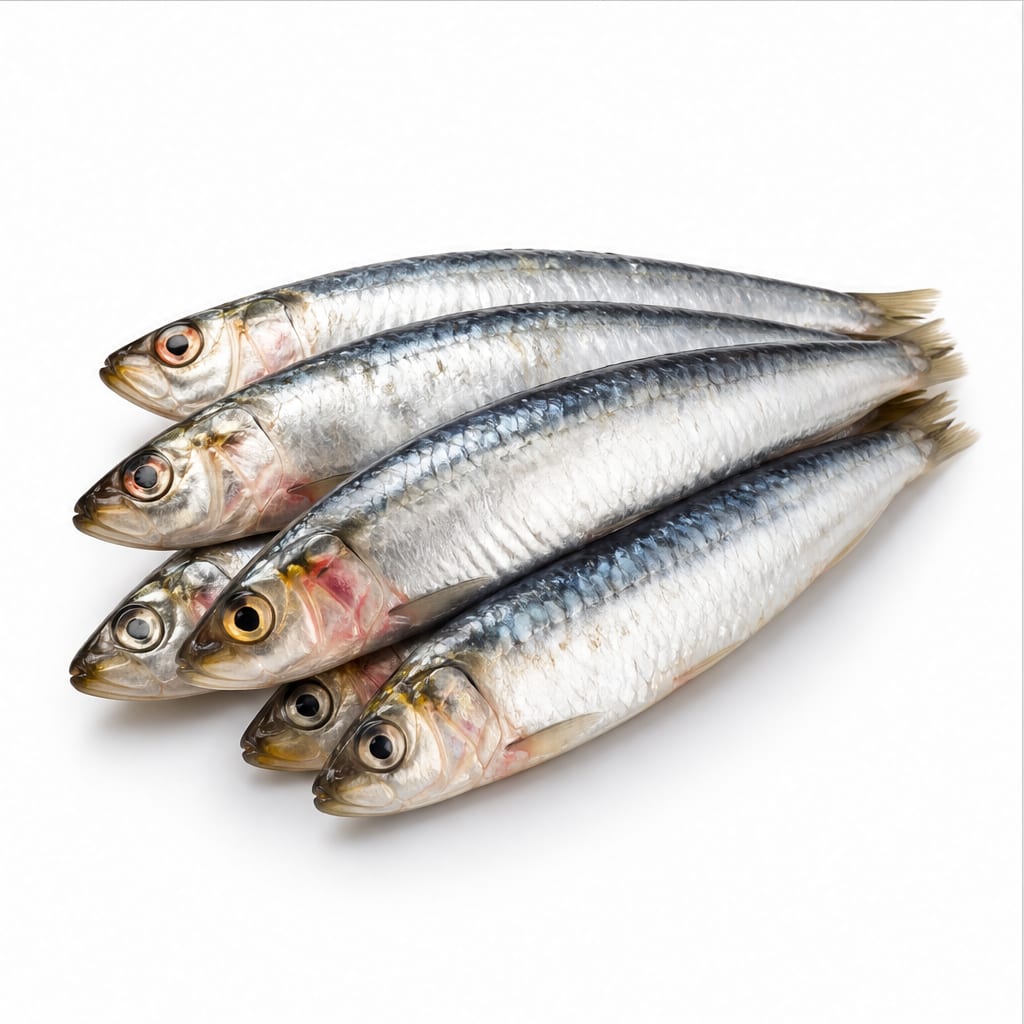
Compare with
Sardines
Sardines are eaten with bones for calcium and are lower in mercury, while mackerel offers larger fillets and a meatier texture.
Sardines provide more calcium and less mercury, while mackerel offers a meatier texture and higher B12.
This food
Mackerel
VS80% alike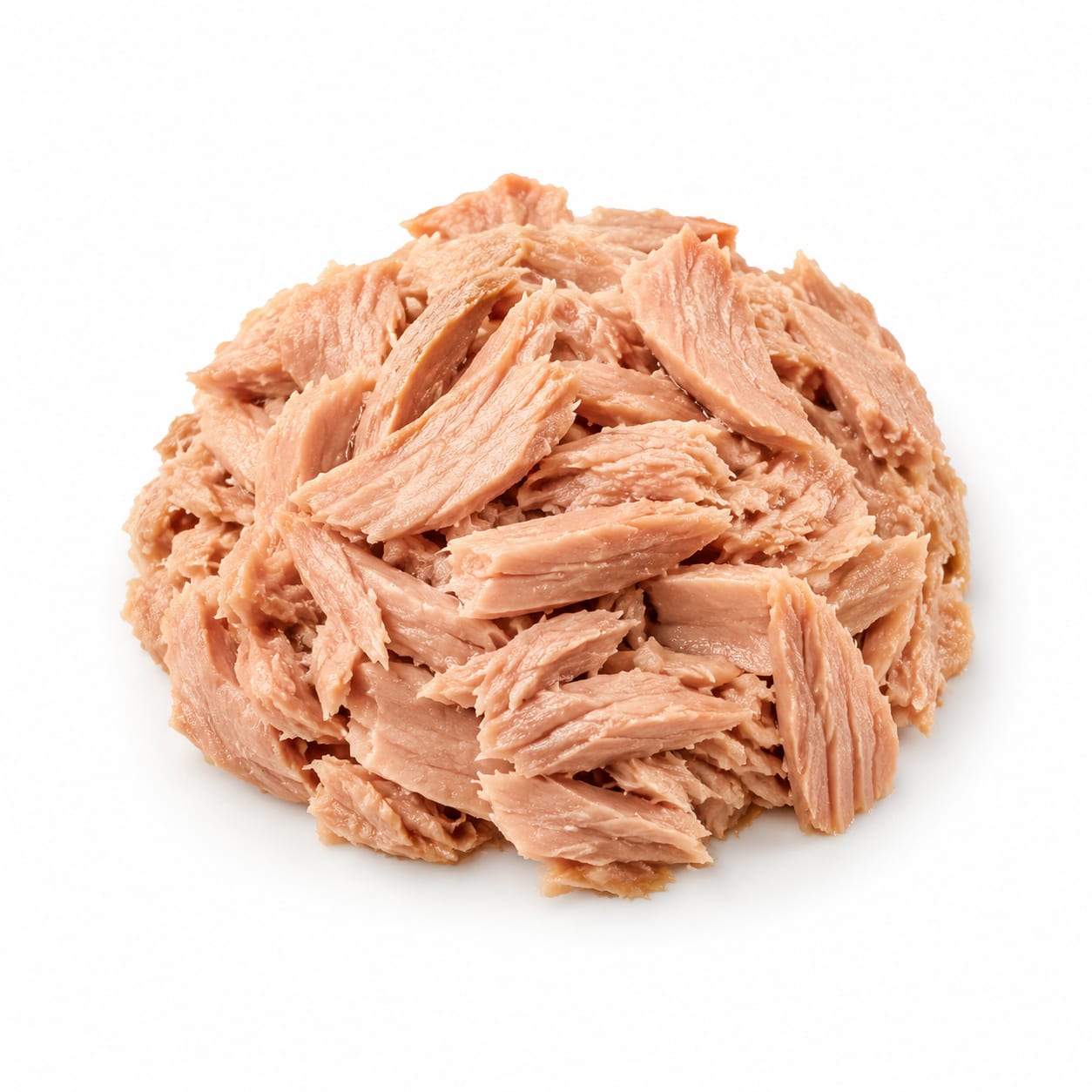
Compare with
Tuna
Tuna is leaner with higher protein per calorie, while mackerel is fattier with significantly more omega-3s and vitamin D.
Tuna is leaner and higher in protein per calorie, while mackerel is richer in omega-3 fats and vitamin D.
This food
Mackerel
VS60% alike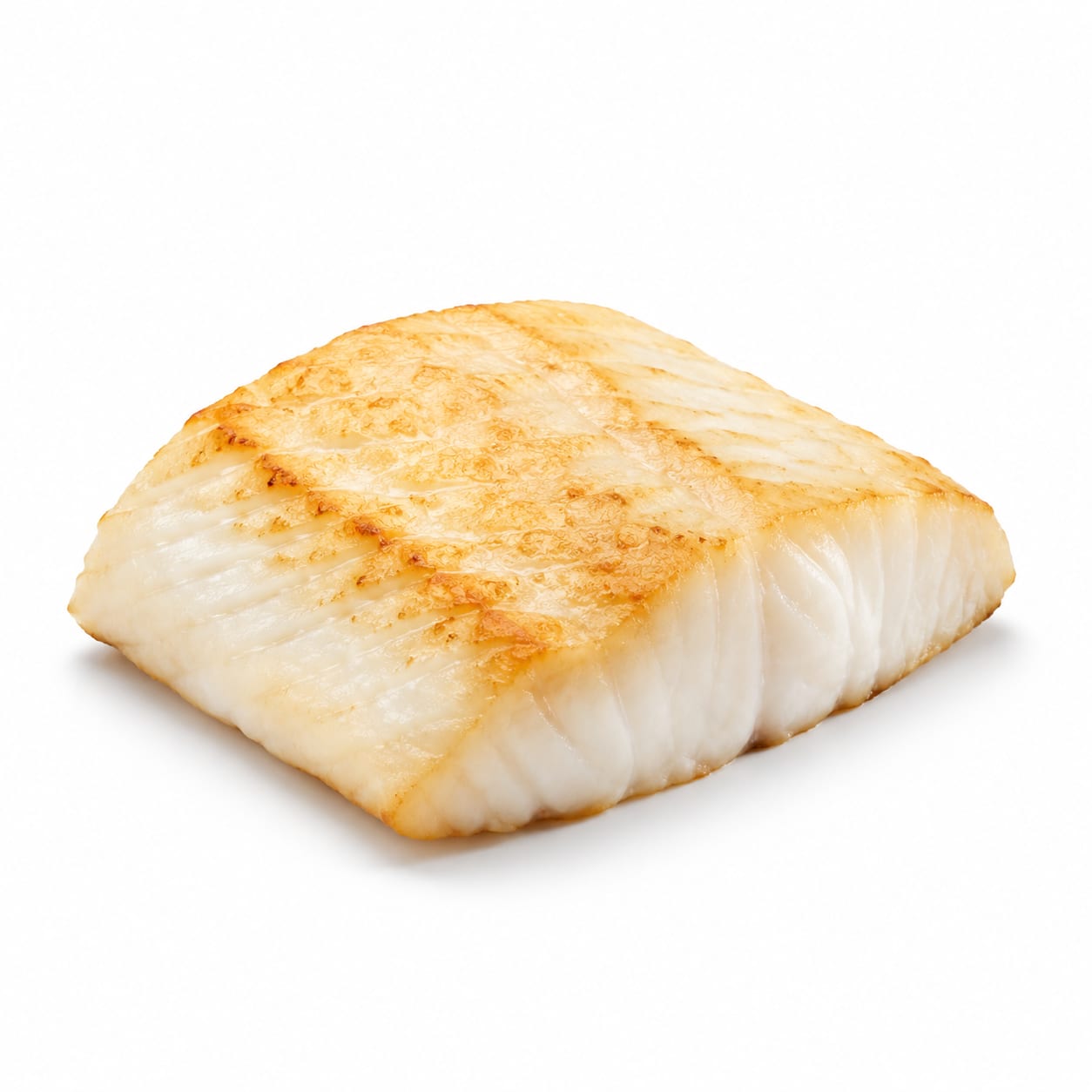
Compare with
Cod
Cod is a low-calorie lean protein, while mackerel is calorie-dense but packed with omega-3s and fat-soluble vitamins.
Cod is much lower in calories and fat, making it better for cutting, while mackerel dominates in omega-3s and vitamin D.
This food
Mackerel
VS95% alike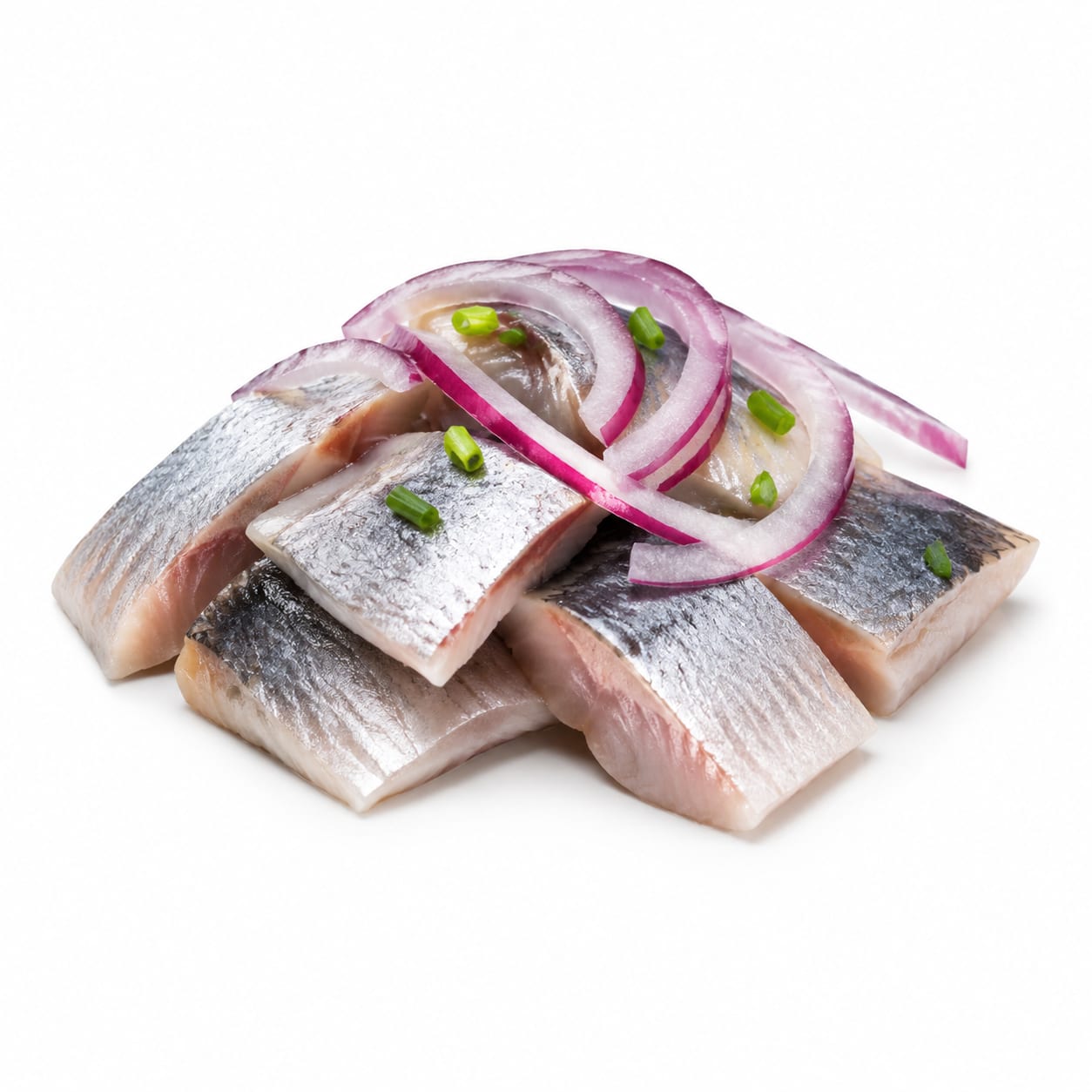
Compare with
Herring
Herring and mackerel are nutritionally similar, but mackerel generally has slightly more vitamin D and a richer flavor.
Herring and mackerel are closely matched omega-3 powerhouses, but mackerel offers slightly more vitamin D.
This food
Mackerel
VS85% alike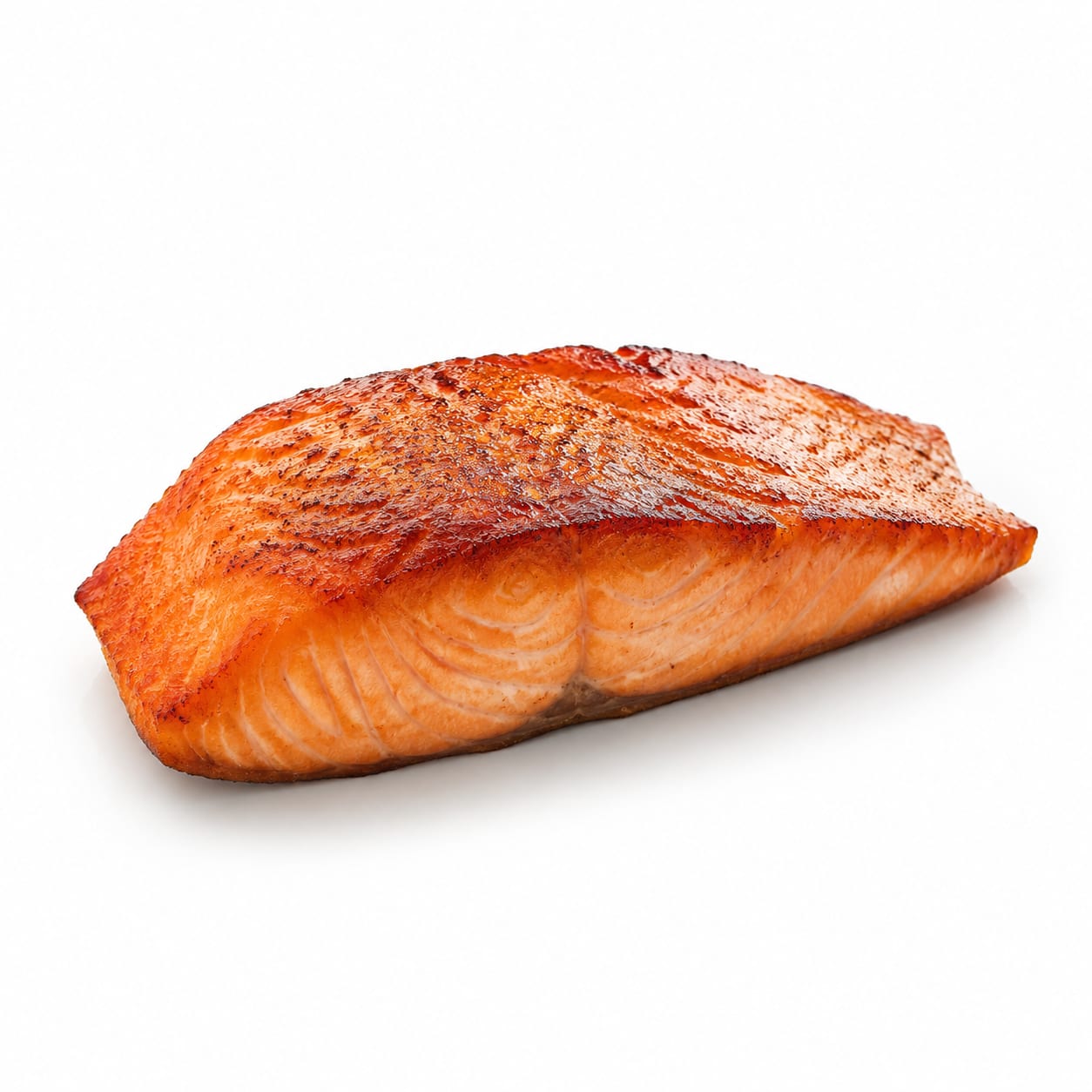
Compare with
Trout
Trout has a milder flavor and is usually farmed, while mackerel is wild-caught with higher omega-3 content.
Trout offers a milder taste and is often farmed, while mackerel is wild-caught with more omega-3s and B12.
This food
Mackerel
VS75% alike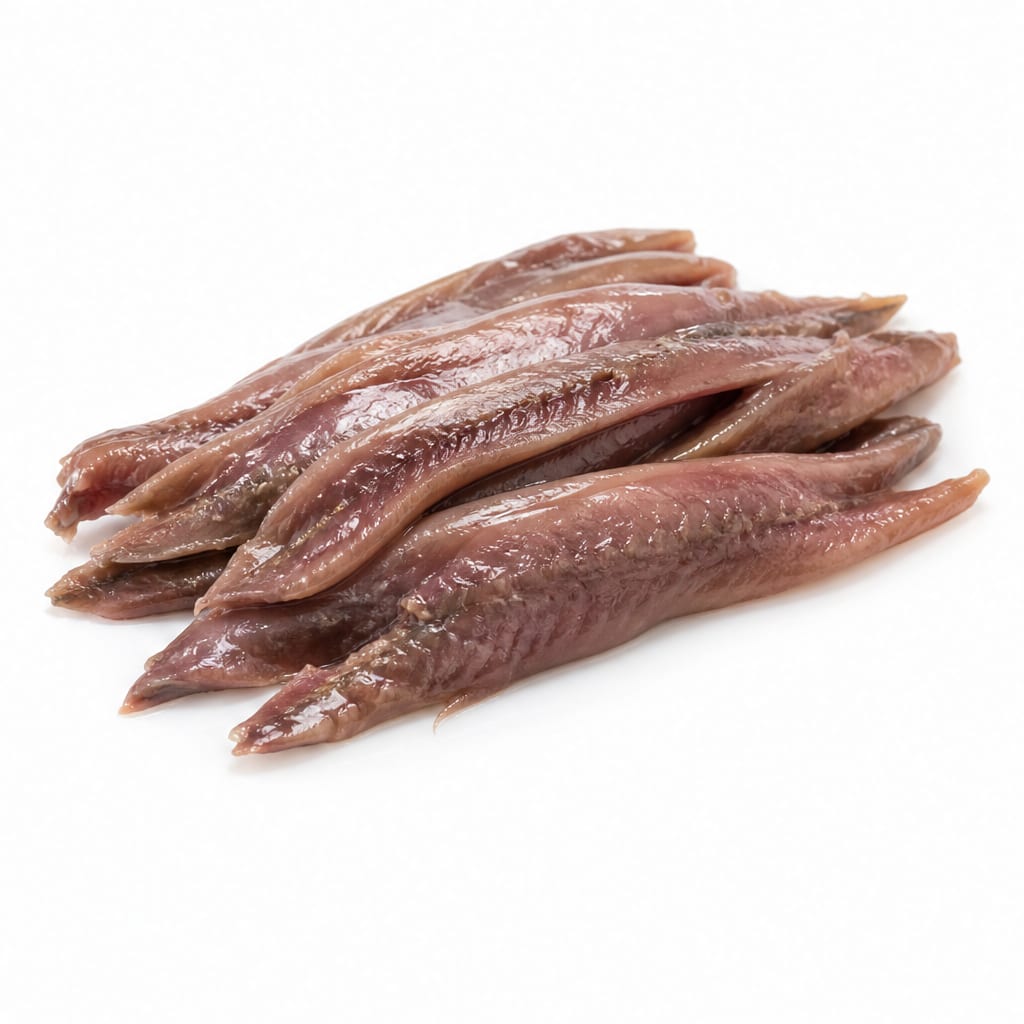
Compare with
Anchovies
Anchovies are used in small amounts as flavoring and are very high in calcium, while mackerel is eaten as a main protein dish.
Anchovies are high in calcium and used as flavor enhancers, while mackerel is a standalone protein with more omega-3s per serving.
This food
Mackerel
VS65% alike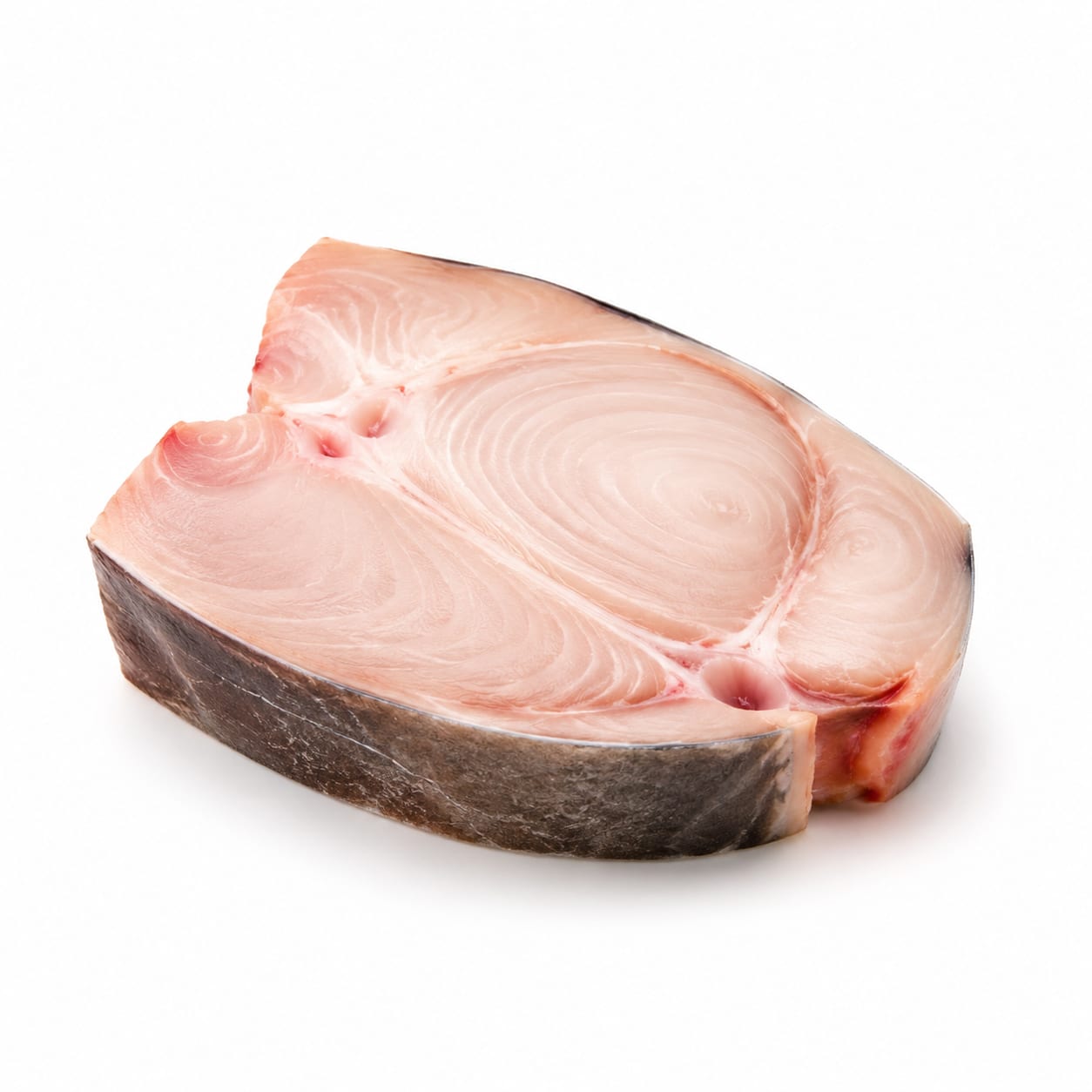
Compare with
Swordfish
Swordfish has a meaty texture and mild flavor, but it is very high in mercury, making mackerel (Atlantic) the safer regular choice.
Atlantic mackerel is much lower in mercury and higher in omega-3s than swordfish, making it a safer and healthier choice.
This food
Mackerel
VS50% alike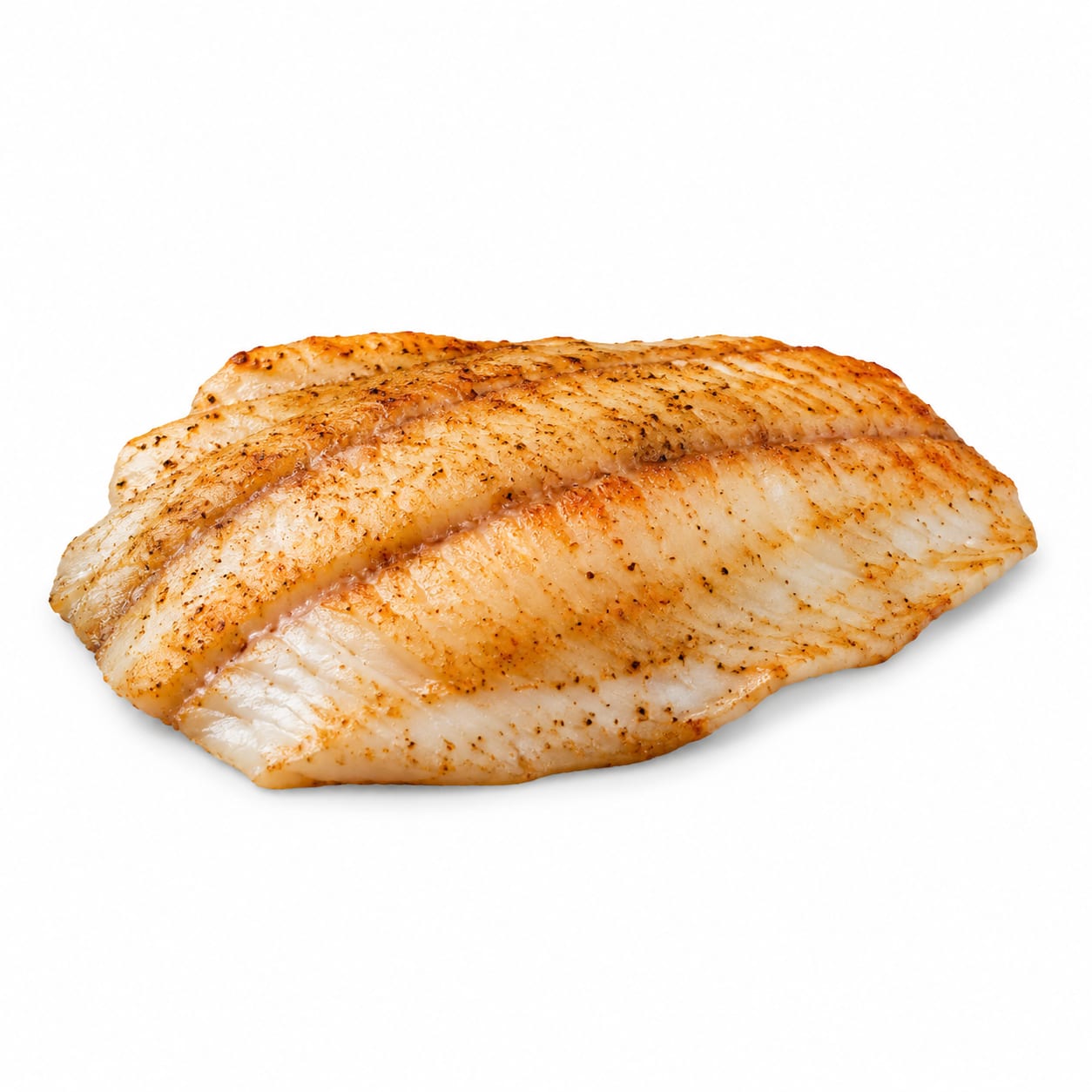
Compare with
Tilapia
Tilapia is a lean, mild, low-calorie fish, whereas mackerel is high in calories, healthy fats, and omega-3s.
Tilapia is a low-calorie lean fish, while mackerel is a high-omega-3 fatty fish with significantly more nutritional value per bite.
This food
Mackerel
VS55% alike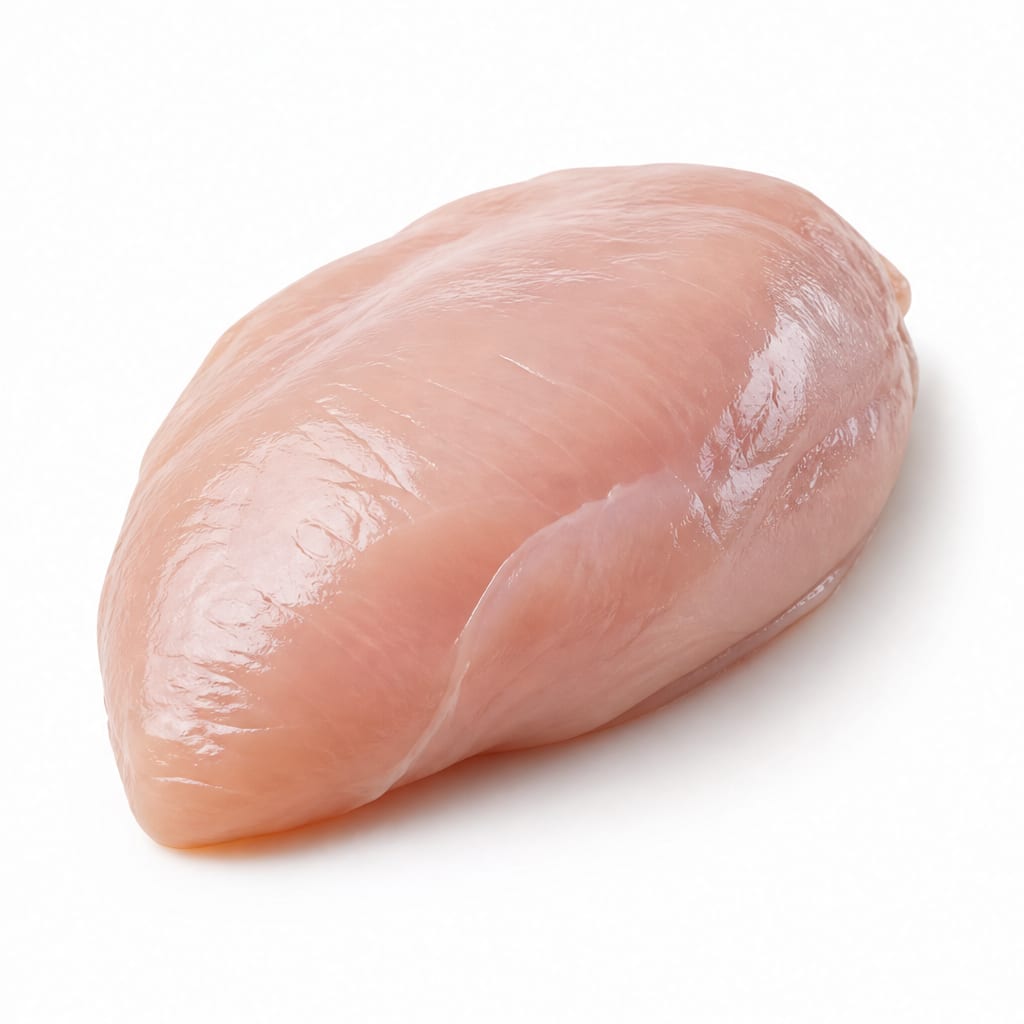
Compare with
Chicken Breast
Chicken breast is lower in calories and fat, while mackerel provides essential omega-3s and vitamin D that chicken lacks.
Chicken breast is leaner and better for pure calorie counting, but mackerel provides essential omega-3s and vitamin D.
Common questions
FAQ
Answers aligned with how people search for this food.
Is mackerel high in mercury?
Atlantic and Pacific mackerel are low in mercury and safe for regular consumption, but King mackerel is very high in mercury and should be avoided, especially by pregnant women.
Is mackerel good for weight loss?
Yes, its high protein and healthy fats increase fullness, though it is more calorie-dense than lean white fish so portion control is necessary.
Is canned mackerel healthy?
Yes, canned mackerel retains its omega-3s and protein, but you should check the label for added sodium and rinse it if on a low-salt diet.
Which is healthier, mackerel or salmon?
Both are excellent sources of omega-3s. Mackerel typically has more vitamin B12 and vitamin D, while salmon is slightly higher in omega-3s depending on the species.
Can diabetics eat mackerel?
Yes, mackerel has zero carbohydrates and will not raise blood sugar, while its healthy fats improve insulin sensitivity.
What does mackerel taste like?
Mackerel has a rich, pronounced fish flavor and oily texture, much stronger than mild white fish like cod or tilapia.
How should I cook mackerel?
Grilling, broiling, or baking are best. The high fat content keeps it moist and prevents it from drying out under high heat.
Can you eat mackerel every day?
While Atlantic mackerel is low in mercury, varying your seafood intake is recommended to balance nutrient profiles and minimize any contaminant accumulation.
Transparency
Data confidence
Estimated confidence for nutrition data, interpretation, safety notes, and comparisons.
Nutrition data
Health analysis
Food safety
Comparisons