
Nutrition comparison
Mackerel vs Sardines: Which Oily Fish Is Better for Your Health?
Compare mackerel and sardines on omega-3 content, mercury safety, calcium, convenience, and sustainability. Find out which fish is safer for daily eating and which delivers more nutrition per bite.
Overall winner · Sardines

Mackerel
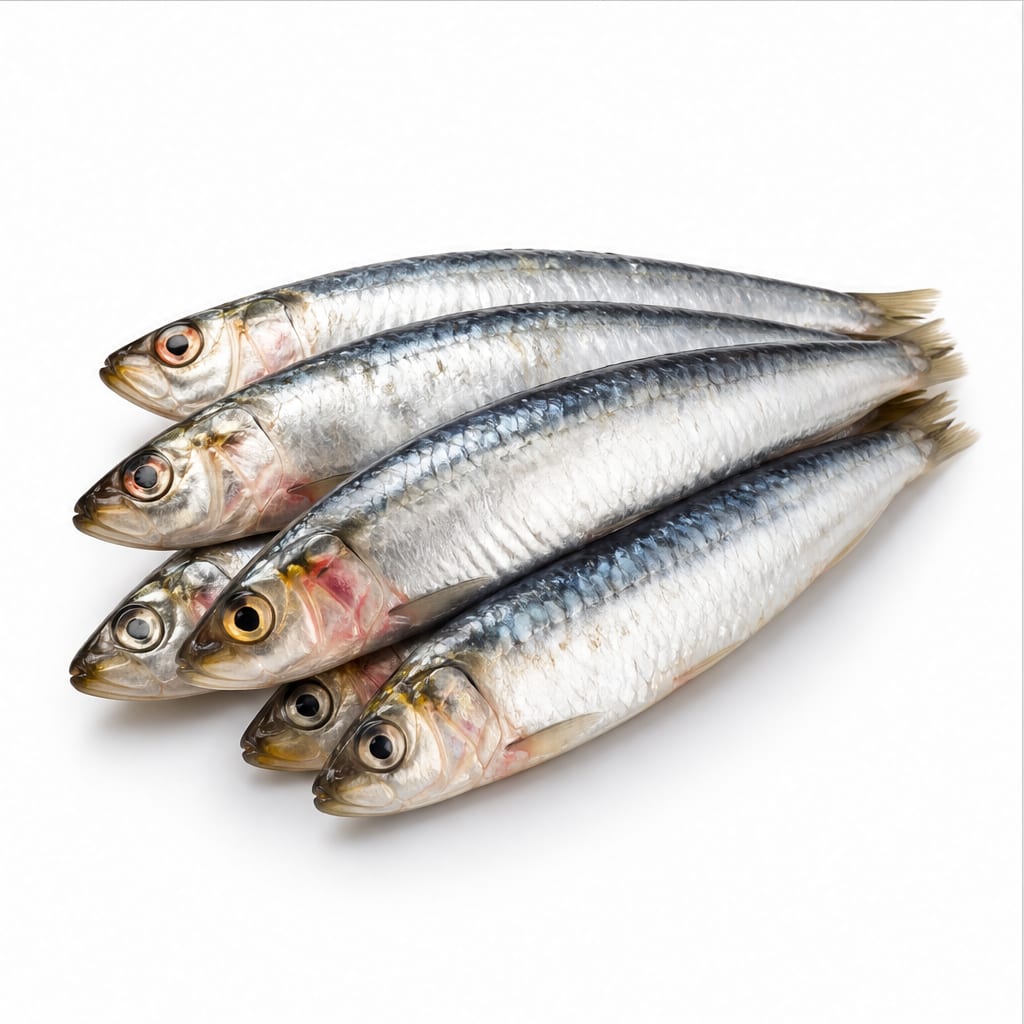
Sardines
Sardines edge out mackerel mainly due to consistently low mercury and built-in calcium from edible bones, making them safer for frequent eating.
Sardines score higher primarily on safety consistency and daily-use practicality. Mackerel is nutritionally excellent but its mercury variability and cooking requirement create real-world friction that lowers its everyday score.
Mackerel offers slightly more omega-3s and a meatier eating experience, but carries higher mercury risk and less convenience compared to sardines.
At a glance
Executive summary
Overall
Sardines
Healthier
Sardines
More practical
Sardines
Daily use
Sardines
Key comparison lenses
omega-3 and heart health optimization
Both are top-tier omega-3 sources, so users want to know which delivers more cardiovascular benefit
mercury and heavy metal safety
Mackerel species vary wildly in mercury; sardines are consistently low — this is the dealbreaker for many
daily consumption suitability
People choosing between these often want a fish they can eat several times per week safely
convenience and meal practicality
Sardines are shelf-stable and ready-to-eat; mackerel usually requires cooking and fresh handling
bone health and calcium
Canned sardines with bones deliver significant calcium that mackerel cannot match
Best choice for
Mackerel
- People who want a steak-like fish experience with maximum omega-3 per bite
- Those eating fish 1-2 times per week who prioritize flavor and texture
- Active individuals needing higher calorie density from healthy fats
Sardines
- Anyone eating fish 3+ times per week who needs a safe low-mercury option
- People wanting calcium from a whole-food source rather than supplements
- Busy people who need shelf-stable protein that requires zero cooking
Least suitable for
Mackerel
- Pregnant women and young children due to variable mercury levels
- Anyone planning to eat oily fish daily as a staple protein
- People sensitive to higher purine loads triggering gout flares
Sardines
- People who strongly dislike strong fishy flavors or soft textures
- Those seeking a hearty main course rather than a small side or topping
- Diners wanting a visually impressive centerpiece dish
Deep comparison
Dimension by dimension
Each lens scores both foods and breaks down who each option suits.
- Dimension 1 · Priority 95Mackerel
omega-3 and anti-inflammatory power
Mackerel · 93Sardines · 88Mackerel delivers slightly more EPA and DHA per serving, making it one of the most concentrated omega-3 sources available.
Tradeoff
The omega-3 gap is modest — both are elite sources — but mackerel wins on sheer density per bite.
Why it matters
More omega-3s mean stronger anti-inflammatory effects, better brain health, and improved heart markers with less food volume.
Real-world impact
If you eat fish only twice a week, mackerel maximizes what you get from each meal. If you eat fish daily, sardines still deliver plenty.
Mackerel
- Maximizing omega-3 intake when eating fish infrequently
- Reducing inflammation with fewer servings
Better for
- Mercury limits how often you can safely reap those omega-3 benefits
Worse for
Sardines
- Consistent moderate omega-3 intake without mercury accumulation risk
- Sustained anti-inflammatory benefits over years of daily consumption
Better for
- Slightly less omega-3 per serving means you may need larger or more frequent portions
Worse for
- Dimension 2 · Priority 92Sardines
mercury and heavy metal safety
Mackerel · 55Sardines · 94Sardines are among the lowest-mercury fish you can eat. Mackerel varies dramatically by species — King mackerel is dangerously high, while Atlantic mackerel is moderate.
Tradeoff
Mackerel's omega-3 advantage means little if mercury limits how often you can safely eat it. Sardines let you eat freely without tracking species or frequency.
Why it matters
Mercury accumulates in the body and affects neurological health, especially in developing brains. This is not a theoretical risk — it is the primary reason health agencies issue fish consumption limits.
Real-world impact
With sardines, you can eat them 5 times a week without a second thought. With mackerel, you need to know which species you are eating and cap yourself at 2-3 servings weekly.
Mackerel
- King mackerel is on the FDA do-not-eat list for pregnant women and children
- Even Atlantic mackerel requires moderation at 2-3 servings per week
- Restaurant mackerel is often unlabeled by species, creating uncertainty
Worse for
Sardines
- Pregnant and breastfeeding women who need safe omega-3 sources
- Parents feeding children who need low-mercury fish options
- Anyone eating fish as a daily staple protein source
Better for
- Dimension 3 · Priority 75Sardines
bone health and calcium
Mackerel · 20Sardines · 90Canned sardines with bones provide roughly 30-40% of daily calcium per serving. Mackerel fillets contain negligible calcium.
Tradeoff
Sardines deliver a rare whole-food calcium source with built-in vitamin D for absorption. Mackerel offers vitamin D but almost no calcium.
Why it matters
Most people under-consume calcium, and supplement-based calcium has mixed health evidence. Food-source calcium with natural vitamin D is far superior.
Real-world impact
A serving of sardines covers your calcium needs like a glass of milk would — without dairy. Mackerel gives you zero help here.
Mackerel
- Provides essentially no calcium unless you eat the spine bones, which most people do not
Worse for
Sardines
- Dairy-free individuals needing reliable calcium from food
- Older adults concerned about osteoporosis and bone density
- Anyone wanting to replace calcium supplements with whole-food sources
Better for
- Dimension 4 · Priority 80Sardines
convenience and everyday practicality
Mackerel · 40Sardines · 92Sardines are shelf-stable, open-and-eat, and require zero cooking. Mackerel is typically sold fresh or frozen and needs cooking and careful handling.
Tradeoff
Sardines trade culinary versatility for extreme convenience. Mackerel offers more cooking options but demands time and skill.
Why it matters
The healthiest food is the one you actually eat consistently. Convenience often determines whether a healthy option becomes a habit or a one-off.
Real-world impact
Sardines can live in your desk drawer or pantry for emergencies. Mackerel requires meal planning, refrigeration, and cooking — a higher barrier for busy people.
Mackerel
- Home cooks who enjoy preparing fish as a proper meal
- People who want grilled, baked, or pan-seared fish as a dinner centerpiece
Better for
- Fresh mackerel spoils quickly and requires same-day cooking
- Not available in most convenience stores or vending machines
Worse for
Sardines
- Office workers needing a no-prep protein option
- Backpackers and travelers needing shelf-stable nutrition
- Anyone who wants healthy food available with zero effort on tired days
Better for
- Limited to canned preparations for most people, which restricts culinary variety
Worse for
- Dimension 5 · Priority 72Sardines
sustainability and environmental impact
Mackerel · 62Sardines · 85Sardines are lower on the food chain, reproduce quickly, and are generally well-managed. Mackerel stocks vary by region and some populations are overfished.
Tradeoff
Both are more sustainable than large predatory fish like tuna, but sardines are the more reliable eco-choice across sources.
Why it matters
Choosing sustainable fish ensures these health benefits remain available long-term and reduces your environmental footprint.
Real-world impact
With sardines, you rarely need to check sustainability ratings. With mackerel, you should verify the source — some fisheries are well-managed, others are not.
Mackerel
- Atlantic mackerel from well-managed fisheries is a solid sustainable choice
Better for
- King mackerel and some regional stocks face overfishing pressure
- Requires more verification of sourcing to ensure sustainable choice
Worse for
Sardines
- Consistently rated as a best-choice sustainable seafood across most sources
- Low on the food chain meaning less resource-intensive to produce
Better for
- Dimension 6 · Priority 68Mackerel
taste and eating experience
Mackerel · 78Sardines · 55Mackerel has a rich, meaty texture that eats more like steak than fish. Sardines are softer, fishier, and more polarizing.
Tradeoff
Mackerel is more approachable for people who do not love fishy flavors. Sardines require acquired taste but offer unique umami depth.
Why it matters
Taste determines adherence. The most nutritious fish only helps if you are willing to eat it regularly.
Real-world impact
Mackerel can win over people who usually dislike fish. Sardines are a hard sell for picky eaters but beloved by fans of bold flavors.
Mackerel
- People who want a fish that does not taste overwhelmingly fishy
- Diners who enjoy grilling or searing and want a substantial fillet
Better for
- Can still be too strong for people used to mild white fish
Worse for
Sardines
- Mediterranean diet enthusiasts who enjoy strong umami flavors
- People who like adding fish to salads, toast, or pasta as a flavor accent
Better for
- Soft texture and intense flavor are dealbreakers for many first-timers
- Harder to serve as a standalone main course that satisfies like meat
Worse for
Timeline
Health impact over time
Short-term
Hours to days
Mackerel
- High protein and fat content provides lasting fullness for 4-5 hours
- Rich omega-3 dose may improve mental clarity and reduce afternoon brain fog
- Heavier meal feel can cause sluggishness if eaten in large portions at lunch
Sardines
- Quick-digesting protein with moderate fat gives steady energy without heaviness
- Calcium and vitamin D together support immediate nutrient absorption
- Strong flavor can trigger mild nausea in unaccustomed eaters
Long-term
Months to years
Mackerel
- Consistent omega-3 intake supports heart rhythm stability and triglyceride reduction
- If King mackerel is consumed regularly, mercury accumulation poses neurological risks
- High vitamin D contributes to immune resilience and mood stability over time
Sardines
- Regular consumption strongly correlates with reduced cardiovascular disease risk
- Calcium from bones supports long-term bone mineral density without supplements
- Consistently low mercury means safe daily consumption for decades without accumulation concerns
Risk profile
Safety & processing
Both are whole-food fish options with minimal processing. Fresh or frozen mackerel is essentially unprocessed. Canned sardines may contain salt and oil, but quality brands keep additives minimal. Choose water-packed or olive-oil-packed sardines with no added preservatives for the cleanest option.
Mackerel
Mercury contamination
highKing mackerel is a high-mercury species on the FDA avoidance list. Atlantic mackerel is moderate but still requires limiting to 2-3 servings per week. Species identification at restaurants is often unreliable.
Histamine toxicity
mediumMackerel is a histamine-producing fish. If not kept consistently cold after catch, it can cause scombroid poisoning with symptoms like flushing, headache, and heart palpitations.
Parasitic contamination
lowFresh mackerel can carry anisakis parasites. Proper cooking or freezing eliminates this risk. Raw preparations require previously frozen fish.
Sardines
Sodium in canned versions
mediumCanned sardines often contain 200-400mg sodium per serving. Water-packed no-salt-added versions exist but are less common. Monitor intake if managing blood pressure.
BPA from can linings
lowSome canned sardines use BPA-lined cans. Look for BPA-free labeled brands to minimize exposure, though many premium producers have switched.
Purine load
lowSardines are high in purines, which can trigger gout flares in susceptible individuals. This is not a concern for most people but relevant for gout sufferers.
Who wins for whom
Audience fit
Same foods, different winners depending on your goal.
children
SardinesLow mercury is non-negotiable for developing brains. Sardines are on the FDA best-choices list for children. Mackerel species variation creates unacceptable uncertainty for kids.
daily consumption
SardinesSardines can be safely eaten daily. Mackerel should be limited to 2-3 times per week even at its safest. For a daily habit, sardines are the clear choice.
diabetes
SardinesBoth have zero carbohydrates and will not spike blood sugar. Sardines win on daily-use safety since consistent omega-3 intake helps insulin sensitivity without mercury accumulation concerns.
elderly
SardinesSardines provide calcium for bone density, omega-3s for cognitive health, and are easy to eat without heavy chewing. The low mercury profile is safer for slower-metabolizing older bodies.
muscle gain
MackerelMackerel provides more protein and calories per serving, supporting the higher caloric needs of muscle-building phases. The richer fat content also aids calorie surplus.
weight loss
SardinesSardines are lower in calories per serving while still providing strong satiety from protein and fat. Their convenience also makes them easier to integrate into consistent meal patterns.
Your move
Decision guide
Choose Mackerel
- You eat fish only 1-2 times per week and want maximum omega-3 per serving
- You can reliably source Atlantic or chub mackerel and avoid King mackerel
- You enjoy cooking fish and want a versatile fillet for grilling or searing
- You need higher calorie density from healthy fats for athletic performance
Choose Sardines
- You want a fish you can eat 3-5 times per week without mercury worries
- You need shelf-stable protein that requires zero preparation
- You want calcium from food instead of supplements, especially if dairy-free
- You are pregnant, breastfeeding, or feeding young children
- You care about consistently sustainable seafood choices
Either works if
- You simply want more omega-3s in your diet and currently eat little to no fish
- You are looking to reduce red meat consumption with healthier protein alternatives
- You enjoy Mediterranean-style eating patterns
Avoid both if
- You have gout and are sensitive to high-purine foods
- You have a confirmed fish allergy
- You cannot tolerate strong-flavored fish and prefer mild white fish like cod or tilapia
Final recommendation
Make sardines your default daily fish for their safety, calcium, and convenience. Enjoy mackerel as an occasional treat when you can verify the species and want a heartier meal. This combination gives you the best of both: sardines for consistency, mackerel for variety and peak omega-3 density.
Practical
Consumer tips
- 1
For sardines, choose bone-in skin-on varieties packed in water or olive oil for maximum calcium and omega-3 content
- 2
Always verify mackerel species — Atlantic and chub mackerel are safe choices; King mackerel should be completely avoided
- 3
If sodium is a concern, rinse canned sardines before eating or seek no-salt-added brands
- 4
Freeze fresh mackerel for at least 24 hours before cooking to eliminate parasite risk
- 5
Start with sardines on toast with mustard and lemon — the acidity and crunch make the strong flavor far more approachable
- 6
Look for BPA-free canned sardines from reputable Mediterranean or Pacific fisheries
- 7
If new to sardines, try them mashed into pasta sauce or on a salad where their flavor blends rather than dominates