
Nutrition comparison
Mackerel vs Swordfish: Mercury, Omega-3, and Health Compared
Discover the key differences between Mackerel and Swordfish. Learn why Mackerel is safer for regular consumption and how mercury levels impact your health.
Overall winner · Mackerel
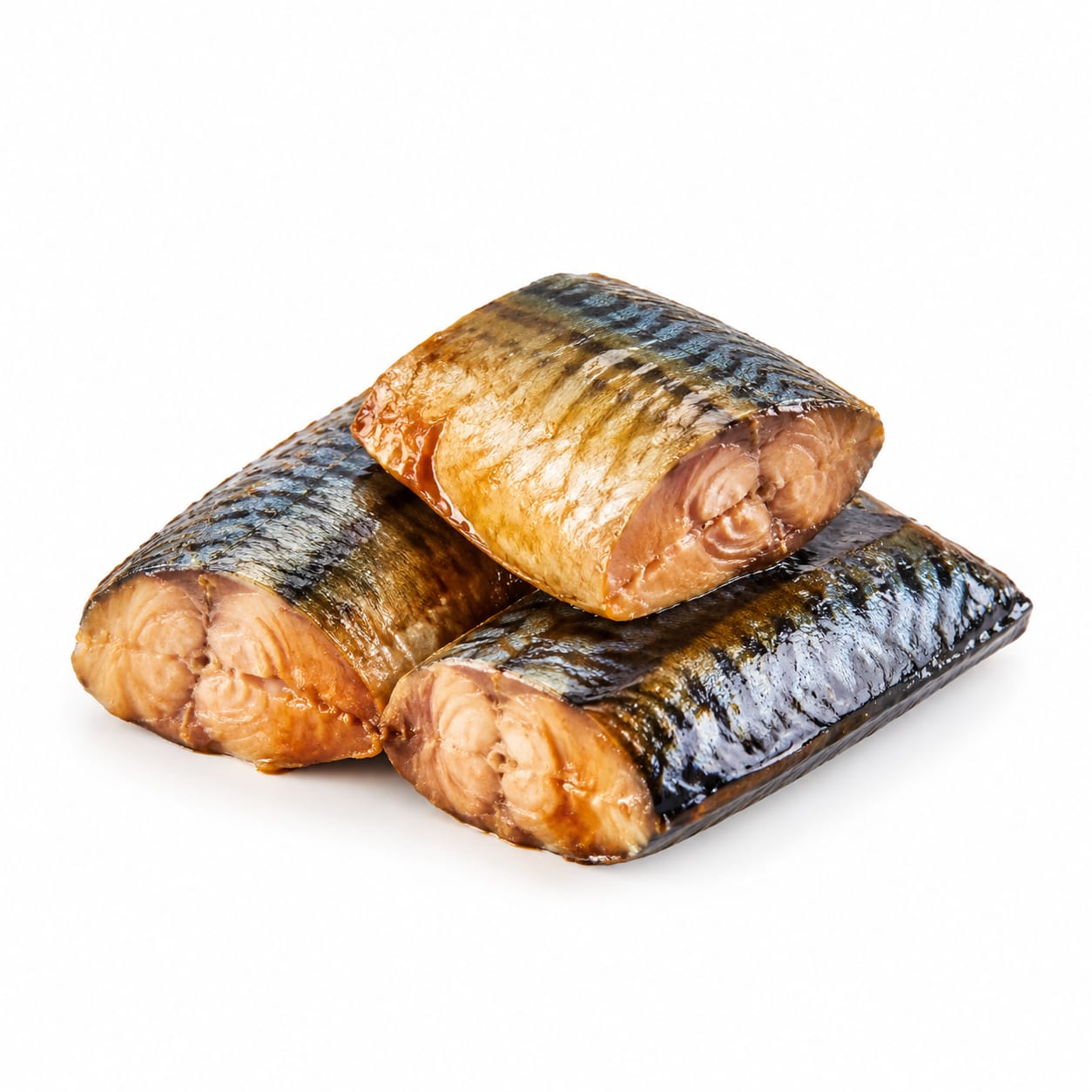
Mackerel
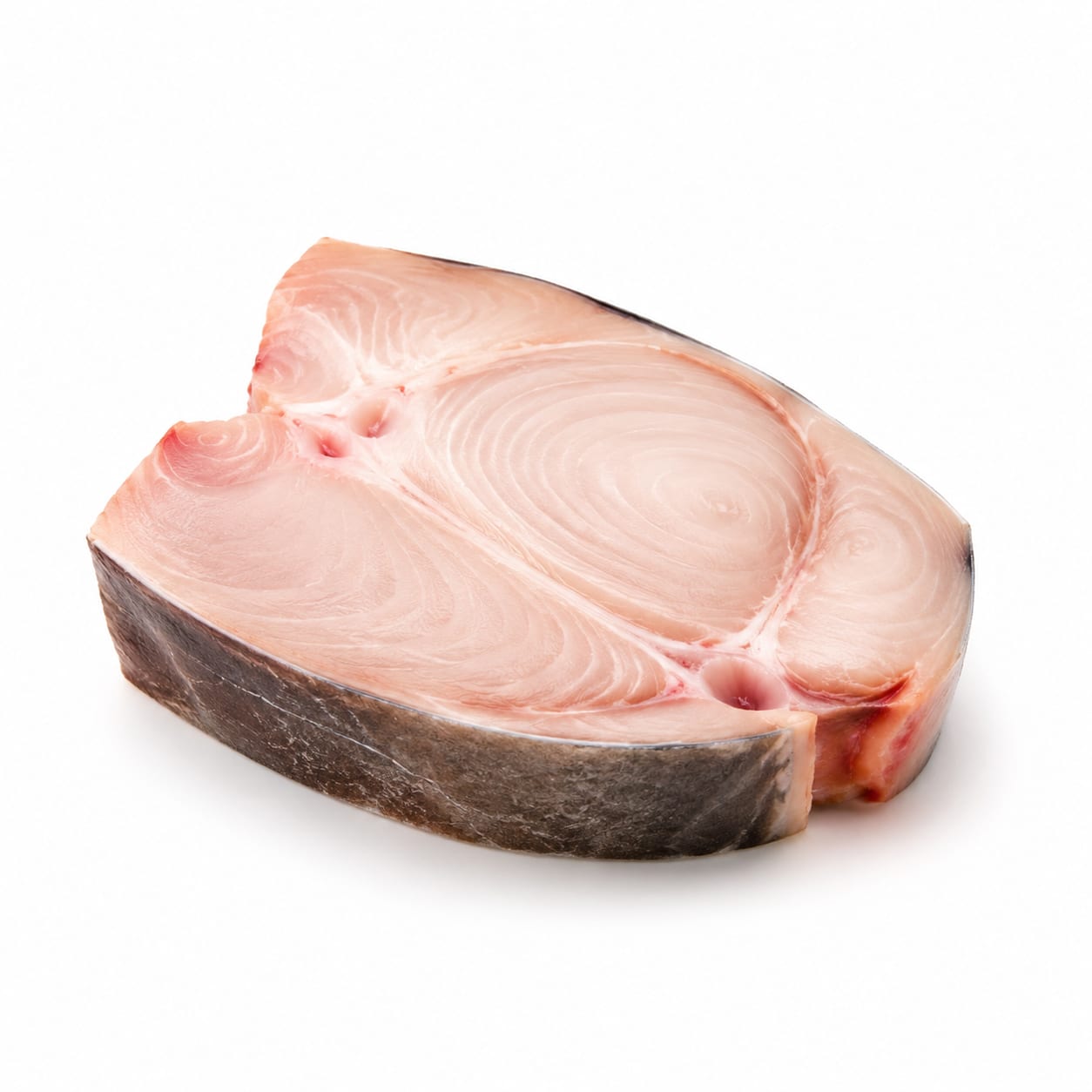
Swordfish
Mackerel is the clear winner for regular consumption due to its superior omega-3 content and drastically lower mercury levels, while Swordfish offers a meaty steak-like experience but carries significant heavy metal risks.
Mackerel scores significantly higher because its outstanding omega-3 benefits and low mercury risk far outweigh Swordfish's protein density and culinary appeal, which are undermined by severe contamination concerns.
You trade the steak-like texture and mild flavor of Swordfish for the heart-healthy oils and safer mercury profile of Mackerel.
At a glance
Executive summary
Overall
Mackerel
Healthier
Mackerel
More practical
Mackerel
Daily use
Mackerel
Key comparison lenses
Mercury and heavy metal exposure
Swordfish is notoriously high in mercury, making safety the primary concern when comparing these two fish.
Omega-3 fatty acid intake
Mackerel is one of the richest sources of omega-3s, while Swordfish offers far less.
Safe consumption frequency
Mercury levels directly dictate how often each fish can safely be eaten.
Heart and brain health
The omega-3 disparity makes Mackerel vastly superior for cardiovascular and cognitive support.
Culinary texture and flavor preference
Swordfish offers a unique steak-like texture, whereas Mackerel has a richer, oilier profile.
Best choice for
Mackerel
- Heart health
- Pregnancy-safe seafood
- Budget-friendly omega-3s
Swordfish
- Grilling enthusiasts
- Steak-like texture lovers
- Occasional indulgent dinners
Least suitable for
Mackerel
- People who dislike strong fishy flavors
Swordfish
- Pregnant women
- Children
- Frequent seafood eaters
Deep comparison
Dimension by dimension
Each lens scores both foods and breaks down who each option suits.
- Dimension 1 · Priority 90Mackerel
Heart & Brain Nutrition
Mackerel · 95Swordfish · 45Mackerel is loaded with EPA and DHA omega-3s, making it a top-tier brain and heart food. Swordfish provides minimal omega-3s.
Tradeoff
Choosing Swordfish means missing out on the powerful anti-inflammatory benefits that oily fish like Mackerel provide.
Why it matters
Omega-3s are critical for reducing heart disease risk and supporting cognitive function.
Real-world impact
Eating Mackerel regularly can lead to steadier energy and better long-term heart health, while Swordfish acts more like plain protein.
Mackerel
- People prioritizing cardiovascular health
- Those eating seafood for brain benefits
Better for
- People taking blood thinners who must limit omega-3s
Worse for
Swordfish
- Those who only care about protein intake
Better for
- Anyone relying on fish for anti-inflammatory benefits
Worse for
- Dimension 2 · Priority 95Mackerel
Mercury & Contamination Safety
Mackerel · 90Swordfish · 20Atlantic Mackerel is very low in mercury, making it safe for frequent meals. Swordfish is an apex predator with some of the highest mercury levels in the ocean.
Tradeoff
Swordfish's meaty texture comes at the cost of high heavy metal accumulation, strictly limiting how often you can safely eat it.
Why it matters
High mercury exposure damages the nervous system and is especially dangerous for developing brains.
Real-world impact
You can eat Mackerel twice a week safely, but Swordfish should be limited to once a month or less to avoid toxicity.
Mackerel
- Pregnant women and children
- People eating fish multiple times a week
Better for
- No significant downside regarding safety
Worse for
Swordfish
- Adults who rarely eat seafood and want a rare treat
Better for
- Couples trying to conceive
- Growing children
Worse for
- Dimension 3 · Priority 70Swordfish
Protein & Satiety
Mackerel · 80Swordfish · 88Swordfish is extremely protein-dense with a firm texture that feels like a steak, keeping you full for hours. Mackerel is satisfying but lighter.
Tradeoff
Swordfish delivers a heavier, more filling protein punch, while Mackerel offers a richer but less dense eating experience.
Why it matters
Higher protein density helps with muscle maintenance and keeps hunger at bay longer.
Real-world impact
A Swordfish steak feels like a hearty dinner that anchors a meal, while Mackerel feels more like a rich but lighter entrée.
Mackerel
- Those wanting a filling but lighter meal
Better for
- Those needing massive protein portions
Worse for
Swordfish
- Athletes needing dense post-workout protein
- People who find fish unsatisfying
Better for
- Light eaters who find heavy meals uncomfortable
Worse for
- Dimension 4 · Priority 60It depends
Culinary Experience & Versatility
Mackerel · 75Swordfish · 75Swordfish excels on the grill with its steak-like hold, while Mackerel shines in preparations that embrace its rich, oily nature.
Tradeoff
Swordfish is mild and meaty, appealing to fish skeptics, while Mackerel has a pronounced flavor that pairs beautifully with bold seasonings.
Why it matters
Enjoyment dictates whether a healthy food stays in your rotation.
Real-world impact
Choose Swordfish for a backyard BBQ, and choose Mackerel for a Mediterranean-style salad or pate.
Mackerel
- Fans of rich, savory fish flavors
- Those who enjoy smoked or preserved fish
Better for
- Those wanting a neutral canvas for sauces
Worse for
Swordfish
- People who dislike fishy tastes
- Grilling purists
Better for
- Recipes requiring flaky or oily fish
Worse for
Timeline
Health impact over time
Short-term
Hours to days
Mackerel
- Provides steady, sustained energy from healthy fats
- Highly satisfying due to rich oil content
Swordfish
- Very filling due to dense, meaty protein
- May feel heavy if eaten in large portions
Long-term
Months to years
Mackerel
- Supports cardiovascular health and cognitive function
- Reduces inflammatory markers throughout the body
Swordfish
- Mercury accumulation can impair neurological function
- Frequent consumption increases risk of heavy metal toxicity
Risk profile
Safety & processing
Both Mackerel and Swordfish are typically sold as fresh or frozen whole fillets with no additives, making them equally natural choices.
Mackerel
Mercury (King Mackerel variant)
mediumAtlantic Mackerel is very low in mercury, but King Mackerel is extremely high. Always verify you are buying Atlantic Mackerel.
Swordfish
Mercury
highSwordfish is an apex predator with some of the highest mercury levels among seafood, making it unsafe for frequent consumption or vulnerable populations.
Microplastics
mediumLarge predatory fish accumulate higher levels of ocean-borne contaminants and microplastics over their long lifespans.
Who wins for whom
Audience fit
Same foods, different winners depending on your goal.
children
MackerelAtlantic Mackerel is safe for developing nervous systems, whereas Swordfish's mercury content poses severe developmental risks.
daily consumption
MackerelMackerel can be safely consumed multiple times a week, while Swordfish should be strictly limited to rare occasions.
diabetes
MackerelThe abundant omega-3s in Mackerel improve insulin sensitivity and reduce inflammation, which is crucial for blood sugar management.
elderly
MackerelMackerel supports cognitive health and fights age-related inflammation without the neurological risks associated with Swordfish.
muscle gain
SwordfishSwordfish provides a slightly higher protein density per calorie, making it highly efficient for muscle building when eaten occasionally.
weight loss
MackerelMackerel has fewer calories per serving while providing satiating healthy fats that keep you full longer without the heavy metal baggage.
Your move
Decision guide
Choose Mackerel
- You want a heart-healthy fish you can eat weekly
- You are pregnant, nursing, or feeding children
- You want maximum omega-3s per bite
Choose Swordfish
- You crave a meaty, steak-like fish for the grill
- You only eat seafood occasionally and want a premium texture
- You are an adult with low overall fish consumption
Either works if
- You need a high-quality, zero-carb protein source for dinner
- You are looking for a paleo-friendly main course
Avoid both if
- You have a severe fish allergy
- You are strictly vegan or vegetarian
Final recommendation
Make Mackerel your go-to fish for regular meals to safely boost your omega-3 intake. Save Swordfish for very rare occasions if you love its texture, but treat it as an indulgence rather than a staple due to its high mercury content.
Practical
Consumer tips
- 1
When buying Mackerel, specifically look for Atlantic Mackerel to ensure low mercury levels; strictly avoid King Mackerel.
- 2
Limit Swordfish to no more than one serving per month if you choose to eat it at all.
- 3
Canned Mackerel is a budget-friendly, high-omega-3 pantry staple that works great in salads or on toast.
- 4
Pair Mackerel with bold flavors like mustard, citrus, or ginger to balance its rich, oily profile.