
Nutrition comparison
Mackerel vs Tuna: Mercury, Omega-3, and Health Compared
Mackerel vs Tuna: Which is healthier? Compare omega-3s, mercury levels, protein, and safety. Find out which fish is best for your diet.
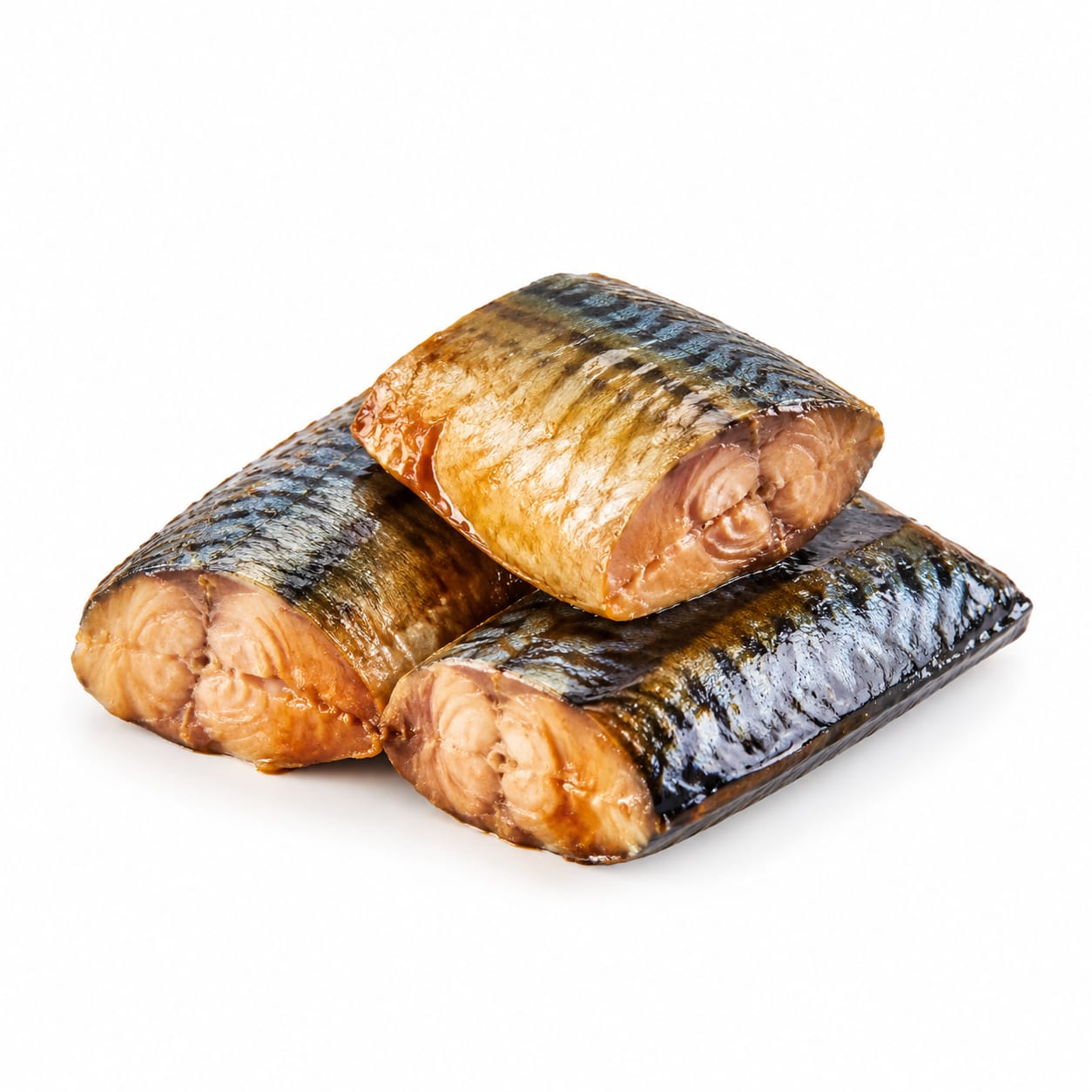
Mackerel
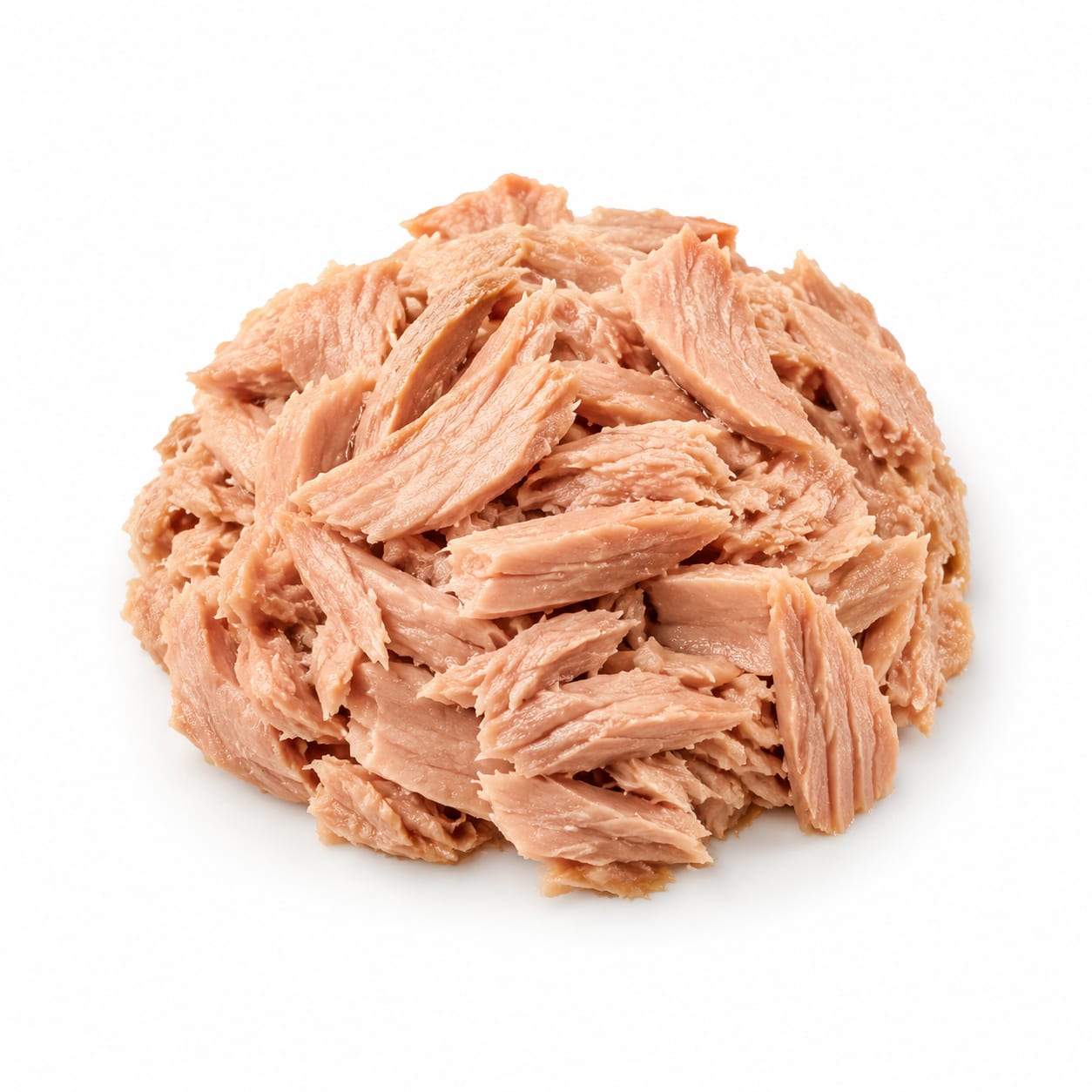
Tuna
Mackerel dominates in omega-3s and lower mercury (if Atlantic), while Tuna offers leaner protein and unbeatable convenience.
Mackerel scores higher due to its superior omega-3 profile and generally lower mercury risk (Atlantic/Chub), but Tuna remains highly relevant for its lean protein and convenience.
Heart-healthy fats and lower mercury (Mackerel) versus higher protein density and pantry convenience (Tuna).
At a glance
Executive summary
Overall
It depends
Healthier
Mackerel
More practical
Tuna
Daily use
Mackerel
Key comparison lenses
Omega-3 fatty acid intake and heart health
Mackerel is famously rich in omega-3s, making it a go-to for heart health, while Tuna provides far less.
Mercury exposure and heavy metal safety
Mercury content is the primary safety concern when eating large ocean fish regularly, and the difference between these two is significant.
Protein density and leanness for muscle gain
Tuna is a bodybuilding staple due to its ultra-lean protein, whereas Mackerel carries more fat.
Convenience and pantry accessibility
Canned Tuna is ubiquitous and cheap, while Mackerel is slightly less common in standard grocery stores.
Best choice for
Mackerel
- boosting omega-3 intake naturally with Mackerel
- heart health and anti-inflammatory diets using Mackerel
- frequent seafood eaters wanting lower mercury via Atlantic Mackerel
Tuna
- high-protein low-calorie diets with Tuna
- budget-friendly meal prep using canned Tuna
- quick pantry lunches with Tuna
Least suitable for
Mackerel
- people who dislike strong-flavored or oily fish like Mackerel
- those needing ultra-lean protein instead of Mackerel
Tuna
- pregnant women avoiding high-mercury Tuna
- those seeking high omega-3s without supplements who find Tuna insufficient
Deep comparison
Dimension by dimension
Each lens scores both foods and breaks down who each option suits.
- Dimension 1 · Priority 95Mackerel
Omega-3 & Heart Health
Mackerel · 95Tuna · 55Mackerel is one of the richest sources of EPA and DHA omega-3s, far surpassing Tuna.
Tradeoff
You get significantly more anti-inflammatory fats with Mackerel, while Tuna provides very little.
Why it matters
Omega-3s are critical for heart and brain health, and most people do not get enough from their diet.
Real-world impact
Eating Mackerel twice a week can meaningfully improve your omega-3 levels without needing fish oil supplements.
Mackerel
- Mackerel for reducing inflammation
- Mackerel for lowering triglycerides
- Mackerel for brain health
Better for
Tuna
- Tuna for relying on omega-3s
Worse for
- Dimension 2 · Priority 90Mackerel
Mercury & Contaminant Safety
Mackerel · 85Tuna · 50Atlantic and Chub Mackerel are low in mercury, while most Tuna (especially Albacore) accumulates significant mercury.
Tradeoff
Choosing Mackerel lets you eat fish more often without worrying about heavy metal buildup.
Why it matters
High mercury exposure affects neurological health and is especially risky for pregnant women and children.
Real-world impact
You can safely eat Atlantic Mackerel 2-3 times a week, whereas Albacore Tuna should be limited to once a week or less.
Mackerel
- Mackerel for pregnant women
- Mackerel for children
- Mackerel for frequent fish eaters
Better for
Tuna
- Tuna for pregnant women
- Tuna for daily consumption
Worse for
- Dimension 3 · Priority 80Tuna
Protein Density & Leanness
Mackerel · 70Tuna · 95Tuna is incredibly lean and packs more protein per calorie than Mackerel.
Tradeoff
Tuna is better for strict calorie counting and muscle gain, while Mackerel's fats add extra calories.
Why it matters
If you are tracking macros or cutting fat, the leanness of your protein source makes a big difference.
Real-world impact
A can of Tuna delivers pure protein for muscle recovery without the extra calories from fat.
Mackerel
- Mackerel for strict calorie restriction
Worse for
Tuna
- Tuna for lean muscle gain
- Tuna for low-calorie diets
- Tuna for macro tracking
Better for
- Dimension 4 · Priority 75Tuna
Convenience & Cost
Mackerel · 60Tuna · 90Canned Tuna is a ubiquitous, cheap pantry staple, whereas Mackerel is less common and often pricier.
Tradeoff
Tuna is easier to find and meal prep with, while Mackerel might require seeking out specific brands or fish counters.
Why it matters
Convenience often dictates what we actually eat on a busy Tuesday.
Real-world impact
Grabbing a can of Tuna for a quick lunch is effortless; finding good Mackerel takes more effort.
Mackerel
- Mackerel for spontaneous meals
Worse for
Tuna
- Tuna for quick lunches
- Tuna for budget meal prep
- Tuna for pantry stocking
Better for
Timeline
Health impact over time
Short-term
Hours to days
Mackerel
- Mackerel provides sustained energy from healthy fats
- Mackerel is very satiating due to its high fat content
Tuna
- Tuna offers quick digesting lean protein
- Tuna keeps meals feeling light and low-calorie
Long-term
Months to years
Mackerel
- Mackerel supports cardiovascular health
- Mackerel reduces chronic inflammation
- Mackerel lowers risk of mercury accumulation (if Atlantic)
Tuna
- Tuna supports muscle maintenance
- Tuna carries potential mercury accumulation if consumed too frequently
- Tuna provides lower omega-3 benefits for heart health
Risk profile
Safety & processing
Both are typically canned with just water or oil and salt, making them whole food options. Always check labels for added sodium or broths.
Mackerel
Mercury exposure
lowAtlantic and Chub Mackerel are low in mercury. However, King Mackerel is extremely high and should be avoided entirely.
Histamine toxicity
mediumMackerel is a histamine-producing fish; if not properly chilled, it can cause scombroid poisoning, leading to flushing and rash.
Tuna
Mercury exposure
highAlbacore Tuna is notably high in mercury. Light Tuna is lower but still requires moderation, especially for pregnant women.
Who wins for whom
Audience fit
Same foods, different winners depending on your goal.
children
MackerelLower mercury levels in Atlantic Mackerel make it safer for developing nervous systems, plus the fats support brain growth.
daily consumption
MackerelLower mercury in Atlantic Mackerel allows for more frequent consumption than Tuna.
diabetes
MackerelThe healthy fats in Mackerel stabilize blood sugar better than lean protein alone.
elderly
MackerelThe high omega-3 content in Mackerel protects against cognitive decline and heart disease, common concerns in aging.
muscle gain
TunaTuna's higher protein density per calorie supports muscle building without excess fat.
weight loss
TunaTuna's lean profile makes it easier to fit into a strict calorie deficit.
Your move
Decision guide
Choose Mackerel
- You want to boost omega-3s naturally with Mackerel
- You eat fish frequently and worry about mercury in Tuna
- You prefer richer, more flavorful fish like Mackerel
- You are pregnant or feeding children (Atlantic/Chub Mackerel only)
Choose Tuna
- You need a cheap, lean protein source like Tuna
- You are counting calories or macros strictly with Tuna
- You want an easy pantry staple like Tuna for quick meals
- You prefer a milder tasting fish like Tuna
Either works if
- You need a no-cook protein option like Mackerel or Tuna
- You are making a fish salad or sandwich with Mackerel or Tuna
- You want a break from chicken or beef using Mackerel or Tuna
Avoid both if
- You have a severe fish allergy to Mackerel or Tuna
- You are strictly vegan or vegetarian and avoid Mackerel and Tuna
Final recommendation
Choose Atlantic or Chub Mackerel for everyday health benefits and superior omega-3s with less mercury worry. Opt for Tuna when you need ultra-lean protein on a budget, but limit it to a few times a week to manage mercury intake.
Practical
Consumer tips
- 1
When buying Mackerel, always look for 'Atlantic' or 'Chub' to ensure low mercury; avoid King Mackerel entirely.
- 2
Choose canned light Tuna over Albacore Tuna to cut your mercury exposure by about a third.
- 3
Rinse canned Mackerel or Tuna under water to reduce the sodium content by up to 20%.
- 4
If you find Mackerel too fishy, try mixing it with strong flavors like mustard, lemon, or hot sauce.
- 5
Stock both: use Tuna for post-workout salads and Mackerel for heart-healthy dinner croutons or pasta.