
Nutrition comparison
Mackerel vs Cod: Omega-3, Mercury, and Health Comparison
Compare Mackerel vs Cod for omega-3s, mercury levels, and weight loss. Find out which fish is safer for daily use and which is better for heart health.
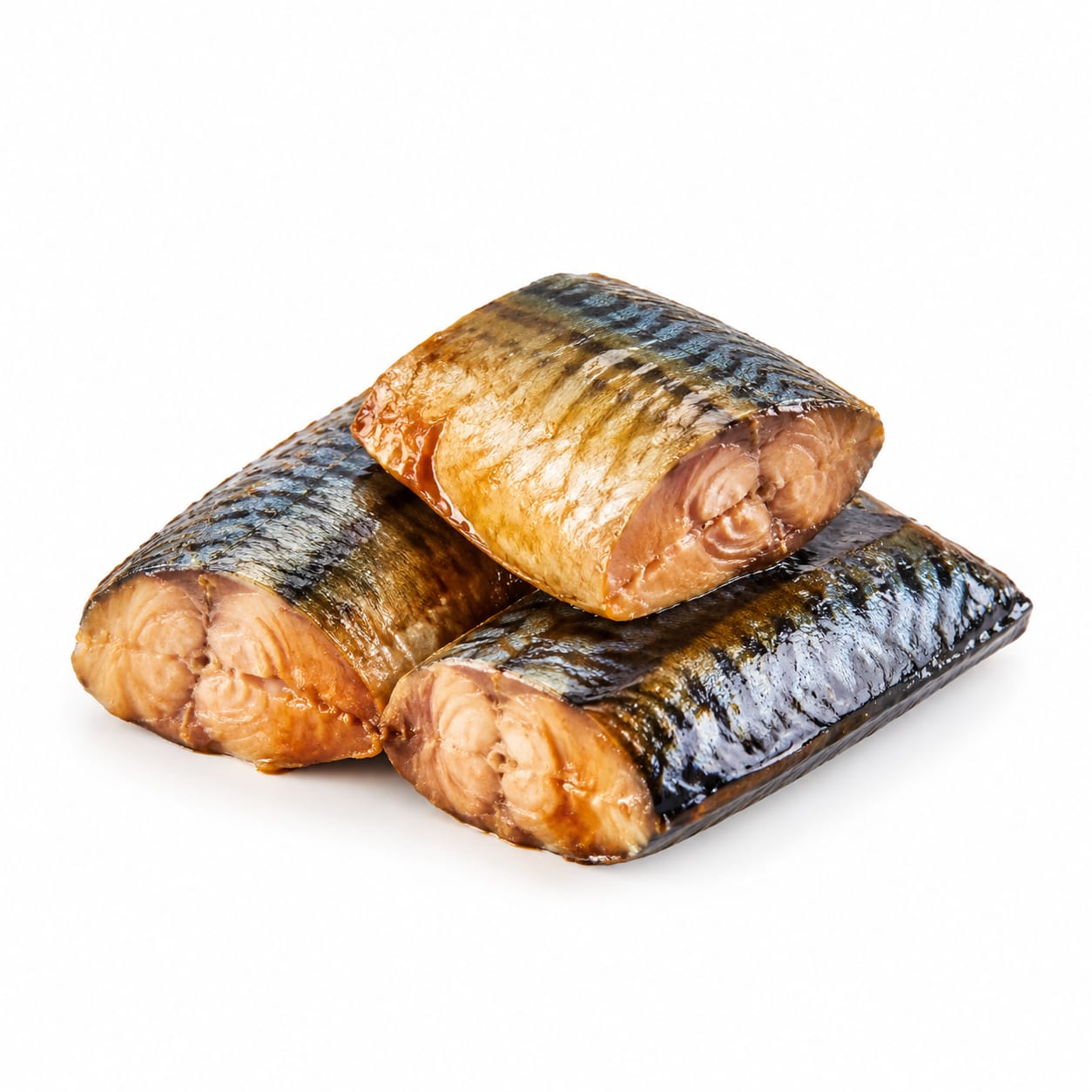
Mackerel
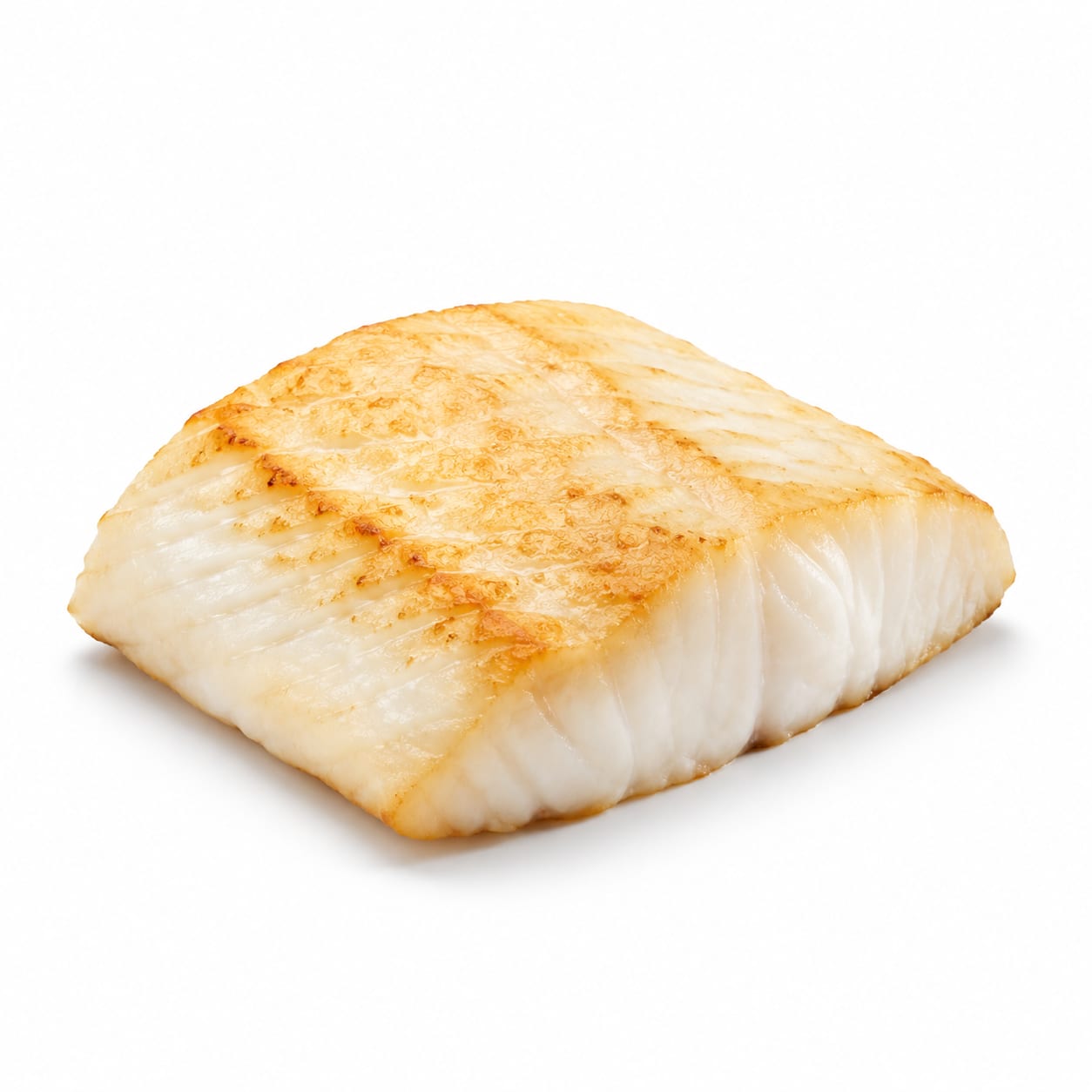
Cod
Mackerel is an omega-3 powerhouse for occasional heart-boosting meals, while Cod is a lean, low-mercury protein you can safely eat almost every day.
Cod scores slightly higher overall due to its unmatched safety for daily eating and lean versatility. Mackerel is nutritionally superior per bite for omega-3s, but its mercury variability and higher calorie load prevent it from being a universal daily staple.
You trade the massive anti-inflammatory benefits of Mackerel's fats for the everyday safety and leanness of Cod.
At a glance
Executive summary
Overall
It depends
Healthier
It depends
More practical
Cod
Daily use
Cod
Key comparison lenses
Omega-3 and heart health benefits
Mackerel is one of the richest fish sources of omega-3s, while Cod is notably lean and low in these fats.
Mercury and heavy metal safety
Mackerel species vary widely in mercury, whereas Cod consistently ranks as a low-mercury choice safe for frequent consumption.
Calorie density and weight management
Mackerel is a fatty fish providing high satiety, while Cod is a very low-calorie lean protein ideal for restrictive diets.
Daily consumption practicality
Cod can be eaten daily without mercury concerns, but Mackerel generally requires portion and frequency moderation.
Best choice for
Mackerel
- Boosting omega-3 intake naturally
- Anti-inflammatory and heart-health focused diets
- Keto or low-carb lifestyles needing healthy fats
Cod
- Low-calorie and weight loss diets
- Pregnant women and children needing low-mercury fish
- Frequent, everyday lean protein needs
Least suitable for
Mackerel
- Daily consumption due to mercury accumulation risks
- Pregnant women (specifically King Mackerel)
- Strict low-fat or low-calorie diets
Cod
- Raising omega-3 levels without supplements
- Those needing high-satiety fats to stay full longer
- People avoiding dry, lean proteins
Deep comparison
Dimension by dimension
Each lens scores both foods and breaks down who each option suits.
- Dimension 1 · Priority 95Mackerel
Omega-3 & Anti-Inflammatory Power
Mackerel · 98Cod · 25Mackerel delivers a massive dose of EPA and DHA omega-3s, while Cod supplies almost none.
Tradeoff
Eating Mackerel gives you the equivalent of several fish oil pills in one meal, but you must balance this with weekly intake limits.
Why it matters
Omega-3s are critical for brain health, joint comfort, and cardiovascular function. Getting them from food is highly effective.
Real-world impact
A few Mackerel meals a week can noticeably reduce joint stiffness and improve heart markers, whereas Cod offers no such benefit.
Mackerel
- Lowering triglycerides
- Reducing chronic inflammation
- Supporting brain health
Better for
Cod
- Resolving omega-3 deficiencies
- Providing anti-inflammatory benefits
Worse for
- Dimension 2 · Priority 85Cod
Calorie Density & Leanness
Mackerel · 45Cod · 95Cod is a nearly pure protein source with minimal calories, while Mackerel is calorie-dense due to its high fat content.
Tradeoff
Cod lets you eat a massive portion for few calories, but Mackerel's fat makes it far more filling and satisfying per bite.
Why it matters
If you are cutting calories, lean proteins help you stay in a deficit. If you need sustained energy, healthy fats are superior.
Real-world impact
A Cod dinner leaves room for sides and dessert without blowing your calorie budget. Mackerel is the main event that keeps you full for hours.
Mackerel
- Sustained energy without crashes
- Keto and low-carb macros
Better for
- Strict calorie counting
Worse for
Cod
- Weight loss and calorie restriction
- Higher volume eating
Better for
- Staying satiated on its own
Worse for
- Dimension 3 · Priority 90Cod
Heavy Metal & Safety Profile
Mackerel · 55Cod · 95Cod is consistently a low-mercury fish safe for daily eating. Mackerel's safety depends entirely on the species.
Tradeoff
King Mackerel is dangerously high in mercury, while Atlantic Mackerel is moderate. Cod offers peace of mind without needing to research species.
Why it matters
Mercury accumulates in the body and impacts neurological health, making frequent consumption of high-mercury fish risky over time.
Real-world impact
You can eat Cod sticks or fillets several times a week without worry. With Mackerel, you need to verify it is Atlantic or Chub to safely eat it regularly.
Mackerel
- Those concerned about mercury toxicity
- Pregnant women (if species is unknown)
Worse for
Cod
- Pregnancy and childhood nutrition
- Worry-free daily consumption
- Avoiding heavy metal accumulation
Better for
- Dimension 4 · Priority 80Cod
Versatility & Daily Practicality
Mackerel · 60Cod · 90Cod's mild flavor and firm texture make it a blank canvas for cooking. Mackerel's strong fishy taste is polarizing.
Tradeoff
Cod easily adapts to any cuisine or flavor profile, while Mackerel demands specific preparations to taste good.
Why it matters
If a fish is easy to cook and tastes good simply prepared, you are far more likely to eat it regularly.
Real-world impact
Cod bakes, grills, or air-fries effortlessly for a quick weeknight dinner. Mackerel often requires bold seasonings or smoking to mask its intensity.
Mackerel
- Rich, savory flavor enthusiasts
- Smoked or cured fish preparations
Better for
- People who dislike fishy flavors
Worse for
Cod
- Picky eaters and kids
- Quick, versatile weeknight meals
- Adapting to various recipes
Better for
- Standing alone as a bold, flavorful dish
Worse for
Timeline
Health impact over time
Short-term
Hours to days
Mackerel
- High satiety and fullness from rich fats
- Steady, long-lasting energy without a crash
Cod
- Light feeling post-meal, easy on the stomach
- Quick protein absorption for muscle repair
Long-term
Months to years
Mackerel
- Significantly reduced inflammation and better heart health (if low-mercury species)
- Risk of heavy metal accumulation if high-mercury species is eaten frequently
Cod
- Safe, sustainable lean protein supporting weight management
- Minimal omega-3 intake unless supplemented from other sources
Risk profile
Safety & processing
Both fresh or frozen Mackerel and Cod are whole, minimally processed foods. Watch out for smoked Mackerel or salted Cod, which add significant sodium.
Mackerel
Mercury exposure
highKing Mackerel is notoriously high in mercury and should be avoided. Atlantic and Chub Mackerel are lower but still require moderation.
Scombroid poisoning
mediumIf Mackerel is not kept cold enough, histamine levels can spike, causing allergic-like reactions.
Cod
Parasites
lowLike many wild fish, Cod can carry worms, but commercial freezing and proper cooking completely eliminate this risk.
Who wins for whom
Audience fit
Same foods, different winners depending on your goal.
children
CodCod's low mercury profile and mild taste make it a much safer and more kid-friendly option.
daily consumption
CodCod's low mercury levels allow for safe, worry-free daily eating, whereas Mackerel should be limited to a few times a week.
diabetes
MackerelMackerel's high omega-3 and healthy fat content helps stabilize blood sugar and improves insulin sensitivity.
elderly
MackerelThe robust omega-3 content in Atlantic Mackerel strongly supports cardiovascular and cognitive health in aging adults.
muscle gain
CodYou can eat larger portions of Cod to hit protein targets without feeling overly full from heavy fats.
weight loss
CodCod provides high protein volume for very few calories, making it far easier to maintain a calorie deficit.
Your move
Decision guide
Choose Mackerel
- You want to dramatically boost your omega-3 intake naturally
- You are eating 1-2 times a week and want maximum nutritional impact
- You follow a keto or low-carb diet and need satisfying healthy fats
Choose Cod
- You want a lean protein you can eat multiple times a week
- You are pregnant, nursing, or feeding children
- You dislike strong fishy flavors and prefer mild, versatile fish
Either works if
- You are simply trying to eat more whole protein and less red meat
- You rotate your seafood choices throughout the week
Avoid both if
- You have a severe fish or seafood allergy
Final recommendation
The smartest approach is to use both strategically. Eat Atlantic Mackerel once or twice a week for a powerful omega-3 boost, and fill the rest of your week with Cod for safe, lean, everyday protein.
Practical
Consumer tips
- 1
Always verify you are buying Atlantic or Chub Mackerel, never King Mackerel, to keep mercury intake low.
- 2
Because Cod is so lean, it dries out easily; try poaching, steaming, or baking it with a moist sauce to keep it tender.
- 3
Pair Cod with a side of olive oil or avocado to add the healthy fats that the fish itself lacks.
- 4
If buying canned Mackerel, check the sodium content, as smoked or preserved varieties can be very salty.