
Nutrition comparison
Mackerel vs Anchovies: Omega-3, Mercury, and Health Comparison
Compare Mackerel vs Anchovies for omega-3, mercury, sodium, and protein. Find out which fish is safer and healthier for your daily diet.
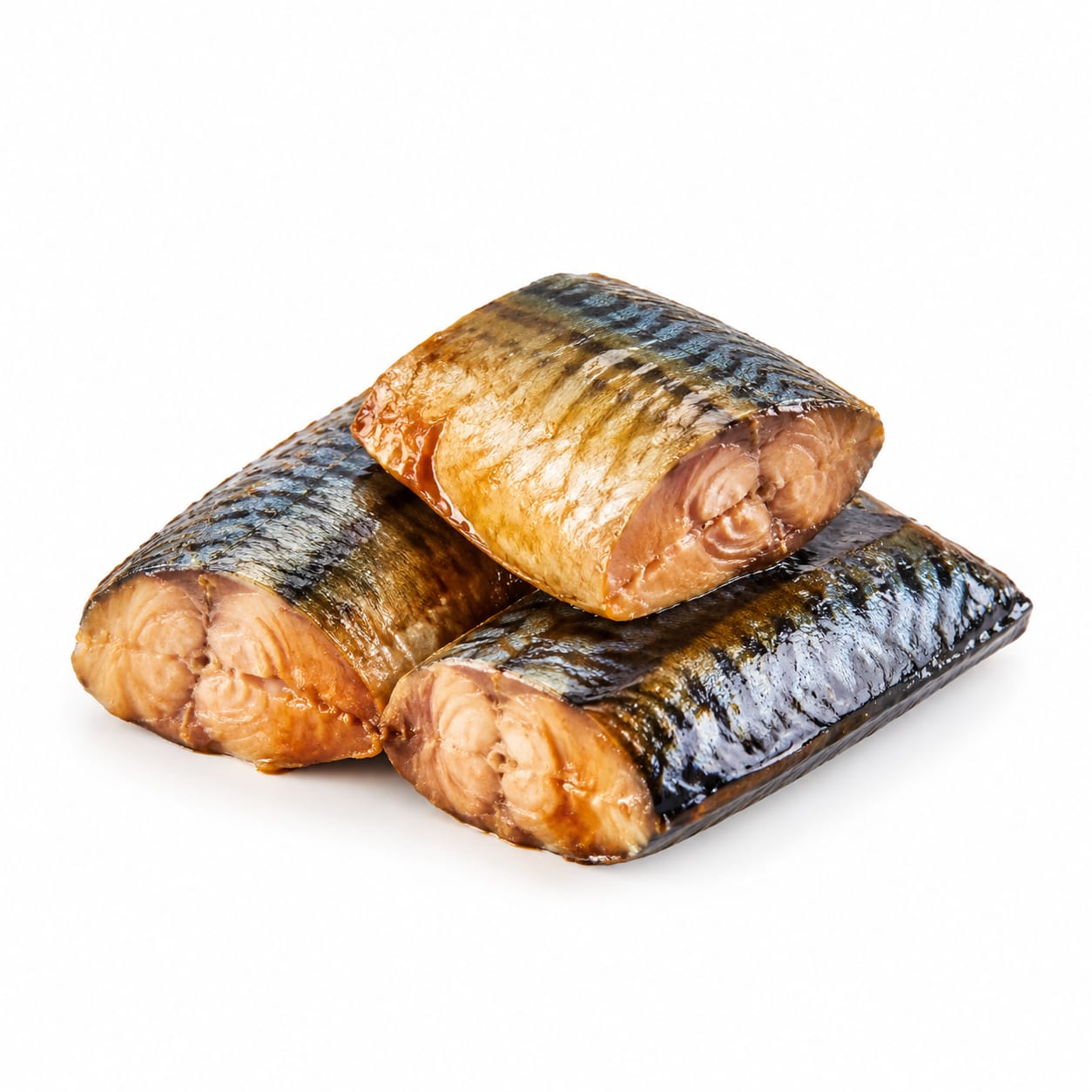
Mackerel
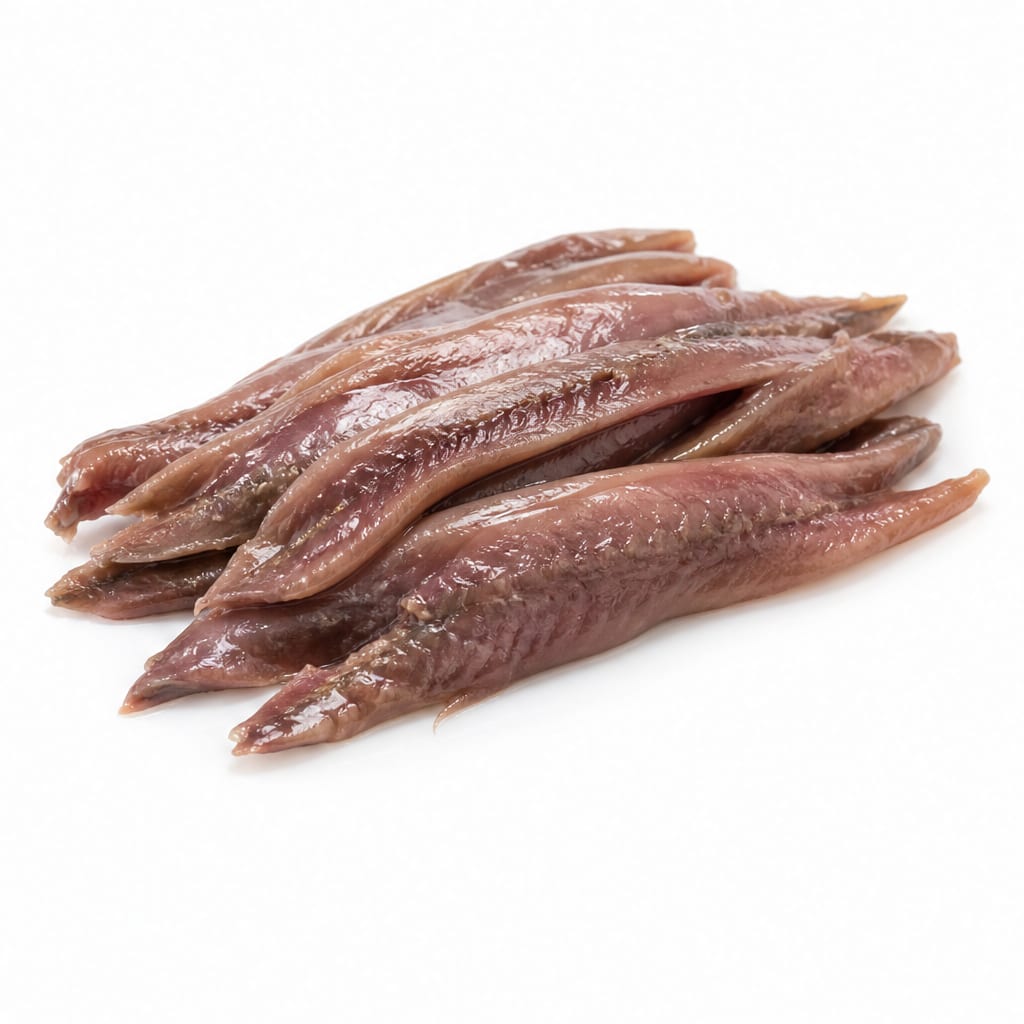
Anchovies
Mackerel delivers a massive protein and omega-3 punch as a main course, while Anchovies offer intense flavor and lower mercury as a garnish, but pack a sodium bomb.
Mackerel scores slightly higher for protein and meal versatility, but Anchovies win on safety and daily usability due to low mercury, despite their sodium drawback.
Choosing between a low-mercury, high-sodium flavor enhancer (Anchovies) and a high-protein, potentially higher-mercury entrée (Mackerel).
At a glance
Executive summary
Overall
It depends
Healthier
It depends
More practical
Mackerel
Daily use
Anchovies
Key comparison lenses
Omega-3 intake and heart health
Both are omega-3 powerhouses, but serving sizes drastically change actual intake.
Sodium load and blood pressure impact
Anchovies are salt-cured, creating a massive sodium disparity compared to fresh Mackerel.
Heavy metal and mercury exposure
Mackerel species vary wildly in mercury, while Anchovies are consistently low-risk.
Protein and satiety
Mackerel is eaten as a filling main dish; Anchovies are a garnish that won't satisfy hunger.
Culinary role and serving size
They serve completely different purposes in the kitchen, making direct nutritional comparisons tricky.
Best choice for
Mackerel
- People wanting a filling, high-protein dinner
- Those watching their sodium intake closely
- Anyone needing a satisfying post-workout meal
Anchovies
- People wanting a low-mercury flavor boost
- Frequent fish eaters worried about heavy metal buildup
- Home cooks looking for an umami pantry staple
Least suitable for
Mackerel
- Pregnant women (if high-mercury King Mackerel)
- Those needing a quick, no-cook pantry meal
Anchovies
- People with high blood pressure or sodium sensitivity
- Anyone looking for a filling main course
Deep comparison
Dimension by dimension
Each lens scores both foods and breaks down who each option suits.
- Dimension 1 · Priority 95Mackerel
Omega-3 Delivery
Mackerel · 92Anchovies · 85Mackerel provides a larger total dose of omega-3s per meal because you eat it in fillet-sized portions, whereas Anchovies are nutrient-dense but eaten in tiny amounts.
Tradeoff
You get more total heart-healthy fats from a Mackerel fillet, but Anchovies give you a concentrated omega-3 boost with fewer calories.
Why it matters
Total omega-3 intake per meal matters more for anti-inflammatory benefits than density per gram.
Real-world impact
Eating Mackerel twice a week moves the needle on your omega-3 intake significantly; Anchovies help, but mostly as a supplement to other healthy fats.
Mackerel
- Getting a large omega-3 dose in one sitting
- Replacing meat with a heart-healthy main course
Better for
- Counting calories strictly while maximizing omega-3
Worse for
Anchovies
- Adding a quick omega-3 boost to a salad
- Keeping calories low while getting healthy fats
Better for
- Meeting high omega-3 requirements from small garnish portions alone
Worse for
- Dimension 2 · Priority 90Mackerel
Sodium and Blood Pressure
Mackerel · 90Anchovies · 35Fresh or plain canned Mackerel is naturally low in sodium, while salt-cured Anchovies pack a massive sodium punch.
Tradeoff
Choosing Anchovies for flavor means accepting a high sodium load that can spike blood pressure, whereas Mackerel is gentle on your cardiovascular system.
Why it matters
Excess sodium is a leading driver of hypertension and bloating, especially for salt-sensitive individuals.
Real-world impact
A single serving of Anchovies can put you over a third of your daily sodium limit, leaving you thirsty and bloated.
Mackerel
- Managing blood pressure
- Avoiding post-meal water retention
Better for
Anchovies
- Keeping daily sodium under 1500mg
- Eating heart-healthy without bloating
Worse for
- Dimension 3 · Priority 85Anchovies
Mercury and Contaminants
Mackerel · 60Anchovies · 95Anchovies are tiny, short-lived fish at the bottom of the food chain, making them exceptionally low in mercury; Mackerel varies wildly by species.
Tradeoff
Anchovies offer peace of mind for frequent consumption, while King Mackerel is a high-mercury fish to avoid, though Atlantic Mackerel is safer.
Why it matters
Mercury accumulates in the body over time and can impair neurological health, making fish selection critical for regular eaters.
Real-world impact
You can eat Anchovies daily without worrying about heavy metals, but you need to research your Mackerel species to stay safe.
Mackerel
- Unrestricted daily consumption
- Serving to young children without checking the species
Worse for
Anchovies
- Pregnant women seeking safe seafood
- Frequent fish eaters worried about heavy metals
Better for
- Dimension 4 · Priority 80Mackerel
Protein and Satiety
Mackerel · 95Anchovies · 40Mackerel provides a substantial, filling portion of high-quality protein, while Anchovies are usually eaten in amounts too small to impact hunger.
Tradeoff
Mackerel works as a satisfying main course that keeps you full for hours, whereas Anchovies are just a flavor garnish.
Why it matters
Protein is key for muscle maintenance and appetite control, and you need a meaningful portion size to trigger satiety.
Real-world impact
A Mackerel fillet satisfies like a steak, but a few Anchovies on a pizza won't do anything to stop your hunger.
Mackerel
- Post-workout muscle recovery
- Staying full until your next meal
Better for
Anchovies
- Using as a primary protein source
- Replacing a filling main dish
Worse for
- Dimension 5 · Priority 75It depends
Culinary Role and Convenience
Mackerel · 80Anchovies · 80Mackerel is a versatile main course that can be grilled, baked, or flaked, while Anchovies are a specialized umami booster for dressings, sauces, and toppings.
Tradeoff
Mackerel requires cooking and recipe planning, whereas Anchovies are ready-to-use pantry staples that melt into dishes for depth.
Why it matters
How you actually cook and eat a food determines how often it makes it into your diet.
Real-world impact
You reach for Anchovies when a pasta sauce needs a flavor kick, but you cook Mackerel when you need a complete dinner.
Mackerel
- Meal-prepping a week of lunches
- Serving as the centerpiece of a healthy dinner
Better for
- Quick pantry meals with no cooking
- Adding subtle background flavor
Worse for
Anchovies
- Upgrading a boring salad dressing
- Adding savory depth without extra cooking
Better for
- Making a quick filling sandwich
- Serving as a standalone entree
Worse for
Timeline
Health impact over time
Short-term
Hours to days
Mackerel
- Provides lasting fullness from solid protein
- Delivers steady energy without a sugar crash
Anchovies
- Can trigger thirst and water retention from high salt
- Adds instant savory satisfaction to bland foods
Long-term
Months to years
Mackerel
- Supports cardiovascular health and reduces inflammation
- Risk of mercury accumulation if eating high-mercury species too often
Anchovies
- Excellent for daily heart health and bone support due to calcium
- May contribute to hypertension if sodium isn't carefully managed elsewhere
Risk profile
Safety & processing
Fresh or frozen Mackerel is a whole, minimally processed food. Canned Anchovies are traditionally processed with salt and oil, which acts as a natural preservative rather than an artificial additive, but still changes the nutritional profile significantly.
Mackerel
Mercury exposure
highKing Mackerel is notoriously high in mercury; always choose Atlantic or Chub Mackerel to avoid neurological risks.
Histamine toxicity
mediumIf Mackerel is not kept sufficiently cold, it can produce histamine, causing scombroid poisoning with symptoms like flushing and headaches.
Anchovies
Excessive sodium intake
highThe salt-curing process loads Anchovies with sodium, which can dangerously elevate blood pressure if overconsumed.
Purine load
mediumAnchovies are very high in purines, which can trigger gout attacks in susceptible individuals.
Who wins for whom
Audience fit
Same foods, different winners depending on your goal.
children
It dependsAnchovies are lower in mercury, but their extreme saltiness makes them impractical for kids; low-mercury Atlantic Mackerel is usually a better choice for children.
daily consumption
AnchoviesBecause they are low on the food chain, Anchovies can be safely consumed in small amounts every day without mercury buildup.
diabetes
MackerelMackerel offers zero carbs and low sodium, helping to stabilize blood sugar without the cardiovascular strain of excess salt.
elderly
AnchoviesAnchovies provide easily digestible nutrients, bone-supporting calcium, and low mercury, which are crucial for aging bodies, provided sodium is managed.
muscle gain
MackerelA full Mackerel fillet delivers the substantial, high-quality protein needed for muscle repair and growth.
weight loss
MackerelMackerel provides high protein and satiety in a low-calorie package, making it far easier to stick to a calorie deficit.
Your move
Decision guide
Choose Mackerel
- You want a filling, high-protein main course
- You are watching your sodium intake closely
- You need a satisfying post-workout meal
Choose Anchovies
- You want a low-mercury flavor enhancer
- You eat fish frequently and worry about heavy metals
- You need a quick umami boost for sauces or dressings
Either works if
- You want to increase your omega-3 intake
- You are looking for zero-carb protein sources
Avoid both if
- You have a severe fish allergy
- You are strictly limiting all animal products
Final recommendation
Use Mackerel as your main course for protein and satiety, and keep Anchovies in the pantry as a low-mercury flavor tool; just watch the sodium.
Practical
Consumer tips
- 1
Opt for Atlantic or Chub Mackerel over King Mackerel to keep mercury levels safe.
- 2
Rinse canned Anchovies under cold water before eating to wash away up to 20% of the surface sodium.
- 3
If buying canned Mackerel, choose water-packed over oil-packed to avoid excess calories.
- 4
Mash Anchovies into salad dressings or pasta sauces—they melt away and add savory depth without tasting fishy.