
Nutrition comparison
Mackerel vs Tilapia: Nutrition, Mercury, and Taste Compared
Mackerel vs Tilapia: Which is healthier? Compare omega-3s, mercury levels, protein, and taste to find out which fish belongs on your plate.
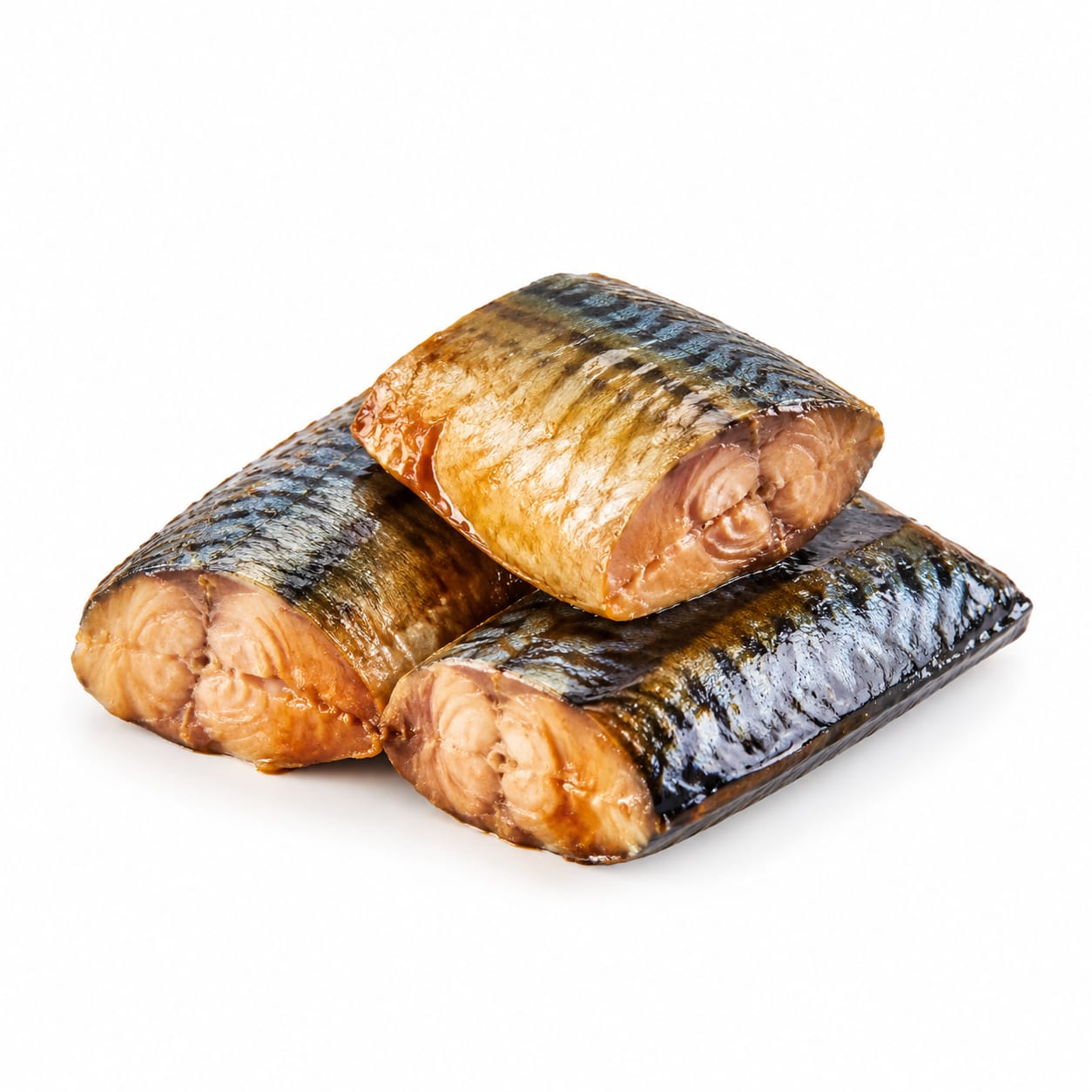
Mackerel
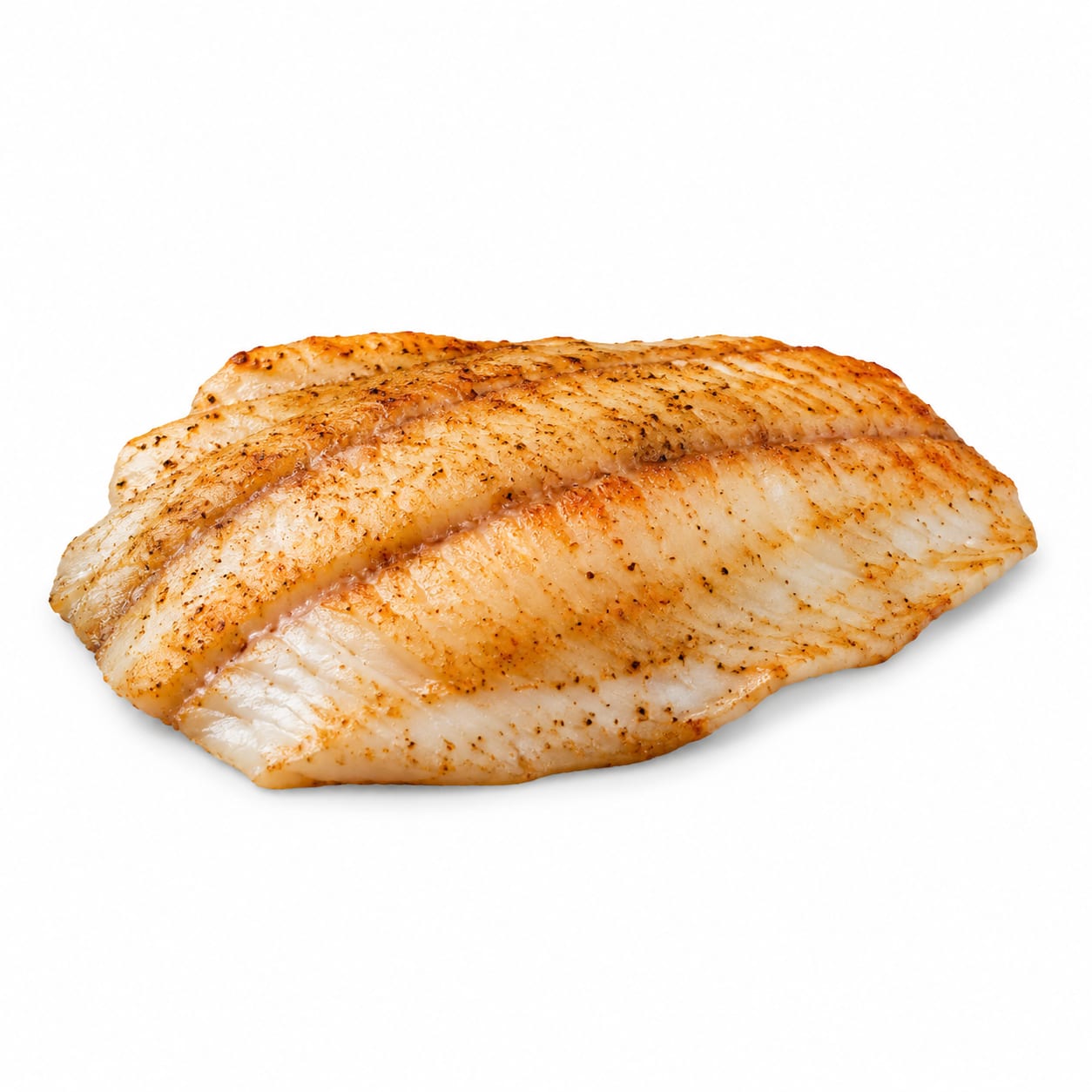
Tilapia
Mackerel is a nutritional powerhouse loaded with omega-3s, while Tilapia is a budget-friendly, mild-flavored protein with minimal mercury.
Mackerel scores significantly higher for dense nutrition and omega-3 content, but Tilapia's safety for frequent consumption and low cost bring its practical score up.
You trade the massive anti-inflammatory benefits of Mackerel for the lower mercury risk, lower cost, and milder taste of Tilapia.
At a glance
Executive summary
Overall
It depends
Healthier
Mackerel
More practical
Tilapia
Daily use
Tilapia
Key comparison lenses
Omega-3 vs affordability
Mackerel is prized for its massive omega-3 content, while Tilapia is chosen mainly for its low cost.
Mercury and contamination risks
Mackerel can carry heavy metals, whereas Tilapia is notably low in mercury but raises farming practice concerns.
Culinary versatility and flavor
Mackerel has a strong, oily flavor, while Tilapia is mild and adapts easily to any recipe.
Farming vs wild-caught sustainability
Most Tilapia is farmed with varying ecological standards, while Mackerel is typically wild-caught.
Best choice for
Mackerel
- Heart health and cardiovascular protection
- Brain function and cognitive support
- Reducing chronic inflammation
Tilapia
- Frequent fish eaters needing low mercury
- Budget-conscious households
- Picky eaters who dislike strong fish flavors
Least suitable for
Mackerel
- Pregnant women due to mercury concerns
- Those on a tight grocery budget
- People who dislike rich, fishy tastes
Tilapia
- Those relying on diet for omega-3 intake
- People avoiding farmed seafood
Deep comparison
Dimension by dimension
Each lens scores both foods and breaks down who each option suits.
- Dimension 1 · Priority 95Mackerel
Omega-3 & Heart Health
Mackerel · 98Tilapia · 15Mackerel is one of the richest sources of omega-3s available; Tilapia has almost none.
Tradeoff
You get unmatched heart health benefits from Mackerel, but must limit portions due to mercury, whereas Tilapia offers little omega-3 but can be eaten freely.
Why it matters
Omega-3s are critical for heart rhythm, brain health, and taming inflammation.
Real-world impact
Eating Mackerel a couple of times a week can meaningfully improve your lipid panel and joint comfort.
Mackerel
- Cardiovascular health
- Mood and cognitive function
- Joint pain and inflammation
Better for
Tilapia
- Getting adequate essential fatty acids
- Natural anti-inflammatory benefits
Worse for
- Dimension 2 · Priority 90Tilapia
Mercury & Contaminants
Mackerel · 40Tilapia · 90Tilapia has extremely low mercury, making it safer for frequent eating. Mackerel requires strict portion control.
Tradeoff
Tilapia gives you peace of mind for daily eating, while Mackerel demands you track your weekly intake to avoid heavy metal accumulation.
Why it matters
Mercury buildup affects neurological function and is especially dangerous for developing brains.
Real-world impact
You can eat Tilapia multiple times a week without worry, but Mackerel should be limited to 1-2 servings depending on the species.
Mackerel
- Those vulnerable to heavy metal toxicity
- People who eat fish daily
Worse for
Tilapia
- Pregnant and nursing women
- Young children
- Frequent seafood consumers
Better for
- Dimension 3 · Priority 80Mackerel
Protein Quality & Satiety
Mackerel · 88Tilapia · 75Both offer solid lean protein, but Mackerel's natural fats make it much more filling and satisfying.
Tradeoff
Mackerel keeps you full for hours due to its fat content, while Tilapia is lighter and leaves you hungry sooner if eaten alone.
Why it matters
Satiety prevents overeating and helps maintain steady energy between meals.
Real-world impact
A Mackerel dinner will likely keep you out of the pantry before bed, whereas a Tilapia fillet might need a side of healthy fats to hold you over.
Mackerel
- Staying full longer
- Reducing between-meal snacking
Better for
Tilapia
- Post-workout lean protein
- Lighter, less heavy meals
Better for
- Controlling late-night cravings
Worse for
- Dimension 4 · Priority 85Tilapia
Affordability & Accessibility
Mackerel · 40Tilapia · 95Tilapia is one of the most affordable fish on the market; Mackerel is often pricier and harder to find fresh.
Tradeoff
Tilapia makes eating fish financially easy, while Mackerel can strain your grocery budget.
Why it matters
Consistency in healthy eating depends heavily on what you can realistically afford week after week.
Real-world impact
Feeding a family of four Tilapia twice a week is very budget-friendly; doing the same with Mackerel adds up quickly.
Mackerel
- Budget-limited diets
Worse for
Tilapia
- Family meal budgets
- Students and fixed incomes
- Accessible everyday protein
Better for
- Dimension 5 · Priority 70It depends
Sustainability & Farming Practices
Mackerel · 70Tilapia · 55Wild Mackerel is generally a sustainable catch, while farmed Tilapia's eco-footprint varies heavily by source.
Tradeoff
Mackerel offers more reliable wild sustainability, but Tilapia's farming practices can range from responsible to environmentally harmful.
Why it matters
Overfishing and poor aquaculture degrade ocean ecosystems and long-term food security.
Real-world impact
Choosing Atlantic Mackerel is usually a safe eco-choice; with Tilapia, you must look for certifications to ensure responsible farming.
Mackerel
- Supporting wild-catch sustainability
- Avoiding aquaculture chemicals
Better for
Tilapia
- Reducing pressure on wild fish stocks
Better for
- Risk of supporting poor aquaculture practices
Worse for
Timeline
Health impact over time
Short-term
Hours to days
Mackerel
- High satiety from rich, healthy fats
- Strong flavor might be off-putting if unaccustomed
Tilapia
- Light and easy to digest
- Leaves you hungry sooner if not paired with fats
Long-term
Months to years
Mackerel
- Major cardiovascular and cognitive benefits from omega-3s
- Risk of heavy metal accumulation if overconsumed
Tilapia
- Safe, low-mercury protein staple for frequent consumption
- Lacks the anti-inflammatory benefits of fatty fish
Risk profile
Safety & processing
Both are whole foods, but farmed Tilapia carries a higher risk of antibiotic and chemical exposure compared to wild-caught Mackerel.
Mackerel
Mercury exposure
highKing Mackerel is very high in mercury and should be avoided; Atlantic Mackerel is moderate and safe in limited amounts.
Histamine toxicity
mediumIf not kept cold, Mackerel can develop high histamine levels, causing scombroid poisoning.
Tilapia
Antibiotic and chemical residue
mediumFarmed Tilapia from poorly regulated regions may contain antibiotics and pesticides used in aquaculture.
Omega-6 imbalance
lowFarmed Tilapia fed grain-based diets can have higher omega-6 levels, which is less ideal for inflammation.
Who wins for whom
Audience fit
Same foods, different winners depending on your goal.
children
TilapiaTilapia's low mercury and mild taste make it safer and far more kid-friendly.
daily consumption
TilapiaTilapia's low mercury makes it safe to eat daily, whereas Mackerel should be limited to a couple of times a week.
diabetes
MackerelMackerel's omega-3s improve insulin sensitivity and fight inflammation linked to diabetes.
elderly
MackerelThe omega-3s in Mackerel are crucial for brain and heart health in aging, as long as mercury limits are respected.
muscle gain
It dependsBoth provide solid protein, but Tilapia's lean profile might be preferred post-workout, while Mackerel aids recovery via omega-3s.
weight loss
MackerelMackerel's healthy fats keep you full longer, naturally reducing the urge to overeat.
Your move
Decision guide
Choose Mackerel
- You want maximum omega-3s for brain and heart health
- You enjoy rich, savory fish flavors
- You only eat fish 1-2 times a week and want the most nutritional bang for your bite
Choose Tilapia
- You need an affordable, everyday protein source
- You are pregnant, nursing, or feeding young children
- You dislike the taste of fish but still want a lean protein
Either works if
- You just need a solid protein base for tacos or meal prep
- You are mixing the fish into a heavy sauce where the base flavor is masked
Avoid both if
- You have a severe fish or seafood allergy
- You follow a strict vegan or vegetarian diet
Final recommendation
Choose Mackerel for a powerful omega-3 boost and anti-inflammatory benefits, but choose Tilapia for a safe, budget-friendly, and frequent protein staple.
Practical
Consumer tips
- 1
Opt for Atlantic or Chub Mackerel over King Mackerel to drastically reduce mercury exposure.
- 2
Look for responsibly farmed or ASC-certified Tilapia to avoid antibiotics and poor farming practices.
- 3
Pair Tilapia with a side of healthy fats like avocado or olive oil to boost satiety since the fish itself is very lean.
- 4
Canned Mackerel is an affordable, shelf-stable way to get omega-3s without breaking the bank.