
Nutrition comparison
Mackerel vs Chicken Breast: Omega-3, Protein, and Health Compared
Mackerel vs Chicken Breast: Which is healthier? Compare omega-3 fats, lean protein, mercury risks, and weight loss benefits to find the best protein for your diet.
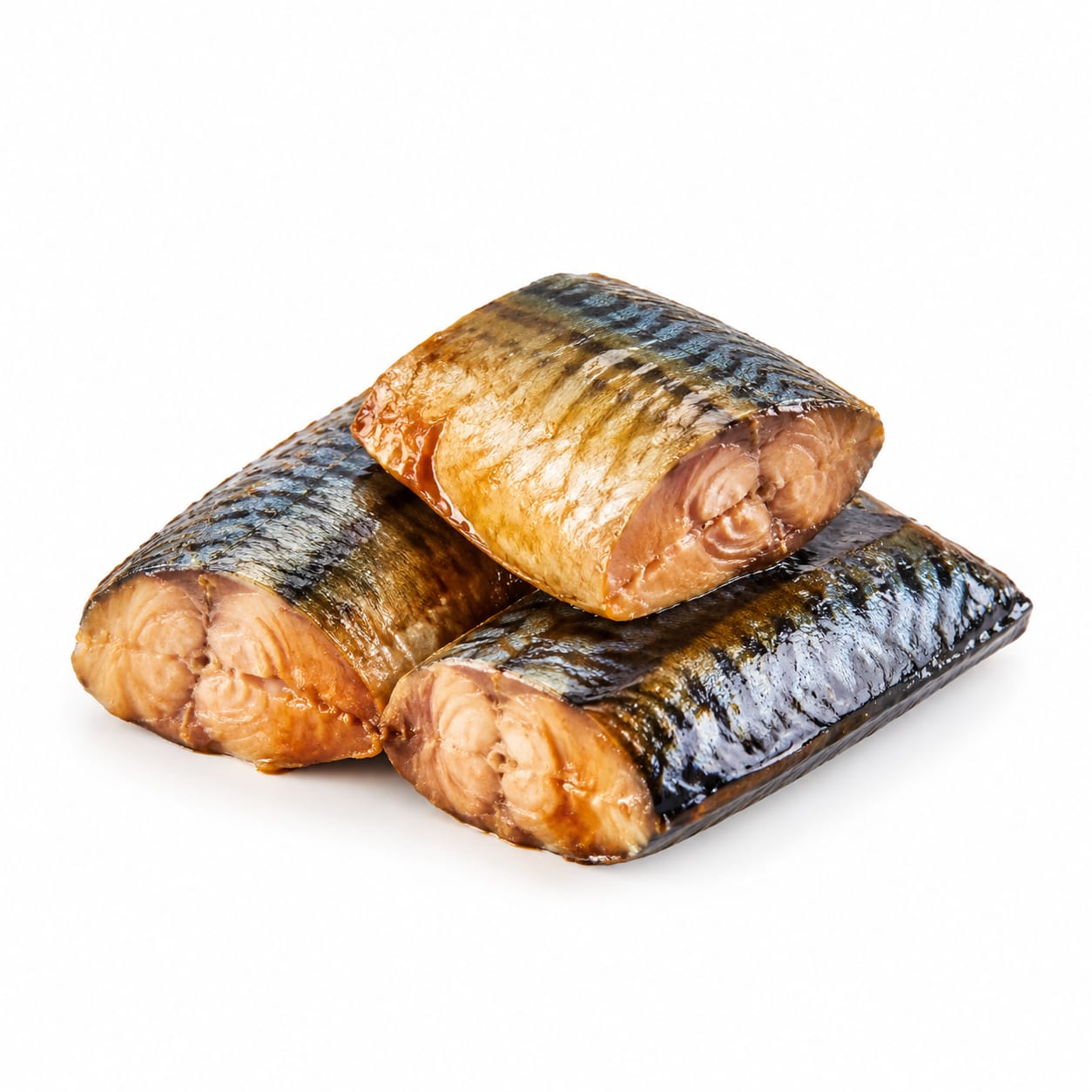
Mackerel
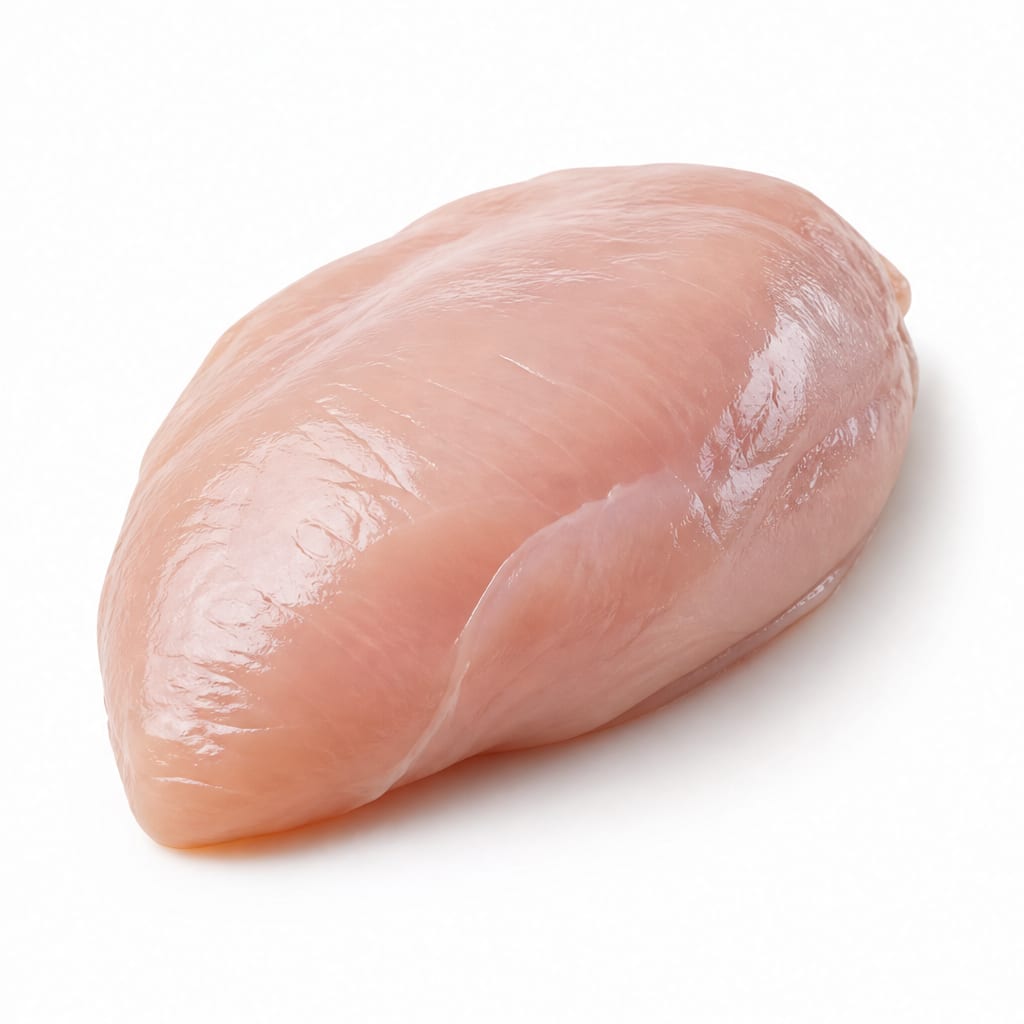
Chicken Breast
Mackerel is a nutrient powerhouse for your brain and heart, while Chicken Breast is the ultimate lean muscle builder and meal-prep staple.
Chicken Breast scores slightly higher overall due to its unmatched daily practicality and lean profile, but Mackerel wins in specific health dimensions like omega-3 intake.
You trade the anti-inflammatory omega-3s and rich fats of Mackerel for the low-calorie, high-protein versatility of Chicken Breast.
At a glance
Executive summary
Overall
It depends
Healthier
It depends
More practical
Chicken Breast
Daily use
Chicken Breast
Key comparison lenses
Omega-3 vs Lean Protein
Mackerel is famous for its anti-inflammatory fats, while Chicken Breast is the gold standard for pure lean protein.
Heart Health vs Weight Loss
Users often choose between cardiovascular benefits and strict calorie control.
Mercury vs Antibiotic/Salmonella Risk
Ocean-borne heavy metals in fish versus land-based farming and hygiene concerns in poultry.
Meal Prep Convenience
Daily eating practicality heavily favors one over the other due to flavor fatigue and cooking versatility.
Best choice for
Mackerel
- Reducing inflammation
- Boosting omega-3 intake
- Heart and brain health
Chicken Breast
- Strict calorie counting
- Lean muscle gain
- Easy daily meal prep
Least suitable for
Mackerel
- Daily consumption due to heavy metal buildup
- Those who dislike fishy flavors
Chicken Breast
- Those needing anti-inflammatory fats
- People bored of bland proteins
Deep comparison
Dimension by dimension
Each lens scores both foods and breaks down who each option suits.
- Dimension 1 · Priority 95Mackerel
Heart Health & Inflammation
Mackerel · 95Chicken Breast · 60Mackerel is loaded with EPA and DHA omega-3s, which actively lower inflammation and support heart health.
Tradeoff
Chicken Breast lacks significant omega-3s, meaning you will need to get these essential fats elsewhere.
Why it matters
Chronic inflammation drives most modern diseases; eating oily fish is one of the most effective dietary ways to fight it.
Real-world impact
Eating Mackerel a couple of times a week can improve joint comfort and long-term cardiovascular markers.
Mackerel
- Lowering blood pressure
- Reducing joint stiffness
- Boosting brain function
Better for
- Those on blood thinners needing consistent fat intake
Worse for
Chicken Breast
- Keeping meals light
- Avoiding excess dietary fat
Better for
- People relying on a single protein source for all their fat-soluble vitamin needs
Worse for
- Dimension 2 · Priority 90Chicken Breast
Lean Protein & Calorie Density
Mackerel · 70Chicken Breast · 98Chicken Breast provides more protein per calorie with almost zero fat, making it the gold standard for lean muscle.
Tradeoff
Mackerel's healthy fats add significant calories, which can add up quickly if you are strictly tracking.
Why it matters
If your goal is weight loss or muscle gain without excess calories, fat content matters as much as protein.
Real-world impact
A Chicken Breast dinner leaves room on your plate for carbs and veggies without blowing your calorie budget.
Mackerel
- Sustained energy without carbs
- Keto and low-carb diets
Better for
- Strict calorie restriction
- Pre-contest bodybuilding diets
Worse for
Chicken Breast
- Cutting weight
- Post-workout recovery
- High-protein, low-calorie diets
Better for
- Those needing satiating fats to stay full
- Very low-carb eaters needing fat fuel
Worse for
- Dimension 3 · Priority 85It depends
Food Safety & Contaminants
Mackerel · 65Chicken Breast · 70Mackerel carries a risk of mercury and microplastics, while Chicken Breast carries risks of salmonella and antibiotic residues.
Tradeoff
You choose between ocean-borne heavy metals and land-based farming concerns.
Why it matters
Long-term accumulation of mercury or antibiotic resistance both have serious health consequences.
Real-world impact
Limiting Mackerel to 1-2 times a week and sourcing high-quality Chicken Breast minimizes both sets of risks.
Mackerel
- Avoiding poultry farming antibiotics
Better for
- Pregnant women (high mercury risk)
- Children (nervous system sensitivity)
Worse for
Chicken Breast
- Avoiding heavy metal exposure
- Pregnant women needing safe protein
Better for
- Those highly concerned about antibiotic-resistant bacteria
Worse for
- Dimension 4 · Priority 80Chicken Breast
Practicality & Versatility
Mackerel · 55Chicken Breast · 95Chicken Breast is a blank canvas for any flavor, while Mackerel's strong fishy taste limits its use.
Tradeoff
Mackerel brings bold flavor but causes odor and fatigue if eaten too often, whereas Chicken Breast is endlessly adaptable.
Why it matters
If a food is hard to cook or eat regularly, you will not get its benefits.
Real-world impact
You can meal-prep Chicken Breast for five days without complaining; Mackerel is best enjoyed fresh or canned occasionally.
Mackerel
- Quick canned meals
- Mediterranean diet recipes
Better for
- Office microwaving
- Cooking for fish-haters
Worse for
Chicken Breast
- Weekly meal prep
- Family dinners with picky eaters
- Batch cooking
Better for
- Gourmet or bold-flavor seekers
Worse for
Timeline
Health impact over time
Short-term
Hours to days
Mackerel
- Quick satiation from high fat content
- Possible fishy aftertaste or burps
Chicken Breast
- High satiety from pure protein
- Can feel dry if overcooked
Long-term
Months to years
Mackerel
- Improved heart and brain health
- Potential heavy metal accumulation if overconsumed
Chicken Breast
- Excellent muscle retention and weight management
- Possible omega-3 deficiency if eaten as the sole protein
Risk profile
Safety & processing
Both are whole, natural proteins. Fresh or canned Mackerel and fresh Chicken Breast are free from artificial additives, though always check canned Mackerel for added salt.
Mackerel
Mercury and heavy metals
mediumKing Mackerel is high in mercury; Atlantic and Chub Mackerel are much safer but still require moderation.
Microplastics
mediumOcean-caught fish are increasingly exposed to microplastics, which carry unknown long-term health effects.
Chicken Breast
Salmonella
mediumRaw or undercooked chicken is a major source of foodborne illness, requiring strict kitchen hygiene.
Antibiotic residues
mediumConventionally raised chicken may carry antibiotic-resistant bacteria; organic or free-range reduces this risk.
Who wins for whom
Audience fit
Same foods, different winners depending on your goal.
children
Chicken BreastChicken Breast avoids the mercury concerns critical for developing nervous systems and is more kid-friendly.
daily consumption
Chicken BreastChicken Breast can be eaten daily without heavy metal accumulation risks or flavor fatigue.
diabetes
It dependsBoth have zero carbs, but Mackerel's omega-3s improve insulin sensitivity, while Chicken Breast is safer for consistent daily protein without calorie surplus.
elderly
MackerelMackerel's omega-3s are highly protective against cognitive decline and joint inflammation common in aging.
muscle gain
Chicken BreastMore protein per serving and per calorie makes Chicken Breast superior for building lean mass.
weight loss
Chicken BreastChicken Breast's ultra-low calorie and high protein profile makes it the easiest choice for cutting fat while preserving muscle.
Your move
Decision guide
Choose Mackerel
- You want to boost your omega-3 intake without supplements
- You follow a Mediterranean or keto diet
- You need anti-inflammatory benefits for joint or heart health
Choose Chicken Breast
- You are counting calories or cutting weight
- You need a versatile, daily meal-prep staple
- You are pregnant or feeding young children (to avoid mercury)
Either works if
- You need a zero-carb, high-protein meal
- You want to avoid red meat and processed proteins
Avoid both if
- You have severe gout (both are moderate in purines)
- You are strictly vegan or vegetarian
Final recommendation
Use Chicken Breast as your daily protein workhorse, and bring in Mackerel 1-2 times a week as your omega-3 booster. This gives you the best of both worlds: lean muscle support and powerful anti-inflammatory fats, without the mercury risk of eating fish daily.
Practical
Consumer tips
- 1
Opt for Atlantic or Chub Mackerel over King Mackerel to drastically reduce mercury exposure.
- 2
Buy organic or free-range Chicken Breast to avoid antibiotic-resistant bacteria.
- 3
Canned Mackerel in olive oil is a convenient, affordable way to get omega-3s, but watch the sodium.
- 4
Brine Chicken Breast before cooking to prevent it from drying out.
- 5
Pair Chicken Breast with a side of walnuts or flaxseed oil to make up for its lack of healthy fats.