
Nutrition comparison
Mackerel vs Herring: Which Oily Fish Is Better for Your Health?
Compare Mackerel and Herring on omega-3s, mercury safety, sustainability, and price. Learn which fish is safer for daily eating and when to choose each one.
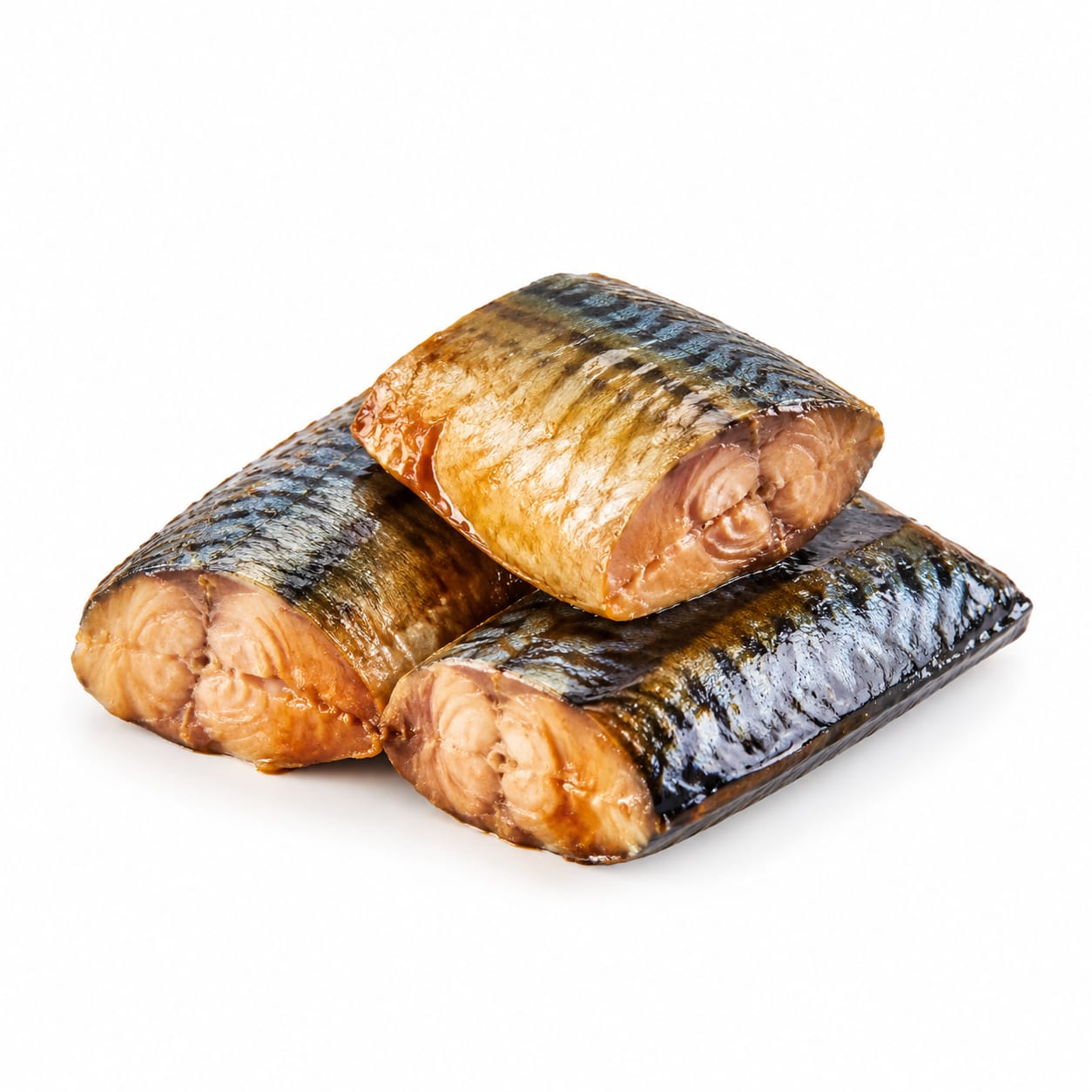
Mackerel
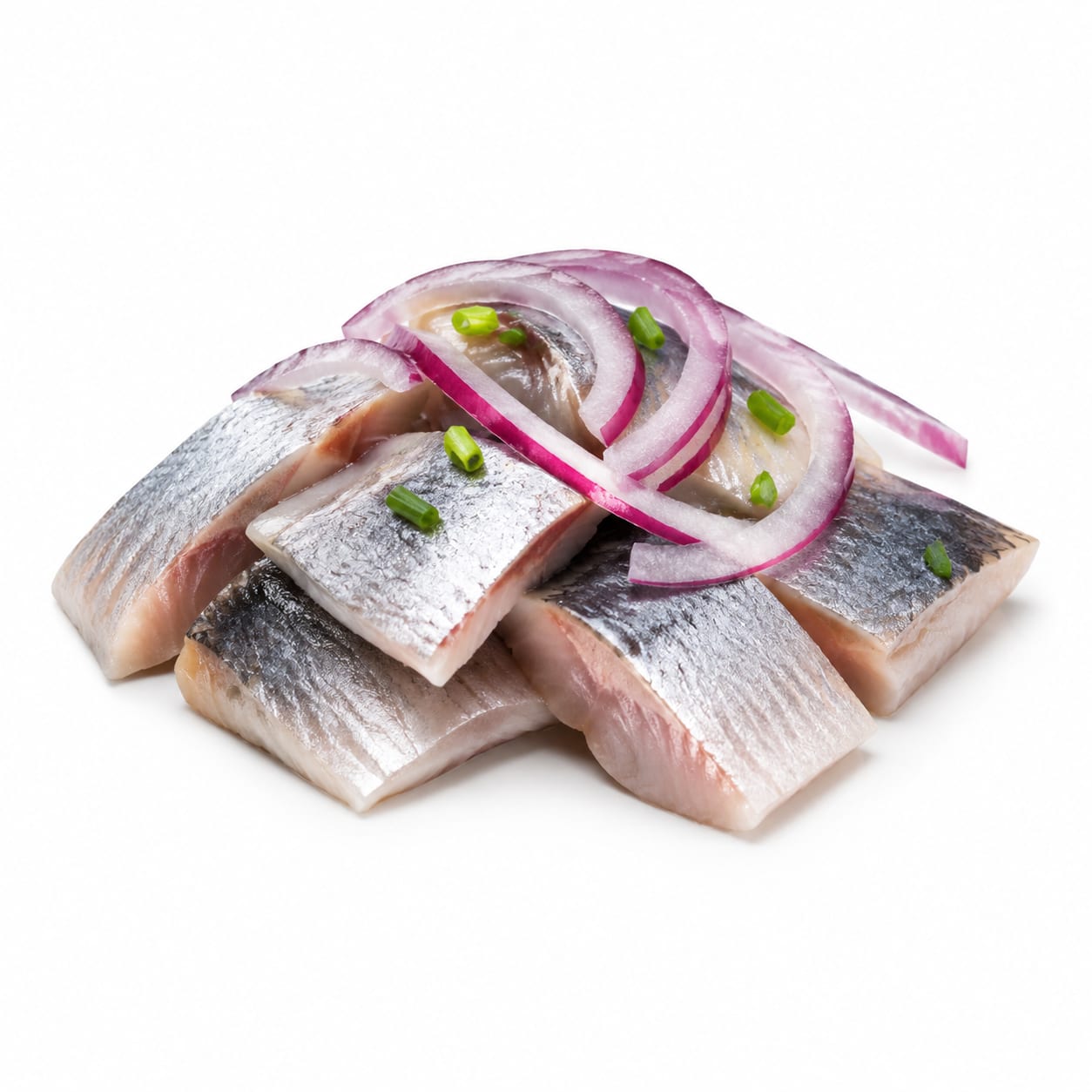
Herring
Herring is safer for frequent eating due to lower mercury, while Mackerel packs more omega-3s per bite but carries contamination risk depending on species.
Herring scores higher overall due to superior safety profile and sustainability, despite Mackerel's edge in omega-3 density. The mercury variability in Mackerel species creates uncertainty that pulls its score down for general recommendations.
Mackerel delivers more omega-3s and vitamin D in a single serving, but Herring wins on safety, sustainability, and price for daily consumption.
At a glance
Executive summary
Overall
It depends
Healthier
Herring
More practical
Herring
Daily use
Herring
Key comparison lenses
omega-3 fatty acid comparison
Both are top-tier omega-3 sources, and users are likely choosing between them for brain and heart health benefits
mercury and heavy metal safety
Mackerel species vary dramatically in mercury levels, making this a critical decision factor for regular consumption
sustainability and environmental impact
Herring is generally more abundant and sustainably harvested, which matters for ethically-minded consumers
everyday practicality and affordability
Herring is typically cheaper and more available in preserved forms, affecting real-world eating habits
vitamin D and B12 density
Both are exceptional sources, but differences matter for people with deficiencies
Best choice for
Mackerel
- People wanting maximum omega-3 density per serving
- Those who can source Atlantic or Chub mackerel specifically
- Active individuals needing calorie-dense nutrition
- Vitamin D deficient individuals seeking the richest food source
Herring
- Pregnant women and children needing low-mercury fish
- Budget-conscious eaters wanting affordable omega-3s
- People eating fish multiple times per week
- Anyone prioritizing sustainable seafood choices
Least suitable for
Mackerel
- Pregnant women if species is unknown (King mackerel risk)
- Children under 6 due to mercury variability
- People monitoring calorie intake closely
- Those concerned about overfishing
Herring
- People who dislike pickled or cured fish flavors
- Those wanting the highest possible omega-3 per serving
- Anyone seeking a meaty, steak-like fish texture
- Sodium-sensitive individuals if eating pickled preparations
Deep comparison
Dimension by dimension
Each lens scores both foods and breaks down who each option suits.
- Dimension 1 · Priority 95Mackerel
omega-3 fatty acid density
Mackerel · 95Herring · 85Mackerel delivers roughly 25-40% more omega-3s per serving than Herring, making it one of the most concentrated sources available.
Tradeoff
That omega-3 advantage comes with higher mercury exposure risk depending on which Mackerel species you eat.
Why it matters
For people eating fish only once or twice weekly, maximizing omega-3s per serving matters more than for daily eaters.
Real-world impact
One Mackerel fillet can cover your entire weekly omega-3 target, while Herring might require two servings to match it.
Mackerel
- Infrequent fish eaters needing maximum omega-3 per meal
- People with high omega-3 requirements due to inflammation
Better for
- People who assume all Mackerel is equally safe to eat frequently
Worse for
Herring
- Daily fish eaters who accumulate omega-3s over the week
- Those who prefer spreading intake across multiple meals
Better for
- Anyone trying to minimize the number of fish meals per week while hitting omega-3 targets
Worse for
- Dimension 2 · Priority 92Herring
mercury and contaminant safety
Mackerel · 55Herring · 90Herring is consistently low in mercury across all species, while Mackerel ranges from safe (Atlantic) to dangerous (King mackerel).
Tradeoff
Mackerel's omega-3 advantage becomes irrelevant if you are eating a high-mercury species regularly.
Why it matters
Mercury accumulates over time and affects neurological health, making this the single most important safety distinction between these fish.
Real-world impact
A pregnant woman can safely eat Herring twice a week, but King Mackerel is on the FDA's do-not-eat list entirely.
Mackerel
- None for this dimension — safety is Herring's clear advantage
Better for
- Anyone who buys Mackerel without verifying the species
- People eating Mackerel at restaurants where species is unspecified
Worse for
Herring
- Pregnant and breastfeeding women
- Children and developing adolescents
- Anyone eating fish more than twice weekly
- People with existing heavy metal concerns
Better for
- None significant — Herring is consistently low-mercury
Worse for
- Dimension 3 · Priority 82Herring
sustainability and environmental impact
Mackerel · 60Herring · 88Herring populations are generally well-managed and abundant, while some Mackerel fisheries face overfishing pressure.
Tradeoff
Choosing Herring more often reduces pressure on Mackerel stocks that are declining in certain regions.
Why it matters
If you eat fish regularly, your cumulative seafood choices have real environmental impact over years.
Real-world impact
Herring is often rated as a 'Best Choice' by seafood watchdogs, while Mackerel ratings vary significantly by source and species.
Mackerel
- Buyers who verify their Mackerel comes from well-managed Atlantic fisheries
Better for
- Anyone buying without checking the fishery source
Worse for
Herring
- Environmentally conscious consumers
- People who want a fish they can eat guilt-free multiple times weekly
Better for
- None significant for sustainability
Worse for
- Dimension 4 · Priority 75Mackerel
vitamin and mineral density
Mackerel · 90Herring · 82Mackerel edges out Herring on vitamin D and selenium, while both are excellent B12 sources that far exceed most other foods.
Tradeoff
The vitamin D gap is meaningful in winter months or for people with deficiency, but both fish are stellar compared to alternatives.
Why it matters
Vitamin D deficiency is widespread, and fatty fish are among the few natural food sources.
Real-world impact
A single Mackerel serving can provide your full daily vitamin D target, while Herring covers about 70-80% of it.
Mackerel
- People in northern climates with limited sun exposure
- Anyone diagnosed with vitamin D deficiency
- Older adults who absorb vitamin D less efficiently
Better for
- People who assume the vitamin advantage overrides mercury concerns
Worse for
Herring
- Those who get adequate sun and just need maintenance levels
Better for
- Severely vitamin D deficient individuals who need maximum food-source intake
Worse for
- Dimension 5 · Priority 72Herring
affordability and accessibility
Mackerel · 60Herring · 85Herring is typically cheaper and more widely available in shelf-stable forms like pickled, smoked, or canned.
Tradeoff
Mackerel's higher price reflects its premium positioning, but Herring delivers similar nutritional value at lower cost.
Why it matters
If you cannot afford or find your fish consistently, the theoretical nutritional advantages do not matter.
Real-world impact
Canned or pickled Herring costs roughly half the price of fresh Mackerel per serving in most markets.
Mackerel
- Shoppers at well-stocked fish markets with fresh Mackerel available
Better for
- Rural or landlocked consumers with limited fresh fish access
Worse for
Herring
- Budget-conscious families
- People relying on grocery stores with limited fresh fish selection
- Anyone wanting shelf-stable omega-3 options for pantry storage
Better for
- People who dislike preserved fish textures and flavors
Worse for
- Dimension 6 · Priority 65It depends
culinary versatility and enjoyment
Mackerel · 78Herring · 75Mackerel offers a meaty, steak-like experience ideal for grilling, while Herring shines in preserved preparations and traditional dishes.
Tradeoff
Mackerel's stronger flavor and firmer texture suit bold cooking, while Herring's delicacy works better in lighter preparations.
Why it matters
People only get nutritional benefits from fish they actually enjoy eating and know how to prepare.
Real-world impact
Mackerel makes an excellent grilled main course, while Herring is more of a versatile ingredient for salads, sandwiches, and appetizers.
Mackerel
- Home cooks who enjoy grilling and searing fish
- People who like rich, bold fish flavors similar to salmon
Better for
- People sensitive to strong fish flavors or smells during cooking
Worse for
Herring
- Fans of Scandinavian and Northern European cuisine
- People who enjoy pickled or smoked fish preparations
- Anyone wanting a quick no-cook protein from a jar
Better for
- Those expecting a steak-like fish eating experience
Worse for
Timeline
Health impact over time
Short-term
Hours to days
Mackerel
- High protein and fat content provides lasting fullness for 4-5 hours
- Rich omega-3 dose may reduce post-meal inflammation markers
- Stronger flavor can be polarizing — some people feel satisfied, others slightly queasy if unused to oily fish
Herring
- Lighter per serving but still filling due to protein and healthy fats
- Gentler on digestion, especially in pickled form which some find soothing
- Quick to prepare from canned or jarred forms, making consistent healthy eating easier
Long-term
Months to years
Mackerel
- Consistent omega-3 intake supports heart rhythm stability and triglyceride reduction
- If high-mercury species is consumed regularly, subtle cognitive effects may emerge over years
- Excellent vitamin D intake supports bone density and immune resilience long-term
Herring
- Regular low-mercury omega-3 intake supports cardiovascular health without heavy metal accumulation
- Consistent B12 intake protects neurological function and energy metabolism
- Lower contaminant load makes it sustainable as a multiple-times-per-week protein source for decades
Risk profile
Safety & processing
Fresh or frozen Mackerel and Herring are equally natural. However, Herring is more commonly sold in pickled or smoked forms, which can add sodium, sugar, and preservatives. Always check labels on jarred Herring for added sugars and sodium content.
Mackerel
Mercury contamination
highKing Mackerel is explicitly listed on the FDA high-mercury advisory. Atlantic and Chub Mackerel are moderate to low, but mislabeling is common. Always verify species.
Histamine toxicity
mediumMackerel is a known histamine-producing fish if not properly chilled. Scombroid poisoning causes flushing, headache, and digestive distress. Freshness and cold chain matter greatly.
Microplastics and PCBs
mediumAs a mid-to-high trophic level fish, Mackerel accumulates more persistent organic pollutants than smaller fish like Herring.
Herring
Sodium in preserved forms
mediumPickled and smoked Herring can contain 500-1000mg sodium per serving. This is manageable for most but problematic for sodium-sensitive individuals.
Added sugars in pickled preparations
lowSome commercial pickled Herring contains surprising amounts of added sugar in the brine. Check ingredients if this matters to you.
Histamine sensitivity
lowHerring can also produce histamine when improperly stored, though the risk is lower than with Mackerel.
Who wins for whom
Audience fit
Same foods, different winners depending on your goal.
children
HerringHerring's consistently low mercury levels make it appropriate for developing nervous systems. Mackerel species variability creates unacceptable uncertainty for children.
daily consumption
HerringLow mercury, high sustainability, and affordable pricing make Herring the only one of these two suitable for near-daily eating without accumulating risk.
diabetes
HerringBoth are essentially zero-carb, but Herring's lower contaminant load makes it safer for long-term regular consumption, which matters most for chronic condition management.
elderly
HerringOlder adults are more vulnerable to heavy metal accumulation and benefit from the consistent safety profile of Herring, while still getting excellent omega-3s and B12.
muscle gain
MackerelMackerel provides more calories and protein per serving, supporting the higher energy demands of muscle building.
weight loss
HerringHerring is slightly lower in calories per serving and more available in convenient portion-controlled forms, making it easier to fit into calorie targets.
Your move
Decision guide
Choose Mackerel
- You can verify you are buying Atlantic or Chub Mackerel, not King Mackerel
- You eat fish only 1-2 times per week and want maximum omega-3 per serving
- You need the highest possible vitamin D from food sources
- You enjoy rich, meaty fish and prefer grilling or searing
Choose Herring
- You are pregnant, breastfeeding, or feeding children
- You eat fish 3 or more times per week
- Budget is a significant factor in your food choices
- You care deeply about sustainable seafood
- You want a fish you can eat virtually without safety concerns
- You enjoy pickled, smoked, or preserved fish preparations
Either works if
- You just want a high-quality omega-3 source and both are available fresh
- You rotate your protein sources and will only eat either fish occasionally
- You are already meeting vitamin D needs through sun exposure or supplements
Avoid both if
- You have a diagnosed fish allergy
- You are on a very strict sodium restriction and only have access to pickled Herring or smoked Mackerel
- You have severe histamine intolerance and cannot guarantee cold-chain freshness
Final recommendation
Make Herring your default choice for regular consumption and treat Mackerel as an occasional premium option when you can confirm the species. This gives you the safety and sustainability of Herring as your baseline, while still enjoying Mackerel's superior omega-3 density when the opportunity arises. If you eat fish twice a week or less and can source Atlantic Mackerel reliably, it becomes a more reasonable regular choice — but Herring remains the smarter habit for most people.
Practical
Consumer tips
- 1
When buying Mackerel, ask specifically for Atlantic or Chub Mackerel and avoid anything simply labeled 'Mackerel' without species identification
- 2
Fresh Mackerel should have clear eyes, bright skin, and no fishy smell — these are signs of proper handling and low histamine risk
- 3
Jarred pickled Herring is a convenient pantry staple, but rinse it lightly if sodium is a concern
- 4
Smoked Herring (kippers) make an excellent quick breakfast protein with eggs and toast
- 5
If you find both fish fresh at a good price, buy Herring for the week and Mackerel for a weekend treat
- 6
Frozen Mackerel fillets are often better than 'fresh' Mackerel that has been sitting on ice, since freezing preserves omega-3 content and prevents histamine buildup
- 7
Canned Mackerel in water or olive oil is a safe bet since canneries typically use smaller, lower-mercury species