
Legume
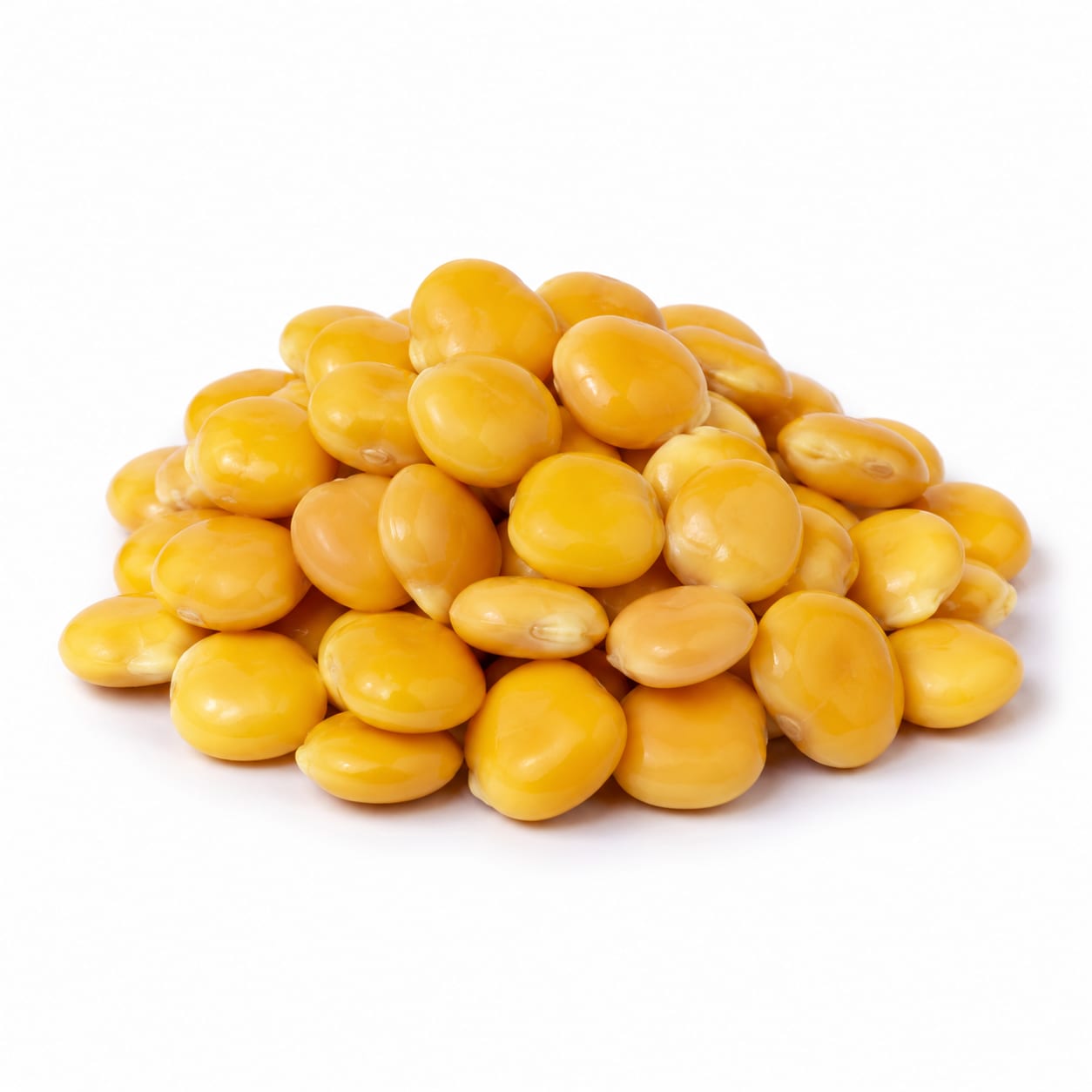
Lupin Bean
A high-protein, low-carb legume often eaten as a snack or used as a plant-based flour alternative.
Lupin beans, or lupini beans, are yellow, high-protein legumes commonly consumed in the Mediterranean and increasingly popular globally as a low-carb, high-protein plant food.
high-protein low-carb legume
Typical serving · 100g
Common varieties · white lupin, yellow lupin, narrow-leaf lupin, andean lupin
Overall context score across nutrition, safety, and diet fit
At a glance
Quick facts
Simple indicators based on nutrition, processing, and diet fit.
The story
What makes it unique
Lupin beans possess an exceptionally high protein-to-carbohydrate ratio compared to other legumes. They digest slowly due to high fiber and protein content, promoting prolonged satiety and minimal glycemic fluctuation. They require extensive soaking and boiling to remove naturally occurring bitter alkaloids.
Varieties: white lupin · yellow lupin · narrow-leaf lupin · andean lupin
Per 100g
Nutrition breakdown
Macro balance and key metrics at a glance.
Energy
Density 1.14 kcal/g
Protein
Carbs
Fat
Fiber
Sugar
1.2 g
Sodium
7 mg
Potassium
340 mg
Glycemic index
15
Glycemic load
2
Water content
68%
Standout compounds
Nutrient highlights
Protein
highSupports muscle synthesis and satiety
Fiber
highPromotes gut health and slows digestion
Iron
moderateEssential for oxygen transport in blood
Magnesium
moderateSupports nerve and muscle function
Wellness map
Health scores & processing
NOVA processing scale
minimally processed · Whole food
Whole lupini beans are minimally processed but require extensive soaking and boiling to remove naturally occurring bitter alkaloids before consumption.
Diet compatibility
- Weight loss
- Muscle gain
- Diabetes
- Gut health
- Low carb
- High protein
- Heart health
Relative standing
Food rankings
Qualitative ranks compared to similar whole foods.
- Satietyexcellent
- Blood sugarexcellent
- Nutrient densityexcellent
- Fitness fuelgood
- Processing qualityexcellent
Eat with confidence
Food safety profile
Raw lupin beans contain toxic bitter alkaloids that must be leached out through prolonged soaking and cooking. Lupin is also a recognized allergen, particularly for those with peanut allergies.
Evidence confidence 90%
- Pesticideslow
- Antibioticslow
- Heavy metalslow
- Contaminationmoderate
Watch for
- quinolizidine alkaloids
- lupin allergen proteins
Safer choices
Pre-cooked, jarred lupini beans in brine
Prep tips
If starting from dry beans, soak in water for several days changing the water daily, then boil thoroughly until bitterness is completely gone. Rinse jarred beans to reduce sodium.
Regulations mandate alkaloid limits in commercial lupin products; mandatory allergen labeling is required in many countries due to cross-reactivity with peanuts.
Deep dive
Health analysis
How this food may fit different goals and preparation choices.
Weight loss
High protein and fiber create strong satiety signals, reducing overall calorie intake. Low energy density allows for larger portion sizes.
Blood sugar
Extremely low glycemic index and load. The minimal starch content prevents significant blood sugar spikes, aiding in stable glucose control.
Fitness & energy
Provides a slow-digesting plant protein source suitable for muscle maintenance, though not ideal for rapid post-workout glycogen replenishment.
Gut health
Rich in prebiotic fiber that feeds beneficial gut bacteria. However, sudden high intake can cause bloating in unaccustomed individuals.
Processing quality
A whole food requiring traditional preparation methods. Commercial flours and snacks derived from lupin may add sugars or fillers.
Food safety
Toxic alkaloids are fully removed through proper soaking and cooking. Peanut allergy cross-reactivity is the primary safety concern.
Common mistakes
Eating dry or undercooked beans without leaching alkaloids; consuming brined jarred beans without rinsing if watching sodium intake.
Best preparation
Boiling thoroughly after multi-day soaking, or roasting cooked beans for a crunchy snack.
Practical guide
Best use cases
When and how this food fits real eating patterns.
Low-carb bean alternative
Use in chili or salads as a substitute for higher-carb beans like kidney or black beans.
High-protein snacking
Eat cooked, lightly salted lupini beans as a satiating, high-protein snack.
Plant-based muscle maintenance
Incorporate into vegan diets to boost daily protein intake without adding excess carbohydrates.
Balance sheet
Pros & cons
Upsides
- Exceptionally high protein for a legume
- Very low net carbohydrates
- Minimal impact on blood sugar
- High satiety keeps hunger at bay
- Good source of dietary fiber
Trade-offs
- Requires extensive soaking and cooking to remove toxins
- High sodium if purchased in brine
- Cross-reactive allergen for peanut allergy sufferers
- Can cause digestive discomfort if introduced too quickly
Fit check
Who is it for?
Great match
- low-carb and keto diets
- plant-based muscle building
- blood sugar management
- high-volume eating
Consider alternatives
- peanut allergy sufferers
- quick weeknight cooking from scratch
- individuals sensitive to high-fiber foods
Side by side
How it compares
Open the full head-to-head analysis for nutrition, safety, and practical tradeoffs.
This food
Lupin Bean
VS90% alike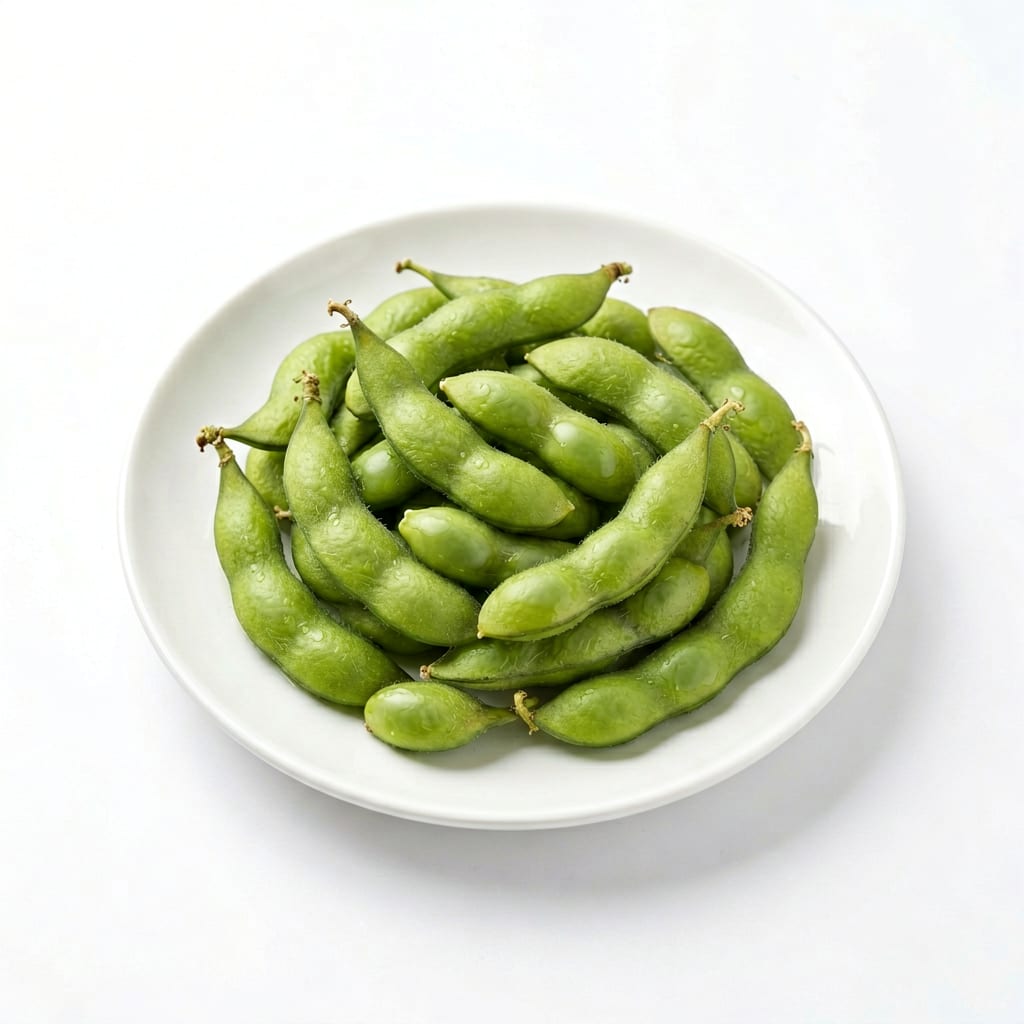
Compare with
Edamame
Lupin beans are lower in carbs than edamame, making them better for blood sugar, while edamame offers faster preparation and slightly higher fat.
Lupin beans are lower in carbs than edamame, making them better for blood sugar, while edamame offers faster preparation and slightly higher fat.
This food
Lupin Bean
VS80% alike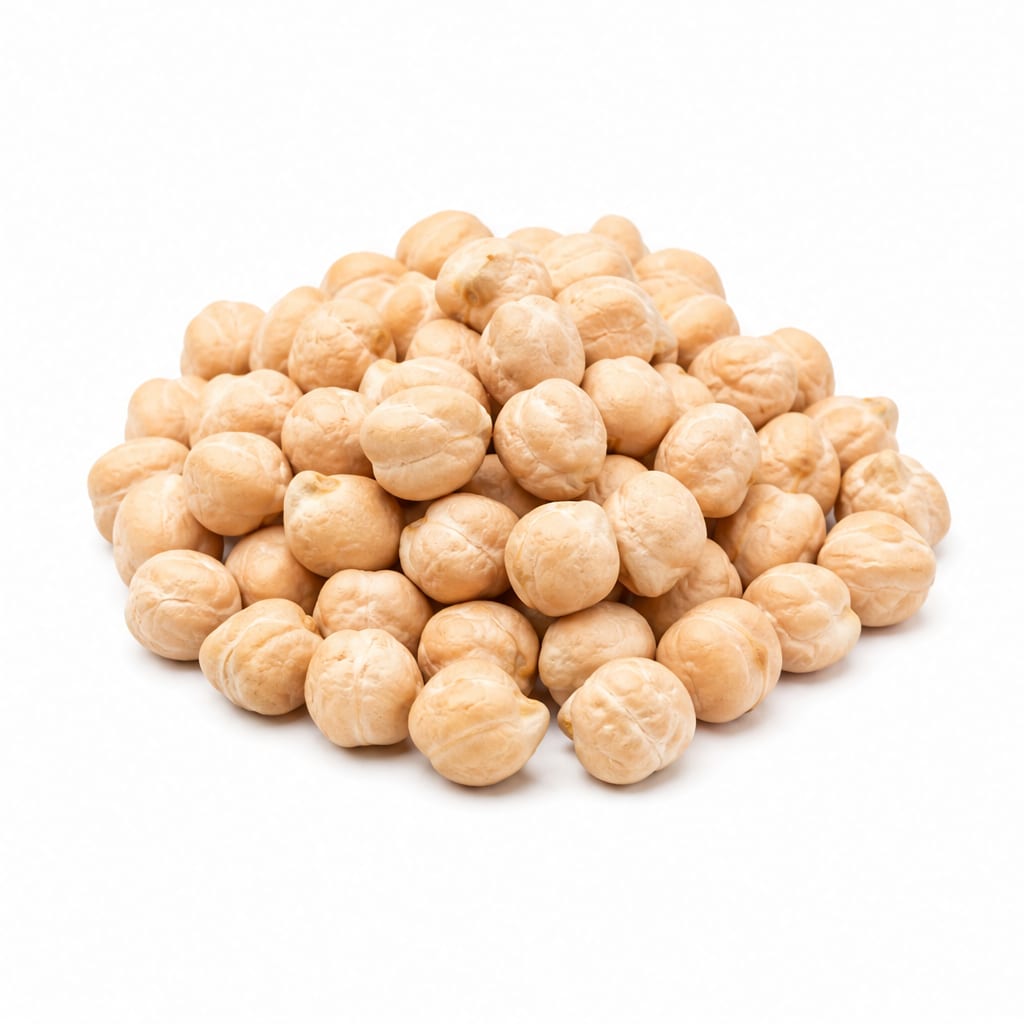
Compare with
Chickpeas
Lupin beans provide significantly more protein and fewer carbs than chickpeas, making them superior for weight loss and blood sugar control.
Lupin beans provide significantly more protein and fewer carbs than chickpeas, making them superior for weight loss and blood sugar control.
This food
Lupin Bean
VS85% alike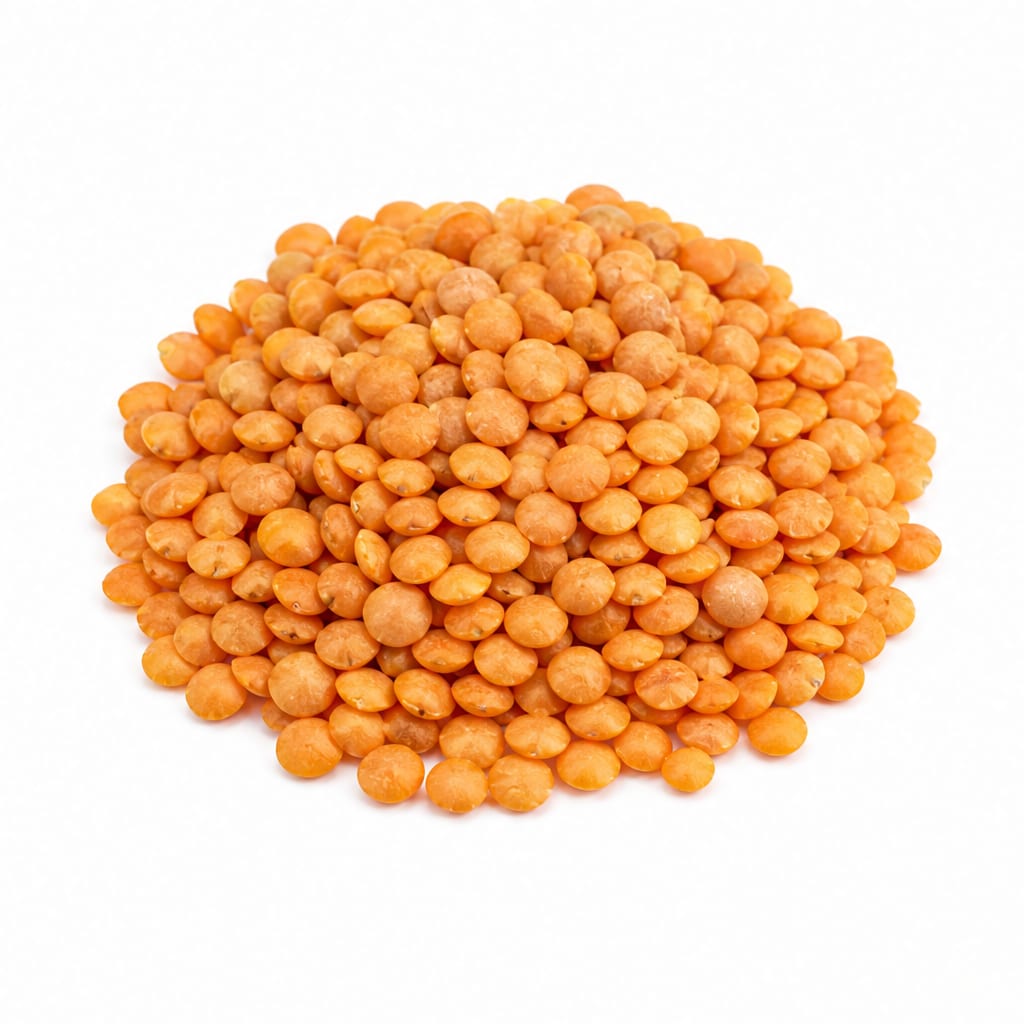
Compare with
Lentils
Lupin beans are lower in carbohydrates and higher in protein than lentils, though lentils are much quicker to cook from scratch.
Lupin beans are lower in carbohydrates and higher in protein than lentils, though lentils are much quicker to cook from scratch.
This food
Lupin Bean
VS80% alike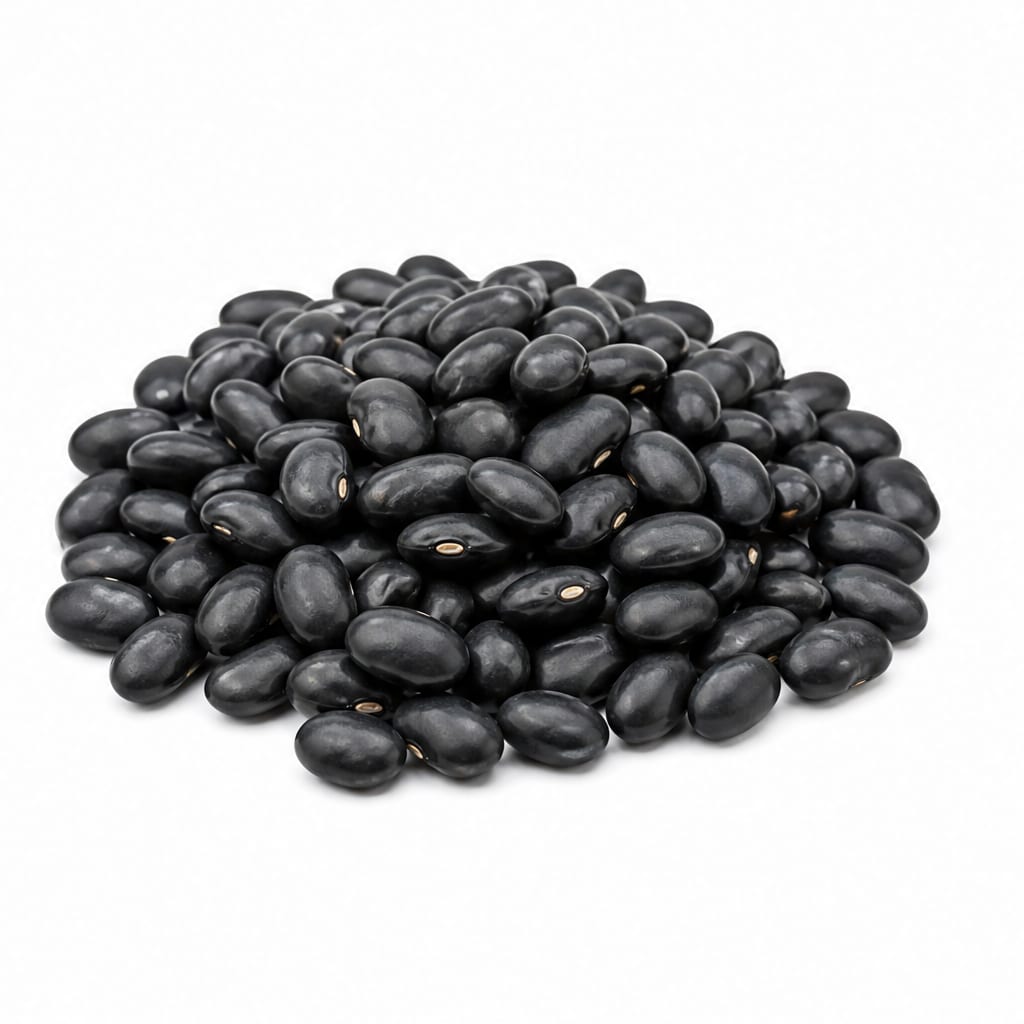
Compare with
Black Beans
Lupin beans outperform black beans for low-carb diets due to their higher protein and lower starch content.
Lupin beans outperform black beans for low-carb diets due to their higher protein and lower starch content.
This food
Lupin Bean
VS85% alike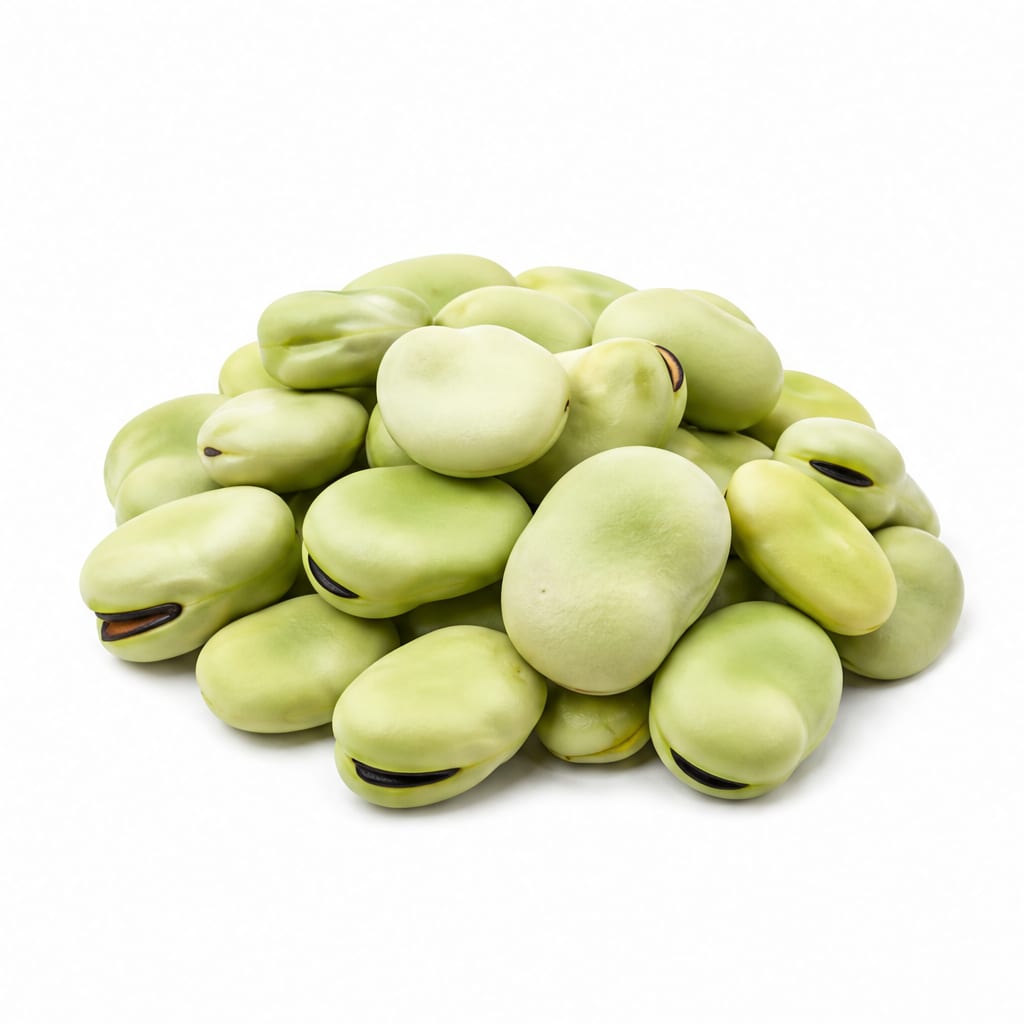
Compare with
Fava Beans
Both have a firm texture, but lupin beans are much higher in protein and lower in net carbs than fava beans.
Both have a firm texture, but lupin beans are much higher in protein and lower in net carbs than fava beans.
This food
Lupin Bean
VS90% alike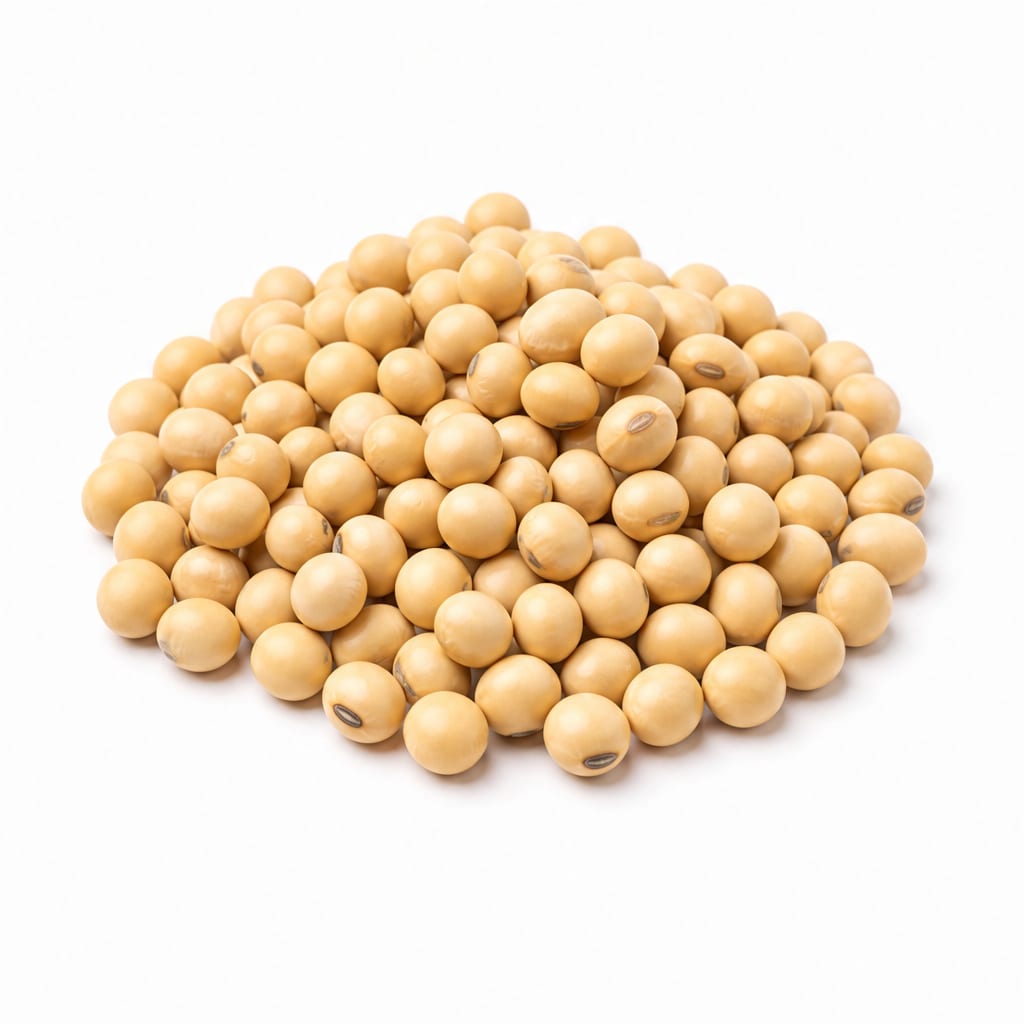
Compare with
Soybeans
Soybeans are higher in overall protein and fat, while lupin beans are leaner and significantly lower in carbohydrates.
Soybeans are higher in overall protein and fat, while lupin beans are leaner and significantly lower in carbohydrates.
This food
Lupin Bean
VS75% alike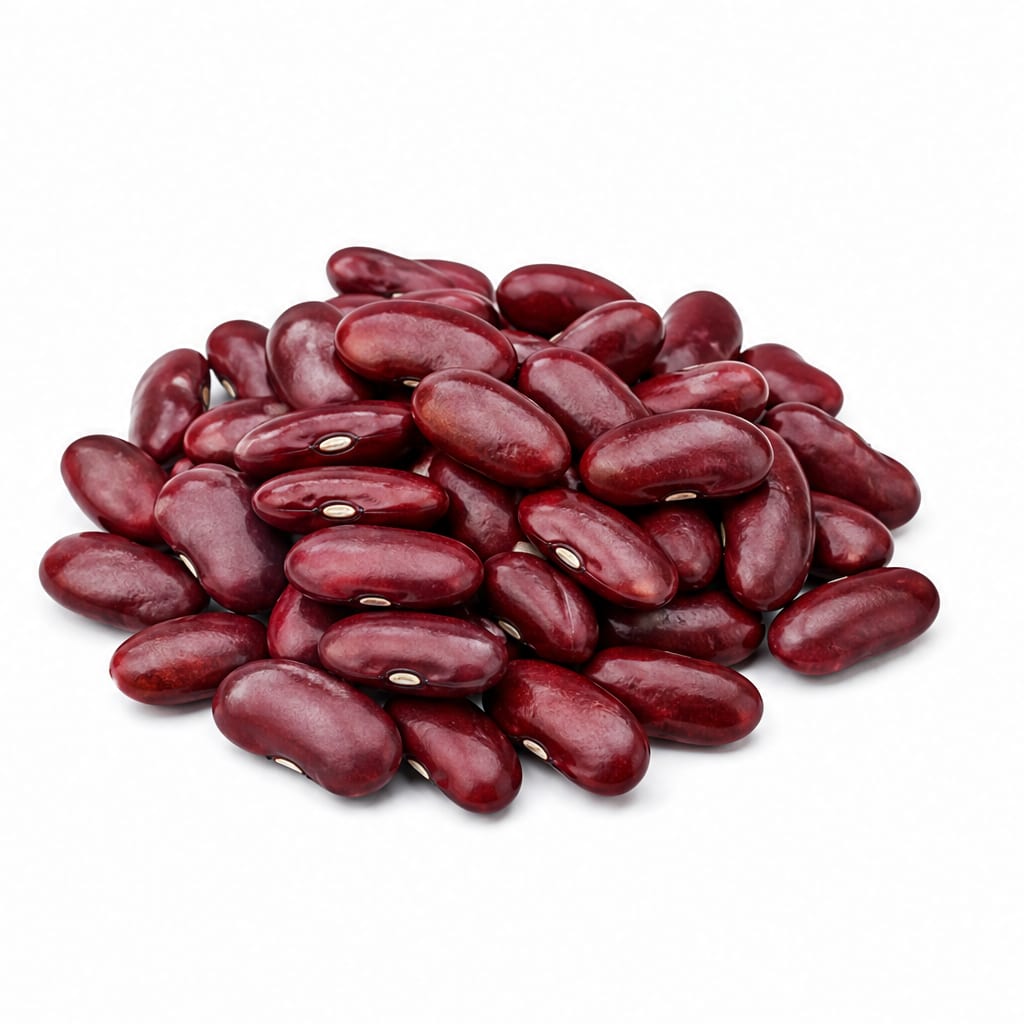
Compare with
Kidney Beans
Lupin beans offer a much better protein-to-carb ratio than kidney beans, making them far more suitable for low-carb diets.
Lupin beans offer a much better protein-to-carb ratio than kidney beans, making them far more suitable for low-carb diets.
This food
Lupin Bean
VS70% alike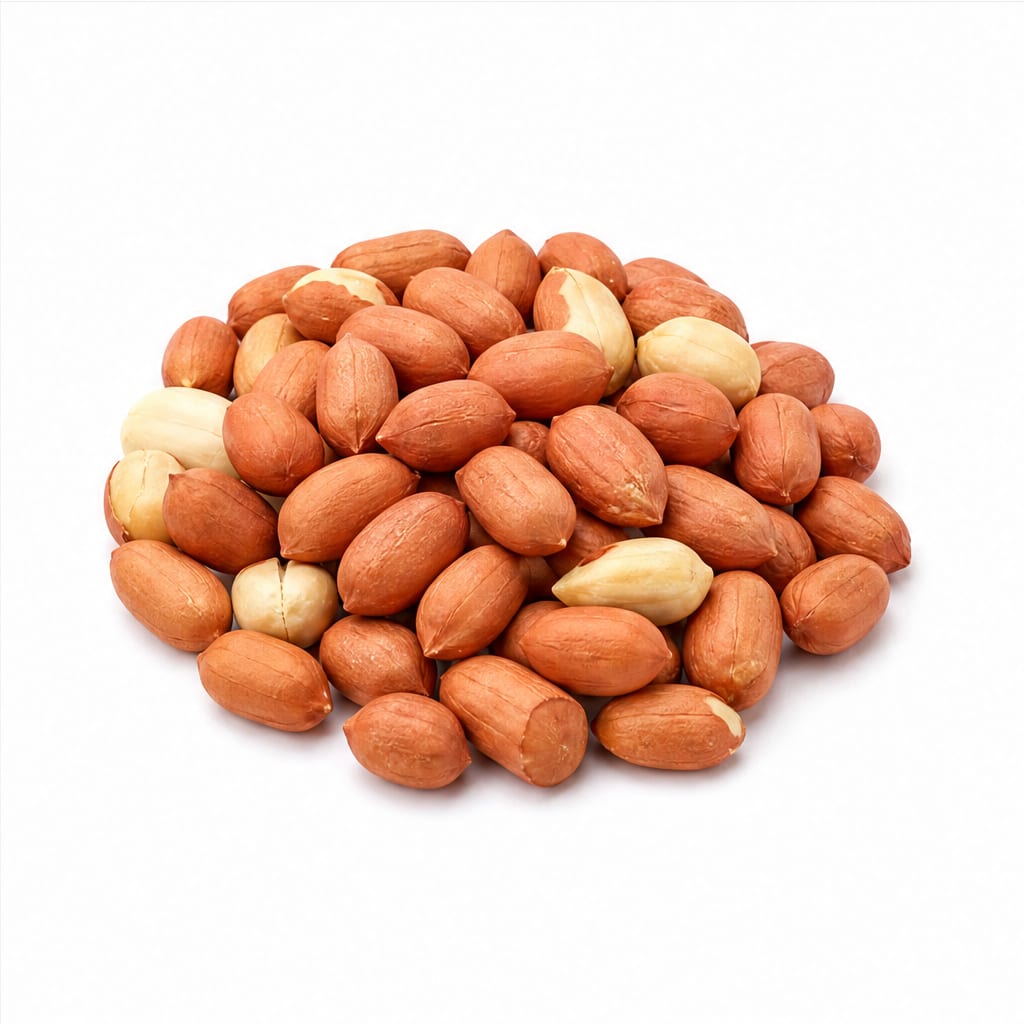
Compare with
Peanuts
Peanuts are high in fat and calories, whereas lupin beans are a lean, low-calorie source of protein with similar nutty flavors.
Peanuts are high in fat and calories, whereas lupin beans are a lean, low-calorie source of protein with similar nutty flavors.
This food
Lupin Bean
VS75% alike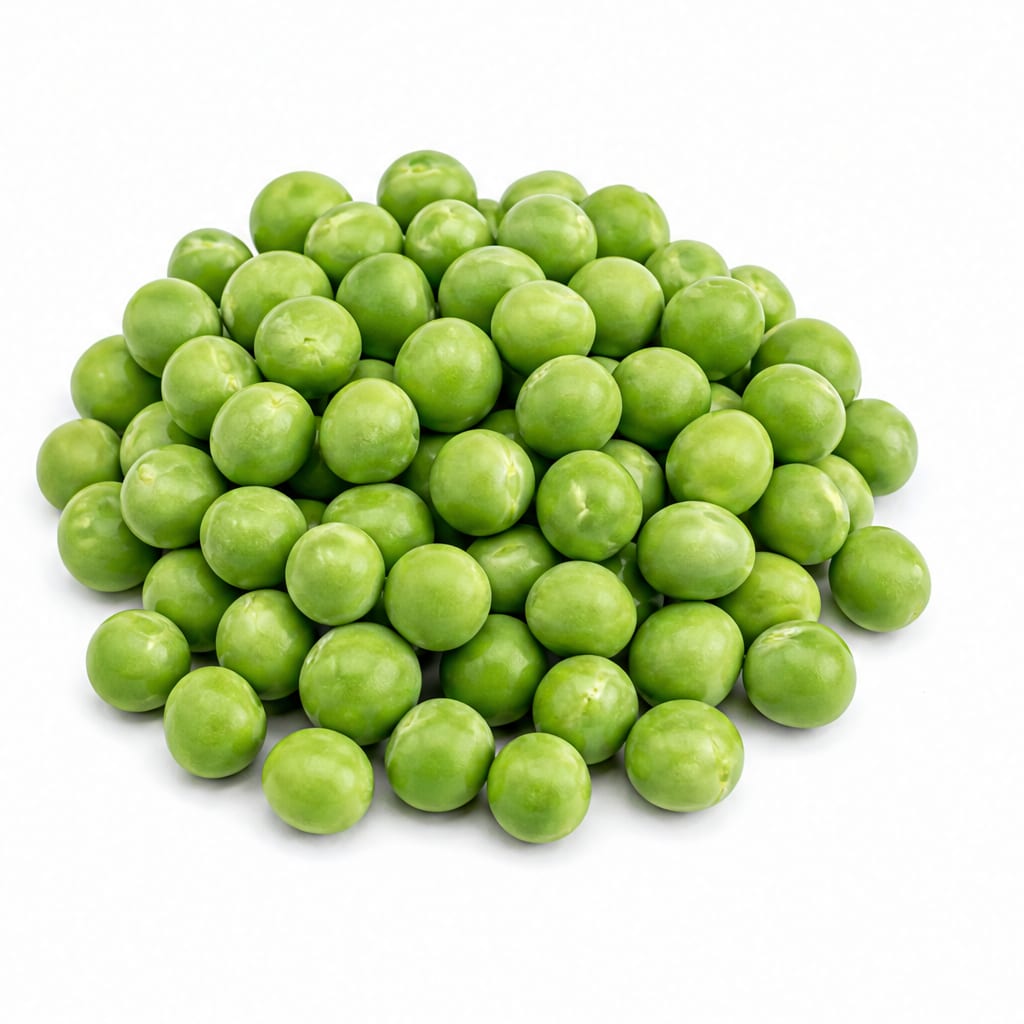
Compare with
Green Peas
Lupin beans contain nearly triple the protein of green peas and a fraction of the carbohydrates.
Lupin beans contain nearly triple the protein of green peas and a fraction of the carbohydrates.
This food
Lupin Bean
VS75% alike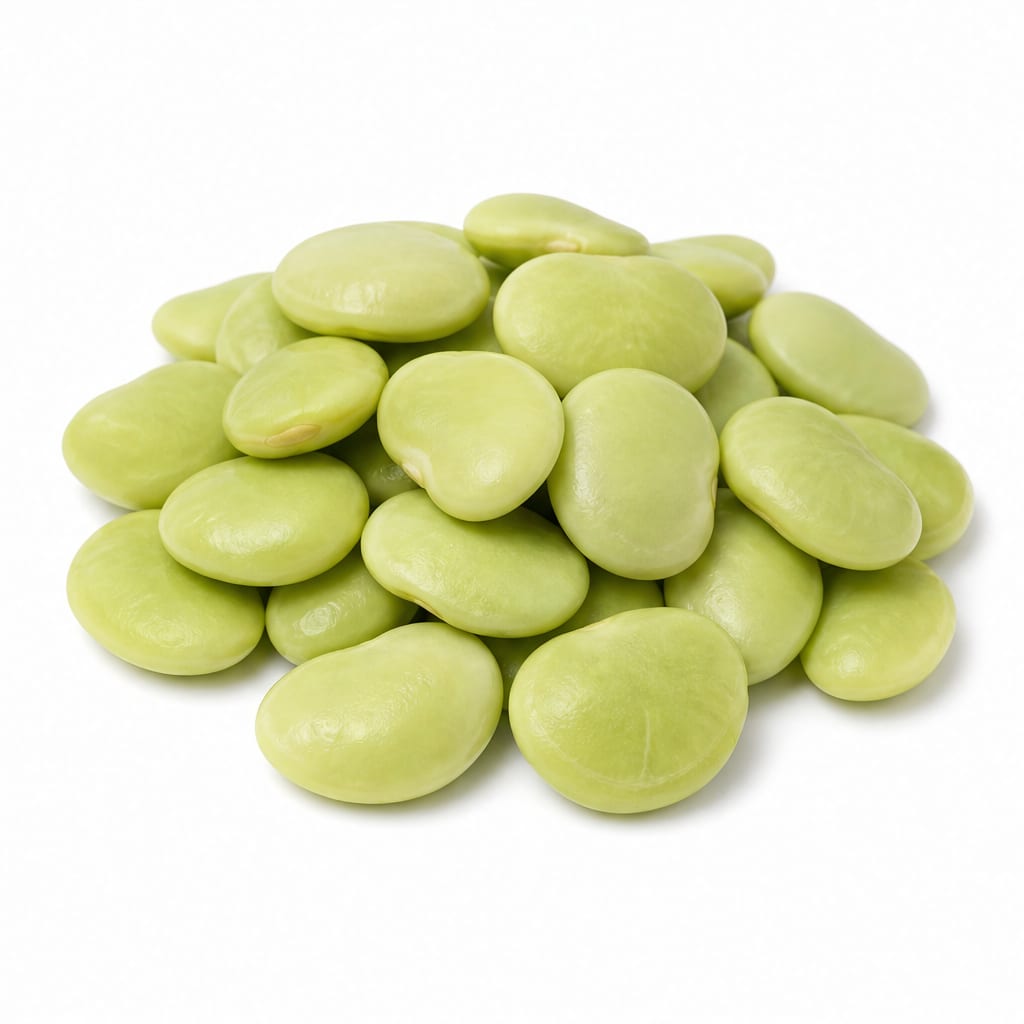
Compare with
Lima Beans
Lupin beans are significantly lower in starch and higher in protein than lima beans, offering better glycemic control.
Lupin beans are significantly lower in starch and higher in protein than lima beans, offering better glycemic control.
Common questions
FAQ
Answers aligned with how people search for this food.
Are lupin beans good for weight loss?
Yes, their high protein and fiber content promote fullness while being low in calories and carbs, which helps reduce overall calorie intake.
Are lupini beans keto friendly?
Yes, lupin beans are uniquely low in net carbs compared to other legumes, fitting well into a low-carb or keto diet in moderate portions.
Can you eat lupin beans if you have a peanut allergy?
No, lupin contains similar proteins to peanuts and poses a significant cross-reactivity risk for those with peanut allergies.
How do you remove bitterness from lupini beans?
Soak dry beans in water for several days, changing the water daily, then boil them until the bitter alkaloids are completely leached out.
Are lupin beans high in protein?
Yes, they are among the highest protein legumes, containing roughly 15-16 grams of protein per 100 grams cooked.
Can diabetics eat lupin beans?
Yes, they have a very low glycemic index and minimal starch, making them excellent for blood sugar management.
What do lupini beans taste like?
They have a slightly nutty, earthy flavor and a firm, meaty texture, often described as similar to edamame or fava beans.
Transparency
Data confidence
Estimated confidence for nutrition data, interpretation, safety notes, and comparisons.
Nutrition data
Health analysis
Food safety
Comparisons