
Nutrition comparison
Lupin Beans vs Peanuts: Protein, Calories, Allergies, and Which to Choose
Compare lupin beans and peanuts on protein, calories, fat, allergen safety, and convenience. Find out which legume fits your health goals and lifestyle better.
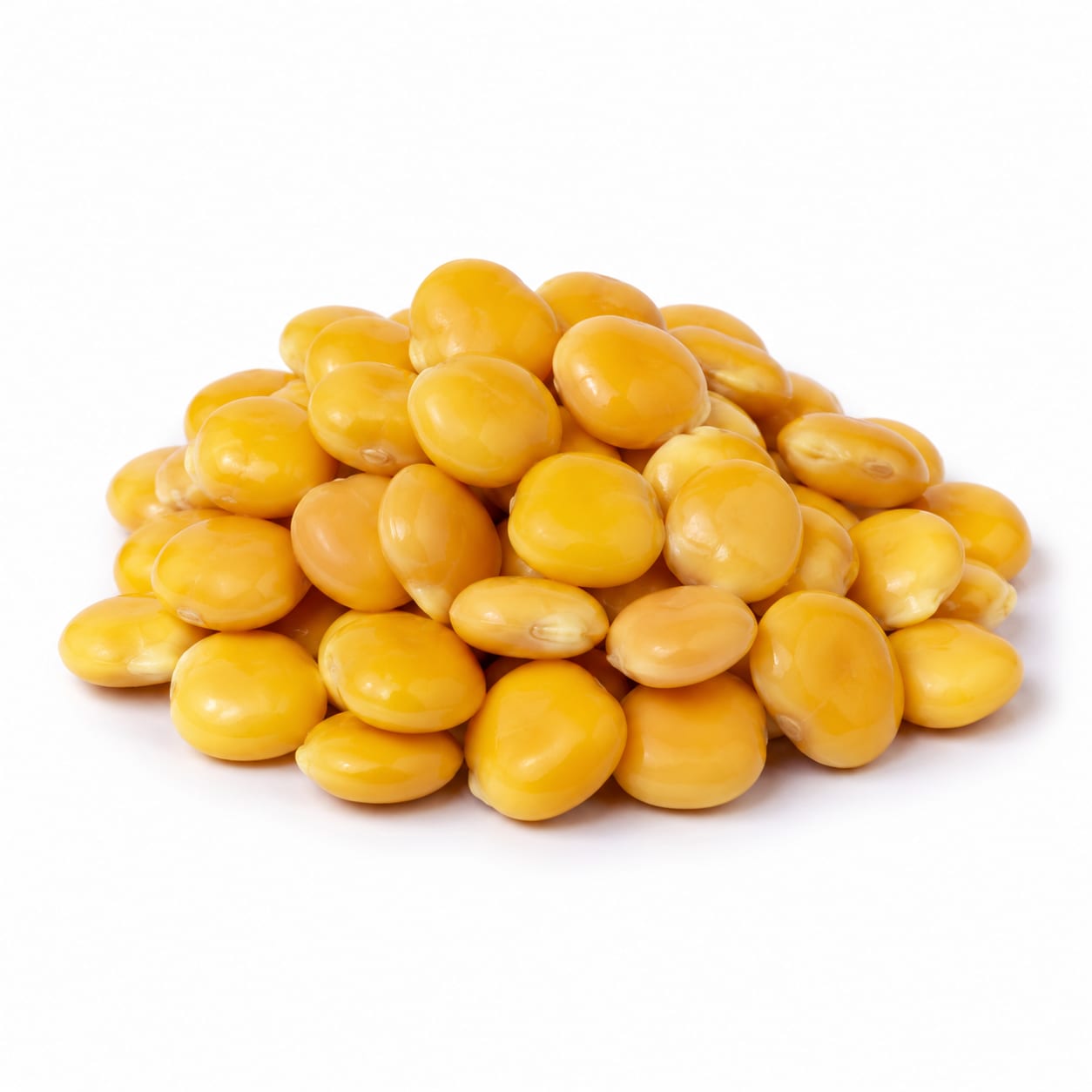
Lupin Bean
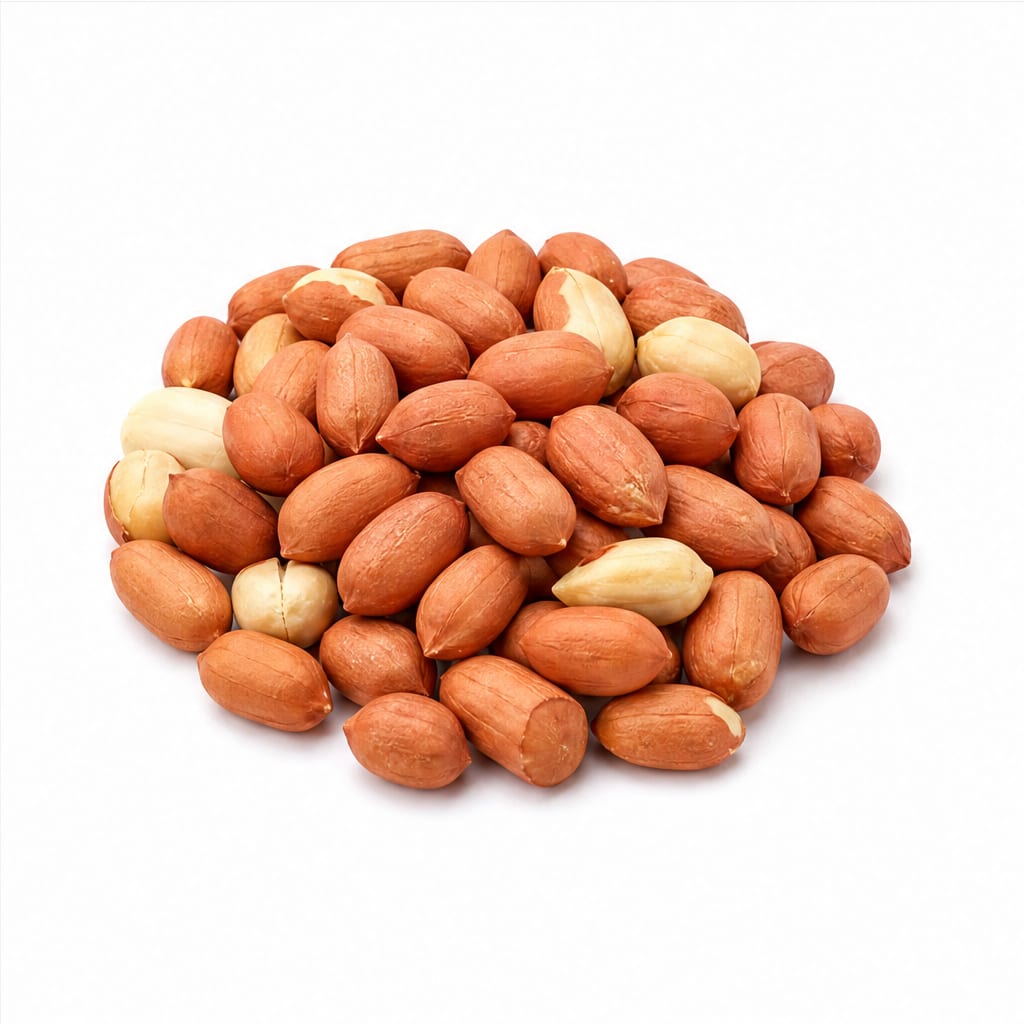
Peanuts
Lupin beans win on protein density and calorie control; peanuts win on convenience, healthy fats, and accessibility.
Lupin beans edge ahead on nutritional density and calorie efficiency, but peanuts score much higher on practicality and everyday usability. The close scores reflect that each excels in very different contexts.
Lupin beans offer lean protein with minimal calories but require preparation and carry allergen cross-reactivity. Peanuts deliver satisfying healthy fats and are grab-and-go easy, but calorie density makes portion control critical.
At a glance
Executive summary
Overall
It depends
Healthier
Lupin Bean
More practical
Peanuts
Daily use
Peanuts
Key comparison lenses
Protein source comparison for plant-based diets
Both are legume-based protein powerhouses, but with dramatically different fat and calorie profiles
Allergen safety and cross-reactivity concerns
Lupin beans share proteins with peanuts, creating serious cross-reactivity risks for peanut-allergic individuals
Weight management and calorie density
Lupin beans are remarkably low in calories and fat compared to calorie-dense peanuts
Snack convenience and everyday practicality
Peanuts are ubiquitous and ready-to-eat; lupin beans require preparation and are harder to find
Aflatoxin and contamination safety
Peanuts carry significant aflatoxin risk; lupin beans have alkaloid toxicity concerns if improperly prepared
Best choice for
Lupin Bean
- Weight loss seekers wanting maximum protein with minimal calories
- People tracking macros who need lean protein sources
- Those avoiding high-fat foods for digestive comfort
- Mediterranean diet followers seeking traditional legumes
Peanuts
- Busy people needing portable, shelf-stable protein
- Athletes wanting calorie-dense fuel with healthy fats
- Anyone on a budget seeking affordable nutrition
- Keto or low-carb eaters needing high-fat plant options
Least suitable for
Lupin Bean
- Anyone with peanut allergy due to cross-reactivity risk
- People wanting grab-and-go convenience
- Those unfamiliar with proper preparation techniques
- Shoppers with limited access to specialty stores
Peanuts
- People with peanut or legume allergies
- Anyone strictly controlling calorie intake
- Those prone to mindless overeating of snack foods
- Individuals concerned about aflatoxin exposure
Deep comparison
Dimension by dimension
Each lens scores both foods and breaks down who each option suits.
- Dimension 1 · Priority 95Lupin Bean
Protein Density and Quality
Lupin Bean · 92Peanuts · 78Lupin beans deliver more protein per calorie by a wide margin, making them one of the leanest plant proteins available.
Tradeoff
Peanuts still provide solid protein but come packaged with significantly more fat and calories per gram of protein.
Why it matters
If you are tracking protein without blowing past calorie limits, lupin beans are far more efficient.
Real-world impact
A serving of lupin beans gives you protein comparable to chicken breast with fewer calories than a handful of peanuts.
Lupin Bean
- Lean bulking phases where calorie control matters
- High-protein diets with calorie limits
- Post-workout recovery without excess calories
Better for
- Anyone wanting calorie-dense meals to gain weight
Worse for
Peanuts
- Situations where calorie density is actually desired
- Endurance athletes needing compact energy
Better for
- Cutting phases where every calorie counts
Worse for
- Dimension 2 · Priority 90Lupin Bean
Calorie Density and Weight Management
Lupin Bean · 91Peanuts · 52Lupin beans are dramatically lower in calories per serving, making them far easier to fit into weight loss plans.
Tradeoff
Peanuts are calorie-dense, so small portions pack big calories. Great for gaining weight, risky for losing it.
Why it matters
It is very easy to accidentally eat 400+ calories of peanuts as a snack. Lupin beans make overeating far less likely.
Real-world impact
You can eat nearly three times the volume of lupin beans for the same calories as a handful of peanuts.
Lupin Bean
- Weight loss diets
- Volume eating strategies
- People who struggle with portion control
Better for
- Anyone underweight trying to gain mass
Worse for
Peanuts
- Healthy weight gain goals
- Backpacking and hiking where calorie density is essential
- Teenagers needing extra calories
Better for
- Late-night snacking when calories add up fast
- Mindless eating scenarios
Worse for
- Dimension 3 · Priority 85Peanuts
Healthy Fat Profile
Lupin Bean · 30Peanuts · 30Peanuts are rich in heart-healthy monounsaturated fats. Lupin beans are nearly fat-free, which is a pro or con depending on your goals.
Tradeoff
The fats in peanuts support heart health and hormone production, but they drive up calories significantly.
Why it matters
Your body needs healthy fats. Peanuts provide them conveniently; lupin beans require you to get fats elsewhere.
Real-world impact
Eating peanuts as your fat source feels satisfying and supports steady energy. With lupin beans, you need to add olive oil, avocado, or other fat sources to meals.
Lupin Bean
- Low-fat diet protocols
- People with gallbladder issues limiting fat intake
Better for
- Diets where fat intake is already too low
Worse for
Peanuts
- Mediterranean-style eating patterns
- Keto and low-carb diets
- Anyone needing satiety from healthy fats
Better for
- Very low-fat diet prescriptions
Worse for
- Dimension 4 · Priority 92It depends
Allergen Safety and Cross-Reactivity
Lupin Bean · 45Peanuts · 40Both carry serious allergen risks. Peanuts are a top allergen globally. Lupin beans cross-react with peanut allergy in up to 30% of cases.
Tradeoff
Neither is safe for legume-allergic individuals. Lupin beans add an extra hidden danger because many people are unaware of the cross-reactivity.
Why it matters
If you have a peanut allergy, lupin beans are not a safe alternative. This is a critical, potentially life-threatening misunderstanding.
Real-world impact
Someone switching from peanuts to lupin beans thinking they are avoiding allergens could trigger a serious reaction.
Lupin Bean
- People with peanut allergy who have been tested and confirmed non-reactive to lupin
Better for
- Anyone with peanut allergy who has not been specifically tested for lupin tolerance
- Restaurants and shared kitchens where cross-contact is likely
Worse for
Peanuts
- People with lupin allergy avoiding lupin products
Better for
- School environments with peanut bans
- Households with allergic children
Worse for
- Dimension 5 · Priority 80Peanuts
Convenience and Accessibility
Lupin Bean · 35Peanuts · 90Peanuts are available everywhere, require no cooking, and last forever in the pantry. Lupin beans need soaking, boiling, and specialty shopping.
Tradeoff
The superior nutrition of lupin beans comes with real preparation effort that most people will not sustain long-term.
Why it matters
The healthiest food only works if you actually eat it. Peanuts win on consistency because they fit into real life effortlessly.
Real-world impact
You can keep peanuts in your desk, car, or gym bag. Lupin beans require planning, cooking, and refrigeration.
Lupin Bean
- Meal prep enthusiasts who cook in batches
- People who enjoy traditional cooking methods
Better for
- Anyone who does not cook regularly
- People without access to specialty grocers
Worse for
Peanuts
- Busy professionals needing quick nutrition
- Travel and on-the-go eating
- Emergency food supplies and hiking
Better for
- Situations where sodium from roasted peanuts is a concern
Worse for
- Dimension 6 · Priority 78It depends
Toxin and Contamination Risk
Lupin Bean · 55Peanuts · 50Peanuts carry aflatoxin risk from mold. Lupin beans contain bitter alkaloids that are toxic if not properly removed by soaking and cooking.
Tradeoff
Both have real contamination concerns but of different types. Proper sourcing and preparation mitigates both risks significantly.
Why it matters
Aflatoxin is a long-term cumulative concern linked to liver damage. Lupin alkaloids cause acute toxicity if preparation is rushed.
Real-world impact
Commercial peanut products are tested for aflatoxin, but risk is not zero. Canned or pre-cooked lupin beans eliminate alkaloid risk entirely.
Lupin Bean
- Using pre-cooked canned lupin beans which have alkaloids already removed
Better for
- Raw or improperly prepared lupin beans
- Home-cooked lupin beans with shortened soaking times
Worse for
Peanuts
- Buying from reputable brands that test for aflatoxin
- Storing peanuts properly in cool, dry conditions
Better for
- Peanuts stored in warm, humid conditions
- Discount peanuts from unknown sources
Worse for
- Dimension 7 · Priority 75It depends
Satiety and Eating Behavior
Lupin Bean · 72Peanuts · 70Lupin beans fill you up with volume and fiber without many calories. Peanuts satisfy through fat-driven fullness but are easy to overeat.
Tradeoff
Volume-based satiety from lupin beans lasts differently than fat-based satiety from peanuts. Both work, but trigger different eating patterns.
Why it matters
If you tend to overeat snack foods, peanuts are dangerous. If you need to feel physically full, lupin beans deliver more bulk.
Real-world impact
A cup of cooked lupin beans feels like a real meal. A handful of peanuts disappears before your brain registers fullness.
Lupin Bean
- Volume eaters who need physical fullness
- People prone to snacking past fullness
Better for
- People who find high-volume meals uncomfortable
Worse for
Peanuts
- Those who feel satisfied by smaller portions of rich foods
- Fat-adapted eaters on low-carb diets
Better for
- Anyone who cannot stop at one serving of nuts
Worse for
Timeline
Health impact over time
Short-term
Hours to days
Lupin Bean
- High fiber may cause bloating if you are not used to it
- Very low fat content may leave you hungry sooner if eaten alone
- Improperly prepared raw lupin beans can cause nausea and anticholinergic symptoms
Peanuts
- Calorie density makes it easy to overshoot daily intake without noticing
- Healthy fats provide steady energy and satiety when portions are controlled
- Salty roasted versions can drive thirst and bloating from sodium
Long-term
Months to years
Lupin Bean
- Consistent lean protein intake supports muscle maintenance without calorie creep
- High fiber promotes gut health and regular digestion over time
- Aflatoxin exposure is not a concern with lupin beans
Peanuts
- Monounsaturated fats support cardiovascular health when replacing processed snacks
- Chronic overconsumption contributes to gradual weight gain due to calorie density
- Aflatoxin exposure from poorly sourced peanuts may pose cumulative liver risk
Risk profile
Safety & processing
Both are whole foods in their natural form. However, most peanuts consumed are roasted with added oils and salt, pushing them toward moderate processing. Lupin beans are typically sold dried or canned with minimal additives.
Lupin Bean
Lupin alkaloid toxicity
highRaw lupin beans contain quinolizidine alkaloids that cause nausea, dizziness, and in severe cases anticholinergic poisoning. Proper soaking and boiling removes most alkaloids.
Peanut cross-reactivity allergy
highUp to 30% of peanut-allergic individuals react to lupin proteins. Many people are unaware of this risk and may assume lupin beans are a safe peanut substitute.
Peanuts
Aflatoxin contamination
mediumPeanuts are susceptible to Aspergillus mold producing aflatoxins, which are liver carcinogens. Reputable brands test for this, but risk is never zero.
Severe allergic reactions
highPeanut allergy is one of the most common and dangerous food allergies, capable of triggering anaphylaxis from trace exposure.
Who wins for whom
Audience fit
Same foods, different winners depending on your goal.
children
PeanutsPeanuts are more familiar, easier to serve, and provide calorie density growing kids need. Lupin beans require preparation and carry allergen confusion risk.
daily consumption
PeanutsPeanuts are easier to incorporate consistently due to convenience and availability. Daily lupin bean consumption is realistic only for committed meal preppers.
diabetes
Lupin BeanLupin beans have minimal impact on blood sugar with their combination of high protein, high fiber, and very low carbohydrate content.
elderly
Lupin BeanLupin beans offer lean protein for muscle preservation without excess calories that older adults struggle to burn. Fiber also supports digestive regularity.
muscle gain
It dependsLupin beans offer more protein per calorie for lean gains. Peanuts provide calorie density useful for bulk phases. Choose based on whether you need lean or calorie-surplus gains.
weight loss
Lupin BeanLupin beans provide high protein and fiber at a fraction of the calories, making it far easier to maintain a deficit without feeling deprived.
Your move
Decision guide
Choose Lupin Bean
- You are tracking calories and want maximum protein with minimal energy intake
- You enjoy cooking and do not mind soaking and boiling dried legumes
- You have no peanut or legume allergies and want a lower-fat protein option
- You are looking for volume eating strategies to feel full on fewer calories
Choose Peanuts
- You need grab-and-go nutrition that requires zero preparation
- You want calorie-dense fuel for active days, hiking, or weight gain
- You have no peanut allergy and want an affordable, widely available protein
- You are following a low-carb or keto eating pattern
Either works if
- You tolerate both well and want variety in your plant protein sources
- You are building a diverse legume rotation for gut microbiome health
Avoid both if
- You have a legume allergy that spans multiple species
- You have not confirmed tolerance for either and have known food allergies
- You are in a household with severe peanut allergy where cross-contact is risky
Final recommendation
Use both strategically. Lupin beans are your lean protein powerhouse for meals where calorie control matters. Peanuts are your convenient, satisfying snack when you need quick energy and healthy fats. Just keep peanut portions measured and never assume lupin beans are safe if you have a peanut allergy.
Practical
Consumer tips
- 1
Canned lupin beans are the easiest entry point and eliminate alkaloid toxicity concerns from raw preparation
- 2
Measure peanuts into small containers rather than eating from the bag to avoid accidental calorie overload
- 3
If you have a peanut allergy, do not try lupin beans without allergist testing for cross-reactivity first
- 4
Store peanuts in a cool, dry place or refrigerator to reduce aflatoxin risk from mold growth
- 5
Try lupin bean hummus as a high-protein, low-fat alternative to traditional chickpea hummus
- 6
Choose dry-roasted or raw peanuts without added oils when possible to avoid unnecessary processing