
Nutrition comparison
Lupin Bean vs Chickpeas: Protein, Carbs, and Safety Compared
Which legume is healthier? Compare Lupin Beans and Chickpeas for protein, keto-friendliness, blood sugar impact, and allergy safety to find your best fit.
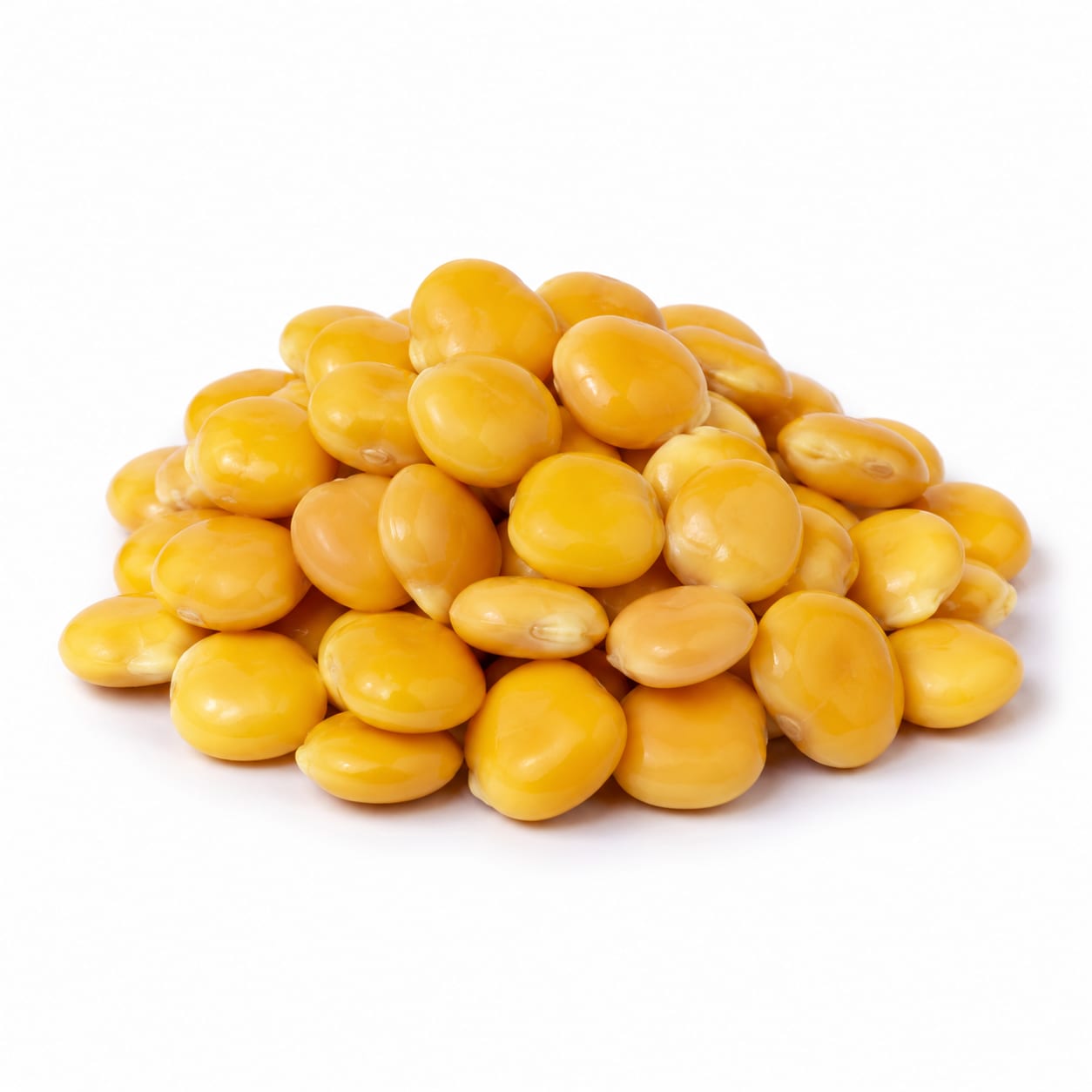
Lupin Bean
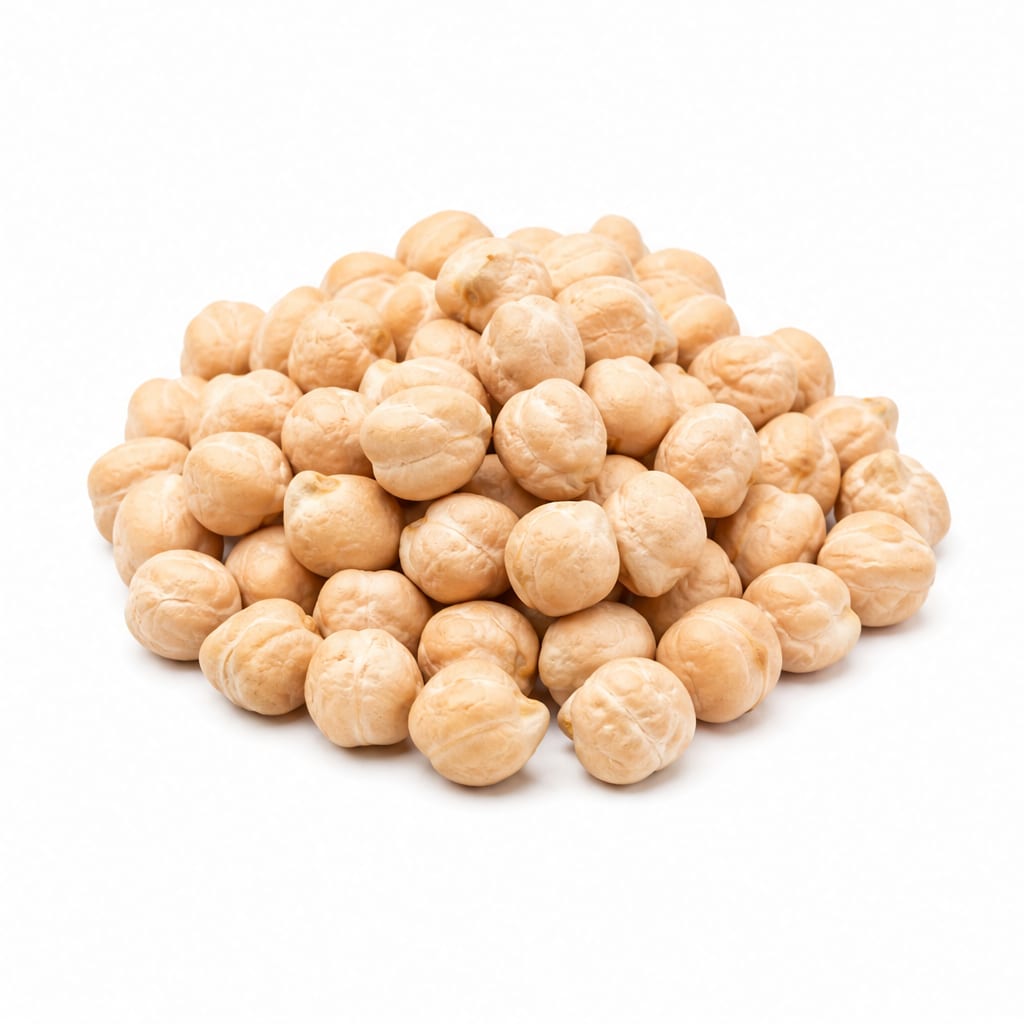
Chickpeas
Lupin Beans are a protein-packed, low-carb powerhouse, but Chickpeas are safer, more versatile, and easier to incorporate daily.
Chickpeas score slightly higher due to superior everyday practicality and safety, though Lupin Beans win decisively on pure macronutrient metrics for specialized diets.
You trade the unmatched protein and keto-friendliness of Lupin Beans for the everyday reliability, safety, and culinary ease of Chickpeas.
At a glance
Executive summary
Overall
It depends
Healthier
Lupin Bean
More practical
Chickpeas
Daily use
Chickpeas
Key comparison lenses
Protein density and satiety
Lupin Beans offer nearly double the protein per calorie compared to Chickpeas, making them a top-tier plant protein source.
Carbohydrate load and blood sugar impact
Lupin Beans are extremely low in starch, appealing to low-carb and keto dieters, whereas Chickpeas provide steady complex carbs.
Allergen and toxicity safety
Lupin Beans carry a high cross-reactivity risk for peanut allergies and contain bitter alkaloids if not prepared correctly.
Culinary versatility and convenience
Chickpeas are a pantry staple with endless uses, while Lupin Beans are less common and require specific preparation.
Best choice for
Lupin Bean
- Strict low-carb and keto dieters seeking plant protein
- People managing blood sugar spikes who still want high fiber
- Vegans needing to maximize protein per calorie
Chickpeas
- Families needing a safe, kid-friendly pantry staple
- Meal preppers looking for versatile batch-cooking ingredients
- Anyone with a peanut allergy (due to lupin cross-reactivity risk)
Least suitable for
Lupin Bean
- Anyone with a peanut or legume allergy
- Home cooks wanting quick, zero-prep weeknight meals
Chickpeas
- Strict ketogenic dieters tracking every net carb
- Those trying to maximize protein without increasing carb intake
Deep comparison
Dimension by dimension
Each lens scores both foods and breaks down who each option suits.
- Dimension 1 · Priority 95Lupin Bean
Protein Density & Satiety
Lupin Bean · 96Chickpeas · 68Lupin Beans deliver nearly double the protein of Chickpeas, making them far more filling per serving.
Tradeoff
You get massive satiety from Lupin Beans, but their dense texture is less creamy and comforting than Chickpeas.
Why it matters
Higher protein per calorie means you stay full longer without overeating, which is crucial for weight management.
Real-world impact
A Lupin Bean salad will keep you full straight through the afternoon slump, while a Chickpea salad might leave you hunting for a snack an hour earlier.
Lupin Bean
- Lupin Beans are better for staying full on fewer calories
- Lupin Beans are better for hitting high protein targets without supplements
Better for
- Lupin Beans are worse if you prefer a creamier, softer bite in your meals
Worse for
Chickpeas
- Chickpeas are better for a lighter, less dense eating experience
Better for
- Chickpeas are worse if you need maximum protein to curb serious hunger
Worse for
- Dimension 2 · Priority 90Lupin Bean
Carbohydrate Profile & Blood Sugar
Lupin Bean · 94Chickpeas · 55Lupin Beans are almost entirely fiber with minimal starch, while Chickpeas provide significant complex carbs.
Tradeoff
Lupin Beans offer near-zero net carbs, but Chickpeas provide the readily available energy needed for active lifestyles.
Why it matters
If you are watching your blood sugar or carb intake, the difference between high-starch and high-fiber carbs is everything.
Real-world impact
Eating Lupin Beans won't spike your blood sugar at all, making them safe for diabetics, whereas Chickpeas provide steady energy for a workout but require insulin response.
Lupin Bean
- Lupin Beans are better for strict keto and low-carb diets
- Lupin Beans are better for avoiding post-meal blood sugar crashes
Better for
- Lupin Beans are worse if you need carbs to recover from intense training
Worse for
Chickpeas
- Chickpeas are better for fueling endurance exercise
- Chickpeas are better for balanced macro meals
Better for
- Chickpeas are worse if you are highly sensitive to dietary carbohydrates
Worse for
- Dimension 3 · Priority 80Chickpeas
Culinary Versatility & Convenience
Lupin Bean · 45Chickpeas · 95Chickpeas are incredibly adaptable and easy to use, while Lupin Beans are niche and require specific prep.
Tradeoff
You sacrifice kitchen convenience and recipe variety with Lupin Beans in exchange for their nutritional edge.
Why it matters
A healthy food only works if you actually eat it. Chickpeas fit seamlessly into hundreds of dishes with zero friction.
Real-world impact
You can toss canned Chickpeas into a salad in 10 seconds, but Lupin Beans usually require soaking, boiling, and brining to taste good.
Lupin Bean
- Lupin Beans are better for adding a firm, low-carb bite to pickled snacks
Better for
- Lupin Beans are worse for last-minute meal prep
- Lupin Beans are worse if you want a neutral flavor carrier
Worse for
Chickpeas
- Chickpeas are better for quick weeknight dinners
- Chickpeas are better for making creamy dips like hummus
- Chickpeas are better for roasting into crispy snacks
Better for
- Chickpeas are worse for low-carb snacking
Worse for
- Dimension 4 · Priority 85Chickpeas
Allergen & Safety Profile
Lupin Bean · 40Chickpeas · 90Lupin Beans carry a notable allergy risk and contain natural toxins if not prepared correctly, whereas Chickpeas are widely safe.
Tradeoff
The unique compounds in Lupin Beans offer nutritional benefits but introduce safety hurdles that Chickpeas completely avoid.
Why it matters
Unpredictable allergic reactions or improper preparation can turn a healthy meal into a health hazard.
Real-world impact
If you have a peanut allergy, eating Lupin Beans could trigger a severe reaction, while Chickpeas are generally safe for almost everyone.
Lupin Bean
- Lupin Beans are worse for anyone with a peanut allergy due to cross-reactivity
- Lupin Beans are worse if you don't have time to properly detoxify bitter varieties
Worse for
Chickpeas
- Chickpeas are better for households with peanut allergies
- Chickpeas are better for worry-free cooking without complex prep rules
Better for
Timeline
Health impact over time
Short-term
Hours to days
Lupin Bean
- Extremely filling, which prevents overeating
- Risk of stomach upset or bitterness if the beans are not soaked and prepared correctly
Chickpeas
- Provides steady, comforting energy without crashes
- Can cause bloating or gas if your body isn't used to high fiber
Long-term
Months to years
Lupin Bean
- Excellent for long-term blood sugar control and muscle maintenance
- Requires strict avoidance if peanut allergy is present to prevent severe reactions
Chickpeas
- Supports consistent heart health and digestion due to reliable fiber intake
- Sustained weight management through high satiety and culinary variety
Risk profile
Safety & processing
Both are whole, minimally processed legumes when bought dried or canned. Canned versions may contain added salt, but the beans themselves are entirely natural.
Lupin Bean
Peanut cross-reactivity
highLupin Beans share similar proteins with peanuts. Individuals with a peanut allergy may experience a severe allergic reaction.
Alkaloid toxicity
mediumBitter Lupin Beans contain toxic alkaloids that require extensive soaking and cooking to remove. Sweet Lupin varieties are much safer.
Chickpeas
Anti-nutrient content
lowChickpeas contain phytic acid which can slightly reduce mineral absorption, but this is mitigated by soaking and cooking.
Choking hazard for infants
lowWhole chickpeas can be a choking risk for babies; they should be mashed or pureed.
Who wins for whom
Audience fit
Same foods, different winners depending on your goal.
children
ChickpeasChickpeas are safer, milder in flavor, easier to digest, and can be mashed into kid-friendly dips and meals without allergy cross-reactivity fears.
daily consumption
ChickpeasChickpeas are easier to cook, more versatile, and safer for long-term daily use without the risk of alkaloid buildup or allergen exposure.
diabetes
Lupin BeanWith virtually no starch and a massive fiber buffer, Lupin Beans have an almost negligible impact on blood glucose.
elderly
ChickpeasChickpeas are gentler on the digestive system, easier to chew when cooked, and don't carry the high allergen risks of Lupin Beans.
muscle gain
Lupin BeanThe exceptionally high protein content of Lupin Beans supports muscle repair and growth more efficiently per serving.
weight loss
Lupin BeanLupin Beans provide maximum protein and fiber with minimal calories and carbs, making it easier to stay in a deficit without feeling deprived.
Your move
Decision guide
Choose Lupin Bean
- You are on a keto or strict low-carb diet and miss eating legumes
- You want to maximize plant protein intake without adding carbs
- You have no peanut allergies and enjoy experimenting with niche ingredients
Choose Chickpeas
- You want a reliable, versatile staple for soups, salads, and dips
- You are cooking for a family and need to avoid peanut cross-reactivity risks
- You need steady carbohydrate energy for an active lifestyle
Either works if
- You simply want to increase your daily fiber intake
- You are looking for healthy plant-based meal foundations
Avoid both if
- You have severe FODMAP sensitivities and cannot tolerate legumes
- You have a specific legume allergy that covers both foods
Final recommendation
Choose Chickpeas for an everyday, hassle-free nutritional staple that fits seamlessly into almost any diet. Opt for Lupin Beans specifically when you need a low-carb protein bomb, provided you are certain you have no peanut allergy and are willing to properly prepare them.
Practical
Consumer tips
- 1
If buying Lupin Beans, look for 'sweet lupin' varieties to avoid the bitter alkaloids that require extensive soaking and boiling.
- 2
Never eat raw or undercooked bitter Lupin Beans; always follow package preparation instructions to remove toxins.
- 3
If you have a peanut allergy, strictly avoid Lupin Beans due to the high risk of a severe allergic cross-reaction.
- 4
Canned Chickpeas are a massive time-saver; just rinse them well under cold water to wash away excess sodium and anti-nutrients.
- 5
To make Chickpeas easier to digest and reduce bloating, soak dried beans overnight and cook them with a piece of kombu seaweed.