
Nutrition comparison
Lupin Beans vs Soybeans: Which Plant Protein Is Better for You?
Compare lupin beans and soybeans on protein quality, carbs, phytoestrogens, GMOs, and allergen risk. Find out which legume fits your diet and health goals best.
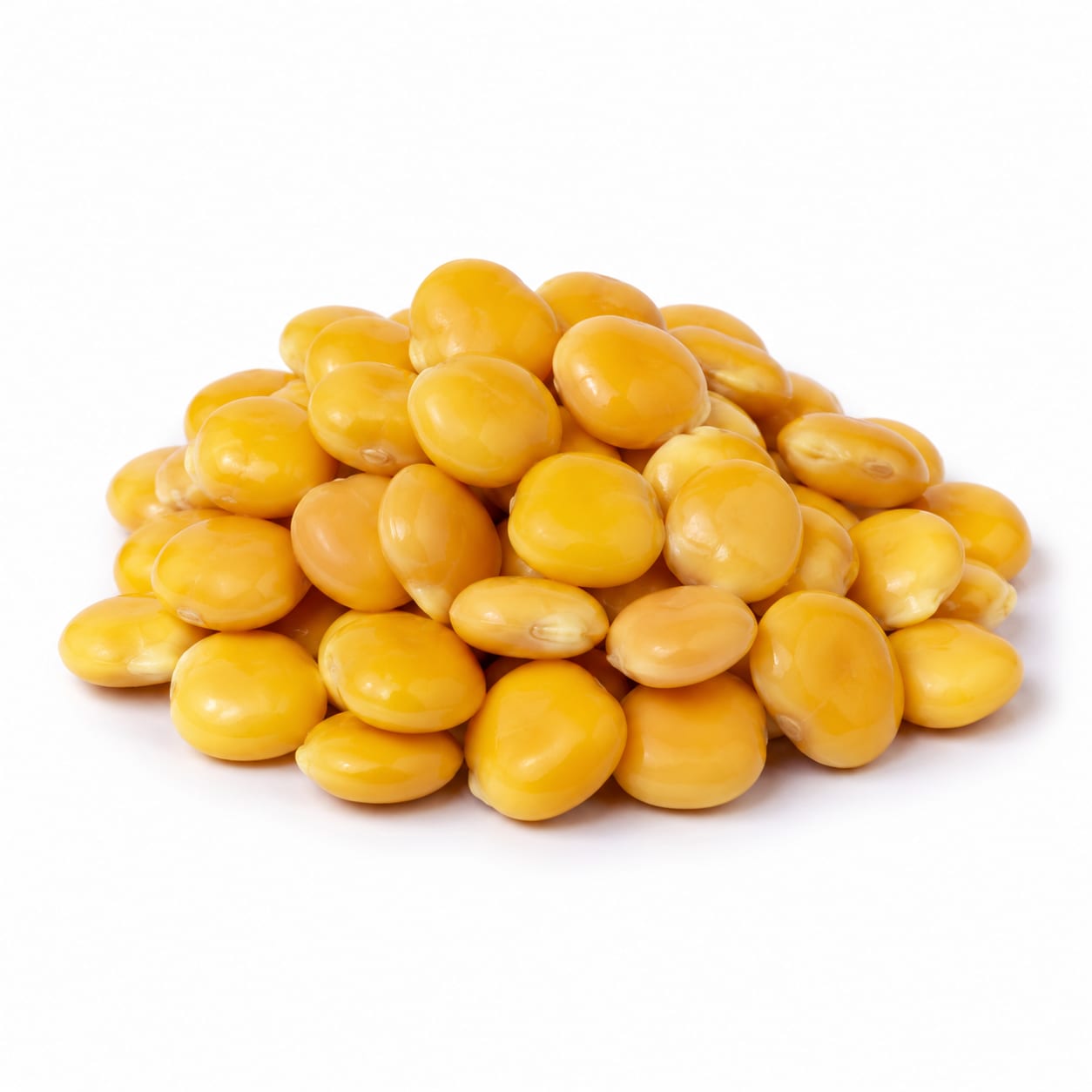
Lupin Bean
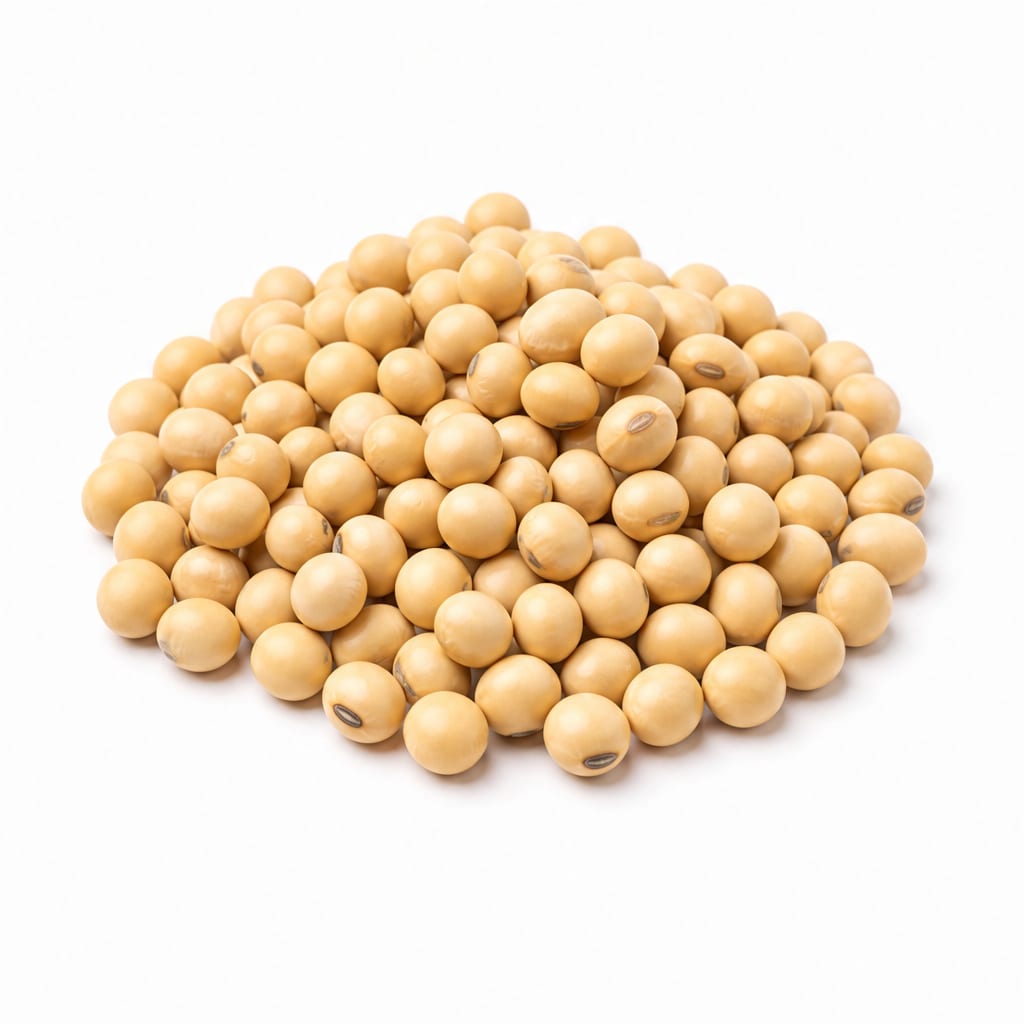
Soybeans
Soybeans win on protein completeness and versatility, but lupin beans win for low-carb diets and avoiding phytoestrogens. Your priorities decide the winner.
Soybeans score higher overall due to complete protein, proven health benefits, and widespread availability. Lupin beans close the gap significantly for low-carb and hormone-sensitive contexts, but their narrower use cases and safety preparation requirements keep them slightly behind.
Complete protein and isoflavone benefits of soybeans versus the near-zero starch and hormone-neutral profile of lupin beans
At a glance
Executive summary
Overall
It depends
Healthier
It depends
More practical
Soybeans
Daily use
Soybeans
Key comparison lenses
plant protein quality and completeness
Both are top-tier legume protein sources, but soybeans offer a complete amino acid profile while lupin beans fall slightly short
low-carb and keto compatibility
Lupin beans are uniquely low in starch among legumes, making them far more suitable for low-carb diets than soybeans
allergen and sensitivity risk
Soy is a top 8 allergen with widespread exposure; lupin allergy is less common but has dangerous cross-reactivity with peanut allergy
hormonal and phytoestrogen concerns
Soybeans contain significant isoflavones that affect estrogen pathways, while lupin beans do not, making this a major differentiator for many consumers
GMO and processing transparency
Most commercial soy is genetically modified, while lupin beans are almost entirely non-GMO, affecting consumer trust and choice
digestive tolerance and antinutrients
Both contain antinutrients but through different mechanisms—lupin requires careful detoxification while soy needs proper cooking to neutralize trypsin inhibitors
Best choice for
Lupin Bean
- Low-carb and keto dieters seeking a legume protein source
- People avoiding phytoestrogens due to hormonal conditions
- Those wanting non-GMO legume protein with minimal processing
- Anyone managing blood sugar who still wants plant protein
Soybeans
- Vegans and vegetarians needing complete protein
- People seeking heart-health benefits from isoflavones
- Those wanting widely available, versatile legume options
- Anyone building muscle on a plant-based diet
Least suitable for
Lupin Bean
- People with peanut allergy due to cross-reactivity risk
- Those unfamiliar with proper lupin preparation and detoxification
- Anyone needing a readily available pantry staple
- Consumers seeking complete amino acid coverage from a single source
Soybeans
- People with soy allergy or sensitivity
- Those avoiding phytoestrogens for hormonal health reasons
- Consumers strictly limiting GMO exposure without organic access
- Individuals with thyroid conditions who are iodine-deficient
Deep comparison
Dimension by dimension
Each lens scores both foods and breaks down who each option suits.
- Dimension 1 · Priority 95Soybeans
Protein Quality and Completeness
Lupin Bean · 72Soybeans · 92Soybeans provide all nine essential amino acids in adequate ratios. Lupin beans are high in protein but slightly deficient in methionine and cysteine.
Tradeoff
Lupin beans still deliver impressive total protein content, but you may need to pair them with grains or seeds to complete the amino acid profile
Why it matters
Complete proteins support muscle maintenance and recovery without requiring food combining, which simplifies meal planning
Real-world impact
A soy-based meal keeps you covered on all amino acids. A lupin bean bowl pairs better with quinoa or pumpkin seeds to fill the gaps.
Lupin Bean
- High total protein density per calorie when combined strategically
- Lower-carb protein source for restricted diets
Better for
- Requires complementary proteins for full amino acid coverage
- Less research on protein utilization rates in humans
Worse for
Soybeans
- Standalone complete protein requiring no combining
- Higher leucine content for muscle protein synthesis
- Better studied for athletic recovery outcomes
Better for
- Higher fat content means lower protein density per serving for those watching calories
Worse for
- Dimension 2 · Priority 90Lupin Bean
Carbohydrate and Blood Sugar Impact
Lupin Bean · 94Soybeans · 58Lupin beans contain almost no digestible starch, making them exceptionally blood sugar friendly. Soybeans have moderate carbohydrates that can spike glucose more noticeably.
Tradeoff
The near-zero starch in lupin beans means steadier energy and easier blood sugar management, but soybeans offer more sustained energy for active people
Why it matters
For anyone monitoring glucose—diabetics, keto adherents, or people avoiding afternoon crashes—this difference is dramatic
Real-world impact
Lupin beans feel more like a protein supplement in how they affect your energy. Soybeans feel more like a traditional legume with fuller, slower-burning fuel.
Lupin Bean
- Diabetics needing tight glucose control
- Keto and very-low-carb diet followers
- People prone to post-meal energy crashes
- Anyone seeking protein without the carb load
Better for
- May feel too light or unsatisfying without added carbs
- Less useful for glycogen replenishment after intense exercise
Worse for
Soybeans
- Endurance athletes needing sustained carbohydrate energy
- People who find very-low-carb meals unsatisfying
- Those wanting balanced macronutrient distribution
Better for
- Can raise blood sugar more than expected from a legume
- Less suitable for strict metabolic therapy protocols
Worse for
- Dimension 3 · Priority 85Lupin Bean
Hormonal and Phytoestrogen Effects
Lupin Bean · 88Soybeans · 62Lupin beans have no meaningful phytoestrogen activity. Soybeans contain significant isoflavones that can mimic estrogen, which helps some people and concerns others.
Tradeoff
Soy isoflavones may reduce hot flashes and support heart health, but they can also interfere with thyroid function and hormone-sensitive conditions
Why it matters
For women with estrogen-sensitive conditions, men managing testosterone levels, or anyone on thyroid medication, this is a deciding factor
Real-world impact
Eating soy daily means you are making a deliberate choice to consume phytoestrogens. Lupin beans let you avoid that conversation entirely.
Lupin Bean
- Women with estrogen-receptor-positive breast cancer history
- Men concerned about phytoestrogen effects on testosterone
- People with thyroid conditions on medication
- Anyone wanting hormone-neutral plant protein
Better for
- Misses potential benefits of isoflavones for bone density and heart health
Worse for
Soybeans
- Postmenopausal women seeking natural hot flash relief
- People who may benefit from mild estrogenic effects
- Those wanting isoflavone-associated cardiovascular protection
Better for
- Potential thyroid interference in iodine-deficient individuals
- Uncertainty around long-term high-dose isoflavone exposure
- May conflict with hormone therapies or sensitive conditions
Worse for
- Dimension 4 · Priority 88Soybeans
Allergen Risk and Safety Profile
Lupin Bean · 55Soybeans · 68Soy allergy is common and well-labeled, but lupin allergy carries a hidden danger: significant cross-reactivity with peanut allergy that many people do not know about.
Tradeoff
Soy allergens are widely recognized and clearly labeled on packaged foods. Lupin allergens are less familiar to consumers and sometimes unlabeled, creating unexpected risk.
Why it matters
If you have a peanut allergy, lupin beans could trigger a serious reaction without warning. Soy risks are more predictable and regulated.
Real-world impact
A peanut-allergic person ordering a lupin flour dish at a restaurant could face a dangerous surprise. Soy risks are easier to identify and avoid in daily life.
Lupin Bean
- People who have already confirmed no lupin or peanut sensitivity
- Those seeking less common allergen exposure in their diet
Better for
- Significant cross-reactivity risk for peanut-allergic individuals
- Less regulatory oversight for lupin allergen labeling
- Lower public awareness means accidental exposure is more likely
Worse for
Soybeans
- Anyone with peanut allergy who needs to avoid cross-reactive foods
- People who value clear allergen labeling on packaged foods
- Consumers who want widely understood allergen information
Better for
- Soy is a top 8 allergen affecting millions worldwide
- Ubiquity of soy in processed foods makes avoidance challenging
Worse for
- Dimension 5 · Priority 80Lupin Bean
GMO Exposure and Processing Transparency
Lupin Bean · 90Soybeans · 45Lupin beans are almost entirely non-GMO and typically sold in minimally processed forms. Over 90% of conventional soy grown in the US is genetically modified.
Tradeoff
Choosing organic soy resolves the GMO concern but costs more and is less available. Lupin beans offer a simpler path to non-GMO plant protein.
Why it matters
For consumers who prioritize avoiding GMOs—whether for environmental, health, or philosophical reasons—this is a clear differentiator
Real-world impact
Buying lupin beans means you rarely need to check for an organic label. Buying soybeans means you must actively seek organic certification to avoid GMOs.
Lupin Bean
- Consumers prioritizing non-GMO food choices
- Those wanting simpler sourcing without label scrutiny
- People concerned about glyphosate residues on GM crops
Better for
- Smaller market means less third-party verification infrastructure
Worse for
Soybeans
- Organic soy provides a verified non-GMO option with broader availability
- More transparency infrastructure overall due to larger market
Better for
- Conventional soy is overwhelmingly GMO without organic certification
- Glyphosate residue concerns on herbicide-tolerant GM varieties
Worse for
- Dimension 6 · Priority 78Soybeans
Versatility and Everyday Practicality
Lupin Bean · 48Soybeans · 90Soybeans transform into tofu, tempeh, edamame, soy milk, miso, and dozens of other products. Lupin beans have limited culinary forms and are harder to find.
Tradeoff
Soybeans fit into nearly every meal format and cuisine. Lupin beans require more effort to source, prepare, and incorporate into familiar recipes.
Why it matters
The best protein source is one you actually eat regularly. Accessibility and ease of use determine long-term adherence more than nutritional perfection.
Real-world impact
You can find soy products in any grocery store and most restaurants. Finding lupin beans often requires specialty shops or online ordering.
Lupin Bean
- People who enjoy exploring less common ingredients
- Those willing to order specialty items online for specific dietary needs
Better for
- Limited product variety compared to soy
- Harder to find in typical grocery stores
- Fewer established recipes and cooking traditions in Western kitchens
Worse for
Soybeans
- Busy people who need convenient protein options
- Anyone cooking for a family with diverse preferences
- Those wanting multiple product formats for different meals
Better for
- Overwhelming presence in processed foods can feel inescapable
- More processed soy products may include unwanted additives
Worse for
- Dimension 7 · Priority 75It depends
Digestive Tolerance and Antinutrient Load
Lupin Bean · 60Soybeans · 65Both require proper preparation to reduce antinutrients. Lupin beans contain bitter alkaloids that must be leached out through soaking. Soybeans contain trypsin inhibitors neutralized by cooking.
Tradeoff
Improperly prepared lupin beans can cause alkaloid toxicity, which is more immediately dangerous. Improperly prepared soybeans reduce protein absorption, which is more of a chronic concern.
Why it matters
If you prepare both correctly, neither poses significant issues. But the consequences of getting lupin preparation wrong are more severe.
Real-world impact
Undercooked soy might give you gas and reduce protein absorption. Under-soaked lupin beans could make you genuinely ill with alkaloid poisoning.
Lupin Bean
- Commercially prepared lupin products have already removed alkaloids safely
- Very high fiber content supports gut microbiome health when tolerated
Better for
- Quinolizidine alkaloids can cause toxicity if preparation is inadequate
- Less margin of error in home preparation
- Bitter taste requires more processing to become palatable
Worse for
Soybeans
- Standard cooking methods reliably neutralize antinutrients
- Widely available pre-cooked forms eliminate preparation risk
- Fermented soy products like tempeh and miso reduce antinutrients further
Better for
- Phytic acid can reduce mineral absorption over time
- Oligosaccharides cause significant gas and bloating in sensitive people
Worse for
Timeline
Health impact over time
Short-term
Hours to days
Lupin Bean
- Very stable blood sugar response after meals due to minimal starch content
- Possible digestive discomfort if lupin alkaloids are not fully removed during preparation
- High satiety from protein and fiber combination without carbohydrate-driven sleepiness
- Potential allergic reaction in peanut-allergic individuals, sometimes severe
Soybeans
- Moderate blood sugar impact depending on serving size and preparation method
- Gas and bloating common when first increasing soy intake due to oligosaccharides
- Isoflavones may cause temporary hormonal adjustment effects in sensitive people
- Mild thyroid changes possible in iodine-deficient individuals consuming large amounts
Long-term
Months to years
Lupin Bean
- Sustained low-carb protein intake supports metabolic health and weight maintenance
- Absence of phytoestrogens avoids any long-term hormonal uncertainty
- High fiber intake promotes consistent digestive regularity and gut health
- Limited dietary variety if relied on too heavily as sole protein source
Soybeans
- Consistent soy consumption associated with reduced cardiovascular disease risk in many studies
- Isoflavones may support bone mineral density in postmenopausal women
- Long-term thyroid effects remain debated, especially at high intake levels
- Potential for developing soy sensitivity with excessive daily consumption
Risk profile
Safety & processing
Both whole lupin beans and whole soybeans are minimally processed in their natural dried form. However, lupin beans require extensive soaking and leaching to remove bitter alkaloids before consumption, which is a traditional processing step rather than an industrial one. Soybeans are more commonly consumed in transformed products like tofu and soy milk, which involve additional processing but remain relatively clean. The key difference is that soy has a much larger processed product ecosystem, meaning consumers encounter ultra-processed soy more frequently than ultra-processed lupin.
Lupin Bean
Lupin alkaloid toxicity
highBitter lupin varieties contain quinolizidine alkaloids that can cause dizziness, nausea, confusion, and in severe cases cardiac arrhythmia. Proper soaking and cooking are essential. Sweet lupin varieties have much lower levels but still require preparation.
Peanut cross-reactivity allergy
highUp to 30% of peanut-allergic individuals may react to lupin proteins. This cross-reactivity is not widely known, creating unexpected exposure risk especially in European foods where lupin flour is more common.
Inadequate labeling in processed foods
mediumLupin is not always clearly declared on ingredient labels in all countries, unlike soy which is a regulated major allergen in the US and EU.
Soybeans
Soy allergy
mediumSoy is one of the top 8 allergens. Reactions range from mild hives to anaphylaxis. Children often outgrow soy allergy, but it can persist into adulthood.
Trypsin inhibitor exposure from undercooking
lowRaw or undercooked soybeans contain trypsin inhibitors that interfere with protein digestion and can cause gastrointestinal distress. Standard cooking eliminates this risk.
Glyphosate residue on conventional soy
mediumMost conventional soy is genetically modified to tolerate glyphosate, leading to potential residue concerns. Choosing organic soy avoids this issue entirely.
Who wins for whom
Audience fit
Same foods, different winners depending on your goal.
children
SoybeansSoy products like edamame and tofu are kid-friendly, widely available, and provide complete nutrition. Lupin beans carry hidden allergen risk for peanut-allergic children and are less familiar in family cooking.
daily consumption
SoybeansSoybeans are easier to find, simpler to prepare safely, and available in more convenient formats. Daily use favors the option with fewer preparation barriers and more culinary flexibility.
diabetes
Lupin BeanMinimal starch content means lupin beans have an exceptionally low glycemic impact. They provide protein and fiber without the glucose load that even soybeans carry.
elderly
SoybeansSoy isoflavones may help preserve bone density in aging populations, and the complete protein supports muscle maintenance. Softer soy products like tofu are also easier to chew and digest for older adults.
muscle gain
SoybeansSoybeans offer complete protein with higher leucine content, which directly stimulates muscle protein synthesis. The additional carbohydrates also support training energy and glycogen replenishment.
weight loss
Lupin BeanLupin beans provide high protein and fiber with almost no digestible carbohydrates, making them more filling per calorie and less likely to trigger overeating. The near-zero starch content keeps insulin demand low.
Your move
Decision guide
Choose Lupin Bean
- You are on a low-carb, keto, or very low-starch diet and want legume protein
- You have concerns about phytoestrogens from soy affecting hormones or thyroid
- You want non-GMO plant protein without needing to verify organic certification
- You are managing diabetes and need protein without blood sugar impact
- You enjoy exploring unique ingredients and are comfortable with proper preparation
Choose Soybeans
- You need complete protein from a single plant source for muscle building or recovery
- You want versatile products like tofu, tempeh, edamame, and soy milk in your kitchen
- You are a postmenopausal woman who may benefit from isoflavone effects
- You have no soy sensitivity and want the most studied and accessible legume protein
- You cook for a family and need widely accepted, easy-to-prepare options
Either works if
- You simply want more plant protein in your diet and have no specific restrictions
- You are comfortable rotating between different protein sources throughout the week
- You have confirmed no allergies to either food through prior consumption
Avoid both if
- You have legume allergies that span multiple species
- You are on a strict elimination diet that excludes all legumes temporarily
- You have severe digestive conditions like SIBO that react poorly to high-fiber legumes
Final recommendation
For most people, soybeans are the more practical daily choice due to complete protein, proven health benefits, and easy availability. But lupin beans are the clear winner if you are low-carb, avoiding phytoestrogens, or seeking a non-GMO protein that will not touch your blood sugar. The smartest approach may be using both—soy for complete protein and versatility, lupin for low-carb meals and hormone-neutral days. Just confirm you have no peanut allergy before trying lupin beans, and always soak them thoroughly.
Practical
Consumer tips
- 1
If you have a peanut allergy, do not try lupin beans without medical supervision due to significant cross-reactivity risk
- 2
Choose organic soybeans to avoid GMO exposure and glyphosate residue concerns
- 3
Soak lupin beans for at least 12 hours with multiple water changes to remove bitter alkaloids safely
- 4
Start with small servings of either legume if you are not used to high-fiber foods to minimize gas and bloating
- 5
Try fermented soy products like tempeh and miso for easier digestion and reduced antinutrient content
- 6
Pair lupin beans with quinoa, pumpkin seeds, or whole grains to complete their amino acid profile
- 7
Look for sweet lupin varieties which have naturally lower alkaloid levels and require less intensive preparation
- 8
Rotate between lupin beans and soybeans rather than relying on either one exclusively for protein diversity