
Nutrition comparison
Lupin Bean vs Edamame: Nutrition, Protein, & Low-Carb Comparison
Comparing Lupin Beans vs Edamame for protein, keto suitability, and safety. Find out which legume is better for weight loss, muscle gain, and daily snacking.
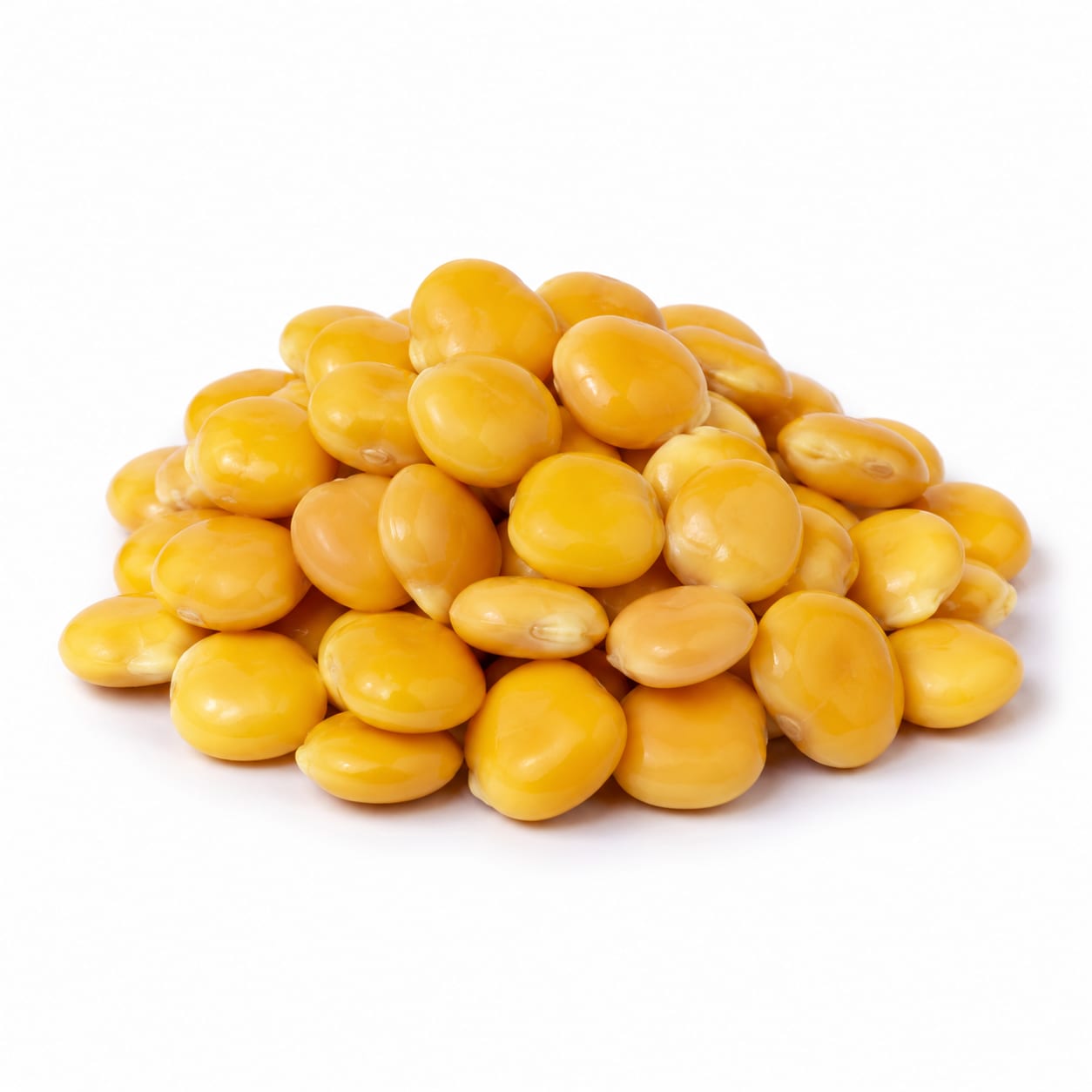
Lupin Bean
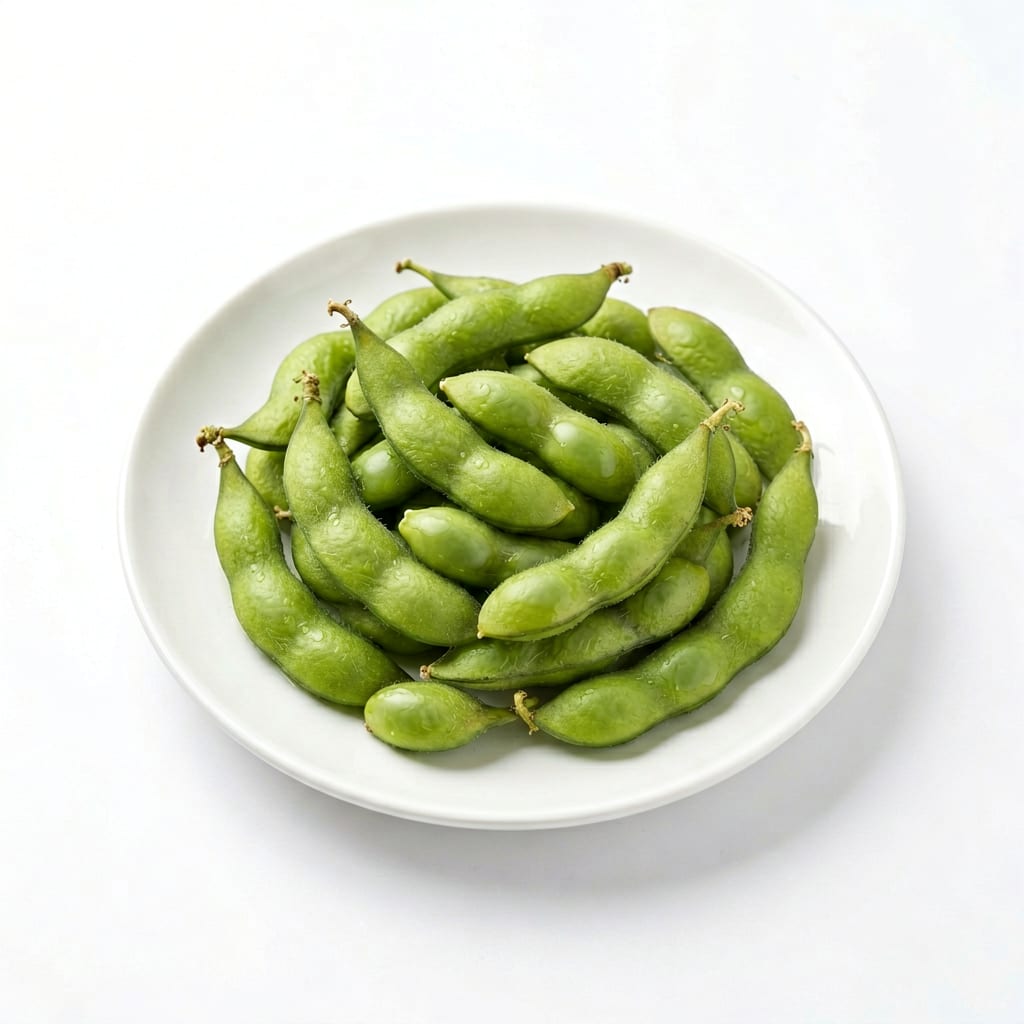
Edamame
Lupin Beans edge out Edamame for pure protein density and low-carb suitability, but Edamame wins on taste, healthy fats, and broader safety for everyday snacking.
Edamame scores slightly higher due to its broader appeal, healthier fat profile, and lower allergen severity, though Lupin Bean is a powerhouse for specific low-carb goals.
Maximum protein and fiber with Lupin Beans versus better healthy fats, familiar flavor, and lower allergy risk with Edamame.
At a glance
Executive summary
Overall
It depends
Healthier
Edamame
More practical
Edamame
Daily use
Edamame
Key comparison lenses
Plant-based protein density and satiety
Both are top-tier legume protein sources, but Lupin Bean offers significantly more protein per calorie.
Low-carb and keto diet compatibility
Lupin Bean is uniquely starch-free, making it rare among beans for strict low-carb diets, whereas Edamame has moderate carbs.
Allergen safety and cross-reactivity
Lupin Bean poses a severe cross-reactivity risk for peanut allergies, which is a critical safety distinction from Edamame.
Convenience and palatability
Edamame is a familiar, easy-to-prepare snack, while Lupin Bean often requires extensive soaking to remove bitterness.
Best choice for
Lupin Bean
- Strict low-carb or keto dieters
- Those seeking maximum plant protein per calorie
- People managing blood sugar spikes
Edamame
- People looking for a satisfying, familiar snack
- Those needing healthy omega-3 fats
- Individuals avoiding potential cross-reactive allergens
Least suitable for
Lupin Bean
- People with peanut allergies due to cross-reactivity risk
- Those sensitive to bitter flavors or alkaloids
- Individuals seeking a quick, ready-to-eat snack
Edamame
- Strict keto dieters tracking every carb gram
- Those avoiding soy for hormonal or GMO concerns
- People with soy allergies
Deep comparison
Dimension by dimension
Each lens scores both foods and breaks down who each option suits.
- Dimension 1 · Priority 95Lupin Bean
Protein Density & Satiety
Lupin Bean · 92Edamame · 80Lupin Beans pack significantly more protein and fiber per serving, making them exceptionally filling.
Tradeoff
Lupin Beans provide more protein but lack the satisfying dietary fat found in Edamame that also contributes to fullness.
Why it matters
Higher protein and fiber keep you full longer, reducing the urge to overeat later in the day.
Real-world impact
A serving of Lupin Beans will stave off hunger for hours, while Edamame might leave you wanting a bit more food sooner.
Lupin Bean
- Body recomposition phases
- Long gaps between meals
Better for
- Those who struggle with excessive fullness
- Small appetites
Worse for
Edamame
- Post-workout recovery needing both protein and fat
- Light afternoon snacking
Better for
- Extreme protein targeting
- High-volume eaters needing maximum satiety per calorie
Worse for
- Dimension 2 · Priority 90Lupin Bean
Low-Carb & Keto Suitability
Lupin Bean · 95Edamame · 75Lupin Beans are nearly starch-free, making them one of the few beans suitable for strict keto diets.
Tradeoff
You get unmatched low-carb compliance with Lupin Beans, but miss out on the mild sweetness and fat content of Edamame.
Why it matters
Even small amounts of starch can disrupt ketosis or spike blood sugar for sensitive individuals.
Real-world impact
You can eat Lupin Beans freely on a keto diet, whereas Edamame requires careful portion tracking.
Lupin Bean
- Strict ketogenic diets
- Diabetics managing strict glucose control
Better for
- Those who find high-fat diets essential for energy
- Endurance athletes needing complex carbs
Worse for
Edamame
- Moderate low-carb diets
- Carb-cycling routines
Better for
- Zero-carb or strict keto protocols
- Those highly sensitive to legume carbs
Worse for
- Dimension 3 · Priority 88Edamame
Allergen & Safety Profile
Lupin Bean · 60Edamame · 80Lupin Beans carry a notable cross-reactivity risk for peanut allergies, while Edamame's soy allergy is more predictable but also common.
Tradeoff
Edamame has GMO and phytoestrogen concerns, but Lupin Bean's severe allergic potential for peanut-allergic individuals is a bigger acute risk.
Why it matters
Unknowingly triggering a severe allergic reaction can be life-threatening.
Real-world impact
If you have a peanut allergy, snacking on Lupin Beans could cause a severe reaction, whereas Edamame is safe unless you specifically have a soy allergy.
Lupin Bean
- People with soy allergies who can tolerate lupin
- Those avoiding phytoestrogens
Better for
- Peanut allergy sufferers
- School lunches where nut allergies are present
Worse for
Edamame
- People with peanut allergies
- Those seeking a widely tolerated party snack
Better for
- Soy allergy sufferers
- Those avoiding endocrine disruptors
Worse for
- Dimension 4 · Priority 80Edamame
Practicality & Taste
Lupin Bean · 55Edamame · 90Edamame is a widely loved, easy-to-prepare snack, while Lupin Beans often require soaking and have a distinctly bitter taste.
Tradeoff
Lupin Beans take more effort to make palatable, whereas Edamame is ready in minutes and naturally delicious.
Why it matters
If a food is hard to prepare or doesn't taste good, you simply won't eat it regularly.
Real-world impact
Steaming Edamame is effortless and satisfying; preparing Lupin Beans often involves lengthy soaking to remove bitterness, making it less convenient for busy weeknights.
Lupin Bean
- Culinary enthusiasts who enjoy brining and soaking
- Adding texture to hearty salads
Better for
- Last-minute meal needs
- People who dislike bitter flavors
Worse for
Edamame
- Quick weeknight side dishes
- Effortless meal prep
Better for
- Those bored by mild flavors
- Adventurous eaters seeking novelty
Worse for
- Dimension 5 · Priority 75Edamame
Micronutrient & Fat Profile
Lupin Bean · 70Edamame · 88Edamame provides beneficial omega-3 fats, vitamin K, and folate, while Lupin Beans offer more iron but almost no fat.
Tradeoff
Lupin Beans are leaner but require adding fats for balanced nutrition, whereas Edamame is a naturally balanced source of plant fats.
Why it matters
Healthy fats are crucial for hormone health and absorbing fat-soluble vitamins.
Real-world impact
Eating Edamame gives you a built-in dose of healthy fats, while a Lupin Bean meal needs olive oil or avocado to feel balanced.
Lupin Bean
- Iron-deficient individuals
- Low-fat diet followers
Better for
- Those needing calorie density
- Fat-soluble vitamin absorption without added oils
Worse for
Edamame
- Brain health optimization
- Absorbing fat-soluble vitamins
Better for
- Those strictly limiting dietary fat
- Oil-free diet adherents
Worse for
Timeline
Health impact over time
Short-term
Hours to days
Lupin Bean
- Rapid and prolonged fullness due to high fiber and protein
- Potential stomach upset if not properly soaked to remove alkaloids
- Bitter taste might be off-putting initially
Edamame
- Quick and satisfying snack that stabilizes blood sugar
- Mild bloating or gas for those unaccustomed to soy
- Immediate hydration boost from high water content
Long-term
Months to years
Lupin Bean
- Excellent for maintaining muscle mass on a low-carb diet
- Risk of developing or triggering a lupin allergy with frequent consumption
- Supports long-term digestive health through exceptional fiber intake
Edamame
- Supports heart health with unsaturated fats and isoflavones
- Possible mild hormonal effects from soy isoflavones, though generally safe in moderation
- Improved bone density due to vitamin K and isoflavones
Risk profile
Safety & processing
Both are whole, minimally processed foods when purchased in their natural form, though Edamame's GMO status is a concern for some unless certified organic.
Lupin Bean
Lupin Allergy / Peanut Cross-Reactivity
highPeople with peanut allergies have a significantly higher risk of severe allergic reactions to Lupin Beans.
Alkaloid Toxicity
mediumRaw or improperly soaked Lupin Beans contain bitter alkaloids that can be toxic and cause digestive distress.
Edamame
Soy Allergy
mediumSoy is a top allergen; reactions can range from hives to anaphylaxis in sensitive individuals.
GMO / Pesticide Exposure
mediumThe vast majority of conventional soy is genetically modified and heavily sprayed with herbicides like glyphosate.
Who wins for whom
Audience fit
Same foods, different winners depending on your goal.
children
EdamameEdamame is a fun, sweet, and safe snack for kids, whereas Lupin Beans pose a dangerous allergy risk for children with peanut allergies and have a bitter taste.
daily consumption
EdamameEdamame is easier to prepare, tastier, and has a better safety profile for regular, long-term consumption.
diabetes
Lupin BeanWith virtually no starch, Lupin Beans have a minimal impact on blood sugar compared to the slightly higher carb content of Edamame.
elderly
EdamameEdamame's softer texture, healthy fats for brain health, and bone-supporting vitamin K make it more suitable for older adults.
muscle gain
Lupin BeanThe higher protein density in Lupin Beans makes it easier to hit daily protein targets for muscle synthesis.
weight loss
Lupin BeanLupin Beans offer more protein and fiber per calorie, creating a stronger satiety effect that helps control overall intake.
Your move
Decision guide
Choose Lupin Bean
- You are on a strict keto or very low-carb diet
- You need maximum plant protein without the fat
- You have no peanut or legume allergies and want to try a novel high-fiber food
Choose Edamame
- You want a delicious, easy-to-prepare snack
- You are looking for healthy plant-based fats and micronutrients
- You have kids or family members with peanut allergies
Either works if
- You need a plant-based protein source to add to salads or bowls
- You are focusing on whole-food, minimally processed diets
Avoid both if
- You have severe legume allergies that encompass both soy and lupin
- You are extremely sensitive to bloating from high-fiber foods
Final recommendation
Choose Edamame for a tasty, balanced, everyday snack with healthy fats, but opt for Lupin Beans if you are strictly counting carbs or need an ultra-high protein, high-fiber boost—just be cautious of the peanut cross-allergy.
Practical
Consumer tips
- 1
Always buy organic Edamame to avoid GMOs and pesticide residues.
- 2
If trying Lupin Beans, ensure they are labeled as properly debittered or soaked to avoid alkaloid toxicity.
- 3
Never serve Lupin Beans to someone with a peanut allergy without consulting their doctor first.
- 4
Season Edamame with sea salt and chili flakes for a satisfying, low-effort snack.
- 5
Rinse canned Lupin Beans well to remove any lingering bitter brine.