
Nutrition comparison
Lupin Beans vs Lentils: Protein, Carbs, and Which Legume Fits Your Diet
Lupin beans deliver twice the protein and a third of the carbs of lentils, but lentils win on convenience, safety, and everyday usability. Compare nutrition, blood sugar impact, and allergen risks to choose the right legume for your goals.
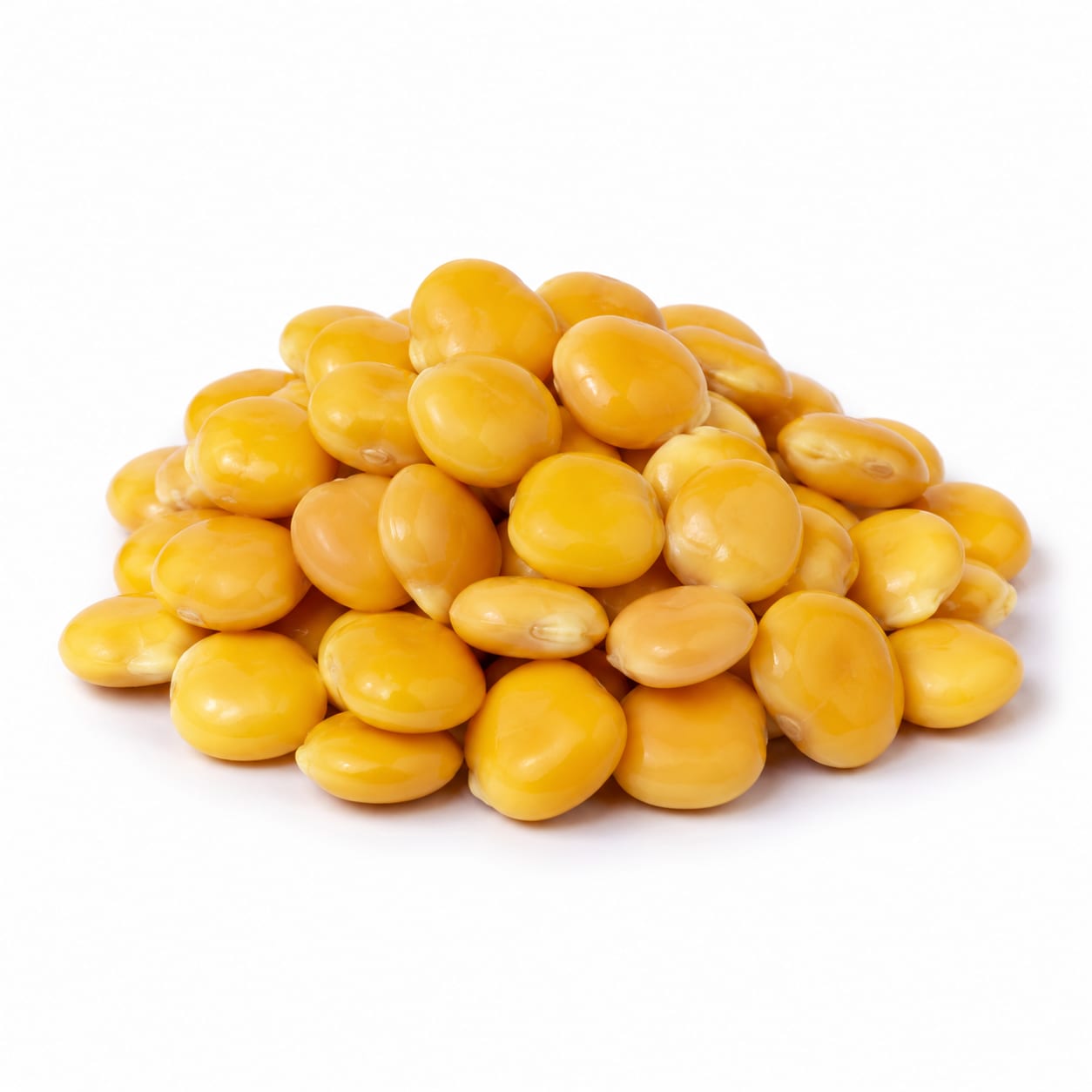
Lupin Bean
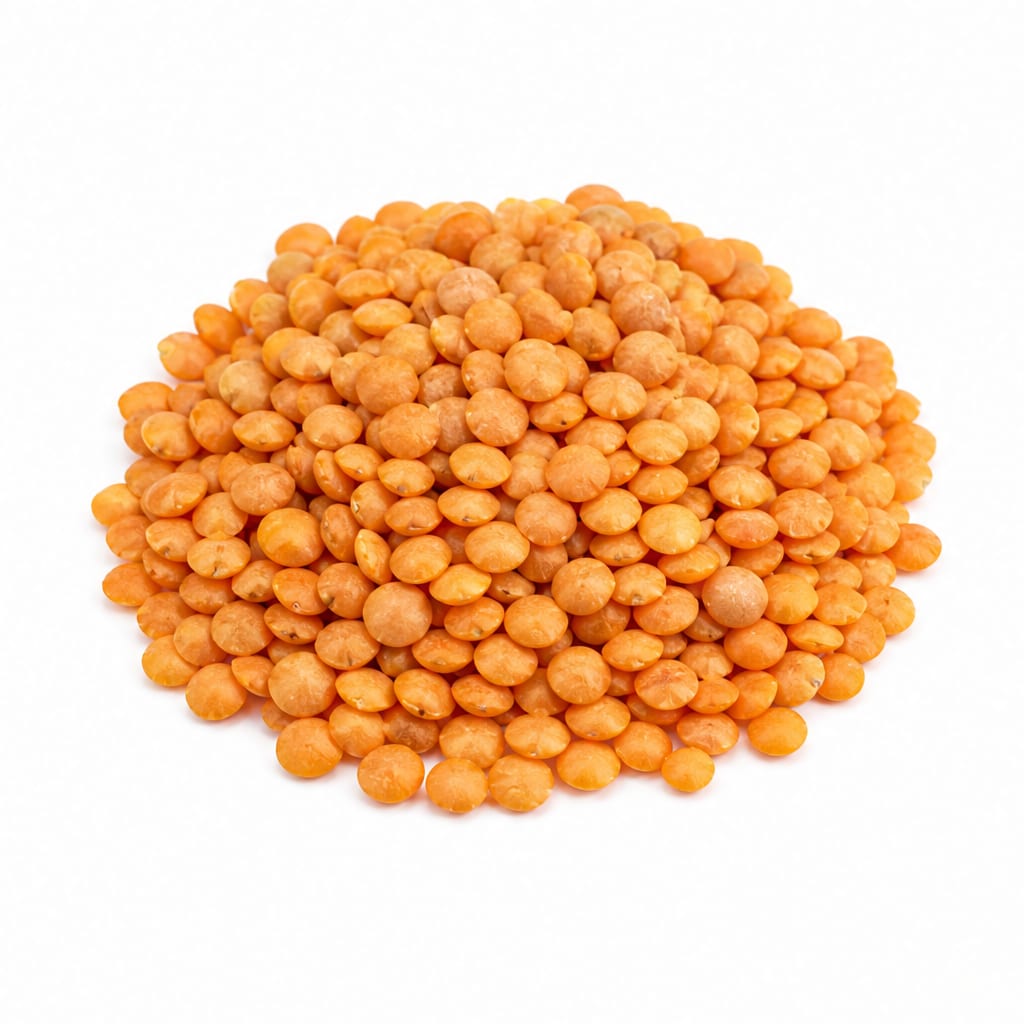
Lentils
Lupin beans win on protein density and blood sugar control; lentils win on convenience, safety, and everyday usability.
Lentils score higher overall due to superior practicality, safety, and versatility. Lupin beans earn strong marks for protein density and blood sugar benefits but lose ground on accessibility, allergy risk, and preparation complexity.
You gain near-keto-level protein and minimal carbs with lupin beans, but sacrifice accessibility, ease of preparation, and allergen safety that lentils provide effortlessly.
At a glance
Executive summary
Overall
It depends
Healthier
Lupin Bean
More practical
Lentils
Daily use
Lentils
Key comparison lenses
low-carb protein source selection
Lupin beans are dramatically lower in carbs and higher in protein than lentils, making this the defining tradeoff
blood sugar management
The massive difference in carbohydrate content directly impacts glycemic response and insulin demand
everyday practicality and accessibility
Lentils are pantry staples available everywhere; lupin beans require specialty sourcing and careful preparation
allergy and safety awareness
Lupin beans carry a significant allergen risk with peanut cross-reactivity, unlike lentils
satiety and weight management
Both are filling but through different mechanisms — protein-dense vs fiber-starch balance
Best choice for
Lupin Bean
- People managing diabetes or insulin resistance
- Low-carb and keto-adjacent eaters seeking plant protein
- Athletes wanting maximal protein per calorie from plants
- Anyone tracking macros who needs high protein with minimal carbs
Lentils
- Busy households wanting quick nutritious meals
- People with peanut allergies or legume sensitivities
- Budget-conscious shoppers needing reliable nutrition
- Anyone new to plant-based eating who wants foolproof cooking
Least suitable for
Lupin Bean
- Anyone with peanut or lupin allergy
- People unfamiliar with proper legume preparation
- Households wanting quick weeknight meals
- Those who need widely available pantry staples
Lentils
- Strict low-carb dieters counting every gram
- People wanting the highest possible protein density from plants
- Those who find lentils cause uncomfortable bloating
Deep comparison
Dimension by dimension
Each lens scores both foods and breaks down who each option suits.
- Dimension 1 · Priority 95Lupin Bean
Protein Density
Lupin Bean · 94Lentils · 72Lupin beans deliver roughly 40g protein per 100g dry weight compared to lentils at around 25-27g — a massive advantage for anyone counting protein grams.
Tradeoff
That protein comes with a bitter taste requiring extensive soaking and washing, while lentils taste mild and cook easily.
Why it matters
If you are plant-based and struggling to hit protein targets without carb overload, lupin beans solve a problem lentils cannot.
Real-world impact
A single cup of cooked lupin beans gets you significantly closer to your daily protein goal without the carb cost that lentils carry.
Lupin Bean
- Meeting high protein targets on a plant-based diet
- Keeping carb intake low while hitting protein goals
- Body recomposition phases where protein-to-calorie ratio matters
Better for
- Anyone unwilling to soak and rinse repeatedly to remove bitterness
Worse for
Lentils
- Balanced meals where moderate protein suffices
- Families who need acceptable taste without masking flavors
Better for
- Low-carb eaters who find lentil carbs push them over their limit
Worse for
- Dimension 2 · Priority 90Lupin Bean
Blood Sugar Impact
Lupin Bean · 93Lentils · 74Lupin beans contain roughly one-third the carbohydrates of lentils and virtually no starch, resulting in minimal blood sugar impact.
Tradeoff
Lentils are still a low-glycemic food, but their starch content means a more noticeable glucose response than lupin beans.
Why it matters
For anyone with diabetes, prediabetes, or metabolic syndrome, this difference is not trivial — it changes what you can eat in a single meal.
Real-world impact
A plate of lupin beans will not spike your blood sugar the way even a moderate lentil portion can, making post-meal energy more stable.
Lupin Bean
- Diabetics managing post-meal glucose
- Keto or very-low-carb diet followers
- Anyone experiencing afternoon energy crashes after carb-heavy lunches
Better for
- Athletes needing carbohydrate energy for performance
Worse for
Lentils
- Endurance athletes who actually need carb fuel
- Active people whose bodies handle starch well
Better for
- Insulin-resistant individuals tracking every carb gram
Worse for
- Dimension 3 · Priority 88Lentils
Convenience and Accessibility
Lupin Bean · 35Lentils · 90Lentils are available in every grocery store, cook in 15-25 minutes, and require no special preparation. Lupin beans are specialty items requiring extensive soaking and bitter-alkaloid removal.
Tradeoff
You trade nutritional superiority for real-world friction — lupin beans demand effort most people will not sustain.
Why it matters
The healthiest food only works if you actually eat it. Lentils make healthy eating easy; lupin beans make it a project.
Real-world impact
On a tired Tuesday night, lentils are a 20-minute dinner. Lupin beans require overnight planning and multiple water changes — most people will just order takeout instead.
Lupin Bean
- Meal-prep enthusiasts who batch-cook on weekends
- Anyone near a specialty store or willing to order online
Better for
- Last-minute cooks with no prep time
- Rural areas without specialty food access
Worse for
Lentils
- Busy professionals needing quick weeknight meals
- Anyone shopping at regular grocery stores
- People who want healthy eating to feel effortless
Better for
- None significant — lentils are among the most convenient legumes
Worse for
- Dimension 4 · Priority 82Lentils
Allergy and Safety
Lupin Bean · 45Lentils · 88Lupin beans are a declared major allergen in Europe and cross-react with peanut allergies. Improperly prepared lupin beans contain toxic alkaloids. Lentils are widely tolerated with minimal allergy risk.
Tradeoff
Lupin beans require careful sourcing and preparation to be safe; lentils are essentially worry-free.
Why it matters
If you have a peanut allergy, lupin beans could trigger a serious reaction. Even without allergies, underprocessed lupin beans can cause acute toxicity.
Real-world impact
Serving lupin beans at a dinner party without asking about peanut allergies could be dangerous. Lentils carry no such concern.
Lupin Bean
- People with confirmed no peanut or lupin allergy who prepare beans properly
Better for
- Peanut-allergic individuals — cross-reactivity is well documented
- Anyone unfamiliar with proper detoxification soaking
Worse for
Lentils
- Anyone with peanut allergy
- Households with unknown allergy profiles
- Shared kitchens and group meals
Better for
- Those with specific lentil allergies, which are rare but exist
Worse for
- Dimension 5 · Priority 78Lupin Bean
Satiety and Fullness
Lupin Bean · 86Lentils · 80Both foods are highly satiating, but lupin beans edge ahead with more protein and fiber per calorie, keeping you fuller longer with less energy intake.
Tradeoff
Lentils provide satisfying starch-based fullness that feels comforting; lupin beans deliver a denser, more compact satiety that some find less emotionally satisfying.
Why it matters
If you are trying to eat less without feeling hungry, lupin beans give you more satiety per bite.
Real-world impact
A lupin bean salad at noon may keep you full until dinner. A lentil soup at noon might have you snacking by 4pm.
Lupin Bean
- Weight loss phases where controlling hunger matters most
- People who skip meals and need long-lasting fullness
Better for
- Anyone who finds dense protein-heavy meals heavy or unpleasant
Worse for
Lentils
- Emotional eaters who find warm lentil dishes comforting
- People who prefer feeling satisfied rather than stuffed
Better for
- Grazers who need maximum satiety per calorie
Worse for
- Dimension 6 · Priority 72Lentils
Digestive Tolerance
Lupin Bean · 58Lentils · 70Both can cause gas and bloating, but lentils are gentler for most people, especially when cooked with digestive aids. Lupin beans have higher fiber density that can overwhelm sensitive digestive systems.
Tradeoff
Lupin beans pack more fiber but at the cost of potential digestive discomfort, especially when first introduced.
Why it matters
If your gut is sensitive, the food that causes less distress is the one you will actually keep eating.
Real-world impact
Starting with a large portion of lupin beans may cause significant bloating. Lentils are easier to introduce gradually and tolerate well.
Lupin Bean
- People with robust digestion accustomed to very high fiber
- Anyone transitioning gradually over weeks
Better for
- New legume eaters unprepared for the fiber load
- Anyone with existing gut motility issues
Worse for
Lentils
- Those with irritable bowel syndrome or sensitive digestion
- People introducing legumes into their diet for the first time
Better for
- People who still find lentils cause discomfort after repeated exposure
Worse for
- Dimension 7 · Priority 68Lentils
Nutrient Diversity
Lupin Bean · 65Lentils · 82Lentils offer broader micronutrient coverage — especially folate, iron, and B vitamins — while lupin beans concentrate heavily on protein and fiber at the expense of other nutrients.
Tradeoff
Lupin beans are specialists; lentils are generalists. You get more nutritional breadth from lentils but more protein intensity from lupin beans.
Why it matters
If lentils are your main protein source, you also get meaningful iron and folate. If lupin beans are your main protein source, you need to fill those gaps elsewhere.
Real-world impact
A lentil-based diet contributes to your iron and folate needs automatically. A lupin bean-based diet requires more intentional food pairing.
Lupin Bean
- Diets already rich in iron and folate from other sources
- Targeted protein supplementation from whole foods
Better for
- Anyone relying on a single legume for broad nutrition
Worse for
Lentils
- Plant-based eaters relying on legumes for iron
- Pregnant women needing folate from food sources
Better for
- Those who already exceed iron needs from other foods
Worse for
Timeline
Health impact over time
Short-term
Hours to days
Lupin Bean
- Very stable blood sugar after meals due to minimal starch content
- Potential digestive discomfort if introduced too quickly or in large portions
- Bitter taste may reduce enjoyment and meal satisfaction initially
Lentils
- Moderate but steady blood sugar response — low glycemic but not negligible
- Mild gas and bloating common when first increasing intake, typically resolves with regular consumption
- Comforting, warm meal satisfaction that supports consistent healthy eating
Long-term
Months to years
Lupin Bean
- Excellent for sustained blood sugar control and insulin sensitivity over years
- High protein intake supports muscle preservation during aging
- Allergy risk remains constant — sensitization can develop with repeated exposure
- If improperly prepared chronically, residual alkaloids could stress the liver
Lentils
- Consistent lentil consumption linked to reduced cardiovascular disease risk in large population studies
- Reliable iron and folate intake supports long-term energy and blood health
- Excellent weight maintenance food due to satiety and moderate calorie density
- Well-established safety profile with no hidden long-term risks
Risk profile
Safety & processing
Both lupin beans and lentils are whole, minimally processed foods. However, lupin beans require extensive home processing — soaking, rinsing, and sometimes boiling in multiple water changes — to remove bitter alkaloids. This is traditional food preparation, not industrial processing, but it does mean the raw product is not directly edible. Lentils need only rinsing and cooking, making them closer to a true ready-to-cook whole food.
Lupin Bean
Lupin allergy and peanut cross-reactivity
highLupin is a major allergen in Europe. Up to 50% of peanut-allergic individuals may react to lupin proteins. Reactions can be severe including anaphylaxis.
Toxic alkaloid exposure from improper preparation
mediumRaw lupin beans contain quinolizidine alkaloids that are bitter and toxic. Inadequate soaking can leave enough to cause nausea, dizziness, or acute toxicity. Commercially prepared sweet lupin varieties have lower levels but still require processing.
Lentils
Phytic acid reducing mineral absorption
lowLentils contain phytic acid that can reduce iron and zinc absorption. This is manageable by soaking, sprouting, or pairing with vitamin C-rich foods.
Lentil allergy
lowLentil allergy exists but is uncommon and generally less severe than lupin or peanut allergies. More prevalent in Mediterranean populations.
Who wins for whom
Audience fit
Same foods, different winners depending on your goal.
children
LentilsLentils are safer, milder tasting, and easier to prepare — critical factors for feeding children. Lupin allergy risk is a serious concern for kids with undiagnosed peanut allergy.
daily consumption
LentilsLentils are sustainable as a daily staple due to convenience, taste, and safety. Lupin beans require too much effort and carry too much allergy risk for daily reliance.
diabetes
Lupin BeanMinimal starch and carbohydrate content gives lupin beans a decisive advantage for blood glucose control.
elderly
LentilsEasier digestion, broader micronutrient support, and no allergy concerns make lentils more appropriate for older adults.
muscle gain
Lupin BeanHigher protein density per serving makes lupin beans more efficient for muscle protein synthesis, especially on a plant-based diet.
weight loss
Lupin BeanLupin beans provide more satiety per calorie with dramatically fewer carbs, making it easier to maintain a caloric deficit without hunger.
Your move
Decision guide
Choose Lupin Bean
- You are managing diabetes or insulin resistance and need the lowest-carb legume option
- You are plant-based and struggling to hit protein targets without carb overload
- You have no peanut or lupin allergy and are willing to prepare beans properly
- You meal-prep on weekends and want maximum nutritional density per serving
Choose Lentils
- You want a reliable, easy weeknight protein source
- Anyone in your household has a peanut allergy
- You are new to legumes and need a gentle, foolproof starting point
- You value broad micronutrient coverage alongside protein
- Budget and grocery accessibility matter in your food choices
Either works if
- You tolerate legumes well and want plant-based protein variety
- You are generally healthy and just want more meatless meals
- You enjoy rotating different legumes for nutrient diversity
Avoid both if
- You have severe legume allergies or intolerances
- You are on a strict low-fiber diet for digestive conditions like acute IBD flares
- You cannot tolerate any gas or bloating and are unwilling to adjust gradually
Final recommendation
Make lentils your everyday legume — they are safe, easy, and nutritionally solid. Add lupin beans strategically when you need a low-carb protein boost, such as during a cutting phase or when managing blood sugar. Always confirm no peanut allergy exists before introducing lupin beans, and source pre-treated sweet lupin varieties to minimize alkaloid risk.
Practical
Consumer tips
- 1
Buy sweet lupin varieties when possible — they have been bred for lower alkaloid content and require less soaking
- 2
Soak lupin beans for at least 24 hours with multiple water changes, or buy pre-soaked jarred lupin beans to skip the hassle
- 3
Red lentils cook in just 15 minutes and break down into a creamy texture — ideal for quick soups and stews
- 4
Green and brown lentils hold their shape better for salads and grain bowls
- 5
If trying lupin beans for the first time, start with a small portion to assess both tolerance and taste preference
- 6
Pair lentils with vitamin C-rich foods like tomatoes or bell peppers to boost iron absorption
- 7
Never serve lupin beans without confirming no peanut allergy exists among all eaters — this is a serious safety step
- 8
Keep both in your pantry: lentils for daily meals, lupin beans for targeted low-carb protein needs