
Nutrition comparison
Lupin Bean vs Green Peas: Nutrition, Protein & Safety Compared
Lupin Beans vs Green Peas: Which is healthier? Compare protein, carbs, blood sugar impact, and allergy risks to find the right legume for your diet.
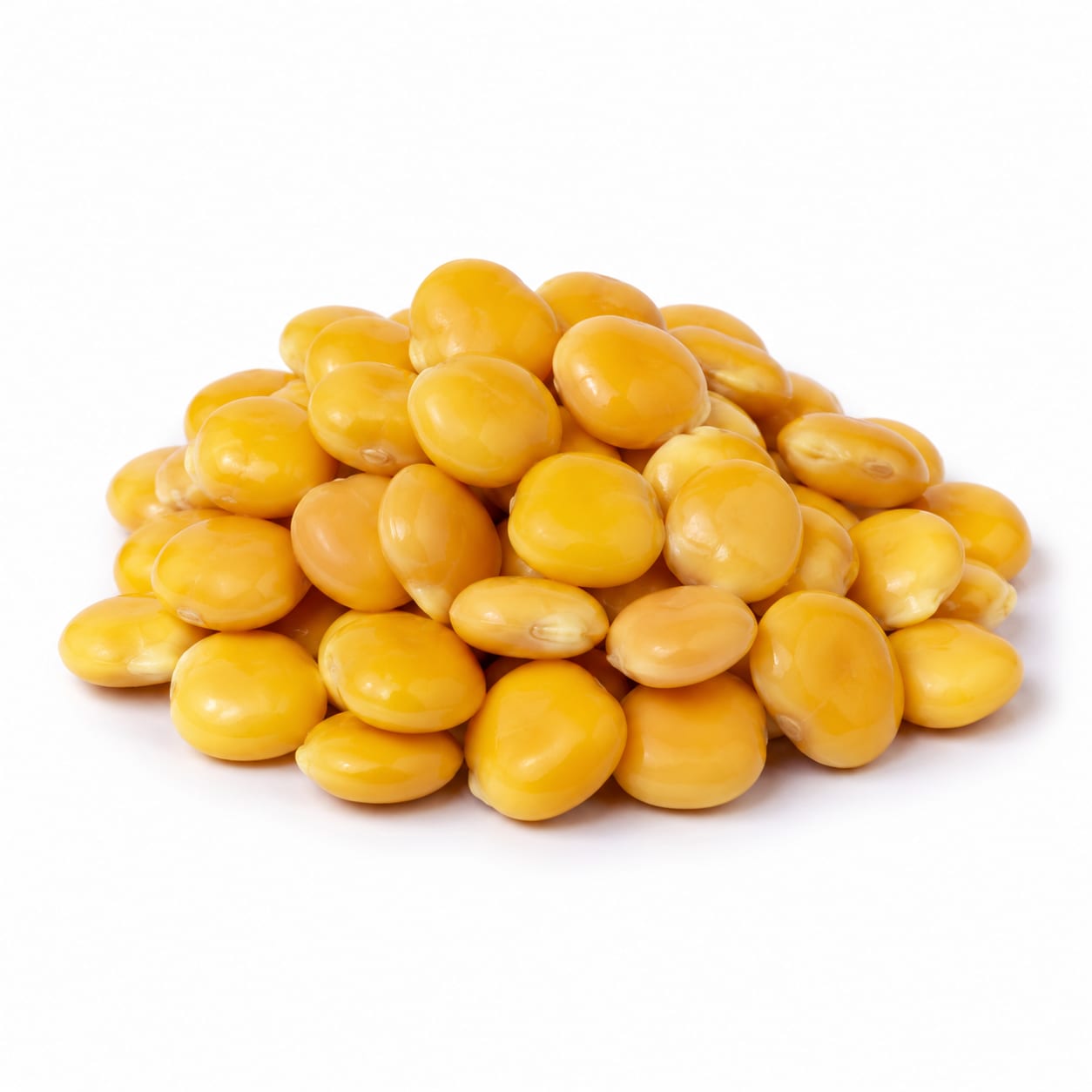
Lupin Bean
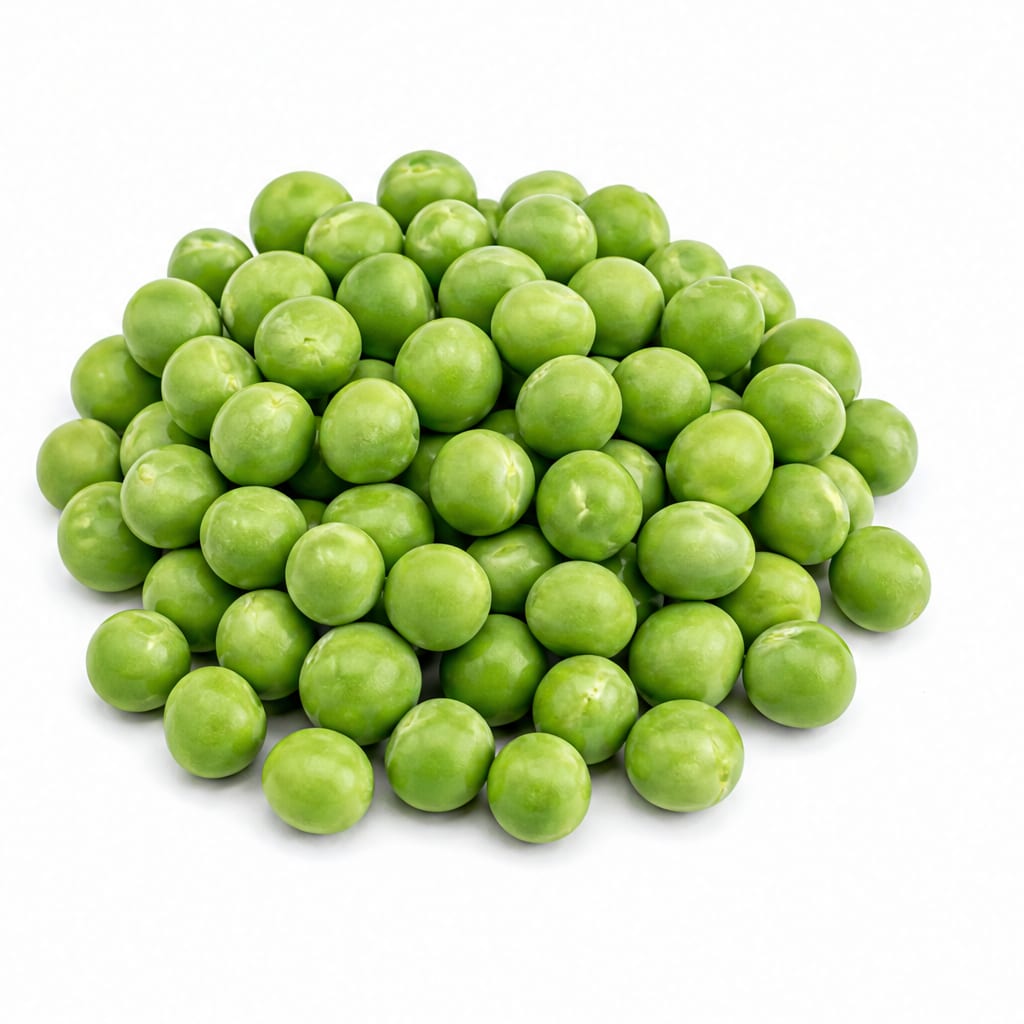
Green Peas
Lupin Beans dominate for protein and low-carb diets, while Green Peas win on safety, vitamin density, and everyday convenience.
Green Peas score slightly higher overall due to broader safety, superior vitamin content, and everyday practicality. Lupin Beans score exceptionally well for specific metabolic goals but are held back by allergy risks and niche culinary appeal.
You trade the metabolic power of Lupin Beans (high protein, low carb) for the safety, ease of use, and micronutrients of Green Peas.
At a glance
Executive summary
Overall
It depends
Healthier
It depends
More practical
Green Peas
Daily use
Green Peas
Key comparison lenses
Protein and Satiety Comparison
Lupin Beans are uniquely high in protein for a legume, making satiety a major differentiator
Carbohydrate and Blood Sugar Impact
Lupin Beans are remarkably low in starch compared to Green Peas, heavily influencing glycemic responses
Allergenicity and Safety
Lupin Bean carries a significant allergy risk, especially for those with peanut allergies, which is a critical safety factor
Everyday Practicality and Taste
Green Peas are sweet, widely available, and easy to incorporate, whereas Lupin Beans are bitter and require specific preparation
Best choice for
Lupin Bean
- Strict low-carb or keto dieters needing plant protein
- People managing blood sugar spikes
- Vegans looking for maximum protein per calorie
- Bodybuilders seeking a high-protein legume alternative
Green Peas
- Families needing a safe, kid-friendly vegetable
- People with peanut or legume allergies seeking a safer option
- Anyone wanting an easy, sweet addition to meals
- Those prioritizing Vitamin C and K intake
Least suitable for
Lupin Bean
- Anyone with a peanut allergy (high cross-reactivity risk)
- People sensitive to bitter flavors
- Those looking for quick-cooking weeknight sides
Green Peas
- Strict ketogenic dieters
- People strictly limiting carbohydrate intake
- Those needing very high protein from a single plant source
Deep comparison
Dimension by dimension
Each lens scores both foods and breaks down who each option suits.
- Dimension 1 · Priority 95Lupin Bean
Protein & Satiety
Lupin Bean · 95Green Peas · 65Lupin Beans offer nearly double the protein per calorie, making them far more filling and efficient for muscle maintenance.
Tradeoff
You get massive satiety from Lupin Beans, but they lack the sweet, snackable quality of Green Peas that makes eating them feel effortless.
Why it matters
Higher protein per calorie means you stay full longer on less food, which is crucial for weight management and muscle retention.
Real-world impact
A cup of Lupin Beans keeps you full for hours like a chicken breast, whereas Green Peas might leave you hungry again sooner.
Lupin Bean
- Staying full between meals
- Plant-based muscle building
- Reducing overall calorie intake naturally
Better for
- Light meals where you prefer a delicate texture
Worse for
Green Peas
- Light snacking without feeling heavy
- Eating a larger volume of food for the same protein
Better for
- Post-workout recovery when you need dense protein
Worse for
- Dimension 2 · Priority 90Lupin Bean
Blood Sugar & Carbs
Lupin Bean · 92Green Peas · 68Lupin Beans are extremely low in starch, causing minimal blood sugar impact. Green Peas have enough carbs to cause a noticeable rise.
Tradeoff
Lupin Beans provide steadier energy, but Green Peas offer quicker, light energy that some people prefer before a workout.
Why it matters
Stable blood sugar prevents the afternoon energy crash and reduces cravings later in the day.
Real-world impact
Eating Lupin Beans won't give you a sugar crash, making them a safer bet for diabetics or those avoiding carb comas.
Lupin Bean
- Managing diabetes or insulin resistance
- Staying in ketosis
- Avoiding afternoon energy crashes
Better for
- Replenishing glycogen after intense exercise
Worse for
Green Peas
- Fueling a run or active workout
- Adding healthy carbs to a balanced meal
Better for
- Strict low-carb diets
Worse for
- Dimension 3 · Priority 85Green Peas
Allergy & Safety
Lupin Bean · 45Green Peas · 90Lupin Beans are a top allergen in Europe and cross-react heavily with peanuts. Green Peas are widely tolerated and very safe.
Tradeoff
Lupin Beans offer unique nutrition but carry a hidden danger for a significant portion of the population.
Why it matters
Food allergies can be life-threatening, and Lupin Bean allergies often go undiagnosed until a severe reaction occurs.
Real-world impact
If you have a peanut allergy, eating Lupin Beans could trigger a severe reaction, whereas Green Peas are almost always a safe choice.
Lupin Bean
- People with no legume or peanut allergies
Better for
- Anyone with a known peanut allergy
- School lunches where nut/legume allergies are common
Worse for
Green Peas
- Households with peanut allergy concerns
- Public potlucks or shared meals where allergies are unknown
Better for
- Those with specific pea or legume sensitivities
Worse for
- Dimension 4 · Priority 75Green Peas
Micronutrient Density
Lupin Bean · 70Green Peas · 88Green Peas are richer in Vitamin C, Vitamin K, and folate. Lupin Beans hold their own with minerals but lack the vitamin punch.
Tradeoff
Green Peas give you more immune-boosting and bone-supporting vitamins, while Lupin Beans focus more on mineral content.
Why it matters
Vitamins like C and K are essential for immune function and bone health, and Green Peas deliver them reliably.
Real-world impact
A serving of Green Peas covers a solid chunk of your daily Vitamin C, helping you fight off colds, whereas Lupin Beans won't help much there.
Lupin Bean
- Increasing iron and zinc intake
Better for
- Fighting off seasonal illnesses
Worse for
Green Peas
- Boosting immune function
- Supporting bone health
- Prenatal nutrition (folate)
Better for
- Those relying solely on this food for iron
Worse for
- Dimension 5 · Priority 80Green Peas
Convenience & Taste
Lupin Bean · 40Green Peas · 90Green Peas are sweet, universally liked, and cook in minutes. Lupin Beans are bitter, require extensive soaking, and are hard to find.
Tradeoff
You sacrifice the metabolic edge of Lupin Beans for the culinary ease and pleasant taste of Green Peas.
Why it matters
A food only improves your health if you actually eat it regularly. Bitterness and prep time kill consistency for most people.
Real-world impact
You can toss frozen Green Peas into any meal in 3 minutes. Lupin Beans require planning, soaking, and an acquired taste.
Lupin Bean
- Adventurous cooks who enjoy preparing unique ingredients
Better for
- Last-minute meal needs
- Picky eaters
Worse for
Green Peas
- Busy weeknight dinners
- Kids who refuse bitter foods
- Quick meal prep
Better for
- Gourmet chefs looking for a novel ingredient
Worse for
Timeline
Health impact over time
Short-term
Hours to days
Lupin Bean
- High satiety quickly reduces hunger
- Minimal blood sugar spike after eating
- Potential stomach upset if not soaked properly due to alkaloids
Green Peas
- Quick, light energy boost
- Mild blood sugar rise that provides temporary stamina
- Easy digestion for most people
Long-term
Months to years
Lupin Bean
- Excellent for long-term blood sugar management
- Supports muscle maintenance on plant-based diets
- Risk of developing or triggering severe allergic reactions if susceptible
Green Peas
- Consistent fiber intake supports heart health
- Antioxidants and vitamins help reduce chronic inflammation
- Sustainable, easy-to-maintain healthy eating pattern
Risk profile
Safety & processing
Both are whole, natural foods. However, commercially available Lupin Beans often undergo processing to remove bitter alkaloids, whereas Green Peas are typically sold in their natural state or frozen with no additives.
Lupin Bean
Lupin Allergy & Peanut Cross-Reactivity
highLupin Beans contain proteins similar to peanut allergens. Reactions can be severe or life-threatening for those with peanut allergies.
Bitter Alkaloid Toxicity
mediumRaw or improperly prepared Lupin Beans contain bitter alkaloids that can cause dizziness, nausea, or heart issues. Always ensure they are properly soaked and cooked.
Green Peas
Pesticide Residue
lowConventional Green Peas can carry pesticide residues, but they are generally lower risk than many other vegetables. Buying organic or washing thoroughly mitigates this.
Anti-nutrients
lowLike all legumes, they contain lectins and phytic acid, but cooking completely neutralizes these, and they rarely cause issues in healthy adults.
Who wins for whom
Audience fit
Same foods, different winners depending on your goal.
children
Green PeasGreen Peas are sweet, safe, and easy to eat, whereas Lupin Beans carry allergy risks and a bitter taste kids usually reject.
daily consumption
Green PeasGreen Peas are easier to incorporate daily due to taste, availability, and safety, making them a more sustainable daily habit.
diabetes
Lupin BeanWith almost no starch, Lupin Beans have a negligible impact on blood sugar, offering much steadier control than Green Peas.
elderly
Green PeasGreen Peas are gentle, easy to chew, and provide essential vitamins for bone and immune health without the allergy risks of Lupin Beans.
muscle gain
Lupin BeanThe exceptionally high protein content of Lupin Beans makes them far superior for muscle repair and growth compared to Green Peas.
weight loss
Lupin BeanLupin Beans provide massive satiety with very few carbs and calories, making it easier to stay in a deficit without feeling deprived.
Your move
Decision guide
Choose Lupin Bean
- You are strictly limiting carbs or managing diabetes
- You need a dense plant-based protein source
- You have no peanut or legume allergies
- You enjoy preparing unique, traditional legumes
Choose Green Peas
- You want a safe, family-friendly vegetable
- You need quick, convenient meal additions
- You prioritize Vitamin C and K intake
- You or someone you cook for has a peanut allergy
Either works if
- You want to boost your daily fiber intake
- You are looking for plant-based iron sources
- You want to add more whole foods to your diet
Avoid both if
- You have severe sensitivities to all legumes and FODMAPs
Final recommendation
Choose Lupin Beans if your primary goal is metabolic—getting more protein and fewer carbs. Choose Green Peas for everyday eating, as they are safer, tastier, and far easier to make a consistent habit.
Practical
Consumer tips
- 1
Always soak Lupin Beans thoroughly and boil them to remove bitter alkaloids, which can be toxic in high amounts.
- 2
If you have a peanut allergy, strictly avoid Lupin Beans due to the high risk of cross-reactivity.
- 3
Keep a bag of frozen Green Peas on hand for an easy, nutrient-dense addition to soups, stir-fries, and pastas.
- 4
If trying Lupin Beans for the first time, eat a small amount to test for any allergic reaction before making a full meal.
- 5
Roast Green Peas with a little olive oil and salt for a crunchy, satisfying snack that rivals processed chips.