
Nutrition comparison
Lupin Beans vs Lima Beans: Protein, Carbs, Safety, and Which to Choose
Lupin beans pack double the protein and half the carbs of lima beans, but carry allergy and toxicity risks. Compare nutrition, safety, and everyday practicality to find your best choice.
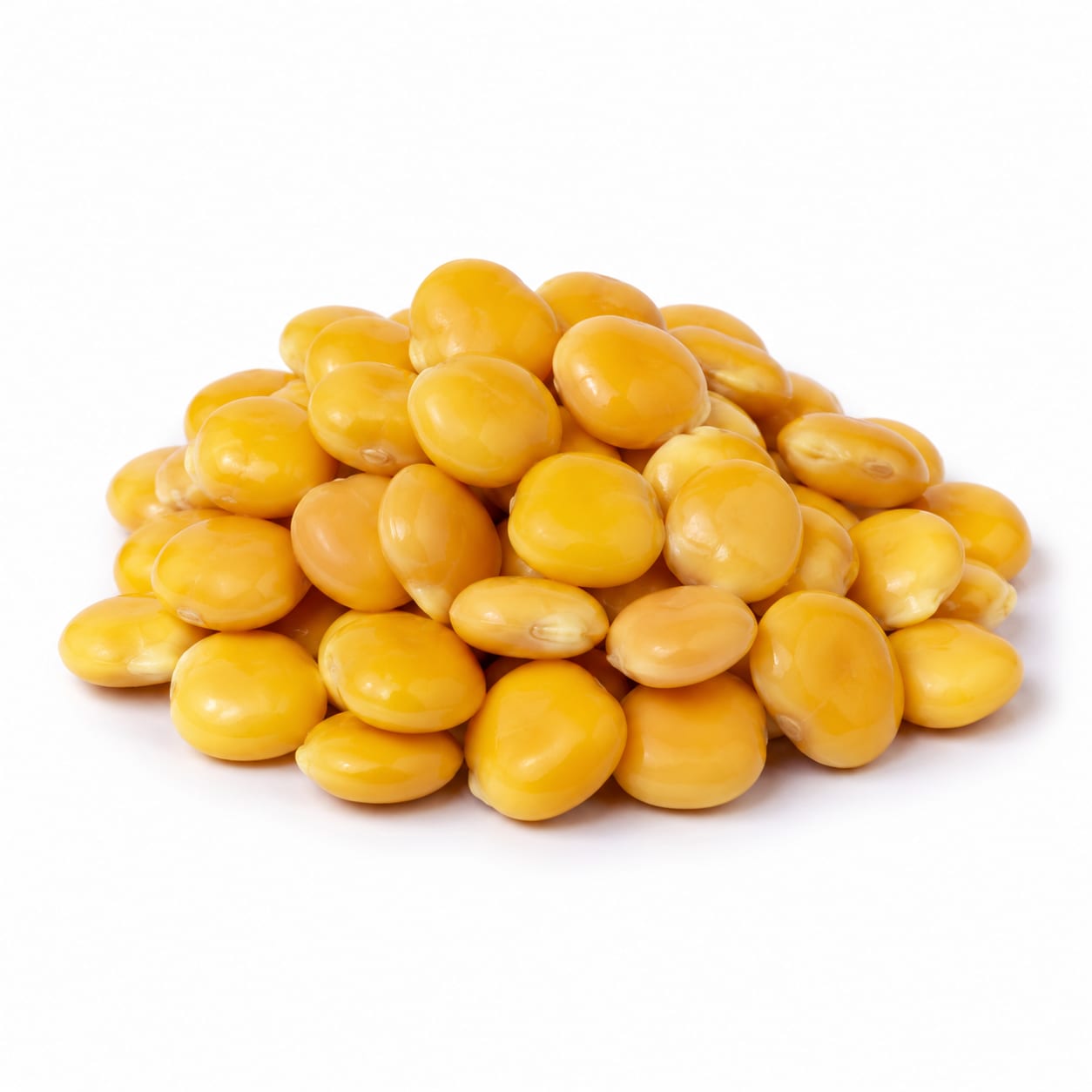
Lupin Bean
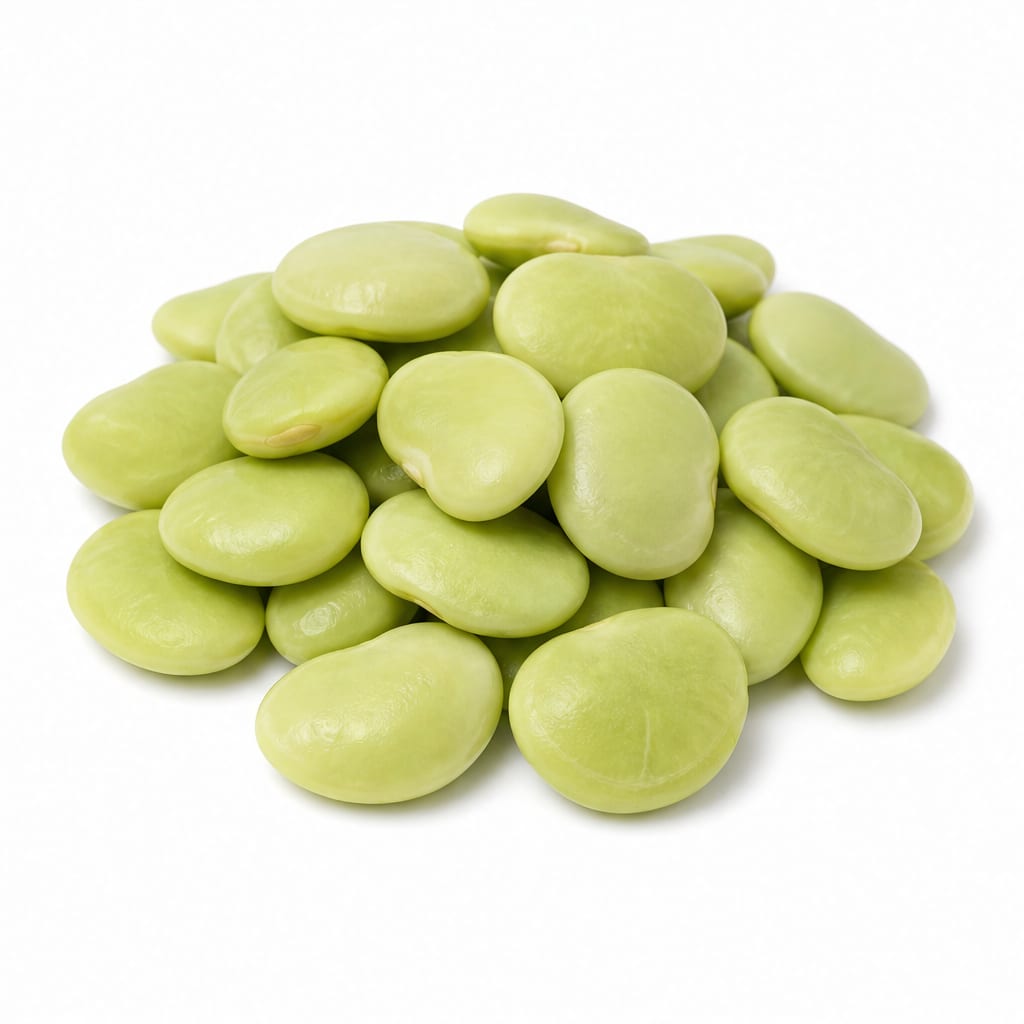
Lima Beans
Lupin beans win on protein and low-carb nutrition, but lima beans win on safety, accessibility, and ease of use.
Lupin beans score higher for nutritional density and metabolic health, but lose ground on safety, allergenicity, and real-world practicality. Lima beans are the safer, easier choice for most people, even if less nutritionally dramatic.
Maximum protein efficiency and blood sugar control versus everyday practicality and lower allergy risk.
At a glance
Executive summary
Overall
It depends
Healthier
Lupin Bean
More practical
Lima Beans
Daily use
Lima Beans
Key comparison lenses
protein per calorie efficiency
Lupin beans are exceptionally protein-dense for a legume, making this the starkest difference between the two
carbohydrate and blood sugar management
Lupin beans are remarkably low in starch compared to lima beans, a critical factor for low-carb and diabetic diets
safety and toxin concerns
Both foods carry specific toxicity risks that require proper preparation — lupin alkaloids vs cyanogenic glycosides
allergenicity risk
Lupin is a regulated allergen in many countries with cross-reactivity to peanut allergy, unlike lima beans
everyday practicality and accessibility
Lima beans are far more available and familiar to most shoppers, while lupin beans require specialty sourcing
Best choice for
Lupin Bean
- Low-carb and keto-adjacent eaters seeking plant protein
- People managing type 2 diabetes who need minimal starch
- Athletes wanting high protein from legumes without the carb load
- Anyone already comfortable soaking and preparing specialty beans
Lima Beans
- Families wanting a familiar, mild-tasting legume
- People with peanut or lupin allergy concerns
- Budget-conscious shoppers needing widely available nutrition
- Anyone prioritizing gentle digestion and broad mineral intake
Least suitable for
Lupin Bean
- Anyone with peanut allergy due to cross-reactivity risk
- People unfamiliar with proper soaking and bitter-alkaloid removal
- Households with children who need familiar, easy-to-eat foods
- Those seeking quick weeknight meal options
Lima Beans
- Strict low-carb dieters who cannot afford the starch content
- Anyone needing maximum protein per serving from plants
- People seeking the lowest possible glycemic load from legumes
Deep comparison
Dimension by dimension
Each lens scores both foods and breaks down who each option suits.
- Dimension 1 · Priority 95Lupin Bean
protein_density
Lupin Bean · 94Lima Beans · 48Lupin beans deliver roughly double the protein of lima beans per serving, making them one of the highest-protein legumes available.
Tradeoff
That protein comes with a distinctly bitter taste that requires extensive soaking to make palatable.
Why it matters
If you are relying on legumes as a primary protein source, lupin beans get you there with far fewer calories and less starch.
Real-world impact
A cup of cooked lupin beans can replace chicken in protein content, while lima beans would need to be paired with another protein source.
Lupin Bean
- Vegans hitting protein targets without powders
- Anyone meal-prepping high-protein plant bowls
Better for
- People sensitive to bitter flavors who will avoid eating them
Worse for
Lima Beans
- Those who find high-protein foods too filling in large portions
Better for
- Anyone counting protein grams who will fall short
Worse for
- Dimension 2 · Priority 88Lupin Bean
carbohydrate_and_glycemic_impact
Lupin Bean · 91Lima Beans · 55Lupin beans are exceptionally low in digestible starch, while lima beans carry a significant carbohydrate load typical of most legumes.
Tradeoff
The low starch in lupin beans means less immediate energy from meals, which may leave active people wanting more.
Why it matters
For blood sugar management, this difference is enormous. Lupin beans barely move the glucose needle; lima beans provide steady but noticeable carbs.
Real-world impact
After a lupin bean meal, you get sustained energy without a crash. After lima beans, you get more immediate fuel but a measurable blood sugar rise.
Lupin Bean
- Diabetics tracking glycemic load carefully
- Low-carb eaters who miss legumes
Better for
- Anyone needing quick post-workout glycogen replenishment
Worse for
Lima Beans
- Endurance athletes needing carb fuel
- Active people who burn through starch easily
Better for
- Insulin-resistant individuals watching every carb gram
Worse for
- Dimension 3 · Priority 85Lima Beans
safety_and_toxin_risk
Lupin Bean · 52Lima Beans · 74Both require cooking, but lupin beans carry lupin alkaloid toxicity and a regulated allergen status that lima beans avoid.
Tradeoff
Lima beans have their own cyanogenic glycoside concern, but it is neutralized by standard cooking far more reliably than lupin bitterness removal.
Why it matters
Improperly prepared lupin beans can cause acute alkaloid poisoning. The margin of error is slimmer than with lima beans.
Real-world impact
Most home cooks can safely prepare lima beans with basic boiling. Lupin beans demand more knowledge and longer soaking to be safe.
Lupin Bean
- Experienced cooks familiar with traditional lupin preparation
Better for
- Beginners who might skip or shorten the soaking process
Worse for
Lima Beans
- Casual home cooks
- Anyone nervous about food toxicity
Better for
- Those who eat raw or undercooked beans from salad bars
Worse for
- Dimension 4 · Priority 80Lima Beans
allergenicity
Lupin Bean · 35Lima Beans · 82Lupin is a top-14 allergen in the EU and cross-reacts with peanut allergy. Lima beans have no major allergen classification.
Tradeoff
Lupin allergy is rare in the general population but serious for those affected, especially peanut-allergic individuals who may not know about the cross-reactivity.
Why it matters
Serving lupin beans to someone with a peanut allergy could trigger a reaction. This is not a risk with lima beans.
Real-world impact
At a potluck or shared meal, lima beans are safe for nearly everyone. Lupin beans require asking about peanut allergies first.
Lupin Bean
- People with no legume allergies seeking novel protein
Better for
- Anyone with peanut allergy or unknown legume sensitivity
Worse for
Lima Beans
- Peanut-allergic individuals
- Shared dining situations where allergies are unknown
Better for
- Those seeking allergen diversity in their diet rotation
Worse for
- Dimension 5 · Priority 70Lima Beans
mineral_and_micronutrient_profile
Lupin Bean · 65Lima Beans · 78Lima beans offer broader and more reliable mineral coverage, especially manganese, iron, and potassium, while lupin beans are strong in certain B vitamins.
Tradeoff
Lupin beans have impressive thiamine content but less overall mineral diversity than lima beans.
Why it matters
If legumes are a mineral cornerstone of your diet, lima beans contribute more reliably across the board.
Real-world impact
A serving of lima beans covers a meaningful chunk of daily iron and manganese. Lupin beans are good but less balanced.
Lupin Bean
- Those specifically targeting thiamine intake
Better for
- People who need well-rounded mineral intake from few foods
Worse for
Lima Beans
- Anyone relying on beans for iron and potassium
- Pregnant women needing broad mineral support
Better for
- Those already meeting mineral needs from other sources
Worse for
- Dimension 6 · Priority 72Lima Beans
taste_and_culinary_versatility
Lupin Bean · 45Lima Beans · 80Lima beans have a mild, buttery flavor that fits into soups, stews, and sides easily. Lupin beans are distinctly bitter and require significant prep to enjoy.
Tradeoff
Lupin beans can be delicious once properly soaked and seasoned, but the effort barrier is real and deters most casual cooks.
Why it matters
Food only nourishes you if you actually eat it. Lima beans are far more likely to become a regular part of your rotation.
Real-world impact
Lima beans can be tossed into a weeknight soup with zero fuss. Lupin beans require planning a day ahead for soaking.
Lupin Bean
- Adventurous cooks who enjoy traditional Mediterranean recipes
Better for
- Pickier eaters who will reject bitterness
- Time-pressed cooks
Worse for
Lima Beans
- Weeknight dinner makers
- Anyone wanting a bean that disappears into recipes
Better for
- Those bored by mild flavors seeking something more distinctive
Worse for
- Dimension 7 · Priority 68Lima Beans
digestive_tolerance
Lupin Bean · 55Lima Beans · 70Lima beans are generally gentler on the gut, while lupin beans' high fiber and alkaloid residue can cause discomfort in sensitive individuals.
Tradeoff
Lupin beans offer more fiber per serving, which is great for most people but can overwhelm sensitive digestive systems.
Why it matters
If you have IBS or a sensitive stomach, lima beans are the safer bet for regular consumption.
Real-world impact
After a large lupin bean meal, sensitive eaters may experience bloating or gas. Lima beans are usually better tolerated in moderate portions.
Lupin Bean
- People with ironclad digestion wanting maximum fiber
Better for
- Those already prone to bloating from legumes
Worse for
Lima Beans
- IBS sufferers
- Anyone easing into high-fiber eating
Better for
- People wanting the highest possible fiber intake
Worse for
- Dimension 8 · Priority 75Lupin Bean
satiety_and_fullness
Lupin Bean · 85Lima Beans · 68Lupin beans keep you fuller for longer thanks to their exceptional protein-to-calorie ratio and dense fiber content.
Tradeoff
That extreme satiety can feel heavy if you prefer lighter meals or need to eat frequently for energy.
Why it matters
For weight management, lupin beans are powerful — they make overeating difficult by design.
Real-world impact
A lupin bean lunch can carry you to dinner without snacking. A lima bean lunch may leave you reaching for something by mid-afternoon.
Lupin Bean
- Weight loss dieters needing help with portion control
- Intermittent fasters breaking a fast with maximum satiety
Better for
- Those who find heavy meals uncomfortable
Worse for
Lima Beans
- Athletes who need to eat again within a few hours
Better for
- Grazers who struggle with between-meal hunger
Worse for
Timeline
Health impact over time
Short-term
Hours to days
Lupin Bean
- Strong satiety shortly after eating due to high protein and fiber
- Potential digestive discomfort if not thoroughly soaked and cooked
- Bitter taste may reduce meal enjoyment initially
Lima Beans
- Comfortable, steady energy from moderate starch content
- Gentle on the stomach when properly cooked
- Mild flavor makes it easy to eat adequate portions
Long-term
Months to years
Lupin Bean
- Improved blood sugar control from minimal starch intake
- Better weight management from high satiety and low calorie density
- Allergy risk remains a lifelong consideration, especially for peanut-allergic individuals
- Consistent high fiber intake supports cardiovascular health
Lima Beans
- Reliable mineral intake supports bone health and oxygen transport
- Steady fiber intake promotes healthy cholesterol levels
- Low allergenicity makes long-term daily consumption safe for nearly everyone
- Carbohydrate load requires portion awareness for metabolic health
Risk profile
Safety & processing
Both are whole, minimally processed legumes. The main concern is not additives but natural toxins that require proper cooking. Canned versions of both may contain added sodium, so check labels or rinse before eating.
Lupin Bean
Lupin alkaloid toxicity
highBitter lupin varieties contain quinolizidine alkaloids that can cause nausea, dizziness, and in severe cases cardiac effects. Proper soaking for several days with water changes is essential.
Allergic cross-reactivity with peanut
highLupin proteins share structural similarity with peanut allergens. Peanut-allergic individuals have a significantly elevated risk of lupin allergy, which can be severe or anaphylactic.
Insufficient preparation by unfamiliar cooks
mediumPeople new to lupin beans may not realize how critical the soaking process is, leading to consumption of inadequately detoxified beans.
Lima Beans
Cyanogenic glycosides in raw beans
mediumRaw lima beans contain linamarin, which releases cyanide. Standard boiling for 15-20 minutes destroys this compound completely. The risk is real but easily managed.
Undercooking at high altitude
lowAt high altitudes, boiling temperature is lower, which may require extended cooking time to fully neutralize cyanogenic compounds.
Who wins for whom
Audience fit
Same foods, different winners depending on your goal.
children
Lima BeansLima beans are milder, safer from an allergy standpoint, and far more likely to be accepted by kids. The allergen risk of lupin beans is a serious concern in childcare settings.
daily consumption
Lima BeansLima beans are easier to prepare, gentler on the gut, and carry less allergy risk, making them more sustainable as a daily staple for most people.
diabetes
Lupin BeanMinimal starch and a near-negligible glycemic load make lupin beans one of the most diabetes-friendly legumes available.
elderly
Lima BeansGentler digestion, broader mineral support for bone health, and no allergen cross-reactivity make lima beans the safer choice for older adults.
muscle gain
Lupin BeanThe substantially higher protein content of lupin beans supports muscle protein synthesis more effectively, though neither matches animal sources.
weight loss
Lupin BeanLupin beans deliver more protein and fiber with fewer digestible carbs, creating stronger satiety per calorie and making overeating far less likely.
Your move
Decision guide
Choose Lupin Bean
- You are managing diabetes or insulin resistance and need the lowest-carb legume option
- You track protein intake carefully and want the most efficient plant source
- You have no peanut or legume allergies and are comfortable with specialty preparation
- You follow a low-carb or keto-adjacent diet and miss eating beans
Choose Lima Beans
- You want a reliable, familiar legume for everyday meals
- You or someone you cook for has a peanut allergy
- You prefer mild flavors that blend into soups, stews, and sides
- You value convenience and do not want to plan a day ahead for soaking
Either works if
- You simply want more legume variety in your diet and can rotate both
- You are comfortable cooking dried beans from scratch
- You are looking for plant-based fiber and mineral sources beyond lentils and chickpeas
Avoid both if
- You have a broad legume allergy that includes all pulses
- You are strictly following a low-FODMAP diet during an elimination phase
- You cannot reliably source properly dried beans and lack cooking facilities
Final recommendation
For most people, lima beans are the smarter daily choice — they are safer, easier, and more versatile. But if you are specifically chasing protein efficiency or managing blood sugar, lupin beans are worth the extra effort and caution. Just confirm no peanut allergy exists in your household first.
Practical
Consumer tips
- 1
If buying lupin beans, choose sweet lupin varieties when available — they have been bred for lower alkaloid content and require less soaking.
- 2
Never skip the soaking step for either bean. For lupin beans, soak for at least 3-5 days with daily water changes. For lima beans, an overnight soak plus thorough boiling is sufficient.
- 3
Canned lima beans are a convenient shortcut and are already properly cooked. Canned lupin beans are harder to find but exist in Mediterranean markets.
- 4
If you have a peanut allergy, avoid lupin beans entirely until you have been specifically tested for lupin allergy by an allergist.
- 5
Rinsing canned beans of either type removes roughly 30-40% of the added sodium.
- 6
Lupin bean flour is available in some markets and can be used for high-protein baking, but the same allergy warnings apply.
- 7
If trying lupin beans for the first time, start with a small portion to assess both taste tolerance and digestive response.