
Nutrition comparison
Lupin Beans vs Fava Beans: Protein, Carbs, Safety, and Which to Choose
Compare lupin beans and fava beans on protein, blood sugar impact, allergy risks, and culinary uses. Find out which legume fits your diet and health goals.
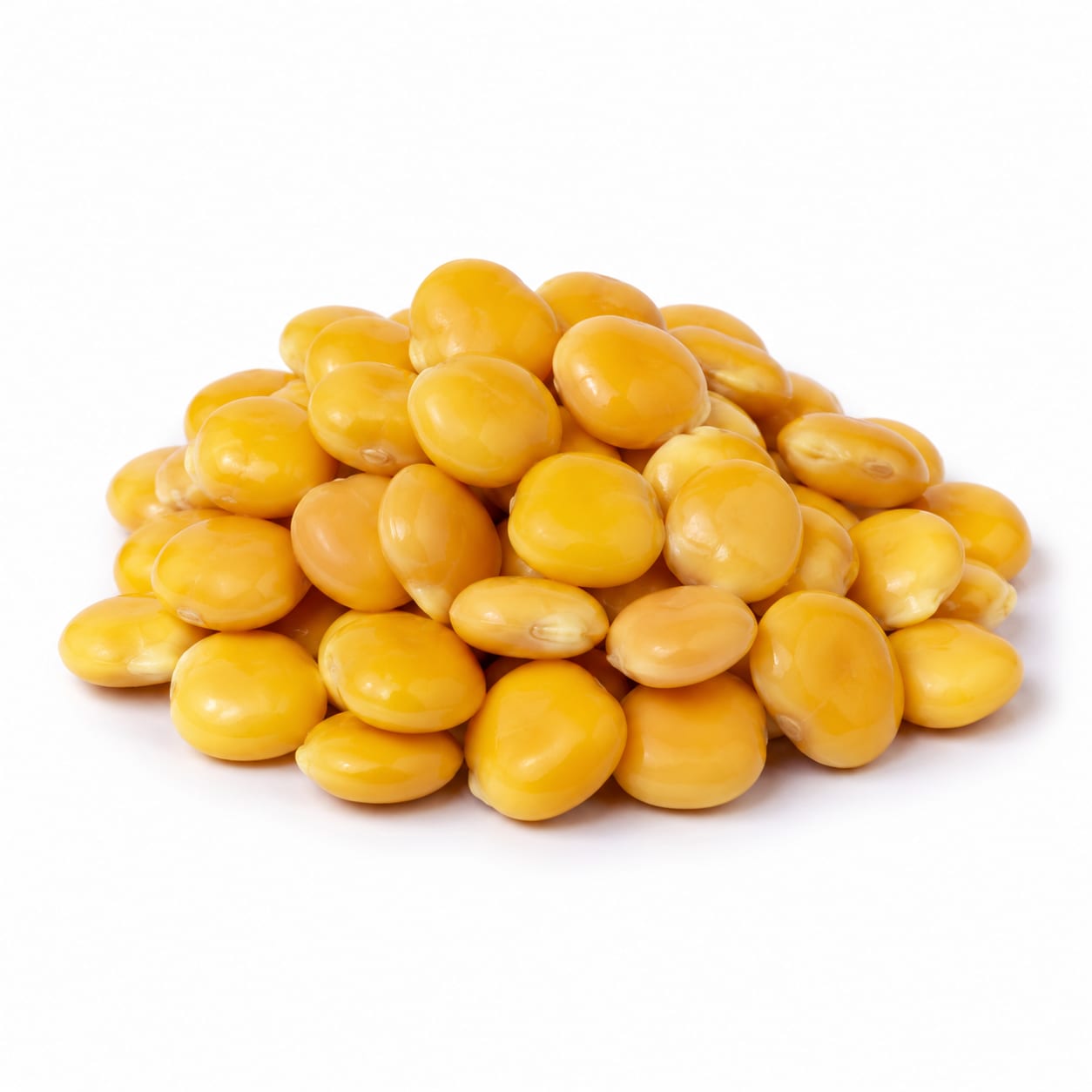
Lupin Bean
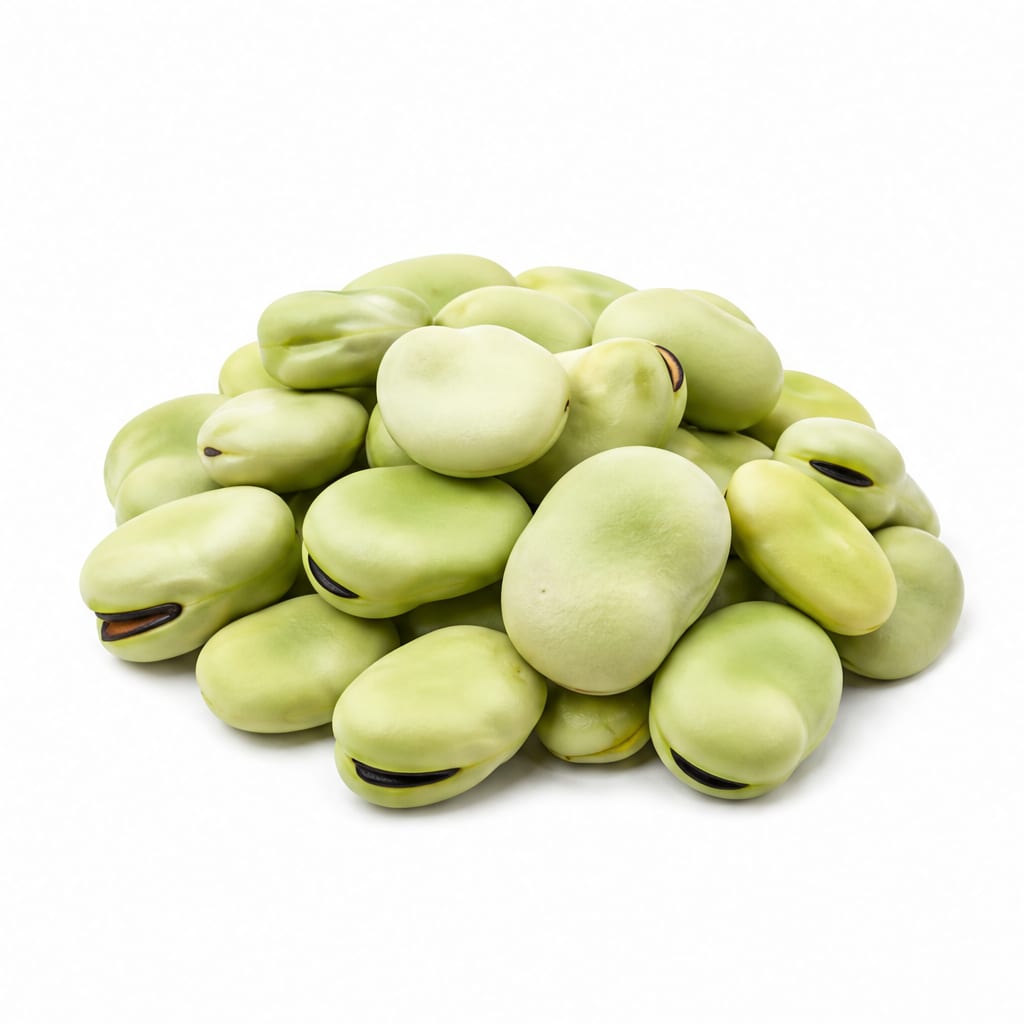
Fava Beans
Lupin beans win for protein and blood sugar control; fava beans win for nutrient breadth and culinary versatility
Fava beans score slightly higher due to broader nutrient profile, easier availability, and culinary versatility. Lupin beans excel in specific niches like protein density and glycemic control but carry accessibility and preparation drawbacks that limit everyday practicality.
Maximum protein with minimal carbs versus richer micronutrients with broader cooking options
At a glance
Executive summary
Overall
It depends
Healthier
It depends
More practical
Fava Beans
Daily use
Fava Beans
Key comparison lenses
Protein density and low-carb suitability
Lupin beans are uniquely high-protein and low-starch among legumes, making this the defining tradeoff
Safety and allergy risk
Both carry serious but distinct risks: lupin allergy cross-reacts with peanuts, fava beans trigger favism in G6PD-deficient individuals
Blood sugar management
Lupin's near-zero starch content makes it exceptional for glycemic control compared to most legumes
Cooking convenience and availability
Fava beans are more widely available and familiar, while lupin requires special preparation to remove bitter alkaloids
Nutrient diversity and micronutrients
Fava beans offer L-dopa, folate, and iron that lupin cannot match
Best choice for
Lupin Bean
- Low-carb and keto dieters seeking a legume option
- People managing diabetes or insulin resistance
- Anyone prioritizing maximum protein per calorie from plants
- Snack-focused eaters who want something filling with near-zero starch
Fava Beans
- Home cooks wanting versatile fresh or dried legumes
- People seeking folate, iron, and L-dopa benefits
- Mediterranean and Middle Eastern recipe enthusiasts
- Anyone wanting a nutrient-dense bean without special allergy concerns
Least suitable for
Lupin Bean
- People with peanut allergies due to cross-reactivity risk
- Anyone unfamiliar with proper alkaloid-removal preparation
- Those wanting a quick-cooking weeknight legume
Fava Beans
- People with G6PD deficiency who risk hemolytic anemia
- Those strictly limiting carbohydrate intake
- Anyone seeking the highest possible protein-to-carb ratio
Deep comparison
Dimension by dimension
Each lens scores both foods and breaks down who each option suits.
- Dimension 1 · Priority 95Lupin Bean
Protein Density
Lupin Bean · 95Fava Beans · 68Lupin beans deliver roughly 40% more protein per serving than fava beans, with significantly less carbohydrate baggage.
Tradeoff
That protein advantage comes with a starch tradeoff: lupin is unusually low in digestible carbs, which limits its energy-providing role in meals.
Why it matters
For anyone eating plant-based or trying to hit protein targets without excess calories, lupin is one of the most efficient legumes available.
Real-world impact
A cup of lupin beans gets you significantly closer to your daily protein goal than the same volume of fava beans, without the carb spike.
Lupin Bean
- Strength athletes on plant-based diets
- Anyone tracking macros who wants high protein with low carbs
- Keto-curious eaters who miss legumes
Better for
- People who expect beans to provide substantial energy from carbs
- Those wanting a balanced macronutrient profile in a single food
Worse for
Fava Beans
- Endurance athletes who need carb fuel alongside protein
- Anyone who finds very low-starch meals unsatisfying
Better for
- Anyone strictly limiting starch intake
Worse for
- Dimension 2 · Priority 85Lupin Bean
Blood Sugar Stability
Lupin Bean · 94Fava Beans · 72Lupin beans are among the lowest-glycemic legumes available, with minimal starch content that barely moves blood sugar.
Tradeoff
Fava beans still have a moderate glycemic load that requires portion awareness, though they remain far better than refined carbs.
Why it matters
Steady blood sugar means fewer energy crashes, less cravings, and better metabolic health over time.
Real-world impact
Lupin beans as an afternoon snack won't trigger the energy dip that even healthy starchy legumes can cause in sensitive people.
Lupin Bean
- People with type 2 diabetes or prediabetes
- Anyone who experiences afternoon energy crashes from starchy foods
- Low-carb dieters monitoring glycemic load closely
Better for
- Those who feel unsatisfied without some starch at meals
Worse for
Fava Beans
- Active people who need moderate carbs to fuel exercise
Better for
- Insulin-resistant individuals who need strict glycemic control
Worse for
- Dimension 3 · Priority 80Fava Beans
Micronutrient Diversity
Lupin Bean · 62Fava Beans · 88Fava beans are rich in folate, iron, manganese, and uniquely contain L-dopa, a dopamine precursor with potential neurological benefits.
Tradeoff
Lupin beans provide solid fiber and some minerals but cannot match the breadth of micronutrients fava beans offer.
Why it matters
L-dopa may support mood and motor function, while folate and iron are critical for blood health and energy.
Real-world impact
Regular fava bean consumption can meaningfully contribute to iron intake and folate needs, especially for plant-based eaters and pregnant women.
Lupin Bean
- Those already eating a micronutrient-rich diet who just want protein
Better for
- Anyone relying on a single legume for broad nutrition
Worse for
Fava Beans
- Pregnant women needing folate
- Plant-based eaters concerned about iron
- Older adults interested in L-dopa's potential neuroprotective effects
Better for
- People who prioritize macronutrient ratios over micronutrient breadth
Worse for
- Dimension 4 · Priority 90It depends
Safety and Allergy Risk
Lupin Bean · 65Fava Beans · 68Both carry serious but rare risks: lupin allergy cross-reacts with peanut allergy, while fava beans cause hemolytic anemia in G6PD-deficient individuals.
Tradeoff
Lupin's peanut cross-reactivity affects more people numerically, but favism can be more severe when it occurs.
Why it matters
Both reactions can be dangerous and unexpected, since many people are unaware of these legume-specific risks before trying them.
Real-world impact
Someone with a peanut allergy could experience anaphylaxis from lupin flour, while a person with undiagnosed G6PD deficiency could land in the hospital after a fava bean meal.
Lupin Bean
- People with G6PD deficiency who must avoid fava beans
- Those without peanut allergies
Better for
- Anyone with a peanut allergy
- Households with peanut-allergic children
Worse for
Fava Beans
- People with peanut or lupin allergies
- Anyone uncertain about their allergy status who wants the safer bet
Better for
- Males of Mediterranean, African, or Southeast Asian descent where G6PD deficiency is more common
Worse for
- Dimension 5 · Priority 75Fava Beans
Culinary Versatility and Convenience
Lupin Bean · 48Fava Beans · 82Fava beans integrate easily into soups, stews, salads, dips, and pasta dishes across many cuisines. Lupin beans are primarily eaten as a pickled snack or ground into flour.
Tradeoff
Lupin's limited culinary role means less meal flexibility, even though it shines in its niche applications.
Why it matters
A food you can cook with in multiple ways is more likely to become a regular habit than one you only eat one way.
Real-world impact
Fava beans can star in a weeknight dinner, a spring salad, or a hearty dip. Lupin beans are mostly that salty bar snack or a specialized flour additive.
Lupin Bean
- Snack-focused eaters who want a high-protein nibble
- Bakers experimenting with high-protein gluten-free flour
Better for
- Meal preppers wanting versatile base ingredients
- Those who get bored eating the same preparation repeatedly
Worse for
Fava Beans
- Home cooks wanting weeknight meal options
- Anyone who values recipe variety and cultural exploration
Better for
- People who primarily want a grab-and-go snack
Worse for
- Dimension 6 · Priority 70It depends
Digestive Tolerance
Lupin Bean · 60Fava Beans · 65Both can cause digestive discomfort, but for different reasons: lupin's high fiber and residual alkaloids can irritate, while fava beans produce typical legume gas.
Tradeoff
Properly prepared lupin may be gentler on digestion for some, but inadequate soaking leaves bitter compounds that upset the stomach.
Why it matters
A nutrient-dense food that causes bloating or discomfort won't be eaten consistently, no matter how healthy it is on paper.
Real-world impact
Someone switching to lupin beans without proper preparation may experience stomach upset that turns them off entirely, while fava beans just require the usual legume adjustment period.
Lupin Bean
- Those already adapted to very high-fiber diets
- People who properly soak and prepare lupin
Better for
- People with sensitive digestion unaccustomed to extreme fiber loads
- Anyone eating improperly prepared lupin
Worse for
Fava Beans
- Those accustomed to regular legume consumption
- Anyone who finds typical bean gas manageable
Better for
- Those with severe IBS who struggle with all legumes
Worse for
Timeline
Health impact over time
Short-term
Hours to days
Lupin Bean
- High satiety from exceptional protein and fiber density
- Minimal blood sugar impact makes it safe for glucose-sensitive individuals
- Potential stomach discomfort if alkaloids are not fully removed during preparation
- Risk of allergic reaction in peanut-allergic individuals, which can be severe and immediate
Fava Beans
- Moderate energy boost from digestible carbohydrates paired with protein
- Noticeable contribution to daily iron and folate intake
- Typical legume-related gas and bloating during adjustment period
- Risk of acute hemolytic episode in G6PD-deficient individuals, which can occur within hours of consumption
Long-term
Months to years
Lupin Bean
- Consistent blood sugar stability supports metabolic health over years
- High protein intake helps preserve lean muscle mass, especially in aging populations
- Very low starch intake may reduce triglyceride levels when replacing higher-carb legumes
- Ongoing allergy risk requires permanent avoidance for peanut-allergic individuals
Fava Beans
- Regular folate intake supports cardiovascular and cognitive health long-term
- L-dopa exposure may offer neuroprotective benefits, though research is still emerging
- Iron contribution helps prevent deficiency anemia in plant-based eaters
- Moderate carbohydrate load requires portion management for metabolic health
Risk profile
Safety & processing
Both are whole, minimally processed legumes in their natural form. However, lupin beans require extensive soaking and rinsing to remove bitter alkaloids, which is a traditional processing step rather than an industrial one. Pre-packaged lupin snacks may contain added salt and preservatives, so check labels.
Lupin Bean
Lupin allergy and peanut cross-reactivity
highUp to 30% of peanut-allergic individuals react to lupin. Reactions can include anaphylaxis. Many people are unaware of this cross-reactivity before their first exposure.
Alkaloid toxicity from improper preparation
mediumBitter lupin varieties contain quinolizidine alkaloids that are toxic if not removed through extended soaking. Symptoms include dizziness, nausea, and cardiac effects. Sweet lupin varieties have lower levels but still require some processing.
Sodium in prepared lupin snacks
lowCommercially prepared pickled lupin beans are often very high in sodium, which can be a concern for blood pressure management.
Fava Beans
Favism in G6PD-deficient individuals
highFava beans trigger acute hemolytic anemia in people with G6PD deficiency, affecting roughly 400 million people worldwide. This X-linked condition is most common in males of Mediterranean, African, and Southeast Asian descent.
Oxalate content
lowFava beans contain moderate oxalates, which may be relevant for people prone to kidney stones.
Who wins for whom
Audience fit
Same foods, different winners depending on your goal.
children
Fava BeansFava beans offer broader nutrition for growing bodies and carry less risk of severe allergic cross-reactivity, though G6PD screening matters.
daily consumption
Fava BeansGreater culinary versatility and broader nutrient profile make fava beans easier to eat regularly without monotony or meal-planning friction.
diabetes
Lupin BeanNear-zero starch content means minimal blood sugar impact, making lupin one of the safest legumes for glycemic management.
elderly
Fava BeansFolate, iron, and L-dopa content support cognitive and cardiovascular health in aging, and fava beans are easier to incorporate into varied meals.
muscle gain
Lupin BeanHigher protein density per serving supports muscle protein synthesis more efficiently, though combining with a carb source is still important post-workout.
weight loss
Lupin BeanLupin beans provide more protein and fiber per calorie with almost no starch, creating stronger satiety with fewer calories consumed.
Your move
Decision guide
Choose Lupin Bean
- You are on a low-carb or keto diet and miss eating legumes
- You have diabetes or insulin resistance and need the lowest-glycemic bean option
- You want maximum plant protein with minimal calories
- You have no peanut allergy and want a high-satiety snack
Choose Fava Beans
- You want a versatile legume for cooking across multiple recipes
- You are seeking folate, iron, or L-dopa benefits
- You have no G6PD deficiency and want a nutrient-dense everyday bean
- You value culinary tradition and meal variety over macronutrient optimization
Either works if
- You simply want a healthy legume to add to your diet and have no specific allergy or metabolic condition
- You enjoy experimenting with different whole foods and can rotate both
Avoid both if
- You have both a peanut allergy and G6PD deficiency
- You have severe IBS and cannot tolerate any legumes even after gradual introduction
- You are unwilling to properly prepare dried legumes through soaking and cooking
Final recommendation
For most people, fava beans are the more practical and nutritionally well-rounded choice for regular consumption. Lupin beans are a specialized tool: exceptional for low-carb diets, blood sugar management, and high-protein snacking, but limited in culinary flexibility and carrying a meaningful allergy risk. If you have no peanut allergy and want to optimize protein intake, try lupin as a supplement to your diet rather than a replacement for fava beans and other legumes.
Practical
Consumer tips
- 1
If trying lupin beans for the first time, start with a small portion to check for allergic reaction, especially if you have any peanut sensitivity
- 2
Buy sweet lupin varieties when possible to reduce alkaloid concerns and preparation time
- 3
Pre-soaked or jarred lupin snacks are convenient but watch the sodium content on labels
- 4
Fresh fava beans in spring are a seasonal treat worth seeking out at farmers markets
- 5
If you have Mediterranean, African, or Southeast Asian heritage, consider G6PD testing before eating fava beans regularly
- 6
Roasted lupin beans make a crunchy high-protein alternative to nuts for those without allergies
- 7
Fava bean dips like ful medames are an easy entry point if you are new to cooking with them
- 8
Never skip the soaking step for dried lupin beans: bitter alkaloids must be removed through multiple water changes over several days