
Nutrition comparison
Lupin Beans vs Kidney Beans: Protein, Carbs, Safety, and Which to Choose
Lupin beans pack double the protein with a fraction of the carbs, but kidney beans are safer and easier to find. Compare nutrition, safety risks, and best uses for each legume.
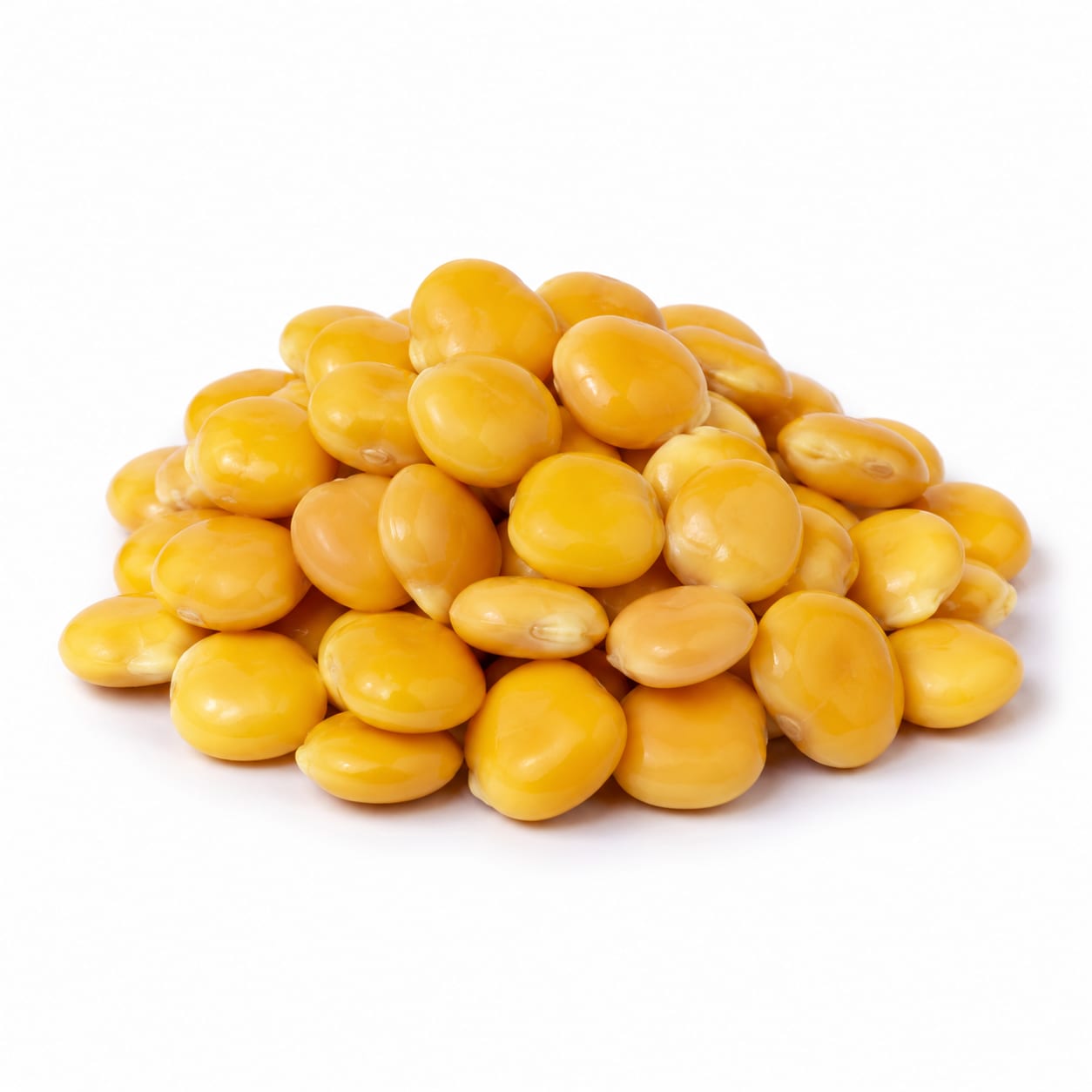
Lupin Bean
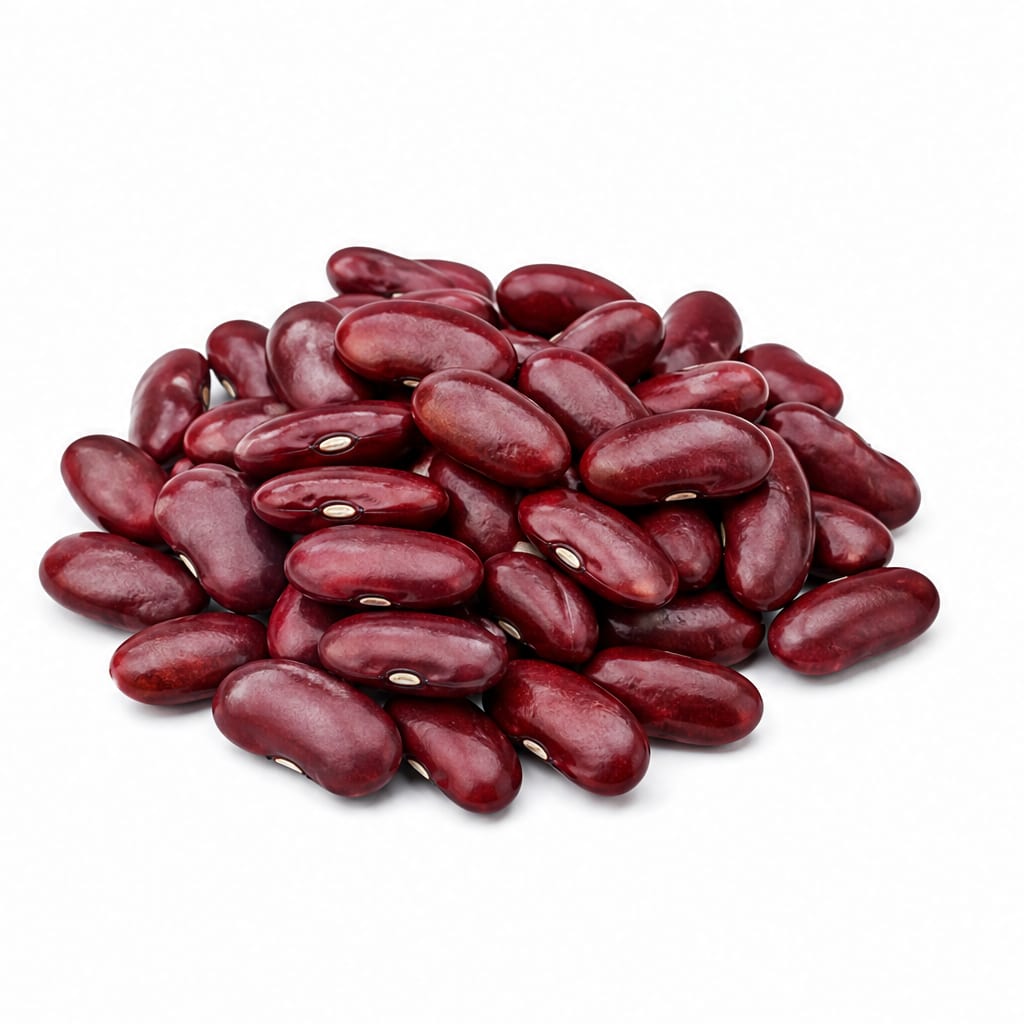
Kidney Beans
Lupin beans deliver far more protein with far fewer carbs, but kidney beans are safer, more available, and easier to incorporate into everyday meals.
Lupin beans edge ahead nutritionally thanks to exceptional protein and minimal starch, but kidney beans close the gap through superior safety margins, wider availability, and zero allergen cross-reactivity concerns.
Protein density and blood sugar control versus accessibility, familiarity, and lower allergen risk.
At a glance
Executive summary
Overall
It depends
Healthier
Lupin Bean
More practical
Kidney Beans
Daily use
Kidney Beans
Key comparison lenses
protein density for plant-based diets
Lupin beans are among the highest-protein legumes available, making this the most striking difference between the two
safety and proper preparation
Both foods carry serious toxicity risks if improperly prepared, but the nature of those risks differs significantly
blood sugar and carb management
Lupin beans are remarkably low in starch compared to kidney beans, creating a major metabolic tradeoff
allergen awareness
Lupin is a declared major allergen in many countries and cross-reacts with peanut allergy, a concern kidney beans do not share
availability and everyday practicality
Kidney beans are pantry staples worldwide while lupin beans remain niche in many markets
Best choice for
Lupin Bean
- Low-carb and keto-adjacent eaters seeking plant protein
- People managing diabetes or insulin resistance
- Athletes wanting high protein from legumes without the carb load
- Anyone already comfortable with specialty legume preparation
Kidney Beans
- Families wanting a reliable, affordable pantry staple
- People with peanut or lupin allergy concerns
- Anyone meal-prepping chili, stews, or rice dishes
- Those new to cooking legumes from scratch
Least suitable for
Lupin Bean
- Anyone with peanut allergy due to cross-reactivity risk
- People unfamiliar with proper lupin soaking and preparation
- Those who need easy-to-find ingredients at any grocery store
Kidney Beans
- People strictly limiting carbohydrate intake
- Those wanting maximum protein per calorie from plants
- Anyone prone to skipping the long boil step when cooking dry beans
Deep comparison
Dimension by dimension
Each lens scores both foods and breaks down who each option suits.
- Dimension 1 · Priority 95Lupin Bean
Protein Density
Lupin Bean · 94Kidney Beans · 55Lupin beans provide roughly double the protein per serving compared to kidney beans, making them one of the most protein-dense legumes on the planet.
Tradeoff
That protein comes with a bitter taste that requires extensive soaking, while kidney beans offer milder flavor with less protein.
Why it matters
For anyone relying on plants as a primary protein source, this difference is substantial and meal-planning relevant.
Real-world impact
A single cup of lupin beans can deliver over 25g of protein with minimal carbs, something kidney beans cannot approach.
Lupin Bean
- Vegans and vegetarians chasing protein targets
- Athletes in a caloric surplus who want legume-based protein
- Anyone replacing meat with something genuinely high-protein
Better for
- Those unwilling to soak beans long enough to remove bitterness
Worse for
Kidney Beans
- Casual bean eaters who do not track protein closely
- People who prefer mild-tasting beans in mixed dishes
Better for
- Anyone needing high protein without high carbs
Worse for
- Dimension 2 · Priority 88Lupin Bean
Carbohydrate and Blood Sugar Impact
Lupin Bean · 91Kidney Beans · 52Lupin beans are remarkably low in digestible starch, resulting in minimal blood sugar impact. Kidney beans are moderate-GI but still carb-dense.
Tradeoff
The low carb content of lupin beans means less readily available energy for high-activity days compared to kidney beans.
Why it matters
For people with diabetes, insulin resistance, or metabolic syndrome, this difference can meaningfully affect post-meal blood sugar.
Real-world impact
Eating lupin beans feels more like eating a protein source than a starch, while kidney beans behave like a carb with some protein attached.
Lupin Bean
- People with type 2 diabetes or prediabetes
- Low-carb dieters wanting legume benefits without the starch
- Anyone avoiding post-meal energy crashes
Better for
- People who need carb-based energy for long workouts
Worse for
Kidney Beans
- Endurance athletes needing sustained carb fuel
- Active people who tolerate starch well
- Anyone wanting a balanced macronutrient profile in one food
Better for
- Those counting carbs or managing blood sugar tightly
Worse for
- Dimension 3 · Priority 90Kidney Beans
Safety and Toxicity Risk
Lupin Bean · 48Kidney Beans · 68Both beans carry real toxicity risks if undercooked, but lupin beans require more complex preparation and carry an additional allergen threat.
Tradeoff
Kidney beans have one clear rule: boil thoroughly. Lupin beans require extended soaking for bitterness and alkaloid removal plus allergen vigilance.
Why it matters
Improperly prepared kidney beans cause acute GI distress. Improperly prepared lupin beans can cause both toxicity and anaphylaxis in allergic individuals.
Real-world impact
Most home cooks know to boil kidney beans. Far fewer know how to handle lupin beans safely, increasing real-world risk.
Lupin Bean
- Experienced cooks familiar with traditional lupin preparation methods
Better for
- Households with peanut allergy risk
- Impatient cooks who skip long soaking steps
Worse for
Kidney Beans
- Families with children who need straightforward food safety rules
- Anyone with peanut allergy in the household
- People who want one simple rule: soak then boil thoroughly
Better for
- Anyone who might rush canned kidney beans without heating them sufficiently
Worse for
- Dimension 4 · Priority 72Lupin Bean
Fiber and Digestive Health
Lupin Bean · 82Kidney Beans · 73Both are excellent fiber sources, but lupin beans deliver more fiber per serving with less gas-producing starch.
Tradeoff
Lupin fiber is heavily soluble and fermentable, which can cause bloating in sensitive people despite the lower starch content.
Why it matters
Fiber quality matters as much as quantity for gut health and digestive comfort.
Real-world impact
Lupin beans may feel lighter in the stomach after eating but can cause more fermentation-related bloating for some people.
Lupin Bean
- People wanting maximum fiber with minimum starch
- Those following gut-health protocols emphasizing soluble fiber
Better for
- Those with IBS or FODMAP sensitivities
Worse for
Kidney Beans
- People with sensitive digestion who tolerate familiar bean fiber better
- Anyone gradually increasing fiber intake
Better for
- People wanting less gas-producing fiber sources
Worse for
- Dimension 5 · Priority 75Kidney Beans
Availability and Practicality
Lupin Bean · 35Kidney Beans · 90Kidney beans are available in virtually every grocery store worldwide in canned and dried forms. Lupin beans remain specialty items in most markets.
Tradeoff
You gain superior nutrition with lupin beans but lose the convenience of grabbing a can off any shelf.
Why it matters
The healthiest food only works if you can actually find and afford it regularly.
Real-world impact
Most people can buy kidney beans on any budget at any store. Lupin beans may require online ordering, specialty shops, or regional access.
Lupin Bean
- People living in Mediterranean or Australian regions where lupin is common
- Anyone willing to source specialty ingredients online
Better for
- Rural shoppers with limited specialty food access
- Anyone who needs ingredients available on short notice
Worse for
Kidney Beans
- Budget-conscious shoppers
- Anyone who values pantry reliability
- People in regions where lupin beans are hard to find
Better for
- People in regions where kidney beans are less culturally common
Worse for
- Dimension 6 · Priority 68Kidney Beans
Culinary Versatility
Lupin Bean · 45Kidney Beans · 82Kidney beans integrate effortlessly into chili, salads, stews, rice dishes, and curries worldwide. Lupin beans have a narrower culinary tradition.
Tradeoff
Lupin beans work well in specific Mediterranean and Latin American dishes but lack the global recipe library kidney beans enjoy.
Why it matters
Eating the same food daily requires recipe variety to sustain the habit long-term.
Real-world impact
You can throw kidney beans into almost any meal and it works. Lupin beans require more intention and recipe hunting.
Lupin Bean
- Adventurous cooks exploring Mediterranean and Andean recipes
- Anyone making lupin-based dips or snacks
Better for
- People who follow recipes rather than invent dishes
- Picky eaters unfamiliar with lupin's bitter edge
Worse for
Kidney Beans
- Home cooks wanting reliable results across many cuisines
- Meal preppers who mix beans into various dishes throughout the week
Better for
- Cooks wanting a bean that disappears into low-carb recipes
Worse for
Timeline
Health impact over time
Short-term
Hours to days
Lupin Bean
- High satiety from protein and fiber with minimal blood sugar spike
- Potential bloating or gas from fermentable fiber if unaccustomed
- Bitter taste if soaking was insufficient
- Risk of alkaloid toxicity if preparation was rushed
Kidney Beans
- Steady energy from complex carbs with moderate protein
- Common bean-related gas and bloating, especially if not gradually introduced
- Nausea, vomiting, or abdominal pain if undercooked due to lectin content
Long-term
Months to years
Lupin Bean
- Excellent blood sugar control and insulin sensitivity from low-starch high-protein profile
- Strong satiety signaling that supports weight management
- Potential allergen sensitization with frequent exposure in susceptible individuals
- Gut microbiome benefits from unique soluble fiber profile
Kidney Beans
- Reliable cardiovascular and metabolic benefits from regular legume consumption
- Stable blood sugar improvement with consistent intake, though less dramatic than lupin
- Well-established long-term safety profile across large populations
- Gut health benefits from diverse fiber and resistant starch
Risk profile
Safety & processing
Both lupin beans and kidney beans are whole, minimally processed foods in their dried form. Canned versions may contain added sodium but remain fundamentally clean options. Neither carries meaningful additive concerns.
Lupin Bean
Lupin alkaloid toxicity
highBitter lupin varieties contain quinolizidine alkaloids that can cause dizziness, nausea, and cardiac effects if not removed through extended soaking and cooking. Sweet lupin varieties have lower levels but still require preparation.
Lupin allergy and peanut cross-reactivity
highLupin is a recognized major allergen in the EU and Australia. Up to 30% of peanut-allergic individuals may react to lupin. Reactions can include anaphylaxis.
Kidney Beans
Phytohaemagglutinin lectin poisoning
highRaw or undercooked kidney beans contain high levels of this lectin, which causes severe nausea, vomiting, and diarrhea. As few as 4-5 raw beans can trigger symptoms. Boiling for at least 10 minutes destroys the lectin.
Canned bean safety
lowCanned kidney beans are fully cooked and safe. The only concern is BPA from can linings and added sodium, both manageable with rinsing and brand selection.
Who wins for whom
Audience fit
Same foods, different winners depending on your goal.
children
Kidney BeansKidney beans are safer from an allergen perspective, easier to prepare correctly, and more familiar in kid-friendly meals like chili and rice bowls.
daily consumption
Kidney BeansAvailability, ease of preparation, culinary versatility, and a well-established safety profile make kidney beans more sustainable as a daily staple.
diabetes
Lupin BeanMinimal starch and a very low glycemic impact make lupin beans significantly better for blood sugar management.
elderly
Kidney BeansFamiliarity, easier digestion with gradual introduction, and no allergen cross-reactivity concerns make kidney beans the more prudent choice.
muscle gain
Lupin BeanNearly double the protein content per serving gives lupin beans a clear advantage for supporting muscle protein synthesis.
weight loss
Lupin BeanHigher protein and fiber with fewer carbs makes lupin beans more satiating per calorie, reducing overall intake naturally.
Your move
Decision guide
Choose Lupin Bean
- You are managing diabetes or insulin resistance and need a low-starch legume
- You track protein intake carefully and want the most protein-dense bean available
- You do not have peanut allergy and can source lupin beans reliably
- You are comfortable with extended soaking and proper preparation techniques
Choose Kidney Beans
- You want a versatile, affordable pantry staple available everywhere
- Anyone in your household has a peanut or legume allergy
- You prefer simple food safety rules: soak, then boil thoroughly
- You cook for a family and need crowd-pleasing, familiar ingredients
Either works if
- You want more plant-based meals and tolerate legumes well
- You are looking to increase fiber intake from whole food sources
- You enjoy experimenting with different bean varieties in your cooking
Avoid both if
- You have severe legume intolerance or FODMAP sensitivity
- You are unwilling to properly prepare dried beans and cannot access safe canned versions
- You have both peanut allergy and lectin sensitivity concerns
Final recommendation
If you can find lupin beans and prepare them correctly, they are nutritionally superior for protein seekers and blood sugar management. But kidney beans win on practicality, safety, and long-term sustainability for most people. The best choice depends on whether you prioritize nutritional optimization or everyday reliability.
Practical
Consumer tips
- 1
If trying lupin beans for the first time, start with sweet lupin varieties which require less soaking and have milder bitterness
- 2
Always soak lupin beans for at least 24 hours with multiple water changes to remove bitter alkaloids
- 3
Never cook kidney beans in a slow cooker without boiling first; slow cookers do not reach temperatures high enough to destroy lectins
- 4
Canned kidney beans are already fully cooked and safe to eat after rinsing, making them a convenient option
- 5
If you have a peanut allergy, avoid lupin beans entirely and consult your allergist before considering them
- 6
Rinsing canned beans removes approximately 30-40% of added sodium
- 7
Lupin bean flour is available in some markets and can boost protein content in baked goods without adding starch
- 8
Both beans freeze well after cooking, so batch-preparing and freezing portions saves time and ensures safety