
Nutrition comparison
Lupin Beans vs Black Beans: Protein, Carbs, and Which One Fits Your Diet
Lupin beans pack more protein and fewer carbs than black beans, but black beans offer better antioxidants, easier access, and lower allergy risk. Compare both to find your best fit.
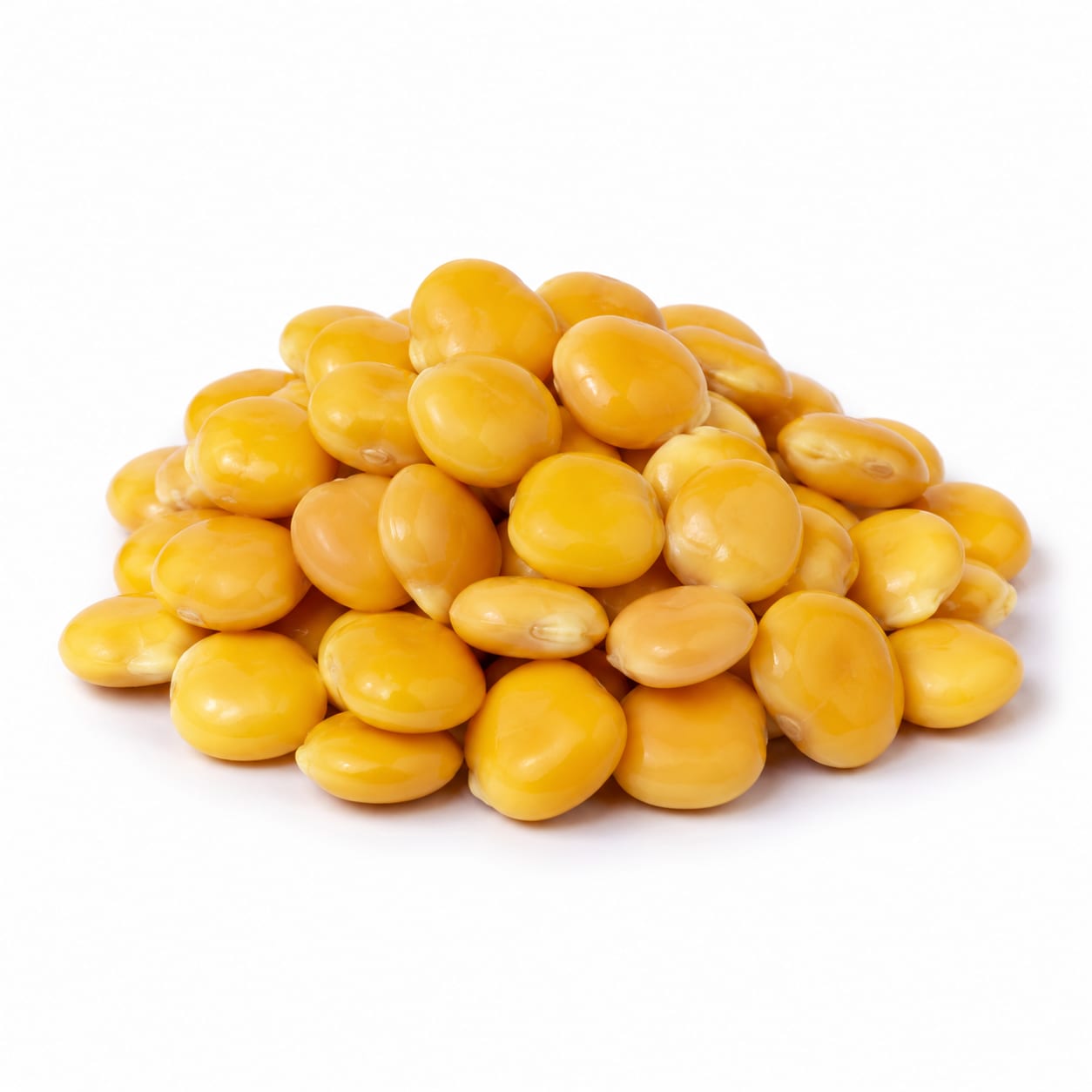
Lupin Bean
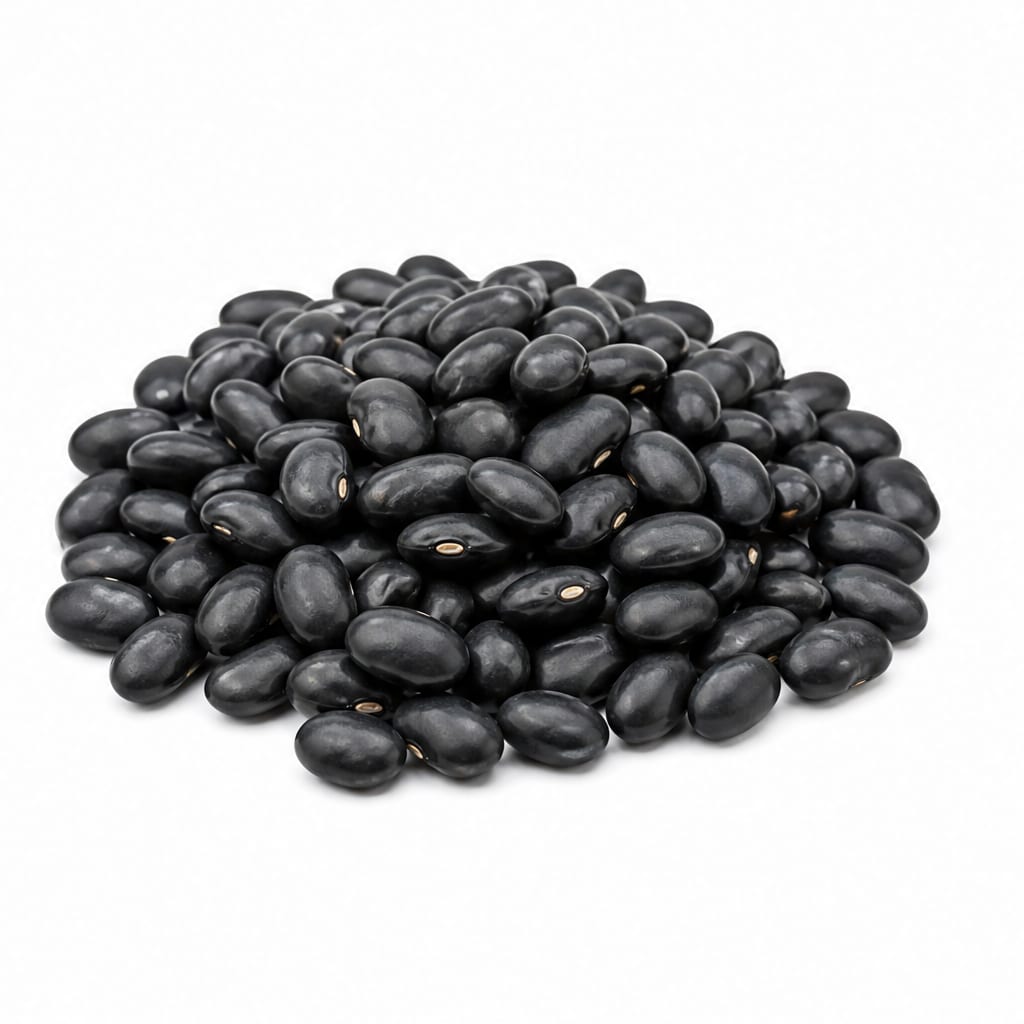
Black Beans
Lupin beans win on protein and low-carb metrics; black beans win on antioxidants, accessibility, and allergy safety.
Black beans score slightly higher due to broader accessibility, superior antioxidant content, and lower allergy risk. Lupin beans excel in specific niches like protein density and low-carb suitability but lose ground on practicality and safety.
You choose between lupin beans for unmatched protein density with minimal carbs, or black beans for broader nutrient coverage, easier availability, and fewer allergy concerns.
At a glance
Executive summary
Overall
It depends
Healthier
It depends
More practical
Black Beans
Daily use
Black Beans
Key comparison lenses
protein density and low-carb suitability
Lupin beans are uniquely high-protein and low-starch among legumes, making this the defining contrast
blood sugar management and diabetes-friendly eating
The dramatic carb difference makes this critical for anyone monitoring glucose
allergy safety and accessibility
Lupin allergy is a serious and underrecognized concern, especially for peanut-allergic individuals
everyday practicality and recipe versatility
Black beans are pantry staples worldwide; lupin beans require more effort to find and prepare
antioxidant and anti-inflammatory benefits
Black beans deliver anthocyanins that lupin beans cannot match
Best choice for
Lupin Bean
- Low-carb and keto-adjacent eaters seeking plant protein
- People managing diabetes who want legume nutrition without the starch load
- Athletes wanting high protein from a plant source
- Anyone trying to increase satiety without spiking blood sugar
Black Beans
- Families wanting a versatile, affordable pantry staple
- People prioritizing antioxidant and anti-inflammatory benefits
- Anyone with peanut or legume allergies who needs a safer option
- Home cooks who value recipe flexibility and easy preparation
Least suitable for
Lupin Bean
- Anyone with peanut allergy due to cross-reactivity risk
- People unfamiliar with proper lupin preparation who might consume bitter alkaloids
- Shoppers with limited access to specialty or health food stores
Black Beans
- Strict low-carb dieters who cannot afford the starch content
- Those needing maximum protein per calorie from plants
Deep comparison
Dimension by dimension
Each lens scores both foods and breaks down who each option suits.
- Dimension 1 · Priority 95Lupin Bean
Protein Density
Lupin Bean · 96Black Beans · 62Lupin beans deliver roughly 50% more protein per serving than black beans, making them one of the most protein-dense legumes on the planet.
Tradeoff
That protein advantage comes with a more bitter, less universally palatable flavor that requires more effort to mask in recipes.
Why it matters
If you are plant-based and struggling to hit protein targets, lupin beans solve a real problem that black beans cannot.
Real-world impact
A cup of lupin beans gets you significantly closer to your daily protein goal without adding the carb load that black beans bring.
Lupin Bean
- Post-workout recovery meals
- Plant-based bodybuilders tracking macros
- Anyone replacing animal protein with legumes
Better for
- Quick meals where bitterness needs masking
- Smoothies or sweet dishes
Worse for
Black Beans
- Balanced meals where moderate protein is sufficient
- Recipes where protein is supplemented from other sources
Better for
- Low-carb meal plans
- Protein-forward snacks
Worse for
- Dimension 2 · Priority 90Lupin Bean
Carbohydrate and Blood Sugar Impact
Lupin Bean · 92Black Beans · 58Lupin beans contain dramatically less starch and fewer net carbs, resulting in a much gentler blood sugar response.
Tradeoff
Black beans provide more sustained energy from complex carbs, which active people may actually prefer.
Why it matters
For anyone with insulin resistance, prediabetes, or diabetes, this difference is not minor — it changes whether a food fits your plan at all.
Real-world impact
Lupin beans let you enjoy legumes without the post-meal energy dip that starchier beans can trigger in sensitive individuals.
Lupin Bean
- Diabetics monitoring glucose spikes
- Keto or low-carb eaters
- Evening meals where you want to avoid carb-heavy foods
Better for
- Pre-workout meals when you need quick energy
- Underweight individuals needing calorie density
Worse for
Black Beans
- Endurance athletes needing carb fuel
- Active people who tolerate starch well
- Growing children who benefit from complex carbs
Better for
- Sedentary evenings when extra carbs are unhelpful
- Metabolic syndrome meal plans
Worse for
- Dimension 3 · Priority 78Black Beans
Antioxidant and Anti-Inflammatory Profile
Lupin Bean · 55Black Beans · 88Black beans are rich in anthocyanins — the same dark pigments found in blueberries — giving them a potent antioxidant edge.
Tradeoff
Lupin beans still offer beneficial phytonutrients but lack the concentrated pigment-based antioxidants that make dark-colored beans special.
Why it matters
Chronic inflammation drives most lifestyle diseases, and anthocyanin-rich foods are among the best dietary tools to counter it.
Real-world impact
Regularly eating black beans contributes to long-term cellular protection in a way that lupin beans simply cannot replicate.
Lupin Bean
- Meals already rich in colorful vegetables and berries
Better for
- Diets low in other antioxidant sources
Worse for
Black Beans
- Long-term heart and brain health
- Anti-inflammatory eating patterns
- Aging adults concerned about oxidative stress
Better for
- Meals where antioxidant needs are already well-covered
Worse for
- Dimension 4 · Priority 82Black Beans
Allergy Safety
Lupin Bean · 40Black Beans · 85Lupin beans carry a significant and underrecognized allergy risk, especially for people with peanut allergies, due to cross-reactivity.
Tradeoff
Black beans are among the safest legumes for allergy-sensitive individuals, with very low reported reaction rates.
Why it matters
Lupin allergy can be severe and is not widely known, creating a hidden danger especially in processed foods where lupin flour appears unlabeled.
Real-world impact
If you have a peanut allergy, eating lupin beans could trigger a serious reaction — this is not a theoretical risk.
Lupin Bean
- People with no legume allergies who have safely consumed lupin before
Better for
- Anyone with peanut allergy
- People new to lupin who have not tested tolerance
- Buffet or potluck settings with unknown guests
Worse for
Black Beans
- Peanut-allergic individuals
- Households with unknown allergy profiles
- School lunches and shared meals
Better for
- Those with specific black bean sensitivities, which are rare
Worse for
- Dimension 5 · Priority 75Black Beans
Practicality and Accessibility
Lupin Bean · 38Black Beans · 90Black beans are available in virtually every grocery store, canned or dried, and work in hundreds of familiar recipes.
Tradeoff
Lupin beans are harder to find, often require specialty stores or online ordering, and demand more preparation knowledge.
Why it matters
The healthiest food is the one you actually eat regularly — availability and ease of use matter more than theoretical nutrient profiles.
Real-world impact
You can decide to cook black beans tonight and actually do it. Lupin beans require planning, sourcing, and often soaking to remove bitterness.
Lupin Bean
- Meal preppers who buy in bulk from specialty suppliers
- Adventurous home cooks exploring Mediterranean recipes
Better for
- Last-minute meal decisions
- Rural areas with limited grocery options
Worse for
Black Beans
- Busy weeknight cooking
- Budget-conscious shoppers
- Anyone who values pantry reliability
Better for
- Recipes specifically calling for lupin flour or low-carb bean alternatives
Worse for
- Dimension 6 · Priority 70Black Beans
Digestive Tolerance
Lupin Bean · 55Black Beans · 72Both beans can cause gas, but improperly prepared lupin beans contain bitter alkaloids that can cause nausea and digestive distress.
Tradeoff
Black beans cause familiar legume gas that most people manage with gradual intake; lupin has an additional layer of alkaloid risk if not processed correctly.
Why it matters
Eating lupin beans without proper soaking and preparation is not just uncomfortable — it can be genuinely unpleasant or mildly toxic.
Real-world impact
Black beans might make you gassy; underprepared lupin beans might make you sick. The risk profile is meaningfully different.
Lupin Bean
- Experienced preparers who know proper lupin soaking techniques
Better for
- Inexperienced cooks unfamiliar with alkaloid removal
- People with sensitive digestion trying lupin for the first time
Worse for
Black Beans
- Gradual fiber introduction for sensitive stomachs
- Reliable digestion with standard preparation
Better for
- Those already struggling with legume-related gas
Worse for
- Dimension 7 · Priority 73Lupin Bean
Satiety and Fullness
Lupin Bean · 86Black Beans · 74Lupin beans keep you fuller for longer thanks to their exceptional protein-to-calorie ratio and high fiber with minimal starch.
Tradeoff
Black beans are also filling but their carb content can trigger hunger sooner in carb-sensitive individuals.
Why it matters
If you are trying to eat less without feeling deprived, higher protein and lower carb is a proven satiety formula.
Real-world impact
A lupin bean lunch is more likely to carry you to dinner without snacking; a black bean lunch may leave you hunting for a snack by mid-afternoon.
Lupin Bean
- Weight management meals
- Long gaps between eating occasions
- People prone to afternoon cravings
Better for
- Those who find high-protein meals heavy or uncomfortable
Worse for
Black Beans
- Active days where you need steady energy, not just fullness
Better for
- Carb-sensitive individuals who experience blood sugar dips
Worse for
Timeline
Health impact over time
Short-term
Hours to days
Lupin Bean
- High satiety shortly after eating due to protein density
- Potential digestive discomfort if alkaloids are not properly removed
- Minimal blood sugar spike compared to other legumes
Black Beans
- Steady energy release from complex carbohydrates
- Common legume-related gas and bloating, especially if intake increases suddenly
- Mild, sustained blood sugar rise that is well-tolerated by most
Long-term
Months to years
Lupin Bean
- Improved body composition potential from high protein intake
- Better blood sugar regulation over time for low-carb eaters
- Risk of allergic sensitization with repeated exposure, particularly in peanut-allergic individuals
Black Beans
- Reduced cardiovascular risk from regular anthocyanin consumption
- Improved gut microbiome diversity from consistent fiber intake
- Stable long-term blood sugar management for most metabolic profiles
Risk profile
Safety & processing
Both lupin beans and black beans are whole, minimally processed foods in their dried form. Canned versions of both may contain added sodium, but this is easily managed by rinsing. Neither carries meaningful additive concerns.
Lupin Bean
Lupin allergy and peanut cross-reactivity
highUp to 30% of peanut-allergic individuals may react to lupin. Reactions can be severe, including anaphylaxis. This allergy is underdiagnosed because lupin is less commonly consumed.
Bitter alkaloid toxicity from improper preparation
mediumRaw or inadequately soaked lupin beans contain quinolizidine alkaloids that cause nausea, dizziness, and in extreme cases, more serious symptoms. Proper soaking and cooking eliminates this risk.
Hidden presence in processed foods
mediumLupin flour is increasingly used in gluten-free and high-protein products, sometimes without clear labeling, creating exposure risk for allergic individuals.
Black Beans
Phytic acid reducing mineral absorption
lowBlack beans contain phytic acid that can reduce iron and zinc absorption. Soaking and cooking mitigates this, and a varied diet makes it rarely consequential.
Pesticide residue on conventionally grown crops
lowBlack beans are not among the highest pesticide-residue crops, but choosing organic reduces exposure further.
Canned sodium content
lowCanned black beans can be high in sodium. Rinsing removes roughly 40% of added sodium, or choose low-sodium varieties.
Who wins for whom
Audience fit
Same foods, different winners depending on your goal.
children
Black BeansBlack beans are safer from an allergy perspective, more palatable, and provide growing bodies with needed complex carbohydrates.
daily consumption
Black BeansAccessibility, recipe versatility, lower allergy risk, and broader nutrient coverage make black beans the more sustainable daily choice for most people.
diabetes
Lupin BeanDramatically lower starch content and gentler blood sugar response make lupin beans the safer choice for glucose management.
elderly
Black BeansAnti-inflammatory anthocyanins and easier digestibility make black beans more appropriate for aging bodies, and the allergy risk with lupin is harder to assess in elderly populations.
muscle gain
Lupin BeanThe superior protein density of lupin beans directly supports muscle protein synthesis more effectively than black beans.
weight loss
Lupin BeanHigher protein and lower carbs make lupin beans more satiating per calorie, reducing the urge to overeat.
Your move
Decision guide
Choose Lupin Bean
- You are low-carb or keto and miss eating legumes
- You need maximum plant protein per serving
- You have no peanut or legume allergies and want to experiment
- You are managing diabetes and want a bean that will not spike glucose
Choose Black Beans
- You want a reliable, affordable pantry staple
- Antioxidant and anti-inflammatory benefits matter to you
- You or someone in your household has a peanut allergy
- You value recipe flexibility across multiple cuisines
Either works if
- You simply want more legume diversity in your diet
- You are meeting protein needs from other sources already
- You enjoy rotating different beans for different meals
Avoid both if
- You have a severe legume allergy that encompasses multiple bean types
- You are in an acute digestive flare and need a low-fiber diet temporarily
Final recommendation
For most people, black beans are the smarter default — they are accessible, nutrient-rich, and safe. But if you are low-carb, diabetic, or chasing plant protein goals, lupin beans are a powerful specialty tool worth learning to use. Just confirm you have no peanut allergy first.
Practical
Consumer tips
- 1
If trying lupin beans for the first time, start with a small portion to test for any allergic reaction, especially if you have a peanut allergy
- 2
Soak lupin beans thoroughly and change the water multiple times to remove bitter alkaloids — skipping this step is not optional
- 3
Rinse canned black beans to remove roughly 40% of added sodium
- 4
Buy canned lupin beans if available, as they are pre-treated and safer than preparing dried ones yourself without experience
- 5
Rotate both beans in your diet rather than choosing just one — diversity always wins over monotony
- 6
If you cannot find lupin beans locally, check Mediterranean or Australian online grocers where they are more commonly stocked