
Dairy
Low Fat Milk
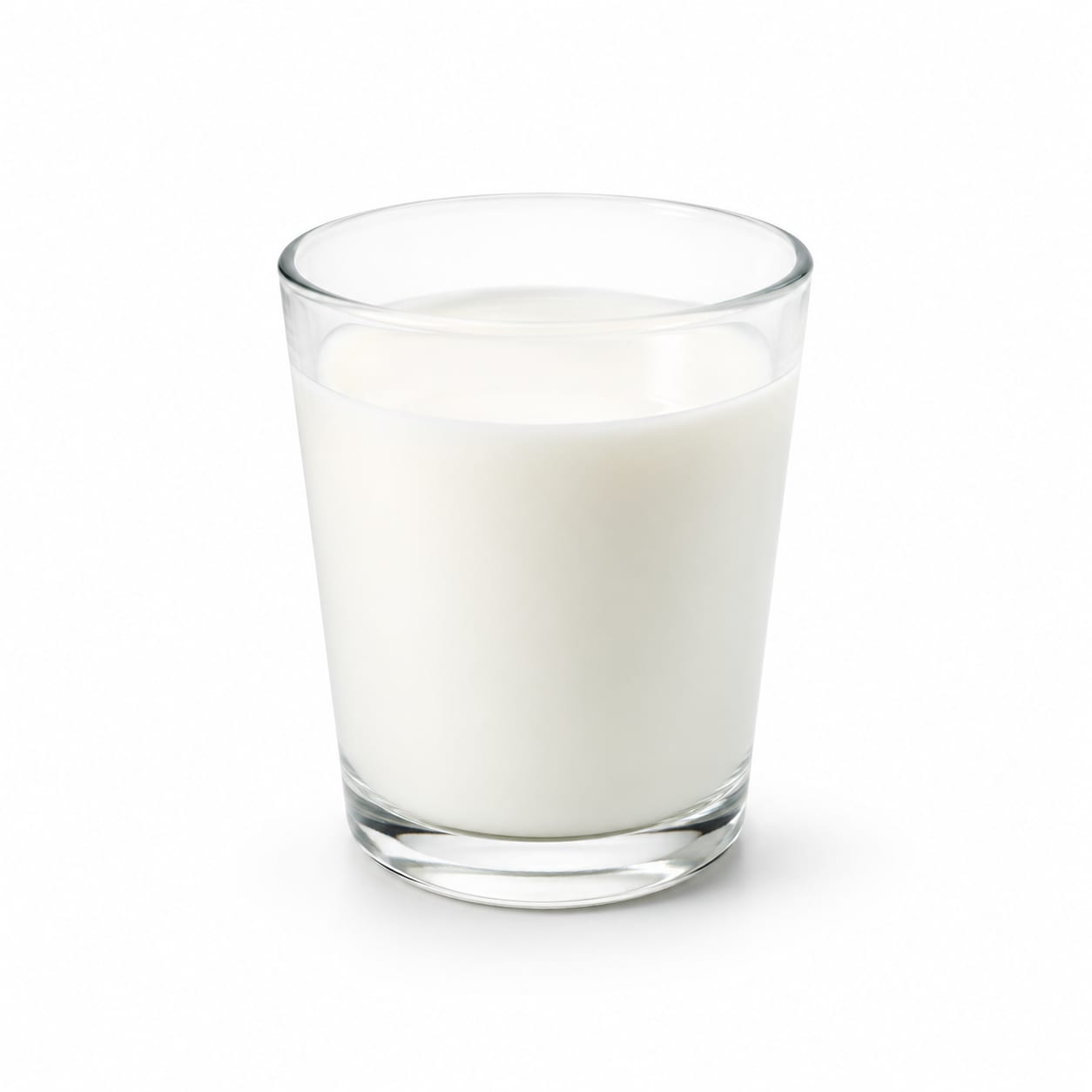
Low fat milk is a reduced-calorie dairy beverage that maintains high protein and calcium levels while removing most of the natural fat.
Low fat milk is cow's milk that has had the majority of its fat content removed, typically leaving 1% to 2% fat. It retains the protein and calcium of whole milk while significantly reducing calories and saturated fat.
protein and calcium-rich reduced-fat dairy beverage
Typical serving · 244g
Common varieties · 1% milk, 2% milk, fortified low fat milk, organic low fat milk, grass-fed low fat milk
Overall context score across nutrition, safety, and diet fit
At a glance
Quick facts
Simple indicators based on nutrition, processing, and diet fit.
The story
What makes it unique
Contains a blend of fast-digesting whey and slow-digesting casein proteins, which promotes prolonged satiety and muscle protein synthesis. Lactose provides a moderate glycemic carbohydrate source. Fat removal reduces caloric density and lowers the natural absorption of fat-soluble vitamins, though most commercial low fat milk is fortified with vitamins A and D to compensate.
Varieties: 1% milk · 2% milk · fortified low fat milk · organic low fat milk · grass-fed low fat milk
Per 100g
Nutrition breakdown
Macro balance and key metrics at a glance.
Energy
Density 0.42 kcal/g
Protein
Carbs
Fat
Fiber
Sugar
5 g
Sodium
44 mg
Potassium
150 mg
Glycemic index
31
Glycemic load
1.5
Water content
90%
Standout compounds
Nutrient highlights
Calcium
highEssential for bone density and muscle contraction
Protein
moderateSupports muscle repair and satiety
Vitamin D
moderateFacilitates calcium absorption and immune function
Vitamin A
moderateSupports vision and immune health
Phosphorus
moderateWorks with calcium for bone health
Wellness map
Health scores & processing
NOVA processing scale
Moderately processed · Whole food
Mechanically separated to remove fat, pasteurized for safety, homogenized for texture, and typically fortified with vitamins A and D.
Diet compatibility
- Weight loss
- Muscle gain
- Diabetes
- Gut health
- Low carb
- High protein
- Heart health
Relative standing
Food rankings
Qualitative ranks compared to similar whole foods.
- Satietygood
- Blood sugarexcellent
- Nutrient densitygood
- Fitness fuelexcellent
- Processing qualitymoderate
Eat with confidence
Food safety profile
Pasteurization effectively eliminates harmful bacteria, making commercial low fat milk safe. Conventional farming practices involve antibiotic and hormone management that are strictly monitored but can leave trace residues.
Evidence confidence 90%
- Pesticideslow
- Antibioticsmoderate
- Heavy metalslow
- Contaminationlow
Watch for
- antibiotic residues
- pus cells
- listeria
Safer choices
Organic or grass-fed low fat milk avoids synthetic hormones and has stricter antibiotic use regulations.
Prep tips
Keep refrigerated at or below 40°F (4°C) and consume before the expiration date. Do not leave unrefrigerated for more than 2 hours.
Conventional dairy farming may use antibiotics and synthetic hormones, which are regulated but still concern some consumers.
Deep dive
Health analysis
How this food may fit different goals and preparation choices.
Weight loss
Lower calorie density compared to whole milk while maintaining the same protein content, making it useful for calorie-controlled diets.
Blood sugar
Has a low glycemic index due to its protein and fat content slowing the digestion of lactose, resulting in a steady blood sugar response.
Fitness & energy
Provides a highly bioavailable mix of whey and casein protein, making it an effective and affordable post-workout recovery drink.
Gut health
Lacks dietary fiber and contains lactose, which can trigger bloating, gas, and digestive distress in lactose-intolerant individuals.
Processing quality
Undergoes mechanical fat removal, pasteurization, and homogenization. Fortification replaces some nutrients lost during fat extraction.
Food safety
Highly safe due to mandatory pasteurization. Conventional dairy farming practices regarding antibiotics and hormones remain a concern for some consumers.
Common mistakes
Assuming all reduced-fat dairy is healthy; flavored low fat milk often contains added sugars to compensate for the loss of flavor from fat.
Best preparation
Consumed cold as a standalone beverage, blended into protein smoothies, or poured over oatmeal to increase protein intake.
Practical guide
Best use cases
When and how this food fits real eating patterns.
Post-workout recovery
Provides fast-absorbing whey protein and carbohydrates to replenish glycogen and repair muscles after exercise.
High-protein breakfast smoothie base
Adds liquid, protein, and creaminess to smoothies without the high calorie cost of whole milk or cream.
Calorie-controlled dieting
Allows dieters to enjoy dairy and get essential calcium while easily maintaining a caloric deficit.
Balance sheet
Pros & cons
Upsides
- High protein-to-calorie ratio
- Excellent source of bioavailable calcium
- Lower in saturated fat than whole milk
- Contains both fast and slow digesting proteins
- Affordable and widely available
Trade-offs
- Contains lactose, which triggers intolerance in many adults
- Fat removal reduces natural absorption of fat-soluble vitamins
- Conventional farming may use antibiotics and hormones
- Less satiating than whole milk due to lower fat content
Fit check
Who is it for?
Great match
- post-workout recovery
- calorie-controlled diets
- bone health maintenance
Consider alternatives
- strict ketogenic diets
- severe lactose intolerance
- whole-food-only purists
Side by side
How it compares
Open the full head-to-head analysis for nutrition, safety, and practical tradeoffs.
This food
Low Fat Milk
VS95% alike
Compare with
Whole Milk
Whole milk has higher calories and saturated fat but provides better natural vitamin absorption and satiety.
Low fat milk is better for calorie counting and weight loss, while whole milk provides greater satiety and better absorption of fat-soluble vitamins.
This food
Low Fat Milk
VS98% alike
Compare with
Skim Milk
Skim milk eliminates nearly all fat and calories but tastes thinner and is less satiating than low fat milk.
Skim milk has slightly fewer calories, but low fat milk offers a better balance of flavor and satiety due to its small fat content.
This food
Low Fat Milk
VS70% alike
Compare with
Almond Milk
Unsweetened almond milk is much lower in calories but lacks the protein and natural calcium of low fat milk.
Almond milk is lower in calories and carbs, but low fat milk is vastly superior for protein intake and muscle recovery.
This food
Low Fat Milk
VS80% alike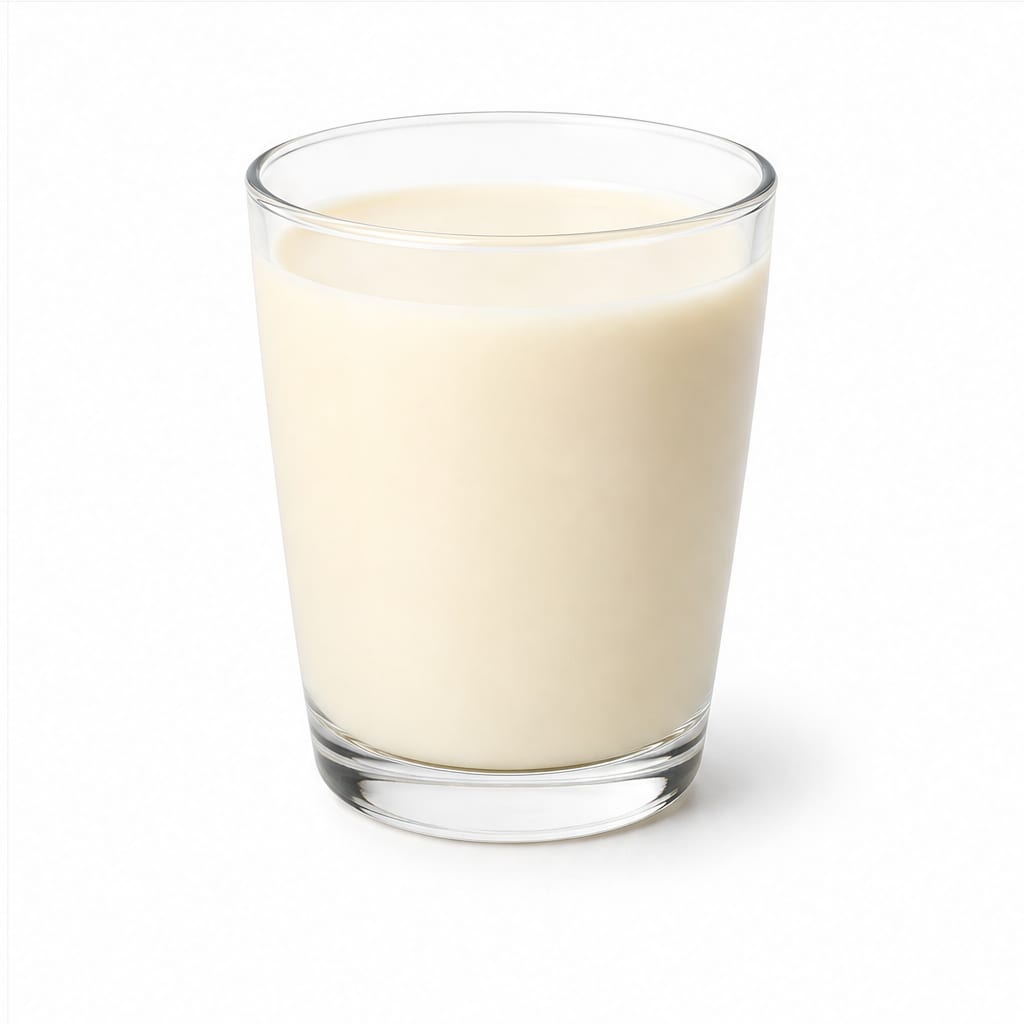
Compare with
Soy Milk
Soy milk matches the protein content of low fat milk with less saturated fat, but tastes distinctly different.
Soy milk and low fat milk offer similar protein and blood sugar benefits, but soy milk is lactose-free while low fat milk provides superior calcium.
This food
Low Fat Milk
VS75% alike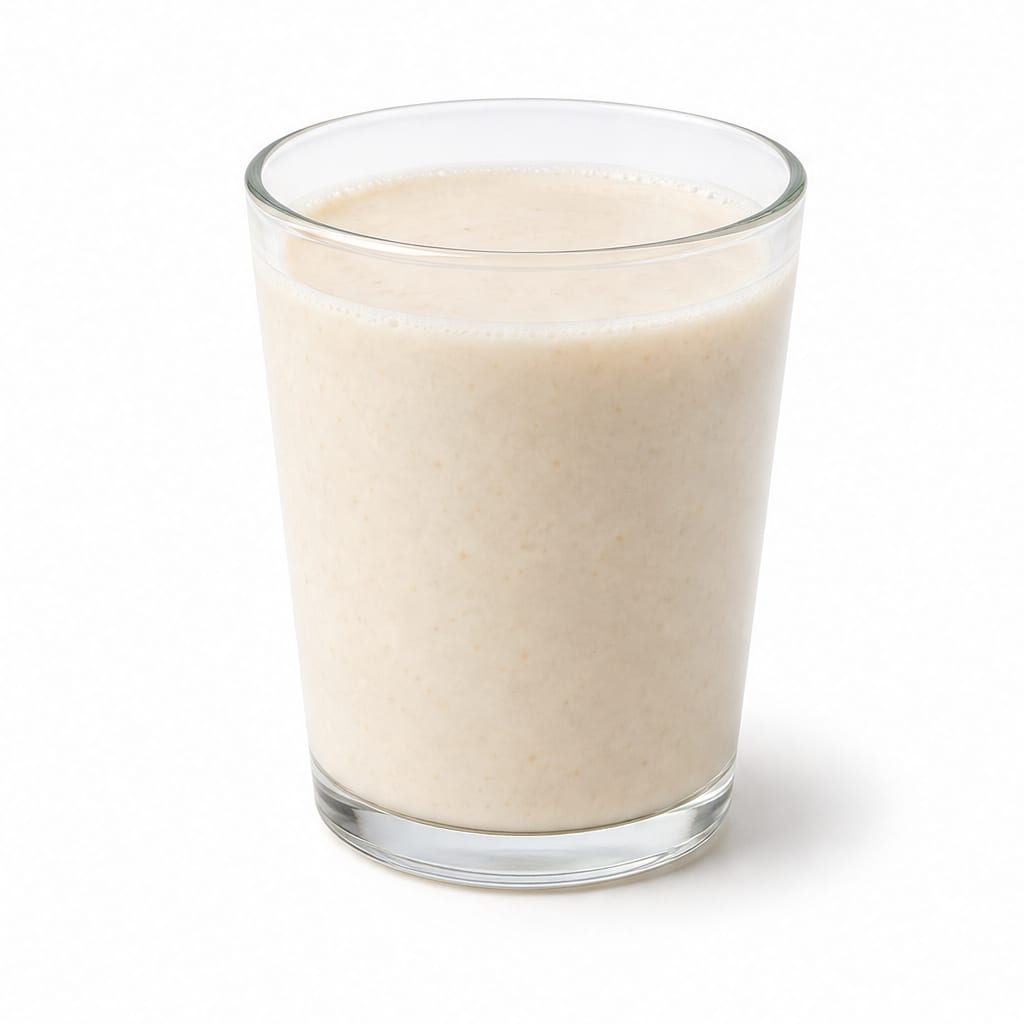
Compare with
Oat Milk
Oat milk is higher in carbohydrates and calories, and lower in protein compared to low fat milk.
Low fat milk is higher in protein and lower in carbs than oat milk, making it better for blood sugar control and fitness goals.
This food
Low Fat Milk
VS65% alike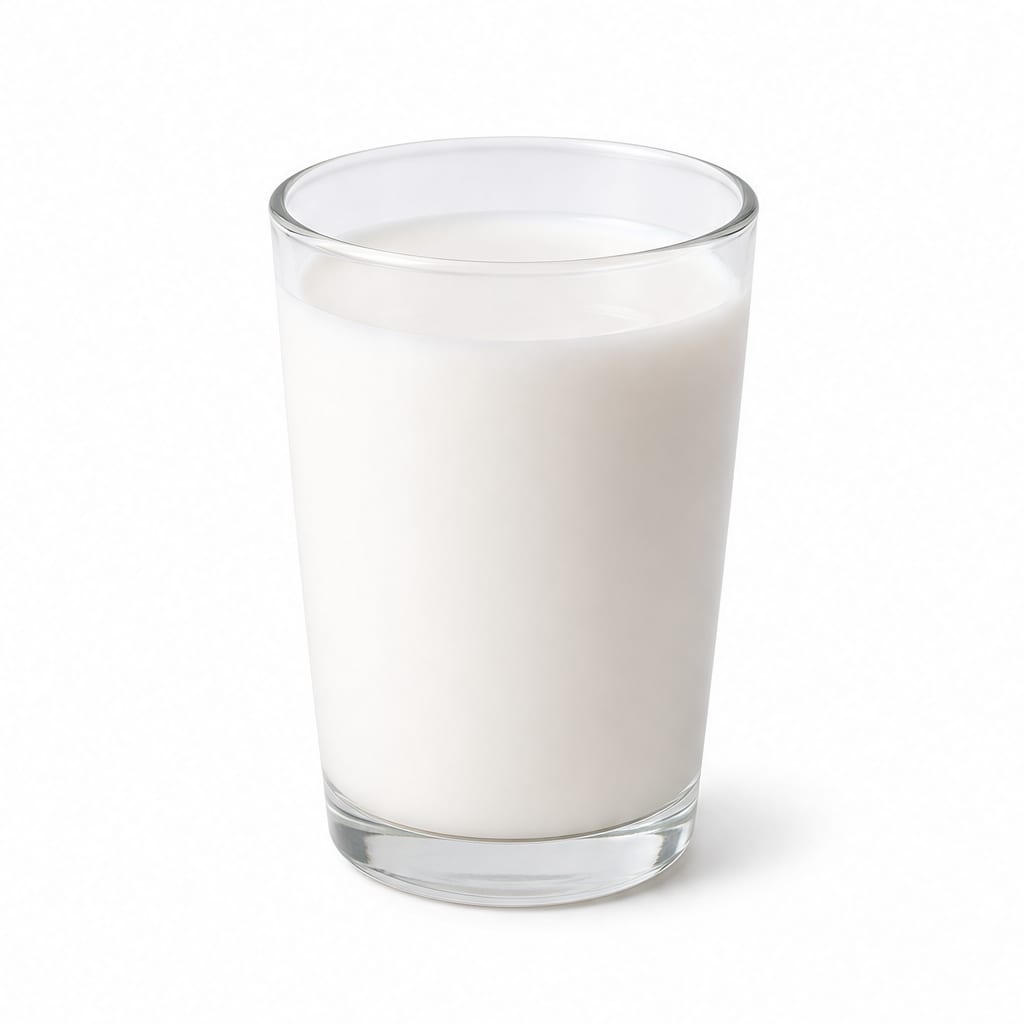
Compare with
Coconut Milk Beverage
Carton coconut milk is higher in saturated fat and lower in protein than low fat milk.
Low fat milk provides significantly more protein and less saturated fat than coconut milk beverage, making it far better for muscle building and heart health.
This food
Low Fat Milk
VS85% alike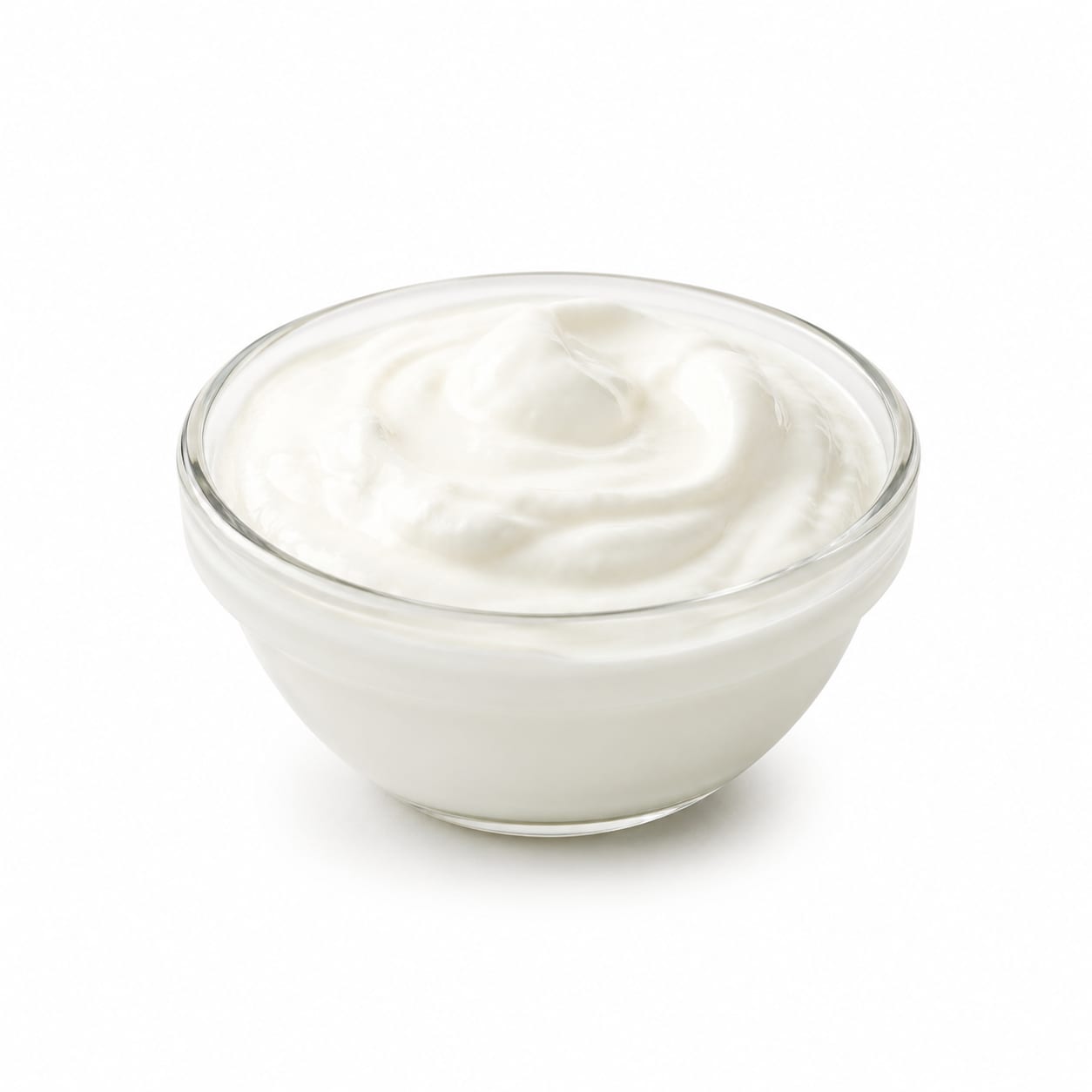
Compare with
Greek Yogurt
Greek yogurt has roughly triple the protein and lower lactose, but is eaten with a spoon rather than drank.
Greek yogurt beats low fat milk in protein, satiety, and gut health due to probiotics, but low fat milk is more convenient as a liquid.
This food
Low Fat Milk
VS96% alike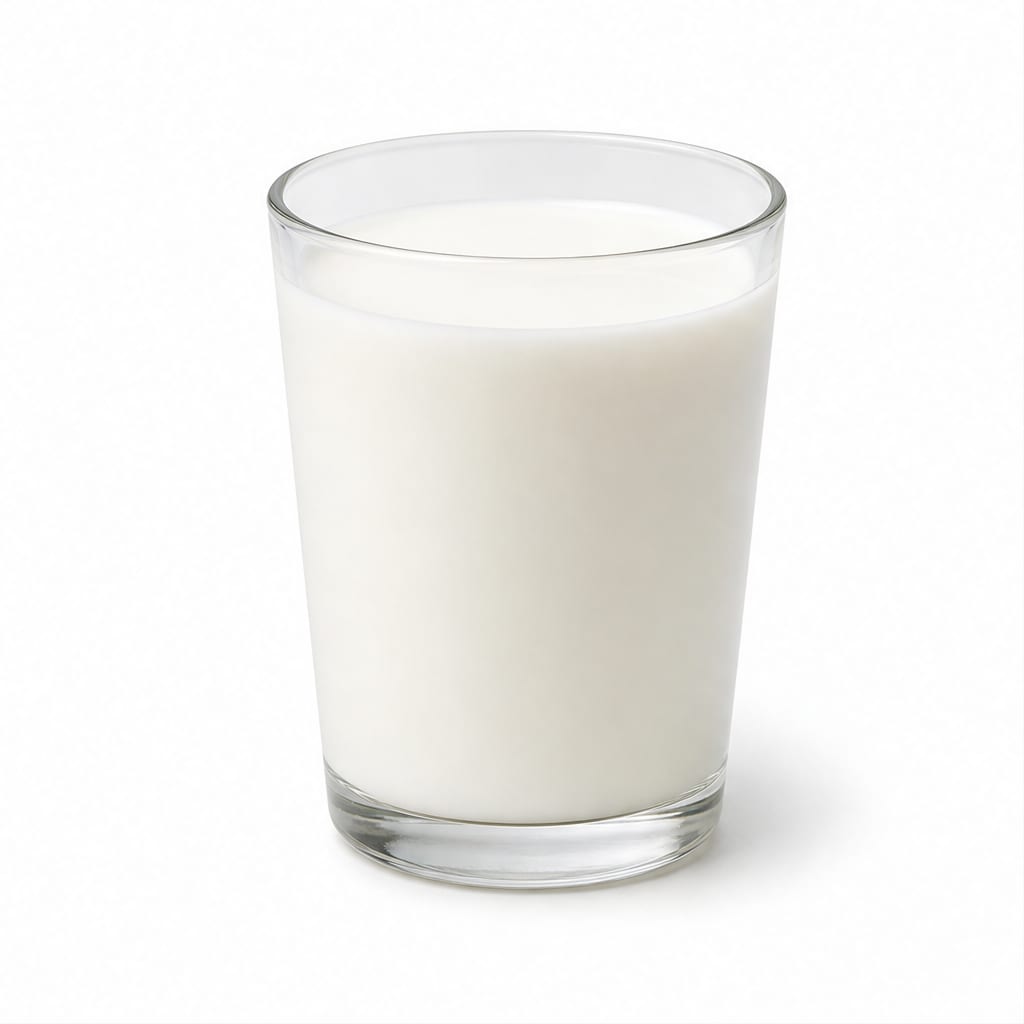
Compare with
Lactose-Free Milk
Nutritionally identical to low fat milk but pre-digested for lactose-intolerant individuals.
Lactose-free milk offers the exact same nutrition as low fat milk but is safe for those with lactose intolerance, though it tastes slightly sweeter.
This food
Low Fat Milk
VS68% alike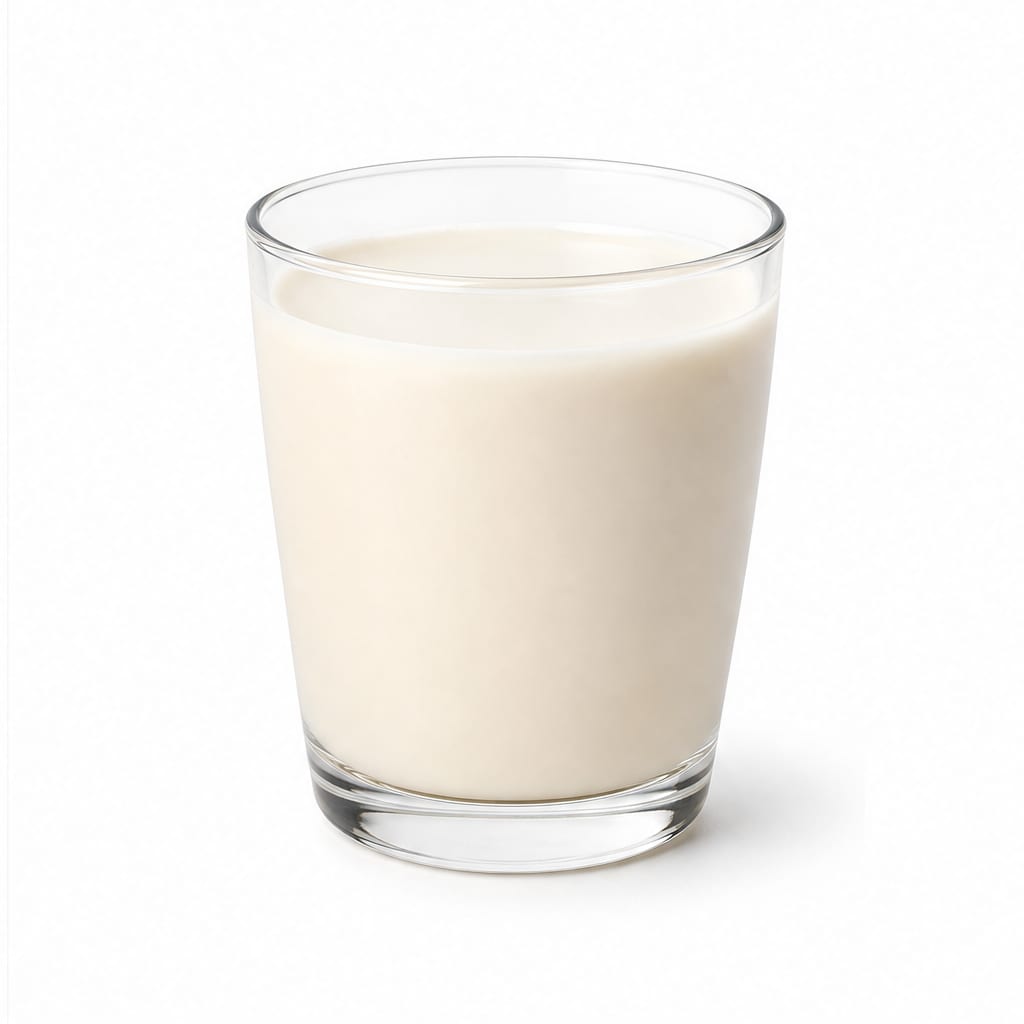
Compare with
Cashew Milk
Unsweetened cashew milk is very low in calories but contains almost no protein or carbs.
Cashew milk is lower in calories but lacks the muscle-building protein and satiety found in low fat milk.
This food
Low Fat Milk
VS60% alike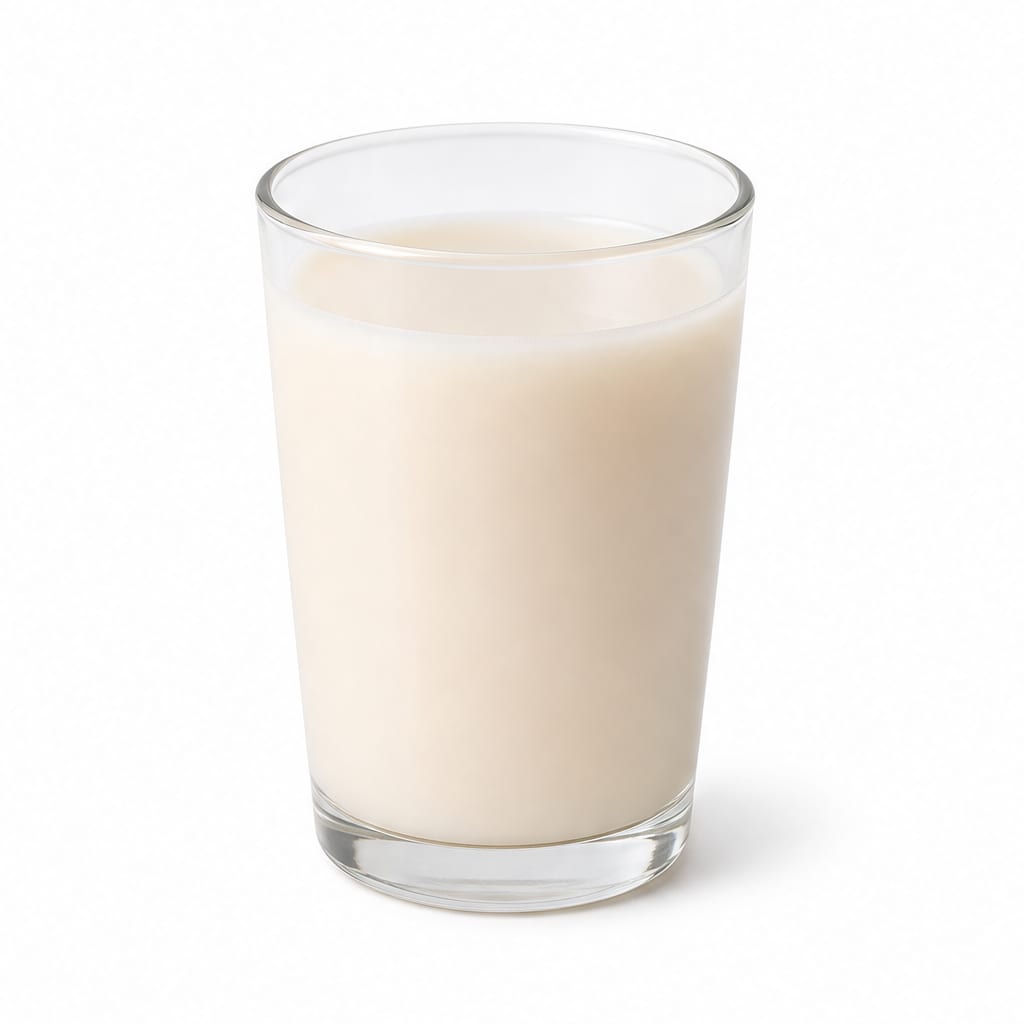
Compare with
Rice Milk
Rice milk is high in carbohydrates and lacks protein, causing a higher blood sugar impact than low fat milk.
Low fat milk is vastly superior to rice milk for blood sugar control and fitness because rice milk lacks protein and is high in fast-digesting carbs.
Common questions
FAQ
Answers aligned with how people search for this food.
Is low fat milk good for weight loss?
Yes, low fat milk is good for weight loss because it provides high satiety protein and calcium while containing fewer calories than whole milk.
Is low fat milk healthier than whole milk?
It depends on your goals. Low fat milk is lower in calories and saturated fat, making it better for weight loss. Whole milk provides better satiety and absorbs fat-soluble vitamins more naturally.
Can diabetics drink low fat milk?
Yes, low fat milk has a low glycemic index. The protein and remaining fat slow the digestion of lactose, preventing sharp blood sugar spikes.
Does low fat milk have a lot of sugar?
Low fat milk contains about 5g of naturally occurring milk sugar (lactose) per 100g. It does not contain added sugars unless it is flavored, like chocolate or strawberry milk.
Is low fat milk good for building muscle?
Yes, it is excellent for building muscle. It provides a balanced mix of fast-digesting whey and slow-digesting casein proteins, which support muscle repair and growth.
Why is low fat milk fortified with vitamins?
When the fat is removed from milk, naturally occurring fat-soluble vitamins A and D are stripped away. Dairies fortify low fat milk to restore these essential nutrients.
Is low fat milk bad for lactose intolerance?
Yes, low fat milk still contains the same amount of lactose as whole milk and will trigger symptoms in lactose-intolerant individuals. Lactose-free milk is a better alternative.
Is low fat milk considered ultra-processed?
No, plain low fat milk is generally considered processed (NOVA Group 3) due to pasteurization and fat removal, but it is not classified as ultra-processed unless additives and sweeteners are included.
Transparency
Data confidence
Estimated confidence for nutrition data, interpretation, safety notes, and comparisons.
Nutrition data
Health analysis
Food safety
Comparisons