
Nutrition comparison
Low Fat Milk vs Soy Milk: Nutrition, Protein, and Digestion Compared
Comparing Low Fat Milk and Soy Milk? Discover which is better for protein, digestion, and daily nutrition to make the best choice for your diet.
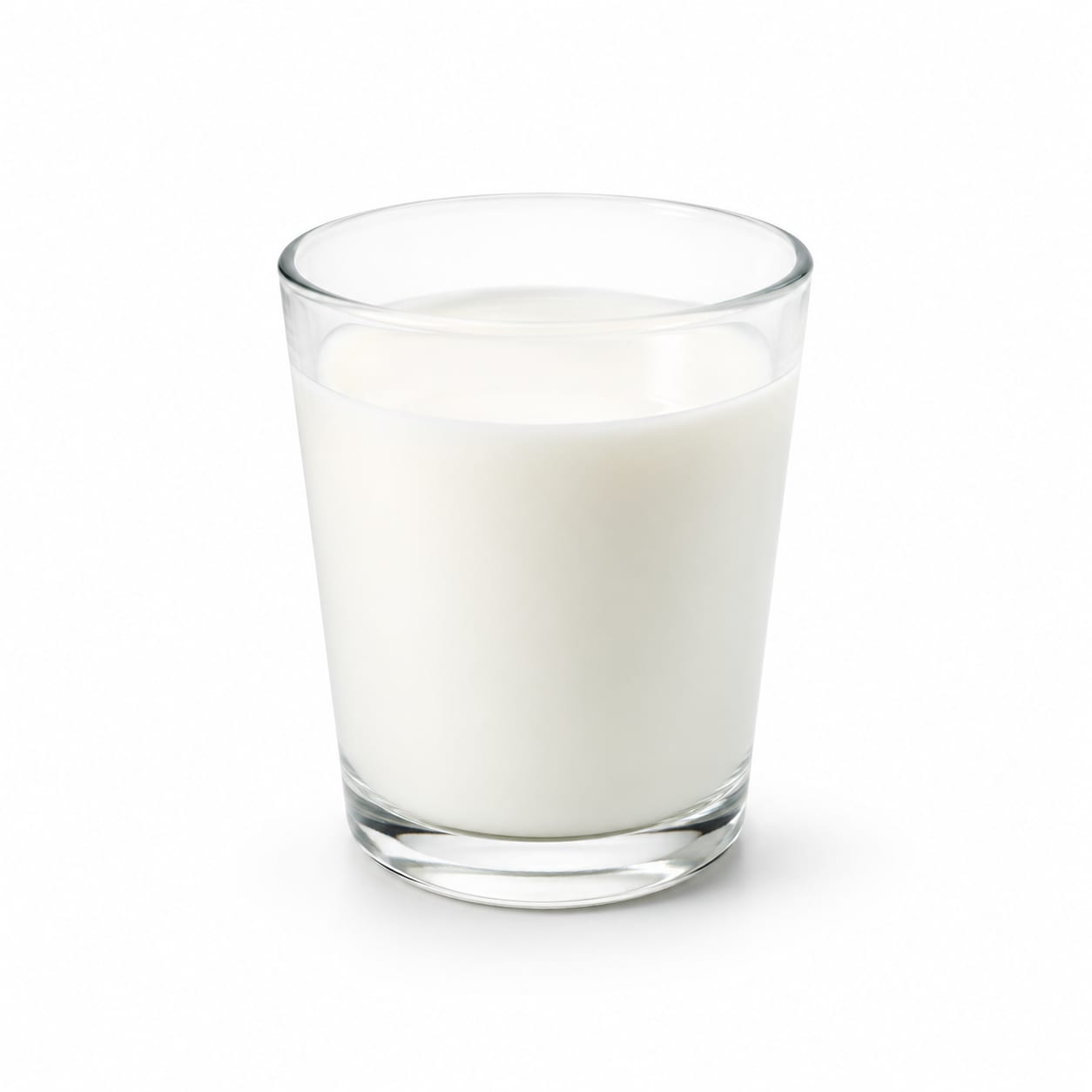
Low Fat Milk
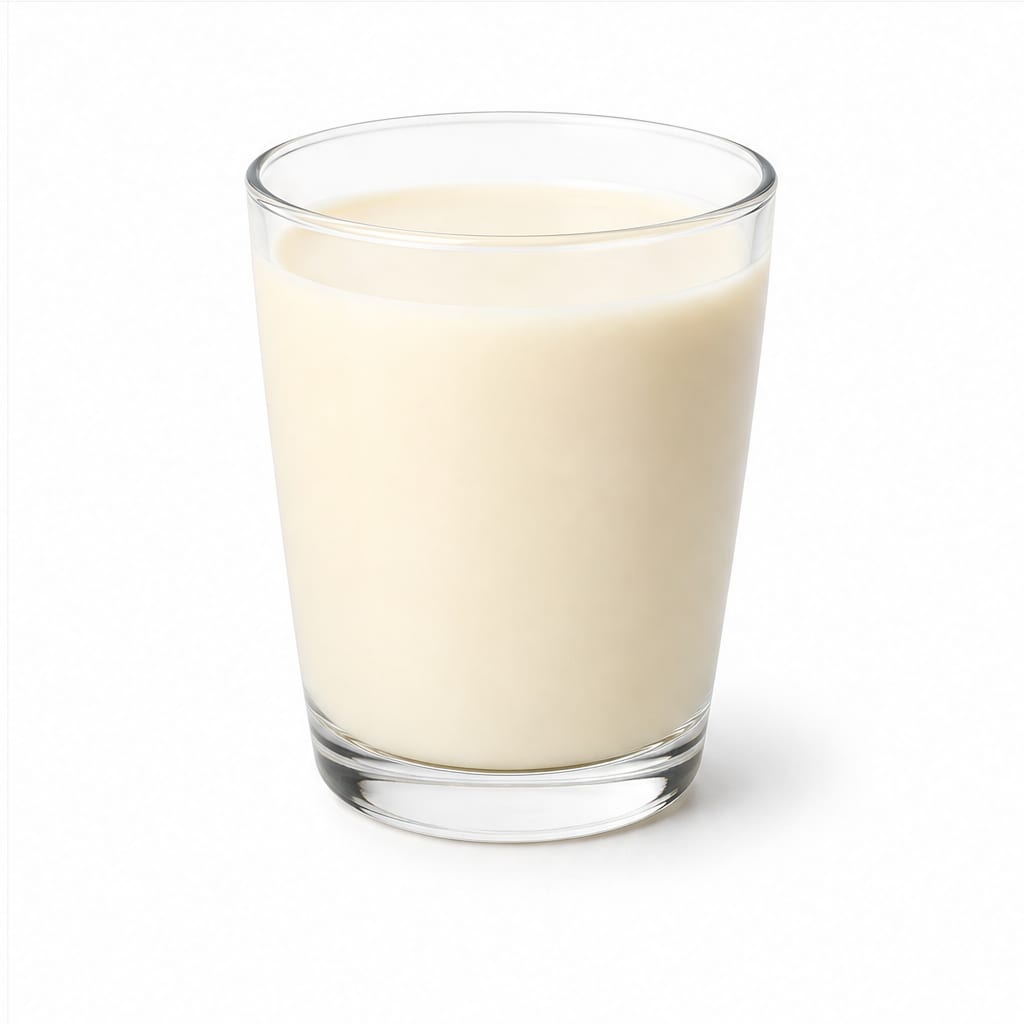
Soy Milk
Low Fat Milk delivers superior protein and natural calcium, while Soy Milk offers a lactose-free, heart-healthy alternative with unsaturated fats.
Scores are nearly identical because the better choice hinges entirely on individual digestion and dietary philosophy rather than absolute nutritional superiority.
Complete animal protein and natural micronutrients versus plant-based digestibility and heart-friendly fats.
At a glance
Executive summary
Overall
It depends
Healthier
It depends
More practical
It depends
Daily use
It depends
Key comparison lenses
Dairy vs Plant-Based Transition
The most fundamental difference is animal versus plant origin, dictating nutrient profiles and dietary philosophy.
Protein Quality and Bioavailability
Both are considered high-protein milks, but the amino acid profiles and absorption rates differ significantly.
Digestive Tolerance and Lactose
Lactose intolerance is highly prevalent, making Soy Milk a necessary alternative for many.
Bone Health and Fortification
Low Fat Milk provides natural calcium, while Soy Milk relies on added minerals that may not absorb as predictably.
Hormonal Impacts
Dairy contains natural hormones, while soy contains phytoestrogens, both raising common consumer concerns.
Best choice for
Low Fat Milk
- Muscle building and post-workout recovery
- Natural calcium absorption for bone density
- Those who tolerate lactose well and want minimally processed options
Soy Milk
- Lactose-intolerant individuals
- Vegans and plant-based eaters
- Those managing cholesterol or seeking heart-healthy fats
Least suitable for
Low Fat Milk
- Lactose-intolerant or dairy-sensitive individuals
- Vegans or those avoiding animal products
- People strictly limiting saturated fat intake
Soy Milk
- People with soy allergies
- Those avoiding added emulsifiers and thickeners
- Individuals concerned about phytoestrogen intake
Deep comparison
Dimension by dimension
Each lens scores both foods and breaks down who each option suits.
- Dimension 1 · Priority 95Low Fat Milk
Protein Quality and Satiety
Low Fat Milk · 88Soy Milk · 75Low Fat Milk provides slightly more protein per serving with a superior amino acid profile, leading to better muscle support and fullness.
Tradeoff
You get a more bioavailable protein with Low Fat Milk, but Soy Milk still offers a solid plant-based protein source that outpaces other plant milks.
Why it matters
Higher quality protein means better muscle repair and longer-lasting satiety, which helps prevent overeating later in the day.
Real-world impact
A Low Fat Milk smoothie will keep you full slightly longer after a morning workout than a Soy Milk one.
Low Fat Milk
- Athletes needing fast muscle recovery
- People using milk as a primary protein source
Better for
- Those with dairy allergies
Worse for
Soy Milk
- Plant-based eaters wanting a high-protein milk alternative
Better for
- Those needing maximum leucine content for muscle synthesis
Worse for
- Dimension 2 · Priority 90Soy Milk
Digestive Comfort
Low Fat Milk · 40Soy Milk · 95Soy Milk is naturally lactose-free, making it vastly more comfortable to digest for the majority of the global population.
Tradeoff
Soy Milk prevents the bloating and gas associated with lactose, but some brands add thickeners like carrageenan that can irritate sensitive guts.
Why it matters
Digestive discomfort can ruin your day and negate the benefits of otherwise healthy foods.
Real-world impact
Drinking Soy Milk in your coffee means no afternoon bloating or urgent bathroom trips for lactose-sensitive individuals.
Low Fat Milk
- People with perfectly intact lactase enzymes
Better for
- Anyone with even mild lactose malabsorption
Worse for
Soy Milk
- Lactose-intolerant individuals
- People with IBS triggered by dairy sugars
Better for
- Those sensitive to soy or added emulsifiers
Worse for
- Dimension 3 · Priority 85Soy Milk
Heart Health and Fat Profile
Low Fat Milk · 60Soy Milk · 90Soy Milk contains heart-healthy unsaturated fats, while Low Fat Milk still carries some saturated fat despite being reduced-fat.
Tradeoff
Choosing Soy Milk supports cardiovascular health with better fats, but you miss out on the naturally occurring dairy fats that aid vitamin absorption.
Why it matters
Swapping saturated fats for unsaturated fats is one of the most impactful dietary changes for long-term heart health.
Real-world impact
Using Soy Milk daily can help lower cholesterol over time, making it a smarter staple for heart-conscious adults.
Low Fat Milk
- Those who need fat-soluble vitamin absorption from a whole-food source
Better for
- Individuals strictly limiting saturated fat
Worse for
Soy Milk
- People managing high cholesterol
- Those following heart-healthy diets
Better for
- Those on extremely low-fat diets
Worse for
- Dimension 4 · Priority 80Low Fat Milk
Bone Support and Micronutrients
Low Fat Milk · 85Soy Milk · 70Low Fat Milk offers naturally occurring, highly bioavailable calcium and vitamin D, whereas Soy Milk relies on less predictable fortification.
Tradeoff
Milk's calcium is built-in and well-absorbed, while the calcium in Soy Milk can settle at the bottom of the carton and is less bioavailable.
Why it matters
Inadequate calcium absorption over years leads to brittle bones and osteoporosis risk.
Real-world impact
Relying on Soy Milk means you must shake the carton vigorously and ensure your diet has other strong calcium sources.
Low Fat Milk
- Older adults needing reliable bone support
- Teenagers in peak bone-building years
Better for
- Those who avoid dairy entirely
Worse for
Soy Milk
- Those getting calcium from other diverse dietary sources
Better for
- Anyone relying on a single source for daily calcium needs
Worse for
- Dimension 5 · Priority 75Low Fat Milk
Processing and Additives
Low Fat Milk · 85Soy Milk · 55Low Fat Milk is a simple, minimally processed product, while Soy Milk often requires thickeners, oils, and fortified vitamins to mimic dairy.
Tradeoff
You choose between a clean, single-ingredient food and a more processed beverage designed to replicate its texture and nutrition.
Why it matters
Ultra-processing and added emulsifiers can disrupt gut health and introduce unnecessary chemicals.
Real-world impact
Reading the ingredient list on Low Fat Milk is short; Soy Milk often reads like a science experiment.
Low Fat Milk
- Clean-label eaters
- Those avoiding emulsifiers and stabilizers
Better for
- People who prefer raw or completely unprocessed foods
Worse for
Soy Milk
- Those who prioritize plant-based eating over minimal processing
Better for
- Anyone strictly avoiding food additives
Worse for
Timeline
Health impact over time
Short-term
Hours to days
Low Fat Milk
- Provides quick, high-quality protein for satiety
- Can trigger bloating or gas in lactose-sensitive individuals
- Natural sugars provide a mild, steady energy boost
Soy Milk
- Very gentle on the digestive tract for lactose-sensitive people
- Unsweetened versions prevent blood sugar spikes
- May cause mild stomach upset if sensitive to thickeners
Long-term
Months to years
Low Fat Milk
- Supports strong bone density due to highly bioavailable calcium
- May elevate IGF-1 levels, which can be good for muscle but concerning for certain cancer risks
- Consistent intake linked to reliable weight management when calories are controlled
Soy Milk
- Can actively lower LDL cholesterol due to unsaturated fats and phytoestrogens
- May help alleviate menopausal symptoms for some women
- Requires careful diet planning to ensure adequate calcium absorption
Risk profile
Safety & processing
Low Fat Milk is simply dairy milk with the fat skimmed off. Soy Milk is a manufactured beverage requiring water, beans, added oils, and stabilizers to achieve a milk-like consistency.
Low Fat Milk
Antibiotic and Hormone Residues
mediumConventional dairy may contain trace amounts of bovine hormones and antibiotics, though heavily regulated.
Spoilage and Foodborne Illness
lowDairy is highly perishable and can harbor bacteria if not refrigerated properly, unlike shelf-stable soy milk.
Soy Milk
Pesticide Residue
mediumSoy is a heavily sprayed crop, so non-organic Soy Milk may carry higher pesticide residues.
Thyroid Interference
lowVery high consumption of soy phytoestrogens can mildly interfere with thyroid function in iodine-deficient individuals.
Who wins for whom
Audience fit
Same foods, different winners depending on your goal.
children
Low Fat MilkChildren benefit greatly from the highly bioavailable calcium and vitamin D in dairy, unless a dairy allergy is present.
daily consumption
It dependsDepends entirely on lactose tolerance and whether the diet leans plant-based or omnivorous.
diabetes
Soy MilkUnsweetened Soy Milk contains nearly zero sugar, avoiding the natural lactose sugars found in Low Fat Milk.
elderly
It dependsLow Fat Milk is better for bone density, but Soy Milk is superior for heart health and cholesterol management.
muscle gain
Low Fat MilkLow Fat Milk has a superior amino acid profile and higher leucine content, which is the primary trigger for muscle growth.
weight loss
Soy MilkUnsweetened Soy Milk has fewer calories and carbs than Low Fat Milk, with healthy fats that promote satiety.
Your move
Decision guide
Choose Low Fat Milk
- You want the most effective protein for muscle building and recovery
- You have no lactose intolerance and value natural, minimally processed foods
- You are focused on maximizing natural calcium absorption for bone health
Choose Soy Milk
- You are lactose intolerant, vegan, or avoiding dairy
- You want to lower your cholesterol and prioritize heart-healthy fats
- You need a shelf-stable, zero-sugar milk alternative for coffee or cereal
Either works if
- You just need a liquid base for a smoothie packed with other nutrients
- You are mixing protein powder where the milk's native protein matters less
Avoid both if
- You have both a dairy allergy and a soy allergy
- You are strictly limiting all liquid calories for rapid weight loss
Final recommendation
Choose Low Fat Milk if you tolerate dairy and want a clean, high-protein, bone-building beverage. Opt for Soy Milk if you are dairy-free, struggle with digestion, or want to proactively manage heart health.
Practical
Consumer tips
- 1
Always shake Soy Milk well before pouring; added calcium settles at the bottom of the carton.
- 2
Choose unsweetened Soy Milk to avoid hidden sugars that negate the health benefits.
- 3
Look for organic Soy Milk to avoid pesticide residues and GMOs.
- 4
If using Low Fat Milk for protein, drink it within an hour post-workout for best absorption.