
Nutrition comparison
Low Fat Milk vs Lactose-Free Milk: Nutrition, Digestion, and Taste
Comparing Low Fat Milk and Lactose-Free Milk? Discover the differences in digestion, blood sugar impact, and taste to find out which is better for your health goals.
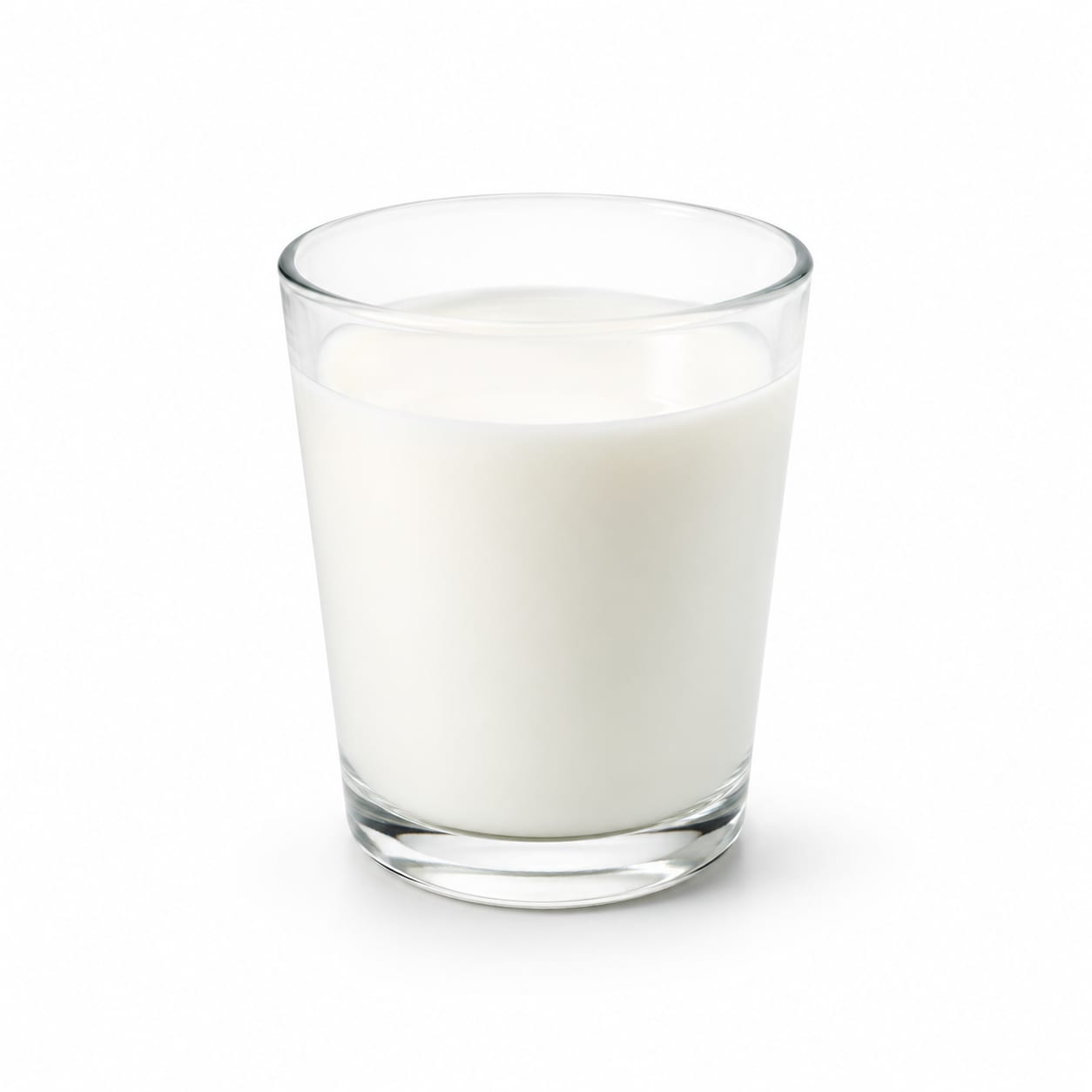
Low Fat Milk
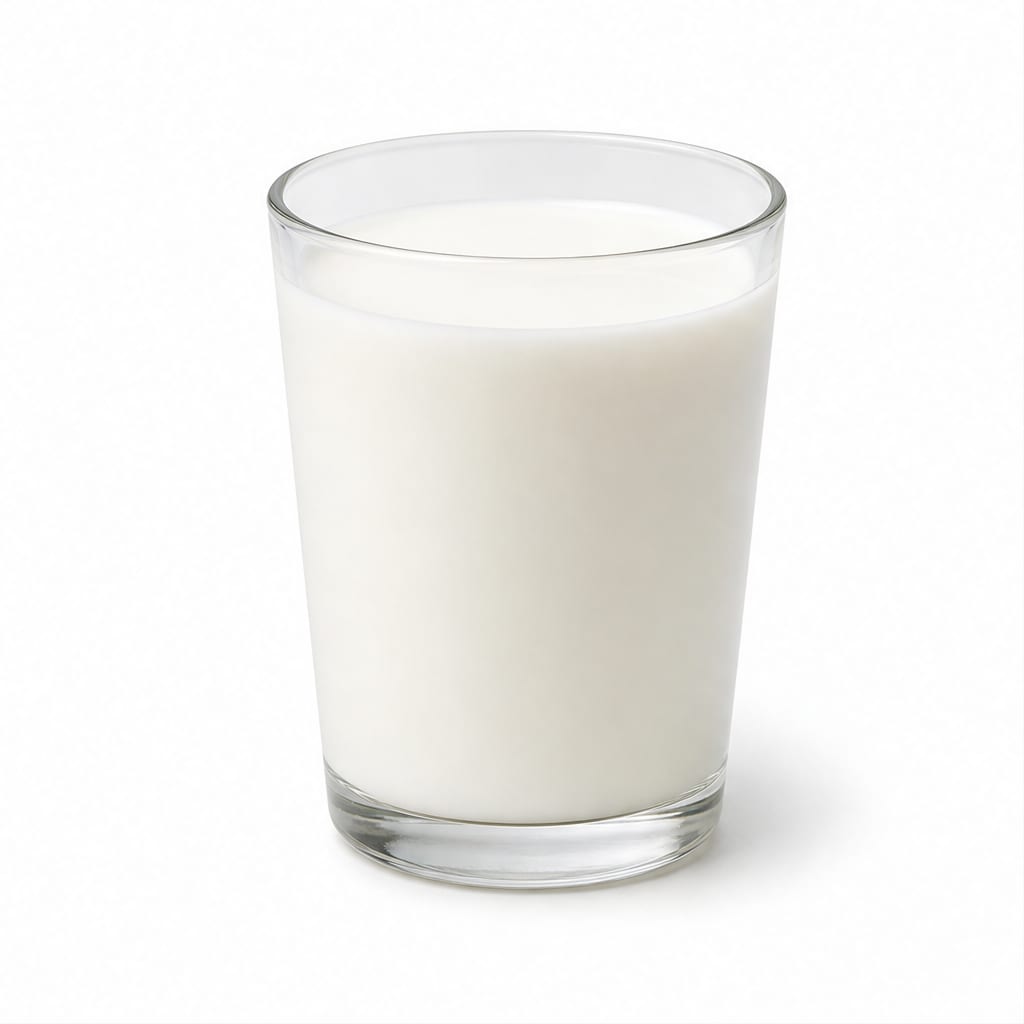
Lactose-Free Milk
Low Fat Milk is less processed and slightly better for blood sugar, while Lactose-Free Milk is essential for digestive comfort if you're lactose intolerant.
Low Fat Milk scores slightly higher for naturalness and blood sugar stability, but Lactose-Free Milk remains nutritionally equivalent and is the only viable choice for a large portion of the population with lactose malabsorption.
You are trading a completely unaltered, slower-digesting dairy product for digestive peace of mind and a sweeter taste.
At a glance
Executive summary
Overall
It depends
Healthier
It depends
More practical
Lactose-Free Milk
Daily use
It depends
Key comparison lenses
Digestive tolerance and comfort
The primary reason people choose Lactose-Free Milk over Low Fat Milk is to avoid gastrointestinal distress.
Blood sugar impact
Lactose-Free Milk contains pre-digested sugars that absorb faster, which changes the glycemic response compared to Low Fat Milk.
Processing and naturalness
Lactose-Free Milk requires an extra processing step and added enzymes, altering its natural state.
Taste and culinary versatility
The enzymatic breakdown in Lactose-Free Milk makes it taste noticeably sweeter, affecting how it's used in recipes and drinks.
Best choice for
Low Fat Milk
- People without lactose intolerance
- Those wanting the least processed dairy option
- Anyone closely managing blood sugar spikes
Lactose-Free Milk
- Lactose intolerant individuals
- Those wanting a sweeter milk without added sugar
- Older adults with decreased lactase production
Least suitable for
Low Fat Milk
- Lactose intolerant people
- Those with IBS triggered by dairy sugars
Lactose-Free Milk
- Strict whole-food purists avoiding any enzyme additives
- Diabetics highly sensitive to quick-absorbing sugars
Deep comparison
Dimension by dimension
Each lens scores both foods and breaks down who each option suits.
- Dimension 1 · Priority 95Lactose-Free Milk
Digestive Tolerance
Low Fat Milk · 30Lactose-Free Milk · 100Lactose-Free Milk eliminates the bloating, gas, and diarrhea that Low Fat Milk causes in sensitive individuals.
Tradeoff
You gain complete digestive peace of mind but lose the completely unaltered state of the milk.
Why it matters
Over 65% of the global population has some degree of lactose malabsorption, making this a critical daily comfort factor.
Real-world impact
No more avoiding cereal or coffee creamer because of stomach cramps later in the day.
Low Fat Milk
- People with full lactose tolerance
Better for
- Lactose intolerant individuals
- Those with IBS triggered by dairy
Worse for
Lactose-Free Milk
- Anyone with lactose sensitivity
- People who experience bloating after regular milk
Better for
- People who prefer completely unmodified foods
Worse for
- Dimension 2 · Priority 80Low Fat Milk
Blood Sugar Stability
Low Fat Milk · 75Lactose-Free Milk · 60Low Fat Milk contains intact lactose, which digests slower than the pre-broken-down sugars in Lactose-Free Milk.
Tradeoff
Lactose-Free Milk tastes sweeter and absorbs faster, which can cause a quicker blood sugar rise.
Why it matters
The lactase enzyme added to Lactose-Free Milk breaks lactose into glucose and galactose, requiring zero digestion before absorption.
Real-world impact
A glass of Lactose-Free Milk might give you a quicker energy boost but a faster crash compared to Low Fat Milk.
Low Fat Milk
- Diabetics managing glucose spikes
- Those seeking steady, sustained energy
Better for
- Those needing immediate simple sugars for recovery
Worse for
Lactose-Free Milk
- Athletes needing quick post-workout carbs
Better for
- People with insulin resistance
- Those monitoring glycemic index closely
Worse for
- Dimension 3 · Priority 70Low Fat Milk
Processing and Naturalness
Low Fat Milk · 85Lactose-Free Milk · 70Low Fat Milk is simply dairy milk with some fat removed. Lactose-Free Milk undergoes an extra step where lactase enzyme is added.
Tradeoff
The extra processing in Lactose-Free Milk is minimal and safe, but it does alter the milk's natural state.
Why it matters
Consumers trying to eat as close to nature as possible usually prefer foods with fewer interventions and additives.
Real-world impact
Low Fat Milk has a more traditional, neutral milk flavor, while Lactose-Free Milk tastes noticeably sweeter without any added sugar.
Low Fat Milk
- Whole-food purists
- Those avoiding any enzyme additives
Better for
- Those who need functional food solutions for dietary restrictions
Worse for
Lactose-Free Milk
- People who prioritize physical comfort over absolute naturalness
Better for
- Minimalists seeking zero-additive diets
Worse for
- Dimension 4 · Priority 60It depends
Taste and Culinary Use
Low Fat Milk · 80Lactose-Free Milk · 85Lactose-Free Milk tastes naturally sweeter, making it popular for drinking and smoothies, while Low Fat Milk behaves more traditionally in savory recipes.
Tradeoff
The sweetness of Lactose-Free Milk is great for lattes but might clash with creamy soups or sauces.
Why it matters
Taste drives long-term diet adherence. If it doesn't taste good, you won't keep drinking it.
Real-world impact
Kids often prefer the sweeter taste of Lactose-Free Milk, even if they aren't lactose intolerant.
Low Fat Milk
- Savory cooking
- Baking where sugar balance matters
Better for
- People who find regular milk too bland
Worse for
Lactose-Free Milk
- Sweet smoothies
- Coffee creamer
- Picky drinkers who find regular milk bland
Better for
- Recipes requiring a neutral, unsweetened dairy base
Worse for
Timeline
Health impact over time
Short-term
Hours to days
Low Fat Milk
- Can cause bloating, gas, or diarrhea if you lack lactase enzymes
- Provides steady, slow-release energy
Lactose-Free Milk
- Prevents digestive distress for the lactose intolerant
- May cause a slightly quicker energy spike due to simple sugars
Long-term
Months to years
Low Fat Milk
- Supports bone density and muscle maintenance
- Consistent daily dairy intake without added enzymes
Lactose-Free Milk
- Allows lactose-sensitive individuals to maintain calcium and vitamin D intake long-term
- Same bone and muscle benefits as regular milk without the GI damage
Risk profile
Safety & processing
Both are minimally processed. Lactose-Free Milk simply adds a natural enzyme (lactase) that doesn't introduce artificial chemicals, though it does alter the milk's natural sugar structure.
Low Fat Milk
Bacterial spoilage
lowLike all dairy, it spoils quickly if left unrefrigerated.
Lactose intolerance reaction
highCauses significant gastrointestinal distress in sensitive individuals.
Lactose-Free Milk
Bacterial spoilage
lowLactose-Free Milk sometimes has a slightly longer shelf life due to ultra-pasteurization, but still requires refrigeration after opening.
Dairy allergy
highStill contains casein and whey, so it is highly unsafe for those with a true milk allergy.
Who wins for whom
Audience fit
Same foods, different winners depending on your goal.
children
It dependsLow Fat Milk is great for kids who tolerate it, but Lactose-Free Milk is essential for kids with lactose intolerance and often preferred for its sweeter taste.
daily consumption
It dependsDepends entirely on your body's lactose tolerance. Both are excellent daily staples if well-tolerated.
diabetes
Low Fat MilkThe intact lactose in Low Fat Milk digests slower than the pre-digested sugars in Lactose-Free Milk, leading to a gentler blood sugar curve.
elderly
Lactose-Free MilkLactose intolerance increases with age. Lactose-Free Milk ensures older adults get calcium and protein without digestive discomfort.
muscle gain
It dependsProtein content is identical. The slightly faster-absorbing sugars in Lactose-Free Milk might offer a marginal post-workout benefit, but it's negligible.
weight loss
It dependsCalorie and fat content are virtually identical if comparing the same fat percentages. Choose based on digestive tolerance.
Your move
Decision guide
Choose Low Fat Milk
- You have no lactose intolerance
- You want the most natural, least altered milk
- You are closely managing blood sugar or insulin resistance
- You use milk mostly for savory cooking
Choose Lactose-Free Milk
- You experience bloating, gas, or discomfort after regular milk
- You prefer a sweeter-tasting milk without added sugar
- You are an older adult whose lactose tolerance has decreased
- You want a milk that works well in sweet smoothies and coffee drinks
Either works if
- You need a reliable source of calcium and vitamin D
- You are looking for a post-workout recovery drink with a good protein-to-carb ratio
- You are baking and the slight sweetness difference won't matter
Avoid both if
- You have a dairy allergy (both contain milk proteins)
- You are strictly vegan
- You are avoiding all animal products for environmental reasons
Final recommendation
Choose Low Fat Milk if your digestion handles it well and you prefer a less altered product. Switch to Lactose-Free Milk if regular milk causes any stomach upset—it offers the exact same nutrition with far better daily comfort.
Practical
Consumer tips
- 1
Check the fat percentage on Lactose-Free Milk; it comes in skim, 1%, and 2% just like Low Fat Milk.
- 2
Lactose-Free Milk often has a longer shelf life before opening because it is frequently ultra-pasteurized.
- 3
If regular milk makes you slightly bloated but you hate buying Lactose-Free, try taking a lactase enzyme pill with your Low Fat Milk.
- 4
Taste test Lactose-Free Milk before using it in savory recipes, as the natural sweetness might surprise you.