
Nutrition comparison
Low Fat Milk vs Skim Milk: Which is Healthier?
Compare Low Fat Milk and Skim Milk to see which is better for weight loss, satiety, and daily nutrition. Learn the real differences in calories, vitamins, and taste.
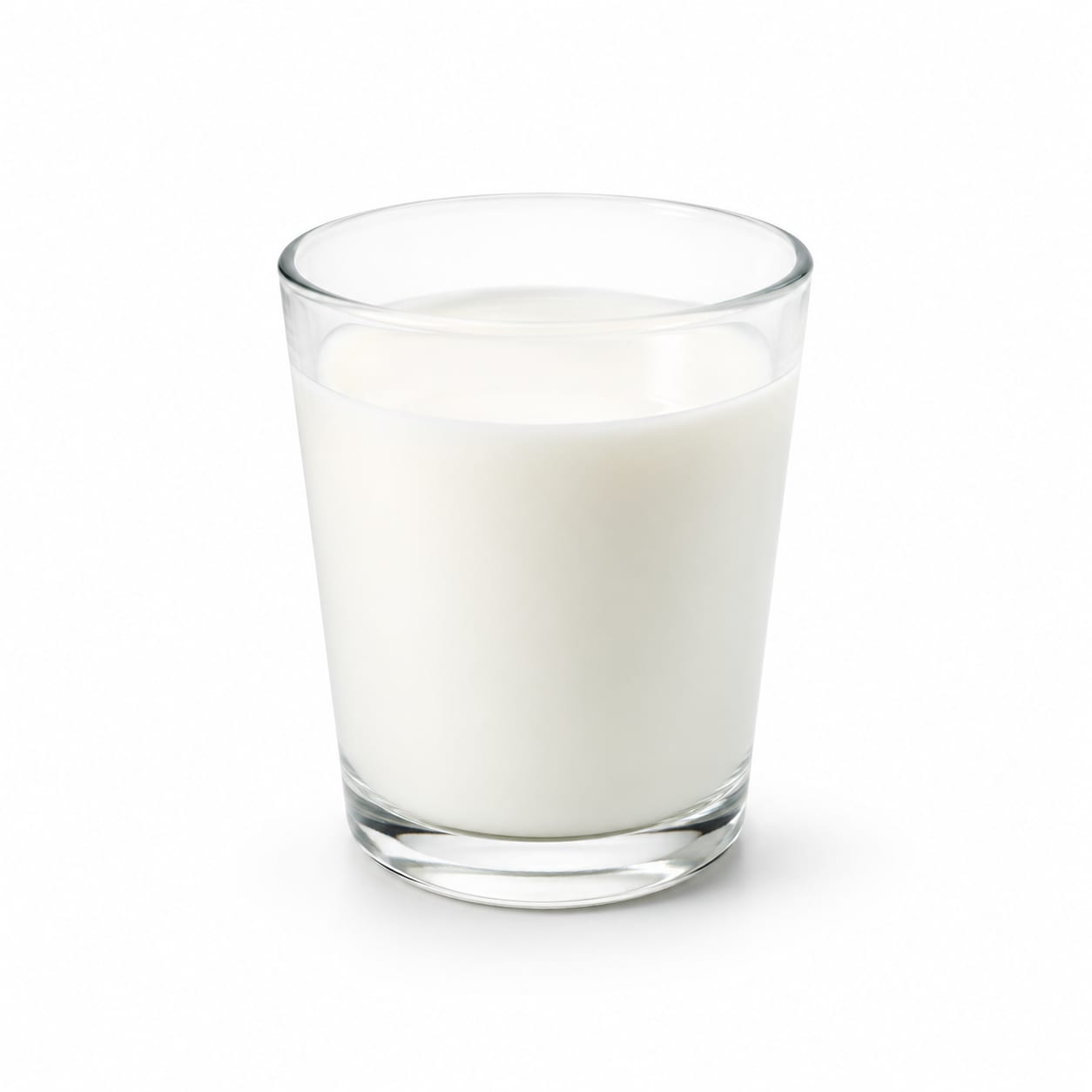
Low Fat Milk
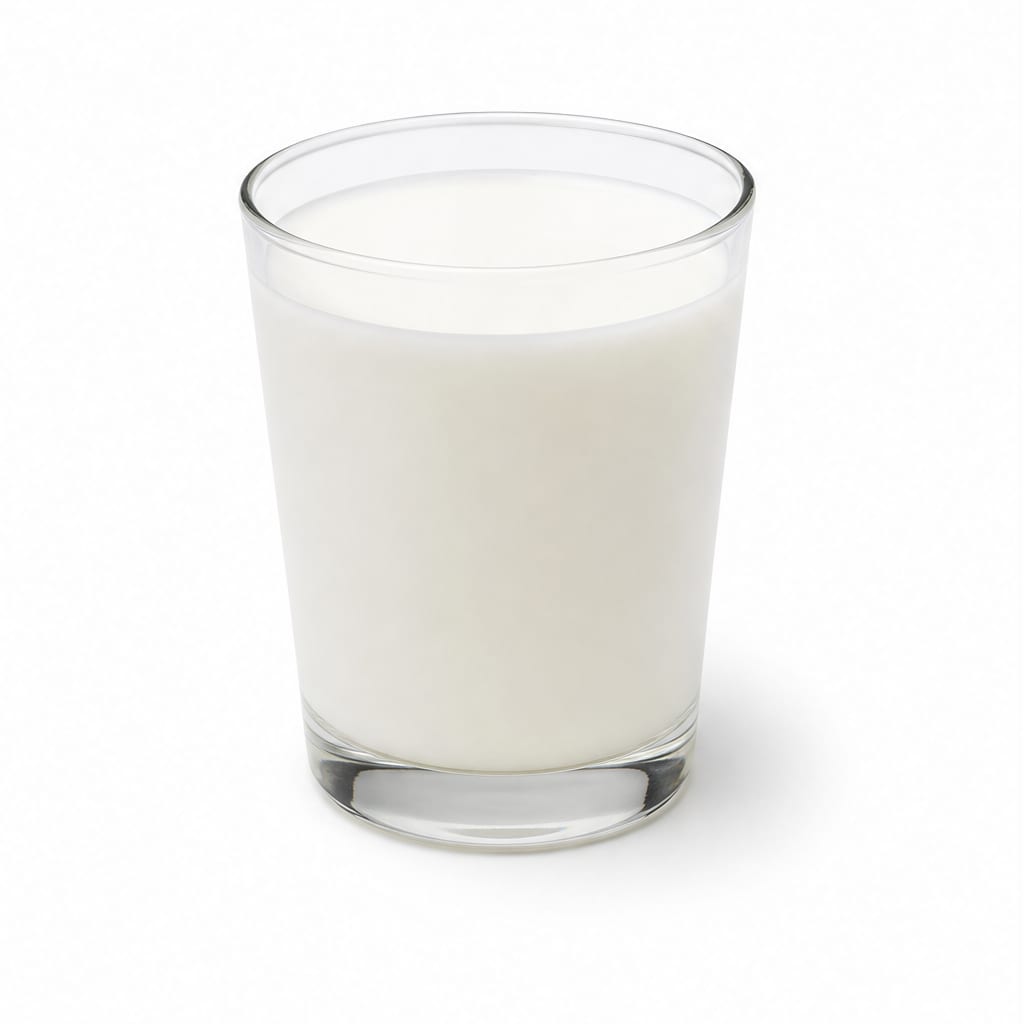
Skim Milk
Low Fat Milk offers better satiety and nutrient absorption, while Skim Milk saves a few calories per glass.
Low Fat Milk scores slightly higher due to better satiety and vitamin absorption, but the scores are very close because Skim Milk offers a clear caloric advantage for strict diets.
A small amount of dietary fat for satiety and vitamin absorption versus slightly fewer calories.
At a glance
Executive summary
Overall
It depends
Healthier
It depends
More practical
It depends
Daily use
It depends
Key comparison lenses
Calorie versus Satiety Tradeoff
The primary reason people choose between these two is whether to save calories or feel more satisfied.
Fat-Soluble Vitamin Absorption
Low Fat Milk contains dietary fat which aids in absorbing vitamins A and D, whereas Skim Milk lacks this fat.
Taste and Mouthfeel Preference
The creamy texture of Low Fat Milk is often preferred over the watery consistency of Skim Milk.
Best choice for
Low Fat Milk
- People who want to stay full longer between meals
- Those needing better absorption of vitamins A and D
- Anyone who finds Skim Milk too watery
Skim Milk
- Strict calorie counters cutting for weight loss
- Those avoiding dietary fat for medical reasons
- People who prefer a lighter, less creamy beverage
Least suitable for
Low Fat Milk
- People on strict low-fat diets for gallbladder issues
- Those meticulously tracking every single calorie
Skim Milk
- People who find it unsatisfying and end up snacking more later
- Children who need dietary fat for development
Deep comparison
Dimension by dimension
Each lens scores both foods and breaks down who each option suits.
- Dimension 1 · Priority 95Low Fat Milk
Satiety and Fullness
Low Fat Milk · 82Skim Milk · 65Low Fat Milk keeps you fuller thanks to its small fat content slowing down digestion.
Tradeoff
You consume slightly more calories but may eat less overall later in the day.
Why it matters
Fat triggers satiety hormones and delays stomach emptying, preventing energy crashes.
Real-world impact
A glass of Low Fat Milk at breakfast might easily tide you over until lunch, whereas Skim Milk might leave you reaching for a snack by 10 AM.
Low Fat Milk
- Busy mornings when lunch is hours away
- Preventing afternoon energy crashes
Better for
- Right after a heavy meal when you already feel stuffed
Worse for
Skim Milk
- Light nighttime snacking when you want minimal calories before bed
Better for
- Post-workout recovery when you need sustained energy
Worse for
- Dimension 2 · Priority 90Skim Milk
Caloric Efficiency
Low Fat Milk · 70Skim Milk · 92Skim Milk delivers more protein and calcium per calorie since the fat has been removed.
Tradeoff
You sacrifice the creamy mouthfeel and some satiety for a leaner macro profile.
Why it matters
If you are in a strict calorie deficit, maximizing nutrients per calorie is crucial.
Real-world impact
Over a year, swapping to Skim Milk could save you thousands of calories if you drink multiple glasses a day.
Low Fat Milk
- Maintaining a moderate calorie intake without feeling deprived
Better for
- When every single calorie counts toward a deficit
Worse for
Skim Milk
- Strict bodybuilding cutting phases
- Fitting milk into a tight daily calorie budget
Better for
- When the lack of satisfaction leads to overeating other foods
Worse for
- Dimension 3 · Priority 85Low Fat Milk
Vitamin Absorption
Low Fat Milk · 88Skim Milk · 68The fat in Low Fat Milk helps your body absorb fat-soluble vitamins A and D effectively.
Tradeoff
Skim Milk is fortified with these vitamins, but without fat, your body absorbs them less efficiently.
Why it matters
You aren't just eating nutrients; you are absorbing them. Vitamin D deficiency is common and impacts bone health and immunity.
Real-world impact
Drinking Low Fat Milk means more of the vitamin D listed on the label actually makes it into your bloodstream to support your bones and immune system.
Low Fat Milk
- Winter months when vitamin D levels naturally drop
- Supporting bone health in older adults
Better for
- Those avoiding all dietary fat regardless of absorption benefits
Worse for
Skim Milk
- Situations where you are already taking vitamin D supplements with a fat-containing meal
Better for
- Using it as your primary source of vitamin D without other dietary fats
Worse for
- Dimension 4 · Priority 75Low Fat Milk
Taste and Culinary Versatility
Low Fat Milk · 80Skim Milk · 55Low Fat Milk tastes richer and works better in coffee, tea, and recipes.
Tradeoff
Skim Milk can taste watered down and may not provide the texture needed for certain sauces or coffees.
Why it matters
Enjoyment and satisfaction matter for long-term dietary adherence.
Real-world impact
Low Fat Milk won't ruin your morning latte the way Skim Milk might if you hate a watery, thin texture in your coffee.
Low Fat Milk
- Making creamy soups or sauces
- Enjoying a satisfying glass of milk on its own
Better for
- When you specifically want a very light, thin beverage
Worse for
Skim Milk
- Mixing into smoothies where other ingredients provide the creaminess
Better for
- Making lattes or cappuccinos where foam quality and creaminess matter
Worse for
Timeline
Health impact over time
Short-term
Hours to days
Low Fat Milk
- Provides steadier energy due to fat slowing sugar absorption
- More filling, reducing the urge to snack shortly after drinking
Skim Milk
- Lighter on the stomach immediately after consumption
- May lead to quicker hunger return compared to Low Fat Milk
Long-term
Months to years
Low Fat Milk
- Better vitamin D status over time due to improved absorption
- Easier weight maintenance if the extra satiety prevents overeating
Skim Milk
- Lower overall calorie intake supports weight loss efforts
- Slightly lower saturated fat intake over a lifetime
Risk profile
Safety & processing
Both Low Fat Milk and Skim Milk undergo pasteurization and homogenization, and both are typically fortified with vitamins A and D. Neither contains artificial additives, though Skim Milk sometimes contains added milk solids to improve texture.
Low Fat Milk
Lactose intolerance symptoms
mediumBoth milks contain similar amounts of lactose, which can cause bloating or digestive discomfort for sensitive individuals.
Dairy allergy
highBoth contain dairy proteins (casein and whey) which can trigger severe allergic reactions in those with a milk allergy.
Skim Milk
Lactose intolerance symptoms
mediumSkim Milk contains the same lactose as Low Fat Milk, posing identical digestive risks for intolerant individuals.
Dairy allergy
highContains the same allergenic dairy proteins as Low Fat Milk.
Who wins for whom
Audience fit
Same foods, different winners depending on your goal.
children
Low Fat MilkChildren need dietary fat for brain development and calorie density, making Low Fat Milk a much better choice than Skim Milk for kids over age 2.
daily consumption
It dependsIt depends on your daily calorie budget and whether you prioritize maximum satiety or minimal calories.
diabetes
Low Fat MilkThe fat in Low Fat Milk slows the absorption of lactose sugar, leading to a slightly gentler blood sugar response.
elderly
Low Fat MilkOlder adults often struggle with vitamin D absorption and appetite, so the fat in Low Fat Milk helps nutrient uptake and provides more satiety.
muscle gain
Skim MilkSkim Milk has slightly more protein per cup by volume since the fat has been removed and replaced by water and nutrients.
weight loss
Skim MilkSkim Milk saves about 20-40 calories per cup compared to Low Fat Milk, which can add up over time in a calorie deficit.
Your move
Decision guide
Choose Low Fat Milk
- You want a satisfying drink that keeps you full for hours
- You care about maximizing vitamin D absorption for bone health
- You find Skim Milk too watery and unappealing
Choose Skim Milk
- You are strictly counting calories to lose weight
- You prefer a lighter, less creamy texture in your milk
- You need to limit dietary fat for medical reasons like gallbladder issues
Either works if
- You only use a splash in your coffee or tea
- You are baking or cooking where the fat difference is negligible in the whole dish
Avoid both if
- You are lactose intolerant and do not have access to lactose-free versions
- You have a dairy allergy
Final recommendation
For most people, Low Fat Milk is the better everyday choice because the small calorie savings of Skim Milk rarely outweigh the satiety and vitamin absorption benefits. However, if you are meticulously tracking calories or dislike the texture of richer milk, Skim Milk is a perfectly healthy alternative.
Practical
Consumer tips
- 1
Check the label to see if your Low Fat Milk is 1% or 2% fat, as the calorie difference between them is notable.
- 2
If transitioning from whole milk, Low Fat Milk is usually an easier adjustment than jumping straight to Skim Milk.
- 3
If you drink Skim Milk, ensure you are getting healthy fats from other parts of your diet to absorb fat-soluble vitamins.
- 4
Look for lactose-free versions of either milk if regular dairy causes bloating or digestive discomfort.