
Nutrition comparison
Low Fat Milk vs Whole Milk: Which Is Healthier?
Compare Low Fat Milk and Whole Milk to see which is better for weight loss, satiety, and overall health. Discover the real tradeoffs between calories and fullness.
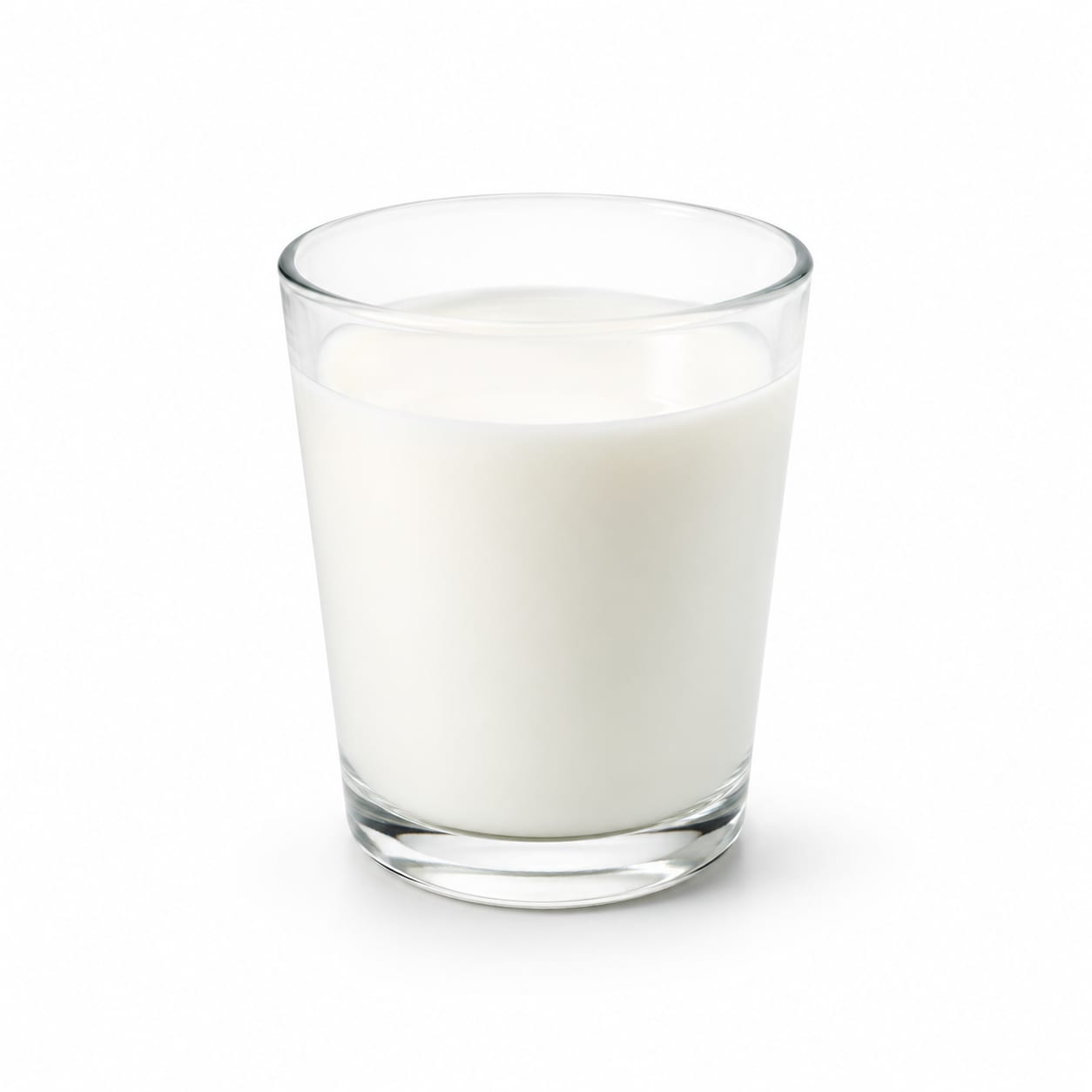
Low Fat Milk
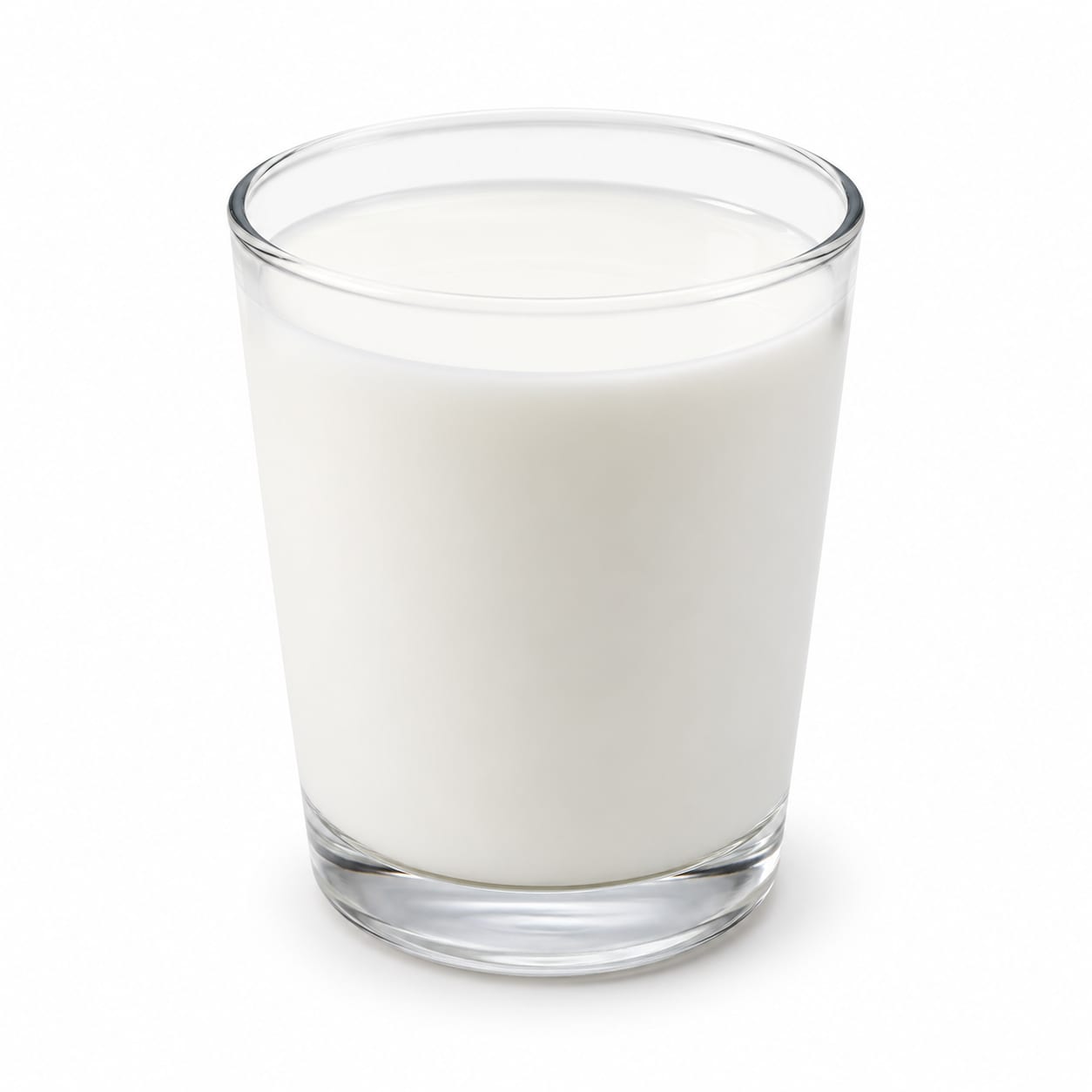
Whole Milk
Whole Milk keeps you full and absorbs vitamins better, while Low Fat Milk saves calories but may leave you hungry sooner.
Whole Milk scores slightly higher due to better satiety and natural vitamin absorption, though Low Fat Milk remains a solid choice for strict calorie control.
Calorie savings versus lasting fullness and natural nutrient absorption.
At a glance
Executive summary
Overall
It depends
Healthier
It depends
More practical
It depends
Daily use
It depends
Key comparison lenses
Weight management and calorie control
The primary reason people switch to low fat dairy is to reduce calorie intake for weight loss.
Satiety and hunger management
Fat content drastically changes how filling milk is, impacting later snacking behavior.
Blood sugar stability
Removing fat changes the carb-to-fat ratio, which affects how quickly lactose enters the bloodstream.
Fat-soluble vitamin absorption
Vitamins A and D require dietary fat for absorption, giving whole milk a natural advantage.
Best choice for
Low Fat Milk
- Strict calorie counters
- People limiting saturated fat intake
- Those who drink milk only as a small coffee addition
Whole Milk
- Kids needing brain-building fats
- People wanting lasting fullness
- Those on low-carb or keto diets
Least suitable for
Low Fat Milk
- Those prone to sugar cravings
- People who use milk to stay full between meals
Whole Milk
- Strict calorie restrictors
- People with severe saturated fat restrictions
Deep comparison
Dimension by dimension
Each lens scores both foods and breaks down who each option suits.
- Dimension 1 · Priority 95Whole Milk
Satiety and Fullness
Low Fat Milk · 60Whole Milk · 90Whole Milk is far more filling because fat slows digestion and signals fullness to the brain.
Tradeoff
You save calories with Low Fat Milk but may end up eating more later to compensate for hunger.
Why it matters
A drink that leaves you hungry defeats the purpose if you end up snacking an hour later.
Real-world impact
Drinking Whole Milk at breakfast can easily keep you full until lunch, while Low Fat Milk might lead to a mid-morning snack craving.
Low Fat Milk
- Managing hunger on a calorie deficit
Worse for
Whole Milk
- Preventing afternoon energy crashes
- Reducing between-meal snacking
Better for
- Dimension 2 · Priority 90Low Fat Milk
Calorie Control
Low Fat Milk · 88Whole Milk · 65Low Fat Milk saves about 60 calories and 5 grams of saturated fat per cup compared to Whole Milk.
Tradeoff
Lower calories come at the expense of richness and satisfaction.
Why it matters
If you consume large volumes of milk, those calorie savings add up quickly.
Real-world impact
Swapping to Low Fat Milk in a daily latte saves around 120 calories a week without changing your routine.
Low Fat Milk
- Creating a calorie deficit
- Fitting milk into a strict macro budget
Better for
Whole Milk
- Cutting weight rapidly
Worse for
- Dimension 3 · Priority 85Whole Milk
Blood Sugar Stability
Low Fat Milk · 65Whole Milk · 85The fat in Whole Milk slows the absorption of lactose, preventing quick blood sugar spikes.
Tradeoff
Low Fat Milk has a slightly higher relative sugar content per calorie and no fat to buffer the absorption.
Why it matters
Steady blood sugar means steady energy and fewer cravings.
Real-world impact
Drinking Low Fat Milk on an empty stomach can cause a quicker energy crash than Whole Milk.
Low Fat Milk
- Maintaining steady energy
Worse for
Whole Milk
- Avoiding the sugar crash
- Managing insulin resistance
Better for
- Dimension 4 · Priority 80Whole Milk
Nutrient Absorption
Low Fat Milk · 60Whole Milk · 95Vitamins A and D are fat-soluble, meaning your body absorbs them much more effectively from Whole Milk.
Tradeoff
Low Fat Milk is often fortified with vitamins, but without the fat, your body struggles to use them.
Why it matters
Getting nutrients on paper means nothing if your body cannot actually absorb them.
Real-world impact
A glass of Whole Milk delivers its bone-building vitamins naturally, whereas Low Fat Milk often requires added fortification that is poorly absorbed.
Low Fat Milk
- Getting the most nutritional bang for your buck
Worse for
Whole Milk
- Maximizing vitamin D intake
- Supporting bone health naturally
Better for
Timeline
Health impact over time
Short-term
Hours to days
Low Fat Milk
- Fewer calories consumed immediately
- May feel less satisfied after drinking
- Slightly faster energy uptake
Whole Milk
- Highly satisfying and comforting
- Steadier, longer-lasting energy
- Feels heavier in the stomach
Long-term
Months to years
Low Fat Milk
- Easier to maintain a calorie deficit
- Lower intake of saturated fat
- Potential difficulty absorbing fat-soluble vitamins
Whole Milk
- Better long-term vitamin D and calcium status
- Potentially less overall eating due to high satiety
- Higher saturated fat intake which may impact heart health in susceptible individuals
Risk profile
Safety & processing
Whole Milk is closer to its natural state. Low Fat Milk requires mechanical fat removal and often needs added skim milk powder or synthetic vitamins to restore texture and nutrition.
Low Fat Milk
Nutrient imbalance
lowRemoving fat reduces the natural bioavailability of vitamins A and D, even when fortified.
Whole Milk
Saturated fat overconsumption
mediumDrinking large amounts can quickly push saturated fat intake above recommended limits for those with cardiovascular risks.
Who wins for whom
Audience fit
Same foods, different winners depending on your goal.
children
Whole MilkGrowing children need dietary fat for brain development and concentrated energy.
daily consumption
It dependsDepends on overall diet; choose Low Fat Milk if your diet is already high in fat, Whole Milk if you need the satiety and nutrients.
diabetes
Whole MilkThe fat content slows the digestion of lactose, resulting in a gentler blood sugar response.
elderly
Whole MilkBetter absorption of Vitamin D and calcium is critical for preventing osteoporosis in older adults.
muscle gain
Whole MilkThe extra calories and dietary fat support hormone production and the caloric surplus needed for muscle growth.
weight loss
Low Fat MilkLower calorie density makes it easier to maintain the necessary calorie deficit for weight loss.
Your move
Decision guide
Choose Low Fat Milk
- You are strictly counting calories
- You have high cholesterol or specific heart conditions
- You consume plenty of healthy fats from other foods
- You only use a splash in your morning coffee
Choose Whole Milk
- You want a drink that keeps you full for hours
- You are feeding young children
- You want the most natural, least processed option
- You struggle with mid-morning cravings
Either works if
- You use small amounts in recipes or oatmeal
- You are maintaining your weight and have a balanced diet
- You alternate based on what tastes best to you
Avoid both if
- You are lactose intolerant
- You have a dairy allergy
- You are following a strict vegan diet
Final recommendation
If you drink milk by the glass, Whole Milk is usually the better choice for satisfaction and steady energy. If you only use a splash in coffee or are strictly managing calories, Low Fat Milk is a practical swap.
Practical
Consumer tips
- 1
If switching to Low Fat Milk, watch out for increased hunger later—you might end up eating more calories from snacks than you saved.
- 2
Look for Whole Milk from grass-fed cows for a better omega-3 profile.
- 3
If you choose Low Fat Milk, ensure you get healthy fats from other sources like avocados or olive oil to absorb fat-soluble vitamins.