
Nutrition comparison
Low Fat Milk vs Greek Yogurt: Which is Healthier?
Compare Low Fat Milk and Greek Yogurt to see which offers more protein, less sugar, and better gut health benefits for your diet.
Overall winner · Greek Yogurt
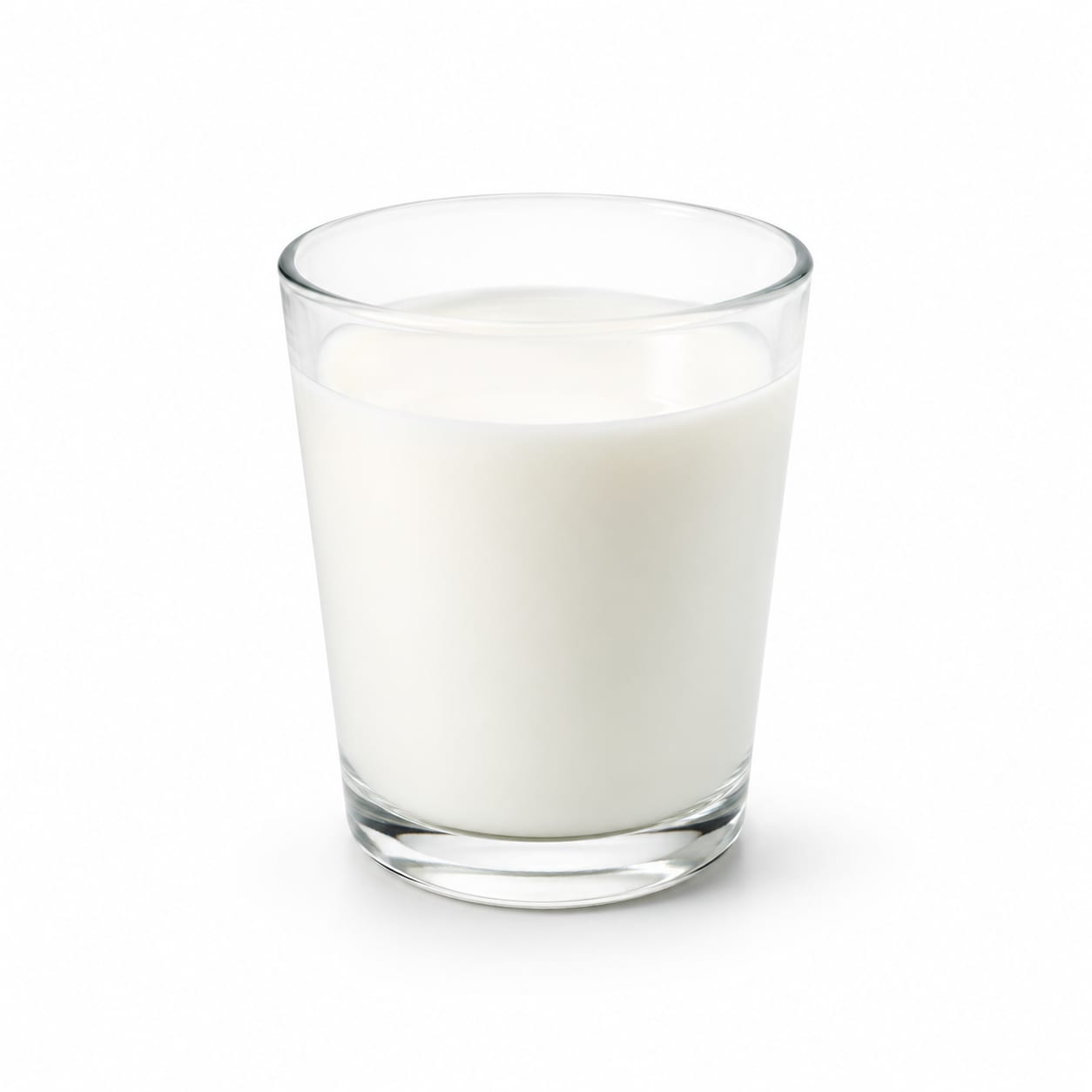
Low Fat Milk

Greek Yogurt
Greek Yogurt delivers far more protein and less sugar, making it a more satisfying and blood-sugar-friendly choice, while Low Fat Milk is more versatile as a liquid base.
Greek Yogurt scores higher due to its superior protein content, lower sugar, and probiotic benefits, though Low Fat Milk remains a solid, versatile staple.
Creamy, high-protein spoonable snack versus a drinkable, slightly sweeter liquid for cooking and cereals.
At a glance
Executive summary
Overall
Greek Yogurt
Healthier
Greek Yogurt
More practical
It depends
Daily use
Greek Yogurt
Key comparison lenses
Protein and satiety comparison
Greek Yogurt is famously high in protein, while Low Fat Milk is often perceived as a lighter option, making fullness a key decision factor.
Sugar and blood sugar impact
Straining removes much of the lactose from Greek Yogurt, giving it a distinct advantage for blood sugar stability over regular milk.
Gut health and probiotics
Fermentation gives Greek Yogurt probiotic benefits that pasteurized Low Fat Milk completely lacks.
Versatility and convenience
Milk is a drinkable staple for cooking and cereals, whereas Greek Yogurt is a thicker, eat-with-a-spoon food, making them practically different.
Best choice for
Low Fat Milk
- Cereal lovers
- Smoothie makers
- People who prefer drinking their calories
Greek Yogurt
- High-protein snackers
- People managing blood sugar
- Gut health seekers
Least suitable for
Low Fat Milk
- People avoiding lactose sugar
- Those needing high satiety from snacks
Greek Yogurt
- People who dislike thick textures
- Baking recipes requiring liquid fat content
Deep comparison
Dimension by dimension
Each lens scores both foods and breaks down who each option suits.
- Dimension 1 · Priority 95Greek Yogurt
Protein & Satiety
Low Fat Milk · 60Greek Yogurt · 95Greek Yogurt has roughly double the protein per serving, keeping you full much longer.
Tradeoff
You trade the drinkable convenience of Low Fat Milk for a thicker, more filling food.
Why it matters
Higher protein prevents mid-morning crashes and unnecessary snacking.
Real-world impact
A Greek Yogurt breakfast easily holds you until lunch; Low Fat Milk alone might leave you hungry by 10 AM.
Low Fat Milk
- Post-workout rehydration
Better for
- Appetite control
Worse for
Greek Yogurt
- Weight management
- Sustained energy
Better for
- Quick hydration
Worse for
- Dimension 2 · Priority 90Greek Yogurt
Sugar & Blood Sugar Impact
Low Fat Milk · 55Greek Yogurt · 85Low Fat Milk contains about 12g of milk sugar per cup, while Greek Yogurt has roughly half that due to straining.
Tradeoff
Milk tastes slightly sweeter naturally, but Greek Yogurt offers steadier energy.
Why it matters
Less sugar means fewer blood sugar spikes and crashes.
Real-world impact
Greek Yogurt prevents the afternoon energy dip that a sugary milk-based smoothie might trigger.
Low Fat Milk
- Quick pre-workout energy
Better for
- Blood sugar stability
Worse for
Greek Yogurt
- Diabetes management
- Steady focus
Better for
- Immediate high-intensity fuel
Worse for
- Dimension 3 · Priority 85Greek Yogurt
Gut Health & Probiotics
Low Fat Milk · 30Greek Yogurt · 90Greek Yogurt is fermented and packed with live cultures that support digestion; Low Fat Milk is not.
Tradeoff
You must check labels to ensure your Greek Yogurt has live active cultures.
Why it matters
A healthy gut microbiome improves immunity and digestion.
Real-world impact
Regular Greek Yogurt consumption can reduce bloating and improve regularity.
Low Fat Milk
- Those with histamine intolerance who avoid fermented foods
Better for
- Microbiome diversity
Worse for
Greek Yogurt
- Digestive regularity
- Immune support
Better for
- Histamine-sensitive individuals
Worse for
- Dimension 4 · Priority 80It depends
Versatility & Convenience
Low Fat Milk · 85Greek Yogurt · 75Low Fat Milk is a kitchen staple for cooking, baking, and beverages; Greek Yogurt is a versatile substitute but has texture limits.
Tradeoff
Milk pours easily into coffee and recipes; Greek Yogurt requires more effort to incorporate smoothly.
Why it matters
Practicality determines how often you actually use the food.
Real-world impact
Low Fat Milk is effortless in oatmeal or coffee; Greek Yogurt can curdle if heated improperly.
Low Fat Milk
- Coffee creamer
- Baking
- Smoothie base
Better for
- Standalone snack
Worse for
Greek Yogurt
- Savory dips
- Thick smoothies
- Sour cream substitute
Better for
- Hot beverage mixing
Worse for
Timeline
Health impact over time
Short-term
Hours to days
Low Fat Milk
- Quick hydration
- Mild blood sugar rise from lactose
Greek Yogurt
- Strong feeling of fullness
- Easier digestion for some due to lower lactose
Long-term
Months to years
Low Fat Milk
- Consistent bone support from calcium and vitamin D
- Potential for increased sugar intake if consumed in large quantities
Greek Yogurt
- Improved gut microbiome diversity
- Better muscle maintenance from high protein
- Easier weight maintenance
Risk profile
Safety & processing
Both are processed from whole milk, but plain versions of both are clean, whole-food options with minimal additives.
Low Fat Milk
Spoilage and bacterial growth
mediumMilk spoils quickly at room temperature and can harbor harmful bacteria if left out.
Lactose intolerance reactions
mediumContains more lactose than Greek Yogurt, triggering digestive distress in sensitive individuals.
Greek Yogurt
Histamine reactivity
lowFermented foods can trigger symptoms in people with histamine intolerance.
Added sugars in flavored varieties
mediumFlavored Greek Yogurt can contain high amounts of added sugar, negating health benefits.
Who wins for whom
Audience fit
Same foods, different winners depending on your goal.
children
Low Fat MilkLow Fat Milk is easier to drink, universally accepted by kids, and fortified with vitamins crucial for growth.
daily consumption
Greek YogurtThe combination of protein, probiotics, and lower sugar makes it a more advantageous daily staple for most adults.
diabetes
Greek YogurtLower lactose and higher protein result in a gentler impact on blood sugar.
elderly
Greek YogurtHigh protein helps prevent age-related muscle loss, and probiotics aid digestion, which often slows with age.
muscle gain
Greek YogurtGreek Yogurt provides a concentrated dose of casein and whey protein, ideal for muscle repair.
weight loss
Greek YogurtGreek Yogurt's high protein and lower sugar make it far more satiating per calorie.
Your move
Decision guide
Choose Low Fat Milk
- You need a liquid base for smoothies, coffee, or cereal
- You have a child who refuses to eat thick textures
- You want quick post-workout rehydration
Choose Greek Yogurt
- You want a high-protein snack that keeps you full
- You are trying to manage your blood sugar or weight
- You want to improve your gut health with probiotics
Either works if
- You need a calcium boost
- You are looking for a versatile dairy product
- You tolerate lactose well
Avoid both if
- You have a dairy allergy
- You are strictly vegan
- You are highly sensitive to lactose without taking lactase enzymes
Final recommendation
Choose Greek Yogurt for a more filling, protein-rich, and gut-friendly experience, but keep Low Fat Milk on hand for cooking, coffee, and quick hydration.
Practical
Consumer tips
- 1
Always opt for plain, unsweetened Greek Yogurt to avoid hidden sugars; add your own fruit or honey.
- 2
Check the label on Greek Yogurt to ensure it contains 'live active cultures' for the probiotic benefits.
- 3
If using Greek Yogurt in hot dishes, temper it first by mixing with a little warm liquid to prevent curdling.
- 4
Low Fat Milk is a great post-workout recovery drink when paired with a carb source.