
Nutrition comparison
Low Fat Milk vs Oat Milk: Nutrition, Protein, and Digestion Compared
Low Fat Milk delivers more protein and natural nutrients, but Oat Milk wins for lactose-free digestion. Learn which milk alternative fits your health goals.
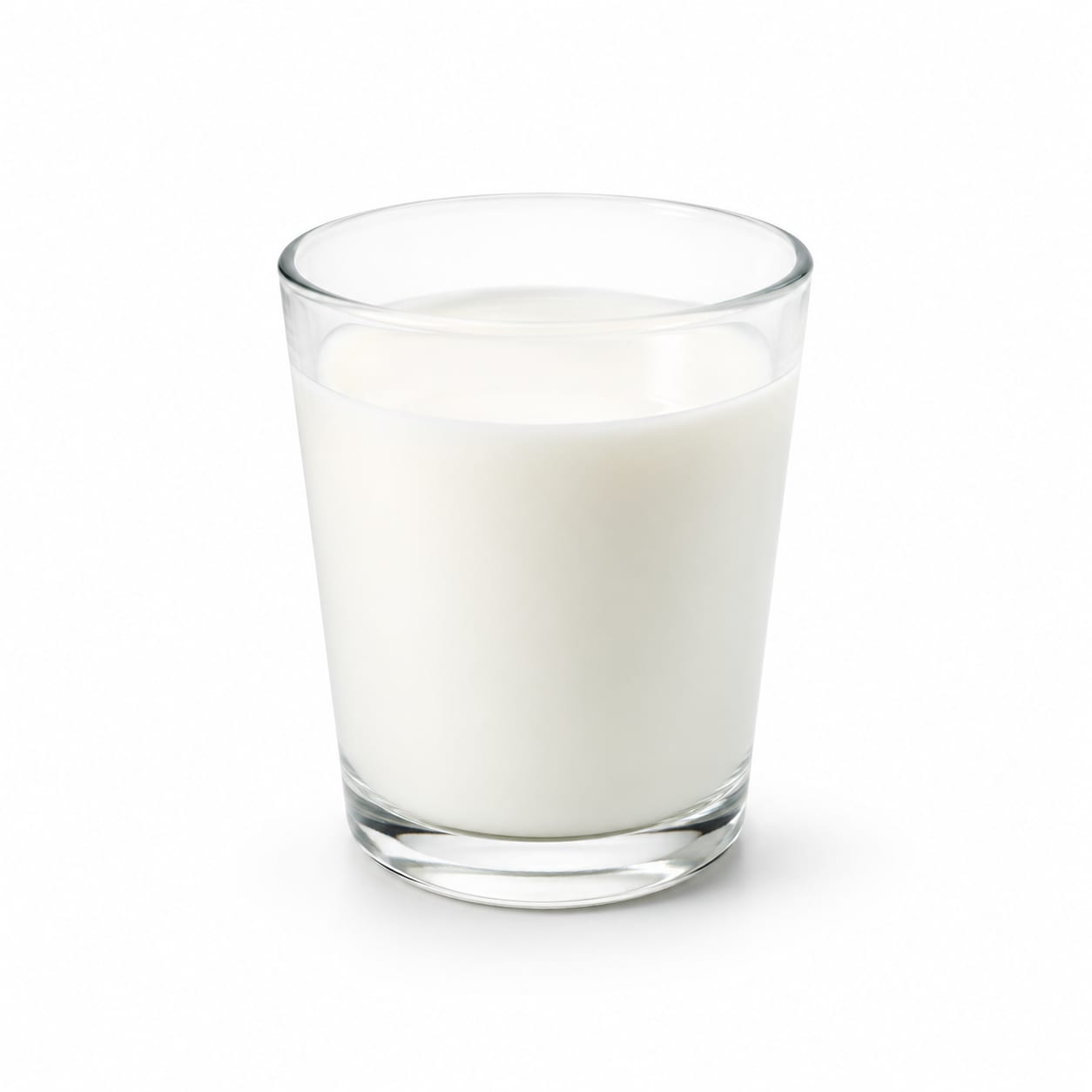
Low Fat Milk
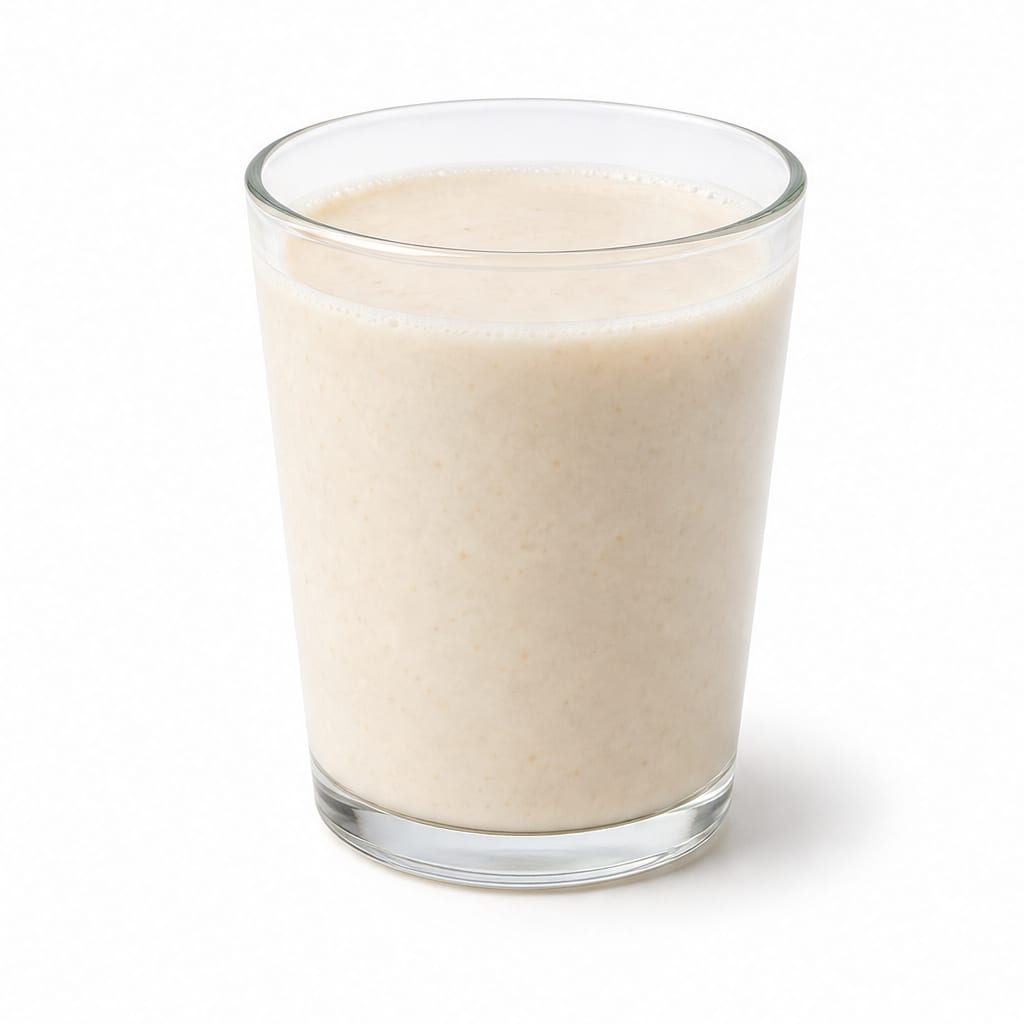
Oat Milk
Low Fat Milk wins on protein and nutrient density; Oat Milk wins on digestibility and values. Your body and priorities decide.
Low Fat Milk scores higher due to superior protein, natural nutrient density, and minimal processing. Oat Milk loses ground on protein content, additive load, and carb profile, but remains valuable for those who cannot tolerate dairy.
Real nutrition vs. gentle digestion — Low Fat Milk feeds muscles and bones better, but Oat Milk avoids lactose and dairy entirely.
At a glance
Executive summary
Overall
It depends
Healthier
Low Fat Milk
More practical
Oat Milk
Daily use
It depends
Key comparison lenses
dairy vs plant milk nutrition
Core question: does animal-based nutrition outweigh plant-based convenience and digestibility?
protein quality comparison
Low Fat Milk delivers complete protein; Oat Milk lags significantly here
processing and additive concerns
Oat Milk typically contains emulsifiers, added oils, and fortification; Low Fat Milk is closer to whole food
lactose tolerance and digestive comfort
Major deciding factor for many consumers choosing between these two
blood sugar and carb load
Oat Milk can be surprisingly high in carbs and added sugars
environmental and ethical considerations
Oat Milk has lower carbon footprint; relevant for values-driven consumers
Best choice for
Low Fat Milk
- Muscle maintenance and growth
- Bone density support
- Higher protein needs on a budget
- Children needing complete nutrition
- Anyone without lactose issues
Oat Milk
- Lactose-intolerant individuals
- Vegans and dairy-avoiders
- People with dairy allergies
- Environmentally-focused consumers
- Those who find dairy mucous-producing
Least suitable for
Low Fat Milk
- Lactose-intolerant people
- Vegans
- Those with dairy protein allergies
- People avoiding animal products entirely
Oat Milk
- People needing high protein intake
- Those avoiding processed foods
- Blood sugar-sensitive individuals (some brands)
- Budget-conscious shoppers (often pricier per serving)
Deep comparison
Dimension by dimension
Each lens scores both foods and breaks down who each option suits.
- Dimension 1 · Priority 95Low Fat Milk
Protein Quality and Content
Low Fat Milk · 88Oat Milk · 35Low Fat Milk delivers roughly 8g of complete protein per cup with all essential amino acids. Oat Milk typically offers only 3-4g of lower-quality plant protein.
Tradeoff
You sacrifice muscle-feeding protein for dairy-free comfort when choosing Oat Milk.
Why it matters
Protein at breakfast or after exercise makes the difference between staying full and snacking an hour later.
Real-world impact
A Low Fat Milk smoothie keeps you satisfied longer. Oat Milk in the same smoothie may leave you reaching for a snack sooner.
Low Fat Milk
- Post-workout recovery
- Breakfast satiety
- Older adults preserving muscle
- Growing teenagers
Better for
- Anyone with dairy protein allergy
Worse for
Oat Milk
- Light evening drinks when protein is less critical
- Coffee creamer where protein is irrelevant
Better for
- Athletes and active people
- Anyone using milk as a protein source
- Elderly needing muscle support
Worse for
- Dimension 2 · Priority 85Low Fat Milk
Processing and Additives
Low Fat Milk · 82Oat Milk · 40Low Fat Milk is pasteurized dairy with minimal alteration. Oat Milk requires added oils, emulsifiers, and fortification to mimic milk's texture and nutrition.
Tradeoff
Oat Milk gives you dairy-free convenience but introduces gums, oils, and synthetic vitamins your body may not recognize as well.
Why it matters
Minimally processed foods tend to digest more predictably and carry fewer surprise reactions.
Real-world impact
Reading Oat Milk ingredients often reveals rapeseed oil, carrageenan, and dipotassium phosphate — things never found in cow's milk.
Low Fat Milk
- Clean-eating priorities
- Sensitive digestion to gums and emulsifiers
- Whole-food advocates
Better for
- Those concerned about antibiotic or hormone residues in conventional dairy
Worse for
Oat Milk
- People who tolerate additives fine and prioritize avoiding dairy
Better for
- Anyone avoiding ultra-processed foods
- People with sensitivities to gums or thickeners
Worse for
- Dimension 3 · Priority 80Oat Milk
Digestive Tolerance
Low Fat Milk · 45Oat Milk · 85Oat Milk is naturally lactose-free and gentle on most stomachs. Low Fat Milk causes bloating, gas, or discomfort for the majority of the global population with some lactose sensitivity.
Tradeoff
You gain digestive comfort with Oat Milk but lose the nutritional punch of dairy.
Why it matters
If milk causes bloating or stomach upset, even perfect nutrition becomes irrelevant — you will not keep drinking it.
Real-world impact
Many people feel lighter and less bloated switching to Oat Milk, even if they did not realize dairy was the trigger.
Low Fat Milk
- People with confirmed lactose tolerance
- Those who digest dairy without any issues
Better for
- Anyone with lactose intolerance or sensitivity
- People prone to digestive discomfort
Worse for
Oat Milk
- Lactose-intolerant individuals
- People with IBS or sensitive digestion
- Anyone who experiences bloating from dairy
- Mornings when you want a light stomach
Better for
- People sensitive to oat fiber or FODMAPs
Worse for
- Dimension 4 · Priority 75Low Fat Milk
Blood Sugar Impact
Low Fat Milk · 70Oat Milk · 50Low Fat Milk contains natural lactose sugar but pairs it with protein that slows absorption. Oat Milk often has similar or higher sugar content with less protein to buffer it.
Tradeoff
Oat Milk can spike blood sugar faster, especially sweetened varieties, despite seeming like the healthier choice.
Why it matters
A breakfast drink that spikes blood sugar leads to a mid-morning crash and cravings.
Real-world impact
Unsweetened Oat Milk in coffee is fine, but sweetened versions in a morning latte can set up a sugar rollercoaster.
Low Fat Milk
- Diabetics needing steadier glucose
- Anyone monitoring blood sugar
- Pre-diabetic individuals
Better for
- Severe diabetics who must minimize all sugars
Worse for
Oat Milk
- Unsweetened versions used in small amounts
Better for
- Insulin-resistant individuals
- People who buy sweetened Oat Milk without checking labels
- Those using large quantities in smoothies
Worse for
- Dimension 5 · Priority 78Low Fat Milk
Bone Health and Mineral Density
Low Fat Milk · 85Oat Milk · 60Low Fat Milk provides naturally occurring calcium, phosphorus, and vitamin D in bioavailable forms. Oat Milk relies on fortification, which may absorb less efficiently.
Tradeoff
Fortified Oat Milk looks similar on paper, but your body may not use those added minerals as effectively.
Why it matters
Bone density is a long game — small absorption differences compound over decades.
Real-world impact
A lifetime of dairy calcium versus fortified calcium may show up in bone density scans after age 50.
Low Fat Milk
- Post-menopausal women
- Older adults at fracture risk
- Teenagers building peak bone mass
Better for
- People who avoid dairy for ethical reasons
Worse for
Oat Milk
- Anyone who cannot drink dairy — fortified is better than nothing
Better for
- Long-term bone health if relying solely on fortified sources
Worse for
- Dimension 6 · Priority 65Oat Milk
Environmental and Ethical Footprint
Low Fat Milk · 40Oat Milk · 80Oat Milk produces significantly fewer greenhouse emissions and uses far less water and land than dairy milk.
Tradeoff
Choosing Oat Milk lightens your environmental impact but trades away some personal nutritional optimization.
Why it matters
For values-driven consumers, this factor alone may outweigh nutritional differences.
Real-world impact
Switching from dairy to Oat Milk for your daily latte is one of the easiest dietary changes with a measurable carbon reduction.
Low Fat Milk
- Local dairy from sustainable farms
Better for
- Environmentally-focused eaters
- Those concerned about industrial dairy practices
Worse for
Oat Milk
- Climate-conscious consumers
- Animal welfare advocates
- Anyone reducing their environmental footprint
Better for
- Nutrition-first decision makers
Worse for
Timeline
Health impact over time
Short-term
Hours to days
Low Fat Milk
- Quick protein satisfaction after consumption
- Possible bloating or gas if lactose intolerant
- Steadier energy due to protein-sugar pairing
- Mucus sensation in throat for some individuals
Oat Milk
- Light, easy digestion without bloating
- Possible blood sugar spike if sweetened variety consumed
- Less satiety — may feel hungry sooner
- Generally well-tolerated by sensitive stomachs
Long-term
Months to years
Low Fat Milk
- Stronger bone density from bioavailable calcium
- Better muscle preservation with age due to complete protein
- Potential increased acne or skin issues for dairy-sensitive individuals
- Possible hormonal exposure from conventional farming
Oat Milk
- Lower environmental toxin exposure from avoiding dairy supply chain
- Possible nutrient gaps if relying on Oat Milk as primary calcium source
- Less muscle support without supplemental protein elsewhere
- Generally neutral long-term health profile when part of balanced diet
Risk profile
Safety & processing
Low Fat Milk is pasteurized and homogenized but fundamentally still just milk. Oat Milk requires significant processing — water, heat, enzymes, added oils, emulsifiers, and fortification — to transform oats into something resembling milk.
Low Fat Milk
Antibiotic and hormone residues
lowConventional dairy may contain trace antibiotic or hormone residues. Organic Low Fat Milk eliminates most of this concern.
Lactose intolerance reactions
mediumAffects roughly 65% of the global population to some degree, causing bloating, gas, and discomfort.
Bacterial contamination if improperly stored
lowPasteurization eliminates most risk, but spoiled milk can cause foodborne illness.
Oat Milk
Emulsifier and gum sensitivities
mediumCarrageenan, xanthan gum, and gellan gum in many Oat Milk brands can irritate sensitive digestive systems.
Added vegetable oils
lowMost Oat Milk contains rapeseed or sunflower oil for texture. Small amounts are generally safe but add unnecessary processed fat.
Pesticide residue from conventional oats
lowOats are not a high-pesticide crop, but glyphosate residues have been detected in some oat products.
Who wins for whom
Audience fit
Same foods, different winners depending on your goal.
children
Low Fat MilkGrowing bodies need complete protein, bioavailable calcium, and vitamin D that Low Fat Milk naturally provides.
daily consumption
It dependsIf you tolerate dairy, Low Fat Milk is nutritionally superior daily. If dairy causes discomfort, Oat Milk is the sustainable daily choice.
diabetes
Low Fat MilkProtein buffers the lactose sugar, creating a gentler blood sugar response than Oat Milk's carb-heavy profile.
elderly
Low Fat MilkMuscle preservation and bone density become critical with age — Low Fat Milk addresses both directly.
muscle gain
Low Fat MilkComplete protein with all essential amino acids directly supports muscle repair and growth.
weight loss
Low Fat MilkHigher protein keeps you fuller longer, reducing overall calorie intake throughout the day.
Your move
Decision guide
Choose Low Fat Milk
- You digest dairy without issues
- Protein intake matters to you — especially at breakfast or post-workout
- You want the most bioavailable calcium and vitamin D
- You are feeding children who need complete nutrition
- You prefer minimally processed foods
Choose Oat Milk
- Lactose intolerance or dairy sensitivity runs in your family
- You are vegan or avoiding animal products
- Environmental impact is a top priority for you
- Dairy causes skin breakouts or congestion for you
- You want a light, easy-to-digest milk alternative
Either works if
- You only use milk in small amounts like coffee creamer
- Your overall diet is strong enough that milk choice is minor
- You rotate between both depending on the meal
Avoid both if
- You have severe dairy and oat allergies
- You are on a strict whole-foods protocol eliminating all processed liquids
- You consume very large volumes and need to watch carb or sugar intake from either source
Final recommendation
If your body handles dairy well, Low Fat Milk is the stronger nutritional choice — more protein, better absorption, less processing. If dairy causes any discomfort or conflicts with your values, Oat Milk is a perfectly reasonable alternative, especially unsweetened. The worst choice is sweetened Oat Milk assumed to be healthier than dairy just because it is plant-based.
Practical
Consumer tips
- 1
Always choose unsweetened Oat Milk — sweetened versions can pack 7-16g of added sugar per cup
- 2
Check Oat Milk labels for carrageenan if you have sensitive digestion
- 3
Organic Low Fat Milk avoids most antibiotic and hormone residue concerns
- 4
If switching to Oat Milk for protein, add a protein powder or compensate elsewhere in your diet
- 5
Barista Oat Milk versions often have more oil and sugar — read labels carefully
- 6
Rotate both if tolerated — Low Fat Milk for protein-focused meals, Oat Milk for lighter uses