
Nutrition comparison
Low Fat Milk vs Almond Milk: Which Is Actually Better for You?
Compare Low Fat Milk and Almond Milk on protein, calories, calcium, digestion, and processing. Find out which milk alternative fits your health goals and daily routine.
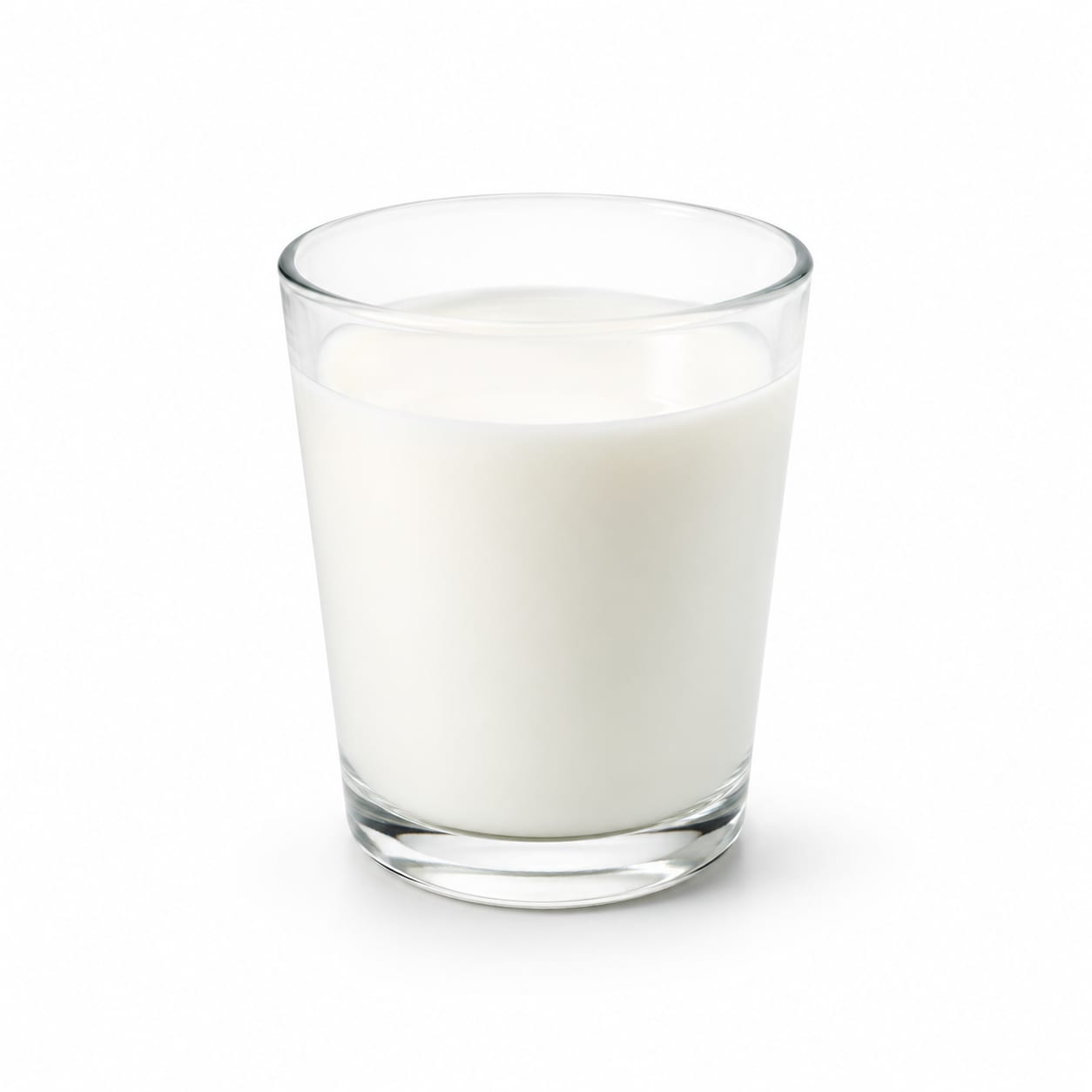
Low Fat Milk
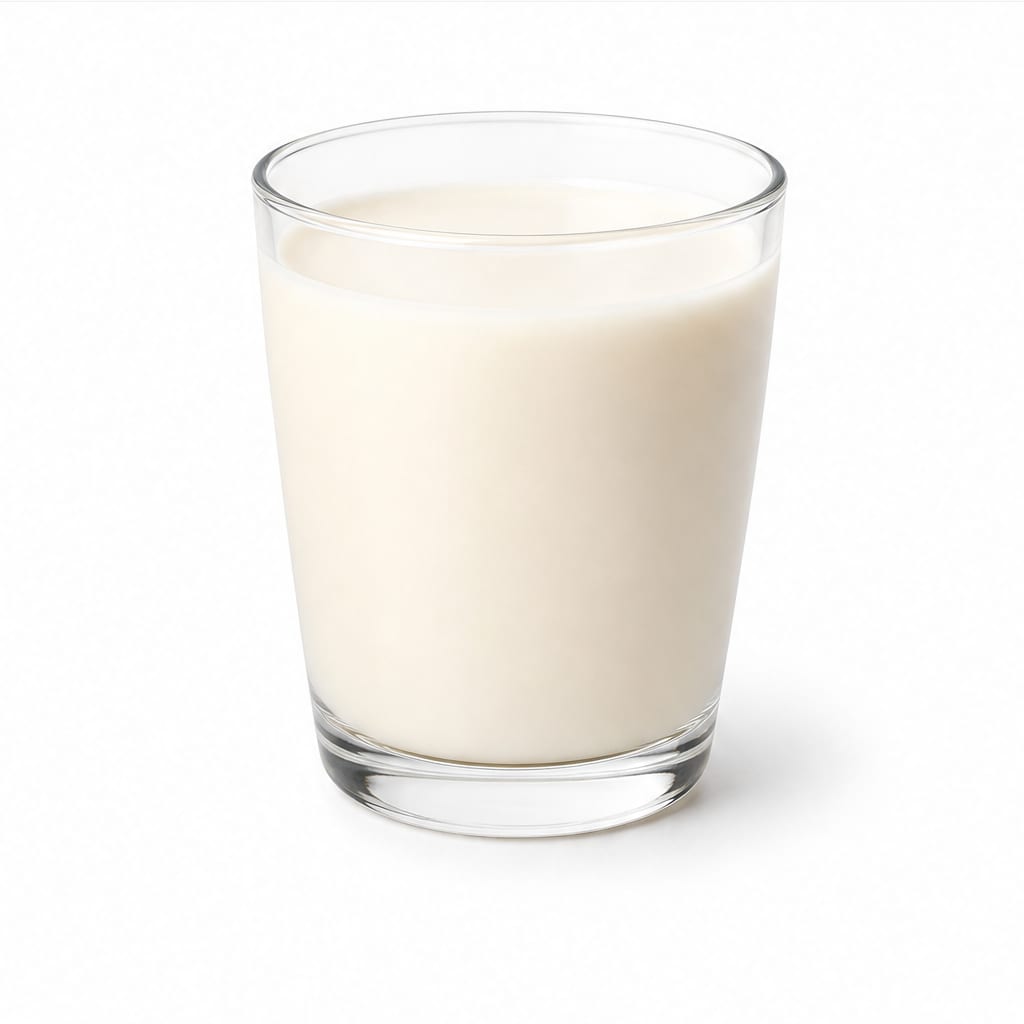
Almond Milk
Low Fat Milk delivers real nutrition—protein, natural calcium, and B vitamins—while Almond Milk is essentially a low-calorie flavored water with added nutrients.
Low Fat Milk scores higher due to superior protein, natural nutrient density, and minimal processing. Almond Milk scores lower because it provides very little actual nutrition beyond fortification, though it wins on calories and digestibility.
Protein and nutrient density versus calories and digestibility. Low Fat Milk nourishes; Almond Milk lightens.
At a glance
Executive summary
Overall
It depends
Healthier
Low Fat Milk
More practical
It depends
Daily use
It depends
Key comparison lenses
weight management and calorie control
Almond Milk is dramatically lower in calories, making it the go-to for calorie-conscious users, while Low Fat Milk still carries meaningful calories from protein and natural sugars
protein intake and satiety
Low Fat Milk has roughly 8g protein per cup versus Almond Milk's 1g, a massive gap that affects fullness and muscle maintenance
dairy avoidance and digestive comfort
Lactose intolerance and dairy sensitivity are common reasons people switch to Almond Milk, making digestibility a core comparison driver
bone health and calcium adequacy
Both are marketed for calcium, but the source and bioavailability differ significantly between natural dairy calcium and fortified calcium in Almond Milk
processing and ingredient purity
Almond Milk typically contains emulsifiers, stabilizers, and added vitamins, while Low Fat Milk is a single-ingredient food with minimal processing
Best choice for
Low Fat Milk
- Active individuals needing protein
- Children requiring complete nutrition
- Older adults at risk for muscle loss
- Anyone wanting natural, minimally processed food
- People who tolerate dairy well
Almond Milk
- Calorie counters cutting weight
- Lactose-intolerant individuals
- Vegans avoiding all animal products
- People wanting a light coffee creamer
- Those with dairy protein allergies
Least suitable for
Low Fat Milk
- Lactose-intolerant individuals
- Vegans
- People cutting calories aggressively
- Those with dairy protein allergies
Almond Milk
- Children needing protein for growth
- Athletes recovering from training
- Anyone relying on milk as a protein source
- People avoiding emulsifiers and additives
Deep comparison
Dimension by dimension
Each lens scores both foods and breaks down who each option suits.
- Dimension 1 · Priority 95Low Fat Milk
Protein and Satiety
Low Fat Milk · 88Almond Milk · 18Low Fat Milk provides about 8g of complete protein per cup. Almond Milk provides roughly 1g, which is negligible for hunger control or muscle support.
Tradeoff
You sacrifice genuine filling power and muscle-supporting protein when you choose Almond Milk over Low Fat Milk.
Why it matters
Protein is the main reason milk feels satisfying. Without it, Almond Milk behaves more like flavored water in your stomach.
Real-world impact
A Low Fat Milk smoothie keeps you full until lunch. An Almond Milk smoothie leaves you snacking by 10am.
Low Fat Milk
- Post-workout recovery
- Breakfast that actually holds you
- Older adults preserving muscle
- Growing teenagers
Better for
- Anyone who feels uncomfortably full from dairy
Worse for
Almond Milk
- Light evening beverage without feeling heavy
- Situations where you want flavor without fullness
Better for
- Using it as a meal replacement
- Relying on it after exercise
- Expecting it to curb hunger
Worse for
- Dimension 2 · Priority 90Almond Milk
Calorie Density and Weight Management
Low Fat Milk · 55Almond Milk · 92Unsweetened Almond Milk runs about 30-40 calories per cup versus roughly 100-110 for Low Fat Milk. That difference compounds fast in daily use.
Tradeoff
Almond Milk saves calories but provides almost no nutritional return. Low Fat Milk costs more calories but delivers protein, calcium, and B vitamins.
Why it matters
If you drink multiple cups daily or use milk in lattes, the calorie gap becomes meaningful for weight management.
Real-world impact
Two lattes a day with Almond Milk saves you about 120 calories. Over a month, that is roughly one pound of body weight difference.
Low Fat Milk
- People who struggle to eat enough
- Underweight individuals needing nourishment
Better for
- Aggressive fat-loss diets where every calorie counts
Worse for
Almond Milk
- Consistent calorie cutters
- Multiple daily milk users
- Late-night drinkers wanting something light
Better for
- Active people who need calorie fuel
- Anyone already eating too little
Worse for
- Dimension 3 · Priority 82Low Fat Milk
Bone Health and Calcium
Low Fat Milk · 85Almond Milk · 68Low Fat Milk contains naturally occurring calcium with good bioavailability. Almond Milk is fortified with calcium that may settle at the bottom or be less absorbable.
Tradeoff
Natural calcium in dairy is better absorbed, but fortified Almond Milk still provides meaningful amounts if you shake the carton and consume it regularly.
Why it matters
Calcium from food sources generally absorbs better than from fortification, and the vitamin D and phosphorus in milk work together to support bone health naturally.
Real-world impact
If you rely on Almond Milk as your primary calcium source and do not shake the carton, you may get less calcium than the label suggests.
Low Fat Milk
- Postmenopausal women at osteoporosis risk
- Teenagers building peak bone mass
- Anyone not taking calcium supplements
Better for
- Those who avoid all animal products on principle
Worse for
Almond Milk
- People who cannot tolerate dairy but still want calcium in their drinks
Better for
- Sole calcium source without other dietary calcium
- Unreliable users who forget to shake fortified cartons
Worse for
- Dimension 4 · Priority 85Almond Milk
Digestive Tolerance
Low Fat Milk · 42Almond Milk · 90Roughly 65% of the global population has some degree of lactose malabsorption. Almond Milk contains zero lactose and is gentle on sensitive stomachs.
Tradeoff
If dairy causes bloating, gas, or discomfort, Almond Milk is the clear winner even though it provides less nutrition.
Why it matters
Digestive discomfort undermines nutrient absorption and quality of life regardless of how nutritious a food theoretically is.
Real-world impact
If Low Fat Milk makes you bloated or running to the bathroom, its superior nutrition profile becomes irrelevant because you feel awful.
Low Fat Milk
- People with confirmed dairy tolerance
- Those who digest lactose without any issues
Better for
- Even mild lactose intolerance makes this uncomfortable
- IBS-D sufferers
Worse for
Almond Milk
- Lactose-intolerant individuals
- People with irritable bowel syndrome
- Anyone who experiences bloating from dairy
Better for
- People with tree nut allergies
- Those sensitive to carrageenan or emulsifiers
Worse for
- Dimension 5 · Priority 78Low Fat Milk
Processing and Ingredient Purity
Low Fat Milk · 82Almond Milk · 38Low Fat Milk is a single-ingredient food with vitamin D added. Almond Milk typically contains emulsifiers like lecithin, stabilizers like gellan gum, and added vitamins.
Tradeoff
Low Fat Milk keeps it simple and real. Almond Milk requires industrial processing to turn a hard nut into a pourable liquid that resembles milk.
Why it matters
More ingredients and processing steps mean more potential gut irritants and a product further from what your grandmother would recognize as food.
Real-world impact
Reading the ingredient list on Almond Milk reveals a chemistry project. Low Fat Milk lists milk and maybe vitamin D.
Low Fat Milk
- Clean-eating advocates
- People avoiding emulsifiers and gums
- Minimalists who prefer whole foods
Better for
- Anyone concerned about antibiotic or hormone residues in conventional dairy
Worse for
Almond Milk
- People who accept processing as a tradeoff for avoiding dairy
- Those who find brands with simpler ingredient lists
Better for
- People with sensitivities to gums and emulsifiers
- Those prioritizing whole, unprocessed food
Worse for
- Dimension 6 · Priority 72Almond Milk
Blood Sugar Impact
Low Fat Milk · 58Almond Milk · 85Low Fat Milk contains about 12g of lactose sugar per cup. Unsweetened Almond Milk has essentially zero sugar and will not spike blood glucose.
Tradeoff
The sugar in Low Fat Milk is natural and paired with protein, which slows absorption. But for strict blood sugar control, Almond Milk is safer.
Why it matters
For diabetics or anyone monitoring glucose, even natural milk sugar requires accounting. Almond Milk removes that variable entirely.
Real-world impact
A cup of Low Fat Milk raises blood sugar modestly. Unsweetened Almond Milk has essentially no glycemic impact at all.
Low Fat Milk
- Active people who benefit from some carbohydrate fuel
- Those who want the insulin response to help protein uptake
Better for
- Type 2 diabetics counting every gram of sugar
- Strict ketogenic dieters
Worse for
Almond Milk
- Diabetics managing blood glucose
- Keto and low-carb dieters
- Anyone monitoring sugar intake strictly
Better for
- Athletes who need post-workout carbohydrate
Worse for
Timeline
Health impact over time
Short-term
Hours to days
Low Fat Milk
- Provides immediate satiety from protein and fat content
- Lactose can cause bloating or gas in sensitive individuals within 30 minutes
- Natural sugars provide a mild energy boost
Almond Milk
- Very light in the stomach, minimal digestive burden
- Unsweetened versions will not cause blood sugar fluctuations
- May feel unsatisfying if used as a meal component due to near-zero protein
Long-term
Months to years
Low Fat Milk
- Consistent protein intake supports muscle preservation with aging
- Natural calcium and vitamin D contribute to maintained bone density
- Daily lactose exposure may worsen intolerance symptoms over time in susceptible people
- Some concerns about IGF-1 and hormone-sensitive conditions with high dairy intake
Almond Milk
- Low calorie intake supports weight maintenance but may contribute to undernourishment if relied on as a primary nutrient source
- Fortified calcium may not absorb as effectively as dairy calcium long-term
- Emulsifier exposure from daily consumption has emerging but uncertain gut health implications
Risk profile
Safety & processing
Low Fat Milk is pasteurized and homogenized with optional vitamin D fortification. Almond Milk requires extensive processing to transform almonds into a liquid, including straining out solids and adding emulsifiers, stabilizers, and fortified vitamins to approximate milk's nutritional profile.
Low Fat Milk
Lactose intolerance reactions
mediumAffects the majority of the global population to some degree, causing bloating, gas, and discomfort
Dairy allergy
highTrue milk protein allergy can cause hives, swelling, or anaphylaxis in severe cases, especially in young children
Antibiotic and hormone residues
lowConventional dairy may contain trace residues; organic options reduce this concern significantly
Almond Milk
Tree nut allergy
highAlmond Milk is strictly unsafe for anyone with almond or tree nut allergies, which can be life-threatening
Emulsifier and additive sensitivity
mediumCarrageenan, gellan gum, and other stabilizers may irritate sensitive digestive systems or contribute to gut inflammation
Inadequate nutrition if used as milk replacement
mediumRelying on Almond Milk instead of dairy without compensating elsewhere can lead to protein and calcium shortfalls over time
Who wins for whom
Audience fit
Same foods, different winners depending on your goal.
children
Low Fat MilkGrowing children need protein, bioavailable calcium, and calorie density for development. Low Fat Milk delivers all three naturally. Almond Milk should never replace dairy for children without pediatric guidance.
daily consumption
It dependsIf you tolerate dairy and want nutrition, Low Fat Milk daily is superior. If you are lactose-intolerant, vegan, or cutting calories, Almond Milk is the sustainable daily choice.
diabetes
Almond MilkUnsweetened Almond Milk has essentially zero carbohydrates and will not impact blood glucose, while Low Fat Milk contains 12g of lactose sugar per cup that requires insulin response.
elderly
Low Fat MilkOlder adults are at high risk for sarcopenia and osteoporosis. Low Fat Milk provides both the protein and calcium needed to counteract age-related muscle and bone loss.
muscle gain
Low Fat MilkLow Fat Milk provides 8g of complete protein per cup with a favorable amino acid profile for muscle synthesis. Almond Milk's 1g of protein is functionally useless for building muscle.
weight loss
Almond MilkUnsweetened Almond Milk saves 60-70 calories per cup with zero sugar, making it easier to maintain a calorie deficit without feeling deprived of creamy beverages.
Your move
Decision guide
Choose Low Fat Milk
- You tolerate dairy without digestive issues
- You want protein and natural nutrition from your beverages
- You are feeding children or elderly family members
- You prefer minimally processed foods with simple ingredients
- You are active and need post-workout nourishment
Choose Almond Milk
- Lactose intolerance makes dairy uncomfortable
- You are vegan or avoiding animal products
- You are cutting calories and every gram counts
- You want a light coffee creamer without heaviness
- You are monitoring blood sugar closely
Either works if
- You just want something to wet your cereal
- You rotate between dairy and plant-based options for variety
- Neither is your primary protein or calcium source
Avoid both if
- You have both dairy allergy and tree nut allergy
- You are seeking a high-protein beverage and have better options like soy milk or protein shakes
- You want a beverage with zero processing concerns
Final recommendation
If your body handles dairy well, Low Fat Milk is the nutritionally superior choice by a wide margin. It provides real protein, natural calcium, and genuine satiety. Choose Almond Milk when calories, digestion, or ethics matter more than nutrient density. Just do not pretend Almond Milk is a nutritional equivalent—it is a low-calorie convenience, not a nourishment source.
Practical
Consumer tips
- 1
Always choose unsweetened Almond Milk. Sweetened versions add sugar that defeats the purpose of choosing it for health.
- 2
Shake Almond Milk cartons vigorously before pouring. Added calcium settles at the bottom and you may miss it otherwise.
- 3
If you pick Almond Milk, make sure you get protein and calcium from other sources throughout the day. It cannot carry that load.
- 4
Organic Low Fat Milk reduces concerns about antibiotic and hormone residues without changing the nutritional profile.
- 5
Check Almond Milk ingredient lists for carrageenan if you have digestive sensitivity. Some brands now use gentler alternatives.
- 6
For the best of both worlds, consider rotating: Low Fat Milk when nutrition matters, Almond Milk when lightness matters.