
Nutrition comparison
Low Fat Milk vs Coconut Milk Beverage: Nutrition, Protein, and Health Comparison
Low Fat Milk delivers 8x more protein than Coconut Milk Beverage and natural calcium, but Coconut Milk Beverage wins for lactose intolerance and lower carbs. See which is better for your goals.
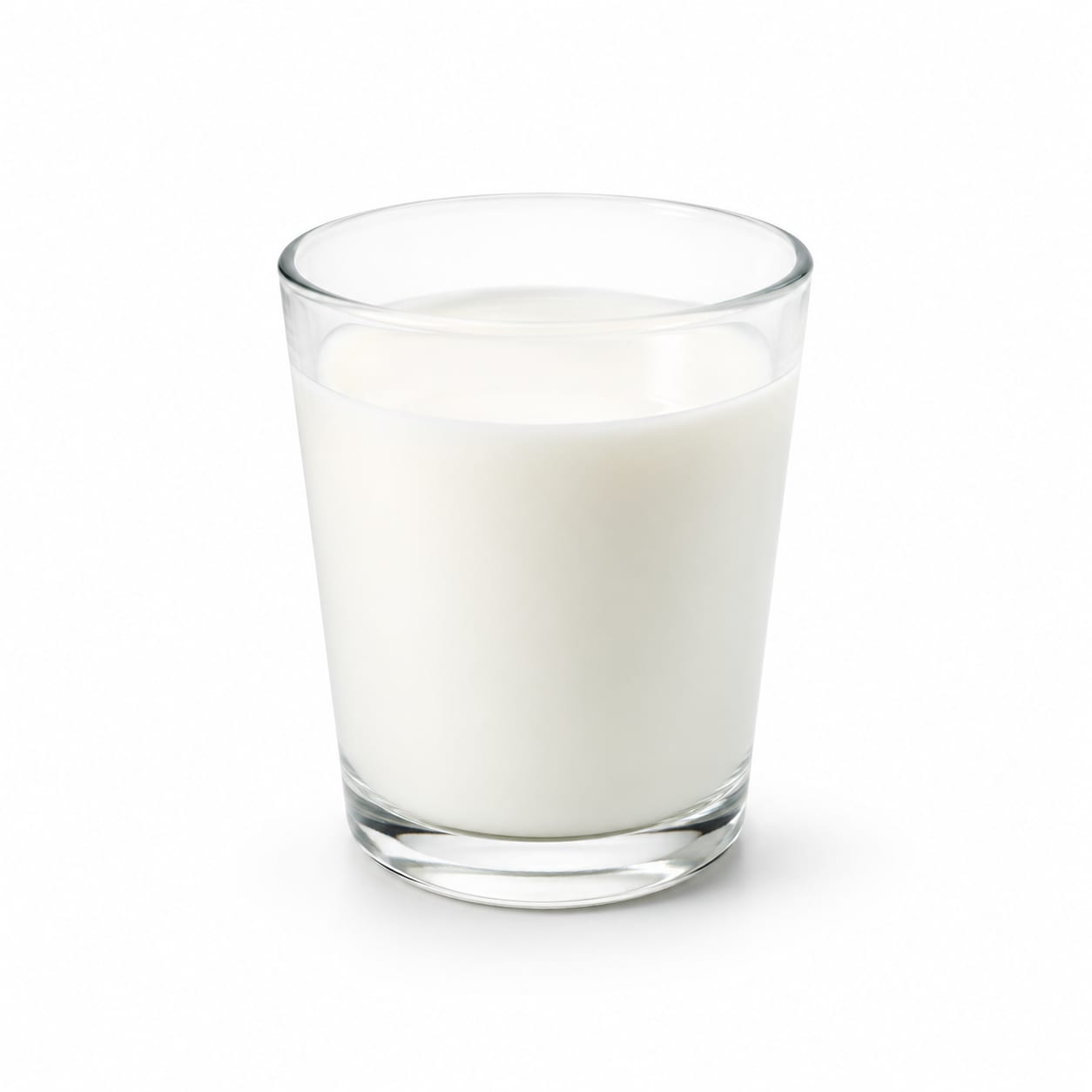
Low Fat Milk
Coconut Milk Beverage
Low Fat Milk delivers far more protein and natural nutrition, while Coconut Milk Beverage offers a dairy-free, lighter option with different tradeoffs around processing and satiety.
Low Fat Milk scores notably higher due to its superior protein content, natural calcium, and minimal processing. Coconut Milk Beverage loses ground on protein, satiety value, and additive load, though it remains a valid choice for those who cannot consume dairy.
Real nutrition versus dietary flexibility — Low Fat Milk fuels your body better, but Coconut Milk Beverage fits where dairy cannot.
At a glance
Executive summary
Overall
It depends
Healthier
Low Fat Milk
More practical
It depends
Daily use
Low Fat Milk
Key comparison lenses
dairy vs plant milk nutrition
Core nutritional differences between animal and plant-based milks drive most user decisions
protein and satiety comparison
Massive protein gap between these two options directly affects fullness and meal satisfaction
lactose intolerance and digestive comfort
Many users choosing between these are managing dairy sensitivity or avoiding lactose
weight management and calorie control
Both are commonly used in weight-conscious diets but achieve it differently
processing and additive concerns
Coconut milk beverages typically contain more additives and emulsifiers than low fat milk
Best choice for
Low Fat Milk
- Anyone needing protein to stay full and energized
- Families wanting natural calcium for growing kids
- Post-workout recovery when you want quick protein
- People who tolerate dairy well and want maximum nutrition per calorie
Coconut Milk Beverage
- People with lactose intolerance or dairy allergy
- Vegans avoiding all animal products
- Anyone wanting lower calories in smoothies or coffee
- Those who find dairy uncomfortable to digest
Least suitable for
Low Fat Milk
- Anyone with lactose intolerance or dairy sensitivity
- Vegans and strict plant-based eaters
- People concerned about dairy hormones or acne triggers
Coconut Milk Beverage
- Growing children needing reliable protein and calcium
- Athletes or active people requiring muscle-supporting protein
- Anyone seeking a nutritionally complete milk replacement
Deep comparison
Dimension by dimension
Each lens scores both foods and breaks down who each option suits.
- Dimension 1 · Priority 95Low Fat Milk
Protein and Satiety
Low Fat Milk · 88Coconut Milk Beverage · 15Low Fat Milk provides roughly 8g of complete protein per cup, while Coconut Milk Beverage typically delivers less than 1g — a dramatic difference that affects how long you stay full.
Tradeoff
You sacrifice lasting fullness with Coconut Milk Beverage, which can lead to more snacking later in the day.
Why it matters
Protein is the single biggest driver of satiety from beverages. Without it, a drink feels like water — gone from your stomach fast.
Real-world impact
A Low Fat Milk smoothie keeps you satisfied until lunch. A Coconut Milk Beverage smoothie may leave you hungry again within an hour.
Low Fat Milk
- Breakfast that actually holds you over
- Post-workout recovery
- Anyone trying to reduce between-meal snacking
Better for
- Light cooking where you want minimal richness
Worse for
Coconut Milk Beverage
- Light evening drink when you do not want heaviness
- Recipes where protein is coming from other ingredients
Better for
- Any situation where the milk is your main protein source
- Growing kids who need reliable nutrition
Worse for
- Dimension 2 · Priority 88Low Fat Milk
Calcium and Bone Support
Low Fat Milk · 85Coconut Milk Beverage · 60Low Fat Milk contains naturally occurring calcium that is well-absorbed, while Coconut Milk Beverage relies on fortification that may settle or be less bioavailable.
Tradeoff
Fortified calcium in Coconut Milk Beverage can separate or settle in the carton, meaning you may get less than the label promises.
Why it matters
Calcium absorption matters as much as calcium content. Natural dairy calcium comes packaged with lactose and casein that enhance uptake.
Real-world impact
Pouring the last half of a Coconut Milk Beverage carton might give you more sediment than calcium, whereas Low Fat Milk delivers consistently.
Low Fat Milk
- Teenagers building peak bone mass
- Older adults preventing bone loss
- Anyone relying on milk as a primary calcium source
Better for
- Those avoiding dairy for any reason
Worse for
Coconut Milk Beverage
- People who cannot tolerate dairy but still want some calcium fortification
Better for
- Situations where consistent calcium delivery matters
Worse for
- Dimension 3 · Priority 85Coconut Milk Beverage
Digestive Tolerance
Low Fat Milk · 40Coconut Milk Beverage · 90Coconut Milk Beverage is naturally lactose-free and gentle on sensitive stomachs, while Low Fat Milk can cause bloating, gas, or discomfort for the majority of the global population.
Tradeoff
You gain digestive comfort with Coconut Milk Beverage but lose the nutritional density that makes Low Fat Milk valuable.
Why it matters
Roughly 65-70% of the world population has some degree of lactose malabsorption. For them, dairy is not just uncomfortable — it blocks nutrient absorption.
Real-world impact
If you feel bloated or gassy after cereal with Low Fat Milk, switching to Coconut Milk Beverage can eliminate that discomfort entirely.
Low Fat Milk
- People with confirmed lactose tolerance who digest dairy easily
Better for
- Morning routines that leave you bloated before work
- Anyone with irritable bowel syndrome triggered by dairy
Worse for
Coconut Milk Beverage
- Anyone experiencing bloating or gas from dairy
- People with diagnosed lactose intolerance
- Those with sensitive digestion who want a gentle beverage
Better for
- Situations where you need the nutrition dairy provides
Worse for
- Dimension 4 · Priority 75Low Fat Milk
Processing and Additives
Low Fat Milk · 80Coconut Milk Beverage · 35Low Fat Milk is simply milk with fat removed. Coconut Milk Beverage typically requires emulsifiers, stabilizers, and fortified vitamins to approximate milk.
Tradeoff
Choosing Coconut Milk Beverage means accepting carrageenan, guar gum, or other thickeners that some people prefer to avoid.
Why it matters
Ultra-processed foods with multiple additives may affect gut health and inflammation over time, even if each individual additive is deemed safe.
Real-world impact
Reading the ingredient list on Low Fat Milk shows milk and added vitamins. Coconut Milk Beverage often shows 8-12 ingredients including gums and preservatives.
Low Fat Milk
- Clean-eating approaches that minimize additives
- Anyone sensitive to food gums or emulsifiers
- Families wanting simpler ingredient lists
Better for
- Those who consider any animal product less clean than plant-based
Worse for
Coconut Milk Beverage
- People whose priority is avoiding dairy regardless of additives
Better for
- Anyone monitoring gut health and avoiding emulsifiers
- People with sensitivities to carrageenan or guar gum
Worse for
- Dimension 5 · Priority 78It depends
Calorie and Weight Management
Low Fat Milk · 65Coconut Milk Beverage · 70Unsweetened Coconut Milk Beverage is slightly lower in calories than Low Fat Milk, but the difference is small enough that satiety matters more for weight control.
Tradeoff
Lower calories mean little if you end up eating more later because the drink did not fill you up.
Why it matters
A 20-30 calorie difference per cup is easily erased by one extra snack. Protein-driven fullness often saves more calories than cutting beverage calories.
Real-world impact
You might save 25 calories choosing Coconut Milk Beverage over Low Fat Milk, but then eat a 200-calorie snack an hour earlier because you are hungry again.
Low Fat Milk
- People who find that protein-rich drinks reduce overall daily intake
- Anyone who eats mindfully and responds well to satiety signals
Better for
- Strict calorie counters who prioritize the lowest number possible
Worse for
Coconut Milk Beverage
- Volume eaters who just want a low-calorie liquid for smoothies or cooking
- Those carefully tracking every calorie in a deficit
Better for
- Emotional eaters who need their food to actually feel satisfying
Worse for
- Dimension 6 · Priority 72Low Fat Milk
Heart Health and Fats
Low Fat Milk · 70Coconut Milk Beverage · 50Low Fat Milk keeps saturated fat low while providing a balanced fat profile. Coconut Milk Beverage contains coconut saturated fat, which raises LDL cholesterol despite its MCT content.
Tradeoff
Coconut MCTs are trendy, but the overall saturated fat load in Coconut Milk Beverage still concerns cardiologists more than the modest fat in Low Fat Milk.
Why it matters
Heart disease risk correlates with LDL cholesterol, and coconut fat reliably raises it more than dairy fat at comparable amounts.
Real-world impact
If your doctor has asked you to watch cholesterol, Low Fat Milk is the safer daily choice. Coconut Milk Beverage is fine occasionally but not ideal as your primary milk.
Low Fat Milk
- People with elevated LDL cholesterol
- Anyone with family history of heart disease
- Daily drinkers who consume multiple servings
Better for
- Those who avoid all saturated fat regardless of amount
Worse for
Coconut Milk Beverage
- Healthy individuals who consume small amounts occasionally
- People who prioritize MCTs for specific dietary approaches
Better for
- Anyone managing cardiovascular risk factors
- Multiple daily servings over long periods
Worse for
- Dimension 7 · Priority 70It depends
Blood Sugar Stability
Low Fat Milk · 55Coconut Milk Beverage · 60Low Fat Milk contains natural lactose sugar that causes a moderate glucose response. Unsweetened Coconut Milk Beverage has almost no sugar, but sweetened versions can spike blood sugar worse than dairy.
Tradeoff
The sugar comparison depends entirely on whether you choose unsweetened or sweetened Coconut Milk Beverage — a critical distinction many people miss.
Why it matters
Sweetened Coconut Milk Beverage can contain more added sugar than the natural lactose in Low Fat Milk, reversing any blood sugar advantage.
Real-world impact
Unsweetened Coconut Milk Beverage in your coffee will not move your blood sugar. A sweetened vanilla Coconut Milk Beverage might spike it more than Low Fat Milk would.
Low Fat Milk
- People who tolerate lactose well and prefer natural sugars over added ones
- Anyone who wants predictable, moderate blood sugar impact
Better for
- Anyone strictly limiting all carbohydrate intake
Worse for
Coconut Milk Beverage
- Diabetics choosing unsweetened versions for minimal glucose impact
- Keto dieters who need near-zero carbohydrate beverages
Better for
- People who buy sweetened versions thinking plant-based means lower sugar
Worse for
Timeline
Health impact over time
Short-term
Hours to days
Low Fat Milk
- Provides quick protein that stabilizes hunger within 30 minutes
- Lactose can cause bloating or gas in sensitive individuals within hours
- Natural sugars give a mild, steady energy lift without a crash
Coconut Milk Beverage
- Very light in the stomach — easy to drink without feeling full
- Unsweetened versions have virtually no blood sugar impact
- Some people notice mild digestive adjustment to gums and emulsifiers
Long-term
Months to years
Low Fat Milk
- Consistent calcium and protein intake supports bone density and muscle maintenance
- Daily dairy consumption is associated with lower type 2 diabetes risk in some studies
- Long-term lactose exposure remains fine for tolerant individuals but worsens for those who lose enzymes with age
Coconut Milk Beverage
- Chronic use as a primary milk without protein compensation may contribute to inadequate protein intake
- Regular consumption of coconut saturated fat may gradually raise LDL cholesterol
- Reliance on fortified nutrients means absorption depends on formulation quality and storage
Risk profile
Safety & processing
Low Fat Milk undergoes pasteurization and fat separation — straightforward processes with minimal additions. Coconut Milk Beverage requires extensive formulation: water dilution of coconut cream, emulsifiers to prevent separation, stabilizers for texture, and fortified vitamins to match dairy nutrition. The ingredient lists tell the story clearly.
Low Fat Milk
Lactose intolerance reactions
mediumCauses bloating, cramping, and diarrhea in lactose-sensitive individuals. Not dangerous but significantly uncomfortable.
Dairy allergy
highTrue milk protein allergy can trigger anaphylaxis in rare cases. Completely separate from lactose intolerance and more serious.
Antibiotic and hormone residues
lowRegulated testing minimizes this, but trace hormone exposure from conventional dairy remains a concern for some consumers.
Coconut Milk Beverage
Carrageenan sensitivity
mediumCommon stabilizer in Coconut Milk Beverages that may trigger digestive inflammation in sensitive people, though food-grade carrageenan is approved.
Added sugar in flavored versions
mediumSweetened varieties can contain 5-10g of added sugar per cup, undermining the health perception of plant-based milk.
Inconsistent fortification
lowAdded vitamins and minerals may not mix evenly, leading to unreliable nutrient delivery especially near the bottom of the carton.
Who wins for whom
Audience fit
Same foods, different winners depending on your goal.
children
Low Fat MilkGrowing children need reliable protein, bioavailable calcium, and vitamin D. Low Fat Milk delivers these naturally, while Coconut Milk Beverage falls short on protein and has inconsistent fortification.
daily consumption
Low Fat MilkFor most people who tolerate dairy, Low Fat Milk provides more consistent daily nutrition. Coconut Milk Beverage works as a daily choice only if you carefully compensate for its protein gap elsewhere.
diabetes
Coconut Milk BeverageUnsweetened Coconut Milk Beverage has near-zero carbohydrates and will not raise blood sugar. Low Fat Milk contains lactose that produces a measurable glucose response.
elderly
Low Fat MilkOlder adults need protein to prevent muscle loss and calcium for bone density. Low Fat Milk addresses both concerns effectively, whereas Coconut Milk Beverage lacks the protein elderly people especially require.
muscle gain
Low Fat MilkLow Fat Milk provides complete protein with all essential amino acids. Coconut Milk Beverage contributes almost nothing toward muscle protein synthesis.
weight loss
It dependsUnsweetened Coconut Milk Beverage has fewer calories, but Low Fat Milk provides protein that reduces overall eating. The better choice depends on whether you respond more to calorie reduction or satiety signals.
Your move
Decision guide
Choose Low Fat Milk
- You tolerate dairy and want the most nutrition per cup
- Protein intake matters for your goals — whether muscle, satiety, or blood sugar control
- You are feeding children who need reliable calcium and protein
- You want a minimally processed beverage with a short ingredient list
- A doctor has recommended dairy for bone health
Choose Coconut Milk Beverage
- Dairy causes you digestive discomfort or you have confirmed lactose intolerance
- You are vegan or avoiding animal products for ethical reasons
- You want a light liquid base for smoothies where protein comes from other ingredients
- You are carefully managing carbohydrates and need an unsweetened near-zero carb option
Either works if
- You just need a milk-like liquid for coffee or tea and nutrition is not the priority
- You rotate between dairy and plant-based options for variety
- You are cooking or baking where the differences are less impactful
Avoid both if
- You have a dairy allergy AND coconut allergy — consider oat or almond milk instead
- You are on a strict whole-foods diet that excludes all processed beverages
- You have severe kidney disease requiring protein and mineral restriction under medical supervision
Final recommendation
If your body handles dairy well, Low Fat Milk is the stronger daily choice — more protein, better calcium, fewer additives, and more satiety per cup. Reach for Coconut Milk Beverage when dairy does not work for you, but choose unsweetened versions and make sure you are getting protein from other foods. The worst option is assuming Coconut Milk Beverage is nutritionally equivalent — it is not. It is a lighter, dairy-free alternative with real tradeoffs.
Practical
Consumer tips
- 1
Always check if your Coconut Milk Beverage is sweetened — added sugar can exceed the lactose sugar in Low Fat Milk
- 2
Shake Coconut Milk Beverage cartons well to redistribute settled calcium fortification
- 3
If switching from Low Fat Milk to Coconut Milk Beverage, add a protein source like Greek yogurt or protein powder to maintain satiety
- 4
Low Fat Milk spoils faster than Coconut Milk Beverage — check dates and store properly
- 5
Unsweetened Coconut Milk Beverage is the only version worth comparing to Low Fat Milk nutritionally — sweetened versions are a different product entirely
- 6
Try lactose-free Low Fat Milk if you want dairy nutrition without digestive issues — it gives you the best of both worlds