
Nutrition comparison
Low Fat Milk vs Rice Milk: Nutrition, Protein, and Blood Sugar Comparison
Low Fat Milk delivers 8x more protein and steadier blood sugar than Rice Milk. See the full nutritional tradeoff and find out which milk fits your health goals.
Overall winner · Low Fat Milk
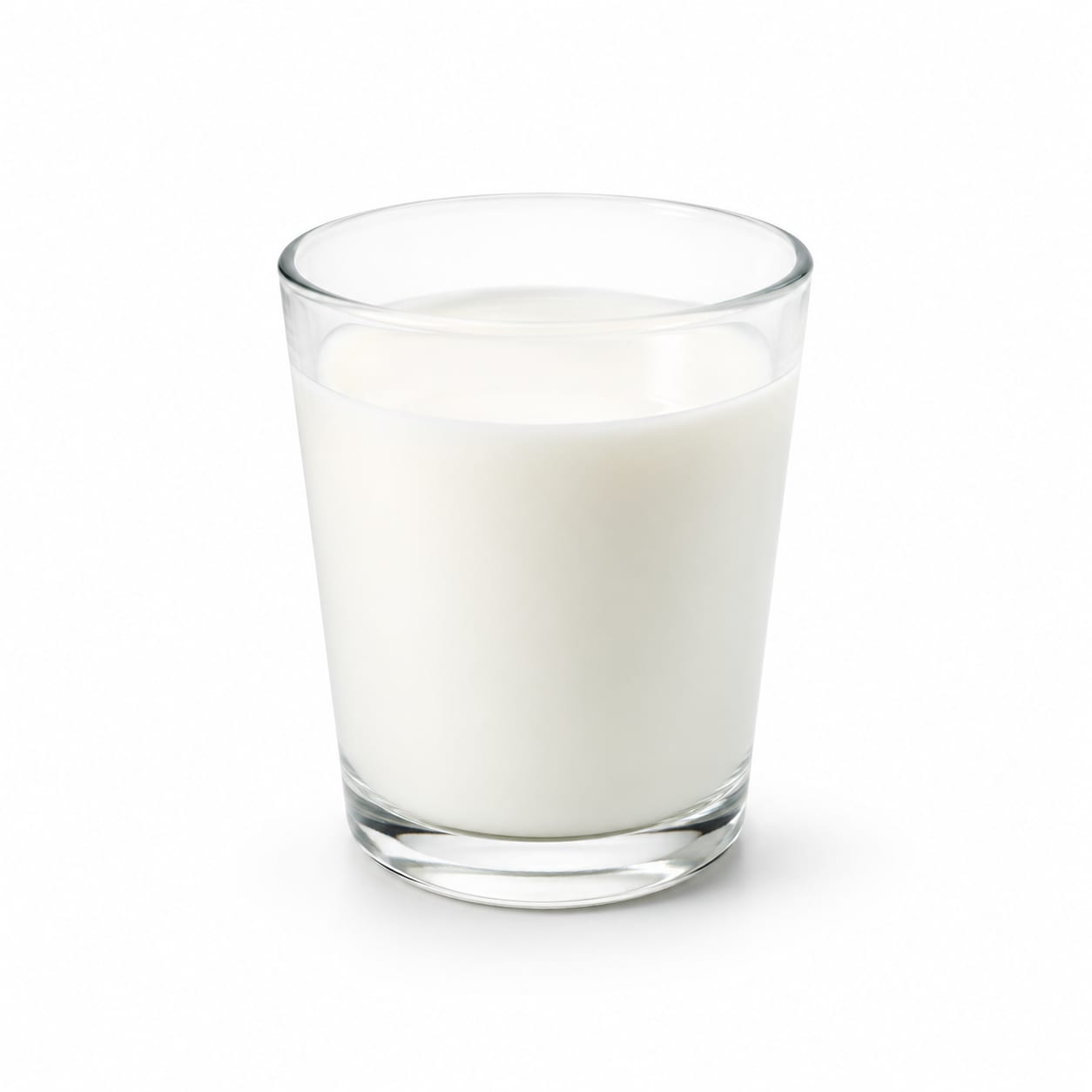
Low Fat Milk
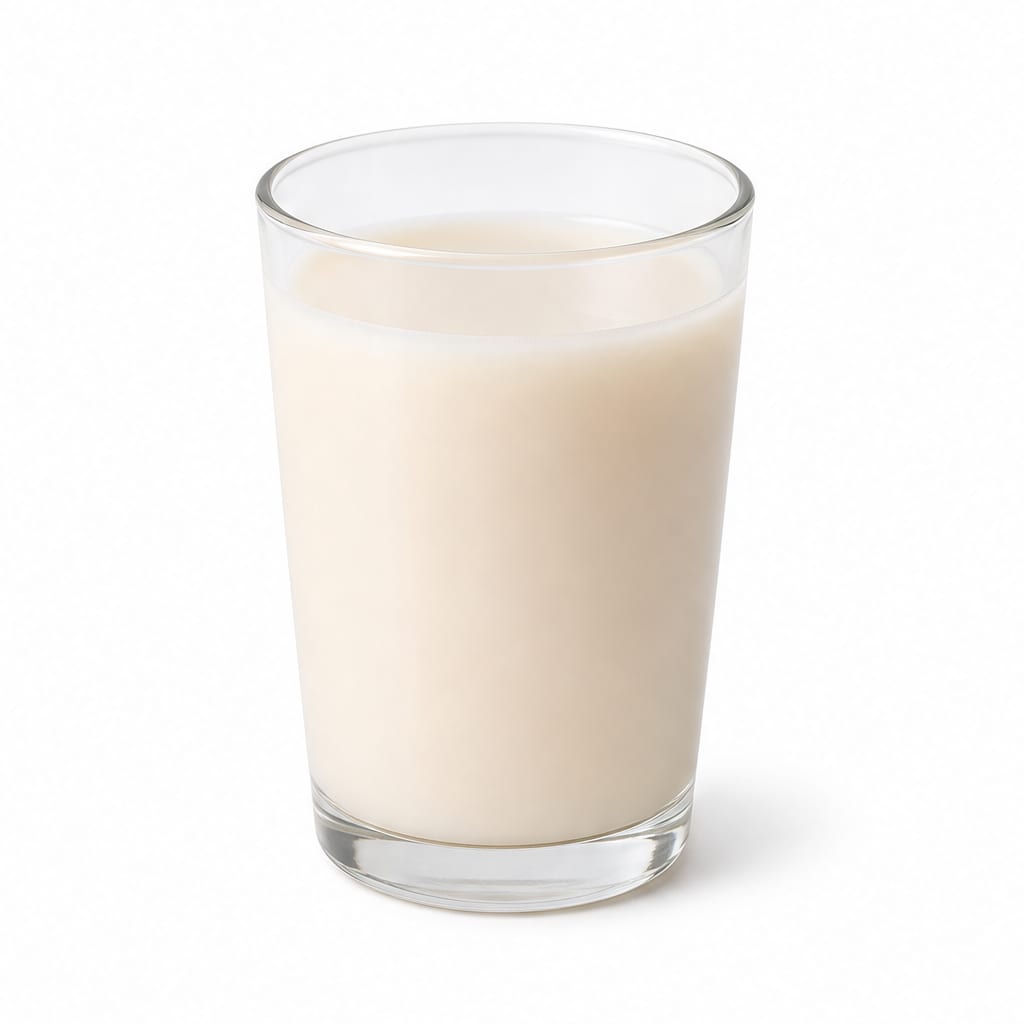
Rice Milk
Low Fat Milk delivers far more protein, steadier energy, and better bone support, while Rice Milk only wins on allergen avoidance.
Low Fat Milk scores substantially higher due to its protein content, natural calcium bioavailability, and blood sugar stability. Rice Milk falls behind nutritionally but remains relevant as an allergen-safe option.
You trade significant nutritional quality for complete allergen safety when switching from Low Fat Milk to Rice Milk.
At a glance
Executive summary
Overall
Low Fat Milk
Healthier
Low Fat Milk
More practical
It depends
Daily use
Low Fat Milk
Key comparison lenses
dairy free alternative evaluation
Most users comparing these two are deciding whether to switch from dairy to a plant-based milk for lactose intolerance, vegan diet, or allergy reasons
protein and satiety comparison
The protein gap between these two is massive and directly affects fullness, muscle maintenance, and blood sugar stability
blood sugar and diabetes concern
Rice Milk is notably higher in carbohydrates and can spike blood sugar, making this critical for diabetic or insulin-resistant users
bone health and calcium
Both are consumed for calcium but differ significantly in how well their calcium is absorbed and utilized
allergen safety
Rice Milk exists primarily as an allergen-friendly option, which is a primary decision driver for many consumers
Best choice for
Low Fat Milk
- People without dairy intolerance who want maximum nutrition per calorie
- Anyone focused on muscle maintenance or growth
- Those managing blood sugar or insulin resistance
- Children needing reliable calcium and protein for growth
- Older adults preserving bone density and lean mass
Rice Milk
- People with lactose intolerance or dairy allergy
- Vegans avoiding all animal products
- Those with multiple food allergies who need a safe option
- Anyone avoiding soy and nuts as well as dairy
Least suitable for
Low Fat Milk
- Anyone with lactose intolerance or dairy allergy
- Vegans and strict plant-based eaters
- People with ethical concerns about dairy farming
Rice Milk
- Diabetics or anyone monitoring blood sugar closely
- People relying on milk as a protein source
- Children who need protein for growth if Rice Milk is their primary milk
- Anyone trying to lose weight through satiety-driven eating
Deep comparison
Dimension by dimension
Each lens scores both foods and breaks down who each option suits.
- Dimension 1 · Priority 95Low Fat Milk
Protein and Satiety
Low Fat Milk · 88Rice Milk · 15Low Fat Milk provides roughly 8g of protein per cup versus Rice Milk's near-zero 1g, making it dramatically more filling and nutritionally useful.
Tradeoff
Rice Milk drinkers must find protein elsewhere or risk constant hunger and muscle loss over time.
Why it matters
Protein from beverages is an easy win for satiety and muscle preservation. Without it, Rice Milk is essentially flavored water with carbs.
Real-world impact
A Low Fat Milk smoothie keeps you full until lunch. A Rice Milk smoothie leaves you snacking by 10am.
Low Fat Milk
- Post-workout recovery
- Breakfast that actually holds you
- Older adults preventing muscle loss
- Growing teenagers
Better for
- Moments when a light drink is preferred over a filling one
Worse for
Rice Milk
- Light beverage when you explicitly do not want fullness
Better for
- Any situation where the drink needs to carry nutritional weight
- Replacing meals or snacks
Worse for
- Dimension 2 · Priority 88Low Fat Milk
Blood Sugar Stability
Low Fat Milk · 72Rice Milk · 35Rice Milk is essentially rice juice — high glycemic carbs with no protein or fat to slow absorption. Low Fat Milk has lactose but the protein buffers the spike.
Tradeoff
Rice Milk can cause sharper energy crashes, while Low Fat Milk provides steadier, longer-lasting energy.
Why it matters
For anyone with insulin resistance, prediabetes, or diabetes, Rice Milk behaves almost like a sugary drink.
Real-world impact
Rice Milk with morning cereal can leave you sluggish by mid-morning. Low Fat Milk with the same cereal gives a smoother ride.
Low Fat Milk
- Diabetics and prediabetics
- Anyone avoiding afternoon energy crashes
- Low-carb or moderate-carb eaters
Better for
- Those who experience lactose-driven digestive discomfort that affects energy
Worse for
Rice Milk
- Endurance athletes who actually need quick carbs
Better for
- Sedentary people who do not need the carb load
- Anyone monitoring fasting glucose
Worse for
- Dimension 3 · Priority 85Rice Milk
Allergen Safety and Digestive Tolerance
Low Fat Milk · 30Rice Milk · 92Rice Milk is free from dairy, soy, nuts, and gluten — making it one of the safest milks for allergic individuals. Low Fat Milk contains lactose and dairy proteins that trouble many.
Tradeoff
You gain complete allergen peace of mind with Rice Milk but sacrifice nearly all nutritional benefit.
Why it matters
For the roughly 65% of the global population with some lactose malabsorption, Rice Milk is not a luxury — it is a necessity.
Real-world impact
If dairy causes bloating, gas, or skin reactions, Rice Milk is a relief. If dairy sits fine with you, Rice Milk is a nutritional downgrade.
Low Fat Milk
- People with confirmed dairy tolerance who want full nutrition
Better for
- Anyone with lactose intolerance or dairy sensitivity
Worse for
Rice Milk
- Lactose-intolerant individuals
- People with dairy protein allergies
- Vegans
- Households managing multiple food allergies
Better for
- People who tolerate dairy perfectly and have no reason to switch
Worse for
- Dimension 4 · Priority 80Low Fat Milk
Bone Health and Calcium
Low Fat Milk · 85Rice Milk · 55Low Fat Milk contains naturally occurring calcium paired with lactose and protein that enhance absorption. Rice Milk is fortified, and added calcium is less reliably absorbed.
Tradeoff
Fortified calcium in Rice Milk helps but does not match the bioavailability and co-nutrient synergy of dairy calcium.
Why it matters
Calcium without adequate protein and vitamin D does not build bone as effectively. Low Fat Milk delivers the full package.
Real-world impact
Long-term Rice Milk reliance without other calcium sources could leave bones vulnerable, especially in post-menopausal women.
Low Fat Milk
- Post-menopausal women
- Growing children
- Anyone at risk for osteoporosis
Better for
- Those who avoid dairy for ethical reasons regardless of bone benefits
Worse for
Rice Milk
- People who cannot consume dairy but still need some calcium fortification
Better for
- Anyone relying on it as their sole calcium source without supplementation
Worse for
- Dimension 5 · Priority 65Low Fat Milk
Processing and Naturalness
Low Fat Milk · 75Rice Milk · 40Low Fat Milk is pasteurized dairy with minimal processing. Rice Milk requires milling, enzyme treatment, oil addition, and thickening agents to approximate milk's texture.
Tradeoff
Rice Milk is a manufactured product designed to mimic milk, while Low Fat Milk is a whole food with fat removed.
Why it matters
More processing typically means more additives like carrageenan, vegetable oils, and stabilizers that some people prefer to avoid.
Real-world impact
Reading Rice Milk ingredients reveals oil, salt, and thickeners. Low Fat Milk ingredients list is simply milk and added vitamins.
Low Fat Milk
- Clean-label eaters
- People avoiding emulsifiers and thickeners
Better for
- People concerned about antibiotic or hormone residues in dairy
Worse for
Rice Milk
- Those who prioritize plant-based over minimal processing
Better for
- Anyone avoiding vegetable oils and food additives
Worse for
Timeline
Health impact over time
Short-term
Hours to days
Low Fat Milk
- Provides steady energy with protein-buffered lactose digestion
- Can cause bloating or gas in lactose-intolerant individuals within 30-60 minutes
- More satiating — reduces urge to snack between meals
Rice Milk
- May cause quicker blood sugar rise and subsequent energy dip
- Easy on digestion for dairy-sensitive people
- Less filling — hunger returns sooner after consumption
Long-term
Months to years
Low Fat Milk
- Supports bone density through bioavailable calcium, protein, and vitamin D
- Helps maintain lean muscle mass, especially important with aging
- Long-term dairy consumption is associated with lower colorectal cancer risk in some studies
Rice Milk
- Relying on Rice Milk as a primary protein source may contribute to muscle loss over time
- Higher carbohydrate intake without protein buffering may worsen insulin sensitivity
- Possible arsenic exposure from rice-based products if consumed in large quantities daily
Risk profile
Safety & processing
Low Fat Milk is simply dairy milk with some fat removed and vitamins added. Rice Milk requires extensive processing — rice is milled, blended with water and oils, thickened with gums or carrageenan, and fortified to approximate milk's nutrient profile.
Low Fat Milk
Lactose intolerance reactions
mediumAffects roughly 65% of the global population to some degree, causing bloating, gas, and discomfort.
Dairy protein allergy
highTrue milk allergy can cause hives, swelling, or anaphylaxis in sensitive individuals, especially children.
Antibiotic and hormone residues
lowRegulated in most countries but remains a concern for some consumers choosing conventional dairy.
Rice Milk
Arsenic exposure from rice
mediumRice accumulates arsenic more than other crops. Regular daily consumption of Rice Milk could contribute to cumulative exposure, especially concerning for children.
Added vegetable oils and emulsifiers
lowMost Rice Milk brands add sunflower or safflower oil and thickeners like carrageenan, which may irritate some digestive systems.
Nutrient fortification instability
lowAdded calcium and vitamins can settle at the bottom of the carton, meaning actual intake may vary from label claims.
Who wins for whom
Audience fit
Same foods, different winners depending on your goal.
children
Low Fat MilkGrowing children need protein, bioavailable calcium, and vitamin D — all better supplied by Low Fat Milk. Rice Milk should only be used when dairy allergy or vegan diet requires it, with protein supplemented elsewhere.
daily consumption
Low Fat MilkFor anyone who tolerates dairy, Low Fat Milk provides more consistent daily nutritional value. Rice Milk is best reserved as a targeted alternative, not a default daily choice.
diabetes
Low Fat MilkLow Fat Milk's protein slows sugar absorption. Rice Milk's high glycemic carbs can spike blood glucose significantly, making it risky for diabetic management.
elderly
Low Fat MilkOlder adults need protein to prevent sarcopenia and calcium for bone density. Low Fat Milk addresses both. Rice Milk's low protein makes it inadequate as a primary milk for seniors.
muscle gain
Low Fat MilkWith 8g of protein per cup versus 1g, Low Fat Milk is a clear winner for muscle support. Rice Milk contributes virtually nothing to muscle protein synthesis.
weight loss
Low Fat MilkLow Fat Milk's protein increases satiety and reduces overall calorie intake throughout the day. Rice Milk's carbs without protein can trigger more hunger and snacking.
Your move
Decision guide
Choose Low Fat Milk
- You tolerate dairy without digestive issues
- You want one beverage to contribute meaningful protein to your day
- You are managing blood sugar, insulin resistance, or diabetes
- You are feeding children who need growth-supporting nutrition
- You care about calcium absorption and bone health
Choose Rice Milk
- You are lactose intolerant or have a dairy protein allergy
- You are vegan and avoiding all animal products
- You have multiple food allergies and need the safest option available
- You specifically want a light, low-protein beverage
Either works if
- You only use milk occasionally in coffee or tea where nutrition matters less
- You rotate between plant-based and dairy milks for variety
Avoid both if
- You have both dairy intolerance and severe rice allergy or arsenic concerns
- You are looking for a high-protein, low-carb milk — consider unsweetened soy milk instead
Final recommendation
If your body handles dairy well, Low Fat Milk is the clearly superior nutritional choice — more protein, steadier energy, better bones. Reach for Rice Milk only when dairy is off the table. If you need a plant-based milk with better nutrition than Rice Milk, unsweetened soy milk or oat milk with added protein are stronger alternatives.
Practical
Consumer tips
- 1
Check Rice Milk labels for added sugars — many brands sweeten heavily to improve taste
- 2
If choosing Rice Milk daily, ensure you get protein from other sources like legumes, eggs, or soy
- 3
Shake Rice Milk cartons well before pouring — fortified calcium settles at the bottom
- 4
For lactose intolerance, consider lactose-free dairy milk instead of Rice Milk to keep the protein benefit
- 5
Limit Rice Milk to 1-2 cups daily if arsenic exposure concerns you, especially for young children
- 6
Low Fat Milk pairs well with meals to slow any lactose digestion and improve tolerance