
Nutrition comparison
Low Fat Milk vs Cashew Milk: Nutrition, Protein, and Which Is Better for You
Compare Low Fat Milk and Cashew Milk side by side. Learn which has more protein, fewer calories, better calcium, and which milk fits your diet and lifestyle best.
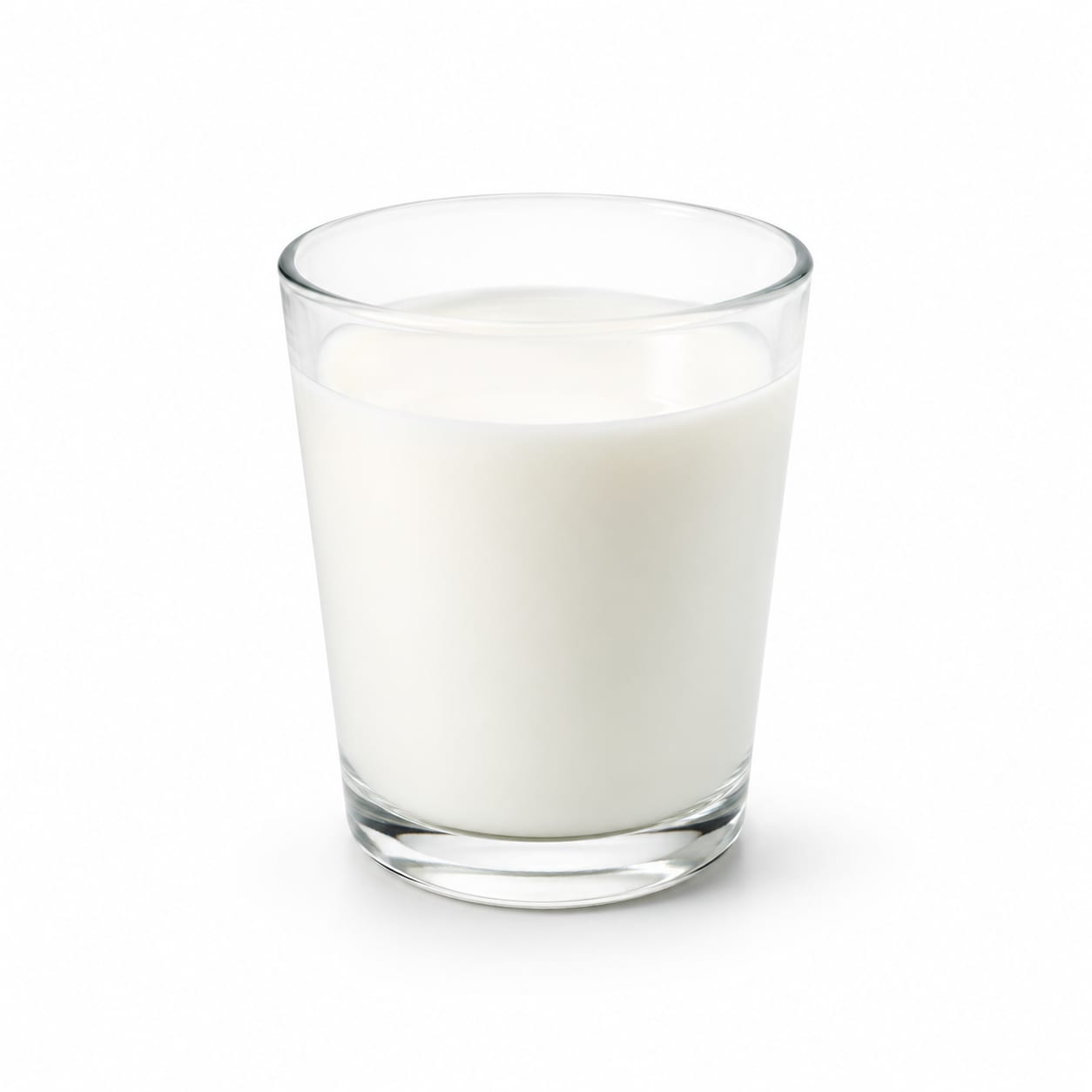
Low Fat Milk
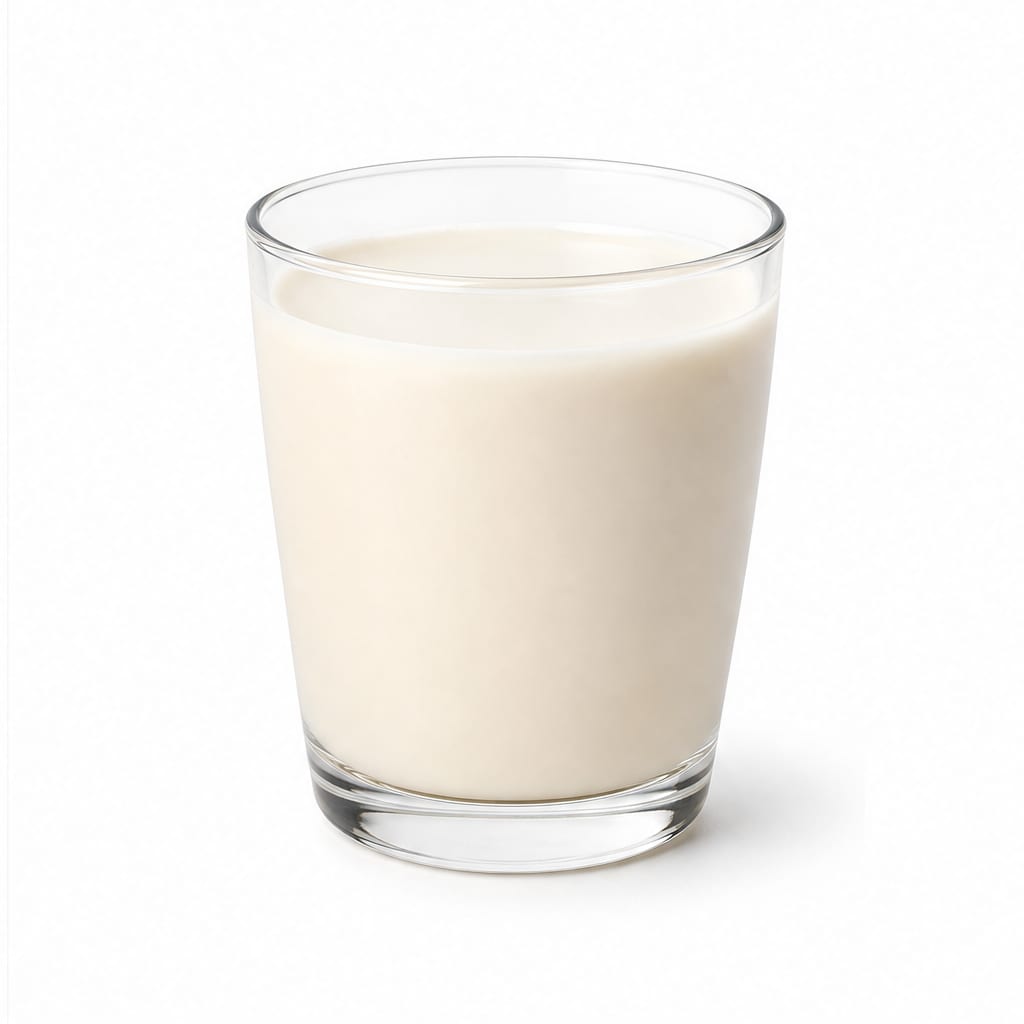
Cashew Milk
Low Fat Milk delivers far more protein and naturally occurring nutrients, while Cashew Milk offers fewer calories and a lactose-free alternative at the cost of minimal protein and more processing.
Low Fat Milk scores notably higher due to its superior protein content, natural nutrient profile, and minimal processing. Cashew Milk remains useful for specific dietary needs but is nutritionally much weaker per serving.
Real nutrition versus lighter calories — Low Fat Milk is a genuine food with substantial protein, while Cashew Milk is essentially flavored water with fortification.
At a glance
Executive summary
Overall
It depends
Healthier
Low Fat Milk
More practical
It depends
Daily use
It depends
Key comparison lenses
dairy vs plant milk nutrition
Core nutritional differences between animal and plant-based milks drive most user decisions
protein adequacy
Massive protein gap between these two options is the single most important tradeoff
lactose tolerance and digestive comfort
Many users consider cashew milk specifically to avoid lactose-related digestive issues
weight management and calorie control
Calorie difference is significant for those tracking intake
processing and additive concerns
Cashew milk typically contains emulsifiers and fortification that low fat milk does not
bone health and mineral absorption
Calcium and vitamin D sources differ in bioavailability between natural and fortified options
Best choice for
Low Fat Milk
- People needing protein support after workouts
- Children requiring complete nutrition for growth
- Anyone seeking naturally occurring vitamins and minerals
- Older adults preserving muscle mass
- Those who tolerate dairy well and want maximum nutrition per calorie
Cashew Milk
- Lactose-intolerant individuals
- People counting calories closely
- Vegans avoiding all animal products
- Those with dairy allergies
- Anyone wanting a light, low-calorie milk for smoothies or cereal
Least suitable for
Low Fat Milk
- Lactose-intolerant individuals
- Vegans
- People with dairy allergies
- Those avoiding animal products for environmental reasons
Cashew Milk
- Children who need protein and calories for growth
- Athletes relying on milk for protein recovery
- Anyone seeking a nutritionally complete beverage
- People concerned about added emulsifiers and thickeners
Deep comparison
Dimension by dimension
Each lens scores both foods and breaks down who each option suits.
- Dimension 1 · Priority 95Low Fat Milk
Protein Content and Quality
Low Fat Milk · 90Cashew Milk · 10Low Fat Milk provides about 8g of complete protein per cup versus roughly 1g in cashew milk — an enormous gap.
Tradeoff
You sacrifice a meaningful protein source if you choose Cashew Milk, which can leave you hungrier and less supported physically.
Why it matters
Protein supports muscle maintenance, satiety, and metabolic health. Replacing Low Fat Milk with Cashew Milk removes a reliable daily protein contributor.
Real-world impact
A morning smoothie with Low Fat Milk helps keep you full until lunch. The same smoothie with Cashew Milk may leave you reaching for a snack by 10 AM.
Low Fat Milk
- Post-workout recovery
- Satiety between meals
- Maintaining muscle with age
Better for
- People specifically restricting protein intake
Worse for
Cashew Milk
- Very low-protein diets under medical guidance
Better for
- Anyone relying on milk as a protein source
- Growing children
- Athletes and active adults
Worse for
- Dimension 2 · Priority 82Cashew Milk
Calorie Density and Weight Management
Low Fat Milk · 55Cashew Milk · 85Unsweetened Cashew Milk contains roughly 25-50 calories per cup compared to about 100-110 in Low Fat Milk.
Tradeoff
Fewer calories means less energy and nutrition overall — useful for cutting, unhelpful if you need substance.
Why it matters
For strict calorie counters, Cashew Milk frees up budget for other foods. But the calories in Low Fat Milk come with real nutritional value.
Real-world impact
Swapping one daily cup of Low Fat Milk for unsweetened Cashew Milk saves about 60 calories — meaningful over months, but not transformative on its own.
Low Fat Milk
- People needing sustained energy
- Those who struggle to eat enough
Better for
- Strict calorie counters
Worse for
Cashew Milk
- Calorie-restricted diets
- Large-volume eaters who want to save calories elsewhere
- Late-night milk cravings without the calorie hit
Better for
- Underweight individuals
- People needing energy density
Worse for
- Dimension 3 · Priority 85Cashew Milk
Digestive Tolerance
Low Fat Milk · 40Cashew Milk · 90Cashew Milk is naturally lactose-free, while Low Fat Milk contains lactose that causes discomfort for many adults.
Tradeoff
Avoiding digestive distress is a legitimate reason to choose Cashew Milk, even with its nutritional shortcomings.
Why it matters
Roughly 65% of the global population has some degree of lactose malabsorption. For them, Low Fat Milk causes bloating, gas, or worse.
Real-world impact
If drinking Low Fat Milk means stomach pain or bathroom urgency, Cashew Milk is the clearly better daily choice regardless of protein.
Low Fat Milk
- People with no lactose sensitivity
Better for
- Lactose-intolerant or sensitive individuals
Worse for
Cashew Milk
- Lactose-intolerant individuals
- People with sensitive digestion
- Anyone who experiences bloating from dairy
Better for
- People with tree nut allergies
Worse for
- Dimension 4 · Priority 80Low Fat Milk
Nutrient Density and Bioavailability
Low Fat Milk · 82Cashew Milk · 40Low Fat Milk naturally contains calcium, vitamin D, B12, riboflavin, and phosphorus in bioavailable forms. Cashew Milk relies on fortification.
Tradeoff
Naturally occurring nutrients are generally better absorbed than added fortification, which may settle in the carton or pass through unused.
Why it matters
Your body evolved to absorb nutrients from whole foods. Fortified nutrients in plant milks often have lower absorption rates and less reliable dosing per glass.
Real-world impact
A glass of Low Fat Milk reliably delivers its calcium. A glass of fortified Cashew Milk may deliver less than the label suggests depending on settling and formulation.
Low Fat Milk
- Bone health support
- B12 intake for vegetarians who still eat dairy
- Reliable mineral absorption
Better for
- People avoiding all animal-derived nutrients
Worse for
Cashew Milk
- Avoiding dairy-derived hormones
Better for
- Those relying on milk as a primary calcium source
- Anyone concerned about fortification quality
Worse for
- Dimension 5 · Priority 75Low Fat Milk
Processing and Additives
Low Fat Milk · 80Cashew Milk · 35Low Fat Milk is pasteurized dairy with minimal additions. Cashew Milk typically contains emulsifiers, thickeners, and fortified vitamins.
Tradeoff
Choosing Cashew Milk means accepting gums, carrageenan, or other additives that Low Fat Milk simply does not need.
Why it matters
While most additives are recognized as safe, regular consumption of emulsifiers may affect gut lining integrity over time. Less processing is generally preferable.
Real-world impact
Low Fat Milk has a short, recognizable ingredient list. Cashew Milk often reads like a science project — something to consider if you drink it daily.
Low Fat Milk
- Clean-label eaters
- People avoiding emulsifiers and gums
- Those sensitive to food additives
Better for
- Those concerned about dairy farming practices
Worse for
Cashew Milk
- People who prioritize avoiding dairy over avoiding additives
Better for
- Minimally-processed diet advocates
- People with sensitivities to gums or carrageenan
Worse for
- Dimension 6 · Priority 70Cashew Milk
Blood Sugar Impact
Low Fat Milk · 50Cashew Milk · 78Unsweetened Cashew Milk has almost no sugar or carbs. Low Fat Milk contains about 12g of lactose sugar per cup.
Tradeoff
Lower sugar is helpful for blood sugar management, but the lactose in Low Fat Milk comes packaged with protein that slows absorption.
Why it matters
For diabetics or those monitoring glucose, unsweetened Cashew Milk eliminates a sugar source. However, Low Fat Milk's protein blunts the glycemic response significantly.
Real-world impact
Low Fat Milk causes a moderate blood sugar rise balanced by protein. Unsweetened Cashew Milk causes virtually none — but sweetened versions can be worse than dairy milk.
Low Fat Milk
- People who want the protein to buffer the sugar
Better for
- Strict low-carb dieters
- People monitoring every gram of sugar
Worse for
Cashew Milk
- Diabetics carefully counting carbs
- Ketogenic dieters
- Those avoiding all sugar sources
Better for
- Anyone buying sweetened flavored cashew milk
Worse for
- Dimension 7 · Priority 60It depends
Versatility and Taste
Low Fat Milk · 70Cashew Milk · 72Cashew Milk is creamier and slightly sweeter, making it popular for lattes and smoothies. Low Fat Milk has a classic dairy taste that works in savory and sweet dishes.
Tradeoff
Cashew Milk excels in drinks and desserts but can feel odd in savory recipes. Low Fat Milk is more universally adaptable in cooking.
Why it matters
If you are mostly pouring it over cereal or into coffee, either works. For cooking and baking, Low Fat Milk behaves more predictably.
Real-world impact
Cashew Milk makes a dreamy latte but can curdle or taste off in mac and cheese. Low Fat Milk handles both without surprises.
Low Fat Milk
- Savory cooking and baking
- Traditional recipes requiring dairy
- Mashed potatoes and cream soups
Better for
- Recipes where creaminess is prioritized
Worse for
Cashew Milk
- Coffee and latte drinks
- Smoothies where creaminess is desired
- Overnight oats and cereal
Better for
- Savory dishes where nutty flavor is unwanted
- Baking that depends on dairy proteins for structure
Worse for
Timeline
Health impact over time
Short-term
Hours to days
Low Fat Milk
- Provides immediate satiety from protein and fat content
- Lactose-sensitive individuals may experience bloating or gas within 30 minutes
- Mild blood sugar rise balanced by protein, avoiding sharp crashes
Cashew Milk
- Very light in the stomach, unlikely to cause digestive discomfort
- Minimal blood sugar impact when unsweetened
- Unlikely to cause fullness — may leave you wanting more food soon after
Long-term
Months to years
Low Fat Milk
- Consistent protein intake supports muscle preservation with aging
- Natural calcium and vitamin D contribute to bone density maintenance
- Daily lactose consumption may maintain gut enzyme production in tolerant individuals
- Some evidence links dairy consumption to reduced colorectal cancer risk
Cashew Milk
- Low calorie intake may support weight maintenance over years
- Lack of protein from milk must be compensated elsewhere in the diet
- Fortified nutrients may not match the absorption of naturally occurring dairy vitamins
- Daily emulsifier exposure from some brands may affect gut health over time
Risk profile
Safety & processing
Low Fat Milk is pasteurized and homogenized dairy with minimal additions — vitamin A and D fortification at most. Cashew Milk requires extensive processing to turn cashews into liquid, including straining out solids and adding emulsifiers like guar gum, locust bean gum, or carrageenan for texture and stability.
Low Fat Milk
Lactose intolerance symptoms
mediumAffects the majority of global population to some degree, causing bloating, gas, and discomfort in sensitive individuals.
Dairy allergy reaction
highTrue milk allergy can cause hives, swelling, or anaphylaxis. Distinct from lactose intolerance and more serious.
Antibiotic and hormone residues
lowRegulated in most countries but a concern for some consumers. Organic options minimize this risk.
Cashew Milk
Tree nut allergy reaction
highCashew allergies can be severe and life-threatening. Cross-contamination with other nuts is common in processing facilities.
Emulsifier and additive sensitivity
mediumCarrageenan and gums may cause digestive irritation in sensitive individuals with regular consumption.
Misleading nutrition expectations
mediumConsumers may assume Cashew Milk carries the nutritional benefits of whole cashews, but most solids are strained out.
Who wins for whom
Audience fit
Same foods, different winners depending on your goal.
children
Low Fat MilkGrowing children need protein, calories, and bioavailable calcium that Low Fat Milk delivers reliably. Cashew Milk lacks the nutritional density children require for development.
daily consumption
It dependsIf you tolerate dairy, Low Fat Milk is the more nutritionally complete daily choice. If lactose is a problem, Cashew Milk is the practical daily option — just ensure protein comes from other sources.
diabetes
Cashew MilkUnsweetened Cashew Milk has near-zero carbs and sugar, eliminating a glucose source. Low Fat Milk's lactose does raise blood sugar, though its protein helps moderate the spike.
elderly
Low Fat MilkOlder adults need protein to prevent sarcopenia and calcium for bone density. Low Fat Milk addresses both. Cashew Milk requires careful dietary compensation for these shortfalls.
muscle gain
Low Fat MilkLow Fat Milk provides 8g of complete, high-quality protein per cup with an excellent amino acid profile for muscle synthesis. Cashew Milk is essentially protein-free.
weight loss
Cashew MilkUnsweetened Cashew Milk provides roughly half the calories per cup, making it easier to maintain a calorie deficit — as long as you compensate for the missing protein elsewhere.
Your move
Decision guide
Choose Low Fat Milk
- You tolerate lactose without issues
- You want one beverage to contribute meaningful protein to your day
- You are feeding children who need complete nutrition
- You prioritize minimal processing and clean labels
- You want reliable calcium and vitamin D absorption
Choose Cashew Milk
- Lactose causes you bloating, gas, or discomfort
- You are vegan or avoiding animal products
- You are strictly counting calories and every one matters
- You want a creamy coffee addition without dairy
- You already get plenty of protein from other sources
Either works if
- You are simply looking for a liquid base for smoothies and either works
- You rotate between dairy and plant milks for variety
- Your primary concern is hydration and either milk is a supplement to a solid diet
Avoid both if
- You have both dairy and tree nut allergies
- You are seeking a high-protein, low-calorie option — consider unsweetened soy milk instead
- You want a beverage with fiber — neither milk provides meaningful fiber
Final recommendation
If your body handles dairy well, Low Fat Milk is the stronger nutritional choice by a clear margin — more protein, better nutrient absorption, less processing. Choose Cashew Milk when lactose intolerance, vegan ethics, or calorie restriction make dairy impractical, but recognize that you are giving up real nutrition for convenience and comfort. The smartest move for many people is keeping both on hand: Low Fat Milk when nutrition matters most, Cashew Milk when lightness or digestive comfort is the priority.
Practical
Consumer tips
- 1
Always check if your Cashew Milk is unsweetened — sweetened versions can contain more sugar than dairy milk
- 2
Shake fortified Cashew Milk well before pouring, as added calcium can settle at the bottom of the carton
- 3
If switching to Cashew Milk, audit your overall protein intake to ensure you are compensating for the loss
- 4
Look for Cashew Milk brands without carrageenan if you have digestive sensitivity to emulsifiers
- 5
Organic Low Fat Milk avoids antibiotic and hormone concerns while delivering the same nutrition
- 6
Consider rotating both milks — Low Fat Milk with meals for protein, Cashew Milk in coffee for creaminess
- 7
Read ingredient lists carefully: shorter is better for Cashew Milk, and you should recognize every item