
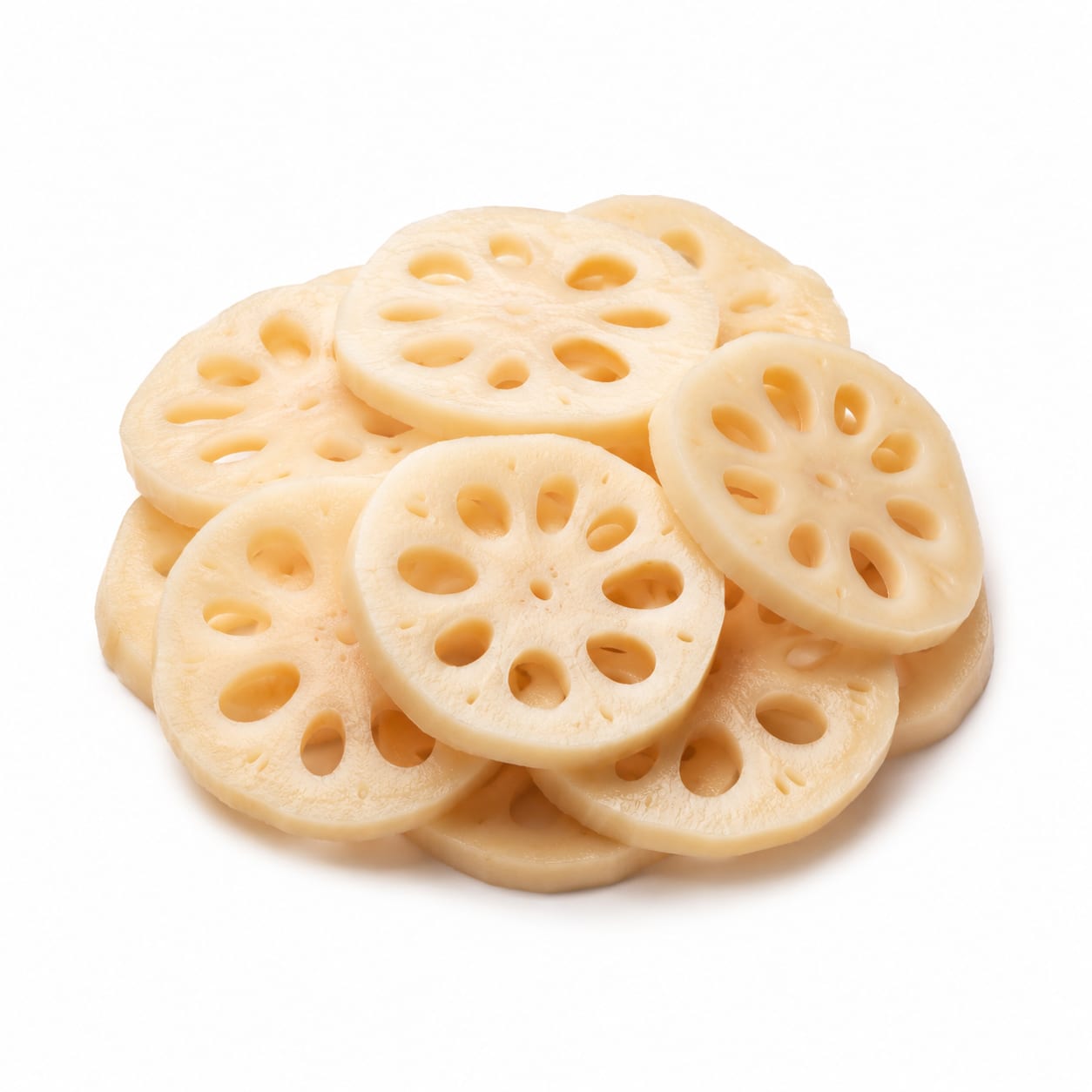
Aquatic Vegetable
Lotus Root
Lotus root is a crunchy, mildly sweet aquatic vegetable rich in fiber and vitamin C, commonly used in Asian cooking.
Lotus root is the edible rhizome of the lotus plant, widely used in Asian cuisine. It has a crisp, slightly sweet texture and a distinctive wheel-like appearance when sliced.
moderate-glycemic starchy root vegetable
Typical serving · 100g
Common varieties · starchy lotus root, crunchy lotus root, dried lotus root slices, pickled lotus root
Overall context score across nutrition, safety, and diet fit
At a glance
Quick facts
Simple indicators based on nutrition, processing, and diet fit.
The story
What makes it unique
Lotus root is a starchy aquatic vegetable with moderate carbohydrate content and notable dietary fiber, including resistant starch. It digests at a moderate pace, providing sustained energy and supporting gut microbiota. Its macronutrient profile is low in fat and protein but rich in micronutrients like potassium and vitamin C.
Varieties: starchy lotus root · crunchy lotus root · dried lotus root slices · pickled lotus root
Per 100g
Nutrition breakdown
Macro balance and key metrics at a glance.
Energy
Density 0.74 kcal/g
Protein
Carbs
Fat
Fiber
Sugar
0 g
Sodium
40 mg
Potassium
460 mg
Glycemic index
33
Glycemic load
5
Water content
78%
Standout compounds
Nutrient highlights
Vitamin C
highSupports immune function and collagen synthesis
Potassium
highHelps regulate blood pressure and fluid balance
Resistant Starch
moderateFeeds beneficial gut bacteria and improves insulin sensitivity
Dietary Fiber
moderatePromotes satiety and regular bowel movements
Wellness map
Health scores & processing
NOVA processing scale
minimally processed · Whole food
Fresh lotus root is a whole, unprocessed food. Processing only occurs if it is canned, heavily sweetened, or pickled.
Diet compatibility
- Weight loss
- Muscle gain
- Diabetes
- Gut health
- Low carb
- High protein
- Heart health
Relative standing
Food rankings
Qualitative ranks compared to similar whole foods.
- Satietygood
- Blood sugargood
- Nutrient densityexcellent
- Fitness fuelmoderate
- Processing qualityexcellent
Eat with confidence
Food safety profile
Fresh lotus root is generally safe but must be washed and cooked thoroughly to eliminate potential aquatic parasites and bacteria found in the muddy environments where it grows.
Evidence confidence 85%
- Pesticideslow
- Antibioticslow
- Heavy metalsmoderate
- Contaminationmoderate
Watch for
- parasites (Fasciolopsis buski)
- aquatic bacteria
- mud-borne pathogens
Safer choices
Organic or sourced from clean, tested water beds
Prep tips
Scrub thoroughly under running water to remove mud. Peel the skin and cook fully, especially if eating raw is considered, though cooking is highly recommended to kill parasites.
Grown in stagnant or slow-moving water, which can harbor parasites or accumulate heavy metals from polluted sediments.
Deep dive
Health analysis
How this food may fit different goals and preparation choices.
Weight loss
Low energy density and high fiber content promote fullness, making it easier to manage calorie intake.
Blood sugar
Despite being a starchy root, its resistant starch and fiber slow glucose absorption, preventing sharp blood sugar spikes when consumed in moderate portions.
Fitness & energy
Provides complex carbohydrates for sustained energy, suitable for pre-workout meals, though not as dense in quick carbs as potatoes.
Gut health
Rich in dietary fiber and resistant starch, which ferment in the colon to produce short-chain fatty acids, supporting a healthy gut lining and microbiome.
Processing quality
Fresh lotus root is entirely unprocessed. Avoid canned versions packed in sugary syrups, which drastically alter the nutritional profile.
Food safety
Must be cooked thoroughly to neutralize potential waterborne parasites. Sourcing from clean waters minimizes heavy metal accumulation risks.
Common mistakes
Deep-frying lotus root or preparing it with heavy sugary sauces negates its weight loss and blood sugar benefits.
Best preparation
Stir-frying, steaming, or adding to soups preserves nutrients while ensuring food safety.
Practical guide
Best use cases
When and how this food fits real eating patterns.
pre-workout carb loading
Provides slow-digesting complex carbohydrates for sustained energy during workouts.
high-volume low-calorie meals
Adds bulk and crunch to stir-fries and soups without excessive calories.
gut microbiome support
Resistant starch feeds beneficial gut bacteria, promoting a healthy digestive tract.
Balance sheet
Pros & cons
Upsides
- High in vitamin C and potassium
- Contains gut-friendly resistant starch
- Low in calories and fat
- Naturally gluten-free
- Versatile texture for cooking
Trade-offs
- Not suitable for low-carb or keto diets
- Risk of parasites if eaten raw
- Can brown quickly once sliced
- Preparation requires thorough washing and peeling
Fit check
Who is it for?
Great match
- gut microbiome support
- moderate-carb weight loss diets
- plant-based eaters seeking crunch
- blood pressure management
Consider alternatives
- strict ketogenic diets
- raw food diets
- those needing high-protein sources
Side by side
How it compares
Open the full head-to-head analysis for nutrition, safety, and practical tradeoffs.
This food
Lotus Root
VS80% alike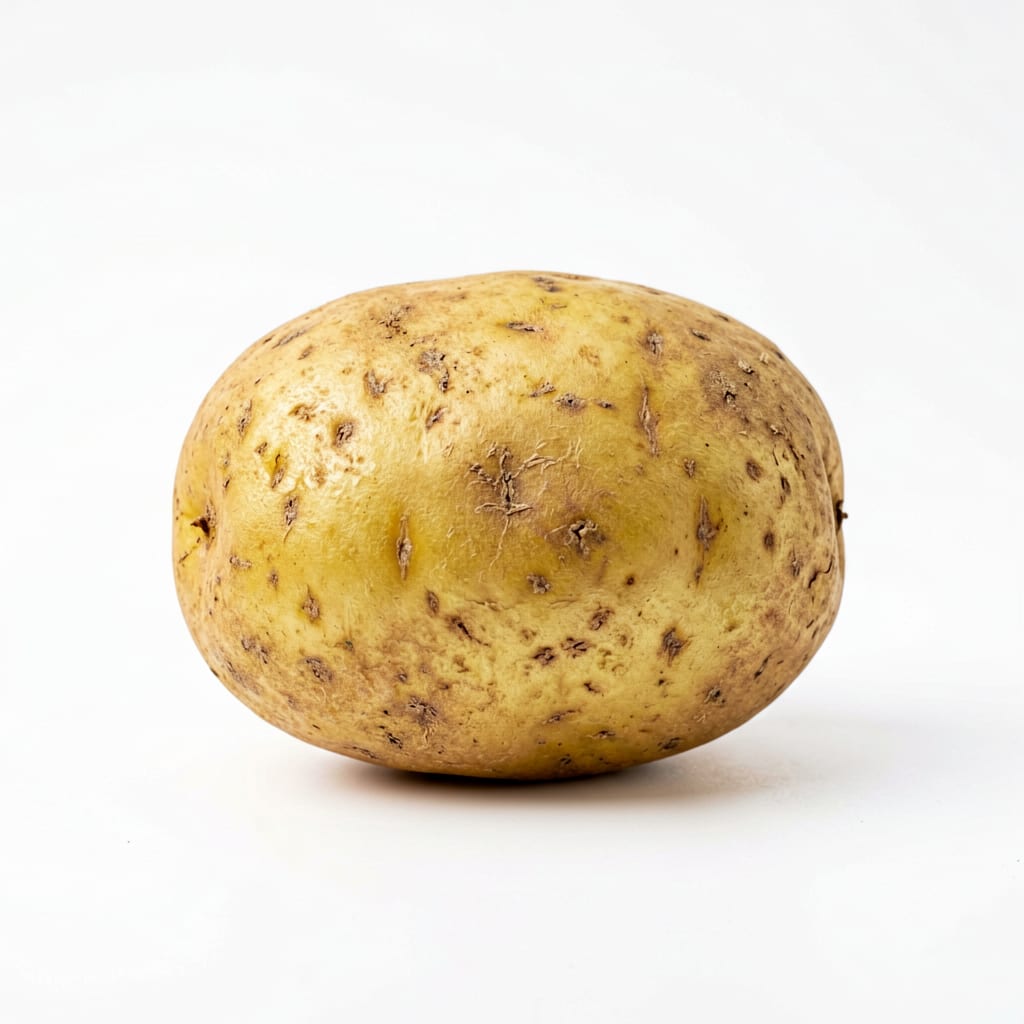
Compare with
Potato
Lotus root is lower in calories and higher in vitamin C than potatoes, making it a lighter alternative for weight loss.
Lotus root is lower in calories and higher in vitamin C than potatoes, while potatoes offer more quick energy and protein for fitness.
This food
Lotus Root
VS75% alike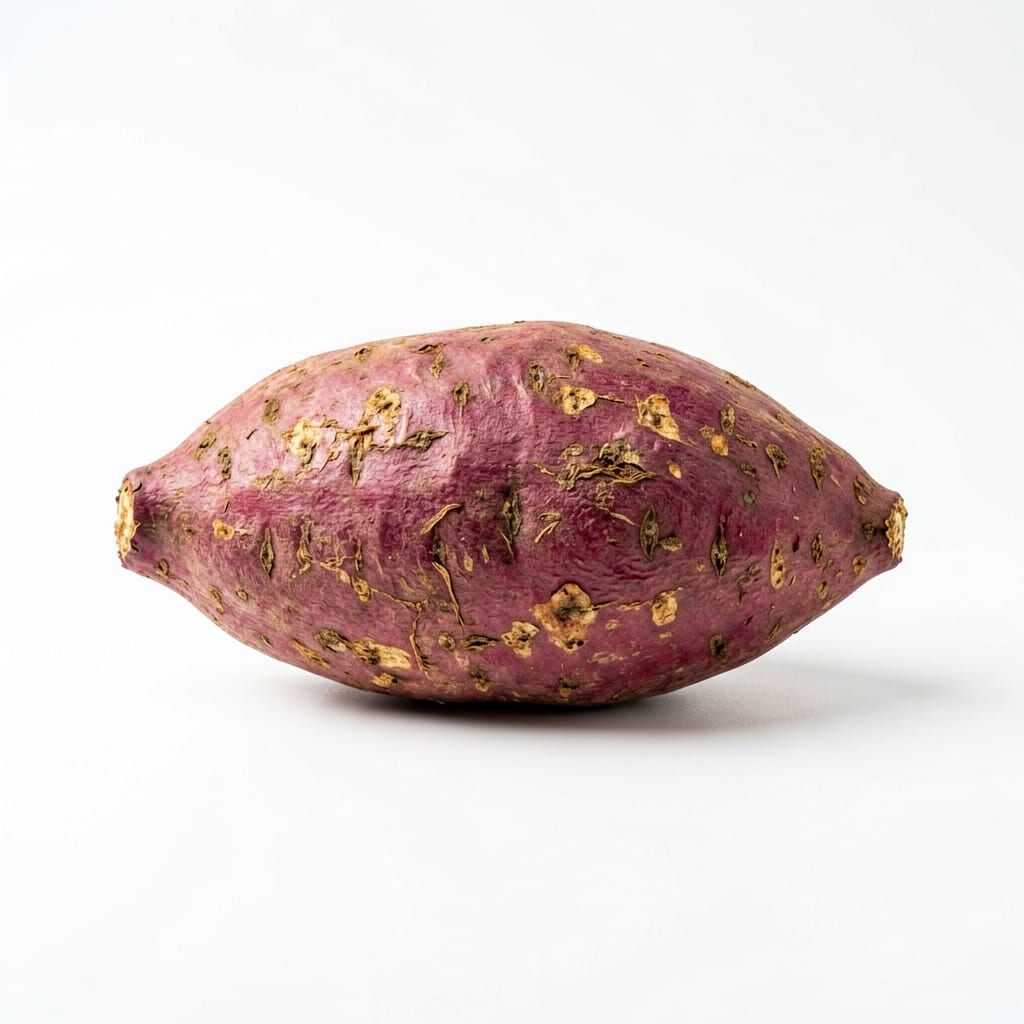
Compare with
Sweet Potato
Sweet potatoes are richer in vitamin A, but lotus root provides more crunch and resistant starch for gut health.
Sweet potatoes offer more vitamin A and quick energy, whereas lotus root is lower in calories and better for gut health.
This food
Lotus Root
VS85% alike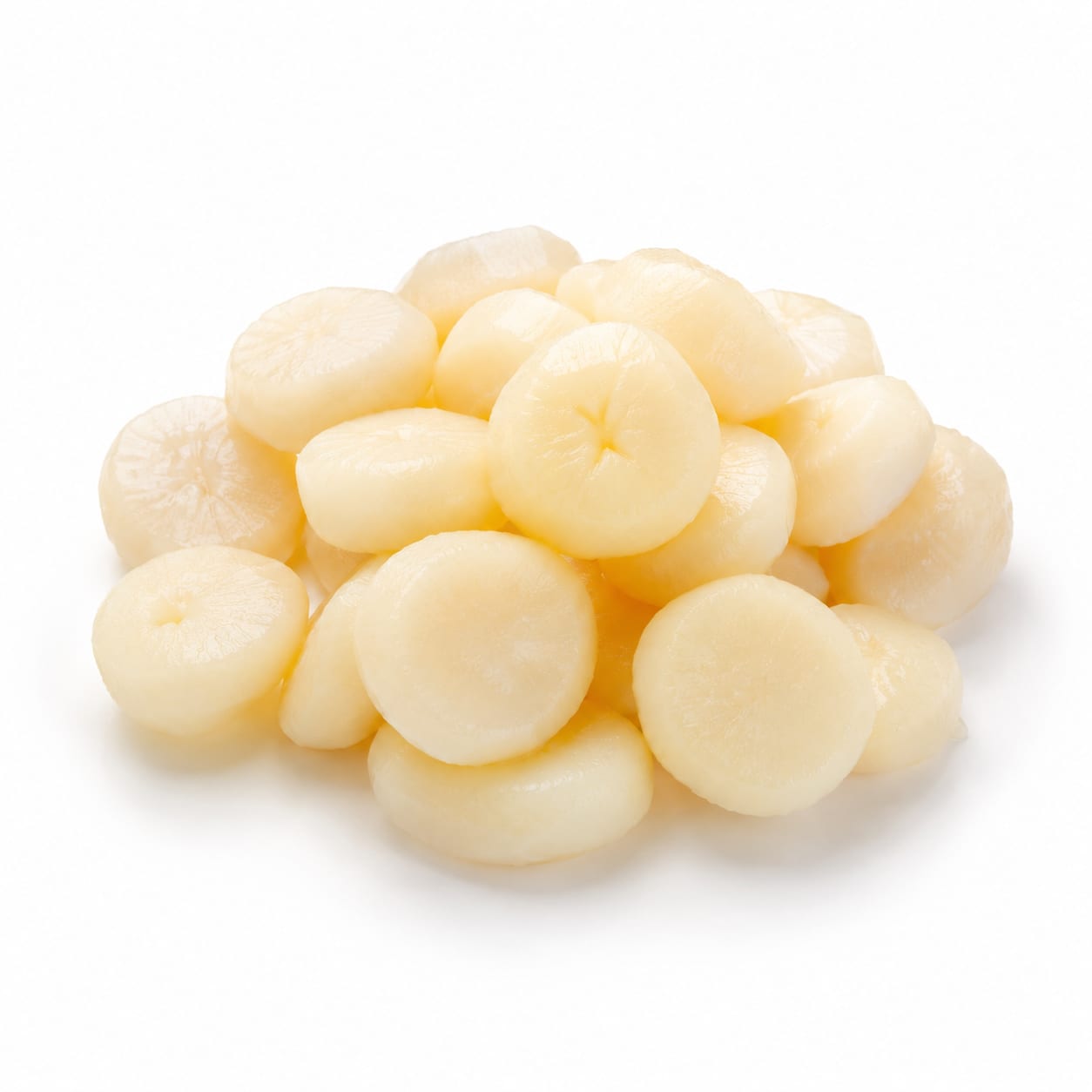
Compare with
Water Chestnut
Both are crunchy aquatic vegetables, but water chestnuts are slightly lower in calories and carbs, while lotus root is richer in vitamins.
Water chestnuts are lower in carbs and calories, but lotus root offers more fiber and vitamin C per serving.
This food
Lotus Root
VS70% alike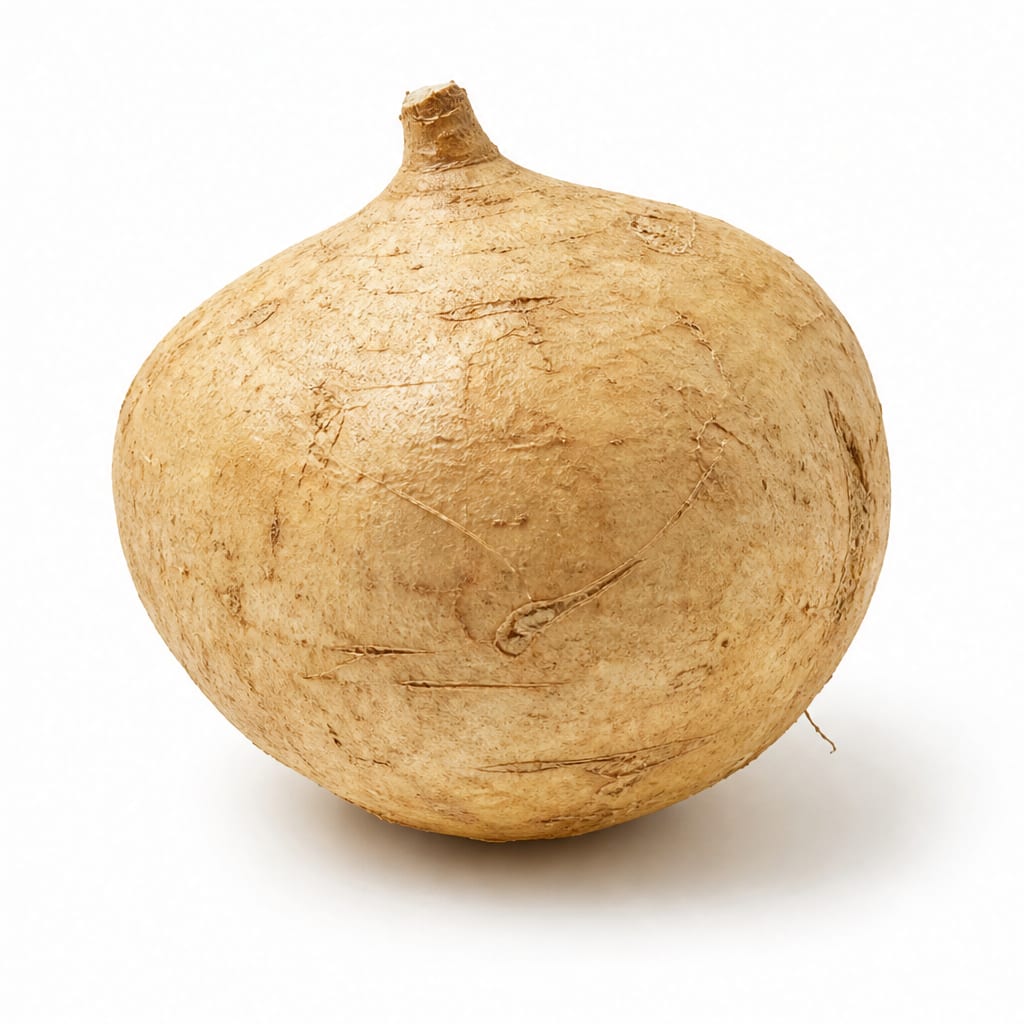
Compare with
Jicama
Jicama is significantly lower in calories and carbs, making it better for weight loss, while lotus root provides more potassium and vitamin C.
Jicama is much lower in calories and carbs for snacking, while lotus root provides more complex carbs and potassium for cooking.
This food
Lotus Root
VS75% alike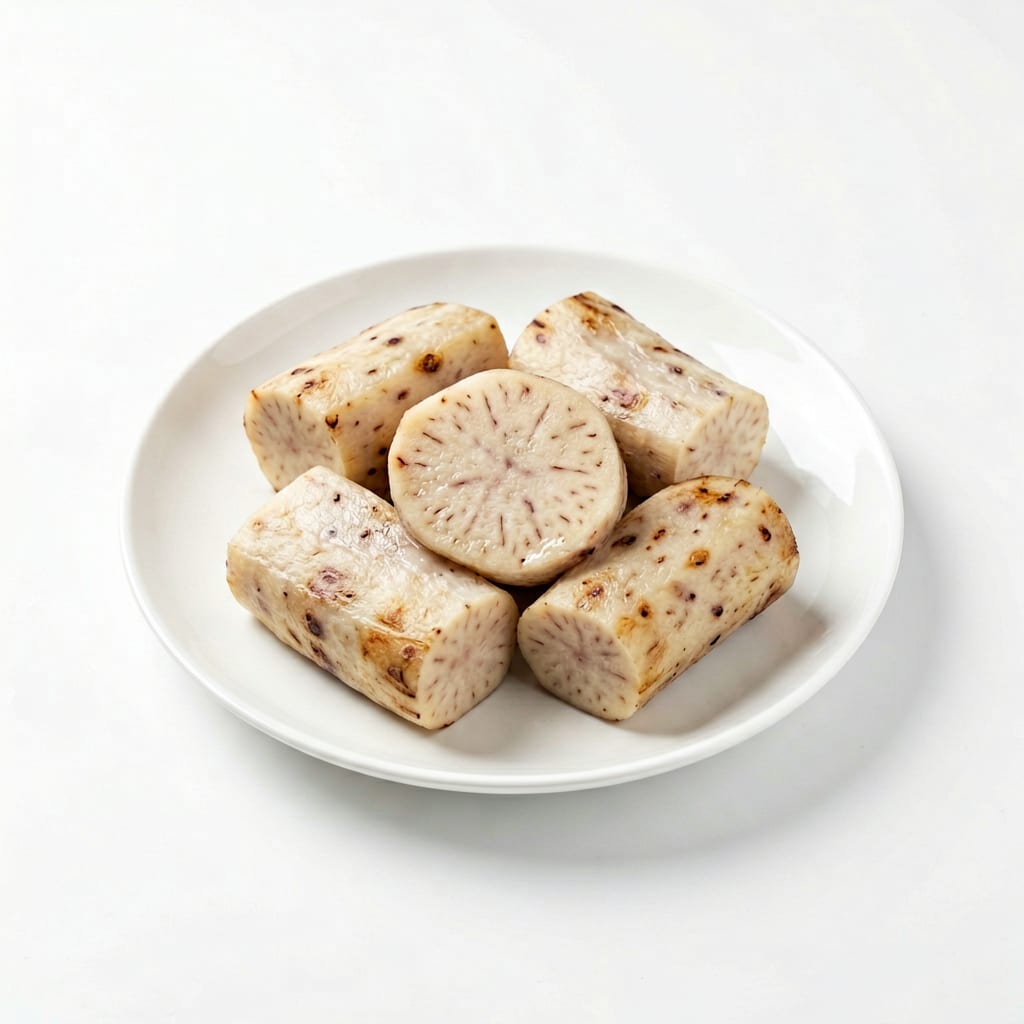
Compare with
Taro
Taro is denser in calories and carbs, whereas lotus root is lighter and better for calorie-controlled diets.
Lotus root is lower in calories and better for weight management, while taro provides denser energy for heavy workouts.
This food
Lotus Root
VS60% alike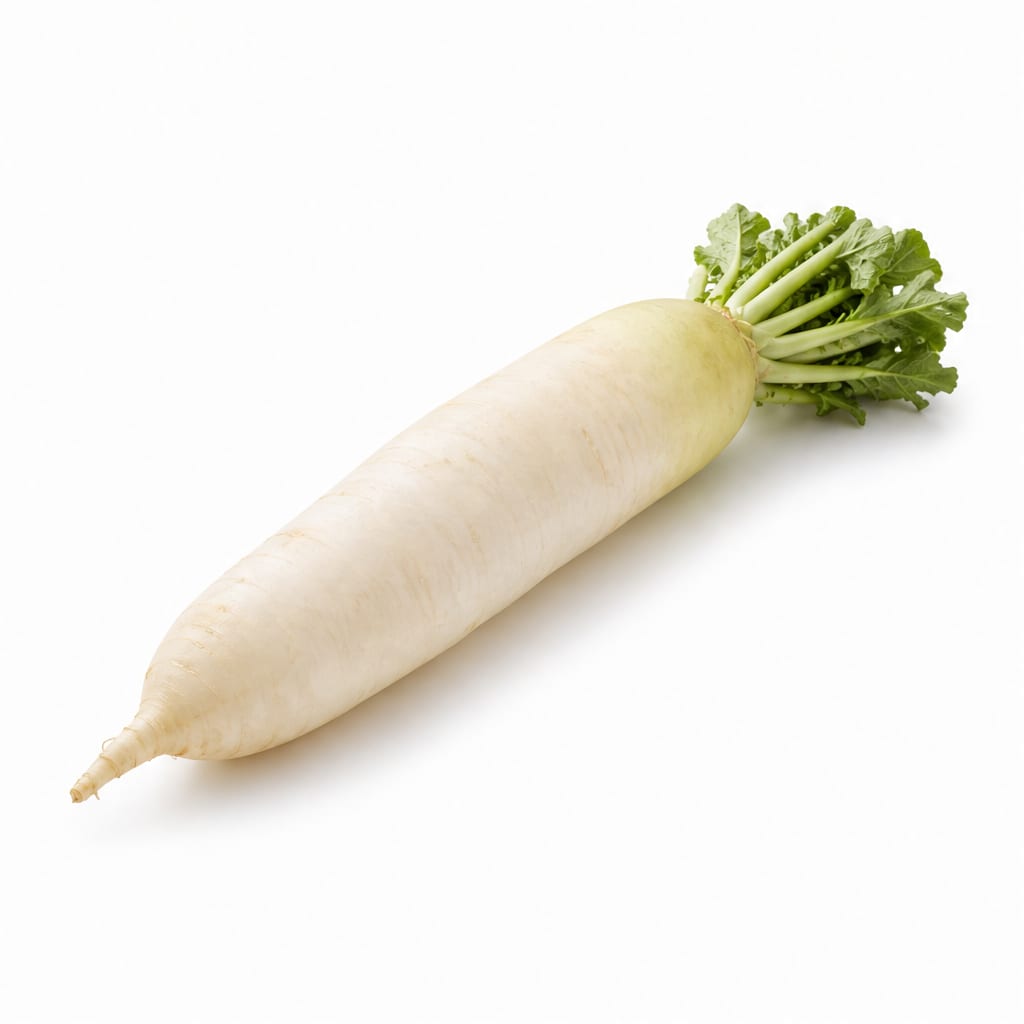
Compare with
Daikon Radish
Daikon is much lower in calories and carbs, ideal for strict dieting, while lotus root offers more substance and resistant starch.
Daikon radish is a near-zero calorie option for weight loss, whereas lotus root provides more satiating complex carbs.
This food
Lotus Root
VS65% alike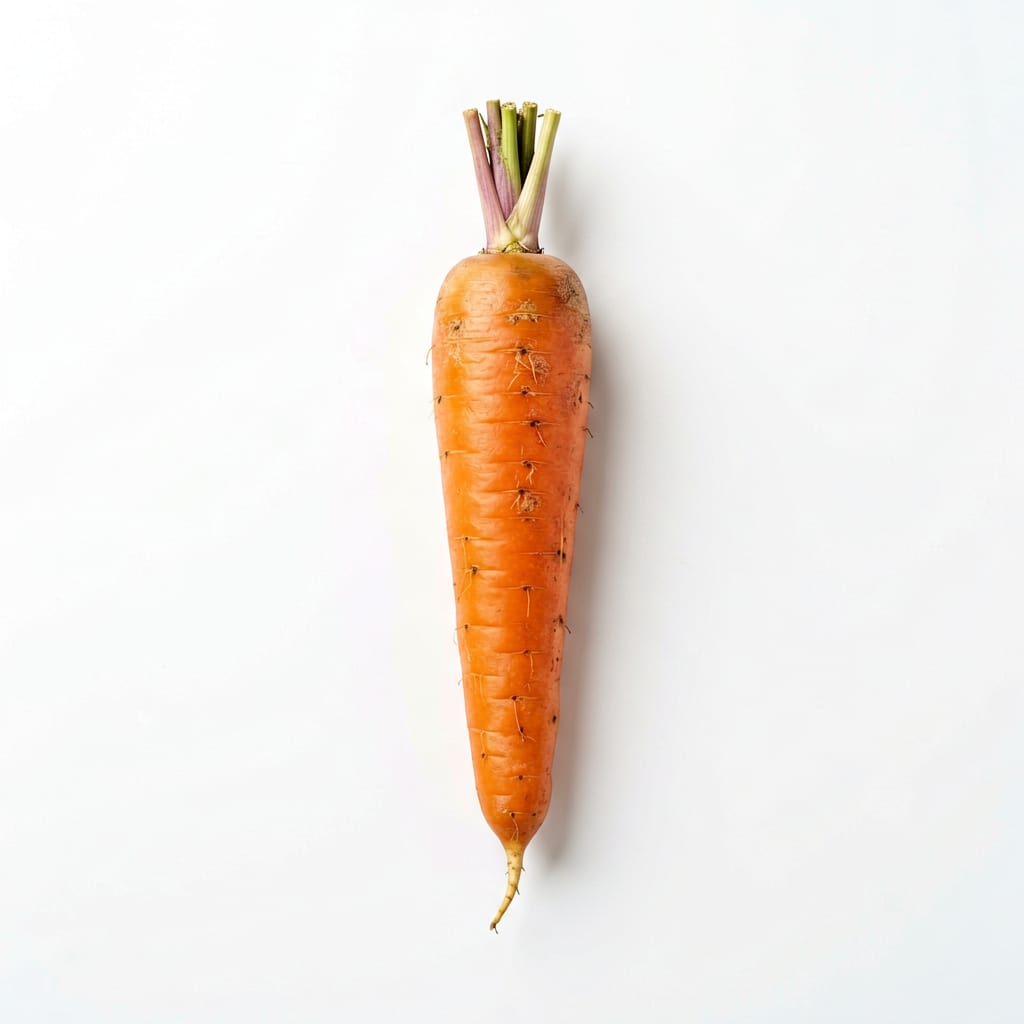
Compare with
Carrot
Carrots are richer in vitamin A and lower in carbs, while lotus root provides more potassium and resistant starch.
Carrots are lower in carbs and rich in vitamin A, while lotus root offers more potassium and gut-friendly starch.
This food
Lotus Root
VS60% alike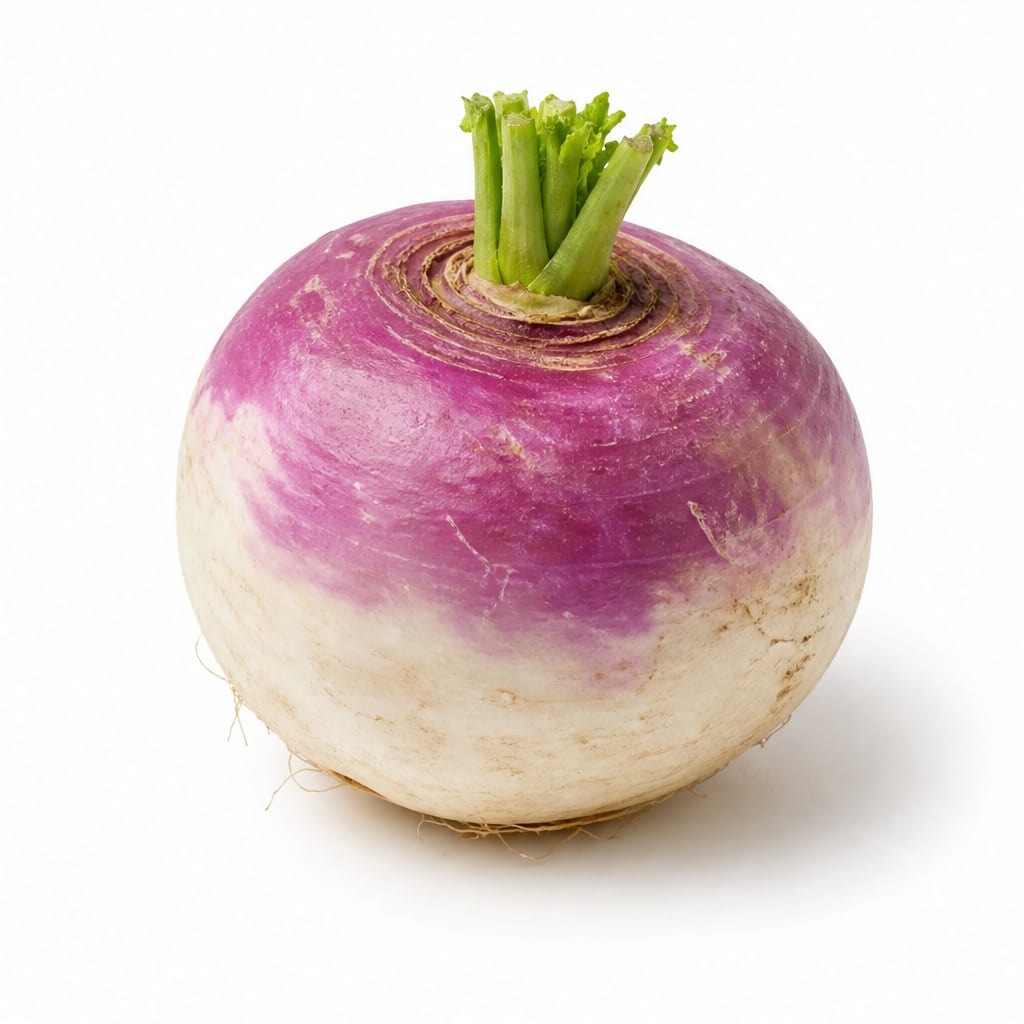
Compare with
Turnip
Turnips are lower in calories and carbs, but lotus root has a superior micronutrient profile and unique resistant starch.
Turnips are lighter in calories and carbs, but lotus root delivers more fiber and potassium for gut and heart health.
This food
Lotus Root
VS70% alike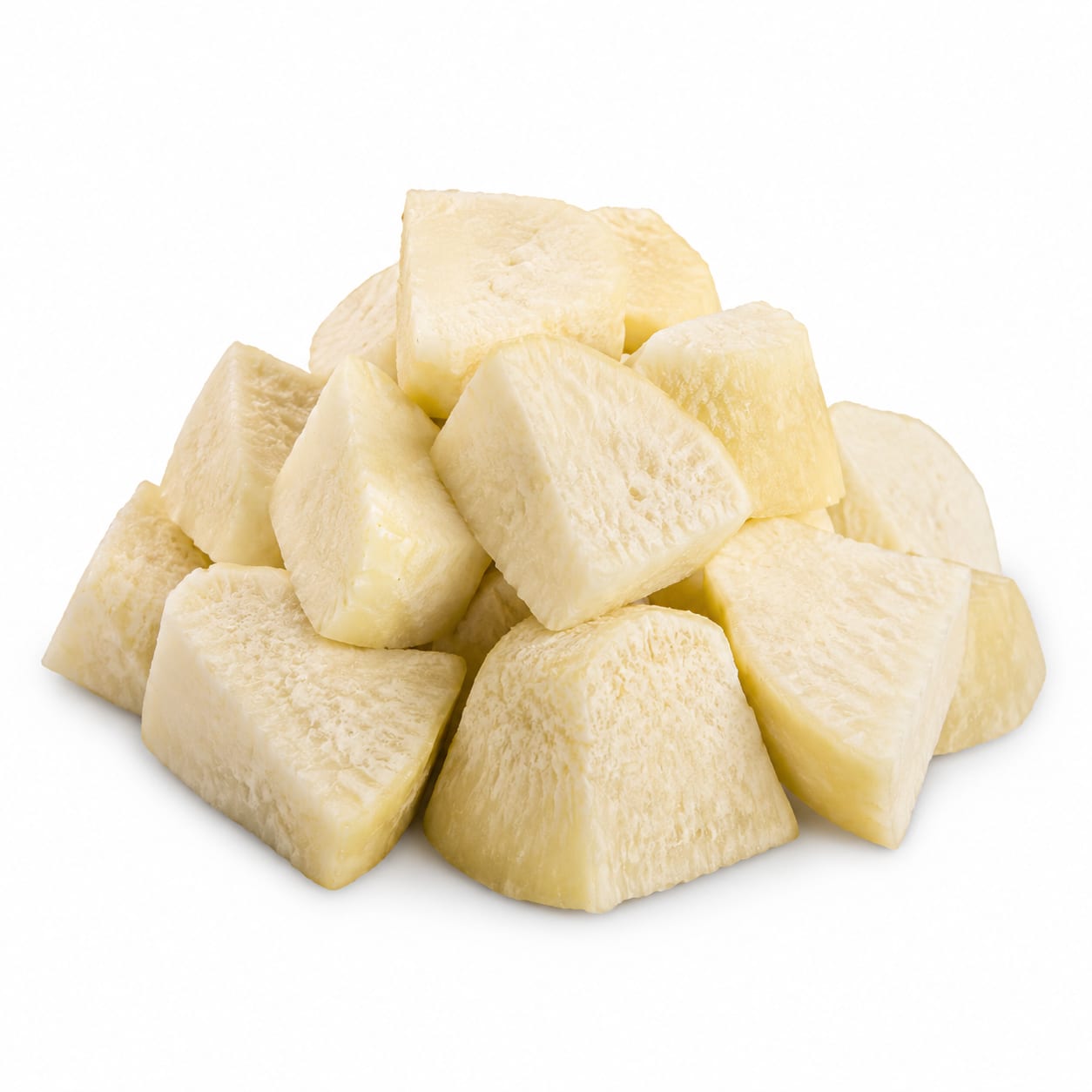
Compare with
Yam
Yams are much denser in carbs and calories, making lotus root the clear winner for weight loss and blood sugar control.
Lotus root is far lower in calories and better for blood sugar than yams, which are better suited for high-carb fueling.
This food
Lotus Root
VS65% alike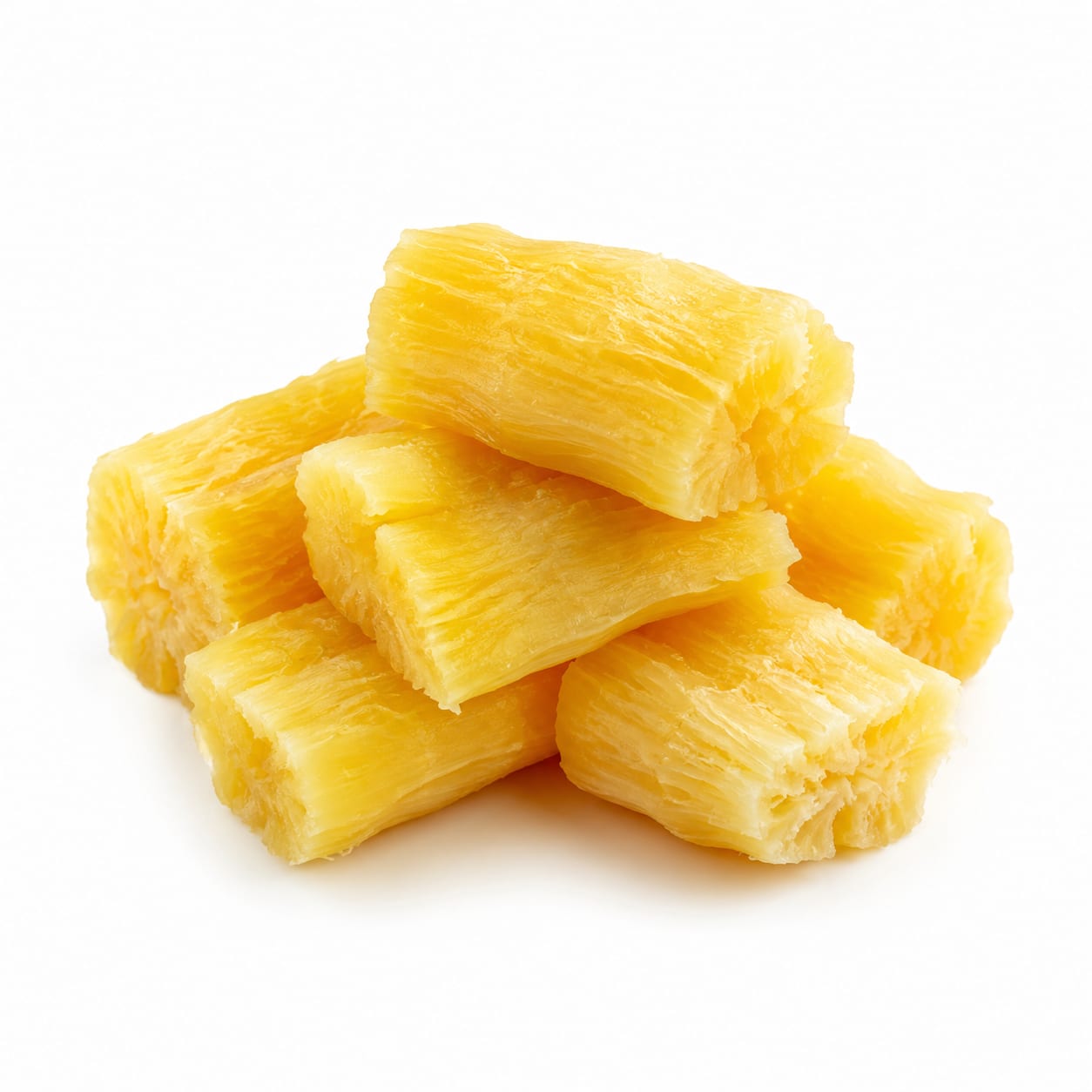
Compare with
Cassava
Cassava is extremely high in carbs and calories compared to lotus root, which is far more suitable for weight management.
Lotus root is significantly lower in calories and carbs than cassava, making it much better for weight loss and blood sugar control.
Common questions
FAQ
Answers aligned with how people search for this food.
Is lotus root good for weight loss?
Yes, lotus root is low in calories and high in fiber, which increases satiety and helps control overall calorie intake.
Can diabetics eat lotus root?
Yes, in moderation. Its fiber and resistant starch content slow digestion, preventing rapid blood sugar spikes, though portion control is important due to its carbohydrate content.
Do you have to cook lotus root?
Yes, it is highly recommended to cook lotus root thoroughly to eliminate potential waterborne parasites and bacteria, even though it is sometimes served raw in salads.
Is lotus root keto-friendly?
No, lotus root is relatively high in carbohydrates (around 17g per 100g) and is not suitable for a strict ketogenic diet.
What are the health benefits of lotus root?
It supports gut health through resistant starch, aids in blood pressure regulation due to high potassium, and boosts immunity with its vitamin C content.
Can you eat lotus root raw?
While technically edible raw, eating raw lotus root carries a risk of parasitic infection, so cooking it thoroughly is strongly advised.
Is lotus root a starch?
Yes, lotus root is a starchy vegetable, but a significant portion of its starch is resistant starch, which digests slowly and feeds beneficial gut bacteria.
How do you prepare lotus root?
Wash thoroughly, peel the skin, slice into rounds, and cook by stir-frying, boiling, or steaming. Soak slices in vinegar water to prevent browning.
Transparency
Data confidence
Estimated confidence for nutrition data, interpretation, safety notes, and comparisons.
Nutrition data
Health analysis
Food safety
Comparisons