
Nutrition comparison
Lotus Root vs Daikon Radish: Nutrition, Digestion, and Which to Choose
Compare Lotus Root and Daikon Radish side by side. Discover which root vegetable is better for weight loss, digestion, blood sugar, and daily meals with practical nutrition insights.
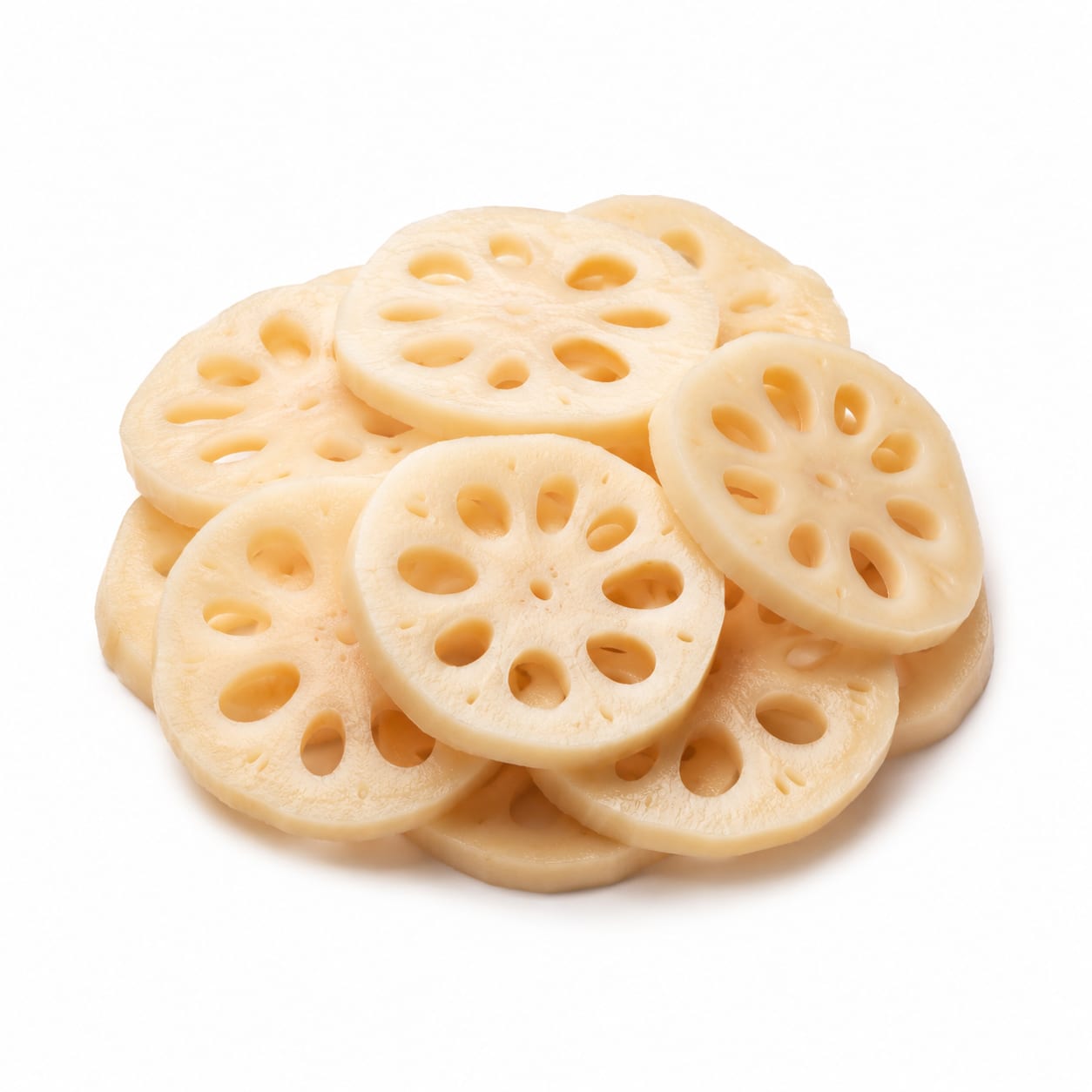
Lotus Root
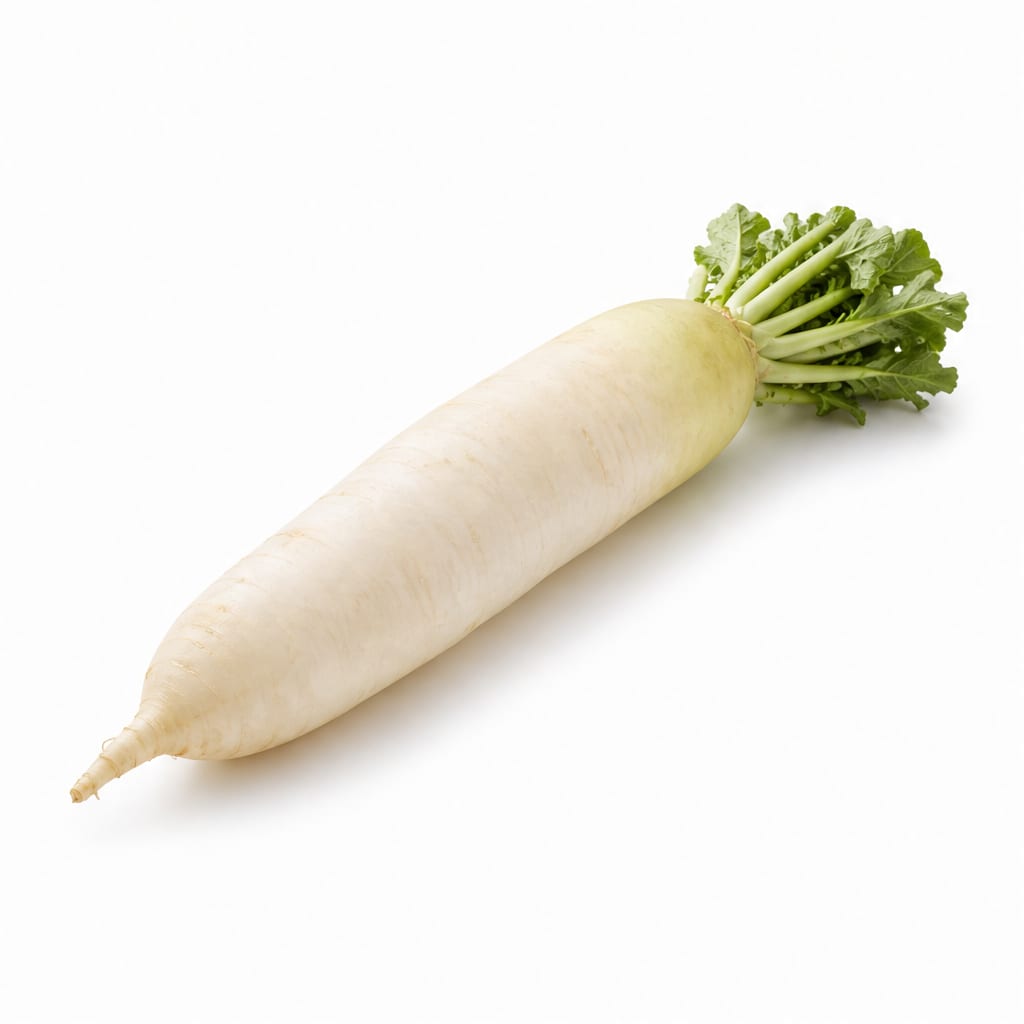
Daikon Radish
Lotus Root delivers more minerals and filling fiber, while Daikon Radish offers fewer calories and unique digestive enzymes — choose based on whether you need nutrient density or light hydration.
Lotus Root scores slightly higher for nutritional density and satiety, but Daikon Radish stays competitive through calorie efficiency and digestive benefits. The close scores reflect that both are healthy whole foods serving different needs.
Nutritional richness and satiety (Lotus Root) versus calorie lightness and digestive ease (Daikon Radish).
At a glance
Executive summary
Overall
It depends
Healthier
It depends
More practical
Daikon Radish
Daily use
Daikon Radish
Key comparison lenses
nutritional density and mineral intake
Lotus Root is significantly richer in potassium, iron, and vitamin C, making mineral content the most impactful differentiator
digestive health and gut support
Daikon Radish contains unique digestive enzymes while Lotus Root offers resistant starch and fiber, creating a meaningful gut health tradeoff
calorie efficiency and weight management
Daikon Radish is extremely low in calories per volume, making it a go-to for calorie-conscious eaters, while Lotus Root is denser
blood sugar stability
Both are low-glycemic root vegetables but differ in carbohydrate load and fiber type, affecting glucose response
practicality and preparation ease
Lotus Root requires peeling, soaking, and careful prep to prevent browning, while Daikon Radish is simpler to work with
Best choice for
Lotus Root
- People needing more potassium and iron in their diet
- Those wanting a more filling, satisfying vegetable side
- Anyone recovering from illness who needs nutrient-dense foods
- People managing blood pressure through dietary potassium
Daikon Radish
- People actively counting calories or cutting weight
- Those with sluggish digestion who benefit from natural enzymes
- Anyone wanting a low-effort vegetable for everyday meals
- People seeking hydration through food during hot weather
Least suitable for
Lotus Root
- People on strict low-carb or keto diets due to higher carb content
- Those who find the preparation process too time-consuming
- Anyone with sensitivity to starchy vegetables
Daikon Radish
- People who need calorie-dense foods to maintain weight
- Those looking for iron-rich plant foods
- Anyone wanting a vegetable that feels substantial as a main component
Deep comparison
Dimension by dimension
Each lens scores both foods and breaks down who each option suits.
- Dimension 1 · Priority 92Lotus Root
nutritional_density
Lotus Root · 85Daikon Radish · 55Lotus Root packs significantly more potassium, iron, vitamin C, and B vitamins per serving than Daikon Radish.
Tradeoff
You get more nutrients with Lotus Root but also more calories and carbohydrates as the delivery vehicle.
Why it matters
If your diet lacks mineral-rich foods, Lotus Root is a meaningful contributor. Daikon Radish is nutritious but more water than substance.
Real-world impact
A serving of Lotus Root covers roughly 15% of your daily potassium needs versus about 6% from Daikon Radish — a noticeable gap over time.
Lotus Root
- Boosting potassium intake naturally
- Adding plant-based iron to your diet
- Getting more vitamin C from whole foods
Better for
- Those who want maximum vitamins with minimal calories
Worse for
Daikon Radish
- Keeping nutrient-to-calorie ratio high for vitamins with minimal energy load
Better for
- Anyone who needs significant mineral intake from vegetables
Worse for
- Dimension 2 · Priority 88It depends
digestive_health
Lotus Root · 78Daikon Radish · 82Daikon Radish contains diastase and other digestive enzymes that help break down starches and fats, while Lotus Root provides resistant starch and insoluble fiber that feeds gut bacteria.
Tradeoff
Daikon Radish helps you digest other foods better right now; Lotus Root builds a healthier gut environment over time.
Why it matters
If you often feel bloated after heavy meals, Daikon Radish is the better companion. If you want to improve gut health long-term, Lotus Root's fiber profile is more supportive.
Real-world impact
Eating Daikon Radish alongside a rich meal can reduce that stuffed feeling. Regular Lotus Root consumption supports more consistent, comfortable digestion day to day.
Lotus Root
- Long-term gut microbiome support
- Improving stool regularity through insoluble fiber
Better for
- Those with IBS who may react to resistant starch
Worse for
Daikon Radish
- Reducing bloating after heavy or starchy meals
- Helping break down fats and proteins during digestion
Better for
- People who need more bulk and fiber for regularity
Worse for
- Dimension 3 · Priority 85Daikon Radish
calorie_efficiency
Lotus Root · 58Daikon Radish · 90Daikon Radish delivers roughly 18 calories per 100g compared to Lotus Root's 74 calories — a dramatic difference for volume eaters.
Tradeoff
You can eat far more Daikon Radish by volume without calorie consequences, but you may feel less satisfied afterward.
Why it matters
For anyone managing weight through portion control, Daikon Radish lets you fill your plate generously. Lotus Root requires more mindful portioning.
Real-world impact
A large bowl of Daikon Radish soup feels like a big meal for under 50 calories. The same volume of Lotus Root dishes would triple that count.
Lotus Root
- People who need energy-dense foods to feel satisfied
Better for
- Those trying to minimize calorie intake while eating large volumes
Worse for
Daikon Radish
- Volume eaters who want large portions without guilt
- Anyone tracking calories closely
- People who like snacking on crunchy vegetables freely
Better for
- Anyone who needs a vegetable to actually contribute meaningful energy
Worse for
- Dimension 4 · Priority 80Daikon Radish
blood_sugar_stability
Lotus Root · 65Daikon Radish · 82Daikon Radish has minimal carbohydrate content and a very low glycemic impact. Lotus Root contains more carbs but its fiber slows absorption.
Tradeoff
Daikon Radish barely moves your blood sugar at all. Lotus Root causes a modest rise but provides longer-lasting energy.
Why it matters
For diabetics or those sensitive to blood sugar swings, Daikon Radish is the safer bet. Lotus Root is still reasonable but requires portion awareness.
Real-world impact
You can eat Daikon Radish freely without worrying about glucose spikes. With Lotus Root, a large serving could cause a noticeable rise that requires insulin adjustment.
Lotus Root
- Active people who need moderate carbs for sustained energy
Better for
- People who must strictly limit carbohydrate intake
Worse for
Daikon Radish
- People with diabetes or insulin resistance
- Those following low-carb eating patterns
- Anyone trying to minimize post-meal glucose spikes
Better for
- Athletes who need carb-containing vegetables for recovery meals
Worse for
- Dimension 5 · Priority 78Lotus Root
satiety_and_fullness
Lotus Root · 80Daikon Radish · 50Lotus Root's combination of fiber, resistant starch, and moderate calories makes it genuinely filling. Daikon Radish is mostly water and digests quickly.
Tradeoff
Lotus Root keeps you satisfied longer but takes more calorie budget. Daikon Radish disappears from your stomach fast.
Why it matters
If you struggle with hunger between meals, Lotus Root is the better vegetable ally. Daikon Radish is refreshing but will not hold you over.
Real-world impact
A Lotus Root side dish at lunch can help you avoid the 3pm snack attack. Daikon Radish as a side leaves you looking for something else within an hour.
Lotus Root
- People who get hungry quickly after vegetable-light meals
- Anyone using food to stay full between meals
Better for
- People who dislike feeling full or heavy after meals
Worse for
Daikon Radish
- Those who prefer light, refreshing sides that do not create heaviness
Better for
- Anyone relying on vegetables to provide lasting satiety
Worse for
- Dimension 6 · Priority 75Daikon Radish
preparation_practicality
Lotus Root · 45Daikon Radish · 85Daikon Radish peels easily, cooks quickly, and requires no special treatment. Lotus Root needs peeling, immediate acid-water soaking to prevent browning, and longer cooking times.
Tradeoff
Lotus Root rewards effort with unique texture and visual appeal. Daikon Radish gets dinner on the table faster with less fuss.
Why it matters
On busy weeknights, Daikon Radish is the realistic choice. Lotus Root is better saved for weekends or when you have time to enjoy the cooking process.
Real-world impact
You can prep and cook Daikon Radish in under 15 minutes. Lotus Root typically needs 25-40 minutes plus the soaking step, which adds planning friction.
Lotus Root
- Home cooks who enjoy the process and presentation of cooking
- Special occasion meals where visual appeal matters
Better for
- Anyone short on time during weeknight cooking
- People who dislike multi-step vegetable preparation
Worse for
Daikon Radish
- Busy people who need quick vegetable sides
- Meal preppers who want minimal prep steps
- Cooking beginners who want foolproof vegetables
Better for
- Cooks who want a showpiece vegetable for entertaining
Worse for
Timeline
Health impact over time
Short-term
Hours to days
Lotus Root
- Provides noticeable fullness after eating due to fiber and starch content
- Mild blood sugar rise that provides steady energy for 1-2 hours
- Can cause slight bloating in people unaccustomed to resistant starch
Daikon Radish
- Refreshing and hydrating due to high water content
- Reduces heaviness after rich meals thanks to digestive enzymes
- Virtually no blood sugar impact, making it safe for glucose-sensitive individuals
Long-term
Months to years
Lotus Root
- Improved gut microbiome diversity from regular resistant starch intake
- Better blood pressure management from consistent potassium consumption
- Supports iron status, particularly valuable for plant-based eaters
Daikon Radish
- Improved digestive efficiency from regular enzyme consumption
- Easier weight maintenance due to extremely low calorie density
- Supports hydration habits through high water content
Risk profile
Safety & processing
Both Lotus Root and Daikon Radish are whole, minimally processed root vegetables. Fresh versions have no additives. Watch for pre-packaged Lotus Root that may contain preservatives to prevent browning, and pickled Daikon Radish which can be very high in sodium.
Lotus Root
parasitic_contamination_from_muddy_habitat
mediumLotus Root grows in muddy pond sediment where parasites can be present. Thorough cooking eliminates this risk. Never eat raw Lotus Root.
preservative_exposure_in_prepackaged_forms
lowVacuum-packed Lotus Root may contain sulfites or other preservatives. Rinse thoroughly or choose fresh whole roots when available.
Daikon Radish
goitrogenic_compounds_when_consumed_raw_in_excess
lowRaw Daikon Radish contains goitrogens that can interfere with thyroid function if eaten in very large amounts daily. Cooking reduces this significantly.
high_sodium_in_pickled_forms
mediumPickled Daikon (takuan) can contain extremely high sodium levels. Choose fresh Daikon Radish for regular consumption and treat pickled versions as condiments.
Who wins for whom
Audience fit
Same foods, different winners depending on your goal.
children
Daikon RadishDaikon Radish is milder, easier to chew when cooked, and simpler to prepare as a quick side. Lotus Root's holes can intrigue kids but the texture is less universally appealing.
daily consumption
Daikon RadishDaikon Radish is lower in calories, easier to prepare, and gentler on the digestive system for everyday use without accumulating carbohydrate load.
diabetes
Daikon RadishDaikon Radish has negligible carbohydrate content and will not spike blood sugar, making it the safer choice for glucose management.
elderly
Daikon RadishDaikon Radish is gentler on digestion, easier to chew when cooked soft, and its enzymes help with declining digestive capacity common in older adults.
muscle gain
Lotus RootLotus Root provides more carbohydrates for training fuel and potassium for muscle function, making it a better complement to a muscle-building diet.
weight loss
Daikon RadishDaikon Radish provides maximum volume and crunch for minimal calories, making it easier to maintain a calorie deficit without feeling deprived.
Your move
Decision guide
Choose Lotus Root
- You want a nutrient-dense vegetable that actually fills you up
- You need more potassium and iron from whole food sources
- You enjoy cooking and appreciate unique textures and presentation
- You are active and need moderate carbs from quality sources
- You are making a special meal where visual appeal matters
Choose Daikon Radish
- You are watching your calorie intake closely
- You want a digestive aid to accompany heavier meals
- You need a quick-cooking vegetable for busy weeknights
- You have blood sugar concerns and want near-zero carb vegetables
- You prefer light, refreshing sides over dense, filling ones
Either works if
- You want more vegetable variety in your Asian-inspired cooking
- You are looking for whole-food alternatives to processed sides
- You want to increase your vitamin C intake from natural sources
- You are generally healthy and just want to eat more vegetables
Avoid both if
- You are looking for a significant protein source — neither delivers meaningful protein
- You need calorie-dense foods to recover from malnutrition or being underweight
- You have severe FODMAP sensitivities and have not tested tolerance for either
Final recommendation
Keep both in rotation. Use Daikon Radish as your everyday workhorse vegetable for light, hydrating meals and digestive support. Save Lotus Root for days when you need more substance, minerals, and a satisfying crunch. They complement each other beautifully — Daikon Radish in soups and raw salads, Lotus Root in stir-fries and braised dishes.
Practical
Consumer tips
- 1
Choose Lotus Root that feels heavy for its size with no soft spots — lightness means it has dried out
- 2
Peel Lotus Root and immediately soak slices in water with a splash of vinegar to prevent browning
- 3
Daikon Radish should feel firm and smooth — sponginess means it is past its prime and will taste woody
- 4
Cook Lotus Root thoroughly to eliminate any risk of parasites from its muddy growing environment
- 5
If you find raw Daikon Radish too peppery, cooking mellows it into a gentle, sweet flavor
- 6
Store Daikon Radish wrapped in damp paper towel in the fridge — it keeps for up to two weeks
- 7
Fresh whole Lotus Root lasts only a few days refrigerated — use it quickly or buy frozen pre-sliced
- 8
Grated Daikon Radish paired with soy sauce makes a zero-effort condiment that aids digestion of fried foods